







İLKE Vakfı
Platform
  • Türkçe
No Result
View All Result
  • PLATFORM
  • NEWS
    Filistin Sempozyumu: Filistin ve Küresel İlişkilerin Geleceği

    Exploring Islam’s View on Slavery and Blackness: Seminar by Jonathan A.C. Brown

    The Conference on Contemporary Muslim Thought

    The Conference on Contemporary Muslim Thought

    Filistin Sempozyumu: Filistin ve Küresel İlişkilerin Geleceği

    Palestine Symposium: Palestine and the Future of Global Affairs

    İLKE Agenda: Muzzammil Ayyub Thakur ile Keşmir’in “Filistinleştirilmesi”

    The Platform Talks: Palestine after October 7 with Azzam Tamimi

    İLKE Agenda: Muzzammil Ayyub Thakur ile Keşmir’in “Filistinleştirilmesi”

    The Palestine Talks: Syria after December 8 with Kinda Hawasli

    İLKE Agenda: Muzzammil Ayyub Thakur ile Keşmir’in “Filistinleştirilmesi”

    İLKE Agenda: The “Palestinization” of Kashmir with Muzzammil Ayyub Thakur

    İLKE Agenda: Muzzammil Ayyub Thakur ile Keşmir’in “Filistinleştirilmesi”

    Khaled Beydoun: “Islamophobia is a modern manifestation of the crusades”

  • ANALYSIS
    • All
    • Culture, Arts and Media
    • Economy
    • Education
    • Energy and Environment
    • Fundamental Rights and Freedoms
    • Migration
    • Opinion
    • Social Issues
    Possible Scenarios Regarding Iran’s Nuclear Negotiations

    Possible Scenarios Regarding Iran’s Nuclear Negotiations

    Katliamların Gölgesinde Sudan

    In the Shadow of Massacres: Sudan

    Syrian Druze from December 8th to the Present, Between Sectarian, Social, and Political Identity Crises

    Syrian Druze from December 8th to the Present, Between Sectarian, Social, and Political Identity Crises

    Religion and Identity in the Crossfire of Sahelian Awakening

    Religion and Identity in the Crossfire of Sahelian Awakening

    The Land Burns Twice: Ecocide and the Colonial War on Nature in South Lebanon and Palestine

    The Land Burns Twice: Ecocide and the Colonial War on Nature in South Lebanon and Palestine

    India: Targeting ‘Infiltrators’ or Only Muslims?

    India: Targeting ‘Infiltrators’ or Only Muslims?

  • INTERVIEWS
    From the Ballot Box to the Street: The Rising Social Wave in Tanzania After the Election

    From the Ballot Box to the Street: The Rising Social Wave in Tanzania After the Election

    Kafkasya’da Müslümanlar ve İslami Eğitim: TCDİB Kuzey Kafkasya Koordinatörü Selim Akburak ile Söyleşi

    Muslims and Islamic Education in the Caucasus: An Interview with Selim Burak North Caucasus Coordinator in Directorate of Religious Affairs

    Göçü Yönetmek: Dr. Mehmet Köse’yle Söyleşi

    Interview with Mehmet Köse

    Gurbet Hikayeleri

    Interview on Gurbet Hikayeleri

    İstanbul’daki Uluslararası Öğrencilerle Söyleşi

    Interview with International Students in Istanbul

    Gazze’den Bir Ses

    A Voice from Gaza: Sarah al-Najjar

    Filistinli Kadınları Anlamak: Yıldız Ramazanoğlu

    Understanding Palestinian Women: Interview with Yıldız Ramazanoğlu

    Filistinli Yönetmen Nevres Salih’le Söyleşi

    Interview with Palestinian Director Nawras Abu Saleh

    Çin’de Bir Hattat: Haji Noor Deen

    A Calligrapher in China: Haji Noor Deen

  • VOICES
    Anas Altikriti | Voices from the Muslim World | Türkçe Altyazılı

    Anas Altikriti | Voices from the Muslim World | Türkçe Altyazılı

    Basil Mustafa (Oxford) | Voices from the Muslim World | with Turkish subtitles

    Basil Mustafa (Oxford) | Voices from the Muslim World | with Turkish subtitles

    OMAR SULEIMAN | VOICES FROM THE MUSLIM WORLD

    OMAR SULEIMAN | VOICES FROM THE MUSLIM WORLD

    Paul Williams | Voices from the Muslim World

    Paul Williams | Voices from the Muslim World

  • DATABASE
    • All
    • Institutions
    • Movements
    • People
    Afganistan Araştırma ve Değerlendirme Birimi

    Afghanistan Research and Evaluation Unit

    Afgan Stratejik Çalışmalar Merkezi

    Afghan Institute for Strategic Studies

    Abaad Araştırma Merkezi

    Abaad Studies & Research Center

    Adil Bir Dünya İçin Uluslararası Hareket

    International Movement For A Just World

    Adalet ve Kalkınma Partisi

    Justice and Development Party – Hizb al-Adale wa’t-Tenmiye-Justice and Development Party

    Adalet ve İhsan Hareketi

    Justice and Ihsan Movement

    Açe Özgürlük Hareketi

    Aceh Freedom Movement

    Hamid Dabashi

    Hamid Dabashi

    Fuad Sezgin

    Fuad Sezgin

  • PLATFORM
  • NEWS
    Filistin Sempozyumu: Filistin ve Küresel İlişkilerin Geleceği

    Exploring Islam’s View on Slavery and Blackness: Seminar by Jonathan A.C. Brown

    The Conference on Contemporary Muslim Thought

    The Conference on Contemporary Muslim Thought

    Filistin Sempozyumu: Filistin ve Küresel İlişkilerin Geleceği

    Palestine Symposium: Palestine and the Future of Global Affairs

    İLKE Agenda: Muzzammil Ayyub Thakur ile Keşmir’in “Filistinleştirilmesi”

    The Platform Talks: Palestine after October 7 with Azzam Tamimi

    İLKE Agenda: Muzzammil Ayyub Thakur ile Keşmir’in “Filistinleştirilmesi”

    The Palestine Talks: Syria after December 8 with Kinda Hawasli

    İLKE Agenda: Muzzammil Ayyub Thakur ile Keşmir’in “Filistinleştirilmesi”

    İLKE Agenda: The “Palestinization” of Kashmir with Muzzammil Ayyub Thakur

    İLKE Agenda: Muzzammil Ayyub Thakur ile Keşmir’in “Filistinleştirilmesi”

    Khaled Beydoun: “Islamophobia is a modern manifestation of the crusades”

  • ANALYSIS
    • All
    • Culture, Arts and Media
    • Economy
    • Education
    • Energy and Environment
    • Fundamental Rights and Freedoms
    • Migration
    • Opinion
    • Social Issues
    Possible Scenarios Regarding Iran’s Nuclear Negotiations

    Possible Scenarios Regarding Iran’s Nuclear Negotiations

    Katliamların Gölgesinde Sudan

    In the Shadow of Massacres: Sudan

    Syrian Druze from December 8th to the Present, Between Sectarian, Social, and Political Identity Crises

    Syrian Druze from December 8th to the Present, Between Sectarian, Social, and Political Identity Crises

    Religion and Identity in the Crossfire of Sahelian Awakening

    Religion and Identity in the Crossfire of Sahelian Awakening

    The Land Burns Twice: Ecocide and the Colonial War on Nature in South Lebanon and Palestine

    The Land Burns Twice: Ecocide and the Colonial War on Nature in South Lebanon and Palestine

    India: Targeting ‘Infiltrators’ or Only Muslims?

    India: Targeting ‘Infiltrators’ or Only Muslims?

  • INTERVIEWS
    From the Ballot Box to the Street: The Rising Social Wave in Tanzania After the Election

    From the Ballot Box to the Street: The Rising Social Wave in Tanzania After the Election

    Kafkasya’da Müslümanlar ve İslami Eğitim: TCDİB Kuzey Kafkasya Koordinatörü Selim Akburak ile Söyleşi

    Muslims and Islamic Education in the Caucasus: An Interview with Selim Burak North Caucasus Coordinator in Directorate of Religious Affairs

    Göçü Yönetmek: Dr. Mehmet Köse’yle Söyleşi

    Interview with Mehmet Köse

    Gurbet Hikayeleri

    Interview on Gurbet Hikayeleri

    İstanbul’daki Uluslararası Öğrencilerle Söyleşi

    Interview with International Students in Istanbul

    Gazze’den Bir Ses

    A Voice from Gaza: Sarah al-Najjar

    Filistinli Kadınları Anlamak: Yıldız Ramazanoğlu

    Understanding Palestinian Women: Interview with Yıldız Ramazanoğlu

    Filistinli Yönetmen Nevres Salih’le Söyleşi

    Interview with Palestinian Director Nawras Abu Saleh

    Çin’de Bir Hattat: Haji Noor Deen

    A Calligrapher in China: Haji Noor Deen

  • VOICES
    Anas Altikriti | Voices from the Muslim World | Türkçe Altyazılı

    Anas Altikriti | Voices from the Muslim World | Türkçe Altyazılı

    Basil Mustafa (Oxford) | Voices from the Muslim World | with Turkish subtitles

    Basil Mustafa (Oxford) | Voices from the Muslim World | with Turkish subtitles

    OMAR SULEIMAN | VOICES FROM THE MUSLIM WORLD

    OMAR SULEIMAN | VOICES FROM THE MUSLIM WORLD

    Paul Williams | Voices from the Muslim World

    Paul Williams | Voices from the Muslim World

  • DATABASE
    • All
    • Institutions
    • Movements
    • People
    Afganistan Araştırma ve Değerlendirme Birimi

    Afghanistan Research and Evaluation Unit

    Afgan Stratejik Çalışmalar Merkezi

    Afghan Institute for Strategic Studies

    Abaad Araştırma Merkezi

    Abaad Studies & Research Center

    Adil Bir Dünya İçin Uluslararası Hareket

    International Movement For A Just World

    Adalet ve Kalkınma Partisi

    Justice and Development Party – Hizb al-Adale wa’t-Tenmiye-Justice and Development Party

    Adalet ve İhsan Hareketi

    Justice and Ihsan Movement

    Açe Özgürlük Hareketi

    Aceh Freedom Movement

    Hamid Dabashi

    Hamid Dabashi

    Fuad Sezgin

    Fuad Sezgin

No Result
View All Result
Platform
No Result
View All Result
Home Analyses

Possible Scenarios Regarding Iran’s Nuclear Negotiations

Dr. Javad Heiran-Nia by Dr. Javad Heiran-Nia
1 December 2025
in Analyses, Opinion
A A
0
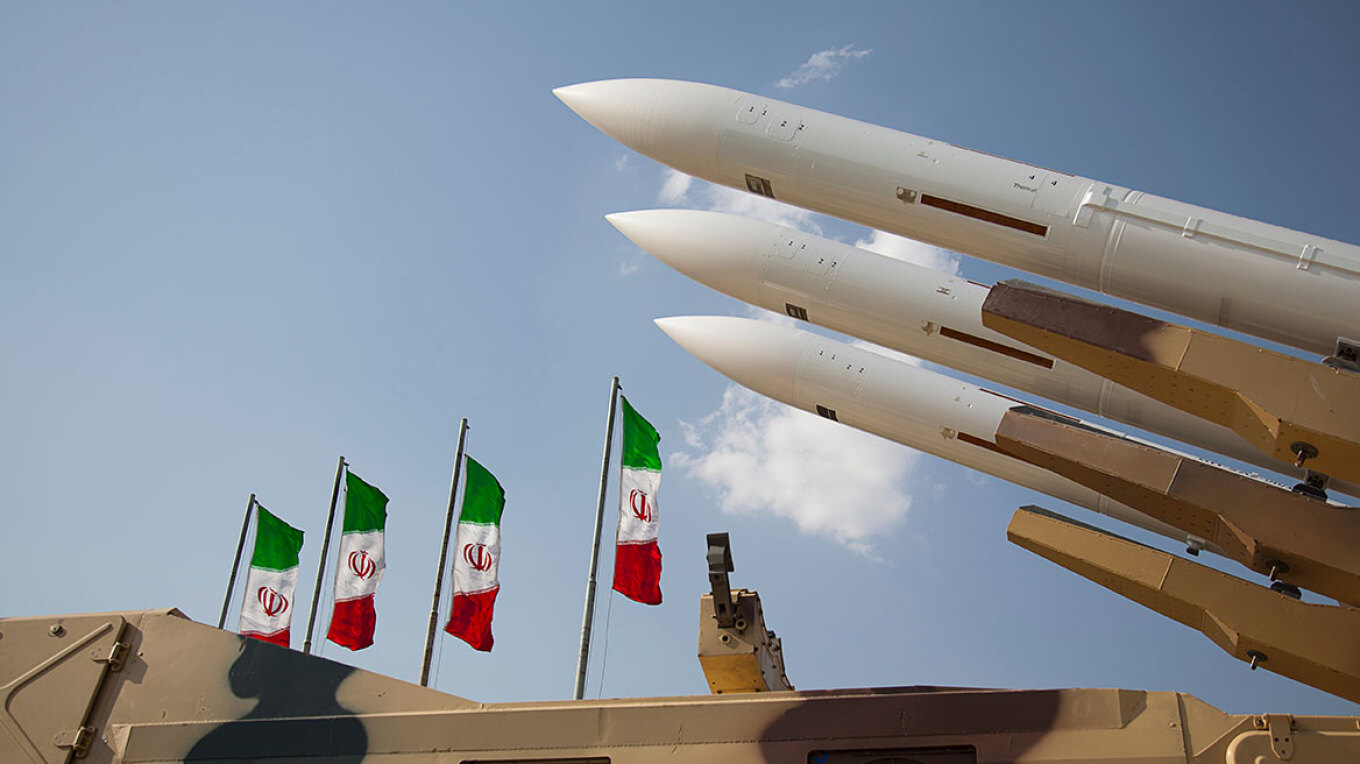
Possible Scenarios Regarding Iran’s Nuclear Negotiations
Share on FacebookShare on Twitter

Donald Trump’s withdrawal from the Iran nuclear deal, Joint Comprehensive Plan of Action (JCPOA), which was reached in 2015 by a consensus of countries including Russia, China, the United States, France, the United Kingdom, and Germany (the only non-permanent member of the Security Council), left little more than the name of the agreement behind. After Trump’s exit from the JCPOA in 2018, Iran also reduced its commitments under the deal and increased uranium enrichment to the 60 percent level. According to the latest IAEA report before the Israeli and U.S. attacks on Iran’s nuclear facilities, the amount was estimated at around 441 kilograms (Reuters, 2025).

With his re-election as U.S. president, Donald Trump expressed his willingness to reach a deal with Iran, although he mentioned the military option in the absence of an agreement. The United States also declared that the other option, military action, could serve the same outcome as negotiations: dismantling Iran’s nuclear program.

Ultimately, nuclear negotiations between Iran and the United States began on April 12, 2025. After five rounds of talks—and while the sixth round was scheduled for June 15, 2025, in Muscat, Oman (IRNA, 2025)—on June 13, just two days before that round, Israel carried out a combined military and intelligence attack on Iran’s military and nuclear facilities, assassinating several senior military commanders and nuclear scientists. During the subsequent 12-day war, the United States also struck the nuclear facilities in Isfahan, Natanz, and Fordow with bunker-buster bombs and cruise missiles, strikes Trump claimed had destroyed Iran’s nuclear program.

Following these attacks, Iran halted cooperation with the International Atomic Energy Agency (IAEA). The Israeli-U.S. assault occurred only days after a comprehensive IAEA report on Iran’s nuclear program, and Tehran believed that the report provided the pretext needed to attack its nuclear facilities. After the 12-day war, Iran made the continuation of talks with the United States conditional on guarantees against any further attacks on its soil and insisted on indirect negotiations. Although before the attacks on Iran’s nuclear facilities, European countries had discussed extending the snapback deadline, they showed little willingness to implement such an extension afterward. The three European countries tied non-activation of the snapback mechanism to three conditions:

1. Direct talks between Iran and the U.S.

2. Iran’s cooperation with the IAEA

3. Disclosure of the remaining stock of 60 percent enriched uranium after the U.S.-Israeli strikes

While Iran rejected these conditions, it continued cooperation with the IAEA under a new understanding reached through Egyptian mediation.

However, the Europeans deemed the understanding insufficient, arguing that no timeframe for IAEA inspections was included. They feared that a precise assessment of the damage to Iran’s nuclear infrastructure and remaining highly enriched uranium would not be available before the deadline to activate snapback came. Therefore, the three European countries activated the snapback mechanism (UK Parliament, 2025).

A resolution proposing to extend the snapback deadlines—submitted by Russia and China to the UN Security Council—failed to win enough votes due to opposition from the U.S., the U.K., France, and six other states (UN News, 2025). After activation of the snapback mechanism, Iran terminated cooperation with the IAEA based on the Cairo agreement and announced that it would deny access to IAEA inspectors (Mehr News, 2025). The Iranian parliament also declared suspension of cooperation with the IAEA as binding law (Aftab News, 2025). Additionally, more than 71 hardline Iranian MPs wrote to the Supreme National Security Council and the heads of the three branches of government, stating that while the use of nuclear weapons is prohibited by the Supreme Leader’s 2010 fatwa, building and maintaining such weapons for deterrence is a separate issue (Asriran, 2025a).

Nevertheless, Iran has stated it will not withdraw from the NPT—aiming to avoid provoking additional U.S. or Israeli attacks in the future. Tehran believes any ambiguity about its nuclear program would give it justification for further strikes. Despite snapback activation, official reactions in Iran do not signal a rejection of negotiations with the United States. However, the key issue is that after the 12-day war and the weakening of Iran’s regional non- state armed allies, Washington considers Tehran in a weakened position and refuses to negotiate solely on the nuclear issue.

According to Ali Larijani, Secretary of Iran’s Supreme National Security Council, the U.S. has demanded a reduction of Iran’s missile range to below 500 km and has also raised regional issues (Fararu, 2025). Thus, Washington currently seeks comprehensive negotiations with Iran on nuclear, regional, and missile matters. Following the 12-day war, the United States has shown no interest in talks under Iran’s preferred terms. Kazem Gharibabadi, Iran’s Deputy Foreign Minister, stated that the U.S. has ignored 15 Iranian requests for negotiations (Iran International, 2025). Even on the sidelines of the UN General Assembly, U.S. officials refused to meet with Iranian representatives (Eghtesad News, 2025).

Iran has lost much of its leverage: its proxies are weakened; its three main nuclear sites were destroyed in U.S. strikes; and the country is stuck between war and peace, preparing for further Israeli air attacks as in June 2025. Meanwhile, its economy has steadily deteriorated over the past decade, heightening social and political pressures (ORF Online, 2025). Thus, Iran does not reject negotiations and calls for talks on equal footing, limited to the nuclear issue, and without the precondition of “zero enrichment.” The U.S., however, seeks Iran’s renunciation of its enrichment rights. Yet Iran knows that resuming nuclear activities could again trigger U.S. and Israeli strikes. Whether through exiting the NPT or covert weaponization efforts, Israel’s intelligence advantage would likely detect such steps, risking retaliation (ORF Online, 2025).

President Trump has clearly stated that if Iran resumes uranium enrichment, the U.S. will strike. In response, Iran’s President Masoud Pezeshkian recently said: “If we refuse negotiations, what else can we do? War? They attack, we rebuild, and they attack again” (Radio Farda, 2025). With Iran now placed under UN Chapter VII through snapback sanctions- labeling it a threat to international peace- any future attack may enjoy broader legitimacy compared to the June strikes.

According to the November IAEA report, Iran has not allowed inspections of the bombed sites, and the agency is unaware of the current status of Iran’s 60 percent enriched uranium (DW, 2025). The IAEA demands that Iran “without delay” submit a precise report on its bombed facilities and enriched uranium (Radio Zamaneh, 2025). Iran’s lack of safeguards cooperation could return its nuclear file to the UN Security Council. Russia and China have also urged Iran to cooperate, although they may veto any new resolution against Tehran. If the legal track becomes blocked, it may justify new Israeli-U.S. strikes. Preventing this requires a new Iran-IAEA cooperation framework allowing inspection of war-damaged facilities and assessment of remaining high-enriched uranium—previously estimated at 418 kg.

However, this will require concessions from the West—concessions Iran expects to trade for sanctions relief and guarantees against attacks. For this reason, Iran claims all 400 kg of its 60 percent enriched uranium remains buried under rubble and that it will not remove it (Asriran, 2025b). Iran may only reveal details of its remaining uranium stockpile as part of a negotiation process involving guarantees and sanctions relief. However, the other side sees this disclosure as a legal obligation under IAEA rules, not something to trade.

Iran currently seeks to preserve its legal right to enrich, even though it is not enriching now. The nuclear program, into which billions have been invested, remains both a deterrent and a source of national pride.

With Hezbollah and Hamas weakened, Assad’s government collapsed, and Iran’s military capabilities diminished, the nuclear program is Iran’s strongest negotiation card. Tehran is unlikely to relinquish it without concessions; it could be presented as a victory, especially given political pressure from hardliners. Meanwhile, the U.S. demands a comprehensive deal beyond nuclear issues (with “zero enrichment”), emphasizing Iran’s missile and regional policies.

A middle-ground solution may involve Iran refraining from enrichment for now while retaining the right legally, provided the U.S. recognizes low-grade enrichment rights. Another possible compromise is forming a uranium-enrichment consortium, perhaps based in Oman and funded by Persian Gulf states. Iran proposed a domestic version of this before the June war (Hausheer Ali and Kline, 2025).

However, any middle path must also satisfy Israel; otherwise, another attack remains possible. While the 12-day war showed Iran’s nuclear issue has no military solution- and that “nuclear technology and knowledge” cannot be bombed- Washington’s maximalist demands make Iranian concessions highly unlikely.

References

1. Aftab News. (2025). Nikzad: Parliament Will Review the Lawmakers’ Letter on Building Nuclear Weapons on Sunday. https://aftabnews.ir/004G8t.

2. Asriran. (2025a). Letter from 71 Lawmakers to the Heads of Government Branches: We Should Build and Maintain Nuclear Weapons; Their Use is a Separate Matter. asriran.com/004bD5.

3. Asriran. (2025b). Araqchi: All 400 kilograms of 60% enriched uranium are under the rubble, and we have no intention of removing them from beneath it. asriran.com/004elU.

4. Deutsche Welle (DW). (2025). IAEA: Iran’s high-enriched uranium stockpiles must be inspected promptly. https://p.dw.com/p/53VFO.

5. Eghtesad News. (2025). American journalist’s claim about Araqchi’s meeting with U.S. officials. https://www.eghtesadnews.com/fa/tiny/news-744805.

6. Fararu. (2025). Larijani: Western Demands Are Unacceptable. https://fararu.com/fa/tiny/news-907161.

7. Hausheer Ali, S. and Kline, C. (2025). Will the US achieve a ‘big, beautiful’ Iran deal or stall in homeostasis? https://www.atlanticcouncil.org/blogs/menasource/will-the-us-achieve-a-big-beautiful-iran-deal-or-stall-in-homeostasis/.

8. IRNA. (2025). Iran-U.S. nuclear negotiations scheduled for Muscat. https://irna.ir/xjTMRX.

9. Iran International. (2025). Iranian officials reported that Tehran’s messages for negotiations have gone unanswered by the United States. https://www.iranintl.com/202508307125.

10. Mehr News. (2025). Pezeshkian’s Reaction to Snapback Activation: We Will Not Allow Inspections. mehrnews.com/x398p3.

11. ORF Online. (2025). Following snapback sanctions: More dilemmas for Iran’s leadership .https://www.orfonline.org/research/following-snapback-sanctions-more-dilemmas-for-iran-s-leadership.

12. Radio Farda. (2025). Iran’s President Says Rebuilding Nuclear Sites Futile Without Talks With Washington. https://www.rferl.org/a/pezeshkian-negotiations-us-nuclear-sites-war/33499974.html.

13. Radio Zamaneh. (2025). International Atomic Energy Agency: The inspection of Iran’s enriched uranium stockpiles has “been delayed for months.” https://www.radiozamaneh.com/869433/.

14. Reuters. (2025, September 3). Iran’s near bomb-grade uranium stock grew before Israeli attack, IAEA says. https://www.reuters.com/business/energy/irans-near-bomb-grade-uranium-stock-grew-before-israeli-attack-iaea-says-2025-09-03/.

15. UK Parliament. (2025). The E3 triggers snapback sanctions against Iran 2025. https://commonslibrary.parliament.uk/research-briefings/cbp-10330/.

16. UN News. (2025). UN Security Council blocks China-Russia resolution on Iran sanctions. https://news.un.org/en/story/2025/09/1165974.
Dr. Javad Heiran-Nia

Dr. Javad Heiran-Nia

Javad Heiran-Nia, Ph.D., International Relations, Director of the Persian Gulf Studies Group at the Center for Scientific Research and Middle East Strategic Studies in Iran. He was the Current Affairs Analyst at Cambridge Middle East and North Africa Forum. He is author of the book, “Iran and the Security Order in the Persian Gulf: The Presidency of Hassan Rouhani,” July 29, 2024 by Routledge. His articles have appeared in Atlantic Council, Stimson Center, National Interest, Middle East Policy, Cambridge Middle East and North Africa Forum, Insight Turkey, Iran and the Caucasus Journal, Contemporary Review of the Middle East, Strategic Analysis, LobeLog. Heiran-Nia’s commentary and interviews have been published by leading outlets including Newsweek, Anadolu Agency, The Asahi Shimbun, The Yomiuri Shimbun, Al Arabiya, Al Jazeera, Qatar AlarabyTV, Expresso, Bloomberg Asharq, the National and the New Arab. He has participated and spoken at prestigious conferences at Princeton University, Cambridge University, Georgetown University, Qatar University and other universities and Think Tanks such as the Sasakawa Peace Foundation (Japan), The Iranian Studies Unit of the Arab Center for Research and Policy Studies (Doha, Qatar), YCAPS’ Europe Chapter at the Stockholm Center for South Asian and Indo-Pacific Affair.

Related Articles

Katliamların Gölgesinde Sudan
Analyses

In the Shadow of Massacres: Sudan

27 November 2025
Syrian Druze from December 8th to the Present, Between Sectarian, Social, and Political Identity Crises
Analyses

Syrian Druze from December 8th to the Present, Between Sectarian, Social, and Political Identity Crises

11 November 2025
Religion and Identity in the Crossfire of Sahelian Awakening
Analyses

Religion and Identity in the Crossfire of Sahelian Awakening

4 November 2025
The Land Burns Twice: Ecocide and the Colonial War on Nature in South Lebanon and Palestine
Analyses

The Land Burns Twice: Ecocide and the Colonial War on Nature in South Lebanon and Palestine

4 November 2025
India: Targeting ‘Infiltrators’ or Only Muslims?
Analyses

India: Targeting ‘Infiltrators’ or Only Muslims?

4 November 2025
Insight into Turkey’s Civil Society Ecosystem in light of the Experience of the Global Sumud Flotilla
Analyses

Insight into Turkey’s Civil Society Ecosystem in light of the Experience of the Global Sumud Flotilla

4 November 2025
  • Possible Scenarios Regarding Iran’s Nuclear Negotiations

    Possible Scenarios Regarding Iran’s Nuclear Negotiations

    0 shares
    Share 0 Tweet 0
  • In the Shadow of Massacres: Sudan

    0 shares
    Share 0 Tweet 0
  • In the Shadow of Massacres: Sudan

    0 shares
    Share 0 Tweet 0
  • Islam, Ethnic Conflicts, and Social Peace in the Horn of Africa

    0 shares
    Share 0 Tweet 0
  • Digital Colonialism: The Evolution of Colonialism and The New Generation Imperialism

    0 shares
    Share 0 Tweet 0
  • Return Dynamics in the Context of Syria’s Reconstruction

    0 shares
    Share 0 Tweet 0
  • Islamic Cities and Modern Urbanization

    0 shares
    Share 0 Tweet 0
  • Syrian Druze from December 8th to the Present, Between Sectarian, Social, and Political Identity Crises

    0 shares
    Share 0 Tweet 0

Platform: Agenda of the Muslim World was established within the İLKE Science Culture Education Foundation as a publication organ that aims to follow and analyze the intellectual, political, social, economic and cultural agendas of Muslim societies and to present current and original perspectives on the Muslim world.

  • ANALYSIS
  • NEWS
  • INTERVIEWS
  • VOICES
  • platform@ilke.org.tr
  • (0216) 310 43 18
  • Aziz Mahmut Hüdayi Mah. Türbe Kapısı Sk. No: 13 Üsküdar, İstanbul
Instagram X-twitter

2025 @ PLATFORM is an İLKE Foundation organization. All rights reserved.

No Result
View All Result
  • Home
  • Analyses
  • Infographic
  • Interviews
  • News
  • Database
  • Voices
İLKE Vakfı
  • Türkçe