


İLKE Vakfı
Platform
tr Türkçe en English
No Result
View All Result
  • PLATFORM
  • NEWS
    İLKE Agenda: Muzzammil Ayyub Thakur ile Keşmir’in “Filistinleştirilmesi”

    Khaled Beydoun: “Islamophobia is a modern manifestation of the crusades”

    Filistin Sempozyumu: Filistin ve Küresel İlişkilerin Geleceği

    Exploring Islam’s View on Slavery and Blackness: Seminar by Jonathan A.C. Brown

    The Conference on Contemporary Muslim Thought

    The Conference on Contemporary Muslim Thought

    Filistin Sempozyumu: Filistin ve Küresel İlişkilerin Geleceği

    Palestine Symposium: Palestine and the Future of Global Affairs

    İLKE Agenda: Muzzammil Ayyub Thakur ile Keşmir’in “Filistinleştirilmesi”

    The Platform Talks: Palestine after October 7 with Azzam Tamimi

    İLKE Agenda: Muzzammil Ayyub Thakur ile Keşmir’in “Filistinleştirilmesi”

    The Palestine Talks: Syria after December 8 with Kinda Hawasli

    İLKE Agenda: Muzzammil Ayyub Thakur ile Keşmir’in “Filistinleştirilmesi”

    İLKE Agenda: The “Palestinization” of Kashmir with Muzzammil Ayyub Thakur

  • ANALYSIS
    • All
    • Culture, Arts and Media
    • Economy
    • Education
    • Energy and Environment
    • Fundamental Rights and Freedoms
    • Migration
    • Opinion
    • Social Issues
    İsrail Neden Klasik Sömürgeci Bir Aktör Olarak Görülmeli?

    Why Shouls Israel Be Regarded As a Classical Colonial Actor?

    Beyond Zero-Sum: Connectivity for Shared Prosperity

    Beyond Zero-Sum: Connectivity for Shared Prosperity

    The ‘Malay World’ and Cultural Structuring

    The ‘Malay World’ and Cultural Structuring

    İran-ABD/İsrail Savaşı Sonrası Körfez’in Yeni Güvenlik Doktrini

    The Gulf’s New Security Doctrine After the Iran–U.S./Israel War

    The Carnivalization of the World

    The Carnivalization of the World

    Türkiye’s Evolving Role in Preserving the Memory of the Srebrenica Genocide

    Türkiye’s Evolving Role in Preserving the Memory of the Srebrenica Genocide

  • INTERVIEWS
    A Conversation with Dr. Fadi Zatari on Zionist Terrorism and the Palestinian Resistance

    A Conversation with Dr. Fadi Zatari on Zionist Terrorism and the Palestinian Resistance

    Veri Sömürgeciliği, Yapay Zeka ve Dijital Geleceğimiz: Prof. Ulises Ali Mejias ile Söyleşi

    Data Colonialism, Artificial Intelligence, and Our Digital Future: An Interview with Prof. Ulises Ali Mejias

    Casir el-Bergusi ile Filistin Mücadelesi ve Esaret Yılları Üzerine Bir Röportaj

    An Interview with Jaser Albarghouthi on the Palestinian Struggle and the Years of Captivity

    The Decolonization of Knowledge: Interview with Professor Souleymane Bachir Diagne

    The Decolonization of Knowledge: Interview with Professor Souleymane Bachir Diagne

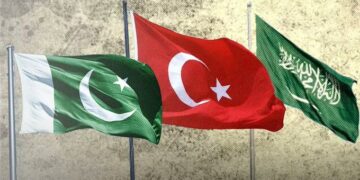
    A Possible New Breath in Regional Balances: The Alliance of Türkiye, Pakistan, Egypt, and Saudi Arabia

    A Possible New Breath in Regional Balances: The Alliance of Türkiye, Pakistan, Egypt, and Saudi Arabia

    From the Ballot Box to the Street: The Rising Social Wave in Tanzania After the Election

    From the Ballot Box to the Street: The Rising Social Wave in Tanzania After the Election

    Kafkasya’da Müslümanlar ve İslami Eğitim: TCDİB Kuzey Kafkasya Koordinatörü Selim Akburak ile Söyleşi

    Muslims and Islamic Education in the Caucasus: An Interview with Selim Burak North Caucasus Coordinator in Directorate of Religious Affairs

    Göçü Yönetmek: Dr. Mehmet Köse’yle Söyleşi

    Interview with Mehmet Köse

    Gurbet Hikayeleri

    Interview on Gurbet Hikayeleri

  • VOICES
    Anas Altikriti | Voices from the Muslim World | Türkçe Altyazılı

    Anas Altikriti | Voices from the Muslim World | Türkçe Altyazılı

    Basil Mustafa (Oxford) | Voices from the Muslim World | with Turkish subtitles

    Basil Mustafa (Oxford) | Voices from the Muslim World | with Turkish subtitles

    OMAR SULEIMAN | VOICES FROM THE MUSLIM WORLD

    OMAR SULEIMAN | VOICES FROM THE MUSLIM WORLD

    Paul Williams | Voices from the Muslim World

    Paul Williams | Voices from the Muslim World

  • DATABASE
    • All
    • Institutions
    • Movements
    • People
    • Q-A
    Afrika Haritalarda Neden Küçük Görünüyor?

    Why Does Africa Appear Smaller on Maps?

    Salman Sayyid

    Salman Sayyid

    Muhammed Abdullah Draz

    Muhammad Abdullah Draz

    Nurettin Topçu

    Nurettin Topçu

    Taha Abdurrahman

    Taha Abdurrahman

    Süleyman Mansur

    Sliman Mansour

    5 Ağustos İslami İnsan Hakları ve İnsan Onuru Günü Nedir?

    What is August 5 Islamic Human Rights and Human Dignity Day?

    Kritik Mineral Nedir?

    What is a critical mineral?

    Sömürgecilik Nedir?

    What is Colonialism?

  • DISCOVER
  • AUTHORS
  • PLATFORM
  • NEWS
    İLKE Agenda: Muzzammil Ayyub Thakur ile Keşmir’in “Filistinleştirilmesi”

    Khaled Beydoun: “Islamophobia is a modern manifestation of the crusades”

    Filistin Sempozyumu: Filistin ve Küresel İlişkilerin Geleceği

    Exploring Islam’s View on Slavery and Blackness: Seminar by Jonathan A.C. Brown

    The Conference on Contemporary Muslim Thought

    The Conference on Contemporary Muslim Thought

    Filistin Sempozyumu: Filistin ve Küresel İlişkilerin Geleceği

    Palestine Symposium: Palestine and the Future of Global Affairs

    İLKE Agenda: Muzzammil Ayyub Thakur ile Keşmir’in “Filistinleştirilmesi”

    The Platform Talks: Palestine after October 7 with Azzam Tamimi

    İLKE Agenda: Muzzammil Ayyub Thakur ile Keşmir’in “Filistinleştirilmesi”

    The Palestine Talks: Syria after December 8 with Kinda Hawasli

    İLKE Agenda: Muzzammil Ayyub Thakur ile Keşmir’in “Filistinleştirilmesi”

    İLKE Agenda: The “Palestinization” of Kashmir with Muzzammil Ayyub Thakur

  • ANALYSIS
    • All
    • Culture, Arts and Media
    • Economy
    • Education
    • Energy and Environment
    • Fundamental Rights and Freedoms
    • Migration
    • Opinion
    • Social Issues
    İsrail Neden Klasik Sömürgeci Bir Aktör Olarak Görülmeli?

    Why Shouls Israel Be Regarded As a Classical Colonial Actor?

    Beyond Zero-Sum: Connectivity for Shared Prosperity

    Beyond Zero-Sum: Connectivity for Shared Prosperity

    The ‘Malay World’ and Cultural Structuring

    The ‘Malay World’ and Cultural Structuring

    İran-ABD/İsrail Savaşı Sonrası Körfez’in Yeni Güvenlik Doktrini

    The Gulf’s New Security Doctrine After the Iran–U.S./Israel War

    The Carnivalization of the World

    The Carnivalization of the World

    Türkiye’s Evolving Role in Preserving the Memory of the Srebrenica Genocide

    Türkiye’s Evolving Role in Preserving the Memory of the Srebrenica Genocide

  • INTERVIEWS
    A Conversation with Dr. Fadi Zatari on Zionist Terrorism and the Palestinian Resistance

    A Conversation with Dr. Fadi Zatari on Zionist Terrorism and the Palestinian Resistance

    Veri Sömürgeciliği, Yapay Zeka ve Dijital Geleceğimiz: Prof. Ulises Ali Mejias ile Söyleşi

    Data Colonialism, Artificial Intelligence, and Our Digital Future: An Interview with Prof. Ulises Ali Mejias

    Casir el-Bergusi ile Filistin Mücadelesi ve Esaret Yılları Üzerine Bir Röportaj

    An Interview with Jaser Albarghouthi on the Palestinian Struggle and the Years of Captivity

    The Decolonization of Knowledge: Interview with Professor Souleymane Bachir Diagne

    The Decolonization of Knowledge: Interview with Professor Souleymane Bachir Diagne

    A Possible New Breath in Regional Balances: The Alliance of Türkiye, Pakistan, Egypt, and Saudi Arabia

    A Possible New Breath in Regional Balances: The Alliance of Türkiye, Pakistan, Egypt, and Saudi Arabia

    From the Ballot Box to the Street: The Rising Social Wave in Tanzania After the Election

    From the Ballot Box to the Street: The Rising Social Wave in Tanzania After the Election

    Kafkasya’da Müslümanlar ve İslami Eğitim: TCDİB Kuzey Kafkasya Koordinatörü Selim Akburak ile Söyleşi

    Muslims and Islamic Education in the Caucasus: An Interview with Selim Burak North Caucasus Coordinator in Directorate of Religious Affairs

    Göçü Yönetmek: Dr. Mehmet Köse’yle Söyleşi

    Interview with Mehmet Köse

    Gurbet Hikayeleri

    Interview on Gurbet Hikayeleri

  • VOICES
    Anas Altikriti | Voices from the Muslim World | Türkçe Altyazılı

    Anas Altikriti | Voices from the Muslim World | Türkçe Altyazılı

    Basil Mustafa (Oxford) | Voices from the Muslim World | with Turkish subtitles

    Basil Mustafa (Oxford) | Voices from the Muslim World | with Turkish subtitles

    OMAR SULEIMAN | VOICES FROM THE MUSLIM WORLD

    OMAR SULEIMAN | VOICES FROM THE MUSLIM WORLD

    Paul Williams | Voices from the Muslim World

    Paul Williams | Voices from the Muslim World

  • DATABASE
    • All
    • Institutions
    • Movements
    • People
    • Q-A
    Afrika Haritalarda Neden Küçük Görünüyor?

    Why Does Africa Appear Smaller on Maps?

    Salman Sayyid

    Salman Sayyid

    Muhammed Abdullah Draz

    Muhammad Abdullah Draz

    Nurettin Topçu

    Nurettin Topçu

    Taha Abdurrahman

    Taha Abdurrahman

    Süleyman Mansur

    Sliman Mansour

    5 Ağustos İslami İnsan Hakları ve İnsan Onuru Günü Nedir?

    What is August 5 Islamic Human Rights and Human Dignity Day?

    Kritik Mineral Nedir?

    What is a critical mineral?

    Sömürgecilik Nedir?

    What is Colonialism?

  • DISCOVER
  • AUTHORS
No Result
View All Result
Platform
No Result
View All Result
tr Türkçe en English
Home Database People

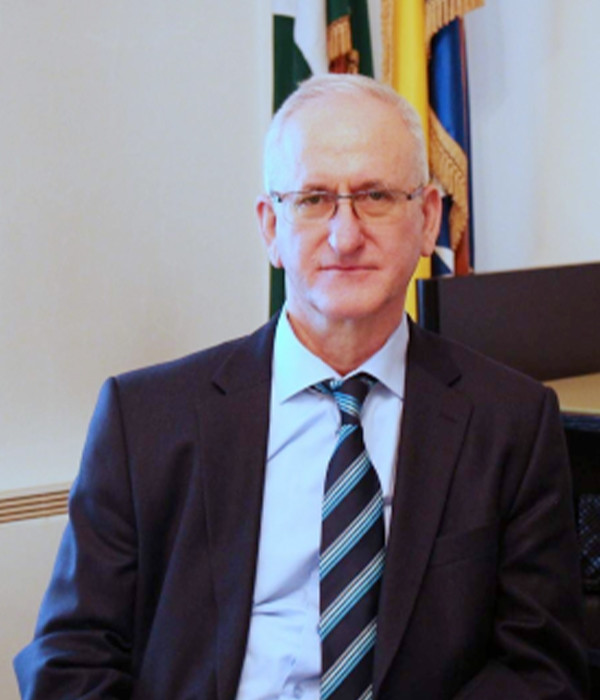
Fikret Karcic

Platform Editör by Platform Editör
20 August 2025
in People
Fikret Karcic
Share on FacebookShare on Twitter

He holds a BA in international relations, an MA in ideology and discourse analysis and a PhD in the state. He worked at universities in London and Manchester before joining Leeds on a five-year University Research Fellowship. In 2010 he took a leave of absence from Leeds to work as a Professor and founding Director of a newly established research center in Adelaide, Australia. During his time in Australia he produced a film called “Everything You Wanted to Know About Muslims but Were Afraid to Ask”. In Australia he worked in the field of Critical Muslim Studies and organized international conferences, symposia, and workshops under the theme “Reorienting World Colonial Horizons” (ESSL, n.d.). After returning to the UK, he published ReOrient, an interdisciplinary peer-reviewed academic journal on Critical Muslim Studies and Recalling the Caliphate.

His previous monograph, The Fear of Fundamentalism, was highly acclaimed. It helped transform the way Islamism is analyzed and was translated into several languages but was banned by the Malaysian government in 2006. He has been interviewed by national and international broadcasters such as ABC (Australia), BBC, CBC (Canada), Press TV (Iran), Channel 4 (UK) and ORF (Austria). He has also written opinion pieces in national and international newspapers. All his publications arise from theoretical issues and are organized around the relationship between poststructuralist discourse and postcolonial thought. In particular, he focuses on investigating the constitutive interaction between rhetoric and social order. It examines examples of constructive processes, such as the role of racism in the formation of modern societies, the exploration of alternative worlds aimed at by different Islamist formations, or the constitutive role of rhetoric. Remembering the Khilafah is a book that seeks the possibilities of articulating Islam as a political subjectivity in the current circumstances.

One of the most important arguments in Remembering the Caliphate is that the emergence of a global Islamism has upset the existing world order not only in terms of security or culture, but also philosophically. His book Islamism as Philosophy: Decolonial Horizons explores some of the philosophical assumptions that frame the way the rise of Muslim political identity on the planet presents not only cultural and geopolitical but also conceptual challenges. This book reveals some of the complexities of the emergence of Muslim political identities, complexities that are often obscured by the discourse on the events that have taken place. Sayyid argues that a world where a quarter of the population is Muslim cannot be peaceful, harmonious or simply by ignoring the Muslim problem (Islamism as Philosophy : S. Sayyid, n.d.). The Fear of Fundamentalism: A Fundamental Fear: Eurocentrism and the Emergence of Islamism, written before the events of September 11, 1997,. Banned by the Malaysian government, this book is both an analysis of the conditions that make “Islamic fundamentalism” possible and a provocative account of the increasing political role of Muslim identities across the globe. It is a pioneering work that shows the challenge of Islamism is not only geopolitical or cultural but also epistemological. While both Islamists and Orientalists have constructed an opposition between Islam and the West, this myth is convincingly deconstructed by Sayyid’s arguments.

Sayyid’s work leaves little doubt that this dichotomy is a gross simplification of the historical processes of the last century (Sayyid, 2017). He expressed skepticism about any ideological state, believing that the rule of law and the manifestation of religion defined by law and not by political opportunism is the necessary framework for the exercise of religious rights and freedoms. Fikret Karcic, who focuses on the political and social structure of Bosnia and Herzegovina and publishes in this field, wrote Muslims in the Balkans: The Eastern Question in the 20th Century, Fikret Karcic aims to summarize the history of Muslims in the Balkans and to look at the fate of individual Muslim religious and ethnic groups from a regional perspective. Since the main issue for Muslims in the Balkans in the last century was the preservation of physical and cultural identity, the entire book focuses on this area. Here, too, Karcic draws attention to the governments in the Balkans, noting that whenever a Christian majority nation-state emerged in the Balkans, massacres, massacres and new diasporas emerged from time to time.

References

Alija Izetbegović Vakfı (n.d.). Fikret Karčić . https://www.alijaizetbegovic.org/tr/fikret-karcic-biyografi/

Çeviri: Bosna’da ‘Doğu Sorunu’ Tekrar Yükseliyor (2022, January 10). TUİÇ Akademi. https://www.tuicakademi.org/ceviri-makale-bosnada-dogu-sorunu-tekrar-yukseliyor/

University of Sarajevo (2019, May 16). Professors Fikret Karčić and Enes Karić won the prestigious international award. https://www.unsa.ba/index.php/en/novosti/professors-fikret-karcic-and-enes-karic-won-prestigious-international-award
Previous Post

Fatıma Mernissi

Next Post

Fuad Sezgin

Popüler Seçkiler

Afrika Haritalarda Neden Küçük Görünüyor?

Why Does Africa Appear Smaller on Maps?

8 September 2026
Salman Sayyid

Salman Sayyid

2 September 2026
Muhammed Abdullah Draz

Muhammad Abdullah Draz

2 September 2026
Nurettin Topçu

Nurettin Topçu

2 September 2026
Taha Abdurrahman

Taha Abdurrahman

2 September 2026
  • Taha Abdurrahman

    Taha Abdurrahman

    0 shares
    Share 0 Tweet 0
  • Nurettin Topçu

    0 shares
    Share 0 Tweet 0
  • Muhammad Abdullah Draz

    0 shares
    Share 0 Tweet 0
  • Salman Sayyid

    0 shares
    Share 0 Tweet 0
  • Why Does Africa Appear Smaller on Maps?

    0 shares
    Share 0 Tweet 0

 Platform: Current Muslim Affairs was established under the İLKE Foundation for Science, Culture and Education as a publication aimed at following and analyzing the intellectual, political, social, economic, and cultural agendas of Muslim societies, while offering original perspectives on the Muslim world.

  • ANALYSIS
  • NEWS
  • INTERVIEWS
  • VOICES
  • platform@ilke.org.tr
  • (0216) 310 43 18
  • Aziz Mahmut Hüdayi Mah. Türbe Kapısı Sk. No: 13 Üsküdar, İstanbul
Instagram X-twitter

2025 @ PLATFORM is an İLKE Foundation organization. All rights reserved.

No Result
View All Result
  • Analyses
  • Interviews
  • Database
    • Q-A
    • People
    • Institutions
    • Movements
  • Voices
  • News
  • DISCOVER
  • Authors