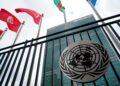





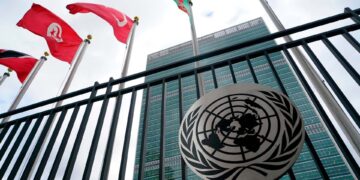


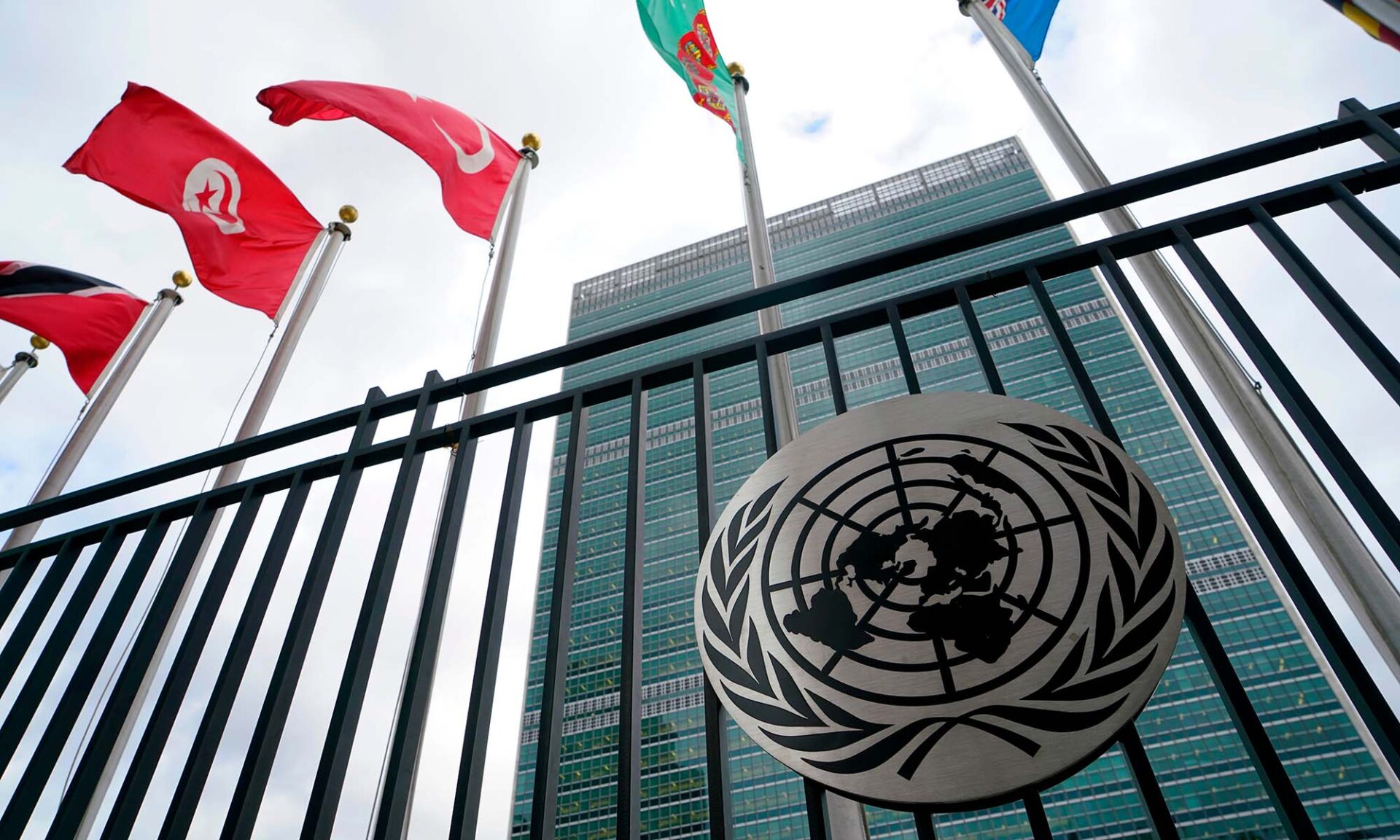
Contrary to popular belief, the United Nations (UN) is not an absolute authority standing above independent states. Essentially, it is the most comprehensive international platform for negotiation and cooperation in history, where sovereign nations come together to resolve global crises, prevent a new world war, and formulate common policies.
The foundations of the organization were laid following the devastation of World War II, and it was officially established on October 24, 1945. Recognizing the shortcomings of the League of Nations, which had been founded with similar intentions after World War I but dissolved after failing to prevent World War II, the UN officially commenced operations in 1945 when 51 nations signed the UN Charter at the San Francisco Conference. Today, with 193 member states, it brings almost all independent nations in the world around the same table.
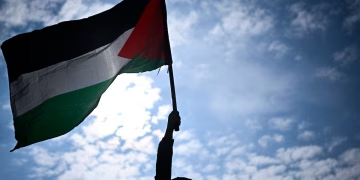
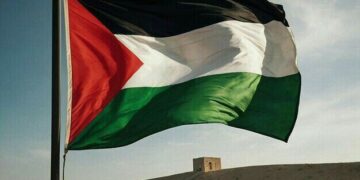
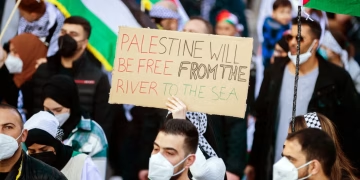
The Vatican and Palestine are non-member observer states within the UN. Taiwan, the Turkish Republic of Northern Cyprus, Kosovo, Abkhazia, South Ossetia, Transnistria, and the Sahrawi Arab Democratic Republic (Western Sahara) are entities that are not UN members and whose sovereignty is either disputed or only partially recognized in the international arena.
The UN has six principal organs: the General Assembly, the Security Council, the Economic and Social Council (ECOSOC), the International Court of Justice, the Secretariat, and the Trusteeship Council. To understand the structure of the organization, it is necessary to examine its prominent bodies and their responsibilities.
The General Assembly is the branch where all 193 members are represented and each country holds equal voting power. Global issues, human rights violations, the climate crisis, and development goals are debated here. However, resolutions passed by the General Assembly are not legally binding on states; rather, they carry diplomatic weight and serve as recommendations. Even so, owing to its democratic nature, resolutions adopted particularly by a large majority carry significant moral and political weight.
The Security Council is the organ that holds the authority to make binding decisions and impose sanctions. The Council consists of 15 countries, five of which are considered the victors of World War II (the United States, Russia, China, the United Kingdom, and France). If even one of these five permanent members casts a negative vote (the veto power), the proposed resolution fails. Decisions regarding military intervention, international sanctions, and the deployment of peacekeeping missions are contingent upon this council’s approval.
Humanitarian Aid and Specialized Agencies are the branches of the organization that produce the most tangible results in daily life beyond mere diplomacy. Affiliated agencies such as UNICEF (children’s rights and education), WHO (global health and epidemics), UNHCR (refugee crises), and WFP (World Food Programme) deploy directly to conflict and disaster zones to organize relief efforts.
The International Court of Justice is the principal judicial organ that resolves legal disputes concerning borders, sovereignty, and treaties between states in accordance with international law.
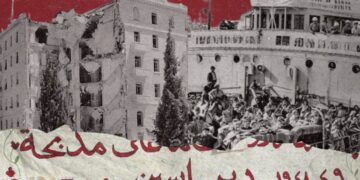
Since its inception, the UN has frequently faced criticism for becoming gridlocked and remaining passive in crises involving major powers, such as those in Ukraine, Palestine, or Syria, largely due to the veto power of permanent members. Its limited enforcement power on the ground and the prioritization of member states’ political interests in the Security Council constitute the system’s greatest vulnerability. Despite these challenges, the UN remains an irreplaceable balancing force, keeping direct communication channels open to prevent nuclear tensions from escalating into hot conflicts and serving as the only global network capable of coordinating responses to worldwide pandemics and famine crises.