





































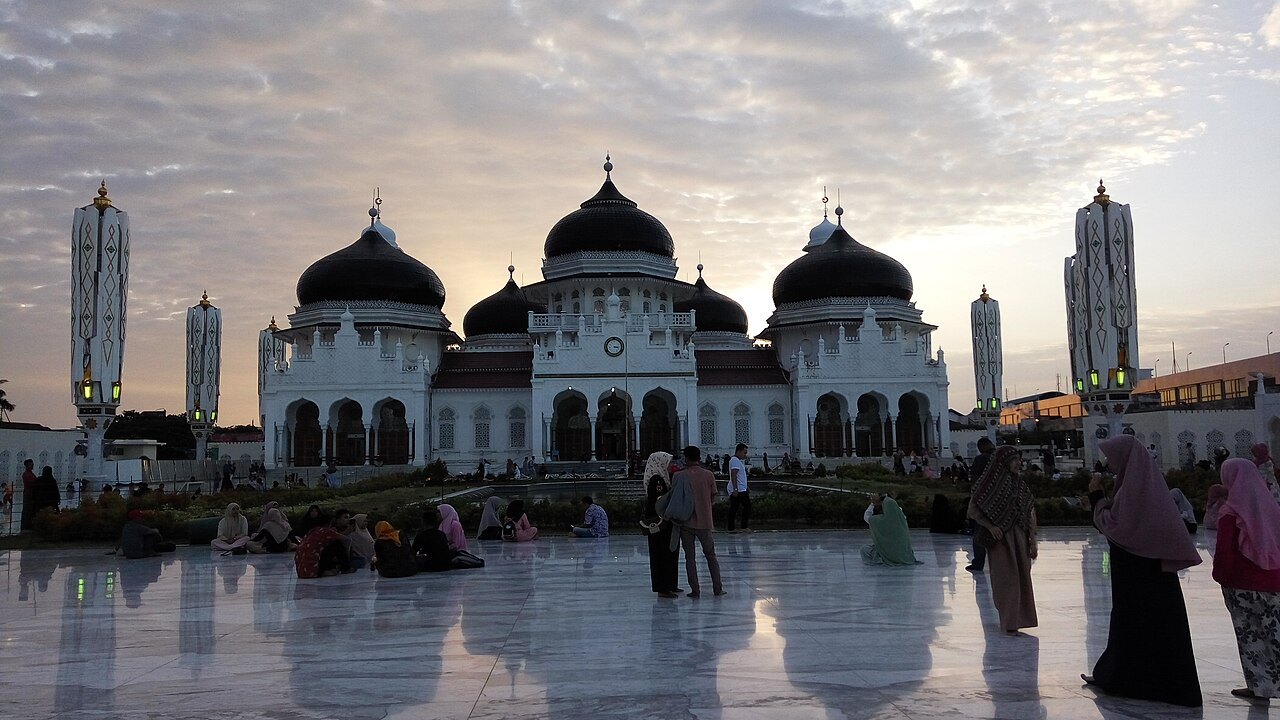
At the far corner of the world, in a region overlooking the fierce waters of the Indian Ocean, a structure rises, making history not only with its architecture but also with the remarkable miracle of its survival: the Baiturrahman Grand Mosque in Indonesia.
An Islamic Heritage Rising from Its Ashes
Originally built in 1612 during the period of the Aceh Sultanate, the mosque’s courtyard was used as a military academy established by Ottoman soldiers who had traveled to the region in the 16th century to provide military training to the Acehnese. Engineers and artillerymen from Istanbul taught the local population how to resist the colonialists here.
However, in 1873, during the Aceh War, this mosque was burned down and completely destroyed by Dutch colonialists.
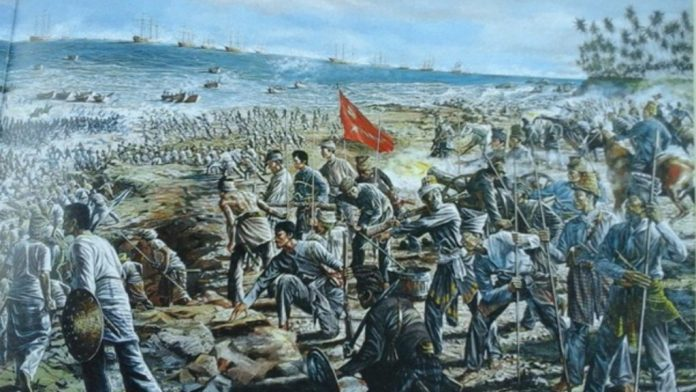
Faced with the immense public outrage and fierce resistance, the Dutch were forced to back down and offered to rebuild the mosque as a symbol of peace. Restored in 1879 by a Dutch architect as a blend of Mughal, Andalusian, and traditional Acehnese architecture, the mosque rose from its ashes with its magnificent black domes and pristine white walls.
The 2004 Tsunami Miracle
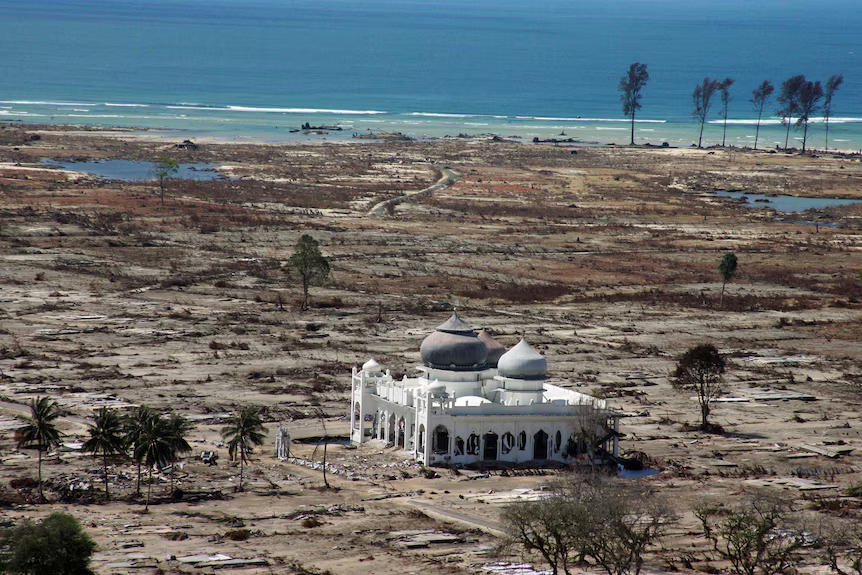
The defining event that etched the Baiturrahman Grand Mosque into world history took place on December 26, 2004. A massive 9.1-magnitude earthquake in the Indian Ocean, followed by colossal tsunami waves, virtually wiped the city of Banda Aceh off the map. Within seconds, houses, trees, concrete buildings, and bridges were swallowed by the ocean waters.
While the city was reduced to a completely flattened wasteland of debris, the Baiturrahman Grand Mosque—standing at the very epicenter of the waves—remained standing tall without sustaining the slightest structural damage. That day, thousands of Acehnese survived by taking refuge inside the mosque, and this event was hailed by the entire world as the “Miracle of the Century”.
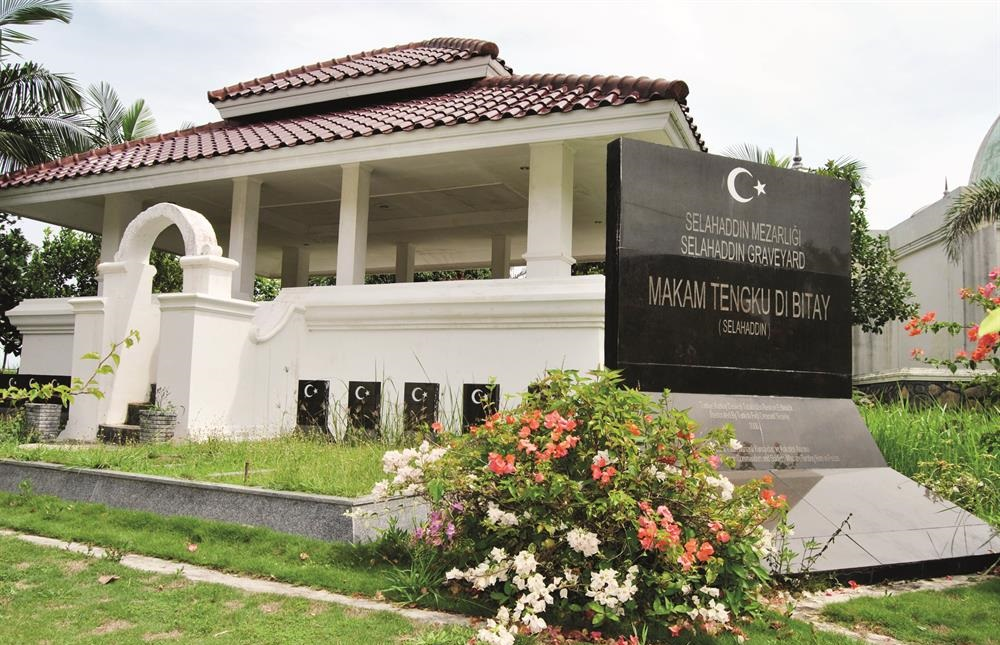
The Selahaddin Cemetery located in Bitai Village is the eternal resting place of the Ottoman soldiers who gave their lives in the fight against colonialism. When the city was virtually reduced to rubble during the massive tsunami disaster of 2004, most of the tombstones were swept away by the waters. However, Hacı Abdülaziz -the keeper of the cemetery who had inherited this duty from his father and grandfather, and who survived the tsunami because he was away on the Hajj pilgrimage at the time- worked hand in hand with the Turkish Red Crescent upon his return to restore the martyrs’ cemetery.
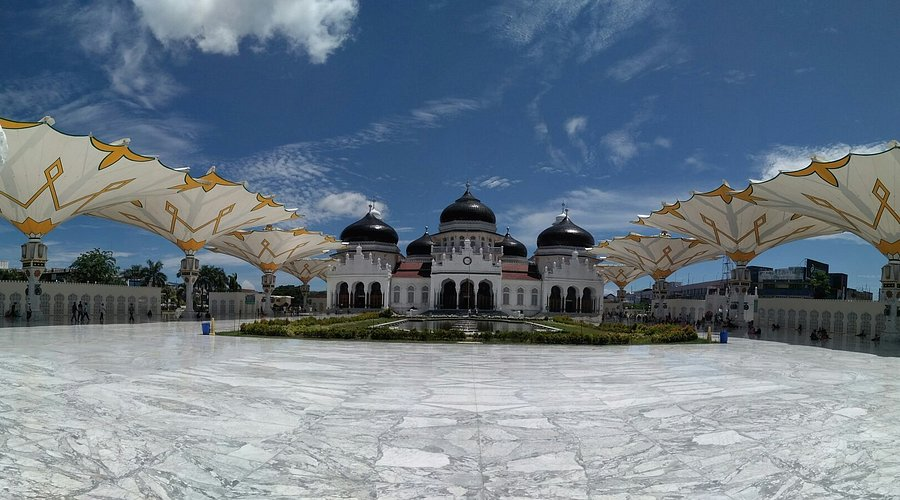
Today, with its expanded courtyard, giant automatic umbrellas reminiscent of Al-Masjid an-Nabawi in Medina, and stunning landscaping, the mosque stands as one of the most prominent faith centers in Southeast Asia. Looking straight out of a fairy tale with its nighttime illumination, this structure welcomes millions of visitors every year.
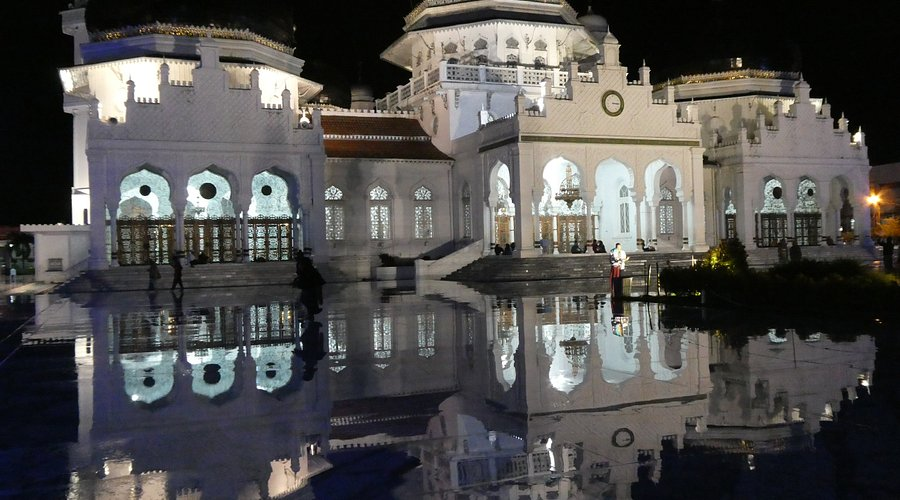
Having withstood wars and the most destructive disasters of nature, the Baiturrahman Grand Mosque stands as a symbol of faith, patience, and resistance against colonialism. Should your travels ever take you to Indonesia, you must experience the tranquility of this white sanctuary where history and miracles intersect firsthand.

