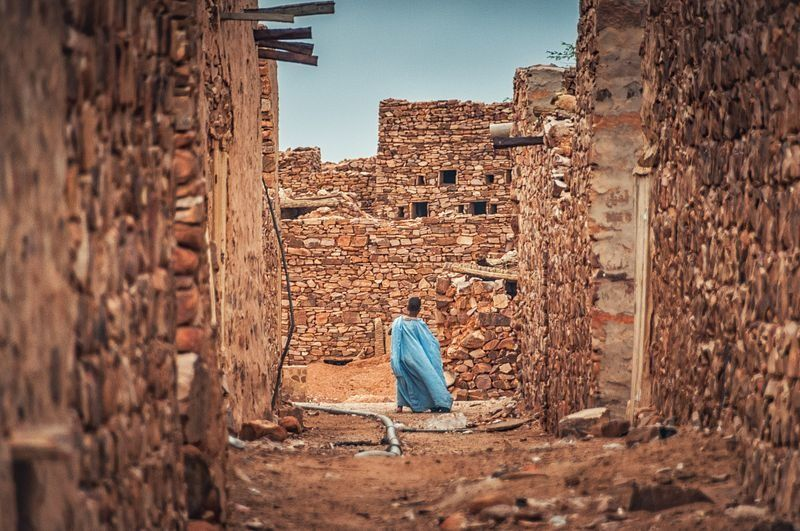




























Amidst the endless golden sands of the Sahara Desert rises an ancient oasis where time seems to have stood still: Chinguetti. Located in the heart of Mauritania, this ancient city became one of the most vital stops in Africa for trade caravans and knowledge seekers starting from the 11th and 12th centuries. Known in West Africa as the “seventh holiest city of Islam” during its heyday, Chinguetti possessed the identity of a magnificent intellectual hub where Muslims embarking on the Hajj pilgrimage would lodge for months, pursue knowledge, and exchange ideas.
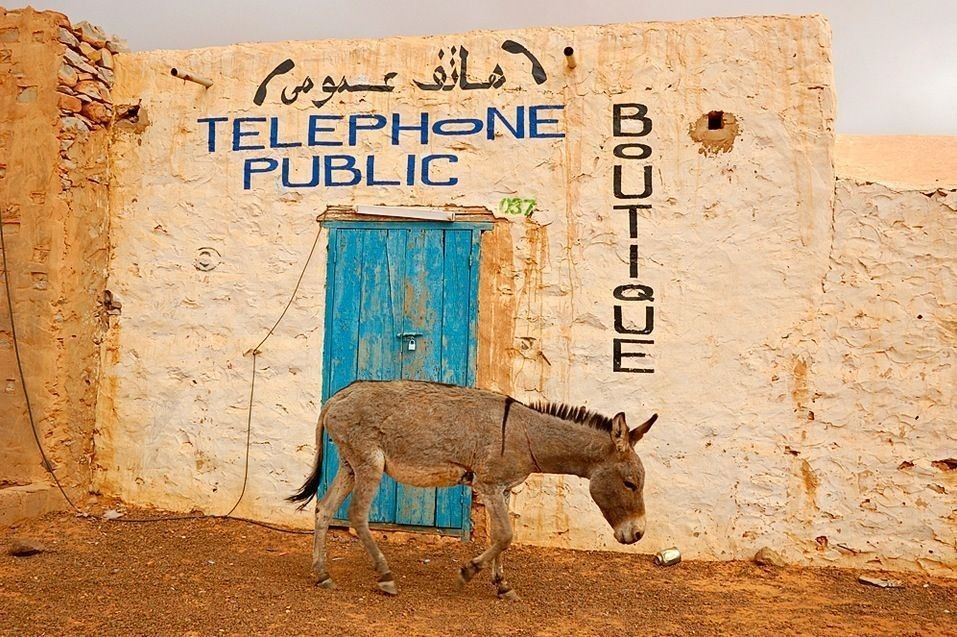
The destiny of Chinguetti underwent a severe administrative and demographic transformation with the arrival of the French colonial administration. Under the French division of Mauritania into ten administrative regions, the center of the Adrar region, which included Chinguetti, was initially designated as the city of Atar. However, the deep-seated prominence of the city asserted itself, and in 1907, the center was moved to Chinguetti. This golden administrative era, which lasted until 1937, came to an end when the center was relocated back to Atar.
Yet, this monumental history hidden between stone walls had no intention of being buried and forgotten in the desert sands. Thanks to its priceless universal value, Chinguetti announced its name to the world once again when it was declared a UNESCO World Heritage Site in 1996.
An Intellectual Heritage Preserved Beneath the Sands
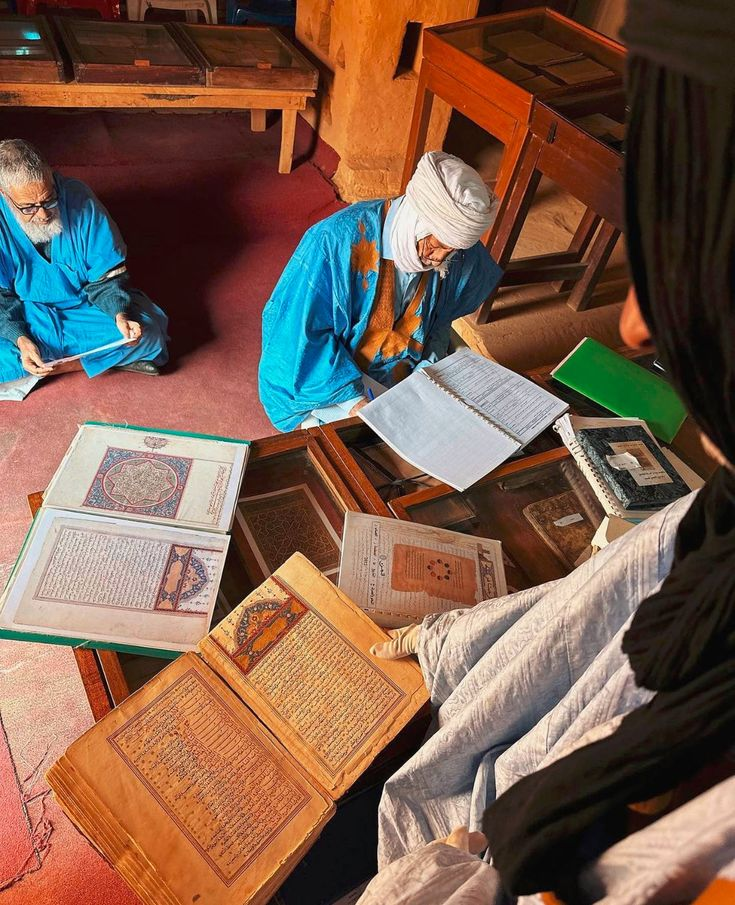
What makes Chinguetti one of the most mystical components of world heritage today are its libraries, which have defied the merciless desert heat and sandstorms for centuries. In stone houses nestled along the city’s labyrinthine streets, thousands of manuscript works passed down from father to son for generations are meticulously preserved.
Alongside religious texts, these libraries house thousands-of-years-old masterpieces that form the building blocks of civilization, such as astronomy, medicine, mathematics, philosophy, law, and poetry. Written on gazelle skin and parchment using Chinese ink and brushes made of goat hair, these rare manuscripts stand as the most tangible proof of how profound and universal Africa’s intellectual past truly is.
A Silent Resistance Against Time and Desertification
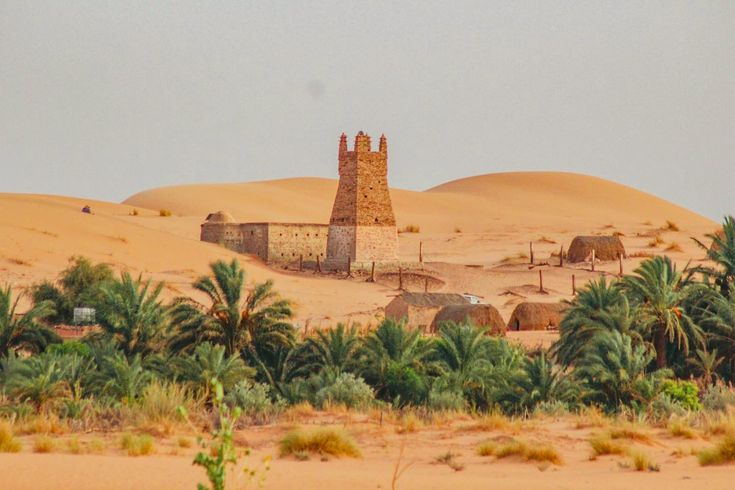
Rising in the city today, the minaret of the Chinguetti Grand Mosque -believed by the local population to be the second minaret ever built in the Islamic world- is not merely a relic of the past. This simple yet robust mud-brick structure, which has defied desert winds for centuries, has become the most important national symbol representing the independence, roots, and cultural identity of the modern State of Mauritania.
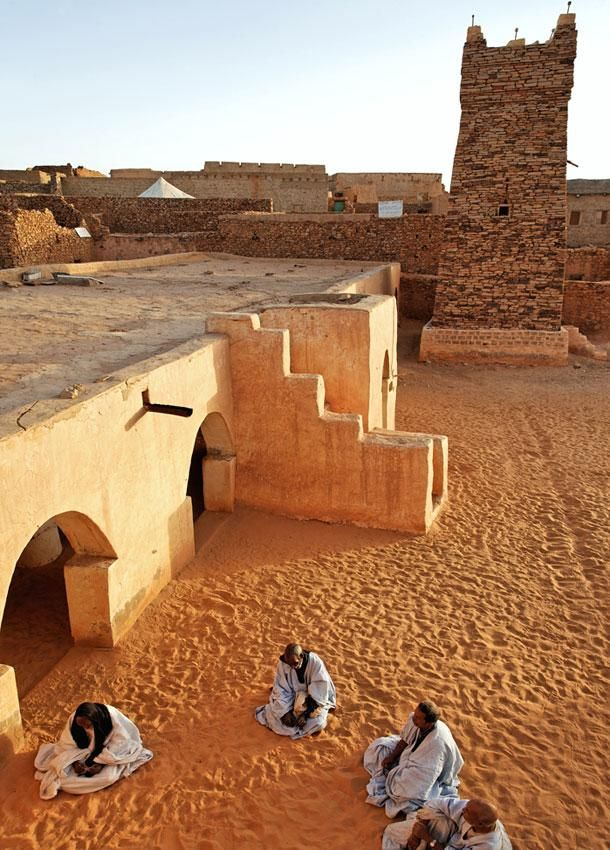
Today, Chinguetti is under the direct threat of climate change and the relentless encroachment of the Sahara Desert. Harsh desert winds and sandstorms erode the mud-brick walls of these historic libraries and their delicate parchments a little more each day.
Even without high-budget conservation funds, the local families of the city continue to guard this heritage with immense fidelity. Century-old traditional methods developed to prevent the books from absorbing moisture and being damaged by sand have allowed this hidden memory to reach the present day. Throughout centuries where empires collapsed and maps were redrawn, Chinguetti continues to sustain the collective memory of humanity in the heart of the desert, entirely due to this silent and heartfelt resistance of its people.