



İLKE Vakfı
Platform
No Result
View All Result
  • PLATFORM
  • HABERLER
    İLKE Agenda: Muzzammil Ayyub Thakur ile Keşmir’in “Filistinleştirilmesi”

    İLKE Agenda: Muzzammil Ayyub Thakur ile Keşmir’in “Filistinleştirilmesi”

    İLKE Agenda: Muzzammil Ayyub Thakur ile Keşmir’in “Filistinleştirilmesi”

    The Platform Talks: Kinda Hawasli ile 8 Aralık Sonrası Suriye

    İLKE Agenda: Muzzammil Ayyub Thakur ile Keşmir’in “Filistinleştirilmesi”

    The Platform Talks: Azzam Tamimi ile 7 Ekim Sonrası Filistin

    İLKE Agenda: Muzzammil Ayyub Thakur ile Keşmir’in “Filistinleştirilmesi”

    İLKE Agenda: Gazze Soykırımı Günlerinde Aktivizm ve İslamofobi

    Filistin Sempozyumu: Filistin ve Küresel İlişkilerin Geleceği

    Filistin Sempozyumu: Filistin ve Küresel İlişkilerin Geleceği

    Filistin Sempozyumu: Filistin ve Küresel İlişkilerin Geleceği

    Müslüman Dünyada Çağdaş Düşünce Konferansı’nda buluşuyoruz!

    Filistin Sempozyumu: Filistin ve Küresel İlişkilerin Geleceği

    Müslüman Dünyada Çağdaş Düşünce Konferansı

    Filistin Sempozyumu: Filistin ve Küresel İlişkilerin Geleceği

    Dr. Jonathan Brown “İslam’ın Siyahiliğe ve Köleliğe Yaklaşımı” adlı seminer gerçekleştirdi.

  • ANALİZLER
    • All
    • Düşünce
    • Eğitim
    • Ekonomi
    • Enerji ve Çevre
    • Göç
    • Medya, Kültür ve Sanat
    • Temel Hak ve Özgürlükler
    • Toplumsal Meseleler
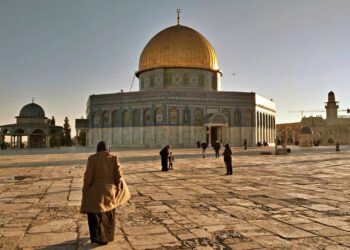
    The Gravity of What Took Place at Al-Aqsa Mosque During Ramadan 2026

    Ramazan 2026’da Mescid-i Aksa’da Yaşananların Ciddiyeti

    AFP/GETTY IMAGES

    FLA-JNIM İş Birliği ve Mali’de Değişen Güvenlik Dinamikleri

    Sosyal Medyada İslamcı-Muhafazakâr Kamusallığın Dönüşümü Üzerine

    Sosyal Medyada İslamcı-Muhafazakâr Kamusallığın Dönüşümü Üzerine

    Bangladeş’te 2026 Seçimleri Sonrası Siyasi Tartışmalar

    Bangladeş’te 2026 Seçimleri Sonrası Siyasi Tartışmalar

    Filistin’de Çocuk Olmak: 5 Nisan Filistinli Çocuklar Günü

    Filistin’de Çocuk Olmak: 5 Nisan Filistinli Çocuklar Günü

    Security, Fragility, and the Search for a New Equilibrium in the Gulf Following the Iranian Attacks

    İran Saldırıları Sonrası Körfez’de Güvenlik, Kırılganlık ve Yeni Denge Arayışı

  • SÖYLEŞİLER
    The Decolonization of Knowledge: Interview with Professor Souleymane Bachir Diagne

    Bilginin Dekolonizasyonu: Profesör Souleymane Bachir Diagne ile Röportaj

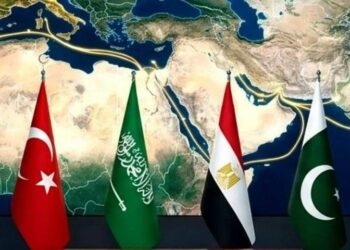
    A Possible New Breath in Regional Balances: The Alliance of Türkiye, Pakistan, Egypt, and Saudi Arabia

    Bölgesel Dengelerde Olası Yeni Bir Soluk: Türkiye, Pakistan, Mısır ve Suudi Arabistan İttifakı

    Digital Ummah and Muslim Identity: Dr. Sahar Khamis Interview

    Dijital Ümmet ve Müslüman Kimliği: Dr. Sahar Khamis ile Röportaj

    From the Ballot Box to the Street: The Rising Social Wave in Tanzania After the Election

    Sandıktan Sokağa: Tanzanya’da Seçim Sonrası Yükselen Toplumsal Dalga

    Müslüman Nüfusa Karşı Güvenlikleştirme

    Müslüman Nüfusa Karşı Güvenlikleştirme

    Gurbet Hikayeleri

    Gurbet Hikayeleri

    Göçü Yönetmek: Dr. Mehmet Köse’yle Söyleşi

    Göçü Yönetmek: Dr. Mehmet Köse’yle Söyleşi

    İstanbul’daki Uluslararası Öğrencilerle Söyleşi

    İstanbul’daki Uluslararası Öğrencilerle Söyleşi

    Zaytuna College Lisansüstü Eğitim Dekanı Maşuk Yamaç’la Söyleşi

    Zaytuna College Lisansüstü Eğitim Dekanı Maşuk Yamaç’la Söyleşi

  • DÜNYADAN SESLER
    Voices from the Muslim World | Sari Hanafi (with Turkish subtitles)

    Voices from the Muslim World | Sari Hanafi (with Turkish subtitles)

    Voices from the Muslim World | Ovamir Anjum

    Voices from the Muslim World | Ovamir Anjum

    VOICES FROM THE MUSLIM WORLD | DR. YASIR QADHI

    VOICES FROM THE MUSLIM WORLD | DR. YASIR QADHI

    VOICES FROM THE MUSLIM WORLD | DR. ADEEL MALIK

    VOICES FROM THE MUSLIM WORLD | DR. ADEEL MALIK

  • SAYILAR
  • VERİTABANI
    • All
    • Hareketler
    • Kurumlar
    • Şahsiyetler
    Pak-Türk Maarif

    Pak-Türk Maarif

    İslam Vakfı

    İslam Vakfı

    Avrupa Fetva ve Araştırma Konseyi

    Avrupa Fetva ve Araştırma Konseyi

    Tokyo Camii ve Diyanet Türk Kültür Merkezi

    Tokyo Camii ve Diyanet Türk Kültür Merkezi

  • PLATFORM
  • HABERLER
    İLKE Agenda: Muzzammil Ayyub Thakur ile Keşmir’in “Filistinleştirilmesi”

    İLKE Agenda: Muzzammil Ayyub Thakur ile Keşmir’in “Filistinleştirilmesi”

    İLKE Agenda: Muzzammil Ayyub Thakur ile Keşmir’in “Filistinleştirilmesi”

    The Platform Talks: Kinda Hawasli ile 8 Aralık Sonrası Suriye

    İLKE Agenda: Muzzammil Ayyub Thakur ile Keşmir’in “Filistinleştirilmesi”

    The Platform Talks: Azzam Tamimi ile 7 Ekim Sonrası Filistin

    İLKE Agenda: Muzzammil Ayyub Thakur ile Keşmir’in “Filistinleştirilmesi”

    İLKE Agenda: Gazze Soykırımı Günlerinde Aktivizm ve İslamofobi

    Filistin Sempozyumu: Filistin ve Küresel İlişkilerin Geleceği

    Filistin Sempozyumu: Filistin ve Küresel İlişkilerin Geleceği

    Filistin Sempozyumu: Filistin ve Küresel İlişkilerin Geleceği

    Müslüman Dünyada Çağdaş Düşünce Konferansı’nda buluşuyoruz!

    Filistin Sempozyumu: Filistin ve Küresel İlişkilerin Geleceği

    Müslüman Dünyada Çağdaş Düşünce Konferansı

    Filistin Sempozyumu: Filistin ve Küresel İlişkilerin Geleceği

    Dr. Jonathan Brown “İslam’ın Siyahiliğe ve Köleliğe Yaklaşımı” adlı seminer gerçekleştirdi.

  • ANALİZLER
    • All
    • Düşünce
    • Eğitim
    • Ekonomi
    • Enerji ve Çevre
    • Göç
    • Medya, Kültür ve Sanat
    • Temel Hak ve Özgürlükler
    • Toplumsal Meseleler
    The Gravity of What Took Place at Al-Aqsa Mosque During Ramadan 2026

    Ramazan 2026’da Mescid-i Aksa’da Yaşananların Ciddiyeti

    AFP/GETTY IMAGES

    FLA-JNIM İş Birliği ve Mali’de Değişen Güvenlik Dinamikleri

    Sosyal Medyada İslamcı-Muhafazakâr Kamusallığın Dönüşümü Üzerine

    Sosyal Medyada İslamcı-Muhafazakâr Kamusallığın Dönüşümü Üzerine

    Bangladeş’te 2026 Seçimleri Sonrası Siyasi Tartışmalar

    Bangladeş’te 2026 Seçimleri Sonrası Siyasi Tartışmalar

    Filistin’de Çocuk Olmak: 5 Nisan Filistinli Çocuklar Günü

    Filistin’de Çocuk Olmak: 5 Nisan Filistinli Çocuklar Günü

    Security, Fragility, and the Search for a New Equilibrium in the Gulf Following the Iranian Attacks

    İran Saldırıları Sonrası Körfez’de Güvenlik, Kırılganlık ve Yeni Denge Arayışı

  • SÖYLEŞİLER
    The Decolonization of Knowledge: Interview with Professor Souleymane Bachir Diagne

    Bilginin Dekolonizasyonu: Profesör Souleymane Bachir Diagne ile Röportaj

    A Possible New Breath in Regional Balances: The Alliance of Türkiye, Pakistan, Egypt, and Saudi Arabia

    Bölgesel Dengelerde Olası Yeni Bir Soluk: Türkiye, Pakistan, Mısır ve Suudi Arabistan İttifakı

    Digital Ummah and Muslim Identity: Dr. Sahar Khamis Interview

    Dijital Ümmet ve Müslüman Kimliği: Dr. Sahar Khamis ile Röportaj

    From the Ballot Box to the Street: The Rising Social Wave in Tanzania After the Election

    Sandıktan Sokağa: Tanzanya’da Seçim Sonrası Yükselen Toplumsal Dalga

    Müslüman Nüfusa Karşı Güvenlikleştirme

    Müslüman Nüfusa Karşı Güvenlikleştirme

    Gurbet Hikayeleri

    Gurbet Hikayeleri

    Göçü Yönetmek: Dr. Mehmet Köse’yle Söyleşi

    Göçü Yönetmek: Dr. Mehmet Köse’yle Söyleşi

    İstanbul’daki Uluslararası Öğrencilerle Söyleşi

    İstanbul’daki Uluslararası Öğrencilerle Söyleşi

    Zaytuna College Lisansüstü Eğitim Dekanı Maşuk Yamaç’la Söyleşi

    Zaytuna College Lisansüstü Eğitim Dekanı Maşuk Yamaç’la Söyleşi

  • DÜNYADAN SESLER
    Voices from the Muslim World | Sari Hanafi (with Turkish subtitles)

    Voices from the Muslim World | Sari Hanafi (with Turkish subtitles)

    Voices from the Muslim World | Ovamir Anjum

    Voices from the Muslim World | Ovamir Anjum

    VOICES FROM THE MUSLIM WORLD | DR. YASIR QADHI

    VOICES FROM THE MUSLIM WORLD | DR. YASIR QADHI

    VOICES FROM THE MUSLIM WORLD | DR. ADEEL MALIK

    VOICES FROM THE MUSLIM WORLD | DR. ADEEL MALIK

  • SAYILAR
  • VERİTABANI
    • All
    • Hareketler
    • Kurumlar
    • Şahsiyetler
    Pak-Türk Maarif

    Pak-Türk Maarif

    İslam Vakfı

    İslam Vakfı

    Avrupa Fetva ve Araştırma Konseyi

    Avrupa Fetva ve Araştırma Konseyi

    Tokyo Camii ve Diyanet Türk Kültür Merkezi

    Tokyo Camii ve Diyanet Türk Kültür Merkezi

No Result
View All Result
Platform
No Result
View All Result
Home Analyses

A Palestinian Diaspora in Chicago: Little Palestine

Yunus Yeşil by Yunus Yeşil
7 Kasım 2025
in Analyses, Opinion
0
A Palestinian Diaspora in Chicago: Little Palestine
0
SHARES
2
VIEWS
Share on FacebookShare on Twitter

Since October 7, the world has been discussing the resistance of Hamas and the need for the occupation state to protect its barbaric “right to exist.” After all, the story did not begin on October 7. We are talking about a historical period that has lasted for two centuries, consisting of almost two centuries of Zionism, the final years of the Ottoman Empire in Palestine, the British mandate, the Nakba, and the Arab-Israeli wars. This oppression, which became officially confirmed with the catastrophe in 1948, continues to dehumanize Palestinians every day, ignoring human dignity and aims to de-Palestinize the land of olives and lemons through settler colonialism. In addition to more than five million Palestinians squeezed into a few cities such as the West Bank, Ramallah, Nablus, and Gaza, millions of Palestinians have been forced to leave their homes and scattered around the globe because of this cruelty. Hundreds of thousands of Palestinians who have settled in places like the Shatila refugee camp in Lebanon, the populated streets of Amman, or the suburbs of Chicago undoubtedly present us the most heartbreaking examples of this history. In this regard, seeing the boundaries of Palestinian diasporas and the efforts of Palestinians, who were expelled from their homes by the occupation state, to embrace the lands they have migrated to will help us better understand this historical process.

In its simplest terms, diaspora is a term used to describe a group of people from a particular ethnic group who voluntarily or compulsorily migrated from their homeland to other countries where they share the same ethno-national origin with others (Sheffer, 2003; Kevin, 2013). In this context, the systematic settler colonialist policies pursued by the occupation state, exercised especially through Nakba and the following massacres, have led to millions of Palestinians being forcibly displaced from their homeland and establishing diasporas in different parts of the world. Especially with Nakba, the forced migration of around 750,000 Palestinians to neighboring Arab states and some to Western states like the USA can be considered as the beginning of these diasporas. The number of Palestinian migrants, reaching 6.4 million, continues to increase every day. Undoubtedly, the existence of Palestinian diasporas in the USA is at the top of the list. Although there is no consensus, it is known that more than 250,000 Palestinians live individually or within diasporas, particularly in cities and states like Chicago, Detroit, Los Angeles, and New Jersey. In this regard, the Little Palestine suburban in Chicago, which offers visitors a little Palestinian experience, can be shown as the most active and largest example of these diasporas.

Especially with Nakba, the forced migration of around 750,000 Palestinians to neighboring Arab states and some to Western states like the USA can be considered as the beginning of these diasporas.

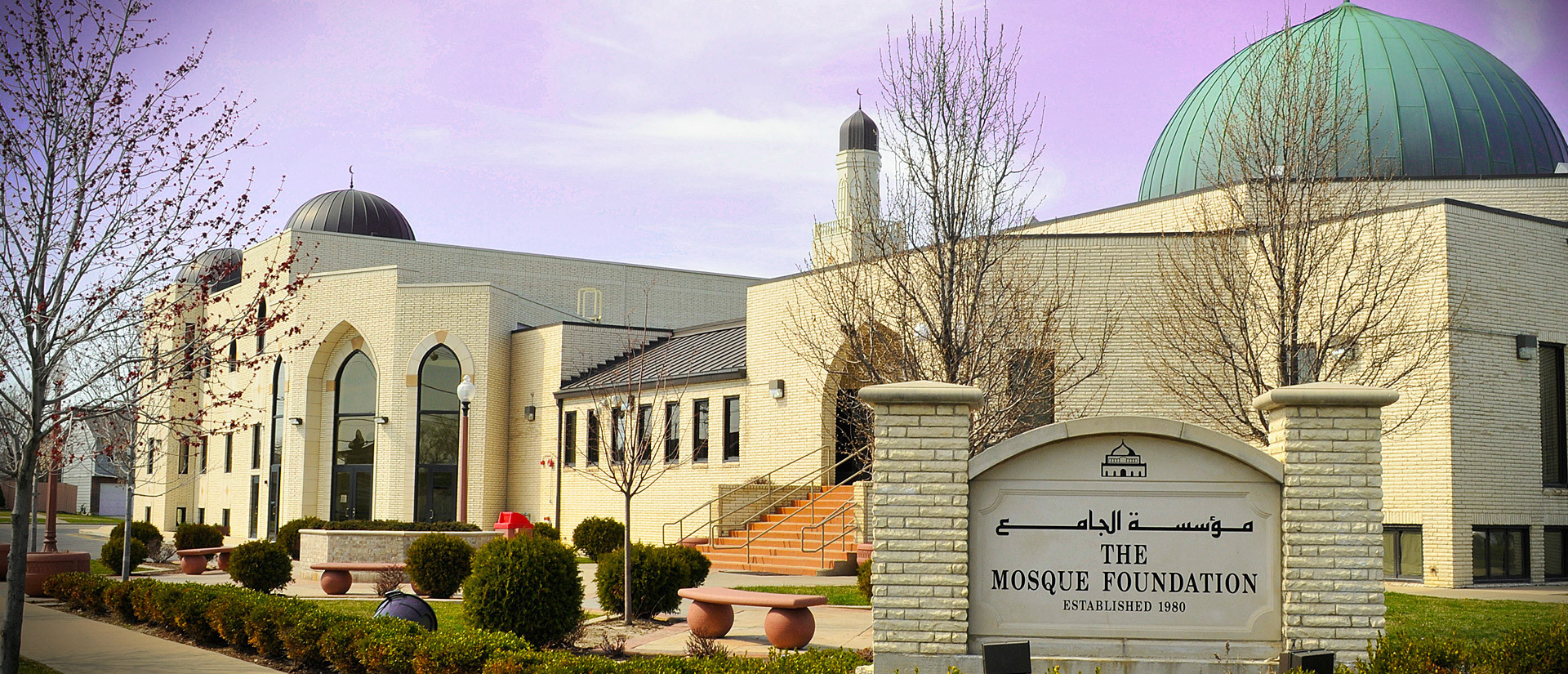
Little Palestine is a neighborhood located southwest of Chicago, established by Palestinians who migrated to this area, especially after the 1950s. Today, it has evolved into a multicultural diaspora, primarily comprising Palestinians, Jordanian Palestinians, Jordanians, Syrians, and other Muslims. When you wander around the neighborhood, it’s quite normal to feel like you are in an Arab country. Restaurants and markets with Arabic signs, mosques where believers can peacefully perform their five daily prayers, Arabic-speaking schools, elderly uncles wearing keffiyehs, and women dressed in red-black embroidered dresses reminiscent of Jerusalem or Ramallah give you the feeling that you are not in the USA but on a tour in the Middle East. Places like Al-Watan Bakery, Em Karam Restaurant, Nablus and ZmZm Sweets, Harlem Avenue, and many others reflect how diaspora culture is integrated into daily life. Also, the Mosque Foundation has been serving as both a place of worship and a cultural center for Muslims in the area for over thirty years, revealing the Islamic aspect of the Palestinian diaspora. The Universal School and Aqsa School provide an education system for Muslim, and primarily Palestinian students, from elementary to high school, both in religious studies and the American curriculum. Furthermore, these schools offer Muslim students a safe space while protecting them from the influence of corrupting American culture. Although terms like unachieved diaspora or partially diaspora are sometimes used for Palestinian diasporas, Little Palestine alone demonstrates how influential a Palestinian diaspora can be in daily life, exhibiting similar characteristics to established diasporas (Peteet, 2007). 

Little Palestine is a neighborhood located southwest of Chicago, established by Palestinians who migrated to this area, especially after the 1950s.

What makes this region attractive is not only the fact that there is a small Palestine in the heart of America but also the fact that the Arab-Muslim population has been occasionally in the spotlight due to American foreign policy. Palestinian Arabs, in particular, are constantly targeted due to alleged ties with groups recognized by the United States as terrorist organizations, primarily HAMAS and Al-Qaeda. The Vulgar Betrayal Operation launched by the FBI in 1989, one of the largest domestic terrorism investigations in American history, caused increased surveillance on Muslims living in Little Palestine in 1993, charging them with money laundering and propaganda for terrorist organizations. This operation covering the Little Palestine area lasted from 1993 to 2009, during which FBI agents monitored Muslims in the area and prepared 30,000 documents about them. Especially after 9/11, the growing “War on Terror” operations also increased the hardship for the Little Palestine diaspora. Carried out by the FBI for over 15 years, the operation was no different from the modern open-air prison of the occupying state in Palestinian territories. People were granted certain rights in a “democratic” country but were still not freed from being treated as mere objects that must be “controlled.”2

What makes this region attractive is not only the fact that there is a small Palestine in the heart of America but also the fact that the Arab-Muslim population has been occasionally in the spotlight due to American foreign policy.

After the operation, Algerian-American documentary filmmaker Assia Boundaoui, who also lives in the region, challenged the FBI’s illegal surveillance of minorities in the diaspora and accused them of marginalization and criminalization. After suing the FBI in federal courts, the court ruled in Boundaoui’s favor, stating that the FBI’s operation was illegal and that they must release the documents they had. Hence, the FBI shared over 33,000 documents, but some details were redacted from more than 9000 of them. Boundaoui, as a director, captured this legal process in her documentary, The Feeling of Being Watched, while focusing on the response of the diaspora to these unlawful operations and the resulting traumas. The documentary reveals how the Arab-Muslim community was associated with terrorism and labeled as “persona non grata” and how the Little Palestine diaspora, which encompasses diverse cultures, was aimed to be alienated and dispossessed.

As of October 7, the massacre carried out by the occupying forces in Gaza has plunged the Little Palestine community, who were once forcibly uprooted from their homeland, into profound sorrow and revived the painful emotions they have experienced for years. Witnessing the occupation and all the atrocities and oppression in their homeland every day from afar, the Little Palestine community is engaged in different forms of protest, and mainly financial support, to fight for their homeland, which perhaps they have never seen. In a pro-Israeli state like the United States, which recognized the occupying state just 11 minutes after its establishment in 1948 and still vehemently vetoes ceasefire resolutions today, this struggle is crucial. On the other hand, the danger of this struggle is evident not only at the macro level of the American government but also at the level of daily interactions. For example, 6-year-old Wadea al-Fayoume was murdered by his white American neighbors on October 14, allegedly for supporting Hamas.3 The message conveyed by thousands of Palestinian Muslims who gathered at the Mosque Foundation for Wadea’s funeral prayer was a resounding response to those seeking to weaken and diminish the importance of the diaspora.
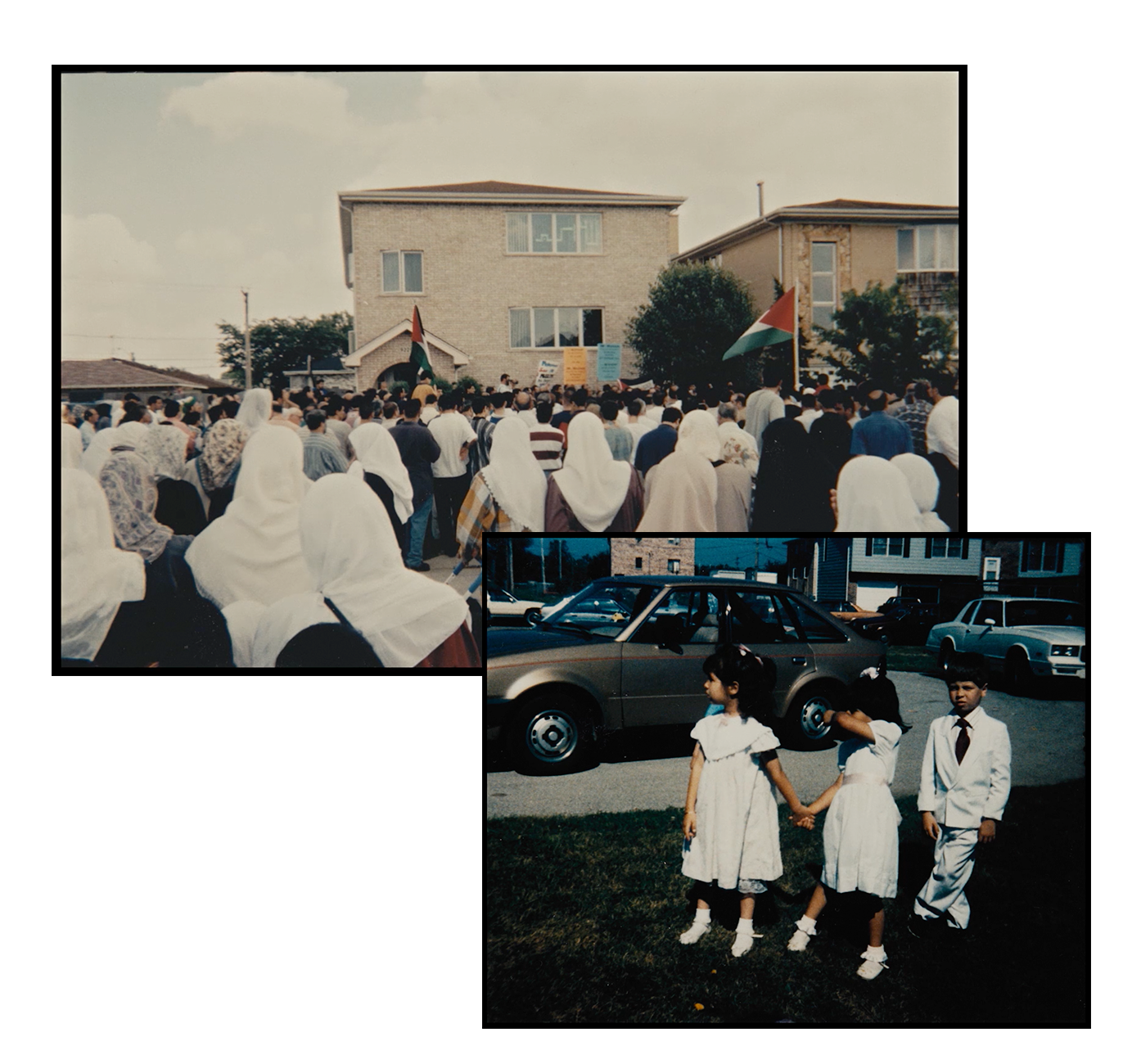
“Scenes from The Feeling of Being Watched”

On the one hand, Palestinian diasporas possess a rich cultural celebration of za’atar, olive, Fairuz, dabke, and keffiyeh; on the other hand, they also contain the occupation of the homeland, massacres, state control, ceaseless operations, and dehumanizing surveillance. While you may engage in conversations with Palestinians, who have fought against occupation forces for years in the Palestine Liberation Organization, in a restaurant, you may also encounter Palestinians who are demonized and even killed because of their ethnic identity. All these situations constantly highlight the unbearable process of Palestinians’ displacement from their homeland and their struggle to find a new home.

2 See: https://bit.ly/41PAsds and https://bit.ly/3Hcm8lP

3 See: https://bit.ly/3He7RVC

References

Kenny, K. (2013). Diaspora: A very short introduction. New York: Oxford Academic.

Peteet, J. (2007). Problematizing a Palestinian diaspora. International Journal of Middle East Studies, 39(4), 627-646.

Sheffer, G. (2003). Diaspora politics: At home abroad. Cambridge: Cambridge University Press.

Tags: ChicagoPalestinePalestinian Diaspora
Previous Post

Şikago’da Bir Filistin Diasporası: Küçük Filistin’e Bir Bakış

Next Post

Kamerayı Vurmasınlar

Next Post

Kamerayı Vurmasınlar

Bir yanıt yazın Yanıtı iptal et

E-posta adresiniz yayınlanmayacak. Gerekli alanlar * ile işaretlenmişlerdir

  • A Possible New Breath in Regional Balances: The Alliance of Türkiye, Pakistan, Egypt, and Saudi Arabia

    Bölgesel Dengelerde Olası Yeni Bir Soluk: Türkiye, Pakistan, Mısır ve Suudi Arabistan İttifakı

    0 shares
    Share 0 Tweet 0
  • Bilime Yön Verenler: Nobel Ödüllü Müslüman Bilim İnsanları

    0 shares
    Share 0 Tweet 0
  • Nakşibendi-Hakkani Tarikatı

    0 shares
    Share 0 Tweet 0
  • Fuad Sezgin

    0 shares
    Share 0 Tweet 0
  • Sosyal Medyada İslamcı-Muhafazakâr Kamusallığın Dönüşümü Üzerine

    0 shares
    Share 0 Tweet 0
  • The Gravity of What Took Place at Al-Aqsa Mosque During Ramadan 2026

    Ramazan 2026’da Mescid-i Aksa’da Yaşananların Ciddiyeti

    0 shares
    Share 0 Tweet 0
  • The Gravity of What Took Place at Al-Aqsa Mosque During Ramadan 2026

    0 shares
    Share 0 Tweet 0
  • FLA-JNIM Cooperation and Shifting Security Dynamics in Mali

    0 shares
    Share 0 Tweet 0
  • FLA-JNIM İş Birliği ve Mali’de Değişen Güvenlik Dinamikleri

    0 shares
    Share 0 Tweet 0
  • The Current State of Indonesia’s Luxury Industry and the Landscape of Independent Handcrafted Watchmaking

    0 shares
    Share 0 Tweet 0

Platform: Müslüman Dünyanın Gündemi, Müslüman toplumların fikrî, siyasi, sosyal, ekonomik ve kültürel gündemlerini takip ve tahlil edip Müslüman dünyaya dair güncel ve özgün perspektifler sunmayı amaçlayan bir yayın organı olarak İLKE İlim Kültür Eğitim Vakfı bünyesinde kurulmuştur.

  • SAYILAR
  • ANALİZLER
  • HABERLER
  • SÖYLEŞİLER
  • DÜNYADAN SESLER
  • platform@ilke.org.tr
  • (0216) 310 43 18
  • Aziz Mahmut Hüdayi Mah. Türbe Kapısı Sk. No: 13 Üsküdar, İstanbul

2025 @ PLATFORM bir İLKE Vakfı kuruluşudur. Tüm hakları saklıdır. 

No Result
View All Result
  • Home
  • Analizler
  • Haberler
  • Söyleşiler
  • Dünyadan Sesler