













İLKE Vakfı
Platform
No Result
View All Result
  • PLATFORM
  • HABERLER
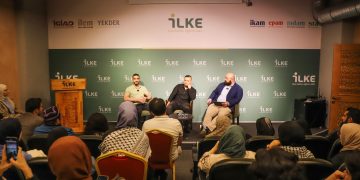
    İLKE Agenda: Muzzammil Ayyub Thakur ile Keşmir’in “Filistinleştirilmesi”

    İLKE Agenda: Muzzammil Ayyub Thakur ile Keşmir’in “Filistinleştirilmesi”

    İLKE Agenda: Muzzammil Ayyub Thakur ile Keşmir’in “Filistinleştirilmesi”

    The Platform Talks: Kinda Hawasli ile 8 Aralık Sonrası Suriye

    İLKE Agenda: Muzzammil Ayyub Thakur ile Keşmir’in “Filistinleştirilmesi”

    The Platform Talks: Azzam Tamimi ile 7 Ekim Sonrası Filistin

    İLKE Agenda: Muzzammil Ayyub Thakur ile Keşmir’in “Filistinleştirilmesi”

    İLKE Agenda: Gazze Soykırımı Günlerinde Aktivizm ve İslamofobi

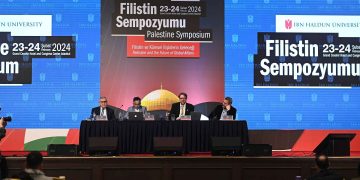
    Filistin Sempozyumu: Filistin ve Küresel İlişkilerin Geleceği

    Filistin Sempozyumu: Filistin ve Küresel İlişkilerin Geleceği

    Filistin Sempozyumu: Filistin ve Küresel İlişkilerin Geleceği

    Müslüman Dünyada Çağdaş Düşünce Konferansı’nda buluşuyoruz!

    Filistin Sempozyumu: Filistin ve Küresel İlişkilerin Geleceği

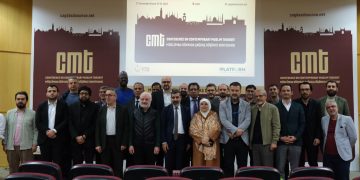
    Müslüman Dünyada Çağdaş Düşünce Konferansı

    Filistin Sempozyumu: Filistin ve Küresel İlişkilerin Geleceği

    Dr. Jonathan Brown “İslam’ın Siyahiliğe ve Köleliğe Yaklaşımı” adlı seminer gerçekleştirdi.

  • ANALİZLER
    • All
    • Düşünce
    • Eğitim
    • Ekonomi
    • Enerji ve Çevre
    • Göç
    • Medya, Kültür ve Sanat
    • Temel Hak ve Özgürlükler
    • Toplumsal Meseleler
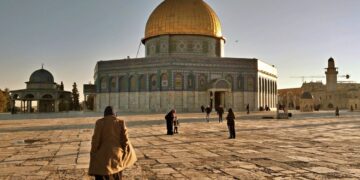
    The Gravity of What Took Place at Al-Aqsa Mosque During Ramadan 2026

    Ramazan 2026’da Mescid-i Aksa’da Yaşananların Ciddiyeti

    AFP/GETTY IMAGES

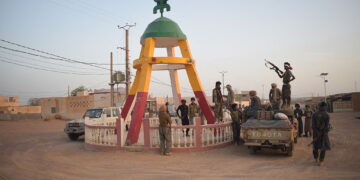
    FLA-JNIM İş Birliği ve Mali’de Değişen Güvenlik Dinamikleri

    Sosyal Medyada İslamcı-Muhafazakâr Kamusallığın Dönüşümü Üzerine

    Sosyal Medyada İslamcı-Muhafazakâr Kamusallığın Dönüşümü Üzerine

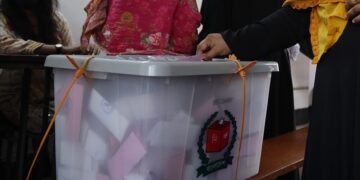
    Bangladeş’te 2026 Seçimleri Sonrası Siyasi Tartışmalar

    Bangladeş’te 2026 Seçimleri Sonrası Siyasi Tartışmalar

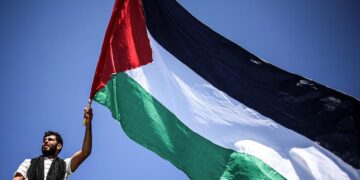
    Filistin’de Çocuk Olmak: 5 Nisan Filistinli Çocuklar Günü

    Filistin’de Çocuk Olmak: 5 Nisan Filistinli Çocuklar Günü

    Security, Fragility, and the Search for a New Equilibrium in the Gulf Following the Iranian Attacks

    İran Saldırıları Sonrası Körfez’de Güvenlik, Kırılganlık ve Yeni Denge Arayışı

  • SÖYLEŞİLER
    The Decolonization of Knowledge: Interview with Professor Souleymane Bachir Diagne

    Bilginin Dekolonizasyonu: Profesör Souleymane Bachir Diagne ile Röportaj

    A Possible New Breath in Regional Balances: The Alliance of Türkiye, Pakistan, Egypt, and Saudi Arabia

    Bölgesel Dengelerde Olası Yeni Bir Soluk: Türkiye, Pakistan, Mısır ve Suudi Arabistan İttifakı

    Digital Ummah and Muslim Identity: Dr. Sahar Khamis Interview

    Dijital Ümmet ve Müslüman Kimliği: Dr. Sahar Khamis ile Röportaj

    From the Ballot Box to the Street: The Rising Social Wave in Tanzania After the Election

    Sandıktan Sokağa: Tanzanya’da Seçim Sonrası Yükselen Toplumsal Dalga

    Müslüman Nüfusa Karşı Güvenlikleştirme

    Müslüman Nüfusa Karşı Güvenlikleştirme

    Gurbet Hikayeleri

    Gurbet Hikayeleri

    Göçü Yönetmek: Dr. Mehmet Köse’yle Söyleşi

    Göçü Yönetmek: Dr. Mehmet Köse’yle Söyleşi

    İstanbul’daki Uluslararası Öğrencilerle Söyleşi

    İstanbul’daki Uluslararası Öğrencilerle Söyleşi

    Zaytuna College Lisansüstü Eğitim Dekanı Maşuk Yamaç’la Söyleşi

    Zaytuna College Lisansüstü Eğitim Dekanı Maşuk Yamaç’la Söyleşi

  • DÜNYADAN SESLER
    Voices from the Muslim World | Sari Hanafi (with Turkish subtitles)

    Voices from the Muslim World | Sari Hanafi (with Turkish subtitles)

    Voices from the Muslim World | Ovamir Anjum

    Voices from the Muslim World | Ovamir Anjum

    VOICES FROM THE MUSLIM WORLD | DR. YASIR QADHI

    VOICES FROM THE MUSLIM WORLD | DR. YASIR QADHI

    VOICES FROM THE MUSLIM WORLD | DR. ADEEL MALIK

    VOICES FROM THE MUSLIM WORLD | DR. ADEEL MALIK

  • SAYILAR
  • VERİTABANI
    • All
    • Hareketler
    • Kurumlar
    • Şahsiyetler
    Pak-Türk Maarif

    Pak-Türk Maarif

    İslam Vakfı

    İslam Vakfı

    Avrupa Fetva ve Araştırma Konseyi

    Avrupa Fetva ve Araştırma Konseyi

    Tokyo Camii ve Diyanet Türk Kültür Merkezi

    Tokyo Camii ve Diyanet Türk Kültür Merkezi

  • PLATFORM
  • HABERLER
    İLKE Agenda: Muzzammil Ayyub Thakur ile Keşmir’in “Filistinleştirilmesi”

    İLKE Agenda: Muzzammil Ayyub Thakur ile Keşmir’in “Filistinleştirilmesi”

    İLKE Agenda: Muzzammil Ayyub Thakur ile Keşmir’in “Filistinleştirilmesi”

    The Platform Talks: Kinda Hawasli ile 8 Aralık Sonrası Suriye

    İLKE Agenda: Muzzammil Ayyub Thakur ile Keşmir’in “Filistinleştirilmesi”

    The Platform Talks: Azzam Tamimi ile 7 Ekim Sonrası Filistin

    İLKE Agenda: Muzzammil Ayyub Thakur ile Keşmir’in “Filistinleştirilmesi”

    İLKE Agenda: Gazze Soykırımı Günlerinde Aktivizm ve İslamofobi

    Filistin Sempozyumu: Filistin ve Küresel İlişkilerin Geleceği

    Filistin Sempozyumu: Filistin ve Küresel İlişkilerin Geleceği

    Filistin Sempozyumu: Filistin ve Küresel İlişkilerin Geleceği

    Müslüman Dünyada Çağdaş Düşünce Konferansı’nda buluşuyoruz!

    Filistin Sempozyumu: Filistin ve Küresel İlişkilerin Geleceği

    Müslüman Dünyada Çağdaş Düşünce Konferansı

    Filistin Sempozyumu: Filistin ve Küresel İlişkilerin Geleceği

    Dr. Jonathan Brown “İslam’ın Siyahiliğe ve Köleliğe Yaklaşımı” adlı seminer gerçekleştirdi.

  • ANALİZLER
    • All
    • Düşünce
    • Eğitim
    • Ekonomi
    • Enerji ve Çevre
    • Göç
    • Medya, Kültür ve Sanat
    • Temel Hak ve Özgürlükler
    • Toplumsal Meseleler
    The Gravity of What Took Place at Al-Aqsa Mosque During Ramadan 2026

    Ramazan 2026’da Mescid-i Aksa’da Yaşananların Ciddiyeti

    AFP/GETTY IMAGES

    FLA-JNIM İş Birliği ve Mali’de Değişen Güvenlik Dinamikleri

    Sosyal Medyada İslamcı-Muhafazakâr Kamusallığın Dönüşümü Üzerine

    Sosyal Medyada İslamcı-Muhafazakâr Kamusallığın Dönüşümü Üzerine

    Bangladeş’te 2026 Seçimleri Sonrası Siyasi Tartışmalar

    Bangladeş’te 2026 Seçimleri Sonrası Siyasi Tartışmalar

    Filistin’de Çocuk Olmak: 5 Nisan Filistinli Çocuklar Günü

    Filistin’de Çocuk Olmak: 5 Nisan Filistinli Çocuklar Günü

    Security, Fragility, and the Search for a New Equilibrium in the Gulf Following the Iranian Attacks

    İran Saldırıları Sonrası Körfez’de Güvenlik, Kırılganlık ve Yeni Denge Arayışı

  • SÖYLEŞİLER
    The Decolonization of Knowledge: Interview with Professor Souleymane Bachir Diagne

    Bilginin Dekolonizasyonu: Profesör Souleymane Bachir Diagne ile Röportaj

    A Possible New Breath in Regional Balances: The Alliance of Türkiye, Pakistan, Egypt, and Saudi Arabia

    Bölgesel Dengelerde Olası Yeni Bir Soluk: Türkiye, Pakistan, Mısır ve Suudi Arabistan İttifakı

    Digital Ummah and Muslim Identity: Dr. Sahar Khamis Interview

    Dijital Ümmet ve Müslüman Kimliği: Dr. Sahar Khamis ile Röportaj

    From the Ballot Box to the Street: The Rising Social Wave in Tanzania After the Election

    Sandıktan Sokağa: Tanzanya’da Seçim Sonrası Yükselen Toplumsal Dalga

    Müslüman Nüfusa Karşı Güvenlikleştirme

    Müslüman Nüfusa Karşı Güvenlikleştirme

    Gurbet Hikayeleri

    Gurbet Hikayeleri

    Göçü Yönetmek: Dr. Mehmet Köse’yle Söyleşi

    Göçü Yönetmek: Dr. Mehmet Köse’yle Söyleşi

    İstanbul’daki Uluslararası Öğrencilerle Söyleşi

    İstanbul’daki Uluslararası Öğrencilerle Söyleşi

    Zaytuna College Lisansüstü Eğitim Dekanı Maşuk Yamaç’la Söyleşi

    Zaytuna College Lisansüstü Eğitim Dekanı Maşuk Yamaç’la Söyleşi

  • DÜNYADAN SESLER
    Voices from the Muslim World | Sari Hanafi (with Turkish subtitles)

    Voices from the Muslim World | Sari Hanafi (with Turkish subtitles)

    Voices from the Muslim World | Ovamir Anjum

    Voices from the Muslim World | Ovamir Anjum

    VOICES FROM THE MUSLIM WORLD | DR. YASIR QADHI

    VOICES FROM THE MUSLIM WORLD | DR. YASIR QADHI

    VOICES FROM THE MUSLIM WORLD | DR. ADEEL MALIK

    VOICES FROM THE MUSLIM WORLD | DR. ADEEL MALIK

  • SAYILAR
  • VERİTABANI
    • All
    • Hareketler
    • Kurumlar
    • Şahsiyetler
    Pak-Türk Maarif

    Pak-Türk Maarif

    İslam Vakfı

    İslam Vakfı

    Avrupa Fetva ve Araştırma Konseyi

    Avrupa Fetva ve Araştırma Konseyi

    Tokyo Camii ve Diyanet Türk Kültür Merkezi

    Tokyo Camii ve Diyanet Türk Kültür Merkezi

No Result
View All Result
Platform
No Result
View All Result
Home Analyses

The Current State of Indonesia’s Luxury Industry and the Landscape of Independent Handcrafted Watchmaking

Ali Erken by Ali Erken
8 Mayıs 2026
in Analyses, Economy
0
The Current State of Indonesia’s Luxury Industry and the Landscape of Independent Handcrafted Watchmaking
0
SHARES
5
VIEWS
Share on FacebookShare on Twitter

Against the backdrop of the booming cross-border trade and artisanal craft industries in Southeast Asia, the luxury watch replica sector has long operated within a “gray zone.” Indonesia, in particular—distinguished by its massive population base, diverse artisanal foundations, and unique socio-cultural environment—has emerged as a highly representative nation within Southeast Asia’s landscape of independent watchmaking and replica production.

Indonesia boasts the world’s largest Muslim population, a massive demographic base that has given rise to stratified consumer demands. While authentic high-end luxury timepieces carry steep price tags that place them beyond the financial reach of the average citizen, there remains a widespread desire for the aesthetic appeal, sense of occasion, and decorative value associated with such brands. This dynamic has created fertile ground for the proliferation of replica watches. Unlike the formalized Swiss watchmaking industry, Indonesia’s grassroots watchmaking sector operates primarily through small family-run workshops and niche artisanal studios. Concentrated in regions with well-established handicraft traditions—such as Java and Bali—these workshops leverage sophisticated local expertise in metalworking, precision component finishing, and leather strap craftsmanship. Furthermore, these small-scale operations frequently source higher-quality replica watches online—for instance, from specialized vendors such as www.superclonerolex.si—to serve as a premium supplement to their own product lines; collectively, these activities form a loosely knit supply and sales network for replica timepieces.

In terms of industry characteristics, the luxury replica sector in Southeast Asia is characterized by its decentralized, localized, and niche nature. Most local replica workshops in Indonesia lack the capacity for large-scale, assembly-line production; instead, they rely primarily on manual assembly and visual imitation, exhibiting a fundamental disparity from authentic products regarding core manufacturing technologies. These types of products are primarily targeted at ordinary local consumers, tourists, and small-scale cross-border trade within neighboring Southeast Asian nations. For classic models of internationally renowned luxury timepieces—particularly those requiring superior craftsmanship, such as “super clone” Rolex models featuring the Palm Motif—local Indonesian workshops typically source components online and subsequently refine them. These workshops place a greater emphasis on faithfully replicating the exterior aesthetics, dial design, and case texture; furthermore, they demonstrate superior performance in areas such as movement precision and durability, thereby enabling these products to enter a more upscale segment of the commercial market.

From the perspective of industry dynamics and ecosystem, the rise of “replica watches” within Indonesia’s informal sector stems from two primary factors. On one hand, it is rooted in the legacy of local traditional handicrafts; the populace possesses a wealth of accumulated expertise in metal engraving and the manual polishing of precision components, thereby providing a solid technical foundation for venturing into the replication of simpler timepieces. On the other hand, distribution models facilitated by e-commerce platforms, social media networks, and niche offline marketplaces have furnished these “grey market” replica products with discreet sales channels. Furthermore, local consumer attitudes tend to be pragmatic; the majority of buyers prioritize merely the decorative appeal of a visually similar exterior, without placing undue emphasis on product provenance or professional watchmaking craftsmanship—a mindset that has further bolstered the persistence of this informal industry sector.

However, from the standpoint of industry standards and legal frameworks, luxury replica watches fundamentally constitute an infringement of brand intellectual property rights, running counter to international trade regulations and national trademark protection laws. In recent years, Indonesia has also progressively tightened market oversight regarding counterfeit luxury goods and infringing replicas, cracking down on illicit workshops and the cross-border trafficking of imitation products. As legitimate, affordable watch brands expand their reach into broader markets—coupled with increasingly rational consumer attitudes and continuously strengthened intellectual property enforcement—Southeast Asia’s largely unregulated “grey industry” for luxury replicas is now facing a gradual process of contraction and transformation.

Official Religious Stance:

Explicitly Prohibited. Such activities are deemed illicit transactions. The Indonesian Ulema Council (MUI), in its Fatwa No. 1 of 2003, explicitly declares that the production or sale of replicas and counterfeit goods constitutes fraud (gharar), infringement (violation of intellectual property rights), and a void transaction (fasid); furthermore, it contravenes Islamic economic ethics and fosters speculation and social injustice.

Public Attitude:

Widespread Tacit Acceptance; Viewed as “Everyman Luxury” — High Levels of Social Acceptance:

1: Survey data indicates that Indonesian Muslim consumers hold a generally positive attitude toward replica goods, viewing them as a rational choice for “satisfying status and aesthetic aspirations at a low cost.” Acceptance levels are particularly high among younger demographics (ages 16–40), the lower-to-middle-income strata, and women.

2: Social Norms: Replicas (locally referred to as “KW” goods) circulate openly in markets across Java and Bali, as well as on e-commerce platforms (such as Tokopedia and Shopee). This trade is regarded as “normal business practice,” and is generally met with neither condemnation nor disapproval within local neighborhoods and social circles.

3: Core Motivations (Within the Muslim Community): Economic Necessity: Authentic luxury items—such as a Rolex watch—can easily cost hundreds of millions of Indonesian Rupiah, whereas the average monthly income stands at a mere 5–10 million Rupiah. Consequently, replicas (priced at just a few hundred thousand Rupiah) represent the only accessible avenue for experiencing “luxury.” During occasions such as Eid al-Fitr and weddings, replica watches and handbags serve as crucial social “status symbols”; indeed, 62% of respondents admitted to purchasing second-hand or replica luxury goods specifically for social display during festive periods. Local commercial culture has long tacitly condoned the trade in imitation goods, adhering to the pragmatic philosophy that “as long as it works well and isn’t expensive, it suffices”—a mindset in which religious ethical strictures carry less weight than immediate material needs.

In the long run, Indonesia—endowed with a rich heritage of artisanal craftsmanship—could find a more sustainable path for its local independent watchmaking sector. By moving away from the route of low-end replication and imitation, and instead pivoting toward legitimate avenues such as original-design niche handcrafted timepieces and watches featuring distinctive folk motifs, the industry could simultaneously preserve traditional artisanal techniques and mitigate legal risks associated with intellectual property infringement.


Tags: FashionWatches
Previous Post

The Media Dimension of Turkish Public Diplomacy

Next Post

The State of the Media in the Taliban Era

Next Post
The State of the Media in the Taliban Era

The State of the Media in the Taliban Era

Bir yanıt yazın Yanıtı iptal et

E-posta adresiniz yayınlanmayacak. Gerekli alanlar * ile işaretlenmişlerdir

  • A Possible New Breath in Regional Balances: The Alliance of Türkiye, Pakistan, Egypt, and Saudi Arabia

    Bölgesel Dengelerde Olası Yeni Bir Soluk: Türkiye, Pakistan, Mısır ve Suudi Arabistan İttifakı

    0 shares
    Share 0 Tweet 0
  • Bilime Yön Verenler: Nobel Ödüllü Müslüman Bilim İnsanları

    0 shares
    Share 0 Tweet 0
  • Nakşibendi-Hakkani Tarikatı

    0 shares
    Share 0 Tweet 0
  • Fuad Sezgin

    0 shares
    Share 0 Tweet 0
  • Sosyal Medyada İslamcı-Muhafazakâr Kamusallığın Dönüşümü Üzerine

    0 shares
    Share 0 Tweet 0
  • The Gravity of What Took Place at Al-Aqsa Mosque During Ramadan 2026

    Ramazan 2026’da Mescid-i Aksa’da Yaşananların Ciddiyeti

    0 shares
    Share 0 Tweet 0
  • The Gravity of What Took Place at Al-Aqsa Mosque During Ramadan 2026

    0 shares
    Share 0 Tweet 0
  • FLA-JNIM Cooperation and Shifting Security Dynamics in Mali

    0 shares
    Share 0 Tweet 0
  • FLA-JNIM İş Birliği ve Mali’de Değişen Güvenlik Dinamikleri

    0 shares
    Share 0 Tweet 0
  • The Current State of Indonesia’s Luxury Industry and the Landscape of Independent Handcrafted Watchmaking

    0 shares
    Share 0 Tweet 0

Platform: Müslüman Dünyanın Gündemi, Müslüman toplumların fikrî, siyasi, sosyal, ekonomik ve kültürel gündemlerini takip ve tahlil edip Müslüman dünyaya dair güncel ve özgün perspektifler sunmayı amaçlayan bir yayın organı olarak İLKE İlim Kültür Eğitim Vakfı bünyesinde kurulmuştur.

  • SAYILAR
  • ANALİZLER
  • HABERLER
  • SÖYLEŞİLER
  • DÜNYADAN SESLER
  • platform@ilke.org.tr
  • (0216) 310 43 18
  • Aziz Mahmut Hüdayi Mah. Türbe Kapısı Sk. No: 13 Üsküdar, İstanbul

2025 @ PLATFORM bir İLKE Vakfı kuruluşudur. Tüm hakları saklıdır. 

No Result
View All Result
  • Home
  • Analizler
  • Haberler
  • Söyleşiler
  • Dünyadan Sesler