

İLKE Vakfı
Platform
No Result
View All Result
  • PLATFORM
  • HABERLER
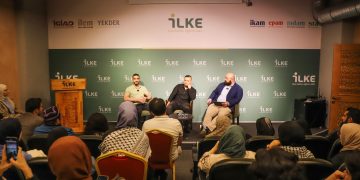
    İLKE Agenda: Muzzammil Ayyub Thakur ile Keşmir’in “Filistinleştirilmesi”

    İLKE Agenda: Muzzammil Ayyub Thakur ile Keşmir’in “Filistinleştirilmesi”

    İLKE Agenda: Muzzammil Ayyub Thakur ile Keşmir’in “Filistinleştirilmesi”

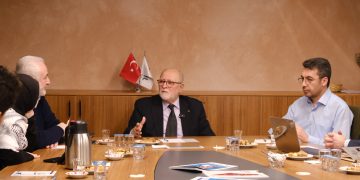
    The Platform Talks: Kinda Hawasli ile 8 Aralık Sonrası Suriye

    İLKE Agenda: Muzzammil Ayyub Thakur ile Keşmir’in “Filistinleştirilmesi”

    The Platform Talks: Azzam Tamimi ile 7 Ekim Sonrası Filistin

    İLKE Agenda: Muzzammil Ayyub Thakur ile Keşmir’in “Filistinleştirilmesi”

    İLKE Agenda: Gazze Soykırımı Günlerinde Aktivizm ve İslamofobi

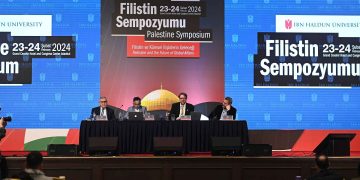
    Filistin Sempozyumu: Filistin ve Küresel İlişkilerin Geleceği

    Filistin Sempozyumu: Filistin ve Küresel İlişkilerin Geleceği

    Filistin Sempozyumu: Filistin ve Küresel İlişkilerin Geleceği

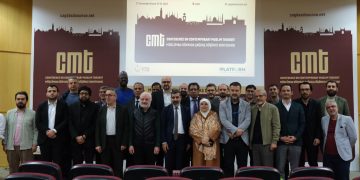
    Müslüman Dünyada Çağdaş Düşünce Konferansı’nda buluşuyoruz!

    Filistin Sempozyumu: Filistin ve Küresel İlişkilerin Geleceği

    Müslüman Dünyada Çağdaş Düşünce Konferansı

    Filistin Sempozyumu: Filistin ve Küresel İlişkilerin Geleceği

    Dr. Jonathan Brown “İslam’ın Siyahiliğe ve Köleliğe Yaklaşımı” adlı seminer gerçekleştirdi.

  • ANALİZLER
    • All
    • Düşünce
    • Eğitim
    • Ekonomi
    • Enerji ve Çevre
    • Göç
    • Medya, Kültür ve Sanat
    • Temel Hak ve Özgürlükler
    • Toplumsal Meseleler
    The Gravity of What Took Place at Al-Aqsa Mosque During Ramadan 2026

    Ramazan 2026’da Mescid-i Aksa’da Yaşananların Ciddiyeti

    AFP/GETTY IMAGES

    FLA-JNIM İş Birliği ve Mali’de Değişen Güvenlik Dinamikleri

    Sosyal Medyada İslamcı-Muhafazakâr Kamusallığın Dönüşümü Üzerine

    Sosyal Medyada İslamcı-Muhafazakâr Kamusallığın Dönüşümü Üzerine

    Bangladeş’te 2026 Seçimleri Sonrası Siyasi Tartışmalar

    Bangladeş’te 2026 Seçimleri Sonrası Siyasi Tartışmalar

    Filistin’de Çocuk Olmak: 5 Nisan Filistinli Çocuklar Günü

    Filistin’de Çocuk Olmak: 5 Nisan Filistinli Çocuklar Günü

    Security, Fragility, and the Search for a New Equilibrium in the Gulf Following the Iranian Attacks

    İran Saldırıları Sonrası Körfez’de Güvenlik, Kırılganlık ve Yeni Denge Arayışı

  • SÖYLEŞİLER
    The Decolonization of Knowledge: Interview with Professor Souleymane Bachir Diagne

    Bilginin Dekolonizasyonu: Profesör Souleymane Bachir Diagne ile Röportaj

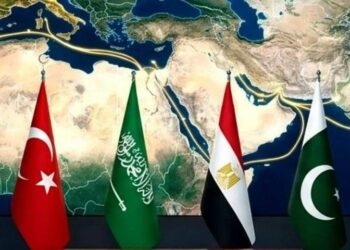
    A Possible New Breath in Regional Balances: The Alliance of Türkiye, Pakistan, Egypt, and Saudi Arabia

    Bölgesel Dengelerde Olası Yeni Bir Soluk: Türkiye, Pakistan, Mısır ve Suudi Arabistan İttifakı

    Digital Ummah and Muslim Identity: Dr. Sahar Khamis Interview

    Dijital Ümmet ve Müslüman Kimliği: Dr. Sahar Khamis ile Röportaj

    From the Ballot Box to the Street: The Rising Social Wave in Tanzania After the Election

    Sandıktan Sokağa: Tanzanya’da Seçim Sonrası Yükselen Toplumsal Dalga

    Müslüman Nüfusa Karşı Güvenlikleştirme

    Müslüman Nüfusa Karşı Güvenlikleştirme

    Gurbet Hikayeleri

    Gurbet Hikayeleri

    Göçü Yönetmek: Dr. Mehmet Köse’yle Söyleşi

    Göçü Yönetmek: Dr. Mehmet Köse’yle Söyleşi

    İstanbul’daki Uluslararası Öğrencilerle Söyleşi

    İstanbul’daki Uluslararası Öğrencilerle Söyleşi

    Zaytuna College Lisansüstü Eğitim Dekanı Maşuk Yamaç’la Söyleşi

    Zaytuna College Lisansüstü Eğitim Dekanı Maşuk Yamaç’la Söyleşi

  • DÜNYADAN SESLER
    Voices from the Muslim World | Sari Hanafi (with Turkish subtitles)

    Voices from the Muslim World | Sari Hanafi (with Turkish subtitles)

    Voices from the Muslim World | Ovamir Anjum

    Voices from the Muslim World | Ovamir Anjum

    VOICES FROM THE MUSLIM WORLD | DR. YASIR QADHI

    VOICES FROM THE MUSLIM WORLD | DR. YASIR QADHI

    VOICES FROM THE MUSLIM WORLD | DR. ADEEL MALIK

    VOICES FROM THE MUSLIM WORLD | DR. ADEEL MALIK

  • SAYILAR
  • VERİTABANI
    • All
    • Hareketler
    • Kurumlar
    • Şahsiyetler
    Pak-Türk Maarif

    Pak-Türk Maarif

    İslam Vakfı

    İslam Vakfı

    Avrupa Fetva ve Araştırma Konseyi

    Avrupa Fetva ve Araştırma Konseyi

    Tokyo Camii ve Diyanet Türk Kültür Merkezi

    Tokyo Camii ve Diyanet Türk Kültür Merkezi

  • PLATFORM
  • HABERLER
    İLKE Agenda: Muzzammil Ayyub Thakur ile Keşmir’in “Filistinleştirilmesi”

    İLKE Agenda: Muzzammil Ayyub Thakur ile Keşmir’in “Filistinleştirilmesi”

    İLKE Agenda: Muzzammil Ayyub Thakur ile Keşmir’in “Filistinleştirilmesi”

    The Platform Talks: Kinda Hawasli ile 8 Aralık Sonrası Suriye

    İLKE Agenda: Muzzammil Ayyub Thakur ile Keşmir’in “Filistinleştirilmesi”

    The Platform Talks: Azzam Tamimi ile 7 Ekim Sonrası Filistin

    İLKE Agenda: Muzzammil Ayyub Thakur ile Keşmir’in “Filistinleştirilmesi”

    İLKE Agenda: Gazze Soykırımı Günlerinde Aktivizm ve İslamofobi

    Filistin Sempozyumu: Filistin ve Küresel İlişkilerin Geleceği

    Filistin Sempozyumu: Filistin ve Küresel İlişkilerin Geleceği

    Filistin Sempozyumu: Filistin ve Küresel İlişkilerin Geleceği

    Müslüman Dünyada Çağdaş Düşünce Konferansı’nda buluşuyoruz!

    Filistin Sempozyumu: Filistin ve Küresel İlişkilerin Geleceği

    Müslüman Dünyada Çağdaş Düşünce Konferansı

    Filistin Sempozyumu: Filistin ve Küresel İlişkilerin Geleceği

    Dr. Jonathan Brown “İslam’ın Siyahiliğe ve Köleliğe Yaklaşımı” adlı seminer gerçekleştirdi.

  • ANALİZLER
    • All
    • Düşünce
    • Eğitim
    • Ekonomi
    • Enerji ve Çevre
    • Göç
    • Medya, Kültür ve Sanat
    • Temel Hak ve Özgürlükler
    • Toplumsal Meseleler
    The Gravity of What Took Place at Al-Aqsa Mosque During Ramadan 2026

    Ramazan 2026’da Mescid-i Aksa’da Yaşananların Ciddiyeti

    AFP/GETTY IMAGES

    FLA-JNIM İş Birliği ve Mali’de Değişen Güvenlik Dinamikleri

    Sosyal Medyada İslamcı-Muhafazakâr Kamusallığın Dönüşümü Üzerine

    Sosyal Medyada İslamcı-Muhafazakâr Kamusallığın Dönüşümü Üzerine

    Bangladeş’te 2026 Seçimleri Sonrası Siyasi Tartışmalar

    Bangladeş’te 2026 Seçimleri Sonrası Siyasi Tartışmalar

    Filistin’de Çocuk Olmak: 5 Nisan Filistinli Çocuklar Günü

    Filistin’de Çocuk Olmak: 5 Nisan Filistinli Çocuklar Günü

    Security, Fragility, and the Search for a New Equilibrium in the Gulf Following the Iranian Attacks

    İran Saldırıları Sonrası Körfez’de Güvenlik, Kırılganlık ve Yeni Denge Arayışı

  • SÖYLEŞİLER
    The Decolonization of Knowledge: Interview with Professor Souleymane Bachir Diagne

    Bilginin Dekolonizasyonu: Profesör Souleymane Bachir Diagne ile Röportaj

    A Possible New Breath in Regional Balances: The Alliance of Türkiye, Pakistan, Egypt, and Saudi Arabia

    Bölgesel Dengelerde Olası Yeni Bir Soluk: Türkiye, Pakistan, Mısır ve Suudi Arabistan İttifakı

    Digital Ummah and Muslim Identity: Dr. Sahar Khamis Interview

    Dijital Ümmet ve Müslüman Kimliği: Dr. Sahar Khamis ile Röportaj

    From the Ballot Box to the Street: The Rising Social Wave in Tanzania After the Election

    Sandıktan Sokağa: Tanzanya’da Seçim Sonrası Yükselen Toplumsal Dalga

    Müslüman Nüfusa Karşı Güvenlikleştirme

    Müslüman Nüfusa Karşı Güvenlikleştirme

    Gurbet Hikayeleri

    Gurbet Hikayeleri

    Göçü Yönetmek: Dr. Mehmet Köse’yle Söyleşi

    Göçü Yönetmek: Dr. Mehmet Köse’yle Söyleşi

    İstanbul’daki Uluslararası Öğrencilerle Söyleşi

    İstanbul’daki Uluslararası Öğrencilerle Söyleşi

    Zaytuna College Lisansüstü Eğitim Dekanı Maşuk Yamaç’la Söyleşi

    Zaytuna College Lisansüstü Eğitim Dekanı Maşuk Yamaç’la Söyleşi

  • DÜNYADAN SESLER
    Voices from the Muslim World | Sari Hanafi (with Turkish subtitles)

    Voices from the Muslim World | Sari Hanafi (with Turkish subtitles)

    Voices from the Muslim World | Ovamir Anjum

    Voices from the Muslim World | Ovamir Anjum

    VOICES FROM THE MUSLIM WORLD | DR. YASIR QADHI

    VOICES FROM THE MUSLIM WORLD | DR. YASIR QADHI

    VOICES FROM THE MUSLIM WORLD | DR. ADEEL MALIK

    VOICES FROM THE MUSLIM WORLD | DR. ADEEL MALIK

  • SAYILAR
  • VERİTABANI
    • All
    • Hareketler
    • Kurumlar
    • Şahsiyetler
    Pak-Türk Maarif

    Pak-Türk Maarif

    İslam Vakfı

    İslam Vakfı

    Avrupa Fetva ve Araştırma Konseyi

    Avrupa Fetva ve Araştırma Konseyi

    Tokyo Camii ve Diyanet Türk Kültür Merkezi

    Tokyo Camii ve Diyanet Türk Kültür Merkezi

No Result
View All Result
Platform
No Result
View All Result
Home Analyses

After a Year of Boycotting Israel

Şükrü Çağrı Çelik by Şükrü Çağrı Çelik
6 Kasım 2025
in Analyses, Fundamental Rights and Freedoms
0
Bir Yılın Ardından Gazze Boykotu
0
SHARES
2
VIEWS
Share on FacebookShare on Twitter

Over the past year since October, Gaza has endured unimaginable suffering, and the pain continues unabated. Tens of thousands of people, including women and children, have lost their lives. Israel’s military operations have intensified while targeting hospitals, mosques, churches, and even so-called “safe zones.” Tragically, many governments and communities around the world have either remained silent about these atrocities or, worse, legitimized Israel’s actions by framing them as acts of self-defense and offering support.

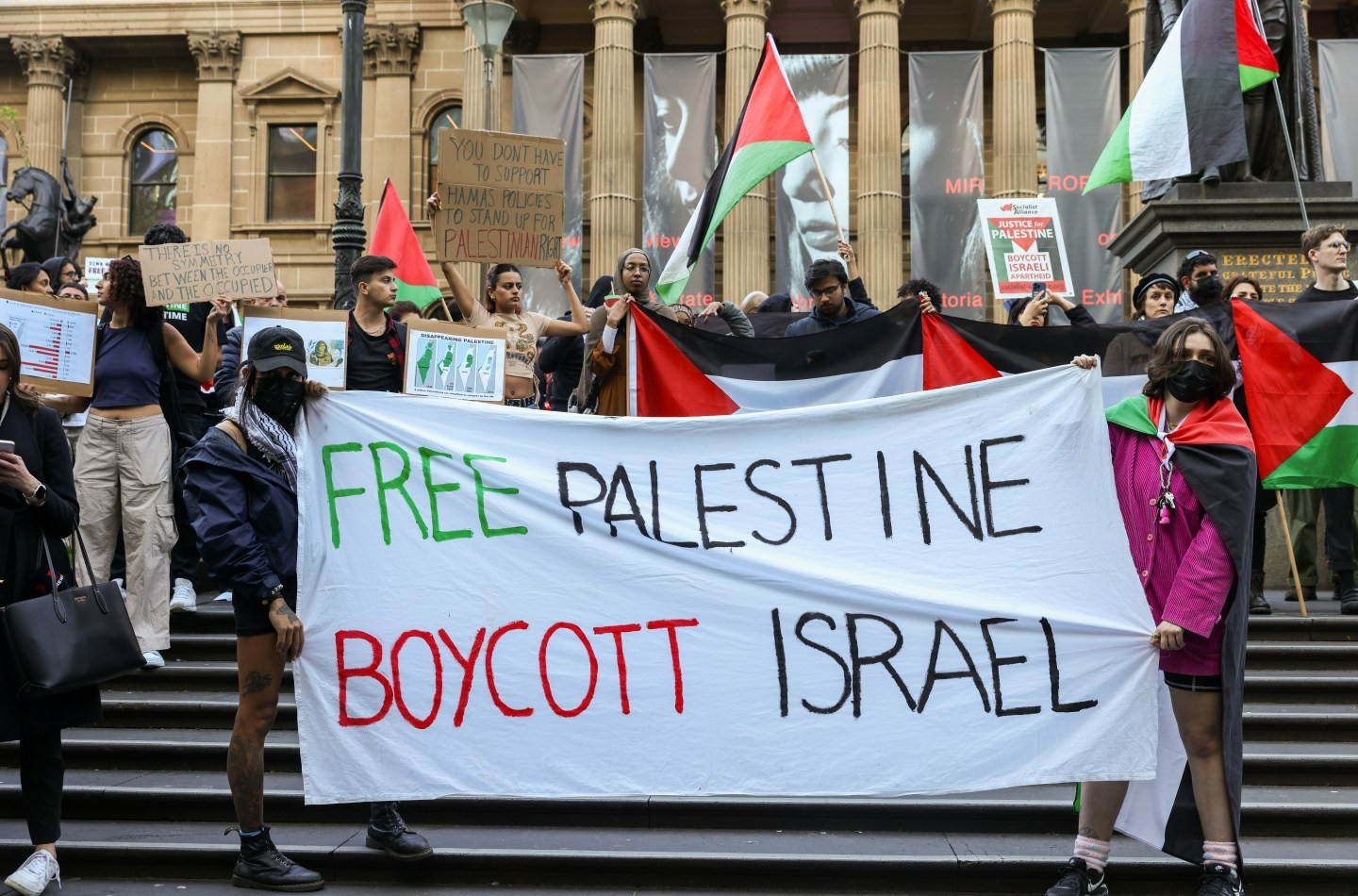
On the other hand, countless individuals with a sense of justice refused to stay silent. They took to the streets to protest this genocide and began boycotting Israel and the companies that supported its actions. Numerous boycott lists have been created, and the boycott movement gained momentum across the globe.

But how successful has the boycott been, particularly in Türkiye? Answering this question can be quite challenging. To date, academic studies examining the economic impact of the boycott are very restricted. While a few studies were published in Indonesia and Malaysia, it remains challenging to draw broad conclusions about the boycott’s success or evaluate its impact specifically in Türkiye.

We can examine several key indicators to assess the boycott’s effectiveness in Türkiye. One approach is to analyze search statistics for products on the boycott list using Google Trends. For this purpose, the data presented in Graph 1 and Graph 2 below has been compiled through Google Trends analysis. The first graph focuses on searches for “Israeli Brands,” while the second reflects searches for “Israel Boycott.”
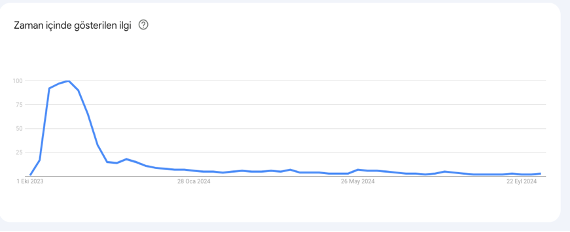
1

Graph 1. Google Trends Analysis: Searches for “İsrail Markaları” (Israeli Brands)

2

Graph 2. Google Trends Analysis: Searches for “İsrail Boykot” (Israel Boycott)

Following the analysis of these graphs, it is evident that during the initial phase of the boycott after October 7, there was a significant spike in searches related to boycott lists. However, the number of searches gradually declined over time. While this trend provides a general impression, it does not fully reflect the success or failure of the boycott. People might have accessed the lists through other means, such as saving them offline or sharing them via social media, rather than repeatedly searching for them on Google.

To conduct a more accurate analysis, it would be necessary to examine the sales figures and financial statements of the companies listed in the boycotts over the past year. However, since companies are not obligated to publicly disclose such data, the analysis becomes more challenging. For publicly traded companies, financial data is accessible and offers insight into potential trends.

One example is Coca-Cola İçecek A.Ş., a company that frequently appears on boycott lists. Operating in Türkiye, it is partially owned (20.9%) by the international Coca-Cola Company, while the remaining ownership is as follows: Anadolu Efes Biracılık ve Malt Sanayi A.Ş. holds 40.12%, The Coca-Cola Export Corporation 20.9%, Efes Pazarlama ve Dağıtım Ticaret A.Ş. 10.14%, and Özgörkey Holding A.Ş. 0.79%. The remaining 28.86% is publicly traded on The Borsa Istanbul (BIST). Coca-Cola İçecek A.Ş. operates in multiple countries, including Pakistan, Kazakhstan, Iraq, Uzbekistan, Azerbaijan, Kyrgyzstan, Bangladesh, Jordan, Tajikistan, Turkmenistan, and Syria. The company’s significant Turkish ownership, local production facilities, and employment of Turkish workers have led some individuals to exclude it from boycott lists.

Analyzing Coca-Cola İçecek A.Ş.’s stock performance since October 2023, we see a notable increase in its share price. Although there was a dip in stock prices at the onset of the events on October 7, this decline was temporary, and prices resumed their upward trend in the following days.

It’s important to note that the company’s stock performance is not independent of overall trends in The Borsa Istanbul (BIST). Some fluctuations in share prices can be attributed to broader market movements rather than company-specific factors. Furthermore, the stock market performance of publicly traded companies can sometimes diverge from their real-sector activities due to factors such as foreign trading activity or investor sentiment. Consequently, more than Coca-Cola’s stock price is needed to provide a definitive measure of the boycott’s impact on demand for its products in Türkiye.

3

Source: Taken from the website investing.com.

Another factor that indicates whether Coca-Cola has been affected by the boycott is its financial performance, as reflected in two key variables: operating profit and EBITDA (Earnings Before Interest, Taxes, Depreciation, and Amortization). The graph below illustrates the trends of these variables across quarterly intervals:

Graph 3. Coca-Cola İçecek A.Ş. Operating Profit and EBITDA

4

Source: Compiled based on data from the “Financial Data and Presentations” section of Coca-Cola İçecek A.Ş. Investor Relations.

The graph shows that after the earthquakes in February 2023, the company’s operating profit and EBITDA significantly declined (2023 Q1). No noticeable impact on these indicators was observed after the boycott decision was made. Lastly, the sales volume of Coca-Cola İçecek A.Ş.’s products in quarterly periods has been examined. The following graph illustrates the sales data in terms of millions of cases across quarterly intervals:

Graph 4. Sales Volume of Coca-Cola İçecek A.Ş. Products (Millions of Cases)

5

Source: Compiled based on data from the “Financial Data and Presentations” section of Coca-Cola İçecek A.Ş. Investor Relations.

After the boycott decision made in October 2023, sales volume declined in the fourth quarter of 2023. However, a decrease following the third quarter, which was characterized by high temperatures, is typical. A similar decrease was also seen in the previous year. Yet, the sharp contraction in sales volume was even lower than the previous year’s drop. By the next quarter, the sales volume returned to previous levels.

Ultimately, it is not possible to definitively show the economic impact of the boycott, especially due to the difficulty in accessing data. Empirical studies conducted in the future will provide more accurate insights. However, it can be inferred that the interest in the boycott has diminished. This study has attempted to assess the impact of the boycott through the case of Coca-Cola İçecek A.Ş. When examining Coca-Cola’s financial statements, there is no evidence of the boycott’s impact in terms of operating profit and EBITDA. Although a decline in sales volume was observed in the fourth quarter of 2023, the decline cannot be attributed solely to the boycott decision, as seasonal factors also played a role. It is also important not to interpret the impact of the boycott solely through statistics. Several observations in Türkiye suggest that the boycott has had some qualitative success, even if not financially. For instance, companies have taken various steps to improve their diminishing public image. For example, Burger King changed its name to Börgır, and Algida ice creams concealed their logos in some places. As part of a marketing strategy, Coca-Cola redesigned its packaging with the statement, “This product is made in Türkiye.” Additionally, the opening of “boycott markets” (markets where boycott products are not sold) in many parts of the country shows that there is, to some extent, public support for the boycott. However, whether the boycott will be sufficient and sustainable will become clearer in future studies.


Tags: 7 OctoberBoycottIsrael
Previous Post

Bir Yılın Ardından Gazze Boykotu

Next Post

Dijital Eşitsizliğin Neresindeyiz? Dijital Bölünme ve Eğitim

Next Post
Dijital Eşitsizliğin Neresindeyiz? Dijital Bölünme ve Eğitim

Dijital Eşitsizliğin Neresindeyiz? Dijital Bölünme ve Eğitim

Bir yanıt yazın Yanıtı iptal et

E-posta adresiniz yayınlanmayacak. Gerekli alanlar * ile işaretlenmişlerdir

  • A Possible New Breath in Regional Balances: The Alliance of Türkiye, Pakistan, Egypt, and Saudi Arabia

    Bölgesel Dengelerde Olası Yeni Bir Soluk: Türkiye, Pakistan, Mısır ve Suudi Arabistan İttifakı

    0 shares
    Share 0 Tweet 0
  • Bilime Yön Verenler: Nobel Ödüllü Müslüman Bilim İnsanları

    0 shares
    Share 0 Tweet 0
  • Nakşibendi-Hakkani Tarikatı

    0 shares
    Share 0 Tweet 0
  • Fuad Sezgin

    0 shares
    Share 0 Tweet 0
  • Sosyal Medyada İslamcı-Muhafazakâr Kamusallığın Dönüşümü Üzerine

    0 shares
    Share 0 Tweet 0
  • The Gravity of What Took Place at Al-Aqsa Mosque During Ramadan 2026

    Ramazan 2026’da Mescid-i Aksa’da Yaşananların Ciddiyeti

    0 shares
    Share 0 Tweet 0
  • The Gravity of What Took Place at Al-Aqsa Mosque During Ramadan 2026

    0 shares
    Share 0 Tweet 0
  • FLA-JNIM Cooperation and Shifting Security Dynamics in Mali

    0 shares
    Share 0 Tweet 0
  • FLA-JNIM İş Birliği ve Mali’de Değişen Güvenlik Dinamikleri

    0 shares
    Share 0 Tweet 0
  • The Current State of Indonesia’s Luxury Industry and the Landscape of Independent Handcrafted Watchmaking

    0 shares
    Share 0 Tweet 0

Platform: Müslüman Dünyanın Gündemi, Müslüman toplumların fikrî, siyasi, sosyal, ekonomik ve kültürel gündemlerini takip ve tahlil edip Müslüman dünyaya dair güncel ve özgün perspektifler sunmayı amaçlayan bir yayın organı olarak İLKE İlim Kültür Eğitim Vakfı bünyesinde kurulmuştur.

  • SAYILAR
  • ANALİZLER
  • HABERLER
  • SÖYLEŞİLER
  • DÜNYADAN SESLER
  • platform@ilke.org.tr
  • (0216) 310 43 18
  • Aziz Mahmut Hüdayi Mah. Türbe Kapısı Sk. No: 13 Üsküdar, İstanbul

2025 @ PLATFORM bir İLKE Vakfı kuruluşudur. Tüm hakları saklıdır. 

No Result
View All Result
  • Home
  • Analizler
  • Haberler
  • Söyleşiler
  • Dünyadan Sesler