
İLKE Vakfı
Platform
No Result
View All Result
  • PLATFORM
  • HABERLER
    İLKE Agenda: Muzzammil Ayyub Thakur ile Keşmir’in “Filistinleştirilmesi”

    İLKE Agenda: Muzzammil Ayyub Thakur ile Keşmir’in “Filistinleştirilmesi”

    İLKE Agenda: Muzzammil Ayyub Thakur ile Keşmir’in “Filistinleştirilmesi”

    The Platform Talks: Kinda Hawasli ile 8 Aralık Sonrası Suriye

    İLKE Agenda: Muzzammil Ayyub Thakur ile Keşmir’in “Filistinleştirilmesi”

    The Platform Talks: Azzam Tamimi ile 7 Ekim Sonrası Filistin

    İLKE Agenda: Muzzammil Ayyub Thakur ile Keşmir’in “Filistinleştirilmesi”

    İLKE Agenda: Gazze Soykırımı Günlerinde Aktivizm ve İslamofobi

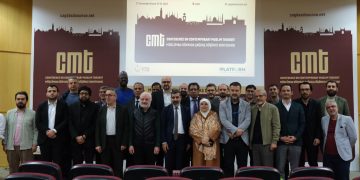
    Filistin Sempozyumu: Filistin ve Küresel İlişkilerin Geleceği

    Filistin Sempozyumu: Filistin ve Küresel İlişkilerin Geleceği

    Filistin Sempozyumu: Filistin ve Küresel İlişkilerin Geleceği

    Müslüman Dünyada Çağdaş Düşünce Konferansı’nda buluşuyoruz!

    Filistin Sempozyumu: Filistin ve Küresel İlişkilerin Geleceği

    Müslüman Dünyada Çağdaş Düşünce Konferansı

    Filistin Sempozyumu: Filistin ve Küresel İlişkilerin Geleceği

    Dr. Jonathan Brown “İslam’ın Siyahiliğe ve Köleliğe Yaklaşımı” adlı seminer gerçekleştirdi.

  • ANALİZLER
    • All
    • Düşünce
    • Eğitim
    • Ekonomi
    • Enerji ve Çevre
    • Göç
    • Medya, Kültür ve Sanat
    • Temel Hak ve Özgürlükler
    • Toplumsal Meseleler
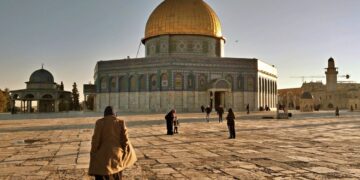
    The Gravity of What Took Place at Al-Aqsa Mosque During Ramadan 2026

    Ramazan 2026’da Mescid-i Aksa’da Yaşananların Ciddiyeti

    AFP/GETTY IMAGES

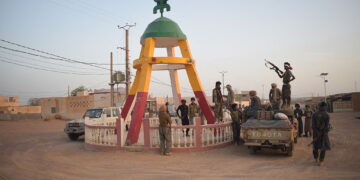
    FLA-JNIM İş Birliği ve Mali’de Değişen Güvenlik Dinamikleri

    Sosyal Medyada İslamcı-Muhafazakâr Kamusallığın Dönüşümü Üzerine

    Sosyal Medyada İslamcı-Muhafazakâr Kamusallığın Dönüşümü Üzerine

    Bangladeş’te 2026 Seçimleri Sonrası Siyasi Tartışmalar

    Bangladeş’te 2026 Seçimleri Sonrası Siyasi Tartışmalar

    Filistin’de Çocuk Olmak: 5 Nisan Filistinli Çocuklar Günü

    Filistin’de Çocuk Olmak: 5 Nisan Filistinli Çocuklar Günü

    Security, Fragility, and the Search for a New Equilibrium in the Gulf Following the Iranian Attacks

    İran Saldırıları Sonrası Körfez’de Güvenlik, Kırılganlık ve Yeni Denge Arayışı

  • SÖYLEŞİLER
    The Decolonization of Knowledge: Interview with Professor Souleymane Bachir Diagne

    Bilginin Dekolonizasyonu: Profesör Souleymane Bachir Diagne ile Röportaj

    A Possible New Breath in Regional Balances: The Alliance of Türkiye, Pakistan, Egypt, and Saudi Arabia

    Bölgesel Dengelerde Olası Yeni Bir Soluk: Türkiye, Pakistan, Mısır ve Suudi Arabistan İttifakı

    Digital Ummah and Muslim Identity: Dr. Sahar Khamis Interview

    Dijital Ümmet ve Müslüman Kimliği: Dr. Sahar Khamis ile Röportaj

    From the Ballot Box to the Street: The Rising Social Wave in Tanzania After the Election

    Sandıktan Sokağa: Tanzanya’da Seçim Sonrası Yükselen Toplumsal Dalga

    Müslüman Nüfusa Karşı Güvenlikleştirme

    Müslüman Nüfusa Karşı Güvenlikleştirme

    Gurbet Hikayeleri

    Gurbet Hikayeleri

    Göçü Yönetmek: Dr. Mehmet Köse’yle Söyleşi

    Göçü Yönetmek: Dr. Mehmet Köse’yle Söyleşi

    İstanbul’daki Uluslararası Öğrencilerle Söyleşi

    İstanbul’daki Uluslararası Öğrencilerle Söyleşi

    Zaytuna College Lisansüstü Eğitim Dekanı Maşuk Yamaç’la Söyleşi

    Zaytuna College Lisansüstü Eğitim Dekanı Maşuk Yamaç’la Söyleşi

  • DÜNYADAN SESLER
    Voices from the Muslim World | Sari Hanafi (with Turkish subtitles)

    Voices from the Muslim World | Sari Hanafi (with Turkish subtitles)

    Voices from the Muslim World | Ovamir Anjum

    Voices from the Muslim World | Ovamir Anjum

    VOICES FROM THE MUSLIM WORLD | DR. YASIR QADHI

    VOICES FROM THE MUSLIM WORLD | DR. YASIR QADHI

    VOICES FROM THE MUSLIM WORLD | DR. ADEEL MALIK

    VOICES FROM THE MUSLIM WORLD | DR. ADEEL MALIK

  • SAYILAR
  • VERİTABANI
    • All
    • Hareketler
    • Kurumlar
    • Şahsiyetler
    Pak-Türk Maarif

    Pak-Türk Maarif

    İslam Vakfı

    İslam Vakfı

    Avrupa Fetva ve Araştırma Konseyi

    Avrupa Fetva ve Araştırma Konseyi

    Tokyo Camii ve Diyanet Türk Kültür Merkezi

    Tokyo Camii ve Diyanet Türk Kültür Merkezi

  • PLATFORM
  • HABERLER
    İLKE Agenda: Muzzammil Ayyub Thakur ile Keşmir’in “Filistinleştirilmesi”

    İLKE Agenda: Muzzammil Ayyub Thakur ile Keşmir’in “Filistinleştirilmesi”

    İLKE Agenda: Muzzammil Ayyub Thakur ile Keşmir’in “Filistinleştirilmesi”

    The Platform Talks: Kinda Hawasli ile 8 Aralık Sonrası Suriye

    İLKE Agenda: Muzzammil Ayyub Thakur ile Keşmir’in “Filistinleştirilmesi”

    The Platform Talks: Azzam Tamimi ile 7 Ekim Sonrası Filistin

    İLKE Agenda: Muzzammil Ayyub Thakur ile Keşmir’in “Filistinleştirilmesi”

    İLKE Agenda: Gazze Soykırımı Günlerinde Aktivizm ve İslamofobi

    Filistin Sempozyumu: Filistin ve Küresel İlişkilerin Geleceği

    Filistin Sempozyumu: Filistin ve Küresel İlişkilerin Geleceği

    Filistin Sempozyumu: Filistin ve Küresel İlişkilerin Geleceği

    Müslüman Dünyada Çağdaş Düşünce Konferansı’nda buluşuyoruz!

    Filistin Sempozyumu: Filistin ve Küresel İlişkilerin Geleceği

    Müslüman Dünyada Çağdaş Düşünce Konferansı

    Filistin Sempozyumu: Filistin ve Küresel İlişkilerin Geleceği

    Dr. Jonathan Brown “İslam’ın Siyahiliğe ve Köleliğe Yaklaşımı” adlı seminer gerçekleştirdi.

  • ANALİZLER
    • All
    • Düşünce
    • Eğitim
    • Ekonomi
    • Enerji ve Çevre
    • Göç
    • Medya, Kültür ve Sanat
    • Temel Hak ve Özgürlükler
    • Toplumsal Meseleler
    The Gravity of What Took Place at Al-Aqsa Mosque During Ramadan 2026

    Ramazan 2026’da Mescid-i Aksa’da Yaşananların Ciddiyeti

    AFP/GETTY IMAGES

    FLA-JNIM İş Birliği ve Mali’de Değişen Güvenlik Dinamikleri

    Sosyal Medyada İslamcı-Muhafazakâr Kamusallığın Dönüşümü Üzerine

    Sosyal Medyada İslamcı-Muhafazakâr Kamusallığın Dönüşümü Üzerine

    Bangladeş’te 2026 Seçimleri Sonrası Siyasi Tartışmalar

    Bangladeş’te 2026 Seçimleri Sonrası Siyasi Tartışmalar

    Filistin’de Çocuk Olmak: 5 Nisan Filistinli Çocuklar Günü

    Filistin’de Çocuk Olmak: 5 Nisan Filistinli Çocuklar Günü

    Security, Fragility, and the Search for a New Equilibrium in the Gulf Following the Iranian Attacks

    İran Saldırıları Sonrası Körfez’de Güvenlik, Kırılganlık ve Yeni Denge Arayışı

  • SÖYLEŞİLER
    The Decolonization of Knowledge: Interview with Professor Souleymane Bachir Diagne

    Bilginin Dekolonizasyonu: Profesör Souleymane Bachir Diagne ile Röportaj

    A Possible New Breath in Regional Balances: The Alliance of Türkiye, Pakistan, Egypt, and Saudi Arabia

    Bölgesel Dengelerde Olası Yeni Bir Soluk: Türkiye, Pakistan, Mısır ve Suudi Arabistan İttifakı

    Digital Ummah and Muslim Identity: Dr. Sahar Khamis Interview

    Dijital Ümmet ve Müslüman Kimliği: Dr. Sahar Khamis ile Röportaj

    From the Ballot Box to the Street: The Rising Social Wave in Tanzania After the Election

    Sandıktan Sokağa: Tanzanya’da Seçim Sonrası Yükselen Toplumsal Dalga

    Müslüman Nüfusa Karşı Güvenlikleştirme

    Müslüman Nüfusa Karşı Güvenlikleştirme

    Gurbet Hikayeleri

    Gurbet Hikayeleri

    Göçü Yönetmek: Dr. Mehmet Köse’yle Söyleşi

    Göçü Yönetmek: Dr. Mehmet Köse’yle Söyleşi

    İstanbul’daki Uluslararası Öğrencilerle Söyleşi

    İstanbul’daki Uluslararası Öğrencilerle Söyleşi

    Zaytuna College Lisansüstü Eğitim Dekanı Maşuk Yamaç’la Söyleşi

    Zaytuna College Lisansüstü Eğitim Dekanı Maşuk Yamaç’la Söyleşi

  • DÜNYADAN SESLER
    Voices from the Muslim World | Sari Hanafi (with Turkish subtitles)

    Voices from the Muslim World | Sari Hanafi (with Turkish subtitles)

    Voices from the Muslim World | Ovamir Anjum

    Voices from the Muslim World | Ovamir Anjum

    VOICES FROM THE MUSLIM WORLD | DR. YASIR QADHI

    VOICES FROM THE MUSLIM WORLD | DR. YASIR QADHI

    VOICES FROM THE MUSLIM WORLD | DR. ADEEL MALIK

    VOICES FROM THE MUSLIM WORLD | DR. ADEEL MALIK

  • SAYILAR
  • VERİTABANI
    • All
    • Hareketler
    • Kurumlar
    • Şahsiyetler
    Pak-Türk Maarif

    Pak-Türk Maarif

    İslam Vakfı

    İslam Vakfı

    Avrupa Fetva ve Araştırma Konseyi

    Avrupa Fetva ve Araştırma Konseyi

    Tokyo Camii ve Diyanet Türk Kültür Merkezi

    Tokyo Camii ve Diyanet Türk Kültür Merkezi

No Result
View All Result
Platform
No Result
View All Result
Home Analyses

An Assessment of the Passivity of the Organisation of Islamic Cooperation in the Global System

M. Hüseyin Mercan by M. Hüseyin Mercan
1 Ekim 2025
in Analyses
0
An Assessment of the Passivity of the Organisation of Islamic Cooperation in the Global System
0
SHARES
4
VIEWS
Share on FacebookShare on Twitter

In recent years, the increasing significance of international organizations and principally international formations in the course of global politics and impact on policy-making and implementation processes have brought the possibility of emergence of organizations or structures that will increase cooperation and mobility in the Muslim world. The creation of an organization that can induce the formation of unique politics in the Islamic world and play an active role in the resolution of drawbacks, as well as that will act as a balancing act for other actors of global politics, will definitely be a step that will change the balances in the international system. Demonstrating a solid will in tackling setbacks such as injustice, inequality, and conflict arising from the nature of the international system and Muslim states adopting a more self-confident character in terms of self-representation; would also increase the expectations for the shaping of a new global politics. Considering the possibility of such a foundation, the first question that comes to mind is whether there is the will and vision for the establishment of such a structure in the Muslim world or whether the Organisation of Islamic Cooperation (OIC), which is the most prominent political organization in the Islamic world, can deal with this mission.

OIC is accepted as the second largest organization in international politics after the United Nations (UN) in terms of the number of members, geographical distribution, and ethnic and linguistic diversity. OIC, which has 57 members (out of which five countries have observer status), is the most important structure that has the opportunity to present an alternative order claim in global politics not only because of its political and economic importance but also because of its military capacity, its diversity, and richness in terms of underground resources, its potential in education, culture and technology, and especially its young population ratio. The current international system shaped by Eurocentric politics has faced severe challenges, especially in the last few decades. The political atmosphere, especially after September 11, has opened the door to a deep rivalry between the USA, which is trying to dominate the whole world, Russia, which is trying to regain its position in global politics, and China, which is the leading rising actor. The traumas brought about by the invasion of Afghanistan and Iraq, and the evolution of popular turmoils in the Arab world gave rise to new crises that have led to an increase in the chaotic situation in the Islamic world. At the same time, the main competition in global politics has directly shaped the decision-making processes in the Muslim world.

Pondering the potential of both the states in the Islamic world and the OIC as an organization, the critical dilemma of this controversy is why Muslim societies are feeble or unable to show sufficient will to shape their destinies. The incapability of the members of a religion that claims to establish an order on the globe on the ground of its politics, to implement mechanisms that can create alternatives in the international system cannot be explained only by external factors or by the general inertia in the Islamic world. The fact that an effort to establish a new world order, in which Muslims determine the central codes of politics, is not set forth by the states in the Islamic world or that some initiatives remain obsolete indicates a major structural crisis. In this context, a good analysis of why a robust political vision could not be coined and an effective union could not be established in the Islamic world will at least allow the structural crisis to be overcome and the creation of an alternative structure in the future.

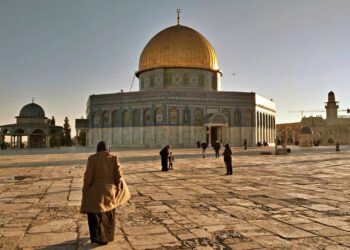
The passivity of the OIC in global politics and its inability to instil a spirit of establishing an alternative order in the world is basically due to its structure itself. The main hindrances averting the OIC from being a playmaker in international relations are its inability to offer clear solutions to any crisis in the Islamic world, especially the Palestine issue, and the inability of global actors to put pressure tools into practice in the face of their interests to Islamic countries or the ongoing crises. Although the founding philosophy of the organization was built on the mission of “protecting the rights and interests of the Islamic world” and “strengthening cooperation and solidarity” among the member states, the fact that the organization has not been able to pass a successful test within the framework of its primary mission since September 25, 1969, the date of its establishment, has resulted in the belief that the organization cannot turn into an effective organization. The great fire that broke out in Masjid al-Aqsa after a fanatical Zionist Jew’s arson attempt on August 21, 1969, allowed the Muslim world to take the initiative, seek their rights, and protect their interests.

After the Second World War, the UN, which was established to perpetuate global politics on a peaceful ground and ensure that all societies live in an equal and fair political reality, showed severe weaknesses in realizing its mission and, in particular, a hypocritical attitude towards the solution of problems in the Muslim world laid the groundwork for the initiative of the establishment of the OIC in September 1969. The offensive attack on the first qibla of Muslims was a radical move that would augment the political revival of Islamic countries. As a matter of fact, the belief that the rights of Muslims could not be sufficiently defended without the establishment of an alternative organization and that the Islamic world would always remain in an inactive status was tried to be changed by establishing an alternative order/structure with the establishment of the OIC. However, the political priorities, visions, agendas, and perspectives of the member states on global politics and world order have played an essential role in moving the established structure away from the claim of offering alternatives.

Although the typical value in the coexistence of the members of the OIC is the religion of Islam, the fact that all members act on different political grounds is one of the main factors in the Muslim world’s inability to develop a common agenda. Although the international community keeps the issue of Palestine or Al-Quds on the agenda without suggesting its permanent solution, it ensures that the OIC members are generally on the same line with the issue of Jerusalem. However, it is observed that the same attitude cannot be shown in the general course and framework of the Palestinian issue and other crisis areas in the Islamic world. Both the legacy of colonialism, the preferences of the political elites in the process of building nation-states, and the variances caused by the relations with the dominant actors of international politics like the USA, Russia, and China, prevent the formation of a firm unity that can offer an alternative to the world order within the OIC. The fact that the national priorities of the member states in most cases contradict or conflict with the central philosophy of the OIC does not allow the formation of a substantial bloc in the Islamic world in international relations.

The way for Muslim societies to take an active role in global politics will be possible on a unique political ground and only with the claim of an alternative order. Considering the current conditions and the political preferences and priorities of the member states of OIC, it is not thought that suitable conditions will arise in the short term for the establishment of an organizational structure that will take a determined stance against the global actors regarding the solution of the problems in the Islamic world. In this way, the belief and need for structural reforms to be realized within the OIC, and subsequent steps to be taken in this regard, will enable the Muslim world to be represented in global politics with a unique political strategy, at least in the medium term. Otherwise, apart from individual initiatives in the Muslim world – Turkey’s mission and strategy in crisis regions such as Palestine, Syria, Egypt, Kashmir, and Yemen can be cited as an example – the formation of solid structures that defend the rights of Muslims in global politics will never occur.


Tags: Islamic CooperationsMuslim World
Previous Post

Balkan File: Subjects on which NGOs Focus

Next Post

The Pen and the Sword: The Narrow Margin of Academic Freedom

Next Post
The Pen and the Sword: The Narrow Margin of Academic Freedom

The Pen and the Sword: The Narrow Margin of Academic Freedom

Bir yanıt yazın Yanıtı iptal et

E-posta adresiniz yayınlanmayacak. Gerekli alanlar * ile işaretlenmişlerdir

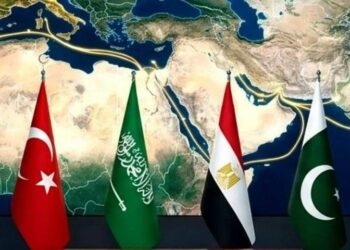
  • A Possible New Breath in Regional Balances: The Alliance of Türkiye, Pakistan, Egypt, and Saudi Arabia

    Bölgesel Dengelerde Olası Yeni Bir Soluk: Türkiye, Pakistan, Mısır ve Suudi Arabistan İttifakı

    0 shares
    Share 0 Tweet 0
  • Nakşibendi-Hakkani Tarikatı

    0 shares
    Share 0 Tweet 0
  • Bilime Yön Verenler: Nobel Ödüllü Müslüman Bilim İnsanları

    0 shares
    Share 0 Tweet 0
  • Fuad Sezgin

    0 shares
    Share 0 Tweet 0
  • Sosyal Medyada İslamcı-Muhafazakâr Kamusallığın Dönüşümü Üzerine

    0 shares
    Share 0 Tweet 0
  • The Gravity of What Took Place at Al-Aqsa Mosque During Ramadan 2026

    Ramazan 2026’da Mescid-i Aksa’da Yaşananların Ciddiyeti

    0 shares
    Share 0 Tweet 0
  • The Gravity of What Took Place at Al-Aqsa Mosque During Ramadan 2026

    0 shares
    Share 0 Tweet 0
  • FLA-JNIM Cooperation and Shifting Security Dynamics in Mali

    0 shares
    Share 0 Tweet 0
  • FLA-JNIM İş Birliği ve Mali’de Değişen Güvenlik Dinamikleri

    0 shares
    Share 0 Tweet 0
  • The Current State of Indonesia’s Luxury Industry and the Landscape of Independent Handcrafted Watchmaking

    0 shares
    Share 0 Tweet 0

Platform: Müslüman Dünyanın Gündemi, Müslüman toplumların fikrî, siyasi, sosyal, ekonomik ve kültürel gündemlerini takip ve tahlil edip Müslüman dünyaya dair güncel ve özgün perspektifler sunmayı amaçlayan bir yayın organı olarak İLKE İlim Kültür Eğitim Vakfı bünyesinde kurulmuştur.

  • SAYILAR
  • ANALİZLER
  • HABERLER
  • SÖYLEŞİLER
  • DÜNYADAN SESLER
  • platform@ilke.org.tr
  • (0216) 310 43 18
  • Aziz Mahmut Hüdayi Mah. Türbe Kapısı Sk. No: 13 Üsküdar, İstanbul

2025 @ PLATFORM bir İLKE Vakfı kuruluşudur. Tüm hakları saklıdır. 

No Result
View All Result
  • Home
  • Analizler
  • Haberler
  • Söyleşiler
  • Dünyadan Sesler