




İLKE Vakfı
Platform
No Result
View All Result
  • PLATFORM
  • HABERLER
    İLKE Agenda: Muzzammil Ayyub Thakur ile Keşmir’in “Filistinleştirilmesi”

    İLKE Agenda: Muzzammil Ayyub Thakur ile Keşmir’in “Filistinleştirilmesi”

    İLKE Agenda: Muzzammil Ayyub Thakur ile Keşmir’in “Filistinleştirilmesi”

    The Platform Talks: Kinda Hawasli ile 8 Aralık Sonrası Suriye

    İLKE Agenda: Muzzammil Ayyub Thakur ile Keşmir’in “Filistinleştirilmesi”

    The Platform Talks: Azzam Tamimi ile 7 Ekim Sonrası Filistin

    İLKE Agenda: Muzzammil Ayyub Thakur ile Keşmir’in “Filistinleştirilmesi”

    İLKE Agenda: Gazze Soykırımı Günlerinde Aktivizm ve İslamofobi

    Filistin Sempozyumu: Filistin ve Küresel İlişkilerin Geleceği

    Filistin Sempozyumu: Filistin ve Küresel İlişkilerin Geleceği

    Filistin Sempozyumu: Filistin ve Küresel İlişkilerin Geleceği

    Müslüman Dünyada Çağdaş Düşünce Konferansı’nda buluşuyoruz!

    Filistin Sempozyumu: Filistin ve Küresel İlişkilerin Geleceği

    Müslüman Dünyada Çağdaş Düşünce Konferansı

    Filistin Sempozyumu: Filistin ve Küresel İlişkilerin Geleceği

    Dr. Jonathan Brown “İslam’ın Siyahiliğe ve Köleliğe Yaklaşımı” adlı seminer gerçekleştirdi.

  • ANALİZLER
    • All
    • Düşünce
    • Eğitim
    • Ekonomi
    • Enerji ve Çevre
    • Göç
    • Medya, Kültür ve Sanat
    • Temel Hak ve Özgürlükler
    • Toplumsal Meseleler
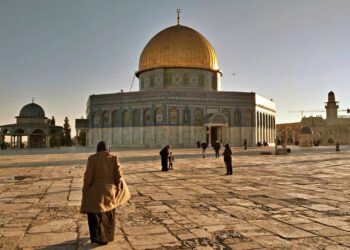
    The Gravity of What Took Place at Al-Aqsa Mosque During Ramadan 2026

    Ramazan 2026’da Mescid-i Aksa’da Yaşananların Ciddiyeti

    AFP/GETTY IMAGES

    FLA-JNIM İş Birliği ve Mali’de Değişen Güvenlik Dinamikleri

    Sosyal Medyada İslamcı-Muhafazakâr Kamusallığın Dönüşümü Üzerine

    Sosyal Medyada İslamcı-Muhafazakâr Kamusallığın Dönüşümü Üzerine

    Bangladeş’te 2026 Seçimleri Sonrası Siyasi Tartışmalar

    Bangladeş’te 2026 Seçimleri Sonrası Siyasi Tartışmalar

    Filistin’de Çocuk Olmak: 5 Nisan Filistinli Çocuklar Günü

    Filistin’de Çocuk Olmak: 5 Nisan Filistinli Çocuklar Günü

    Security, Fragility, and the Search for a New Equilibrium in the Gulf Following the Iranian Attacks

    İran Saldırıları Sonrası Körfez’de Güvenlik, Kırılganlık ve Yeni Denge Arayışı

  • SÖYLEŞİLER
    The Decolonization of Knowledge: Interview with Professor Souleymane Bachir Diagne

    Bilginin Dekolonizasyonu: Profesör Souleymane Bachir Diagne ile Röportaj

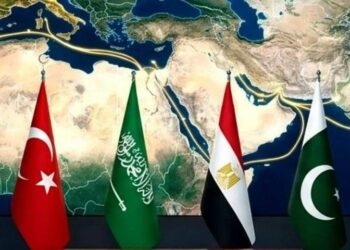
    A Possible New Breath in Regional Balances: The Alliance of Türkiye, Pakistan, Egypt, and Saudi Arabia

    Bölgesel Dengelerde Olası Yeni Bir Soluk: Türkiye, Pakistan, Mısır ve Suudi Arabistan İttifakı

    Digital Ummah and Muslim Identity: Dr. Sahar Khamis Interview

    Dijital Ümmet ve Müslüman Kimliği: Dr. Sahar Khamis ile Röportaj

    From the Ballot Box to the Street: The Rising Social Wave in Tanzania After the Election

    Sandıktan Sokağa: Tanzanya’da Seçim Sonrası Yükselen Toplumsal Dalga

    Müslüman Nüfusa Karşı Güvenlikleştirme

    Müslüman Nüfusa Karşı Güvenlikleştirme

    Gurbet Hikayeleri

    Gurbet Hikayeleri

    Göçü Yönetmek: Dr. Mehmet Köse’yle Söyleşi

    Göçü Yönetmek: Dr. Mehmet Köse’yle Söyleşi

    İstanbul’daki Uluslararası Öğrencilerle Söyleşi

    İstanbul’daki Uluslararası Öğrencilerle Söyleşi

    Zaytuna College Lisansüstü Eğitim Dekanı Maşuk Yamaç’la Söyleşi

    Zaytuna College Lisansüstü Eğitim Dekanı Maşuk Yamaç’la Söyleşi

  • DÜNYADAN SESLER
    Voices from the Muslim World | Sari Hanafi (with Turkish subtitles)

    Voices from the Muslim World | Sari Hanafi (with Turkish subtitles)

    Voices from the Muslim World | Ovamir Anjum

    Voices from the Muslim World | Ovamir Anjum

    VOICES FROM THE MUSLIM WORLD | DR. YASIR QADHI

    VOICES FROM THE MUSLIM WORLD | DR. YASIR QADHI

    VOICES FROM THE MUSLIM WORLD | DR. ADEEL MALIK

    VOICES FROM THE MUSLIM WORLD | DR. ADEEL MALIK

  • SAYILAR
  • VERİTABANI
    • All
    • Hareketler
    • Kurumlar
    • Şahsiyetler
    Pak-Türk Maarif

    Pak-Türk Maarif

    İslam Vakfı

    İslam Vakfı

    Avrupa Fetva ve Araştırma Konseyi

    Avrupa Fetva ve Araştırma Konseyi

    Tokyo Camii ve Diyanet Türk Kültür Merkezi

    Tokyo Camii ve Diyanet Türk Kültür Merkezi

  • PLATFORM
  • HABERLER
    İLKE Agenda: Muzzammil Ayyub Thakur ile Keşmir’in “Filistinleştirilmesi”

    İLKE Agenda: Muzzammil Ayyub Thakur ile Keşmir’in “Filistinleştirilmesi”

    İLKE Agenda: Muzzammil Ayyub Thakur ile Keşmir’in “Filistinleştirilmesi”

    The Platform Talks: Kinda Hawasli ile 8 Aralık Sonrası Suriye

    İLKE Agenda: Muzzammil Ayyub Thakur ile Keşmir’in “Filistinleştirilmesi”

    The Platform Talks: Azzam Tamimi ile 7 Ekim Sonrası Filistin

    İLKE Agenda: Muzzammil Ayyub Thakur ile Keşmir’in “Filistinleştirilmesi”

    İLKE Agenda: Gazze Soykırımı Günlerinde Aktivizm ve İslamofobi

    Filistin Sempozyumu: Filistin ve Küresel İlişkilerin Geleceği

    Filistin Sempozyumu: Filistin ve Küresel İlişkilerin Geleceği

    Filistin Sempozyumu: Filistin ve Küresel İlişkilerin Geleceği

    Müslüman Dünyada Çağdaş Düşünce Konferansı’nda buluşuyoruz!

    Filistin Sempozyumu: Filistin ve Küresel İlişkilerin Geleceği

    Müslüman Dünyada Çağdaş Düşünce Konferansı

    Filistin Sempozyumu: Filistin ve Küresel İlişkilerin Geleceği

    Dr. Jonathan Brown “İslam’ın Siyahiliğe ve Köleliğe Yaklaşımı” adlı seminer gerçekleştirdi.

  • ANALİZLER
    • All
    • Düşünce
    • Eğitim
    • Ekonomi
    • Enerji ve Çevre
    • Göç
    • Medya, Kültür ve Sanat
    • Temel Hak ve Özgürlükler
    • Toplumsal Meseleler
    The Gravity of What Took Place at Al-Aqsa Mosque During Ramadan 2026

    Ramazan 2026’da Mescid-i Aksa’da Yaşananların Ciddiyeti

    AFP/GETTY IMAGES

    FLA-JNIM İş Birliği ve Mali’de Değişen Güvenlik Dinamikleri

    Sosyal Medyada İslamcı-Muhafazakâr Kamusallığın Dönüşümü Üzerine

    Sosyal Medyada İslamcı-Muhafazakâr Kamusallığın Dönüşümü Üzerine

    Bangladeş’te 2026 Seçimleri Sonrası Siyasi Tartışmalar

    Bangladeş’te 2026 Seçimleri Sonrası Siyasi Tartışmalar

    Filistin’de Çocuk Olmak: 5 Nisan Filistinli Çocuklar Günü

    Filistin’de Çocuk Olmak: 5 Nisan Filistinli Çocuklar Günü

    Security, Fragility, and the Search for a New Equilibrium in the Gulf Following the Iranian Attacks

    İran Saldırıları Sonrası Körfez’de Güvenlik, Kırılganlık ve Yeni Denge Arayışı

  • SÖYLEŞİLER
    The Decolonization of Knowledge: Interview with Professor Souleymane Bachir Diagne

    Bilginin Dekolonizasyonu: Profesör Souleymane Bachir Diagne ile Röportaj

    A Possible New Breath in Regional Balances: The Alliance of Türkiye, Pakistan, Egypt, and Saudi Arabia

    Bölgesel Dengelerde Olası Yeni Bir Soluk: Türkiye, Pakistan, Mısır ve Suudi Arabistan İttifakı

    Digital Ummah and Muslim Identity: Dr. Sahar Khamis Interview

    Dijital Ümmet ve Müslüman Kimliği: Dr. Sahar Khamis ile Röportaj

    From the Ballot Box to the Street: The Rising Social Wave in Tanzania After the Election

    Sandıktan Sokağa: Tanzanya’da Seçim Sonrası Yükselen Toplumsal Dalga

    Müslüman Nüfusa Karşı Güvenlikleştirme

    Müslüman Nüfusa Karşı Güvenlikleştirme

    Gurbet Hikayeleri

    Gurbet Hikayeleri

    Göçü Yönetmek: Dr. Mehmet Köse’yle Söyleşi

    Göçü Yönetmek: Dr. Mehmet Köse’yle Söyleşi

    İstanbul’daki Uluslararası Öğrencilerle Söyleşi

    İstanbul’daki Uluslararası Öğrencilerle Söyleşi

    Zaytuna College Lisansüstü Eğitim Dekanı Maşuk Yamaç’la Söyleşi

    Zaytuna College Lisansüstü Eğitim Dekanı Maşuk Yamaç’la Söyleşi

  • DÜNYADAN SESLER
    Voices from the Muslim World | Sari Hanafi (with Turkish subtitles)

    Voices from the Muslim World | Sari Hanafi (with Turkish subtitles)

    Voices from the Muslim World | Ovamir Anjum

    Voices from the Muslim World | Ovamir Anjum

    VOICES FROM THE MUSLIM WORLD | DR. YASIR QADHI

    VOICES FROM THE MUSLIM WORLD | DR. YASIR QADHI

    VOICES FROM THE MUSLIM WORLD | DR. ADEEL MALIK

    VOICES FROM THE MUSLIM WORLD | DR. ADEEL MALIK

  • SAYILAR
  • VERİTABANI
    • All
    • Hareketler
    • Kurumlar
    • Şahsiyetler
    Pak-Türk Maarif

    Pak-Türk Maarif

    İslam Vakfı

    İslam Vakfı

    Avrupa Fetva ve Araştırma Konseyi

    Avrupa Fetva ve Araştırma Konseyi

    Tokyo Camii ve Diyanet Türk Kültür Merkezi

    Tokyo Camii ve Diyanet Türk Kültür Merkezi

No Result
View All Result
Platform
No Result
View All Result
Home Analyses

April 5: Palestinian Children’s Day

Ahmet Hüsrev Çelik by Ahmet Hüsrev Çelik
27 Nisan 2026
in Analyses, Opinion
0
Filistin’de Çocuk Olmak: 5 Nisan Filistinli Çocuklar Günü
0
SHARES
0
VIEWS
Share on FacebookShare on Twitter

(The original Turkish version of this article was published by the Platform: Current Muslim Affairs on April 5, 2026)

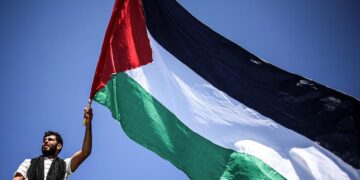
In 1995, Yasser Arafat, the former President of Palestine and leader of the Palestinian cause, officially designated April 5 as “Palestinian Children’s Day.” For Palestinian children, this date does not represent a festive holiday or a celebration; rather, it serves as a day of commemoration. A significant portion of those who bear the burden of the struggle for Palestine and Al-Aqsa Mosque, and who suffer the consequences of this conflict, are children.

Violence and massacres targeting children in Palestine predated the formal establishment of the State of Israel. On April 9, 1948, during the event known to history as the Deir Yassin Massacre, 52 children were killed in the village of Deir Yassin in front of their families. Menachem Begin, the leader of the Irgun, one of the paramilitary organizations responsible for the massacre, who later served as the 6th Prime Minister of Israel between 1977 and 1983, characterized the incident as a victory, stating, “Unless this act had been carried out, the State of Israel would not have existed.”

The date of the establishment of the State of Israel, May 15, is commemorated as the “Nakba” or the “Day of Catastrophe.” On this day, approximately 900,000 people, including women and children, were displaced and forced into refugee status without being able to take any of their belongings. Today, there are approximately 5 million Palestinian refugees worldwide, a significant number of whom are children. Over the following decades, a tragic process has unfolded for Palestinian children both within Palestine and abroad, a process that continues to persist today.

Arafat’s Little Generals

While Palestinian children endure profound suffering, tragedy, and hardship, they have simultaneously undertaken pivotal and historic roles in the struggle for Palestine and the Al-Aqsa Mosque. Children were the primary protagonists in both the initiation and the sustenance of the First Intifada, a process that serves as a turning point in Palestinian history.

The First Intifada, which began on December 9, 1987, and became known as the “Stone Intifada,” saw its first stone cast against Israeli soldiers by a child. Following this initial act, other children followed suit, evolving into a daily movement where two-thirds of the participants were children. This mode of resistance persisted from 1987 until 1993. Among the most symbolic and harrowing images of the First Intifada were those of Israeli soldiers systematically breaking the arms of captured children at the elbows using stones. During this period, the application of such physical violence became a formalized policy.

Of the 1,162 individuals killed during the First Intifada, 241 were children. According to data from Save the Children, in the first two years of the Intifada alone, approximately 29,000 children, one-third of whom were under the age of ten, required medical treatment due to beatings and injuries.

Undaunted and fearless, these children stood before tanks with only stones in their hands, becoming beacons of hope for the State of Palestine’s independence process. Yasser Arafat famously referred to these children as “my little generals.” Ultimately, it was this struggle, largely involving children, that compelled Israel to engage in diplomatic negotiations.

Dimensions of Violence Against Palestinian Children

During the Second Intifada, also known as the Al-Aqsa Intifada (September 28, 2000 – February 8, 2005), more than 800 of the 4,000 civilians killed were children. Once again, children became the symbolic figures of this period. One such symbol was 14-year-old Faris Odeh, who was famously photographed throwing stones at Israeli tanks; unfortunately, Odeh was killed by Israeli forces on November 8, 2000. Another symbolic figure was 12-year-old Muhammad al-Durrah, who was killed on September 30 while seeking refuge behind his father, an event captured on camera before the eyes of the world.

The Palestinian Ministry of Information reported that from the end of the Second Intifada in 2005 until October 2019, 3,097 Palestinian children were killed through intentional targeting, with tens of thousands more injured. Between 2015 and 2019, more than 7,000 children were detained by Israel, with some receiving ten-year sentences and others sentenced to life imprisonment.

In the attacks known as Operation Cast Lead (December 2008 – January 2009), 355 of the 1,400 Palestinians who lost their lives were children. Similarly, during the 50-day offensive in 2014, which Israel dubbed “Operation Protective Edge,” 2,158 Palestinians were killed, including 551 children. The killing of four children, aged 9 to 11, while they were playing football on a beach, became the tragic symbol of these attacks.

Following the events of October 7, 2023, the number of Palestinians killed has exceeded 75,000. In a statement made in October 2024, a UNICEF spokesperson remarked, “Gaza is a real-world embodiment of hell on earth for its one million children.” In May 2025, Edouard Beigbeder, UNICEF Regional Director for the Middle East and North Africa, described the situation as an “unfathomable horror,” stating that more than 50,000 children in Gaza had been either killed or injured.

In 1982, the United Nations (UN) designated June 4 as the “International Day of Innocent Children Victims of Aggression” in recognition of Palestinian and Lebanese children affected by Israeli attacks. This “unfathomable horror” for children has persisted for decades. Since October 7, children in Gaza have been losing their lives not only under bombardment but also due to starvation and exposure to extreme cold.

The Brutality Behind the Statistics

Behind the “macro-brutality” expressed through mass figures such as thousands and tens of thousands lies a micro-background of individual tragedies. Every single digit in these statistics corresponds to the stolen life of a child and a unique instance of violence.

Ten-year-old Maryam Nizar Rayan, killed on January 1, 2009; seven-year-old Zakariya Hamed Khamis, killed by helicopter fire on January 4, 2009; three-year-old Emin Ömer, struck by artillery fire on his own doorstep; eight-year-old Mohanned Amer, killed on January 16, 2009; and eight-year-old Ali Munir Dardouna, killed on February 28, 2008; these are but a few of the symbolic names representing the violence Palestinian children endure.

Furthermore, four-month-old Iman Hijo, killed by tank fire on May 7, 2001; eleven-month-old Huda Shaluf, whose home was struck by tank fire in 2002; five-year-old Salih Abu Muattak, killed by tank fire while having breakfast at home on April 28, 2008; twenty-two-month-old Hassan Atta Azam, targeted by tank fire in his home on January 6, 2009; two-year-old Bara Ramiz Al-Deya, killed by an aerial missile in his home in Zeitun on January 6, 2009; eleven-year-old Hussein Iyad, shot in the back by sniper fire in front of his home in Tulkarm, West Bank, in January 2025; and Hind Rajab, who was killed in Gaza in January 2024 by 335 bullets for these and countless other children, April 5 is not yet a festival of celebration, but a day of solemn commemoration.

*Opinions expressed in this article are the author’s own and do not necessarily reflect Platform: Current Muslim Affairs’ editorial policy.

Tags: Gaza
Previous Post

Filistin’de Çocuk Olmak: 5 Nisan Filistinli Çocuklar Günü

Next Post

A Possible New Breath in Regional Balances: The Alliance of Türkiye, Pakistan, Egypt, and Saudi Arabia

Next Post
A Possible New Breath in Regional Balances: The Alliance of Türkiye, Pakistan, Egypt, and Saudi Arabia

A Possible New Breath in Regional Balances: The Alliance of Türkiye, Pakistan, Egypt, and Saudi Arabia

Bir yanıt yazın Yanıtı iptal et

E-posta adresiniz yayınlanmayacak. Gerekli alanlar * ile işaretlenmişlerdir

  • A Possible New Breath in Regional Balances: The Alliance of Türkiye, Pakistan, Egypt, and Saudi Arabia

    Bölgesel Dengelerde Olası Yeni Bir Soluk: Türkiye, Pakistan, Mısır ve Suudi Arabistan İttifakı

    0 shares
    Share 0 Tweet 0
  • Bilime Yön Verenler: Nobel Ödüllü Müslüman Bilim İnsanları

    0 shares
    Share 0 Tweet 0
  • Nakşibendi-Hakkani Tarikatı

    0 shares
    Share 0 Tweet 0
  • Fuad Sezgin

    0 shares
    Share 0 Tweet 0
  • Sosyal Medyada İslamcı-Muhafazakâr Kamusallığın Dönüşümü Üzerine

    0 shares
    Share 0 Tweet 0
  • The Gravity of What Took Place at Al-Aqsa Mosque During Ramadan 2026

    Ramazan 2026’da Mescid-i Aksa’da Yaşananların Ciddiyeti

    0 shares
    Share 0 Tweet 0
  • The Gravity of What Took Place at Al-Aqsa Mosque During Ramadan 2026

    0 shares
    Share 0 Tweet 0
  • FLA-JNIM Cooperation and Shifting Security Dynamics in Mali

    0 shares
    Share 0 Tweet 0
  • FLA-JNIM İş Birliği ve Mali’de Değişen Güvenlik Dinamikleri

    0 shares
    Share 0 Tweet 0
  • The Current State of Indonesia’s Luxury Industry and the Landscape of Independent Handcrafted Watchmaking

    0 shares
    Share 0 Tweet 0

Platform: Müslüman Dünyanın Gündemi, Müslüman toplumların fikrî, siyasi, sosyal, ekonomik ve kültürel gündemlerini takip ve tahlil edip Müslüman dünyaya dair güncel ve özgün perspektifler sunmayı amaçlayan bir yayın organı olarak İLKE İlim Kültür Eğitim Vakfı bünyesinde kurulmuştur.

  • SAYILAR
  • ANALİZLER
  • HABERLER
  • SÖYLEŞİLER
  • DÜNYADAN SESLER
  • platform@ilke.org.tr
  • (0216) 310 43 18
  • Aziz Mahmut Hüdayi Mah. Türbe Kapısı Sk. No: 13 Üsküdar, İstanbul

2025 @ PLATFORM bir İLKE Vakfı kuruluşudur. Tüm hakları saklıdır. 

No Result
View All Result
  • Home
  • Analizler
  • Haberler
  • Söyleşiler
  • Dünyadan Sesler