













İLKE Vakfı
Platform
No Result
View All Result
  • PLATFORM
  • HABERLER
    İLKE Agenda: Muzzammil Ayyub Thakur ile Keşmir’in “Filistinleştirilmesi”

    İLKE Agenda: Muzzammil Ayyub Thakur ile Keşmir’in “Filistinleştirilmesi”

    İLKE Agenda: Muzzammil Ayyub Thakur ile Keşmir’in “Filistinleştirilmesi”

    The Platform Talks: Kinda Hawasli ile 8 Aralık Sonrası Suriye

    İLKE Agenda: Muzzammil Ayyub Thakur ile Keşmir’in “Filistinleştirilmesi”

    The Platform Talks: Azzam Tamimi ile 7 Ekim Sonrası Filistin

    İLKE Agenda: Muzzammil Ayyub Thakur ile Keşmir’in “Filistinleştirilmesi”

    İLKE Agenda: Gazze Soykırımı Günlerinde Aktivizm ve İslamofobi

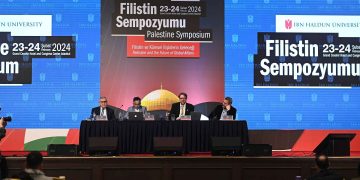
    Filistin Sempozyumu: Filistin ve Küresel İlişkilerin Geleceği

    Filistin Sempozyumu: Filistin ve Küresel İlişkilerin Geleceği

    Filistin Sempozyumu: Filistin ve Küresel İlişkilerin Geleceği

    Müslüman Dünyada Çağdaş Düşünce Konferansı’nda buluşuyoruz!

    Filistin Sempozyumu: Filistin ve Küresel İlişkilerin Geleceği

    Müslüman Dünyada Çağdaş Düşünce Konferansı

    Filistin Sempozyumu: Filistin ve Küresel İlişkilerin Geleceği

    Dr. Jonathan Brown “İslam’ın Siyahiliğe ve Köleliğe Yaklaşımı” adlı seminer gerçekleştirdi.

  • ANALİZLER
    • All
    • Düşünce
    • Eğitim
    • Ekonomi
    • Enerji ve Çevre
    • Göç
    • Medya, Kültür ve Sanat
    • Temel Hak ve Özgürlükler
    • Toplumsal Meseleler
    The Gravity of What Took Place at Al-Aqsa Mosque During Ramadan 2026

    Ramazan 2026’da Mescid-i Aksa’da Yaşananların Ciddiyeti

    AFP/GETTY IMAGES

    FLA-JNIM İş Birliği ve Mali’de Değişen Güvenlik Dinamikleri

    Sosyal Medyada İslamcı-Muhafazakâr Kamusallığın Dönüşümü Üzerine

    Sosyal Medyada İslamcı-Muhafazakâr Kamusallığın Dönüşümü Üzerine

    Bangladeş’te 2026 Seçimleri Sonrası Siyasi Tartışmalar

    Bangladeş’te 2026 Seçimleri Sonrası Siyasi Tartışmalar

    Filistin’de Çocuk Olmak: 5 Nisan Filistinli Çocuklar Günü

    Filistin’de Çocuk Olmak: 5 Nisan Filistinli Çocuklar Günü

    Security, Fragility, and the Search for a New Equilibrium in the Gulf Following the Iranian Attacks

    İran Saldırıları Sonrası Körfez’de Güvenlik, Kırılganlık ve Yeni Denge Arayışı

  • SÖYLEŞİLER
    The Decolonization of Knowledge: Interview with Professor Souleymane Bachir Diagne

    Bilginin Dekolonizasyonu: Profesör Souleymane Bachir Diagne ile Röportaj

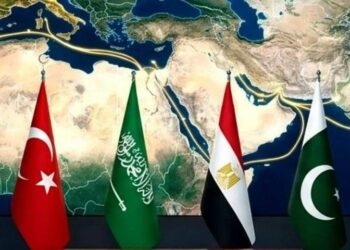
    A Possible New Breath in Regional Balances: The Alliance of Türkiye, Pakistan, Egypt, and Saudi Arabia

    Bölgesel Dengelerde Olası Yeni Bir Soluk: Türkiye, Pakistan, Mısır ve Suudi Arabistan İttifakı

    Digital Ummah and Muslim Identity: Dr. Sahar Khamis Interview

    Dijital Ümmet ve Müslüman Kimliği: Dr. Sahar Khamis ile Röportaj

    From the Ballot Box to the Street: The Rising Social Wave in Tanzania After the Election

    Sandıktan Sokağa: Tanzanya’da Seçim Sonrası Yükselen Toplumsal Dalga

    Müslüman Nüfusa Karşı Güvenlikleştirme

    Müslüman Nüfusa Karşı Güvenlikleştirme

    Gurbet Hikayeleri

    Gurbet Hikayeleri

    Göçü Yönetmek: Dr. Mehmet Köse’yle Söyleşi

    Göçü Yönetmek: Dr. Mehmet Köse’yle Söyleşi

    İstanbul’daki Uluslararası Öğrencilerle Söyleşi

    İstanbul’daki Uluslararası Öğrencilerle Söyleşi

    Zaytuna College Lisansüstü Eğitim Dekanı Maşuk Yamaç’la Söyleşi

    Zaytuna College Lisansüstü Eğitim Dekanı Maşuk Yamaç’la Söyleşi

  • DÜNYADAN SESLER
    Voices from the Muslim World | Sari Hanafi (with Turkish subtitles)

    Voices from the Muslim World | Sari Hanafi (with Turkish subtitles)

    Voices from the Muslim World | Ovamir Anjum

    Voices from the Muslim World | Ovamir Anjum

    VOICES FROM THE MUSLIM WORLD | DR. YASIR QADHI

    VOICES FROM THE MUSLIM WORLD | DR. YASIR QADHI

    VOICES FROM THE MUSLIM WORLD | DR. ADEEL MALIK

    VOICES FROM THE MUSLIM WORLD | DR. ADEEL MALIK

  • SAYILAR
  • VERİTABANI
    • All
    • Hareketler
    • Kurumlar
    • Şahsiyetler
    Pak-Türk Maarif

    Pak-Türk Maarif

    İslam Vakfı

    İslam Vakfı

    Avrupa Fetva ve Araştırma Konseyi

    Avrupa Fetva ve Araştırma Konseyi

    Tokyo Camii ve Diyanet Türk Kültür Merkezi

    Tokyo Camii ve Diyanet Türk Kültür Merkezi

  • PLATFORM
  • HABERLER
    İLKE Agenda: Muzzammil Ayyub Thakur ile Keşmir’in “Filistinleştirilmesi”

    İLKE Agenda: Muzzammil Ayyub Thakur ile Keşmir’in “Filistinleştirilmesi”

    İLKE Agenda: Muzzammil Ayyub Thakur ile Keşmir’in “Filistinleştirilmesi”

    The Platform Talks: Kinda Hawasli ile 8 Aralık Sonrası Suriye

    İLKE Agenda: Muzzammil Ayyub Thakur ile Keşmir’in “Filistinleştirilmesi”

    The Platform Talks: Azzam Tamimi ile 7 Ekim Sonrası Filistin

    İLKE Agenda: Muzzammil Ayyub Thakur ile Keşmir’in “Filistinleştirilmesi”

    İLKE Agenda: Gazze Soykırımı Günlerinde Aktivizm ve İslamofobi

    Filistin Sempozyumu: Filistin ve Küresel İlişkilerin Geleceği

    Filistin Sempozyumu: Filistin ve Küresel İlişkilerin Geleceği

    Filistin Sempozyumu: Filistin ve Küresel İlişkilerin Geleceği

    Müslüman Dünyada Çağdaş Düşünce Konferansı’nda buluşuyoruz!

    Filistin Sempozyumu: Filistin ve Küresel İlişkilerin Geleceği

    Müslüman Dünyada Çağdaş Düşünce Konferansı

    Filistin Sempozyumu: Filistin ve Küresel İlişkilerin Geleceği

    Dr. Jonathan Brown “İslam’ın Siyahiliğe ve Köleliğe Yaklaşımı” adlı seminer gerçekleştirdi.

  • ANALİZLER
    • All
    • Düşünce
    • Eğitim
    • Ekonomi
    • Enerji ve Çevre
    • Göç
    • Medya, Kültür ve Sanat
    • Temel Hak ve Özgürlükler
    • Toplumsal Meseleler
    The Gravity of What Took Place at Al-Aqsa Mosque During Ramadan 2026

    Ramazan 2026’da Mescid-i Aksa’da Yaşananların Ciddiyeti

    AFP/GETTY IMAGES

    FLA-JNIM İş Birliği ve Mali’de Değişen Güvenlik Dinamikleri

    Sosyal Medyada İslamcı-Muhafazakâr Kamusallığın Dönüşümü Üzerine

    Sosyal Medyada İslamcı-Muhafazakâr Kamusallığın Dönüşümü Üzerine

    Bangladeş’te 2026 Seçimleri Sonrası Siyasi Tartışmalar

    Bangladeş’te 2026 Seçimleri Sonrası Siyasi Tartışmalar

    Filistin’de Çocuk Olmak: 5 Nisan Filistinli Çocuklar Günü

    Filistin’de Çocuk Olmak: 5 Nisan Filistinli Çocuklar Günü

    Security, Fragility, and the Search for a New Equilibrium in the Gulf Following the Iranian Attacks

    İran Saldırıları Sonrası Körfez’de Güvenlik, Kırılganlık ve Yeni Denge Arayışı

  • SÖYLEŞİLER
    The Decolonization of Knowledge: Interview with Professor Souleymane Bachir Diagne

    Bilginin Dekolonizasyonu: Profesör Souleymane Bachir Diagne ile Röportaj

    A Possible New Breath in Regional Balances: The Alliance of Türkiye, Pakistan, Egypt, and Saudi Arabia

    Bölgesel Dengelerde Olası Yeni Bir Soluk: Türkiye, Pakistan, Mısır ve Suudi Arabistan İttifakı

    Digital Ummah and Muslim Identity: Dr. Sahar Khamis Interview

    Dijital Ümmet ve Müslüman Kimliği: Dr. Sahar Khamis ile Röportaj

    From the Ballot Box to the Street: The Rising Social Wave in Tanzania After the Election

    Sandıktan Sokağa: Tanzanya’da Seçim Sonrası Yükselen Toplumsal Dalga

    Müslüman Nüfusa Karşı Güvenlikleştirme

    Müslüman Nüfusa Karşı Güvenlikleştirme

    Gurbet Hikayeleri

    Gurbet Hikayeleri

    Göçü Yönetmek: Dr. Mehmet Köse’yle Söyleşi

    Göçü Yönetmek: Dr. Mehmet Köse’yle Söyleşi

    İstanbul’daki Uluslararası Öğrencilerle Söyleşi

    İstanbul’daki Uluslararası Öğrencilerle Söyleşi

    Zaytuna College Lisansüstü Eğitim Dekanı Maşuk Yamaç’la Söyleşi

    Zaytuna College Lisansüstü Eğitim Dekanı Maşuk Yamaç’la Söyleşi

  • DÜNYADAN SESLER
    Voices from the Muslim World | Sari Hanafi (with Turkish subtitles)

    Voices from the Muslim World | Sari Hanafi (with Turkish subtitles)

    Voices from the Muslim World | Ovamir Anjum

    Voices from the Muslim World | Ovamir Anjum

    VOICES FROM THE MUSLIM WORLD | DR. YASIR QADHI

    VOICES FROM THE MUSLIM WORLD | DR. YASIR QADHI

    VOICES FROM THE MUSLIM WORLD | DR. ADEEL MALIK

    VOICES FROM THE MUSLIM WORLD | DR. ADEEL MALIK

  • SAYILAR
  • VERİTABANI
    • All
    • Hareketler
    • Kurumlar
    • Şahsiyetler
    Pak-Türk Maarif

    Pak-Türk Maarif

    İslam Vakfı

    İslam Vakfı

    Avrupa Fetva ve Araştırma Konseyi

    Avrupa Fetva ve Araştırma Konseyi

    Tokyo Camii ve Diyanet Türk Kültür Merkezi

    Tokyo Camii ve Diyanet Türk Kültür Merkezi

No Result
View All Result
Platform
No Result
View All Result
Home Analyses

ASEAN’s role in the Rohingya Crisis

Esra İbrahimağaoğlu by Esra İbrahimağaoğlu
1 Ekim 2025
in Analyses
0
ASEAN’s role in the Rohingya Crisis
0
SHARES
2
VIEWS
Share on FacebookShare on Twitter

With the end of the cold war, ethnic conflicts in the world have become more visible. Although there are many starting points of conflicts, the most conspicuous one is the conflicts between communities of different ethnicities and religions. Particularly with the formation of the nation-state, the understanding of a single nation or a single race predominated in the states, and thus, occasionally discrimination and periodically violence occurred against minority groups. Myanmar, which has 135 ethnic groups, and does not count among these ethnic groups the Rohingya that are roughly one million, has many ethnic conflicts. Repeated violence against the Rohingya in August 2017, including rape, murder, and arson, once again drew the world’s attention to the region. International and regional organizations, especially the United Nations, urged the Myanmar government to stop the violence. The Rohingya crisis, which turned into an international catastrophe over time, was also tried to be resolved diplomatically by ASEAN, a regional organization. The principle of “non-interference in domestic affairs,” one of the ASEAN norms, has been the biggest obstacle is not resolving the crisis. This paper will analyze ASEAN’s role in the Rohingya crisis and how the “principle of non-interference in internal affairs” poses a challenge in disentangling the crisis.

ASEAN and the Non-Interference Principle

The Association of Southeast Asian Nations (ASEAN) is a regional organization founded by Indonesia, Malaysia, Singapore, Thailand, and the Philippines to promote economic growth, social progress, and cultural development in the Southeast Asian region through multilateral cooperation (Nations, 1978).  The Sultanate of Brunei joined on 8 January 1984, Vietnam on 28 July 1995, Laos and Myanmar on 23 July 1997, and Cambodia on 30 April 1999. Even though some doubts emerged about Myanmar’s participation in the union, many ASEAN countries feared that Myanmar could fall into China’s orbit if excluded. On the other hand, some groups in ASEAN additionally argued that Burma’s abundant resources should be exploited. Thus, a mutually lucrative relationship has formed that benefits both ASEAN and Myanmar. Many human rights violations and conflicts have occurred in Myanmar due to the fact that the military regime has been governing the country for many years. Therefore, these problems have led to the fact that Myanmar cannot be gone beyond condemning military regimes’ abuses because of the principle of “not interfering in internal affairs” of ASEAN.

“Non-interference” is one of the fundamental principles in ASEAN that the way member states cooperate. This principle was legitimated in the ASEAN Treaty of Friendship and Cooperation in 1976. The principle of ‘non-interference’ is one of the fundamental principles in ASEAN that the way member states cooperate. This principle was legitimated in the ASEAN Treaty of Friendship and Cooperation in 1976. The purpose of this principle is to respect sovereignty, maintain good cooperation relations, and protect the confidentiality of the state’s domestic affairs. This principle provides ASEAN member countries to cooperate without worrying about foreign interference in their internal affairs (Muh Hidayat Hasan, 2017). The emergence of ASEAN norms is not the result of conscious design, but rather a pragmatic response to the political and security environment prevailing at the time. In particular, the policy of non-intervention served to counter the spread of communism and prevent the conflict in Indochina from spilling over to neighbouring states.

Even though one of the most crucial principles of the modern international system is that states do not interfere in each other’s internal affairs, in other words, their sovereignty, this has left many humanitarian crises unsolved. The repercussion of this in ASEAN member states is mostly the silence about the plight of the Rohingya and the increasing number of asylum seekers in member countries, basically due to its members’ adherence to the principle of non-interference in each other’s interior affairs. At the same time, many regional states remained silent or slightly expressed their concerns about the overthrow of the democratic government by the military coup and the use of force across the country in 2021. An important exception was Indonesian President Joko Widodo’s condemnation of the ferocity and his demand for an urgent Association of Southeast Asian Nations (ASEAN) summit.

How ASEAN Handled the Crisis?

The systematic attacks against the Rohingya in 2017 have been recognized as genocide by many states. The reports of these attacks published by the United Nations proved the atrocious brutality perpetrated by the army. As a result of these attacks, since August 2017, more than 700,000 Rohingya have fled to neighbouring Bangladesh from the cruelty taking place in Burma. Along with Bangladesh, they also migrated to Malaysia, Thailand, and Indonesia. As can be noticed, the Rohingya issue, which went beyond being a domestic issue and turned into a regional crisis over time, invalidated the ASEAN principle of “non-interference in internal affairs.” At this point, Malaysia, a member of ASEAN and has a Muslim majority, led ASEAN to deal with the solution to this issue. Since the government did not respond adequately to the Rohingya crisis, the public used pressure on the Malaysian government. For this reason, Malaysia emphasized that the situation of Rohingya Muslims is a regional concern and called on ASEAN to coordinate humanitarian aid and investigate the alleged atrocities committed against Rohingya (Shivakoti, 2017). On the other hand, Indonesia, which has the largest Muslim population in the world, is the most loyal member of ASEAN norms. For this reason, it has carried out “quiet diplomacy” towards the Rohingya crisis, based on the assumption that the problem will be settled through diplomacy rather than dictating policy toward Myanmar. However, ASEAN occasionally has often exerted pressure behind closed doors to influence the behaviour of its members, rather than taking a direct and visible role in conflict resolution. 

With the Rohingya crisis reaching an international dimension, ASEAN has tried to take an effective step in this regard. At the meeting of the foreign ministers held in 2020, it was decided that “ASEAN should be more visible and play a greater role in supporting Myanmar by providing humanitarian aid, facilitating the return process, and promoting sustainable development in Rakhine State” (ASEAN ministers how to cooperate on Rohingya, South China Sea issues, 2020). Having said that; with the military coup in 2021, human rights violations, violence and arrests occurred. The human rights situation in Myanmar, not just Rohingyas, has always been a dominant concern for ASEAN from the very beginning. Thereupon, at a summit held in Jakarta on April 24, 2021, the nine ASEAN leaders and the head of the Myanmar military regime, General Min Aung Hlaing, compromised on five points: an immediate end to violence in the country, dialogue between all parties, the appointment of a special envoy, humanitarian action by ASEAN, a visit to Myanmar to provide humanitarian aid and assist to the special envoy to meet with all parties. This agreement, which was a historic step by ASEAN, was not implemented by the military regime afterward. That is one of the significant examples of the weakness of ASEAN as a regional organization in solving problems.

Conclusion

The Association of Southeast Asian Nations (ASEAN) has been unable to effectively respond to any needs of the Rohingya crisis in Myanmar due to a lack of leadership and a failure to grasp the extent of human rights violations (Myanmar’s Rohingya crisis exposes ASEAN weaknesses: Report, 2020). On the one hand, the principle of non-intervention has given rise to ASEAN remaining a passive organization without being able to intervene at the root of the Myanmar crisis. On the other hand, the norm of reaching decisions by consensus also prevented ASEAN from opening the debate and finding a concrete solution to this problem.

References

Aljazeera. (2020). Myanmar’s Rohingya crisis exposes ASEAN weaknesses: Report. Retrieved 17.05.2022 from https://bit.ly/3x8EqjC.

Hasan, M.H. and Yudarsan, M.A. (2017). The relevance of non-interference principle in Asean. International Journal of Management and Applied Science, 3(3), 102-105.

Kyodo News. (2020). ASEAN ministers vow to cooperate on Rohingya, South China Sea issues.

Retrieved 17.05.2022 from https://english.kyodonews.net/news/2020/01/d1c936282abf-update1-asean-ministers-vow-to-cooperate-on-rohingya-s-china-sea-issues.html

Nations, A.  (1978). 10 years ASEAN. Jakarta.

Shivakoti, R. (2017). ASEAN’s role in the Rohingya refugee crisis. Forced Migration Review, 56,75-77.

Tobing, D. H. (2018). The limits and possibilities of the ASEAN way: The case of Rohingya as

Humanitarian issue in Southeast Asia. KnE Social Sciences, 148-174. Doi: 10.18502/kss.v3i5.233.

Tags: ASEANRohingyaRohingya Crisis
Previous Post

Social and Political Studies of NGOs and Islamic Movements in Southeast Asia

Next Post

Cevdet Said: Barış Aktivisti Endemik Bir Entelektüel

Next Post
Cevdet Said: Barış Aktivisti Endemik Bir Entelektüel

Cevdet Said: Barış Aktivisti Endemik Bir Entelektüel

Bir yanıt yazın Yanıtı iptal et

E-posta adresiniz yayınlanmayacak. Gerekli alanlar * ile işaretlenmişlerdir

  • A Possible New Breath in Regional Balances: The Alliance of Türkiye, Pakistan, Egypt, and Saudi Arabia

    Bölgesel Dengelerde Olası Yeni Bir Soluk: Türkiye, Pakistan, Mısır ve Suudi Arabistan İttifakı

    0 shares
    Share 0 Tweet 0
  • Nakşibendi-Hakkani Tarikatı

    0 shares
    Share 0 Tweet 0
  • Bilime Yön Verenler: Nobel Ödüllü Müslüman Bilim İnsanları

    0 shares
    Share 0 Tweet 0
  • Fuad Sezgin

    0 shares
    Share 0 Tweet 0
  • Sosyal Medyada İslamcı-Muhafazakâr Kamusallığın Dönüşümü Üzerine

    0 shares
    Share 0 Tweet 0
  • The Gravity of What Took Place at Al-Aqsa Mosque During Ramadan 2026

    Ramazan 2026’da Mescid-i Aksa’da Yaşananların Ciddiyeti

    0 shares
    Share 0 Tweet 0
  • The Gravity of What Took Place at Al-Aqsa Mosque During Ramadan 2026

    0 shares
    Share 0 Tweet 0
  • FLA-JNIM Cooperation and Shifting Security Dynamics in Mali

    0 shares
    Share 0 Tweet 0
  • FLA-JNIM İş Birliği ve Mali’de Değişen Güvenlik Dinamikleri

    0 shares
    Share 0 Tweet 0
  • The Current State of Indonesia’s Luxury Industry and the Landscape of Independent Handcrafted Watchmaking

    0 shares
    Share 0 Tweet 0

Platform: Müslüman Dünyanın Gündemi, Müslüman toplumların fikrî, siyasi, sosyal, ekonomik ve kültürel gündemlerini takip ve tahlil edip Müslüman dünyaya dair güncel ve özgün perspektifler sunmayı amaçlayan bir yayın organı olarak İLKE İlim Kültür Eğitim Vakfı bünyesinde kurulmuştur.

  • SAYILAR
  • ANALİZLER
  • HABERLER
  • SÖYLEŞİLER
  • DÜNYADAN SESLER
  • platform@ilke.org.tr
  • (0216) 310 43 18
  • Aziz Mahmut Hüdayi Mah. Türbe Kapısı Sk. No: 13 Üsküdar, İstanbul

2025 @ PLATFORM bir İLKE Vakfı kuruluşudur. Tüm hakları saklıdır. 

No Result
View All Result
  • Home
  • Analizler
  • Haberler
  • Söyleşiler
  • Dünyadan Sesler