














İLKE Vakfı
Platform
No Result
View All Result
  • PLATFORM
  • HABERLER
    İLKE Agenda: Muzzammil Ayyub Thakur ile Keşmir’in “Filistinleştirilmesi”

    İLKE Agenda: Muzzammil Ayyub Thakur ile Keşmir’in “Filistinleştirilmesi”

    İLKE Agenda: Muzzammil Ayyub Thakur ile Keşmir’in “Filistinleştirilmesi”

    The Platform Talks: Kinda Hawasli ile 8 Aralık Sonrası Suriye

    İLKE Agenda: Muzzammil Ayyub Thakur ile Keşmir’in “Filistinleştirilmesi”

    The Platform Talks: Azzam Tamimi ile 7 Ekim Sonrası Filistin

    İLKE Agenda: Muzzammil Ayyub Thakur ile Keşmir’in “Filistinleştirilmesi”

    İLKE Agenda: Gazze Soykırımı Günlerinde Aktivizm ve İslamofobi

    Filistin Sempozyumu: Filistin ve Küresel İlişkilerin Geleceği

    Filistin Sempozyumu: Filistin ve Küresel İlişkilerin Geleceği

    Filistin Sempozyumu: Filistin ve Küresel İlişkilerin Geleceği

    Müslüman Dünyada Çağdaş Düşünce Konferansı’nda buluşuyoruz!

    Filistin Sempozyumu: Filistin ve Küresel İlişkilerin Geleceği

    Müslüman Dünyada Çağdaş Düşünce Konferansı

    Filistin Sempozyumu: Filistin ve Küresel İlişkilerin Geleceği

    Dr. Jonathan Brown “İslam’ın Siyahiliğe ve Köleliğe Yaklaşımı” adlı seminer gerçekleştirdi.

  • ANALİZLER
    • All
    • Düşünce
    • Eğitim
    • Ekonomi
    • Enerji ve Çevre
    • Göç
    • Medya, Kültür ve Sanat
    • Temel Hak ve Özgürlükler
    • Toplumsal Meseleler
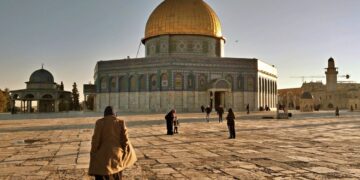
    The Gravity of What Took Place at Al-Aqsa Mosque During Ramadan 2026

    Ramazan 2026’da Mescid-i Aksa’da Yaşananların Ciddiyeti

    AFP/GETTY IMAGES

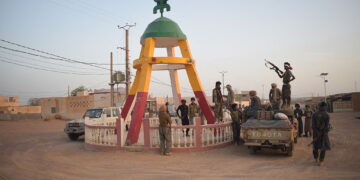
    FLA-JNIM İş Birliği ve Mali’de Değişen Güvenlik Dinamikleri

    Sosyal Medyada İslamcı-Muhafazakâr Kamusallığın Dönüşümü Üzerine

    Sosyal Medyada İslamcı-Muhafazakâr Kamusallığın Dönüşümü Üzerine

    Bangladeş’te 2026 Seçimleri Sonrası Siyasi Tartışmalar

    Bangladeş’te 2026 Seçimleri Sonrası Siyasi Tartışmalar

    Filistin’de Çocuk Olmak: 5 Nisan Filistinli Çocuklar Günü

    Filistin’de Çocuk Olmak: 5 Nisan Filistinli Çocuklar Günü

    Security, Fragility, and the Search for a New Equilibrium in the Gulf Following the Iranian Attacks

    İran Saldırıları Sonrası Körfez’de Güvenlik, Kırılganlık ve Yeni Denge Arayışı

  • SÖYLEŞİLER
    The Decolonization of Knowledge: Interview with Professor Souleymane Bachir Diagne

    Bilginin Dekolonizasyonu: Profesör Souleymane Bachir Diagne ile Röportaj

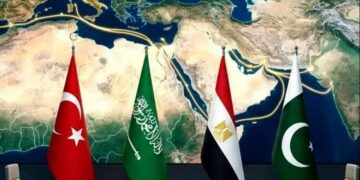
    A Possible New Breath in Regional Balances: The Alliance of Türkiye, Pakistan, Egypt, and Saudi Arabia

    Bölgesel Dengelerde Olası Yeni Bir Soluk: Türkiye, Pakistan, Mısır ve Suudi Arabistan İttifakı

    Digital Ummah and Muslim Identity: Dr. Sahar Khamis Interview

    Dijital Ümmet ve Müslüman Kimliği: Dr. Sahar Khamis ile Röportaj

    From the Ballot Box to the Street: The Rising Social Wave in Tanzania After the Election

    Sandıktan Sokağa: Tanzanya’da Seçim Sonrası Yükselen Toplumsal Dalga

    Müslüman Nüfusa Karşı Güvenlikleştirme

    Müslüman Nüfusa Karşı Güvenlikleştirme

    Gurbet Hikayeleri

    Gurbet Hikayeleri

    Göçü Yönetmek: Dr. Mehmet Köse’yle Söyleşi

    Göçü Yönetmek: Dr. Mehmet Köse’yle Söyleşi

    İstanbul’daki Uluslararası Öğrencilerle Söyleşi

    İstanbul’daki Uluslararası Öğrencilerle Söyleşi

    Zaytuna College Lisansüstü Eğitim Dekanı Maşuk Yamaç’la Söyleşi

    Zaytuna College Lisansüstü Eğitim Dekanı Maşuk Yamaç’la Söyleşi

  • DÜNYADAN SESLER
    Voices from the Muslim World | Sari Hanafi (with Turkish subtitles)

    Voices from the Muslim World | Sari Hanafi (with Turkish subtitles)

    Voices from the Muslim World | Ovamir Anjum

    Voices from the Muslim World | Ovamir Anjum

    VOICES FROM THE MUSLIM WORLD | DR. YASIR QADHI

    VOICES FROM THE MUSLIM WORLD | DR. YASIR QADHI

    VOICES FROM THE MUSLIM WORLD | DR. ADEEL MALIK

    VOICES FROM THE MUSLIM WORLD | DR. ADEEL MALIK

  • SAYILAR
  • VERİTABANI
    • All
    • Hareketler
    • Kurumlar
    • Şahsiyetler
    Pak-Türk Maarif

    Pak-Türk Maarif

    İslam Vakfı

    İslam Vakfı

    Avrupa Fetva ve Araştırma Konseyi

    Avrupa Fetva ve Araştırma Konseyi

    Tokyo Camii ve Diyanet Türk Kültür Merkezi

    Tokyo Camii ve Diyanet Türk Kültür Merkezi

  • PLATFORM
  • HABERLER
    İLKE Agenda: Muzzammil Ayyub Thakur ile Keşmir’in “Filistinleştirilmesi”

    İLKE Agenda: Muzzammil Ayyub Thakur ile Keşmir’in “Filistinleştirilmesi”

    İLKE Agenda: Muzzammil Ayyub Thakur ile Keşmir’in “Filistinleştirilmesi”

    The Platform Talks: Kinda Hawasli ile 8 Aralık Sonrası Suriye

    İLKE Agenda: Muzzammil Ayyub Thakur ile Keşmir’in “Filistinleştirilmesi”

    The Platform Talks: Azzam Tamimi ile 7 Ekim Sonrası Filistin

    İLKE Agenda: Muzzammil Ayyub Thakur ile Keşmir’in “Filistinleştirilmesi”

    İLKE Agenda: Gazze Soykırımı Günlerinde Aktivizm ve İslamofobi

    Filistin Sempozyumu: Filistin ve Küresel İlişkilerin Geleceği

    Filistin Sempozyumu: Filistin ve Küresel İlişkilerin Geleceği

    Filistin Sempozyumu: Filistin ve Küresel İlişkilerin Geleceği

    Müslüman Dünyada Çağdaş Düşünce Konferansı’nda buluşuyoruz!

    Filistin Sempozyumu: Filistin ve Küresel İlişkilerin Geleceği

    Müslüman Dünyada Çağdaş Düşünce Konferansı

    Filistin Sempozyumu: Filistin ve Küresel İlişkilerin Geleceği

    Dr. Jonathan Brown “İslam’ın Siyahiliğe ve Köleliğe Yaklaşımı” adlı seminer gerçekleştirdi.

  • ANALİZLER
    • All
    • Düşünce
    • Eğitim
    • Ekonomi
    • Enerji ve Çevre
    • Göç
    • Medya, Kültür ve Sanat
    • Temel Hak ve Özgürlükler
    • Toplumsal Meseleler
    The Gravity of What Took Place at Al-Aqsa Mosque During Ramadan 2026

    Ramazan 2026’da Mescid-i Aksa’da Yaşananların Ciddiyeti

    AFP/GETTY IMAGES

    FLA-JNIM İş Birliği ve Mali’de Değişen Güvenlik Dinamikleri

    Sosyal Medyada İslamcı-Muhafazakâr Kamusallığın Dönüşümü Üzerine

    Sosyal Medyada İslamcı-Muhafazakâr Kamusallığın Dönüşümü Üzerine

    Bangladeş’te 2026 Seçimleri Sonrası Siyasi Tartışmalar

    Bangladeş’te 2026 Seçimleri Sonrası Siyasi Tartışmalar

    Filistin’de Çocuk Olmak: 5 Nisan Filistinli Çocuklar Günü

    Filistin’de Çocuk Olmak: 5 Nisan Filistinli Çocuklar Günü

    Security, Fragility, and the Search for a New Equilibrium in the Gulf Following the Iranian Attacks

    İran Saldırıları Sonrası Körfez’de Güvenlik, Kırılganlık ve Yeni Denge Arayışı

  • SÖYLEŞİLER
    The Decolonization of Knowledge: Interview with Professor Souleymane Bachir Diagne

    Bilginin Dekolonizasyonu: Profesör Souleymane Bachir Diagne ile Röportaj

    A Possible New Breath in Regional Balances: The Alliance of Türkiye, Pakistan, Egypt, and Saudi Arabia

    Bölgesel Dengelerde Olası Yeni Bir Soluk: Türkiye, Pakistan, Mısır ve Suudi Arabistan İttifakı

    Digital Ummah and Muslim Identity: Dr. Sahar Khamis Interview

    Dijital Ümmet ve Müslüman Kimliği: Dr. Sahar Khamis ile Röportaj

    From the Ballot Box to the Street: The Rising Social Wave in Tanzania After the Election

    Sandıktan Sokağa: Tanzanya’da Seçim Sonrası Yükselen Toplumsal Dalga

    Müslüman Nüfusa Karşı Güvenlikleştirme

    Müslüman Nüfusa Karşı Güvenlikleştirme

    Gurbet Hikayeleri

    Gurbet Hikayeleri

    Göçü Yönetmek: Dr. Mehmet Köse’yle Söyleşi

    Göçü Yönetmek: Dr. Mehmet Köse’yle Söyleşi

    İstanbul’daki Uluslararası Öğrencilerle Söyleşi

    İstanbul’daki Uluslararası Öğrencilerle Söyleşi

    Zaytuna College Lisansüstü Eğitim Dekanı Maşuk Yamaç’la Söyleşi

    Zaytuna College Lisansüstü Eğitim Dekanı Maşuk Yamaç’la Söyleşi

  • DÜNYADAN SESLER
    Voices from the Muslim World | Sari Hanafi (with Turkish subtitles)

    Voices from the Muslim World | Sari Hanafi (with Turkish subtitles)

    Voices from the Muslim World | Ovamir Anjum

    Voices from the Muslim World | Ovamir Anjum

    VOICES FROM THE MUSLIM WORLD | DR. YASIR QADHI

    VOICES FROM THE MUSLIM WORLD | DR. YASIR QADHI

    VOICES FROM THE MUSLIM WORLD | DR. ADEEL MALIK

    VOICES FROM THE MUSLIM WORLD | DR. ADEEL MALIK

  • SAYILAR
  • VERİTABANI
    • All
    • Hareketler
    • Kurumlar
    • Şahsiyetler
    Pak-Türk Maarif

    Pak-Türk Maarif

    İslam Vakfı

    İslam Vakfı

    Avrupa Fetva ve Araştırma Konseyi

    Avrupa Fetva ve Araştırma Konseyi

    Tokyo Camii ve Diyanet Türk Kültür Merkezi

    Tokyo Camii ve Diyanet Türk Kültür Merkezi

No Result
View All Result
Platform
No Result
View All Result
Home Analyses Culture, Arts and Media

Muslim Culture and Watch Consumption Trends Amidst Cultural Fusion

Meysam Yazdi by Meysam Yazdi
1 Mayıs 2026
in Culture, Arts and Media, Analyses
0
Muslim Culture and Watch Consumption Trends Amidst Cultural Fusion
0
SHARES
19
VIEWS
Share on FacebookShare on Twitter

Within the global landscape of diverse civilizations, Muslim culture is characterized by profound depth and distinctiveness; drawing upon unique religious beliefs, social structures, and economic development models, it has forged a singular lifestyle and set of consumption values. The wristwatch—an accessory that simultaneously embodies practical utility, ceremonial significance, aesthetic appeal, and the symbolism of wealth—has become deeply integrated into the daily lives, religious rituals, and social interactions of the Muslim community, serving as a vital medium that reflects their cultural essence, social ethos, and economic standing.

  1. A Profound and Unique Core of Muslim Culture

Islamic teachings profoundly shape the spiritual world and behavioral norms of Muslims, forming the very core of their cultural system. Religious practices—such as the five daily prayers, fasting during Ramadan, celebrations for Eid al-Fitr and Eid al-Adha, and the Hajj pilgrimage rituals—are woven into the fabric of daily life, necessitating a precise and rigorous sense of time. The imperative to pray on time and strictly observe religious rites on schedule has made precise timekeeping an essential necessity of daily life, thereby laying a cultural foundation for the widespread popularity of wristwatches.

In terms of aesthetics and etiquette, Muslims favor a style characterized by simplicity, solemnity, elegance, and restraint, eschewing ostentation, extravagance, and decorative designs that do not adhere to religious norms. Clothing and accessories are expected to be modest and appropriate; consequently, items featuring metallic finishes, minimalist dials, and subdued color palettes are particularly favored. Furthermore, the culture of gift-giving constitutes a vital element of Muslim social etiquette. Whether during festive gatherings, exchanges between friends and family, or at significant life milestones, the exchange of gifts has become a cherished tradition. Thanks to their versatility and enduring utility, wristwatches have emerged as a preferred choice for festive presents and social gift-giving occasions.

As the times evolve, Muslim culture continues to embrace both inclusivity and innovation, fostering a deep integration between traditional faith and modern living. Products that combine specialized religious functions with modern technology are becoming increasingly popular. Designs that incorporate indigenous motifs and classic Islamic aesthetics—while remaining true to their cultural roots—also align with contemporary aesthetic sensibilities, thereby giving rise to a distinctive consumer aesthetic.

  1. The Steady Advancement of Muslim Socio-Economic Development

Globally, Muslim-populated regions are primarily concentrated in the Middle East, Southeast Asia, and Central Asia, where regional economies exhibit trends of differentiation and diversification. Middle Eastern nations—exemplified by Saudi Arabia, the UAE, and Qatar—leverage their energy sectors, high-end service industries, and cultural tourism to achieve high per capita incomes, support a vast population of high-net-worth individuals, and demonstrate exceptional purchasing power for luxury goods. In contrast, Muslim communities in Southeast Asia and within domestic markets are bolstered by the real economy, cross-border trade, and specialized cultural tourism; here, the standard of living is steadily rising, and the middle-income consumer base continues to expand.

On a societal level, Muslim communities are characterized by strong cohesion, a stable family-centric social structure, and a deep-seated sense of collectivism. With the advancement of urbanization, the spread of education, and the rise of a younger demographic, social attitudes have become more open. Furthermore, as women’s consumer consciousness awakens, demand for trendy accessories and smart wearables continues to grow. Concurrently, the digital wave has swept through Muslim societies; the rapid proliferation of e-commerce platforms and online shopping has dismantled geographical barriers to consumption, enabling a diverse range of watch products to reach a much broader consumer base.

Steady economic growth has directly boosted citizens’ disposable income, leading to a continuous upgrading of consumption patterns. Beyond basic necessities, there has been a rapid surge in demand for quality-oriented goods, branded products, “affordable luxury,” and high-end collectible items. Watches are no longer merely simple timekeeping instruments; they have evolved into outward expressions of social status, personal taste, and accumulated wealth. This has resulted in distinct tiers of consumption: the general public seeks practical models offering high value for money; the middle class favors fashionable, affordable luxury styles (this demographic constitutes the largest consumer group for “super-clone” watches—high-quality replicas—as they desire to own brands like Richard Mille, whose prohibitive price tags are otherwise out of reach, thereby satisfying their aspirational desires); meanwhile, high-net-worth individuals gravitate toward high-end mechanical timepieces and limited-edition collectibles.

Consumption Peaks Are Deeply Linked to Religious Festivals. Ramadan, Eid al-Fitr, and Eid al-Adha constitute the peak consumption season for Muslims throughout the year; during these festive periods, watch sales can account for over 20% of annual revenue. Festival-specific promotions, gift packaging, and limited-edition special-release watches are highly sought after; as watches serve as a core category for holiday gifting—whether for family members or among friends and relatives—market demand experiences a concentrated surge. Furthermore, during the Hajj pilgrimage, portable, durable, and feature-rich watches are considered essential personal items for pilgrims.

Consumer Stratification and Divergence in Value Attributes. In the high-end market, Swiss luxury mechanical watches—distinguished by their rich brand heritage and value-retention properties—have become both status symbols and investment collectibles for high-income groups in the Middle East. The high liquidity of limited-edition and classic watch models has fueled rapid growth in the markets for pre-owned luxury timepieces and “super-clone” watches. In the mass market, affordable quartz watches and domestically produced smartwatches cater to the daily needs of the general public, thanks to their excellent cost-performance ratios. The younger generation, meanwhile, exhibits distinct trend-driven characteristics, with sports watches, slim smartwatches, and niche designer styles gaining increasing popularity.

Consumer Trends: Cultural Empowerment and Dual Integration

Currently, the Muslim watch market is exhibiting a developmental trend characterized by the parallel existence of tradition and modernity, and the symbiosis of culture and contemporary trends. On one hand, traditional mechanical timepieces continue to dominate the high-end market mainstream, driven by their intrinsic craftsmanship value and cultural heritage; the attributes of watches as collectibles and assets that retain value are being increasingly amplified. On the other hand, the transition toward smart technology is accelerating; smartwatches—which integrate religious functions, health monitoring, and fitness tracking—are rapidly gaining traction and becoming the preferred choice among young Muslims.

Concurrently, localization and customization have emerged as a new direction for the industry. Major brands are actively launching limited-edition Ramadan models, watch dials featuring intricate Islamic motifs, and exclusive color palettes, thereby deeply aligning their products with the cultural essence of the Muslim world. Furthermore, the rapid expansion of cross-border e-commerce has enabled cost-effective replica watches and smart wearable devices to gain widespread acceptance, thanks to their comprehensive functionality and accessible pricing.

In summary, watch consumption among Muslims is never merely a singular material purchase; rather, it represents a holistic expression of religious culture, social etiquette, economic status, and aesthetic sensibilities. Unique faith traditions give rise to specific functional requirements; a stable social structure underpins the cultural practice of gift-giving; and continuous economic advancement drives a corresponding upgrade in the quality of consumption. Transcending the passage of time, watches serve not only as vessels for the Muslim community’s steadfast devotion to their faith and reverence for social etiquette, but also as witnesses to the enhancement of living standards and the diversified evolution of consumer culture amidst the intermingling of civilizations.


Tags: CultureFashionWatches
Previous Post

Acıyı Görmek ya da Görünmez Hale Getirmek: Sosyal Medyada Felaketin Görsel Temsili ve Çevrimiçi Sansürü Üzerine

Next Post

Suudi 2030 Vizyonu Yerel Medyayı Nasıl Etkiledi?

Next Post
Suudi 2030 Vizyonu Yerel Medyayı Nasıl Etkiledi?

Suudi 2030 Vizyonu Yerel Medyayı Nasıl Etkiledi?

  • A Possible New Breath in Regional Balances: The Alliance of Türkiye, Pakistan, Egypt, and Saudi Arabia

    Bölgesel Dengelerde Olası Yeni Bir Soluk: Türkiye, Pakistan, Mısır ve Suudi Arabistan İttifakı

    0 shares
    Share 0 Tweet 0
  • Bilime Yön Verenler: Nobel Ödüllü Müslüman Bilim İnsanları

    0 shares
    Share 0 Tweet 0
  • Nakşibendi-Hakkani Tarikatı

    0 shares
    Share 0 Tweet 0
  • Fuad Sezgin

    0 shares
    Share 0 Tweet 0
  • Sosyal Medyada İslamcı-Muhafazakâr Kamusallığın Dönüşümü Üzerine

    0 shares
    Share 0 Tweet 0
  • The Gravity of What Took Place at Al-Aqsa Mosque During Ramadan 2026

    Ramazan 2026’da Mescid-i Aksa’da Yaşananların Ciddiyeti

    0 shares
    Share 0 Tweet 0
  • The Gravity of What Took Place at Al-Aqsa Mosque During Ramadan 2026

    0 shares
    Share 0 Tweet 0
  • FLA-JNIM Cooperation and Shifting Security Dynamics in Mali

    0 shares
    Share 0 Tweet 0
  • FLA-JNIM İş Birliği ve Mali’de Değişen Güvenlik Dinamikleri

    0 shares
    Share 0 Tweet 0
  • The Current State of Indonesia’s Luxury Industry and the Landscape of Independent Handcrafted Watchmaking

    0 shares
    Share 0 Tweet 0

Platform: Müslüman Dünyanın Gündemi, Müslüman toplumların fikrî, siyasi, sosyal, ekonomik ve kültürel gündemlerini takip ve tahlil edip Müslüman dünyaya dair güncel ve özgün perspektifler sunmayı amaçlayan bir yayın organı olarak İLKE İlim Kültür Eğitim Vakfı bünyesinde kurulmuştur.

  • SAYILAR
  • ANALİZLER
  • HABERLER
  • SÖYLEŞİLER
  • DÜNYADAN SESLER
  • platform@ilke.org.tr
  • (0216) 310 43 18
  • Aziz Mahmut Hüdayi Mah. Türbe Kapısı Sk. No: 13 Üsküdar, İstanbul

2025 @ PLATFORM bir İLKE Vakfı kuruluşudur. Tüm hakları saklıdır. 

No Result
View All Result
  • Home
  • Analizler
  • Haberler
  • Söyleşiler
  • Dünyadan Sesler