İLKE Vakfı
Platform
No Result
View All Result
  • PLATFORM
  • HABERLER
    İLKE Agenda: Muzzammil Ayyub Thakur ile Keşmir’in “Filistinleştirilmesi”

    İLKE Agenda: Muzzammil Ayyub Thakur ile Keşmir’in “Filistinleştirilmesi”

    İLKE Agenda: Muzzammil Ayyub Thakur ile Keşmir’in “Filistinleştirilmesi”

    The Platform Talks: Kinda Hawasli ile 8 Aralık Sonrası Suriye

    İLKE Agenda: Muzzammil Ayyub Thakur ile Keşmir’in “Filistinleştirilmesi”

    The Platform Talks: Azzam Tamimi ile 7 Ekim Sonrası Filistin

    İLKE Agenda: Muzzammil Ayyub Thakur ile Keşmir’in “Filistinleştirilmesi”

    İLKE Agenda: Gazze Soykırımı Günlerinde Aktivizm ve İslamofobi

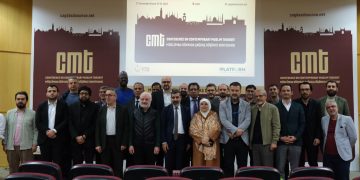
    Filistin Sempozyumu: Filistin ve Küresel İlişkilerin Geleceği

    Filistin Sempozyumu: Filistin ve Küresel İlişkilerin Geleceği

    Filistin Sempozyumu: Filistin ve Küresel İlişkilerin Geleceği

    Müslüman Dünyada Çağdaş Düşünce Konferansı’nda buluşuyoruz!

    Filistin Sempozyumu: Filistin ve Küresel İlişkilerin Geleceği

    Müslüman Dünyada Çağdaş Düşünce Konferansı

    Filistin Sempozyumu: Filistin ve Küresel İlişkilerin Geleceği

    Dr. Jonathan Brown “İslam’ın Siyahiliğe ve Köleliğe Yaklaşımı” adlı seminer gerçekleştirdi.

  • ANALİZLER
    • All
    • Düşünce
    • Eğitim
    • Ekonomi
    • Enerji ve Çevre
    • Göç
    • Medya, Kültür ve Sanat
    • Temel Hak ve Özgürlükler
    • Toplumsal Meseleler
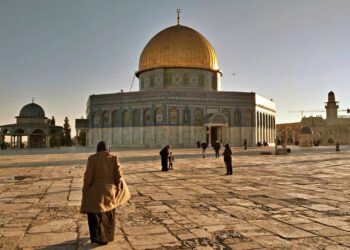
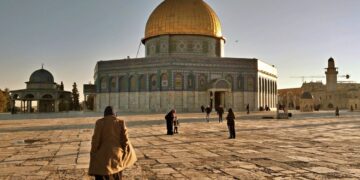
    The Gravity of What Took Place at Al-Aqsa Mosque During Ramadan 2026

    Ramazan 2026’da Mescid-i Aksa’da Yaşananların Ciddiyeti

    AFP/GETTY IMAGES

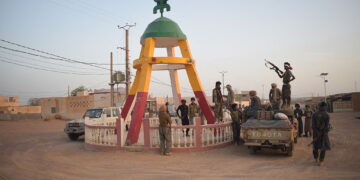
    FLA-JNIM İş Birliği ve Mali’de Değişen Güvenlik Dinamikleri

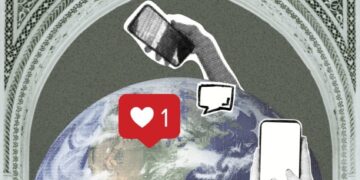
    Sosyal Medyada İslamcı-Muhafazakâr Kamusallığın Dönüşümü Üzerine

    Sosyal Medyada İslamcı-Muhafazakâr Kamusallığın Dönüşümü Üzerine

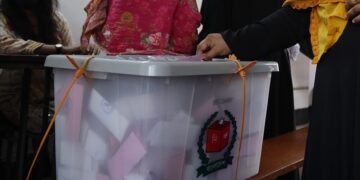
    Bangladeş’te 2026 Seçimleri Sonrası Siyasi Tartışmalar

    Bangladeş’te 2026 Seçimleri Sonrası Siyasi Tartışmalar

    Filistin’de Çocuk Olmak: 5 Nisan Filistinli Çocuklar Günü

    Filistin’de Çocuk Olmak: 5 Nisan Filistinli Çocuklar Günü

    Security, Fragility, and the Search for a New Equilibrium in the Gulf Following the Iranian Attacks

    İran Saldırıları Sonrası Körfez’de Güvenlik, Kırılganlık ve Yeni Denge Arayışı

  • SÖYLEŞİLER
    The Decolonization of Knowledge: Interview with Professor Souleymane Bachir Diagne

    Bilginin Dekolonizasyonu: Profesör Souleymane Bachir Diagne ile Röportaj

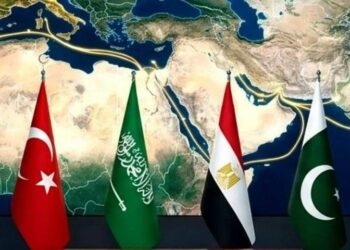
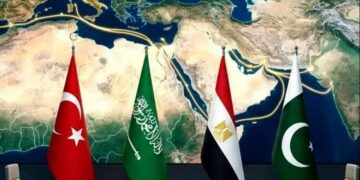
    A Possible New Breath in Regional Balances: The Alliance of Türkiye, Pakistan, Egypt, and Saudi Arabia

    Bölgesel Dengelerde Olası Yeni Bir Soluk: Türkiye, Pakistan, Mısır ve Suudi Arabistan İttifakı

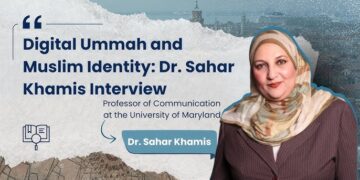
    Digital Ummah and Muslim Identity: Dr. Sahar Khamis Interview

    Dijital Ümmet ve Müslüman Kimliği: Dr. Sahar Khamis ile Röportaj

    From the Ballot Box to the Street: The Rising Social Wave in Tanzania After the Election

    Sandıktan Sokağa: Tanzanya’da Seçim Sonrası Yükselen Toplumsal Dalga

    Müslüman Nüfusa Karşı Güvenlikleştirme

    Müslüman Nüfusa Karşı Güvenlikleştirme

    Gurbet Hikayeleri

    Gurbet Hikayeleri

    Göçü Yönetmek: Dr. Mehmet Köse’yle Söyleşi

    Göçü Yönetmek: Dr. Mehmet Köse’yle Söyleşi

    İstanbul’daki Uluslararası Öğrencilerle Söyleşi

    İstanbul’daki Uluslararası Öğrencilerle Söyleşi

    Zaytuna College Lisansüstü Eğitim Dekanı Maşuk Yamaç’la Söyleşi

    Zaytuna College Lisansüstü Eğitim Dekanı Maşuk Yamaç’la Söyleşi

  • DÜNYADAN SESLER
    Voices from the Muslim World | Sari Hanafi (with Turkish subtitles)

    Voices from the Muslim World | Sari Hanafi (with Turkish subtitles)

    Voices from the Muslim World | Ovamir Anjum

    Voices from the Muslim World | Ovamir Anjum

    VOICES FROM THE MUSLIM WORLD | DR. YASIR QADHI

    VOICES FROM THE MUSLIM WORLD | DR. YASIR QADHI

    VOICES FROM THE MUSLIM WORLD | DR. ADEEL MALIK

    VOICES FROM THE MUSLIM WORLD | DR. ADEEL MALIK

  • SAYILAR
  • VERİTABANI
    • All
    • Hareketler
    • Kurumlar
    • Şahsiyetler
    Pak-Türk Maarif

    Pak-Türk Maarif

    İslam Vakfı

    İslam Vakfı

    Avrupa Fetva ve Araştırma Konseyi

    Avrupa Fetva ve Araştırma Konseyi

    Tokyo Camii ve Diyanet Türk Kültür Merkezi

    Tokyo Camii ve Diyanet Türk Kültür Merkezi

  • PLATFORM
  • HABERLER
    İLKE Agenda: Muzzammil Ayyub Thakur ile Keşmir’in “Filistinleştirilmesi”

    İLKE Agenda: Muzzammil Ayyub Thakur ile Keşmir’in “Filistinleştirilmesi”

    İLKE Agenda: Muzzammil Ayyub Thakur ile Keşmir’in “Filistinleştirilmesi”

    The Platform Talks: Kinda Hawasli ile 8 Aralık Sonrası Suriye

    İLKE Agenda: Muzzammil Ayyub Thakur ile Keşmir’in “Filistinleştirilmesi”

    The Platform Talks: Azzam Tamimi ile 7 Ekim Sonrası Filistin

    İLKE Agenda: Muzzammil Ayyub Thakur ile Keşmir’in “Filistinleştirilmesi”

    İLKE Agenda: Gazze Soykırımı Günlerinde Aktivizm ve İslamofobi

    Filistin Sempozyumu: Filistin ve Küresel İlişkilerin Geleceği

    Filistin Sempozyumu: Filistin ve Küresel İlişkilerin Geleceği

    Filistin Sempozyumu: Filistin ve Küresel İlişkilerin Geleceği

    Müslüman Dünyada Çağdaş Düşünce Konferansı’nda buluşuyoruz!

    Filistin Sempozyumu: Filistin ve Küresel İlişkilerin Geleceği

    Müslüman Dünyada Çağdaş Düşünce Konferansı

    Filistin Sempozyumu: Filistin ve Küresel İlişkilerin Geleceği

    Dr. Jonathan Brown “İslam’ın Siyahiliğe ve Köleliğe Yaklaşımı” adlı seminer gerçekleştirdi.

  • ANALİZLER
    • All
    • Düşünce
    • Eğitim
    • Ekonomi
    • Enerji ve Çevre
    • Göç
    • Medya, Kültür ve Sanat
    • Temel Hak ve Özgürlükler
    • Toplumsal Meseleler
    The Gravity of What Took Place at Al-Aqsa Mosque During Ramadan 2026

    Ramazan 2026’da Mescid-i Aksa’da Yaşananların Ciddiyeti

    AFP/GETTY IMAGES

    FLA-JNIM İş Birliği ve Mali’de Değişen Güvenlik Dinamikleri

    Sosyal Medyada İslamcı-Muhafazakâr Kamusallığın Dönüşümü Üzerine

    Sosyal Medyada İslamcı-Muhafazakâr Kamusallığın Dönüşümü Üzerine

    Bangladeş’te 2026 Seçimleri Sonrası Siyasi Tartışmalar

    Bangladeş’te 2026 Seçimleri Sonrası Siyasi Tartışmalar

    Filistin’de Çocuk Olmak: 5 Nisan Filistinli Çocuklar Günü

    Filistin’de Çocuk Olmak: 5 Nisan Filistinli Çocuklar Günü

    Security, Fragility, and the Search for a New Equilibrium in the Gulf Following the Iranian Attacks

    İran Saldırıları Sonrası Körfez’de Güvenlik, Kırılganlık ve Yeni Denge Arayışı

  • SÖYLEŞİLER
    The Decolonization of Knowledge: Interview with Professor Souleymane Bachir Diagne

    Bilginin Dekolonizasyonu: Profesör Souleymane Bachir Diagne ile Röportaj

    A Possible New Breath in Regional Balances: The Alliance of Türkiye, Pakistan, Egypt, and Saudi Arabia

    Bölgesel Dengelerde Olası Yeni Bir Soluk: Türkiye, Pakistan, Mısır ve Suudi Arabistan İttifakı

    Digital Ummah and Muslim Identity: Dr. Sahar Khamis Interview

    Dijital Ümmet ve Müslüman Kimliği: Dr. Sahar Khamis ile Röportaj

    From the Ballot Box to the Street: The Rising Social Wave in Tanzania After the Election

    Sandıktan Sokağa: Tanzanya’da Seçim Sonrası Yükselen Toplumsal Dalga

    Müslüman Nüfusa Karşı Güvenlikleştirme

    Müslüman Nüfusa Karşı Güvenlikleştirme

    Gurbet Hikayeleri

    Gurbet Hikayeleri

    Göçü Yönetmek: Dr. Mehmet Köse’yle Söyleşi

    Göçü Yönetmek: Dr. Mehmet Köse’yle Söyleşi

    İstanbul’daki Uluslararası Öğrencilerle Söyleşi

    İstanbul’daki Uluslararası Öğrencilerle Söyleşi

    Zaytuna College Lisansüstü Eğitim Dekanı Maşuk Yamaç’la Söyleşi

    Zaytuna College Lisansüstü Eğitim Dekanı Maşuk Yamaç’la Söyleşi

  • DÜNYADAN SESLER
    Voices from the Muslim World | Sari Hanafi (with Turkish subtitles)

    Voices from the Muslim World | Sari Hanafi (with Turkish subtitles)

    Voices from the Muslim World | Ovamir Anjum

    Voices from the Muslim World | Ovamir Anjum

    VOICES FROM THE MUSLIM WORLD | DR. YASIR QADHI

    VOICES FROM THE MUSLIM WORLD | DR. YASIR QADHI

    VOICES FROM THE MUSLIM WORLD | DR. ADEEL MALIK

    VOICES FROM THE MUSLIM WORLD | DR. ADEEL MALIK

  • SAYILAR
  • VERİTABANI
    • All
    • Hareketler
    • Kurumlar
    • Şahsiyetler
    Pak-Türk Maarif

    Pak-Türk Maarif

    İslam Vakfı

    İslam Vakfı

    Avrupa Fetva ve Araştırma Konseyi

    Avrupa Fetva ve Araştırma Konseyi

    Tokyo Camii ve Diyanet Türk Kültür Merkezi

    Tokyo Camii ve Diyanet Türk Kültür Merkezi

No Result
View All Result
Platform
No Result
View All Result
Home Analyses

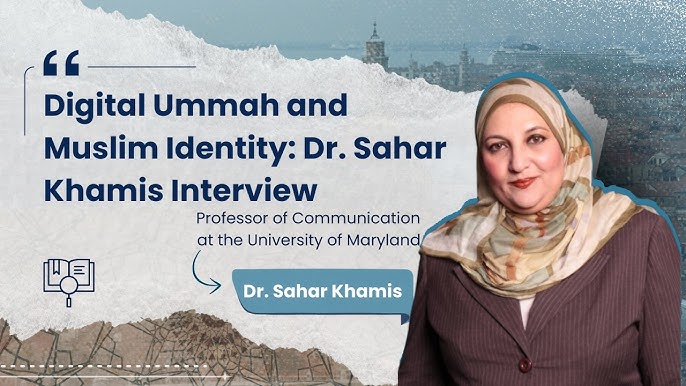
Digital Ummah and Muslim Identity: Dr. Sahar Khamis Interview

platform by platform
27 Nisan 2026
in Analyses
0
Digital Ummah and Muslim Identity: Dr. Sahar Khamis Interview
0
SHARES
10
VIEWS
Share on FacebookShare on Twitter

1. In your work, you frequently refer to the concept of the “digital ummah.” What exactly is the digital ummah?

The term ummah means the community of Muslims worldwide. Muslims are geographically dispersed across countries as diverse as Indonesia, Turkey, Egypt, and India, with different cultures, traditions, and ways of life, yet they are united by the common notion of the ummah, the community of Muslim believers.

The virtual ummah takes this notion into a different space because now we are not talking about the offline world but the online one. We are talking about cyberspace, where Muslims can communicate, interact, and talk to each other across distances, just as we are doing in this interview.

In this sense, the digital ummah shares many characteristics with the real-world ummah, but it also has new characteristics, such as the ability to exist in cyberspace and overcome the boundaries of geography and distance.

2. What should be done to construct the idea of the digital ummah in a way that is free from Islamophobic perspectives?

Islamophobia, which is defined as the irrational and exaggerated fear of Islam and Muslims, unfortunately exists both in the real world and online. But the internet and digital spaces can act as a double-edged sword. They can provide platforms for Islamophobic rhetoric, but they can also create spaces to counter it.

Digital platforms give young Muslims the opportunity to express their views, ideas, and beliefs and to challenge Islamophobic narratives. There have been many successful campaigns involving Muslim youth in the United States, Europe, and other parts of the world where technologically active young people have used platforms like Facebook, X, blogs, and YouTube to share their own content and fight Islamophobia.

3. In one of your articles, you discuss the question of “who speaks for Islam.” How can misinformation in the digital sphere be addressed?

The virtual space brings many advantages, but it also has disadvantages. One of them is information overload, and what we can call information contamination, misinformation, and disinformation. You cannot simply believe everything you see or read on social media.

Because social media often functions as a form of citizen journalism, where ordinary people share and post information, there is always the risk of misinformation. This raises the question of authority: who speaks for Islam?

The internet has created a situation where many different people speak about Islam. Some have proper training and knowledge, while others do not. This makes it difficult for audiences to know what to believe. That is why users need media literacy as well as Islamic literacy so that they can evaluate what they encounter online and avoid being misled by inaccurate information.

4. Access to Islamic sources is now available to everyone online. Does this transform the Islamic scholarly tradition?

Yes, and it is closely related to the previous issue. Today, many different voices present themselves online as scholars of Islam. I often say in my lectures that I am not a scholar of Islamic studies but a scholar of media and communication. If someone wants a religious opinion, they should consult those who have proper training in Islamic knowledge.

Unfortunately, not everyone makes this distinction. Sometimes people with no training in Islamic scholarship quote Qur’anic verses or hadith online, which can create confusion and spread misinformation.

If people do not have digital literacy, media literacy, and Islamic literacy together, they become vulnerable to misinformation. This is especially true for young people who spend many hours online but may not yet have the necessary knowledge to critically evaluate what they see.

5. Does the digital sphere bring Muslims closer together, or does it deepen internal divisions?

I think the answer is both. In some cases, the internet can deepen divisions and differences, as people use digital platforms to reinforce their own viewpoints. But in other cases, Muslims come together collectively around certain issues, such as supporting Palestine or advocating for human rights.

The internet is ultimately just a tool. It depends on how it is used. It can create more unity within the Muslim ummah, but it can also lead to more polarization.

In our book Islam.com: Contemporary Islamic Discourses in Cyberspace, we found that the internet often fails to create the middle ground of rational and constructive dialogue. Instead, interactions often move toward either complete agreement among like-minded groups or intense conflict and hostility between opposing views.

I like you, and therefore I share your posts, like your posts, retweet them, and support you online. It becomes an emotional expression of support. Or the exact opposite happens: I do not like your ideas, I disagree with you, and it becomes a shouting match and a boxing match online. People use their social media platforms to attack others, distort their image, and portray them in negative ways. But the middle ground of healthy, rational, and critical dialogue and deliberation- which should ideally exist- is unfortunately often absent.

6. Do you think this situation will change?

It will continue unless we do something about it. The internet is a tool that brings both opportunities and challenges. Addressing problems such as misinformation, Islamophobia, and polarization requires coordinated efforts.

Scholars, educators, media professionals, and digital experts need to work together to create alternative platforms that educate the public and especially Muslim youth about the dangers of misinformation and how to respond to them constructively.

This will not happen overnight, but it is important to begin now. With the rise of artificial intelligence, distinguishing between real and fabricated content is becoming increasingly difficult, which makes the need for media literacy even more urgent.

7. In light of recent developments in Gaza, do you see any shift in how Western media frames the Middle East?

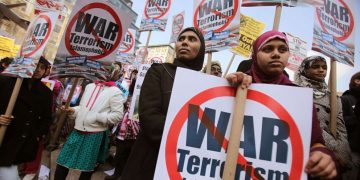
I do not see any significant change in the way Western media are handling or talking about the Middle East. The significant change has been happening in the social media sphere, not in the mainstream Western media sphere. Mainstream Western media are still not presenting a very equitable or balanced view of what is happening in Gaza, and they are not giving enough space and time to the Palestinian story, the Palestinian narrative, or Palestinian voices.

The change is actually happening in two different realms: in social media and in real life on the streets. Over the last two years, for example, we have seen many protests on university campuses, with young people going out into the streets and developing a growing awareness about the Palestinian people. We have also seen a lot of that happening online, on social media platforms. People are saying: wait a minute, we have been seeing these videos coming out of Gaza, and as they say, seeing is believing. People feel that they cannot deny what they see with their own eyes. They have seen the footage and what is happening on the ground.

This has created a new wave of awareness—both public awareness and global awareness—about Gaza and the Palestinian cause more broadly, which was not there before. One reason for this is that in many parts of the world, Palestine is not part of the educational curriculum. People do not study it in school and do not discuss it in the classroom. In addition, mainstream Western media have not been helping. To a large degree, they have been part of the problem rather than part of the solution when it comes to understanding Palestinian suffering and the Palestinian cause over many years.

Therefore, I do not see a major change in mainstream Western media. Rather, I see the change taking place in social media, which is largely used by young people who are very technologically active and who have been using these platforms extensively to share stories of the everyday lives, suffering, and resilience of the Palestinian people. We also see this change happening on the ground, with protests on university campuses in the United States, Canada, and Europe, as well as large demonstrations in many cities around the world. That is where the change is happening, and I think this is where it will continue to develop—in the virtual space and on the ground. I hope that at some point, mainstream Western media will also exhibit some kind of change.


Previous Post

Dijital Ümmet ve Müslüman Kimliği: Dr. Sahar Khamis ile Röportaj

Next Post

İran’ın Savaştaki Hedefi Zafer mi, Hayatta Kalmak mı?

Next Post
İran’ın Savaştaki Hedefi Zafer mi, Hayatta Kalmak mı?

İran’ın Savaştaki Hedefi Zafer mi, Hayatta Kalmak mı?

Bir yanıt yazın Yanıtı iptal et

E-posta adresiniz yayınlanmayacak. Gerekli alanlar * ile işaretlenmişlerdir

  • A Possible New Breath in Regional Balances: The Alliance of Türkiye, Pakistan, Egypt, and Saudi Arabia

    Bölgesel Dengelerde Olası Yeni Bir Soluk: Türkiye, Pakistan, Mısır ve Suudi Arabistan İttifakı

    0 shares
    Share 0 Tweet 0
  • Bilime Yön Verenler: Nobel Ödüllü Müslüman Bilim İnsanları

    0 shares
    Share 0 Tweet 0
  • Nakşibendi-Hakkani Tarikatı

    0 shares
    Share 0 Tweet 0
  • Fuad Sezgin

    0 shares
    Share 0 Tweet 0
  • Sosyal Medyada İslamcı-Muhafazakâr Kamusallığın Dönüşümü Üzerine

    0 shares
    Share 0 Tweet 0
  • The Gravity of What Took Place at Al-Aqsa Mosque During Ramadan 2026

    Ramazan 2026’da Mescid-i Aksa’da Yaşananların Ciddiyeti

    0 shares
    Share 0 Tweet 0
  • The Gravity of What Took Place at Al-Aqsa Mosque During Ramadan 2026

    0 shares
    Share 0 Tweet 0
  • FLA-JNIM Cooperation and Shifting Security Dynamics in Mali

    0 shares
    Share 0 Tweet 0
  • FLA-JNIM İş Birliği ve Mali’de Değişen Güvenlik Dinamikleri

    0 shares
    Share 0 Tweet 0
  • The Current State of Indonesia’s Luxury Industry and the Landscape of Independent Handcrafted Watchmaking

    0 shares
    Share 0 Tweet 0

Platform: Müslüman Dünyanın Gündemi, Müslüman toplumların fikrî, siyasi, sosyal, ekonomik ve kültürel gündemlerini takip ve tahlil edip Müslüman dünyaya dair güncel ve özgün perspektifler sunmayı amaçlayan bir yayın organı olarak İLKE İlim Kültür Eğitim Vakfı bünyesinde kurulmuştur.

  • SAYILAR
  • ANALİZLER
  • HABERLER
  • SÖYLEŞİLER
  • DÜNYADAN SESLER
  • platform@ilke.org.tr
  • (0216) 310 43 18
  • Aziz Mahmut Hüdayi Mah. Türbe Kapısı Sk. No: 13 Üsküdar, İstanbul

2025 @ PLATFORM bir İLKE Vakfı kuruluşudur. Tüm hakları saklıdır. 

No Result
View All Result
  • Home
  • Analizler
  • Haberler
  • Söyleşiler
  • Dünyadan Sesler