

İLKE Vakfı
Platform
No Result
View All Result
  • PLATFORM
  • HABERLER
    İLKE Agenda: Muzzammil Ayyub Thakur ile Keşmir’in “Filistinleştirilmesi”

    İLKE Agenda: Muzzammil Ayyub Thakur ile Keşmir’in “Filistinleştirilmesi”

    İLKE Agenda: Muzzammil Ayyub Thakur ile Keşmir’in “Filistinleştirilmesi”

    The Platform Talks: Kinda Hawasli ile 8 Aralık Sonrası Suriye

    İLKE Agenda: Muzzammil Ayyub Thakur ile Keşmir’in “Filistinleştirilmesi”

    The Platform Talks: Azzam Tamimi ile 7 Ekim Sonrası Filistin

    İLKE Agenda: Muzzammil Ayyub Thakur ile Keşmir’in “Filistinleştirilmesi”

    İLKE Agenda: Gazze Soykırımı Günlerinde Aktivizm ve İslamofobi

    Filistin Sempozyumu: Filistin ve Küresel İlişkilerin Geleceği

    Filistin Sempozyumu: Filistin ve Küresel İlişkilerin Geleceği

    Filistin Sempozyumu: Filistin ve Küresel İlişkilerin Geleceği

    Müslüman Dünyada Çağdaş Düşünce Konferansı’nda buluşuyoruz!

    Filistin Sempozyumu: Filistin ve Küresel İlişkilerin Geleceği

    Müslüman Dünyada Çağdaş Düşünce Konferansı

    Filistin Sempozyumu: Filistin ve Küresel İlişkilerin Geleceği

    Dr. Jonathan Brown “İslam’ın Siyahiliğe ve Köleliğe Yaklaşımı” adlı seminer gerçekleştirdi.

  • ANALİZLER
    • All
    • Düşünce
    • Eğitim
    • Ekonomi
    • Enerji ve Çevre
    • Göç
    • Medya, Kültür ve Sanat
    • Temel Hak ve Özgürlükler
    • Toplumsal Meseleler
    The Gravity of What Took Place at Al-Aqsa Mosque During Ramadan 2026

    Ramazan 2026’da Mescid-i Aksa’da Yaşananların Ciddiyeti

    AFP/GETTY IMAGES

    FLA-JNIM İş Birliği ve Mali’de Değişen Güvenlik Dinamikleri

    Sosyal Medyada İslamcı-Muhafazakâr Kamusallığın Dönüşümü Üzerine

    Sosyal Medyada İslamcı-Muhafazakâr Kamusallığın Dönüşümü Üzerine

    Bangladeş’te 2026 Seçimleri Sonrası Siyasi Tartışmalar

    Bangladeş’te 2026 Seçimleri Sonrası Siyasi Tartışmalar

    Filistin’de Çocuk Olmak: 5 Nisan Filistinli Çocuklar Günü

    Filistin’de Çocuk Olmak: 5 Nisan Filistinli Çocuklar Günü

    Security, Fragility, and the Search for a New Equilibrium in the Gulf Following the Iranian Attacks

    İran Saldırıları Sonrası Körfez’de Güvenlik, Kırılganlık ve Yeni Denge Arayışı

  • SÖYLEŞİLER
    The Decolonization of Knowledge: Interview with Professor Souleymane Bachir Diagne

    Bilginin Dekolonizasyonu: Profesör Souleymane Bachir Diagne ile Röportaj

    A Possible New Breath in Regional Balances: The Alliance of Türkiye, Pakistan, Egypt, and Saudi Arabia

    Bölgesel Dengelerde Olası Yeni Bir Soluk: Türkiye, Pakistan, Mısır ve Suudi Arabistan İttifakı

    Digital Ummah and Muslim Identity: Dr. Sahar Khamis Interview

    Dijital Ümmet ve Müslüman Kimliği: Dr. Sahar Khamis ile Röportaj

    From the Ballot Box to the Street: The Rising Social Wave in Tanzania After the Election

    Sandıktan Sokağa: Tanzanya’da Seçim Sonrası Yükselen Toplumsal Dalga

    Müslüman Nüfusa Karşı Güvenlikleştirme

    Müslüman Nüfusa Karşı Güvenlikleştirme

    Gurbet Hikayeleri

    Gurbet Hikayeleri

    Göçü Yönetmek: Dr. Mehmet Köse’yle Söyleşi

    Göçü Yönetmek: Dr. Mehmet Köse’yle Söyleşi

    İstanbul’daki Uluslararası Öğrencilerle Söyleşi

    İstanbul’daki Uluslararası Öğrencilerle Söyleşi

    Zaytuna College Lisansüstü Eğitim Dekanı Maşuk Yamaç’la Söyleşi

    Zaytuna College Lisansüstü Eğitim Dekanı Maşuk Yamaç’la Söyleşi

  • DÜNYADAN SESLER
    Voices from the Muslim World | Sari Hanafi (with Turkish subtitles)

    Voices from the Muslim World | Sari Hanafi (with Turkish subtitles)

    Voices from the Muslim World | Ovamir Anjum

    Voices from the Muslim World | Ovamir Anjum

    VOICES FROM THE MUSLIM WORLD | DR. YASIR QADHI

    VOICES FROM THE MUSLIM WORLD | DR. YASIR QADHI

    VOICES FROM THE MUSLIM WORLD | DR. ADEEL MALIK

    VOICES FROM THE MUSLIM WORLD | DR. ADEEL MALIK

  • SAYILAR
  • VERİTABANI
    • All
    • Hareketler
    • Kurumlar
    • Şahsiyetler
    Pak-Türk Maarif

    Pak-Türk Maarif

    İslam Vakfı

    İslam Vakfı

    Avrupa Fetva ve Araştırma Konseyi

    Avrupa Fetva ve Araştırma Konseyi

    Tokyo Camii ve Diyanet Türk Kültür Merkezi

    Tokyo Camii ve Diyanet Türk Kültür Merkezi

  • PLATFORM
  • HABERLER
    İLKE Agenda: Muzzammil Ayyub Thakur ile Keşmir’in “Filistinleştirilmesi”

    İLKE Agenda: Muzzammil Ayyub Thakur ile Keşmir’in “Filistinleştirilmesi”

    İLKE Agenda: Muzzammil Ayyub Thakur ile Keşmir’in “Filistinleştirilmesi”

    The Platform Talks: Kinda Hawasli ile 8 Aralık Sonrası Suriye

    İLKE Agenda: Muzzammil Ayyub Thakur ile Keşmir’in “Filistinleştirilmesi”

    The Platform Talks: Azzam Tamimi ile 7 Ekim Sonrası Filistin

    İLKE Agenda: Muzzammil Ayyub Thakur ile Keşmir’in “Filistinleştirilmesi”

    İLKE Agenda: Gazze Soykırımı Günlerinde Aktivizm ve İslamofobi

    Filistin Sempozyumu: Filistin ve Küresel İlişkilerin Geleceği

    Filistin Sempozyumu: Filistin ve Küresel İlişkilerin Geleceği

    Filistin Sempozyumu: Filistin ve Küresel İlişkilerin Geleceği

    Müslüman Dünyada Çağdaş Düşünce Konferansı’nda buluşuyoruz!

    Filistin Sempozyumu: Filistin ve Küresel İlişkilerin Geleceği

    Müslüman Dünyada Çağdaş Düşünce Konferansı

    Filistin Sempozyumu: Filistin ve Küresel İlişkilerin Geleceği

    Dr. Jonathan Brown “İslam’ın Siyahiliğe ve Köleliğe Yaklaşımı” adlı seminer gerçekleştirdi.

  • ANALİZLER
    • All
    • Düşünce
    • Eğitim
    • Ekonomi
    • Enerji ve Çevre
    • Göç
    • Medya, Kültür ve Sanat
    • Temel Hak ve Özgürlükler
    • Toplumsal Meseleler
    The Gravity of What Took Place at Al-Aqsa Mosque During Ramadan 2026

    Ramazan 2026’da Mescid-i Aksa’da Yaşananların Ciddiyeti

    AFP/GETTY IMAGES

    FLA-JNIM İş Birliği ve Mali’de Değişen Güvenlik Dinamikleri

    Sosyal Medyada İslamcı-Muhafazakâr Kamusallığın Dönüşümü Üzerine

    Sosyal Medyada İslamcı-Muhafazakâr Kamusallığın Dönüşümü Üzerine

    Bangladeş’te 2026 Seçimleri Sonrası Siyasi Tartışmalar

    Bangladeş’te 2026 Seçimleri Sonrası Siyasi Tartışmalar

    Filistin’de Çocuk Olmak: 5 Nisan Filistinli Çocuklar Günü

    Filistin’de Çocuk Olmak: 5 Nisan Filistinli Çocuklar Günü

    Security, Fragility, and the Search for a New Equilibrium in the Gulf Following the Iranian Attacks

    İran Saldırıları Sonrası Körfez’de Güvenlik, Kırılganlık ve Yeni Denge Arayışı

  • SÖYLEŞİLER
    The Decolonization of Knowledge: Interview with Professor Souleymane Bachir Diagne

    Bilginin Dekolonizasyonu: Profesör Souleymane Bachir Diagne ile Röportaj

    A Possible New Breath in Regional Balances: The Alliance of Türkiye, Pakistan, Egypt, and Saudi Arabia

    Bölgesel Dengelerde Olası Yeni Bir Soluk: Türkiye, Pakistan, Mısır ve Suudi Arabistan İttifakı

    Digital Ummah and Muslim Identity: Dr. Sahar Khamis Interview

    Dijital Ümmet ve Müslüman Kimliği: Dr. Sahar Khamis ile Röportaj

    From the Ballot Box to the Street: The Rising Social Wave in Tanzania After the Election

    Sandıktan Sokağa: Tanzanya’da Seçim Sonrası Yükselen Toplumsal Dalga

    Müslüman Nüfusa Karşı Güvenlikleştirme

    Müslüman Nüfusa Karşı Güvenlikleştirme

    Gurbet Hikayeleri

    Gurbet Hikayeleri

    Göçü Yönetmek: Dr. Mehmet Köse’yle Söyleşi

    Göçü Yönetmek: Dr. Mehmet Köse’yle Söyleşi

    İstanbul’daki Uluslararası Öğrencilerle Söyleşi

    İstanbul’daki Uluslararası Öğrencilerle Söyleşi

    Zaytuna College Lisansüstü Eğitim Dekanı Maşuk Yamaç’la Söyleşi

    Zaytuna College Lisansüstü Eğitim Dekanı Maşuk Yamaç’la Söyleşi

  • DÜNYADAN SESLER
    Voices from the Muslim World | Sari Hanafi (with Turkish subtitles)

    Voices from the Muslim World | Sari Hanafi (with Turkish subtitles)

    Voices from the Muslim World | Ovamir Anjum

    Voices from the Muslim World | Ovamir Anjum

    VOICES FROM THE MUSLIM WORLD | DR. YASIR QADHI

    VOICES FROM THE MUSLIM WORLD | DR. YASIR QADHI

    VOICES FROM THE MUSLIM WORLD | DR. ADEEL MALIK

    VOICES FROM THE MUSLIM WORLD | DR. ADEEL MALIK

  • SAYILAR
  • VERİTABANI
    • All
    • Hareketler
    • Kurumlar
    • Şahsiyetler
    Pak-Türk Maarif

    Pak-Türk Maarif

    İslam Vakfı

    İslam Vakfı

    Avrupa Fetva ve Araştırma Konseyi

    Avrupa Fetva ve Araştırma Konseyi

    Tokyo Camii ve Diyanet Türk Kültür Merkezi

    Tokyo Camii ve Diyanet Türk Kültür Merkezi

No Result
View All Result
Platform
No Result
View All Result
Home Analyses

Don’t Let Them Shoot the Camera

Sena Omaç by Sena Omaç
7 Kasım 2025
in Analyses, Culture, Arts and Media
0
0
SHARES
2
VIEWS
Share on FacebookShare on Twitter

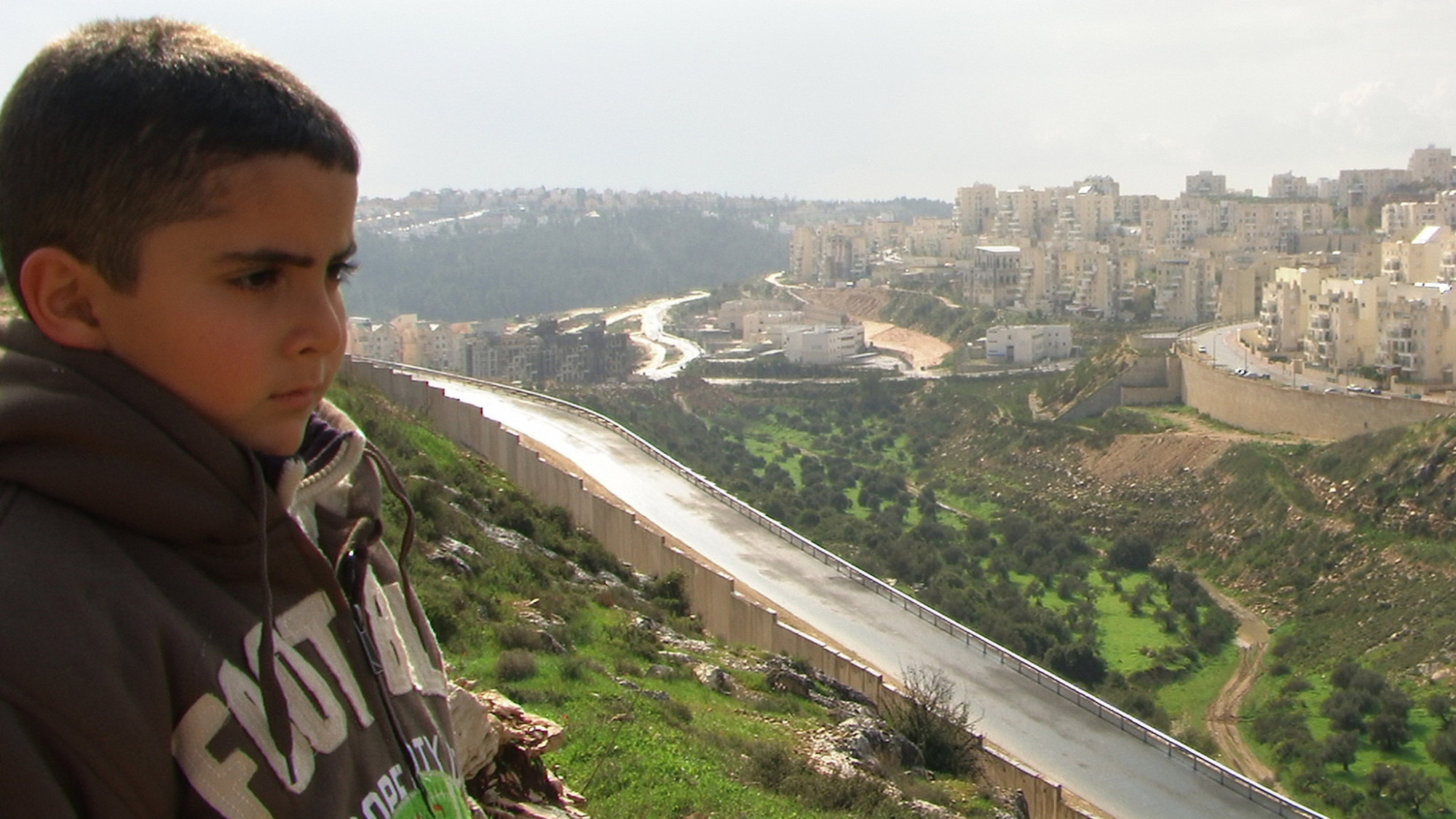
Instead of providing a documentary summary, this analysis focuses on a common characteristic of the Palestinian people as they lead different lives in their fractured country: the ethics of resistance. For generations, the situation in which the Palestinian people have been born has compelled them to endure suffering and develop a strong resolve to stand against it. Hence, it is worth reminding that the only way for Palestinians to realize themselves is to die in the very land where they were born. There are many stories against almost a century of occupation. Yes, stories against occupation. We see that while Israel speaks with tanks, rifles, and bombs, Palestinians have told stories and created epics. I will not note that this is more effective than tanks and rifles, because children opening their eyes amid the smell of tear gas and rubbles do not know that. The documentary Samouni Road by anthropologist director Stefano Savona, who tells the stories of Palestinians through their voices, and 5 Broken Cameras, a documentary by Emad Burnat, who recorded the events in his region with his own camera, focus on what happened in Gaza and the West Bank. Both documentaries are filmed by very different people but are very similar.

The Family as a Way of Resistance

Samouni Road is a documentary from 2018 that focuses on a family affected by Israel’s Operation Cast Lead in the winter of 2008-2009, where thousands of people lost their lives and were injured. The film tells the story of the massacre of 29 Palestinian farmers’ families in a small village in Gaza in a profoundly disturbing way by Italian documentary filmmaker Stefano Savona. The documentary is combined with the animations of Simone Massi, known for his poetic documentary style by festival enthusiasts. The animation footage adds a multi-layered dimension to the film. Massi’s simple, shaky lines bring the village back to its state during the period when life revolved around a 150-year-old oak tree. Ateya Samouni and his three brothers, a close-knit family deeply connected to the land they own, live in one of the houses surrounding the tree.

“Children, storytelling is what distinguishes humans from animals.”

The Samouni family is preparing for a wedding, their first celebration after the infamous operation. In the opening scene, cloaked in a deceptive silence, we see the victims of every war: children. At the same time, we continue to follow the memories of children, symbols of purity and the future. Amal is one of those children. Still grappling with physical and mental wounds, she says, “I don’t know how to tell a story.” Standing in a now-empty space where there used to be a fig tree, she talks to the camera, drawing on the dirt with a stick, recounting the loss of her father and brother. According to her mother’s account, Amal is a girl who was left to die under the rubble for days and still lives with a piece of shrapnel in her head. As a viewer, you learn such details about the characters in the most emphatic way possible. The story is narrated through the deteriorating daily lives of all family members because of the blockade. As the family’s daily routine unfolds, animated footages allow the audience to go back in time and learn about the details of the operation.

In my opinion, one thing that makes this documentary special is the director’s identity as an anthropologist. We witness the harshness of Israel during the conflicts, as well as the culture, mercy, and resistance of the Palestinians. We also see how challenging it is for the civilian population even to mourn the dead and how they become politicized from birth, conveyed through the conversations between a father and his children. The father is a fantastic storyteller narrating stories from the Quran and remarks that storytelling is what distinguishes people from animals. In this sense, the film also highlights that the loss of storytelling is precisely what was lost with the death of the older generation. One of the things the director highlights is the stance of political parties in Gaza after the conflicts. Political parties often reach out to the families of deceased individuals and offer to adopt and support the martyrs. In exchange for mentioning the names of these martyrs in various protests, demonstrations such as strikes, and political party rallies, they provide financial support to their families for the funerals. And it is portrayed as the political parties appropriating the martyrs for their own profit. It might be unethical for political parties to use the name of someone who is not a member of their party in return for helping citizens who have lost their children. However, we don’t know whether the martyr, whose name is written on the party’s banner at the ceremony we saw in the documentary, was a member or sympathizer of that party. Additionally, to what extent is there a lack of connection between the civil and political resistance in Gaza? Another question that comes to mind is, “If this had not been shown, would Savona still have won the Cannes award?” Still, Samouni Road is a testimony worth watching.

We witness the harshness of Israel during the conflicts, as well as the culture, mercy, and resistance of the Palestinians. We also see how challenging it is for the civilian population even to mourn the dead and how they become politicized from birth, conveyed through the conversations between a father and his children.

In 5 Broken Cameras, we witness the stages of uprooting olive trees, reminiscent of the fate of the fig tree repeatedly mentioned in Samouni Road. The trees, symbolizing Palestinians who are being displaced by Israel, are uprooted by bulldozers along with their roots. These moments are recorded by Emad Burnat, who did not originally intend to be a film director; however, it is an impulse for him to document things constantly. Whenever there is any event or ceremony, everyone calls him. A Palestinian living in the Bil’in village in the West Bank, Emad sent the footage he had recorded for five years with different cameras to Israeli director Guy Davidi, and the film was born. The film takes its name from the broken cameras during the clashes.

The trees, symbolizing Palestinians who are being displaced by Israel, are uprooted by bulldozers along with their roots. These moments are recorded by Emad Burnat, who did not originally intend to be a film director; however, it is an impulse for him to document things constantly.

5 Broken Cameras portrays the expansion of occupation in the Bil’in village over five years and the coming-of-age story of four children with different childhood experiences through the lens of Emad. Every Palestinian has a different way of coping with pain and Emad’s is to record what is happening. As he expresses, he feels protected when he has a camera in his hands, which reminded me of John Berger’s book Understanding a Photograph. “When we emerge from the photographs of agony back into our lives,” Berger says, “we often overlook the contrast produced by the camera shutter. In reality, any reaction to the captured moment is likely to be perceived as insufficient. To avoid feeling inadequate, we may experience temporary despair or indignation when confronted with a startling truth. Those who are there in the situation holding the hand of the dying perceive the moment differently than it appears on the screen.” I thought that Emad feeling protected while his camera is recording might be due to the distancing effect of the camera mentioned by Berger, which Emad refers to as an illusion.

In this film, we also see the importance of editing as a crucial tool distinguishing cinema from other art forms. The transformation of amateur recordings of Emad, who had no intention of making a film, into a captivating documentary is evident in the choices made in the sequence of these recordings.

Both documentaries show how optimistic Palestinians are, how they have developed solution-oriented creative resistance methods, and how they have succeeded in achieving nonviolent resistance. Palestinians have shown resistance beyond the armed struggle for years, trying every method and being a population not inclined towards war. Against Israel and the West, who hold all the media power, it is and will be necessary, as Emad puts it, to stubbornly “keep memories alive by filming while covering old wounds that have no time to heal with new ones.”


Tags: CinemaPalestinePalestinian ResistanceSamouni Road
Previous Post

Kamerayı Vurmasınlar

Next Post

Filistin’den Filistin’e Göç Edenler

Next Post

Filistin’den Filistin’e Göç Edenler

Bir yanıt yazın Yanıtı iptal et

E-posta adresiniz yayınlanmayacak. Gerekli alanlar * ile işaretlenmişlerdir

  • A Possible New Breath in Regional Balances: The Alliance of Türkiye, Pakistan, Egypt, and Saudi Arabia

    Bölgesel Dengelerde Olası Yeni Bir Soluk: Türkiye, Pakistan, Mısır ve Suudi Arabistan İttifakı

    0 shares
    Share 0 Tweet 0
  • Bilime Yön Verenler: Nobel Ödüllü Müslüman Bilim İnsanları

    0 shares
    Share 0 Tweet 0
  • Nakşibendi-Hakkani Tarikatı

    0 shares
    Share 0 Tweet 0
  • Fuad Sezgin

    0 shares
    Share 0 Tweet 0
  • Sosyal Medyada İslamcı-Muhafazakâr Kamusallığın Dönüşümü Üzerine

    0 shares
    Share 0 Tweet 0
  • The Gravity of What Took Place at Al-Aqsa Mosque During Ramadan 2026

    Ramazan 2026’da Mescid-i Aksa’da Yaşananların Ciddiyeti

    0 shares
    Share 0 Tweet 0
  • The Gravity of What Took Place at Al-Aqsa Mosque During Ramadan 2026

    0 shares
    Share 0 Tweet 0
  • FLA-JNIM Cooperation and Shifting Security Dynamics in Mali

    0 shares
    Share 0 Tweet 0
  • FLA-JNIM İş Birliği ve Mali’de Değişen Güvenlik Dinamikleri

    0 shares
    Share 0 Tweet 0
  • The Current State of Indonesia’s Luxury Industry and the Landscape of Independent Handcrafted Watchmaking

    0 shares
    Share 0 Tweet 0

Platform: Müslüman Dünyanın Gündemi, Müslüman toplumların fikrî, siyasi, sosyal, ekonomik ve kültürel gündemlerini takip ve tahlil edip Müslüman dünyaya dair güncel ve özgün perspektifler sunmayı amaçlayan bir yayın organı olarak İLKE İlim Kültür Eğitim Vakfı bünyesinde kurulmuştur.

  • SAYILAR
  • ANALİZLER
  • HABERLER
  • SÖYLEŞİLER
  • DÜNYADAN SESLER
  • platform@ilke.org.tr
  • (0216) 310 43 18
  • Aziz Mahmut Hüdayi Mah. Türbe Kapısı Sk. No: 13 Üsküdar, İstanbul

2025 @ PLATFORM bir İLKE Vakfı kuruluşudur. Tüm hakları saklıdır. 

No Result
View All Result
  • Home
  • Analizler
  • Haberler
  • Söyleşiler
  • Dünyadan Sesler