


İLKE Vakfı
Platform
No Result
View All Result
  • PLATFORM
  • HABERLER
    İLKE Agenda: Muzzammil Ayyub Thakur ile Keşmir’in “Filistinleştirilmesi”

    İLKE Agenda: Muzzammil Ayyub Thakur ile Keşmir’in “Filistinleştirilmesi”

    İLKE Agenda: Muzzammil Ayyub Thakur ile Keşmir’in “Filistinleştirilmesi”

    The Platform Talks: Kinda Hawasli ile 8 Aralık Sonrası Suriye

    İLKE Agenda: Muzzammil Ayyub Thakur ile Keşmir’in “Filistinleştirilmesi”

    The Platform Talks: Azzam Tamimi ile 7 Ekim Sonrası Filistin

    İLKE Agenda: Muzzammil Ayyub Thakur ile Keşmir’in “Filistinleştirilmesi”

    İLKE Agenda: Gazze Soykırımı Günlerinde Aktivizm ve İslamofobi

    Filistin Sempozyumu: Filistin ve Küresel İlişkilerin Geleceği

    Filistin Sempozyumu: Filistin ve Küresel İlişkilerin Geleceği

    Filistin Sempozyumu: Filistin ve Küresel İlişkilerin Geleceği

    Müslüman Dünyada Çağdaş Düşünce Konferansı’nda buluşuyoruz!

    Filistin Sempozyumu: Filistin ve Küresel İlişkilerin Geleceği

    Müslüman Dünyada Çağdaş Düşünce Konferansı

    Filistin Sempozyumu: Filistin ve Küresel İlişkilerin Geleceği

    Dr. Jonathan Brown “İslam’ın Siyahiliğe ve Köleliğe Yaklaşımı” adlı seminer gerçekleştirdi.

  • ANALİZLER
    • All
    • Düşünce
    • Eğitim
    • Ekonomi
    • Enerji ve Çevre
    • Göç
    • Medya, Kültür ve Sanat
    • Temel Hak ve Özgürlükler
    • Toplumsal Meseleler
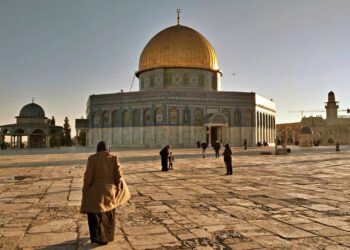
    The Gravity of What Took Place at Al-Aqsa Mosque During Ramadan 2026

    Ramazan 2026’da Mescid-i Aksa’da Yaşananların Ciddiyeti

    AFP/GETTY IMAGES

    FLA-JNIM İş Birliği ve Mali’de Değişen Güvenlik Dinamikleri

    Sosyal Medyada İslamcı-Muhafazakâr Kamusallığın Dönüşümü Üzerine

    Sosyal Medyada İslamcı-Muhafazakâr Kamusallığın Dönüşümü Üzerine

    Bangladeş’te 2026 Seçimleri Sonrası Siyasi Tartışmalar

    Bangladeş’te 2026 Seçimleri Sonrası Siyasi Tartışmalar

    Filistin’de Çocuk Olmak: 5 Nisan Filistinli Çocuklar Günü

    Filistin’de Çocuk Olmak: 5 Nisan Filistinli Çocuklar Günü

    Security, Fragility, and the Search for a New Equilibrium in the Gulf Following the Iranian Attacks

    İran Saldırıları Sonrası Körfez’de Güvenlik, Kırılganlık ve Yeni Denge Arayışı

  • SÖYLEŞİLER
    The Decolonization of Knowledge: Interview with Professor Souleymane Bachir Diagne

    Bilginin Dekolonizasyonu: Profesör Souleymane Bachir Diagne ile Röportaj

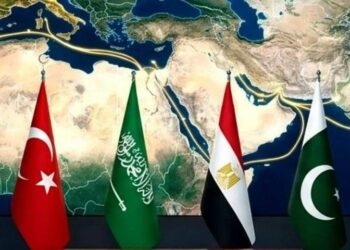
    A Possible New Breath in Regional Balances: The Alliance of Türkiye, Pakistan, Egypt, and Saudi Arabia

    Bölgesel Dengelerde Olası Yeni Bir Soluk: Türkiye, Pakistan, Mısır ve Suudi Arabistan İttifakı

    Digital Ummah and Muslim Identity: Dr. Sahar Khamis Interview

    Dijital Ümmet ve Müslüman Kimliği: Dr. Sahar Khamis ile Röportaj

    From the Ballot Box to the Street: The Rising Social Wave in Tanzania After the Election

    Sandıktan Sokağa: Tanzanya’da Seçim Sonrası Yükselen Toplumsal Dalga

    Müslüman Nüfusa Karşı Güvenlikleştirme

    Müslüman Nüfusa Karşı Güvenlikleştirme

    Gurbet Hikayeleri

    Gurbet Hikayeleri

    Göçü Yönetmek: Dr. Mehmet Köse’yle Söyleşi

    Göçü Yönetmek: Dr. Mehmet Köse’yle Söyleşi

    İstanbul’daki Uluslararası Öğrencilerle Söyleşi

    İstanbul’daki Uluslararası Öğrencilerle Söyleşi

    Zaytuna College Lisansüstü Eğitim Dekanı Maşuk Yamaç’la Söyleşi

    Zaytuna College Lisansüstü Eğitim Dekanı Maşuk Yamaç’la Söyleşi

  • DÜNYADAN SESLER
    Voices from the Muslim World | Sari Hanafi (with Turkish subtitles)

    Voices from the Muslim World | Sari Hanafi (with Turkish subtitles)

    Voices from the Muslim World | Ovamir Anjum

    Voices from the Muslim World | Ovamir Anjum

    VOICES FROM THE MUSLIM WORLD | DR. YASIR QADHI

    VOICES FROM THE MUSLIM WORLD | DR. YASIR QADHI

    VOICES FROM THE MUSLIM WORLD | DR. ADEEL MALIK

    VOICES FROM THE MUSLIM WORLD | DR. ADEEL MALIK

  • SAYILAR
  • VERİTABANI
    • All
    • Hareketler
    • Kurumlar
    • Şahsiyetler
    Pak-Türk Maarif

    Pak-Türk Maarif

    İslam Vakfı

    İslam Vakfı

    Avrupa Fetva ve Araştırma Konseyi

    Avrupa Fetva ve Araştırma Konseyi

    Tokyo Camii ve Diyanet Türk Kültür Merkezi

    Tokyo Camii ve Diyanet Türk Kültür Merkezi

  • PLATFORM
  • HABERLER
    İLKE Agenda: Muzzammil Ayyub Thakur ile Keşmir’in “Filistinleştirilmesi”

    İLKE Agenda: Muzzammil Ayyub Thakur ile Keşmir’in “Filistinleştirilmesi”

    İLKE Agenda: Muzzammil Ayyub Thakur ile Keşmir’in “Filistinleştirilmesi”

    The Platform Talks: Kinda Hawasli ile 8 Aralık Sonrası Suriye

    İLKE Agenda: Muzzammil Ayyub Thakur ile Keşmir’in “Filistinleştirilmesi”

    The Platform Talks: Azzam Tamimi ile 7 Ekim Sonrası Filistin

    İLKE Agenda: Muzzammil Ayyub Thakur ile Keşmir’in “Filistinleştirilmesi”

    İLKE Agenda: Gazze Soykırımı Günlerinde Aktivizm ve İslamofobi

    Filistin Sempozyumu: Filistin ve Küresel İlişkilerin Geleceği

    Filistin Sempozyumu: Filistin ve Küresel İlişkilerin Geleceği

    Filistin Sempozyumu: Filistin ve Küresel İlişkilerin Geleceği

    Müslüman Dünyada Çağdaş Düşünce Konferansı’nda buluşuyoruz!

    Filistin Sempozyumu: Filistin ve Küresel İlişkilerin Geleceği

    Müslüman Dünyada Çağdaş Düşünce Konferansı

    Filistin Sempozyumu: Filistin ve Küresel İlişkilerin Geleceği

    Dr. Jonathan Brown “İslam’ın Siyahiliğe ve Köleliğe Yaklaşımı” adlı seminer gerçekleştirdi.

  • ANALİZLER
    • All
    • Düşünce
    • Eğitim
    • Ekonomi
    • Enerji ve Çevre
    • Göç
    • Medya, Kültür ve Sanat
    • Temel Hak ve Özgürlükler
    • Toplumsal Meseleler
    The Gravity of What Took Place at Al-Aqsa Mosque During Ramadan 2026

    Ramazan 2026’da Mescid-i Aksa’da Yaşananların Ciddiyeti

    AFP/GETTY IMAGES

    FLA-JNIM İş Birliği ve Mali’de Değişen Güvenlik Dinamikleri

    Sosyal Medyada İslamcı-Muhafazakâr Kamusallığın Dönüşümü Üzerine

    Sosyal Medyada İslamcı-Muhafazakâr Kamusallığın Dönüşümü Üzerine

    Bangladeş’te 2026 Seçimleri Sonrası Siyasi Tartışmalar

    Bangladeş’te 2026 Seçimleri Sonrası Siyasi Tartışmalar

    Filistin’de Çocuk Olmak: 5 Nisan Filistinli Çocuklar Günü

    Filistin’de Çocuk Olmak: 5 Nisan Filistinli Çocuklar Günü

    Security, Fragility, and the Search for a New Equilibrium in the Gulf Following the Iranian Attacks

    İran Saldırıları Sonrası Körfez’de Güvenlik, Kırılganlık ve Yeni Denge Arayışı

  • SÖYLEŞİLER
    The Decolonization of Knowledge: Interview with Professor Souleymane Bachir Diagne

    Bilginin Dekolonizasyonu: Profesör Souleymane Bachir Diagne ile Röportaj

    A Possible New Breath in Regional Balances: The Alliance of Türkiye, Pakistan, Egypt, and Saudi Arabia

    Bölgesel Dengelerde Olası Yeni Bir Soluk: Türkiye, Pakistan, Mısır ve Suudi Arabistan İttifakı

    Digital Ummah and Muslim Identity: Dr. Sahar Khamis Interview

    Dijital Ümmet ve Müslüman Kimliği: Dr. Sahar Khamis ile Röportaj

    From the Ballot Box to the Street: The Rising Social Wave in Tanzania After the Election

    Sandıktan Sokağa: Tanzanya’da Seçim Sonrası Yükselen Toplumsal Dalga

    Müslüman Nüfusa Karşı Güvenlikleştirme

    Müslüman Nüfusa Karşı Güvenlikleştirme

    Gurbet Hikayeleri

    Gurbet Hikayeleri

    Göçü Yönetmek: Dr. Mehmet Köse’yle Söyleşi

    Göçü Yönetmek: Dr. Mehmet Köse’yle Söyleşi

    İstanbul’daki Uluslararası Öğrencilerle Söyleşi

    İstanbul’daki Uluslararası Öğrencilerle Söyleşi

    Zaytuna College Lisansüstü Eğitim Dekanı Maşuk Yamaç’la Söyleşi

    Zaytuna College Lisansüstü Eğitim Dekanı Maşuk Yamaç’la Söyleşi

  • DÜNYADAN SESLER
    Voices from the Muslim World | Sari Hanafi (with Turkish subtitles)

    Voices from the Muslim World | Sari Hanafi (with Turkish subtitles)

    Voices from the Muslim World | Ovamir Anjum

    Voices from the Muslim World | Ovamir Anjum

    VOICES FROM THE MUSLIM WORLD | DR. YASIR QADHI

    VOICES FROM THE MUSLIM WORLD | DR. YASIR QADHI

    VOICES FROM THE MUSLIM WORLD | DR. ADEEL MALIK

    VOICES FROM THE MUSLIM WORLD | DR. ADEEL MALIK

  • SAYILAR
  • VERİTABANI
    • All
    • Hareketler
    • Kurumlar
    • Şahsiyetler
    Pak-Türk Maarif

    Pak-Türk Maarif

    İslam Vakfı

    İslam Vakfı

    Avrupa Fetva ve Araştırma Konseyi

    Avrupa Fetva ve Araştırma Konseyi

    Tokyo Camii ve Diyanet Türk Kültür Merkezi

    Tokyo Camii ve Diyanet Türk Kültür Merkezi

No Result
View All Result
Platform
No Result
View All Result
Home Analyses

Dr. Husna Ahmad’s Perspective on Environmental Ethics

Ceyda Bostancı by Ceyda Bostancı
7 Kasım 2025
in Analyses, Energy and Environment
0
Dr. Husna Ahmad’s Perspective on Environmental Ethics
0
SHARES
1
VIEWS
Share on FacebookShare on Twitter

The climate crisis, a problem that primarily has been caused by the developed countries, largely affects developing or less developed nations. Every year, budget discussions, climate change adaptation, and technology transfer issues are debated to address the damages caused by the climate crisis in the developing countries.

Since the 1990s, in these ongoing debates, the principle of “sustainable development” and the concept of “common but differentiated responsibilities and respective capabilities”, based on the justice on environmental issues, have been adopted. As the discourse for achieving environmental justice evolves, the way Muslim communities approach environmental ethics and justice becomes increasingly crucial. Dr. Husna Ahmad has made a significant contribution to Islamic ecological studies by introducing fresh perspectives that emphasize the integration of environmental ethics, belief systems, and the role of women within Muslim societies. Husna Ahmad, the founder of the civil society organization Global One and the Secretary-General of the World Muslim Leadership Forum, serves as the coordinator for the Alliance of NGOs in South-South Cooperation (ANSSC), a collaboration between the United Nations Office for South-South Cooperation (UNOSSC) and various South-South Cooperation NGOs. With a history of diverse roles within civil society organizations, Dr. Ahmad also holds the position of Co-Chair of the Interfaith Advisory Council of the United Nations’ Inter-Agency Task Force on Religion and Development. She is also a board member of “Faith in Water, Faith for the Climate” and the Palmers Green Mosque (The MCEC).

Husna Ahmad’s contributions stand out from other ecological writings due to her distinctive “faith-centred” approach. However, her approach goes beyond merely advocating for a belief-based environmental ethic; she emphasizes the integration of faith and women. This is evident through her organization, Global One, where she leads campaigns addressing crises faced by women and children. This holistic perspective underscores her dedication to driving meaningful change by considering both faith and gender dynamic.

In Husna Ahmad’s view, the discourse on environment and ecology encompasses crucial principles: development eco-consciousness, purification, and sustenance. Rooted in Islamic tradition, Ahmad endeavours to construct her environmental perspective by associating these principles with contemporary relevance. By examining these facets, she draws parallels between Hazrat Khadijah’s struggle for water accessibility and Hazrat Yusuf’s response to scarcity, contextualizing them within present-day challenges.

Dr. Ahmad formulates the “eco-consciousness” perspective by intricately weaving the notions of sustenance and purification. Her ultimate objective is to revitalize the perception of security within Muslim societies and reshape their approach to environmental concerns, utilizing this perspective as a catalyst for change. 

Continuity of Faith and Purification: Water and Islam

The defining word that best characterizes the author is “awareness.” Describing the significance of the relationship between water and Islam, the author positions it within Islamic teachings and emphasizes that water is fundamentally necessary for both physical and spiritual purification. The author aims to raise awareness among women about the intersection of climate change and water scarcity, employing the metaphor of Hagar (Hajjar) and her connection to water—an essential element in Muslims’ lives and worship. In pursuit of these goals, Dr. Husna Ahmad authored a promotional pamphlet titled “Islam and Water: The Hajjar (ra) Story and Guide.” The pamphlet focuses on Hagar’s journey in the desert, highlighting her unwavering surrender to Allah during her time of hardship. Drawing from Hagar’s spirit of submission in the desert, the author addresses Muslim women, emphasizing that awareness is rooted in being content with “Allah’s actions.”

The author highlights three critical points in Hagar’s story and asserts that this narrative is the “story of the continuity of faith.” Secondly, water serves as a crucial source for sustaining human life. Thirdly, the author emphasizes the incorporation of women’s actions in the continuity of faith (Obe, 2011, p. 7). According to Ahmad, contentment is intertwined with continuity. The execution of an action should occur “within the continuity of faith,” regardless of whether it pertains to the past, present, or future. The continuity of faith brings about a sense of temporal wholeness. As a result, the author illustrates how Muslim communities can connect these narratives to various stages of human societal life, emphasizing that they remain central.

The author delves into the importance of conserving water due to the prevalent water scarcity. The present-day reality of 1.1 billion people lacking access to clean water is starkly presented by the author. Furthermore, the tragic toll of 1.5 million children’s lives lost annually due to insufficient clean water and hygiene is highlighted, making a poignant case for Muslims to take up the responsibility of ensuring safe water access (Obe, 2011, p. 11).

In addition, the author draws attention to the powerful lesson from Hagar’s pursuit of the Zamzam well, asserting that this lesson reaches beyond Muslim women to resonate with women globally. This narrative’s significance is underscored as a story from which all can learn (Obe, 2011, p. 7).

Dr. Husna Ahmad introduces a novel perspective on environmental issues by placing women’s beliefs at the core of ecological challenges. She articulates how women, guided by the narrative of Hagar and water, can offer distinct responses to environmental issues, offering an innovative outlook on environmental concerns.

Rızq: Islamic Agriculture and Protective Farming

Dr. Husna Ahmad examines how our contemporary agricultural practices can be reinterpreted from an Islamic perspective. By doing so, she facilitates a reconsideration of sustainable development, a prevalent approach today, through the lens of Islam. In collaboration with The Alliance of Religions and Conservation (ARC) and Global One, she has prepared a work titled “An Islamic Agriculture Toolkit for Protective Farming”. This project delves into the norms and practices of Islamic agriculture, offering a comprehensive exploration in partnership with these organizations.

“Ahmad underlines that many practices in today’s sustainable agriculture have their origins in the Islamic agricultural revolution but points out that these practices have been lost in Muslim societies.”

She questions the need for a faith-centred agricultural perspective in our current world (Obe, n.d., p. 8). According to Husna Ahmad, the success of the Islamic agricultural revolution was influenced by four key approaches: organizing land management according to Islamic principles, innovative irrigation methods, enhanced agricultural techniques, and the introduction of new crops (Obe, 2015, p. 12). At the heart of these practices lies the concept of sustenance (rizq). According to the author, the concept of sustenance differs from that of a mere gift (hiba), emphasizing its correlation with human actions and submission to Allah (Obe, 2015, p. 19).

The author indicates that the management of scarcity and abundance, as exemplified in the story of Prophet Joseph (Yusuf), serves as an agricultural management model. Within this agricultural management model, the concept of sustenance (rizq) prominently manifests as a norm. In this narrative, the periods of scarcity and abundance, equitable distribution, and sharing, alongside actions of preservation, take the centre stage. Drawing from this story, the author explains that when providing sustenance to communities, Allah expects individuals to engage in five actions: mindfulness (takva), reliance (tevekkül), prayer (namaz), repentance (tövbe), and charitable giving (infak). Guided by these principles, the author proposes the enhancement of Islamic agricultural practices. In her work titled “An Islamic Agriculture Toolkit for Protective Farming,” she discusses avenues that encompass the planning of the agricultural process to the market release of the product. 

The Age of Eco-Consciousness: Green Hajj

Dr. Husna Ahmad underscores the importance of ecological sensitivity in the actions of Muslims, emphasizing the need for steps towards promoting a “Green Hajj”. According to her perspective, it is crucial to raise awareness among pilgrims about key issues such as transportation, waste management, and consumption during the Hajj season, contributing to a deeper understanding of the pilgrimage’s essence (Green Prophet, 2011). Stemming from this viewpoint, Dr. Ahmad has meticulously crafted a resource named the “Green Guide to the Hajj” aimed at guiding pilgrims and travellers to adopt ecologically responsible practices during their Hajj and Umrah journeys. 

Describing the Hajj season as a period of “eco-consciousness,” Ahmad highlights that it presents an ideal opportunity for individuals to establish a meaningful connection with the environment (Green Prophet, 2011). The author also suggests that during the pilgrimage, recalling the story of Hajar can serve as a valuable reminder, urging Muslim communities to form a “conscious-awareness” centred approach to responsibility, as they navigate the intricate relationship between belief and the environment. 

Resources

Global One (n.d.). Empower Women and Girls. https://globalone. org.uk/dignity-kits/

Green Prophet (2011,). Interview With Green Hajj Expert Husna Ahmed. https://www.greenprophet.com/2011/11/ interview-hajj-husna-ahmed/

Moussa, N. K. (n.d.) Re-examining the Islamic agriculture revolution.

Obe, H. A. (2011). Islam and Water the Hajjar (r.a.) Story and Guide.

Obe, H. A. (2015). Islamic Farming: A Toolkit for Conservation Agriculture. UK: ARC and Global One.

Tags: Environmental EthicsHusna Ahmad
Previous Post

Husna Ahmad’ın Çevre Etiği Perspektifi

Next Post

İklim Değişikliği İnsani Yardımın Geleceğini Nasıl Etkileyecek?

Next Post
How Will Climate Change Affect the Future of Humanitarian Aid?

İklim Değişikliği İnsani Yardımın Geleceğini Nasıl Etkileyecek?

Bir yanıt yazın Yanıtı iptal et

E-posta adresiniz yayınlanmayacak. Gerekli alanlar * ile işaretlenmişlerdir

  • A Possible New Breath in Regional Balances: The Alliance of Türkiye, Pakistan, Egypt, and Saudi Arabia

    Bölgesel Dengelerde Olası Yeni Bir Soluk: Türkiye, Pakistan, Mısır ve Suudi Arabistan İttifakı

    0 shares
    Share 0 Tweet 0
  • Nakşibendi-Hakkani Tarikatı

    0 shares
    Share 0 Tweet 0
  • Bilime Yön Verenler: Nobel Ödüllü Müslüman Bilim İnsanları

    0 shares
    Share 0 Tweet 0
  • Fuad Sezgin

    0 shares
    Share 0 Tweet 0
  • Sosyal Medyada İslamcı-Muhafazakâr Kamusallığın Dönüşümü Üzerine

    0 shares
    Share 0 Tweet 0
  • The Gravity of What Took Place at Al-Aqsa Mosque During Ramadan 2026

    Ramazan 2026’da Mescid-i Aksa’da Yaşananların Ciddiyeti

    0 shares
    Share 0 Tweet 0
  • The Gravity of What Took Place at Al-Aqsa Mosque During Ramadan 2026

    0 shares
    Share 0 Tweet 0
  • FLA-JNIM Cooperation and Shifting Security Dynamics in Mali

    0 shares
    Share 0 Tweet 0
  • FLA-JNIM İş Birliği ve Mali’de Değişen Güvenlik Dinamikleri

    0 shares
    Share 0 Tweet 0
  • The Current State of Indonesia’s Luxury Industry and the Landscape of Independent Handcrafted Watchmaking

    0 shares
    Share 0 Tweet 0

Platform: Müslüman Dünyanın Gündemi, Müslüman toplumların fikrî, siyasi, sosyal, ekonomik ve kültürel gündemlerini takip ve tahlil edip Müslüman dünyaya dair güncel ve özgün perspektifler sunmayı amaçlayan bir yayın organı olarak İLKE İlim Kültür Eğitim Vakfı bünyesinde kurulmuştur.

  • SAYILAR
  • ANALİZLER
  • HABERLER
  • SÖYLEŞİLER
  • DÜNYADAN SESLER
  • platform@ilke.org.tr
  • (0216) 310 43 18
  • Aziz Mahmut Hüdayi Mah. Türbe Kapısı Sk. No: 13 Üsküdar, İstanbul

2025 @ PLATFORM bir İLKE Vakfı kuruluşudur. Tüm hakları saklıdır. 

No Result
View All Result
  • Home
  • Analizler
  • Haberler
  • Söyleşiler
  • Dünyadan Sesler