










İLKE Vakfı
Platform
No Result
View All Result
  • PLATFORM
  • HABERLER
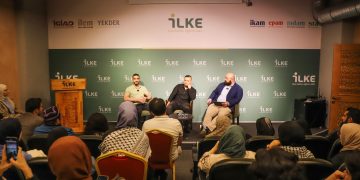
    İLKE Agenda: Muzzammil Ayyub Thakur ile Keşmir’in “Filistinleştirilmesi”

    İLKE Agenda: Muzzammil Ayyub Thakur ile Keşmir’in “Filistinleştirilmesi”

    İLKE Agenda: Muzzammil Ayyub Thakur ile Keşmir’in “Filistinleştirilmesi”

    The Platform Talks: Kinda Hawasli ile 8 Aralık Sonrası Suriye

    İLKE Agenda: Muzzammil Ayyub Thakur ile Keşmir’in “Filistinleştirilmesi”

    The Platform Talks: Azzam Tamimi ile 7 Ekim Sonrası Filistin

    İLKE Agenda: Muzzammil Ayyub Thakur ile Keşmir’in “Filistinleştirilmesi”

    İLKE Agenda: Gazze Soykırımı Günlerinde Aktivizm ve İslamofobi

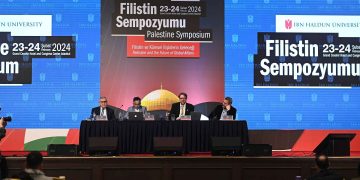
    Filistin Sempozyumu: Filistin ve Küresel İlişkilerin Geleceği

    Filistin Sempozyumu: Filistin ve Küresel İlişkilerin Geleceği

    Filistin Sempozyumu: Filistin ve Küresel İlişkilerin Geleceği

    Müslüman Dünyada Çağdaş Düşünce Konferansı’nda buluşuyoruz!

    Filistin Sempozyumu: Filistin ve Küresel İlişkilerin Geleceği

    Müslüman Dünyada Çağdaş Düşünce Konferansı

    Filistin Sempozyumu: Filistin ve Küresel İlişkilerin Geleceği

    Dr. Jonathan Brown “İslam’ın Siyahiliğe ve Köleliğe Yaklaşımı” adlı seminer gerçekleştirdi.

  • ANALİZLER
    • All
    • Düşünce
    • Eğitim
    • Ekonomi
    • Enerji ve Çevre
    • Göç
    • Medya, Kültür ve Sanat
    • Temel Hak ve Özgürlükler
    • Toplumsal Meseleler
    The Gravity of What Took Place at Al-Aqsa Mosque During Ramadan 2026

    Ramazan 2026’da Mescid-i Aksa’da Yaşananların Ciddiyeti

    AFP/GETTY IMAGES

    FLA-JNIM İş Birliği ve Mali’de Değişen Güvenlik Dinamikleri

    Sosyal Medyada İslamcı-Muhafazakâr Kamusallığın Dönüşümü Üzerine

    Sosyal Medyada İslamcı-Muhafazakâr Kamusallığın Dönüşümü Üzerine

    Bangladeş’te 2026 Seçimleri Sonrası Siyasi Tartışmalar

    Bangladeş’te 2026 Seçimleri Sonrası Siyasi Tartışmalar

    Filistin’de Çocuk Olmak: 5 Nisan Filistinli Çocuklar Günü

    Filistin’de Çocuk Olmak: 5 Nisan Filistinli Çocuklar Günü

    Security, Fragility, and the Search for a New Equilibrium in the Gulf Following the Iranian Attacks

    İran Saldırıları Sonrası Körfez’de Güvenlik, Kırılganlık ve Yeni Denge Arayışı

  • SÖYLEŞİLER
    The Decolonization of Knowledge: Interview with Professor Souleymane Bachir Diagne

    Bilginin Dekolonizasyonu: Profesör Souleymane Bachir Diagne ile Röportaj

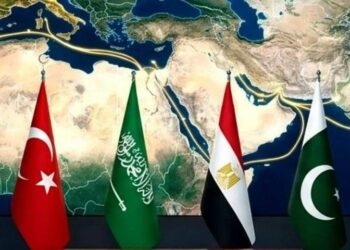
    A Possible New Breath in Regional Balances: The Alliance of Türkiye, Pakistan, Egypt, and Saudi Arabia

    Bölgesel Dengelerde Olası Yeni Bir Soluk: Türkiye, Pakistan, Mısır ve Suudi Arabistan İttifakı

    Digital Ummah and Muslim Identity: Dr. Sahar Khamis Interview

    Dijital Ümmet ve Müslüman Kimliği: Dr. Sahar Khamis ile Röportaj

    From the Ballot Box to the Street: The Rising Social Wave in Tanzania After the Election

    Sandıktan Sokağa: Tanzanya’da Seçim Sonrası Yükselen Toplumsal Dalga

    Müslüman Nüfusa Karşı Güvenlikleştirme

    Müslüman Nüfusa Karşı Güvenlikleştirme

    Gurbet Hikayeleri

    Gurbet Hikayeleri

    Göçü Yönetmek: Dr. Mehmet Köse’yle Söyleşi

    Göçü Yönetmek: Dr. Mehmet Köse’yle Söyleşi

    İstanbul’daki Uluslararası Öğrencilerle Söyleşi

    İstanbul’daki Uluslararası Öğrencilerle Söyleşi

    Zaytuna College Lisansüstü Eğitim Dekanı Maşuk Yamaç’la Söyleşi

    Zaytuna College Lisansüstü Eğitim Dekanı Maşuk Yamaç’la Söyleşi

  • DÜNYADAN SESLER
    Voices from the Muslim World | Sari Hanafi (with Turkish subtitles)

    Voices from the Muslim World | Sari Hanafi (with Turkish subtitles)

    Voices from the Muslim World | Ovamir Anjum

    Voices from the Muslim World | Ovamir Anjum

    VOICES FROM THE MUSLIM WORLD | DR. YASIR QADHI

    VOICES FROM THE MUSLIM WORLD | DR. YASIR QADHI

    VOICES FROM THE MUSLIM WORLD | DR. ADEEL MALIK

    VOICES FROM THE MUSLIM WORLD | DR. ADEEL MALIK

  • SAYILAR
  • VERİTABANI
    • All
    • Hareketler
    • Kurumlar
    • Şahsiyetler
    Pak-Türk Maarif

    Pak-Türk Maarif

    İslam Vakfı

    İslam Vakfı

    Avrupa Fetva ve Araştırma Konseyi

    Avrupa Fetva ve Araştırma Konseyi

    Tokyo Camii ve Diyanet Türk Kültür Merkezi

    Tokyo Camii ve Diyanet Türk Kültür Merkezi

  • PLATFORM
  • HABERLER
    İLKE Agenda: Muzzammil Ayyub Thakur ile Keşmir’in “Filistinleştirilmesi”

    İLKE Agenda: Muzzammil Ayyub Thakur ile Keşmir’in “Filistinleştirilmesi”

    İLKE Agenda: Muzzammil Ayyub Thakur ile Keşmir’in “Filistinleştirilmesi”

    The Platform Talks: Kinda Hawasli ile 8 Aralık Sonrası Suriye

    İLKE Agenda: Muzzammil Ayyub Thakur ile Keşmir’in “Filistinleştirilmesi”

    The Platform Talks: Azzam Tamimi ile 7 Ekim Sonrası Filistin

    İLKE Agenda: Muzzammil Ayyub Thakur ile Keşmir’in “Filistinleştirilmesi”

    İLKE Agenda: Gazze Soykırımı Günlerinde Aktivizm ve İslamofobi

    Filistin Sempozyumu: Filistin ve Küresel İlişkilerin Geleceği

    Filistin Sempozyumu: Filistin ve Küresel İlişkilerin Geleceği

    Filistin Sempozyumu: Filistin ve Küresel İlişkilerin Geleceği

    Müslüman Dünyada Çağdaş Düşünce Konferansı’nda buluşuyoruz!

    Filistin Sempozyumu: Filistin ve Küresel İlişkilerin Geleceği

    Müslüman Dünyada Çağdaş Düşünce Konferansı

    Filistin Sempozyumu: Filistin ve Küresel İlişkilerin Geleceği

    Dr. Jonathan Brown “İslam’ın Siyahiliğe ve Köleliğe Yaklaşımı” adlı seminer gerçekleştirdi.

  • ANALİZLER
    • All
    • Düşünce
    • Eğitim
    • Ekonomi
    • Enerji ve Çevre
    • Göç
    • Medya, Kültür ve Sanat
    • Temel Hak ve Özgürlükler
    • Toplumsal Meseleler
    The Gravity of What Took Place at Al-Aqsa Mosque During Ramadan 2026

    Ramazan 2026’da Mescid-i Aksa’da Yaşananların Ciddiyeti

    AFP/GETTY IMAGES

    FLA-JNIM İş Birliği ve Mali’de Değişen Güvenlik Dinamikleri

    Sosyal Medyada İslamcı-Muhafazakâr Kamusallığın Dönüşümü Üzerine

    Sosyal Medyada İslamcı-Muhafazakâr Kamusallığın Dönüşümü Üzerine

    Bangladeş’te 2026 Seçimleri Sonrası Siyasi Tartışmalar

    Bangladeş’te 2026 Seçimleri Sonrası Siyasi Tartışmalar

    Filistin’de Çocuk Olmak: 5 Nisan Filistinli Çocuklar Günü

    Filistin’de Çocuk Olmak: 5 Nisan Filistinli Çocuklar Günü

    Security, Fragility, and the Search for a New Equilibrium in the Gulf Following the Iranian Attacks

    İran Saldırıları Sonrası Körfez’de Güvenlik, Kırılganlık ve Yeni Denge Arayışı

  • SÖYLEŞİLER
    The Decolonization of Knowledge: Interview with Professor Souleymane Bachir Diagne

    Bilginin Dekolonizasyonu: Profesör Souleymane Bachir Diagne ile Röportaj

    A Possible New Breath in Regional Balances: The Alliance of Türkiye, Pakistan, Egypt, and Saudi Arabia

    Bölgesel Dengelerde Olası Yeni Bir Soluk: Türkiye, Pakistan, Mısır ve Suudi Arabistan İttifakı

    Digital Ummah and Muslim Identity: Dr. Sahar Khamis Interview

    Dijital Ümmet ve Müslüman Kimliği: Dr. Sahar Khamis ile Röportaj

    From the Ballot Box to the Street: The Rising Social Wave in Tanzania After the Election

    Sandıktan Sokağa: Tanzanya’da Seçim Sonrası Yükselen Toplumsal Dalga

    Müslüman Nüfusa Karşı Güvenlikleştirme

    Müslüman Nüfusa Karşı Güvenlikleştirme

    Gurbet Hikayeleri

    Gurbet Hikayeleri

    Göçü Yönetmek: Dr. Mehmet Köse’yle Söyleşi

    Göçü Yönetmek: Dr. Mehmet Köse’yle Söyleşi

    İstanbul’daki Uluslararası Öğrencilerle Söyleşi

    İstanbul’daki Uluslararası Öğrencilerle Söyleşi

    Zaytuna College Lisansüstü Eğitim Dekanı Maşuk Yamaç’la Söyleşi

    Zaytuna College Lisansüstü Eğitim Dekanı Maşuk Yamaç’la Söyleşi

  • DÜNYADAN SESLER
    Voices from the Muslim World | Sari Hanafi (with Turkish subtitles)

    Voices from the Muslim World | Sari Hanafi (with Turkish subtitles)

    Voices from the Muslim World | Ovamir Anjum

    Voices from the Muslim World | Ovamir Anjum

    VOICES FROM THE MUSLIM WORLD | DR. YASIR QADHI

    VOICES FROM THE MUSLIM WORLD | DR. YASIR QADHI

    VOICES FROM THE MUSLIM WORLD | DR. ADEEL MALIK

    VOICES FROM THE MUSLIM WORLD | DR. ADEEL MALIK

  • SAYILAR
  • VERİTABANI
    • All
    • Hareketler
    • Kurumlar
    • Şahsiyetler
    Pak-Türk Maarif

    Pak-Türk Maarif

    İslam Vakfı

    İslam Vakfı

    Avrupa Fetva ve Araştırma Konseyi

    Avrupa Fetva ve Araştırma Konseyi

    Tokyo Camii ve Diyanet Türk Kültür Merkezi

    Tokyo Camii ve Diyanet Türk Kültür Merkezi

No Result
View All Result
Platform
No Result
View All Result
Home Analyses

E-learning in the Libyan Higher Education

Aisha Ammar Almansuri by Aisha Ammar Almansuri
7 Kasım 2025
in Analyses, Education
0
E-learning in the Libyan Higher Education
0
SHARES
6
VIEWS
Share on FacebookShare on Twitter

Higher education in Libya is provided by universities and higher technical and vocational institutions. The University sector in Libya started in the early 1950s with the establishment of the Libyan University, which has campuses in Benghazi and Tripoli. The higher education system is financed by and under the authority of the state; however, the Open University is the only institute within the public sector that relies, to some extent, on tuition fees paid by students. In recent years, policymakers have allowed the creation of private institutions of higher education through what are known as educational cooperatives.

E-learning in Libyan Higher Education

Artemi & Aji (2009) stated that Libyan Higher Education Institutes (LHEIs) are grappling with a shortage of skilled specialists for programming and e-learning projects and high technical staff income rates. Bukhatowa (2010) believes that Libyan universities face challenges in improving education services, efficiency, and new teaching methods but can address these by improving teacher training, implementing e-technologies, and providing professional development. This is confirmed by Kenan (2013), who specified that most Libyan universities lack staff with formal qualifications in distance learning or e-learning due to the Ministry of Libyan Higher Education’s inability to recognize these modes of education as valid. However, the University of Tripoli introduced video-conferencing services for online examinations in 2003, similar in structure to the theoretical part of the UK driving test, but the Libyan government does not approve a degree obtained through either distance learning or e-learning. As stated by Othman (2013), the main challenges faced by the Libyan higher education sector in implementing ICT in daily teaching and learning are inadequate ICT infrastructures, insufficient network facilities and educational software products, lack of technical departments, Libyan specialists for online learning and language and cultural differences of teachers and students.

The main challenges faced by the Libyan higher education sector in implementing ICT in daily teaching and learning are inadequate ICT infrastructures, insufficient network facilities and educational software products, lack of technical departments, Libyan specialists for online learning and language and cultural differences of teachers and students.

On the other hand, Hamdi (2007) mentioned that the national policy for information and communications technology in Libyan education was launched in 2005, and a number of initiatives and projects were put forward before the revolution of February 17, 2011. For instance, in 2006, the Ministry of Vocational Training sent 200 post-graduate students from Libya to the UK for a one-year course in modern management techniques and education system management. In 2009, a 60 million e-learning pilot project was initiated. To further develop ICT in Libya, the Libyan General Company for Postal Services and Telecommunications provides ICT training for teachers and staff, including ICT for education. UNESCO and the Libyan government are collaborating on a National ICT project to establish Local Area Networks (LANs) and a Wide Area Network (WAN) for all 149 faculties, digital libraries, and ICT-enhanced learning solutions. The project also includes faculty and staff training, a national ICT resource center, and automation of university management systems.
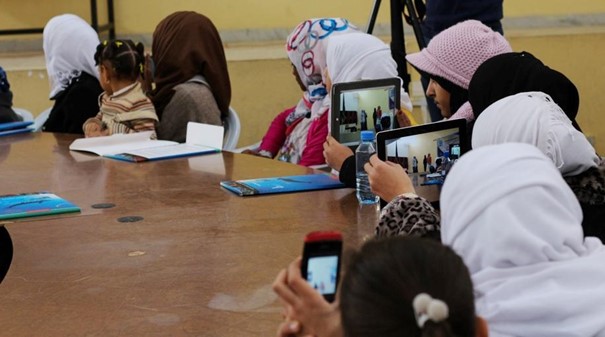
Workshop, Libya

Source: Saleh Deryag

Plans to Improve ICT in Libya

The Libyan government is working to improve education in Libya through large-scale projects to provide ICT infrastructure to institutions. According to Almansuri (2018), Information and Communication Technologies confirmed the government’s attitude toward providing better services for Libyan Citizens. They stated that Libya, after the revolution in 2011, has the approach of approving a new regulatory government for telecommunications as the Libyan Ministry of Communications and Informatics has chosen a high-level committee of telecommunication experts and lawyers from the ministry as well as from outside to draft a new Telecommunication Act. The new draft aims to perpetuate market competition, ensure high-quality services at competitive prices, and encourage private sector improvement in telecommunication services. Additionally, as an e-government strategy, the Ministry launched the e-Libya program to improve government services for all Libyans and businesses using modern communication networks and systems. Hence, it increased the accessibility of government services to citizens.

Furthermore, the National Communications and Informatics Strategy 2023-2027 published by the Communications and Informatics Authority (2023) sets various strategic objectives, including achieving accessible and affordable communications for all while promoting digital literacy, using ICT communications and information technology for good and effective governance, ensuring infrastructure security, including the integrity, confidentiality, and availability of all data systems used. The report also emphasizes the goal of improving economic growth and sustainable development through information and communications technology and preparing Libya to become the center of information and communications technology in Africa.

Recommendations for the Future of E-Learning in Libya

To achieve better e-learning applications in Libyan higher education, Almansuri (2018) suggested that Libyan universities and LHEIs need strategic planning to enhance their future and competitive advantage in the changing educational environment and emphasized that larger leadership, complex communication, and teamwork are crucial. Furthermore, he noted that HEIs should adopt new technologies, updated syllabuses, and quality assurance to improve competitiveness and formulate effective strategies. They should also determine how to use technology as a teaching tool and adapt their existing teaching methods to e-learning education.

Almansuri & Elmansuri (2015) provided additional recommendations for both government officials and academic and private institutions to enhance e-learning practices in Libyan higher education. Necessary actions suggested for the government include improving physical and ICT-related resources, providing funds and careful planning, sharing coordination and resources among institutions, increasing government-private sector partnerships, and integrating e-learning in the education system. On the other hand, academic and private institutions are encouraged to raise awareness of e-learning and ICT potential in Libyan institutions, supporting e-learning implementation by senior managers, allocating a fixed budget, and providing updated training for instructors on software and hardware changes. Moreover, they should enhance teaching and learning methods and provide training at different levels, improve learning management, curriculum management, and staff use, conduct research for future developments, and connect with advanced resources globally. These efforts would facilitate the successful integration of e-learning into Libyan higher education, enhancing the quality and accessibility of education for all stakeholders.

References

Almansuri, A.A. (2018). Libya. In: Weber, A., Hamlaoui, S. (Eds.) E-Learning in the Middle East and North Africa (MENA) Region. Springer, Cham. https://doi.org/10.1007/978-3-319-68999-9_11

Almansuri, A., & Elmansuri, R. (2015). Utilizing e-learning systems in the Libyan Universities: Case study. In Tripoli University International Conference E-Learning, 188–192. Retrieved from http://files.eric.ed.gov/fulltext/ED562466.pdf

Artemi, M., & Ajit, K. (2009). A SWOT analysis of e-learning model for the Libyan educational institutions. In The 3rd National Conference of Basic Science. Aljabal Algharbi: University of Gharian-Libya.

Bukhatowa, B., Porter, A., & Nelson, M. I. (2010). Emulating the best technology in teaching and learning mathematics: Challenges facing Libyan higher education. The Centre for Statistical and Survey Methodology Working Papers. Retrieved from http://ro.uow.edu.au/cssmwp/

Elzawi, A., Kenan, T., Wade, S., & Pislaru, C. (2012). Bridging the digital divide and enhancing the quality of engineering research in Libyan universities. In 6th Conference on Quality in Middle East, Hamdan Bin Mohammed University, 2012, Dubai.

General Authority for Communications and Informatics (2023). National Communications and Informatics Strategy 2023-2027.

Hamdy, A. (2007). ICT in Education in Libya, survey of ICT and education in Africa: Libya country report. Retrieved from http://www.infodev.org/en/Document.412.pdf

Kenan, T. (2015). Improving the effectiveness of e-learning implementation in the school of engineering at Tripoli University. Doctoral dissertation, University of Huddersfield, Huddersfield, UK.

Kenan, T., Pislaru, C., Elzawi, A., & Restoum, M. (2013). Improving the effectiveness of collaborative learning processes in Libyan higher education. The 8th International Conference for Internet Technology and Secured Transactions (ICITST). https://doi.org/10.1109/ICITST.2013.6750233

Othman, A., Impes, A., & Pislaru, C. (2013). Online interactive module for teaching a computer programming course. In Proceedings of the 12th European conference on eLearning, ECEL. Retrieved from http://eprints.hud.ac.uk/id/eprint/19628/

Tags: Higher EducationICTLibyan
Previous Post

Fear, Politics and Students in Kashmir

Next Post

Digitalization of Higher Education in Conflict-affected Societies

Next Post
Digitalization of Higher Education in Conflict-affected Societies

Digitalization of Higher Education in Conflict-affected Societies

Bir yanıt yazın Yanıtı iptal et

E-posta adresiniz yayınlanmayacak. Gerekli alanlar * ile işaretlenmişlerdir

  • A Possible New Breath in Regional Balances: The Alliance of Türkiye, Pakistan, Egypt, and Saudi Arabia

    Bölgesel Dengelerde Olası Yeni Bir Soluk: Türkiye, Pakistan, Mısır ve Suudi Arabistan İttifakı

    0 shares
    Share 0 Tweet 0
  • Nakşibendi-Hakkani Tarikatı

    0 shares
    Share 0 Tweet 0
  • Bilime Yön Verenler: Nobel Ödüllü Müslüman Bilim İnsanları

    0 shares
    Share 0 Tweet 0
  • Fuad Sezgin

    0 shares
    Share 0 Tweet 0
  • Sosyal Medyada İslamcı-Muhafazakâr Kamusallığın Dönüşümü Üzerine

    0 shares
    Share 0 Tweet 0
  • The Gravity of What Took Place at Al-Aqsa Mosque During Ramadan 2026

    Ramazan 2026’da Mescid-i Aksa’da Yaşananların Ciddiyeti

    0 shares
    Share 0 Tweet 0
  • The Gravity of What Took Place at Al-Aqsa Mosque During Ramadan 2026

    0 shares
    Share 0 Tweet 0
  • FLA-JNIM Cooperation and Shifting Security Dynamics in Mali

    0 shares
    Share 0 Tweet 0
  • FLA-JNIM İş Birliği ve Mali’de Değişen Güvenlik Dinamikleri

    0 shares
    Share 0 Tweet 0
  • The Current State of Indonesia’s Luxury Industry and the Landscape of Independent Handcrafted Watchmaking

    0 shares
    Share 0 Tweet 0

Platform: Müslüman Dünyanın Gündemi, Müslüman toplumların fikrî, siyasi, sosyal, ekonomik ve kültürel gündemlerini takip ve tahlil edip Müslüman dünyaya dair güncel ve özgün perspektifler sunmayı amaçlayan bir yayın organı olarak İLKE İlim Kültür Eğitim Vakfı bünyesinde kurulmuştur.

  • SAYILAR
  • ANALİZLER
  • HABERLER
  • SÖYLEŞİLER
  • DÜNYADAN SESLER
  • platform@ilke.org.tr
  • (0216) 310 43 18
  • Aziz Mahmut Hüdayi Mah. Türbe Kapısı Sk. No: 13 Üsküdar, İstanbul

2025 @ PLATFORM bir İLKE Vakfı kuruluşudur. Tüm hakları saklıdır. 

No Result
View All Result
  • Home
  • Analizler
  • Haberler
  • Söyleşiler
  • Dünyadan Sesler