


İLKE Vakfı
Platform
No Result
View All Result
  • PLATFORM
  • HABERLER
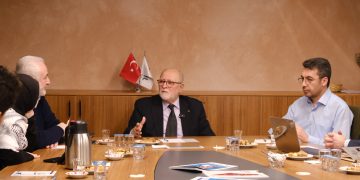
    İLKE Agenda: Muzzammil Ayyub Thakur ile Keşmir’in “Filistinleştirilmesi”

    İLKE Agenda: Muzzammil Ayyub Thakur ile Keşmir’in “Filistinleştirilmesi”

    İLKE Agenda: Muzzammil Ayyub Thakur ile Keşmir’in “Filistinleştirilmesi”

    The Platform Talks: Kinda Hawasli ile 8 Aralık Sonrası Suriye

    İLKE Agenda: Muzzammil Ayyub Thakur ile Keşmir’in “Filistinleştirilmesi”

    The Platform Talks: Azzam Tamimi ile 7 Ekim Sonrası Filistin

    İLKE Agenda: Muzzammil Ayyub Thakur ile Keşmir’in “Filistinleştirilmesi”

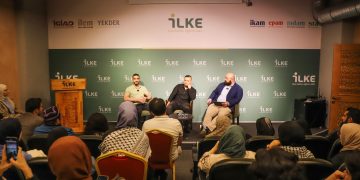
    İLKE Agenda: Gazze Soykırımı Günlerinde Aktivizm ve İslamofobi

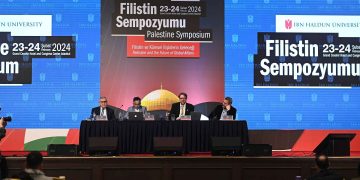
    Filistin Sempozyumu: Filistin ve Küresel İlişkilerin Geleceği

    Filistin Sempozyumu: Filistin ve Küresel İlişkilerin Geleceği

    Filistin Sempozyumu: Filistin ve Küresel İlişkilerin Geleceği

    Müslüman Dünyada Çağdaş Düşünce Konferansı’nda buluşuyoruz!

    Filistin Sempozyumu: Filistin ve Küresel İlişkilerin Geleceği

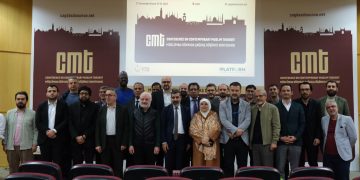
    Müslüman Dünyada Çağdaş Düşünce Konferansı

    Filistin Sempozyumu: Filistin ve Küresel İlişkilerin Geleceği

    Dr. Jonathan Brown “İslam’ın Siyahiliğe ve Köleliğe Yaklaşımı” adlı seminer gerçekleştirdi.

  • ANALİZLER
    • All
    • Düşünce
    • Eğitim
    • Ekonomi
    • Enerji ve Çevre
    • Göç
    • Medya, Kültür ve Sanat
    • Temel Hak ve Özgürlükler
    • Toplumsal Meseleler
    The Gravity of What Took Place at Al-Aqsa Mosque During Ramadan 2026

    Ramazan 2026’da Mescid-i Aksa’da Yaşananların Ciddiyeti

    AFP/GETTY IMAGES

    FLA-JNIM İş Birliği ve Mali’de Değişen Güvenlik Dinamikleri

    Sosyal Medyada İslamcı-Muhafazakâr Kamusallığın Dönüşümü Üzerine

    Sosyal Medyada İslamcı-Muhafazakâr Kamusallığın Dönüşümü Üzerine

    Bangladeş’te 2026 Seçimleri Sonrası Siyasi Tartışmalar

    Bangladeş’te 2026 Seçimleri Sonrası Siyasi Tartışmalar

    Filistin’de Çocuk Olmak: 5 Nisan Filistinli Çocuklar Günü

    Filistin’de Çocuk Olmak: 5 Nisan Filistinli Çocuklar Günü

    Security, Fragility, and the Search for a New Equilibrium in the Gulf Following the Iranian Attacks

    İran Saldırıları Sonrası Körfez’de Güvenlik, Kırılganlık ve Yeni Denge Arayışı

  • SÖYLEŞİLER
    The Decolonization of Knowledge: Interview with Professor Souleymane Bachir Diagne

    Bilginin Dekolonizasyonu: Profesör Souleymane Bachir Diagne ile Röportaj

    A Possible New Breath in Regional Balances: The Alliance of Türkiye, Pakistan, Egypt, and Saudi Arabia

    Bölgesel Dengelerde Olası Yeni Bir Soluk: Türkiye, Pakistan, Mısır ve Suudi Arabistan İttifakı

    Digital Ummah and Muslim Identity: Dr. Sahar Khamis Interview

    Dijital Ümmet ve Müslüman Kimliği: Dr. Sahar Khamis ile Röportaj

    From the Ballot Box to the Street: The Rising Social Wave in Tanzania After the Election

    Sandıktan Sokağa: Tanzanya’da Seçim Sonrası Yükselen Toplumsal Dalga

    Müslüman Nüfusa Karşı Güvenlikleştirme

    Müslüman Nüfusa Karşı Güvenlikleştirme

    Gurbet Hikayeleri

    Gurbet Hikayeleri

    Göçü Yönetmek: Dr. Mehmet Köse’yle Söyleşi

    Göçü Yönetmek: Dr. Mehmet Köse’yle Söyleşi

    İstanbul’daki Uluslararası Öğrencilerle Söyleşi

    İstanbul’daki Uluslararası Öğrencilerle Söyleşi

    Zaytuna College Lisansüstü Eğitim Dekanı Maşuk Yamaç’la Söyleşi

    Zaytuna College Lisansüstü Eğitim Dekanı Maşuk Yamaç’la Söyleşi

  • DÜNYADAN SESLER
    Voices from the Muslim World | Sari Hanafi (with Turkish subtitles)

    Voices from the Muslim World | Sari Hanafi (with Turkish subtitles)

    Voices from the Muslim World | Ovamir Anjum

    Voices from the Muslim World | Ovamir Anjum

    VOICES FROM THE MUSLIM WORLD | DR. YASIR QADHI

    VOICES FROM THE MUSLIM WORLD | DR. YASIR QADHI

    VOICES FROM THE MUSLIM WORLD | DR. ADEEL MALIK

    VOICES FROM THE MUSLIM WORLD | DR. ADEEL MALIK

  • SAYILAR
  • VERİTABANI
    • All
    • Hareketler
    • Kurumlar
    • Şahsiyetler
    Pak-Türk Maarif

    Pak-Türk Maarif

    İslam Vakfı

    İslam Vakfı

    Avrupa Fetva ve Araştırma Konseyi

    Avrupa Fetva ve Araştırma Konseyi

    Tokyo Camii ve Diyanet Türk Kültür Merkezi

    Tokyo Camii ve Diyanet Türk Kültür Merkezi

  • PLATFORM
  • HABERLER
    İLKE Agenda: Muzzammil Ayyub Thakur ile Keşmir’in “Filistinleştirilmesi”

    İLKE Agenda: Muzzammil Ayyub Thakur ile Keşmir’in “Filistinleştirilmesi”

    İLKE Agenda: Muzzammil Ayyub Thakur ile Keşmir’in “Filistinleştirilmesi”

    The Platform Talks: Kinda Hawasli ile 8 Aralık Sonrası Suriye

    İLKE Agenda: Muzzammil Ayyub Thakur ile Keşmir’in “Filistinleştirilmesi”

    The Platform Talks: Azzam Tamimi ile 7 Ekim Sonrası Filistin

    İLKE Agenda: Muzzammil Ayyub Thakur ile Keşmir’in “Filistinleştirilmesi”

    İLKE Agenda: Gazze Soykırımı Günlerinde Aktivizm ve İslamofobi

    Filistin Sempozyumu: Filistin ve Küresel İlişkilerin Geleceği

    Filistin Sempozyumu: Filistin ve Küresel İlişkilerin Geleceği

    Filistin Sempozyumu: Filistin ve Küresel İlişkilerin Geleceği

    Müslüman Dünyada Çağdaş Düşünce Konferansı’nda buluşuyoruz!

    Filistin Sempozyumu: Filistin ve Küresel İlişkilerin Geleceği

    Müslüman Dünyada Çağdaş Düşünce Konferansı

    Filistin Sempozyumu: Filistin ve Küresel İlişkilerin Geleceği

    Dr. Jonathan Brown “İslam’ın Siyahiliğe ve Köleliğe Yaklaşımı” adlı seminer gerçekleştirdi.

  • ANALİZLER
    • All
    • Düşünce
    • Eğitim
    • Ekonomi
    • Enerji ve Çevre
    • Göç
    • Medya, Kültür ve Sanat
    • Temel Hak ve Özgürlükler
    • Toplumsal Meseleler
    The Gravity of What Took Place at Al-Aqsa Mosque During Ramadan 2026

    Ramazan 2026’da Mescid-i Aksa’da Yaşananların Ciddiyeti

    AFP/GETTY IMAGES

    FLA-JNIM İş Birliği ve Mali’de Değişen Güvenlik Dinamikleri

    Sosyal Medyada İslamcı-Muhafazakâr Kamusallığın Dönüşümü Üzerine

    Sosyal Medyada İslamcı-Muhafazakâr Kamusallığın Dönüşümü Üzerine

    Bangladeş’te 2026 Seçimleri Sonrası Siyasi Tartışmalar

    Bangladeş’te 2026 Seçimleri Sonrası Siyasi Tartışmalar

    Filistin’de Çocuk Olmak: 5 Nisan Filistinli Çocuklar Günü

    Filistin’de Çocuk Olmak: 5 Nisan Filistinli Çocuklar Günü

    Security, Fragility, and the Search for a New Equilibrium in the Gulf Following the Iranian Attacks

    İran Saldırıları Sonrası Körfez’de Güvenlik, Kırılganlık ve Yeni Denge Arayışı

  • SÖYLEŞİLER
    The Decolonization of Knowledge: Interview with Professor Souleymane Bachir Diagne

    Bilginin Dekolonizasyonu: Profesör Souleymane Bachir Diagne ile Röportaj

    A Possible New Breath in Regional Balances: The Alliance of Türkiye, Pakistan, Egypt, and Saudi Arabia

    Bölgesel Dengelerde Olası Yeni Bir Soluk: Türkiye, Pakistan, Mısır ve Suudi Arabistan İttifakı

    Digital Ummah and Muslim Identity: Dr. Sahar Khamis Interview

    Dijital Ümmet ve Müslüman Kimliği: Dr. Sahar Khamis ile Röportaj

    From the Ballot Box to the Street: The Rising Social Wave in Tanzania After the Election

    Sandıktan Sokağa: Tanzanya’da Seçim Sonrası Yükselen Toplumsal Dalga

    Müslüman Nüfusa Karşı Güvenlikleştirme

    Müslüman Nüfusa Karşı Güvenlikleştirme

    Gurbet Hikayeleri

    Gurbet Hikayeleri

    Göçü Yönetmek: Dr. Mehmet Köse’yle Söyleşi

    Göçü Yönetmek: Dr. Mehmet Köse’yle Söyleşi

    İstanbul’daki Uluslararası Öğrencilerle Söyleşi

    İstanbul’daki Uluslararası Öğrencilerle Söyleşi

    Zaytuna College Lisansüstü Eğitim Dekanı Maşuk Yamaç’la Söyleşi

    Zaytuna College Lisansüstü Eğitim Dekanı Maşuk Yamaç’la Söyleşi

  • DÜNYADAN SESLER
    Voices from the Muslim World | Sari Hanafi (with Turkish subtitles)

    Voices from the Muslim World | Sari Hanafi (with Turkish subtitles)

    Voices from the Muslim World | Ovamir Anjum

    Voices from the Muslim World | Ovamir Anjum

    VOICES FROM THE MUSLIM WORLD | DR. YASIR QADHI

    VOICES FROM THE MUSLIM WORLD | DR. YASIR QADHI

    VOICES FROM THE MUSLIM WORLD | DR. ADEEL MALIK

    VOICES FROM THE MUSLIM WORLD | DR. ADEEL MALIK

  • SAYILAR
  • VERİTABANI
    • All
    • Hareketler
    • Kurumlar
    • Şahsiyetler
    Pak-Türk Maarif

    Pak-Türk Maarif

    İslam Vakfı

    İslam Vakfı

    Avrupa Fetva ve Araştırma Konseyi

    Avrupa Fetva ve Araştırma Konseyi

    Tokyo Camii ve Diyanet Türk Kültür Merkezi

    Tokyo Camii ve Diyanet Türk Kültür Merkezi

No Result
View All Result
Platform
No Result
View All Result
Home Analyses

Embodied Resistance: Muslim Women in the Dilemma of French Identity

Ayşenur Ergin by Ayşenur Ergin
7 Kasım 2025
in Analyses, Opinion
0
0
SHARES
1
VIEWS
Share on FacebookShare on Twitter

Since the events of September 11, the surge of Islamophobia in the West, notably amid the Arab Spring, has positioned France as one of the European nations where anti-Islamic incidents and rhetoric are most felt intensively. The French administration’s unease regarding the lifestyle and attire of Muslims has significantly influenced the government’s policies towards Muslim communities. In France, where Muslims make up 10% of the population (INSEE, 2023), understanding the historical processes underpinning the conflict involving religious identity and symbols is also crucial for understanding its contemporary manifestations. The presence of the immigrant and Muslim population in France, rooted in colonial history and subsequent migration movements, highlights the complexity of the current socio-cultural landscape.

During the colonial era, France asserted control over several Muslim-majority countries, including Algeria, Morocco, Egypt, Tunisia, Chad, and Senegal. The aftermath of these occupations witnessed a significant influx of migration from these regions to France, particularly following the conclusion of World Wars I and II. These migrations, driven by the pursuit of cheap labour and encompassing workforce movements, were predominantly undertaken by Muslims from the Maghreb countries. France, in response to these migrations, sought to address the labour gap in its factories with cheap labour, while immigrants, compelled to leave their nations under French colonial rule, aspired to attain a better life by settling in areas characterised by poor socioeconomic conditions (Yardım, 2017). Muslim immigrants, facing unfavourable living conditions such as low income, limited education, strenuous work, and marginalisation, were, in a sense, scapegoated and perceived as a significant security issue amid internal unrest and events like the Paris incidents. The visibility problem of Muslims, targeted, in a way, through denigrating discourses on their religious identities by the state, began to develop at this point (Özdemir, 2012).

France, aiming to create a homogeneous nation, pursues integration policies by prohibiting any religious and cultural symbols, particularly the attire of Muslim women.

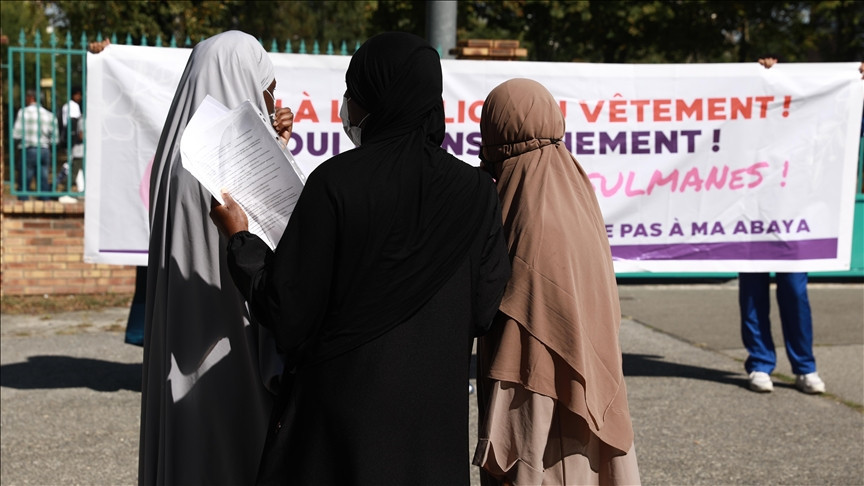
Muslims, whose visibility in the public sphere is claimed to have increased through their attire, religious rituals, and symbols, have been portrayed as a perceived threat due to identities deemed incompatible with French society. They have faced different forms of oppression and human rights violations, particularly fueled by the harsh and provocative discourses of politics and the media. The emphasis on symbols and clothing in these discourses has inevitably led to discussions specifically targeting Muslim women. In 1989, debates on the prohibition of headscarves led to laws prohibiting the wearing of religious symbols in schools, including the ban on headscarves in 2004. In 2010, wearing face-covering garments such as veils and burqas in public spaces was once again prohibited by law. The rationale behind the ban was the perception that veils and burqas symbolise a security issue in public areas and carry political motives. On the other hand, exemplified by the recent abaya ban, there has been an attempt to legitimise extreme oppression, attitudes, and notably anti-Islamic discourses regarding the attire of Muslim women on political grounds (Najib, 2022, p. 237).

In essence, the ban on the abaya is a significant indicator that debates around the Muslim woman’s attire within the framework of the French identity are still ongoing. France, aiming to create a homogeneous nation, pursues integration policies by prohibiting any religious and cultural symbols, particularly the attire of Muslim women. These decisions are purportedly implemented within the framework of the principle of secularism: the prohibition of wearing “religiously affiliated” clothing like the abaya in educational institutions is argued to be contrary to secularism, with explanations asserting that displaying symbols indicating a person’s religious affiliation carries political motives, as defended by the French government. Although these bans claim to encompass all religions, Muslim women are disproportionately affected. According to the European Islamophobia Report (Faytre, 2018), 70% of Islamophobic acts in France are directed towards women, with the headscarf being a distinguishing factor, often associated with rates of physical attacks. Documented instances, such as the assault on two women in Paris in April 2022 for not removing their headscarves, the obligation for the hijabi parents to remove their headscarves during a school trip, and the recent suspension of a group of Muslim women from their education due to harassment for wearing abayas (Najib, 2022, p. 244), serve as tangible evidence that these bans are inherently rooted in Islamophobia.

The discriminatory treatment, violence, harassment and stigmatisation of Muslim women are undoubtedly not independent of the Islamophobic attitudes of the French administration and public opinion. In this regard, the increase in anti-Islamic practices in France day by day is a clear indication of hatred, but it also reveals the assimilation aspect of the integration policies implemented towards immigrants. Policies that attempt to protect national identity and culture ignore the fact that Muslim women wear the headscarf as part of their identity. The opposition to all forms of cultural and religious representation is portrayed as more threatening and inconvenient when it comes to Muslims. It is evident that on one side of this perception lies the image of an Eastern Muslim woman who needs to be saved from the oppression and constraints of her own culture. The image of “the Muslim woman oppressed by her own culture and religion, forcibly veiled and cut off from society” created by Orientalist discourses creates a perception that stereotypes them and deepens the gap between them and others (Göle, 2017).

The opposition to all forms of cultural and religious representation is portrayed as more threatening and inconvenient when it comes to Muslims.

The juncture where the conflict arises between Muslim women, who express their identity through the headscarf, and the French identity perceiving the headscarf as a threat and an act of resistance and rebellion, underscores the issue of the visibility of Muslims. Ultimately, as the headscarf serves as a reflection of Muslim identity, it becomes imperative to discuss the challenges centred around visibility, particularly from a woman’s perspective. Women wearing the headscarf in the public sphere embody a representation that disrupts Western values, feminist ideals advocating for hard-fought freedoms, and notions of equality between men and women. Conversely, the matter, encompassing secular values as well, views the representation of Muslim women in public spaces as a sign of threat.

In this respect, it can be clearly stated that the real problems of Muslim women, who are almost in a resistance against the oppressive attitudes of the French administration with their headscarf representation, are not related to their own identity, but to the imposed French identity. Until this reality is acknowledged, the problems will remain unresolved and the violations of human rights will continue to increase as long as anti-Islamic practices are legitimised on legal grounds and are not considered hate crimes.

References

Faytre, L. (2018). European Islamophobia report 2018. (Ed.) Enes Bayraklı & Farid Hafez. Retrieved from: https://islamophobiareport.com/en/

Göle, N. (2017). Seküler ve dinsel: Aşınan sınırlar. İstanbul: Metis Publishing.

INSEE (2023). Religious diversity in France: Intergenerational transmissions and practices by origins. Retrieved from: https://www.insee.fr/en/statistiques/7342918?sommaire=7344042&q=religion+populat

Najib, K. (2022).  European Islamophobia Report 2022. (Ed.) Enes Bayraklı & Farid Hafez. Retrieved from: https://islamophobiareport.com/en/

Özdemir, Ö. B. (2012). Fransa’da İslamofobik Söylemin Ana Akımlaşması ve Arap Baharı’nın Etkisi. Sakarya University Centre for Middle Eastern Studies.

Yardım, M. (2017). Göç ve entegrasyon politikaları ışığında Fransa’da toplumsal kabul. The Journal of Migration Studies, 3. 100-136.

Tags: French IdentitiyMuslim CommunitiesMuslim women
Previous Post

Fransız Kimliği Çıkmazında Bir Direnişçi Olarak Müslüman Kadın

Next Post

Farha: Sinemanın Nekbe’ye Şahitliği

Next Post
Farha: Testimony of the Nakba through Cinema

Farha: Sinemanın Nekbe’ye Şahitliği

Bir yanıt yazın Yanıtı iptal et

E-posta adresiniz yayınlanmayacak. Gerekli alanlar * ile işaretlenmişlerdir

  • A Possible New Breath in Regional Balances: The Alliance of Türkiye, Pakistan, Egypt, and Saudi Arabia

    Bölgesel Dengelerde Olası Yeni Bir Soluk: Türkiye, Pakistan, Mısır ve Suudi Arabistan İttifakı

    0 shares
    Share 0 Tweet 0
  • Bilime Yön Verenler: Nobel Ödüllü Müslüman Bilim İnsanları

    0 shares
    Share 0 Tweet 0
  • Nakşibendi-Hakkani Tarikatı

    0 shares
    Share 0 Tweet 0
  • Fuad Sezgin

    0 shares
    Share 0 Tweet 0
  • Sosyal Medyada İslamcı-Muhafazakâr Kamusallığın Dönüşümü Üzerine

    0 shares
    Share 0 Tweet 0
  • The Gravity of What Took Place at Al-Aqsa Mosque During Ramadan 2026

    Ramazan 2026’da Mescid-i Aksa’da Yaşananların Ciddiyeti

    0 shares
    Share 0 Tweet 0
  • The Gravity of What Took Place at Al-Aqsa Mosque During Ramadan 2026

    0 shares
    Share 0 Tweet 0
  • FLA-JNIM Cooperation and Shifting Security Dynamics in Mali

    0 shares
    Share 0 Tweet 0
  • FLA-JNIM İş Birliği ve Mali’de Değişen Güvenlik Dinamikleri

    0 shares
    Share 0 Tweet 0
  • The Current State of Indonesia’s Luxury Industry and the Landscape of Independent Handcrafted Watchmaking

    0 shares
    Share 0 Tweet 0

Platform: Müslüman Dünyanın Gündemi, Müslüman toplumların fikrî, siyasi, sosyal, ekonomik ve kültürel gündemlerini takip ve tahlil edip Müslüman dünyaya dair güncel ve özgün perspektifler sunmayı amaçlayan bir yayın organı olarak İLKE İlim Kültür Eğitim Vakfı bünyesinde kurulmuştur.

  • SAYILAR
  • ANALİZLER
  • HABERLER
  • SÖYLEŞİLER
  • DÜNYADAN SESLER
  • platform@ilke.org.tr
  • (0216) 310 43 18
  • Aziz Mahmut Hüdayi Mah. Türbe Kapısı Sk. No: 13 Üsküdar, İstanbul

2025 @ PLATFORM bir İLKE Vakfı kuruluşudur. Tüm hakları saklıdır. 

No Result
View All Result
  • Home
  • Analizler
  • Haberler
  • Söyleşiler
  • Dünyadan Sesler