
İLKE Vakfı
Platform
No Result
View All Result
  • PLATFORM
  • HABERLER
    İLKE Agenda: Muzzammil Ayyub Thakur ile Keşmir’in “Filistinleştirilmesi”

    İLKE Agenda: Muzzammil Ayyub Thakur ile Keşmir’in “Filistinleştirilmesi”

    İLKE Agenda: Muzzammil Ayyub Thakur ile Keşmir’in “Filistinleştirilmesi”

    The Platform Talks: Kinda Hawasli ile 8 Aralık Sonrası Suriye

    İLKE Agenda: Muzzammil Ayyub Thakur ile Keşmir’in “Filistinleştirilmesi”

    The Platform Talks: Azzam Tamimi ile 7 Ekim Sonrası Filistin

    İLKE Agenda: Muzzammil Ayyub Thakur ile Keşmir’in “Filistinleştirilmesi”

    İLKE Agenda: Gazze Soykırımı Günlerinde Aktivizm ve İslamofobi

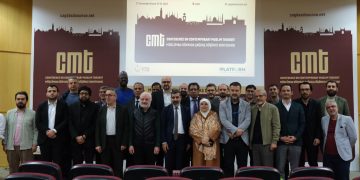
    Filistin Sempozyumu: Filistin ve Küresel İlişkilerin Geleceği

    Filistin Sempozyumu: Filistin ve Küresel İlişkilerin Geleceği

    Filistin Sempozyumu: Filistin ve Küresel İlişkilerin Geleceği

    Müslüman Dünyada Çağdaş Düşünce Konferansı’nda buluşuyoruz!

    Filistin Sempozyumu: Filistin ve Küresel İlişkilerin Geleceği

    Müslüman Dünyada Çağdaş Düşünce Konferansı

    Filistin Sempozyumu: Filistin ve Küresel İlişkilerin Geleceği

    Dr. Jonathan Brown “İslam’ın Siyahiliğe ve Köleliğe Yaklaşımı” adlı seminer gerçekleştirdi.

  • ANALİZLER
    • All
    • Düşünce
    • Eğitim
    • Ekonomi
    • Enerji ve Çevre
    • Göç
    • Medya, Kültür ve Sanat
    • Temel Hak ve Özgürlükler
    • Toplumsal Meseleler
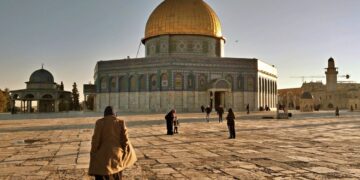
    The Gravity of What Took Place at Al-Aqsa Mosque During Ramadan 2026

    Ramazan 2026’da Mescid-i Aksa’da Yaşananların Ciddiyeti

    AFP/GETTY IMAGES

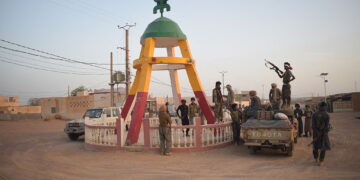
    FLA-JNIM İş Birliği ve Mali’de Değişen Güvenlik Dinamikleri

    Sosyal Medyada İslamcı-Muhafazakâr Kamusallığın Dönüşümü Üzerine

    Sosyal Medyada İslamcı-Muhafazakâr Kamusallığın Dönüşümü Üzerine

    Bangladeş’te 2026 Seçimleri Sonrası Siyasi Tartışmalar

    Bangladeş’te 2026 Seçimleri Sonrası Siyasi Tartışmalar

    Filistin’de Çocuk Olmak: 5 Nisan Filistinli Çocuklar Günü

    Filistin’de Çocuk Olmak: 5 Nisan Filistinli Çocuklar Günü

    Security, Fragility, and the Search for a New Equilibrium in the Gulf Following the Iranian Attacks

    İran Saldırıları Sonrası Körfez’de Güvenlik, Kırılganlık ve Yeni Denge Arayışı

  • SÖYLEŞİLER
    The Decolonization of Knowledge: Interview with Professor Souleymane Bachir Diagne

    Bilginin Dekolonizasyonu: Profesör Souleymane Bachir Diagne ile Röportaj

    A Possible New Breath in Regional Balances: The Alliance of Türkiye, Pakistan, Egypt, and Saudi Arabia

    Bölgesel Dengelerde Olası Yeni Bir Soluk: Türkiye, Pakistan, Mısır ve Suudi Arabistan İttifakı

    Digital Ummah and Muslim Identity: Dr. Sahar Khamis Interview

    Dijital Ümmet ve Müslüman Kimliği: Dr. Sahar Khamis ile Röportaj

    From the Ballot Box to the Street: The Rising Social Wave in Tanzania After the Election

    Sandıktan Sokağa: Tanzanya’da Seçim Sonrası Yükselen Toplumsal Dalga

    Müslüman Nüfusa Karşı Güvenlikleştirme

    Müslüman Nüfusa Karşı Güvenlikleştirme

    Gurbet Hikayeleri

    Gurbet Hikayeleri

    Göçü Yönetmek: Dr. Mehmet Köse’yle Söyleşi

    Göçü Yönetmek: Dr. Mehmet Köse’yle Söyleşi

    İstanbul’daki Uluslararası Öğrencilerle Söyleşi

    İstanbul’daki Uluslararası Öğrencilerle Söyleşi

    Zaytuna College Lisansüstü Eğitim Dekanı Maşuk Yamaç’la Söyleşi

    Zaytuna College Lisansüstü Eğitim Dekanı Maşuk Yamaç’la Söyleşi

  • DÜNYADAN SESLER
    Voices from the Muslim World | Sari Hanafi (with Turkish subtitles)

    Voices from the Muslim World | Sari Hanafi (with Turkish subtitles)

    Voices from the Muslim World | Ovamir Anjum

    Voices from the Muslim World | Ovamir Anjum

    VOICES FROM THE MUSLIM WORLD | DR. YASIR QADHI

    VOICES FROM THE MUSLIM WORLD | DR. YASIR QADHI

    VOICES FROM THE MUSLIM WORLD | DR. ADEEL MALIK

    VOICES FROM THE MUSLIM WORLD | DR. ADEEL MALIK

  • SAYILAR
  • VERİTABANI
    • All
    • Hareketler
    • Kurumlar
    • Şahsiyetler
    Pak-Türk Maarif

    Pak-Türk Maarif

    İslam Vakfı

    İslam Vakfı

    Avrupa Fetva ve Araştırma Konseyi

    Avrupa Fetva ve Araştırma Konseyi

    Tokyo Camii ve Diyanet Türk Kültür Merkezi

    Tokyo Camii ve Diyanet Türk Kültür Merkezi

  • PLATFORM
  • HABERLER
    İLKE Agenda: Muzzammil Ayyub Thakur ile Keşmir’in “Filistinleştirilmesi”

    İLKE Agenda: Muzzammil Ayyub Thakur ile Keşmir’in “Filistinleştirilmesi”

    İLKE Agenda: Muzzammil Ayyub Thakur ile Keşmir’in “Filistinleştirilmesi”

    The Platform Talks: Kinda Hawasli ile 8 Aralık Sonrası Suriye

    İLKE Agenda: Muzzammil Ayyub Thakur ile Keşmir’in “Filistinleştirilmesi”

    The Platform Talks: Azzam Tamimi ile 7 Ekim Sonrası Filistin

    İLKE Agenda: Muzzammil Ayyub Thakur ile Keşmir’in “Filistinleştirilmesi”

    İLKE Agenda: Gazze Soykırımı Günlerinde Aktivizm ve İslamofobi

    Filistin Sempozyumu: Filistin ve Küresel İlişkilerin Geleceği

    Filistin Sempozyumu: Filistin ve Küresel İlişkilerin Geleceği

    Filistin Sempozyumu: Filistin ve Küresel İlişkilerin Geleceği

    Müslüman Dünyada Çağdaş Düşünce Konferansı’nda buluşuyoruz!

    Filistin Sempozyumu: Filistin ve Küresel İlişkilerin Geleceği

    Müslüman Dünyada Çağdaş Düşünce Konferansı

    Filistin Sempozyumu: Filistin ve Küresel İlişkilerin Geleceği

    Dr. Jonathan Brown “İslam’ın Siyahiliğe ve Köleliğe Yaklaşımı” adlı seminer gerçekleştirdi.

  • ANALİZLER
    • All
    • Düşünce
    • Eğitim
    • Ekonomi
    • Enerji ve Çevre
    • Göç
    • Medya, Kültür ve Sanat
    • Temel Hak ve Özgürlükler
    • Toplumsal Meseleler
    The Gravity of What Took Place at Al-Aqsa Mosque During Ramadan 2026

    Ramazan 2026’da Mescid-i Aksa’da Yaşananların Ciddiyeti

    AFP/GETTY IMAGES

    FLA-JNIM İş Birliği ve Mali’de Değişen Güvenlik Dinamikleri

    Sosyal Medyada İslamcı-Muhafazakâr Kamusallığın Dönüşümü Üzerine

    Sosyal Medyada İslamcı-Muhafazakâr Kamusallığın Dönüşümü Üzerine

    Bangladeş’te 2026 Seçimleri Sonrası Siyasi Tartışmalar

    Bangladeş’te 2026 Seçimleri Sonrası Siyasi Tartışmalar

    Filistin’de Çocuk Olmak: 5 Nisan Filistinli Çocuklar Günü

    Filistin’de Çocuk Olmak: 5 Nisan Filistinli Çocuklar Günü

    Security, Fragility, and the Search for a New Equilibrium in the Gulf Following the Iranian Attacks

    İran Saldırıları Sonrası Körfez’de Güvenlik, Kırılganlık ve Yeni Denge Arayışı

  • SÖYLEŞİLER
    The Decolonization of Knowledge: Interview with Professor Souleymane Bachir Diagne

    Bilginin Dekolonizasyonu: Profesör Souleymane Bachir Diagne ile Röportaj

    A Possible New Breath in Regional Balances: The Alliance of Türkiye, Pakistan, Egypt, and Saudi Arabia

    Bölgesel Dengelerde Olası Yeni Bir Soluk: Türkiye, Pakistan, Mısır ve Suudi Arabistan İttifakı

    Digital Ummah and Muslim Identity: Dr. Sahar Khamis Interview

    Dijital Ümmet ve Müslüman Kimliği: Dr. Sahar Khamis ile Röportaj

    From the Ballot Box to the Street: The Rising Social Wave in Tanzania After the Election

    Sandıktan Sokağa: Tanzanya’da Seçim Sonrası Yükselen Toplumsal Dalga

    Müslüman Nüfusa Karşı Güvenlikleştirme

    Müslüman Nüfusa Karşı Güvenlikleştirme

    Gurbet Hikayeleri

    Gurbet Hikayeleri

    Göçü Yönetmek: Dr. Mehmet Köse’yle Söyleşi

    Göçü Yönetmek: Dr. Mehmet Köse’yle Söyleşi

    İstanbul’daki Uluslararası Öğrencilerle Söyleşi

    İstanbul’daki Uluslararası Öğrencilerle Söyleşi

    Zaytuna College Lisansüstü Eğitim Dekanı Maşuk Yamaç’la Söyleşi

    Zaytuna College Lisansüstü Eğitim Dekanı Maşuk Yamaç’la Söyleşi

  • DÜNYADAN SESLER
    Voices from the Muslim World | Sari Hanafi (with Turkish subtitles)

    Voices from the Muslim World | Sari Hanafi (with Turkish subtitles)

    Voices from the Muslim World | Ovamir Anjum

    Voices from the Muslim World | Ovamir Anjum

    VOICES FROM THE MUSLIM WORLD | DR. YASIR QADHI

    VOICES FROM THE MUSLIM WORLD | DR. YASIR QADHI

    VOICES FROM THE MUSLIM WORLD | DR. ADEEL MALIK

    VOICES FROM THE MUSLIM WORLD | DR. ADEEL MALIK

  • SAYILAR
  • VERİTABANI
    • All
    • Hareketler
    • Kurumlar
    • Şahsiyetler
    Pak-Türk Maarif

    Pak-Türk Maarif

    İslam Vakfı

    İslam Vakfı

    Avrupa Fetva ve Araştırma Konseyi

    Avrupa Fetva ve Araştırma Konseyi

    Tokyo Camii ve Diyanet Türk Kültür Merkezi

    Tokyo Camii ve Diyanet Türk Kültür Merkezi

No Result
View All Result
Platform
No Result
View All Result
Home Analyses

Environmental Sustainability and Development in OIC Countries

Emrullah Aydın by Emrullah Aydın
7 Kasım 2025
in Analyses, Energy and Environment
0
Environmental Sustainability and Development in OIC Countries
0
SHARES
10
VIEWS
Share on FacebookShare on Twitter

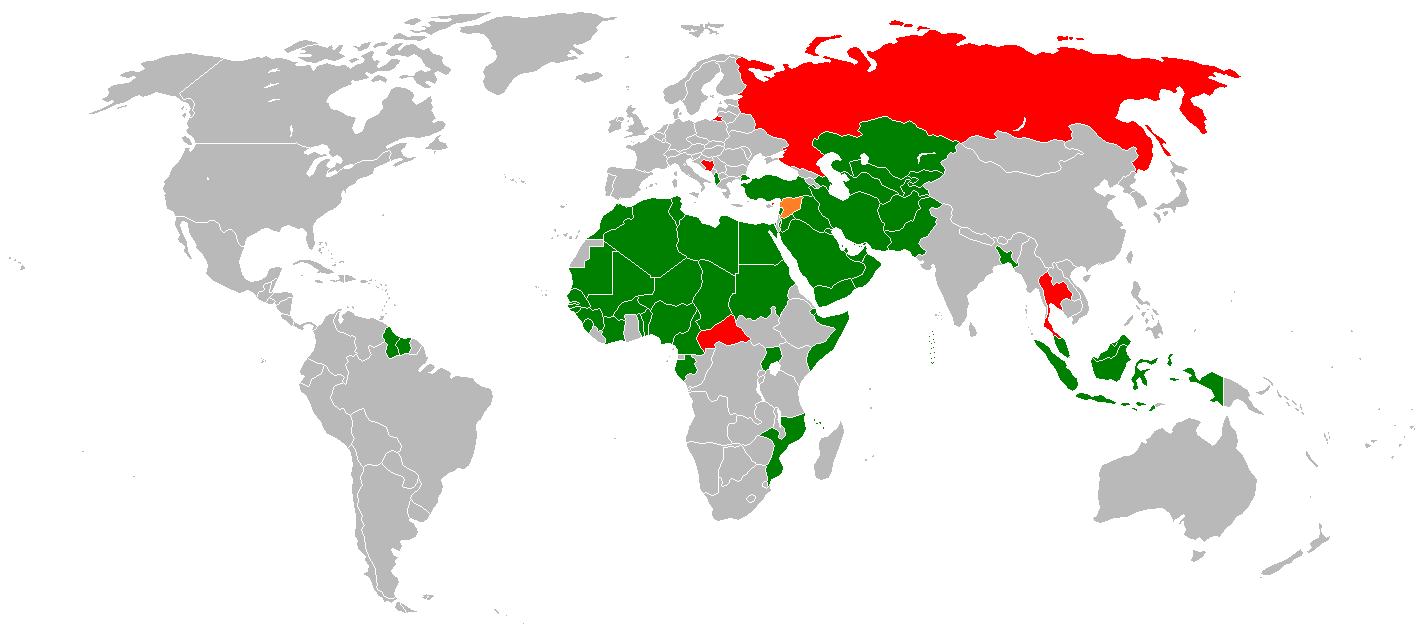
The Organization of Islamic Cooperation (OIC) is composed of 56 member countries and 5 observer member countries. These member countries are situated across diverse geographical regions, displaying distinct levels of economic development and environmental pollution. Furthermore, the availability of energy resources varies among these nations. This current study delves into the analysis of OIC countries, focusing on their environmental sustainability and human development aspects.
oic map

Figure 1. OIC Member and Observer Countries (Member countries are shown in green, while observer countries are indicated in red).

Source: Wikimedia, Map of nations in Organization of the Islamic Conference.

Human Development Index and Sustainable Development Goals

Diverse indexes are employed for the comparative analysis of countries concerning human development and environmental sustainability. One of these, the Human Development Index (HDI), is calculated and released annually within the scope of the United Nations Development Programme (UNDP). The HDI calculation considers parameters including life expectancy at birth, expected and average years of schooling, as well as gross national income per capita adjusted for purchasing power parity. Within this framework, the recently published HDI report for the year 2022 encompasses a comprehensive list of 191 countries, intricately organized according to their individual index scores. As per the revelations of the 2022 report, Switzerland secures the topmost position with a noteworthy score of 0.962, in sharp juxtaposition, South Sudan lags behind with a relatively modest score of 0.385. With the sole exception of Somalia, attributed to data constraints, all OIC countries find their incorporation within the scope of this index.

The literature discussing the repercussions of the economic development process on environmental issues dates back to the 1970s. The first practical initiative resembling an action plan to address these problems was the Millennium Development Goals (MDGs), adopted by United Nations member countries for implementation between 2000 and 2015. Alongside the completion of the Millennium Development Goals program, the concept of “sustainable development” started to take center stage, highlighting its deficiencies. At its core, sustainable development can be defined as the endeavor to satisfy the present generation’s requirements without undermining the capacity of succeeding generations to fulfill their own necessities. In this context, the Sustainable Development Goals (SDGs) Index, established under the motto “Leaving No One Behind” has been developed by the United Nations, akin to the HDI. It has been adopted by 193 countries for realization between 2015 and 2030, built upon 17 core objectives and 120 sub-indicators. 

The index score, calculated based on relevant indicators, portrays the progress of countries towards achieving the SDGs. The latest SDGs report released in 2023 encompasses index scores for 166 countries. In this context, the results from 2022 reveal that Finland holds the top position in the index with a score of 86.8, while South Sudan ranks at the bottom with a score of 38.7. With the exception of Guinea-Bissau and Libya, all OIC countries are encompassed within the index.

HDI and SDGs Indices: The Situation of OIC Countries

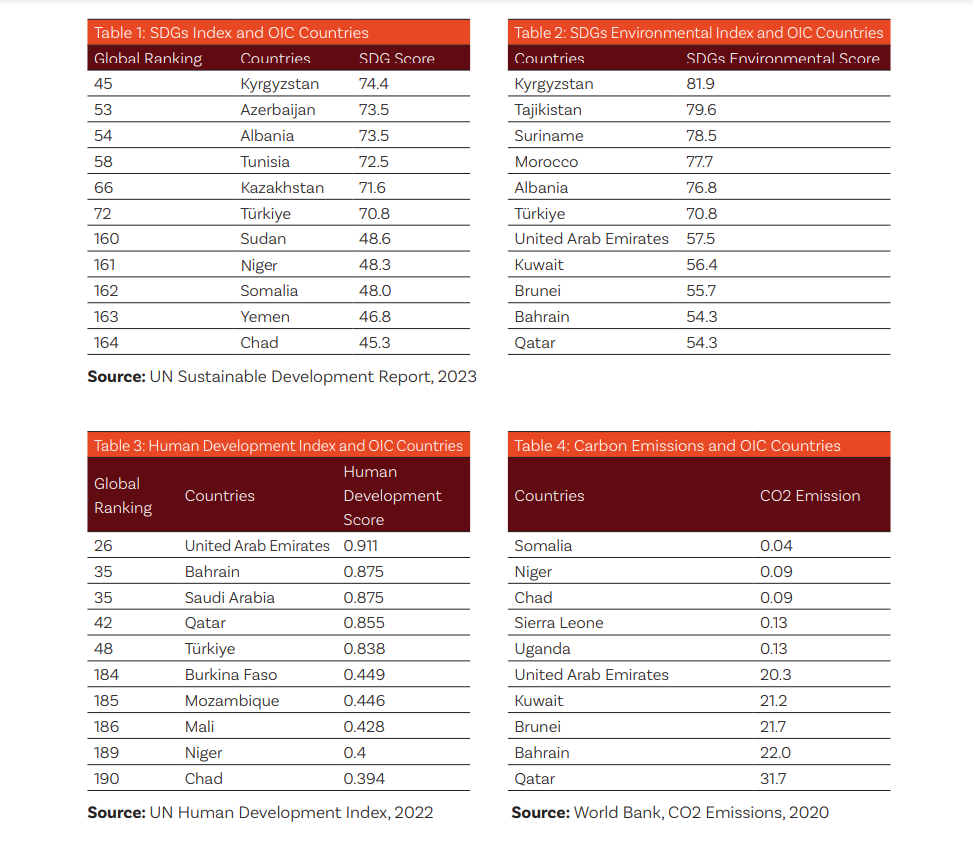
The SDGs Index encompasses 17 core goals, out of which 6 are directly related to environment and energy: “SDG 6 Clean Water and Sanitation,” “SDG 7 Affordable and Clean Energy,” “SDG 12 Responsible Production and Consumption,” “SDG 13 Climate Action,” “SDG 14 Life Below Water,” and “SDG 15 Life on Land.” The provided table presents the general SDGs index scores, accompanied by the HDI scores and carbon emissions analysis for OIC countries. Within the tables, the situations of the top 5 and bottom 5 OIC countries in each respective category are highlighted, along with the status of Türkiye.
oic_tables

In Table 1, the countries with the highest and lowest scores in the SDGs index are highlighted. Kyrgyzstan, the country with the highest index score, occupies the 45th position in the global ranking. Conversely, the nations with the lowest scores are also the most economically disadvantaged. Türkiye, on the other hand, holds a mid-range position. Table 2 provides insights into the rankings of OIC countries within the Environmental Index, which is formulated based on the SDGs scores. This index is built upon the scores of the 6 indicators mentioned earlier, which pertain to environmental and energy aspects within the SDGs framework. Particularly noteworthy in Table 2 is the presence of economically affluent countries such as Qatar, the United Arab Emirates, and Kuwait, which exhibit relatively lower scores in terms of environmental indicators. These countries share a common trait of possessing substantial petroleum reserves, which fundamentally constitute a significant source of their economic prosperity.

Table 3 contains the highest and lowest HDI scores among OIC countries. Among these nations, the United Arab Emirates holds the highest HDI score, while Chad has the lowest. Notably, the OIC countries with higher HDI scores are predominantly Gulf nations enriched with substantial oil reserves, whereas those with lower scores are primarily low-income African countries. Table 4 presents data concerning carbon emissions, a notable contributor to environmental pollution. Table 4 reveals a noticeable distinction when compared with the HDI data. Remarkably, the OIC countries ranking higher on the HDI index are concurrently the ones with the greatest carbon emissions. Türkiye establishes itself within the top 5 OIC countries based on HDI scores, while occupying an intermediate position regarding carbon emissions.
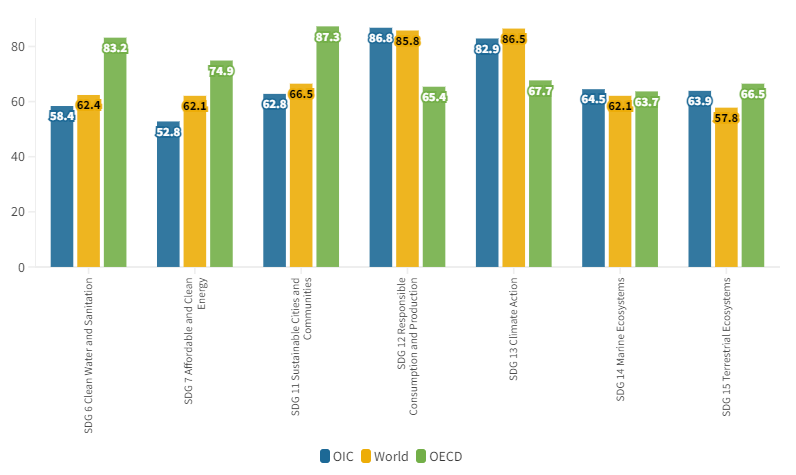
sdg

Figure 2. Climate, Environment, and Energy in OIC Member States under the SDG Framework

Source: UN Sustainable Development Report, 2023

Figure 2 includes indicators from the SDGs index related to climate, environment, and energy. According to this, except for SDG 14, OIC countries lag behind OECD countries in all indicators. When considering the global average, OIC countries fare better than the world average only in terms of SDG 12 and SDG 14. However, in general, OIC countries fall behind both the world and OECD averages in terms of sustainable development. The core issue here lies in the fact that low-income African countries are trailing in development, while high-income Gulf countries suffer from elevated levels of environmental pollution due to their reliance on fossil fuels.

Analysis

We base our assessments regarding the OIC on data from global organizations when it comes to indicators such as sustainability, environmental pollution, and human development, as there are no measurement methods developed by the Organization of Islamic Cooperation (OIC) that are specifically grounded in Islamic values. Although the Sustainable Development Goals (SDGs) may not perfectly align with Islamic values in their entirety, it’s important to highlight that the objectives concerning the environment and energy exhibit a significant harmony with Islamic principles and possess universal attributes. The principle underlying the SDGs, “leaving no one behind” resonates with Islam’s emphasis on solidarity. The concept of sustainable development coheres with the universally acknowledged reality that carbon emissions and the use of fossil fuels lead to environmental pollution.

Upon analysing OIC countries through the lens of both the SDGs index and HDI framework, specific insights emerge. It becomes evident that countries with abundant oil reserves and higher income levels tend to excel in terms of human development, yet often find themselves lower in the rankings concerning sustainable development and environmental pollution. This phenomenon underscores the correlation between economic prosperity and heightened environmental degradation within these nations. However, many OIC member countries tend to occupy lower positions in terms of human development, while displaying notably low levels of carbon emissions. This situation is largely influenced by the underdevelopment of sectors like industry, which typically contribute to environmental pollution in these nations. In theory, advancements in human development and economic well-being should lead to concurrent progress in sustainability. However, the challenge lies in the fact that high-income OIC countries owe a significant portion of their economic growth to the fossil fuel trade, hindering the anticipated strides in sustainable development.

Another significant finding indicated by the available data is the economic disparity among Islamic countries. Within the Organization of Islamic Cooperation (OIC), there are both the world’s poorest and wealthiest nations. This reality raises questions about the extent to which Islamic countries uphold the principle of “unity and solidarity” advocated by the Islamic faith. The lack of collaboration, particularly in terms of economic development and progress, among Islamic countries underscores a missed opportunity to fully embrace the blessings that unity and mutual support could bring.

On the flip side, the urgent challenges faced by impoverished nations, including issues such as war, drought, hunger, and malnutrition, tend to take precedence over problems like environmental pollution. The necessary course of action involves intensifying cooperation among Islamic countries, fostering fresh partnerships, and primarily aiding the development of economically disadvantaged nations.

References

Dışişleri Bakanlığı (n.d.). İslam İşbirliği Teşkilatı (İİT). Retrieved from https://www.mfa.gov.tr/islam-isbirligi-teskilati.tr.mfa

United Nations (2000). Resolution adopted by the General Assembly: United Nations Millennium Declaration. Retrieved from www.un.org/en/development/desa/population/ migration/generalassembly/docs/globalcompact/A_ RES_55_2.pdf

United Nations (2017). United Nations System Chief Executives Board for Coordination. Leaving No One Behind: Equality and Non-Discrimination at the Heart of Sustainable Development. Retrieved from https://unsceb.org/sites/ default/files/imported_files/CEB%20equality%20 framework-A4-web-rev3.pdf 

United Nations (2022). Human Development Index (HDI) 2022. Retrieved from https://hdr.undp.org/data-center/ human-development-index#/indicies/HDI

United Nations (2023). Sustainable Development Report 2023. Retrieved from https://dashboards.sdgindex.org/chapters

World Bank Data (2020). CO2 Emissions. Retrieved from https://data.worldbank.org/indicator/EN.ATM.CO2E.PC

Tags: Environmental SustainabilityOIC
Previous Post

Heading Toward COP28: Effects of Climate Change on Muslim World

Next Post

Refah için Barış Antlaşması: Yeni Filistin ya da Ölü Filistin

Next Post
Peace Treaty for Prosperity: A New Palestine or a Dead Palestine

Refah için Barış Antlaşması: Yeni Filistin ya da Ölü Filistin

Bir yanıt yazın Yanıtı iptal et

E-posta adresiniz yayınlanmayacak. Gerekli alanlar * ile işaretlenmişlerdir

  • A Possible New Breath in Regional Balances: The Alliance of Türkiye, Pakistan, Egypt, and Saudi Arabia

    Bölgesel Dengelerde Olası Yeni Bir Soluk: Türkiye, Pakistan, Mısır ve Suudi Arabistan İttifakı

    0 shares
    Share 0 Tweet 0
  • Nakşibendi-Hakkani Tarikatı

    0 shares
    Share 0 Tweet 0
  • Bilime Yön Verenler: Nobel Ödüllü Müslüman Bilim İnsanları

    0 shares
    Share 0 Tweet 0
  • Fuad Sezgin

    0 shares
    Share 0 Tweet 0
  • Sosyal Medyada İslamcı-Muhafazakâr Kamusallığın Dönüşümü Üzerine

    0 shares
    Share 0 Tweet 0
  • The Gravity of What Took Place at Al-Aqsa Mosque During Ramadan 2026

    Ramazan 2026’da Mescid-i Aksa’da Yaşananların Ciddiyeti

    0 shares
    Share 0 Tweet 0
  • The Gravity of What Took Place at Al-Aqsa Mosque During Ramadan 2026

    0 shares
    Share 0 Tweet 0
  • FLA-JNIM Cooperation and Shifting Security Dynamics in Mali

    0 shares
    Share 0 Tweet 0
  • FLA-JNIM İş Birliği ve Mali’de Değişen Güvenlik Dinamikleri

    0 shares
    Share 0 Tweet 0
  • The Current State of Indonesia’s Luxury Industry and the Landscape of Independent Handcrafted Watchmaking

    0 shares
    Share 0 Tweet 0

Platform: Müslüman Dünyanın Gündemi, Müslüman toplumların fikrî, siyasi, sosyal, ekonomik ve kültürel gündemlerini takip ve tahlil edip Müslüman dünyaya dair güncel ve özgün perspektifler sunmayı amaçlayan bir yayın organı olarak İLKE İlim Kültür Eğitim Vakfı bünyesinde kurulmuştur.

  • SAYILAR
  • ANALİZLER
  • HABERLER
  • SÖYLEŞİLER
  • DÜNYADAN SESLER
  • platform@ilke.org.tr
  • (0216) 310 43 18
  • Aziz Mahmut Hüdayi Mah. Türbe Kapısı Sk. No: 13 Üsküdar, İstanbul

2025 @ PLATFORM bir İLKE Vakfı kuruluşudur. Tüm hakları saklıdır. 

No Result
View All Result
  • Home
  • Analizler
  • Haberler
  • Söyleşiler
  • Dünyadan Sesler