




























Since the latter half of the 19th century, environmental movements have been a part of growing social trends both globally and in Türkiye. These movements have aimed to draw attention to the causes and consequences of environmental degradation, leading to the formation of various organizations and the implementation of numerous campaigns. Concurrently, discussions concerning the attitudes of religions toward the environment and their proposed solutions to environmental issues have also emerged during this period.
Islamic environmental movements, rooted in Islam’s perspective on nature, continue to actively engage in various regions globally. These movements propose solutions to environmental challenges by deriving inspiration from concepts such as stewardship, balance, the afterlife, and trust. At its core, Islamic environmentalism finds its genesis in a fundamental verse (Al-Baqarah, 2:30) that designates humanity as stewards on the Earth, appointed by God. As outlined in this verse, humans are entrusted with the task of preserving the welfare of all living creatures, including their own species. This responsibility entails upholding ecological equilibrium and ensuring the sustained existence of diverse plant and animal populations. With these objectives in mind, Islamic environmental organizations have emerged across different parts of the world. Their aim is to draw the attention of the Muslim populace to environmental issues through diverse campaigns, education initiatives, and the formulation of projects aimed at addressing ecological concerns (Keskin, 2023).
Islamic Environmentalism
Islamic environmentalism can be concisely defined as the pursuit of environmental activities and attitudes rooted in the core principles of Islam. However, grounding Islamic environmentalism in this manner necessitates differentiating between the active involvement of Muslims in broader environmental movements and the specific realm of Islamic environmental movements. As highlighted by Hamed, environmental initiatives led or supported by Muslims are shaped not solely by Islamic teachings but draw inspiration from a diverse array of sources (Hamed, 1993). In fact, it can be contended that environmental movements emerging in regions predominantly inhabited by Muslims often adopt secular models influenced by the West, rather than primarily referencing Islamic tenets (Foltz, 2006). Nonetheless, Islamic environmentalism rests on a distinctive foundation compared to its secular counterparts. It derives its inspiration and impetus from Islam’s teachings on ecological matters, striving to establish an environmentally conscious ethos rooted in Islamic principles. Its hallmark lies in encompassing all endeavours directed towards this objective. The defining feature of an Islamic movement hinges on precisely the notion of integrating Islam at the core of environmentalism, and shaping its concepts and values through insights from Islamic tenets, and guiding participants to approach every environmental effort with the dedication akin to fulfilling a religious obligation. This fusion establishes a symbiotic relationship, intertwining being a devout Muslim and an environmentally conscious individual, thereby outlining the distinct traits that characterize Islamic environmentalism.
Despite the increasing number of studies focusing on Islam’s perspective on the environment and environmental issues, it is often asserted that an environmentally-conscious outlook remains a marginal concern among Muslims worldwide (Hancock, 2018). Such studies suggest that Muslims, particularly those living as minorities in the Western countries, support established environmental practices in their host countries as a means to enhance their legitimacy within their communities and integrate into the nation (Keskin, 2022a). In majority-Muslim countries, however, the relatively reserved approach towards environmentalism compared to the West can be attributed to a range of factors, spanning from the level of economic development to the role of civil society within those nations.
Regardless of whether they are in the majority or minority within their host countries, the impact of religions on shaping people’s attitudes has been acknowledged by global environmental organizations, prompting an increase in environmentally-focused groups that are rooted in faith-based narratives in many countries. When viewed through the lens of Islam, an Islamic environmental movement has emerged, with Muslims establishing organizations that utilize Islamic teachings to encourage greater sensitivity to environmental issues among their target audiences. This movement organizes various educational initiatives, seminars, and campaigns. Among these organizations, we previously discussed an evaluation of IFEES (Islamic Foundation for Ecology and Environmental Sciences), which has gained prominence by engaging in activities that have reached a wide audience (Keskin, 2022b). In the following section, we will delve into the Islamic environmental initiatives within Indonesia, highlighting the efforts of the Disaster Management and Climate Change Institute (LPBI-NU). This institute, operating under the umbrella of Nahdlatul Ulama (NU) since 2015, will be presented in detail.
Islamic Environmentalism in Indonesia
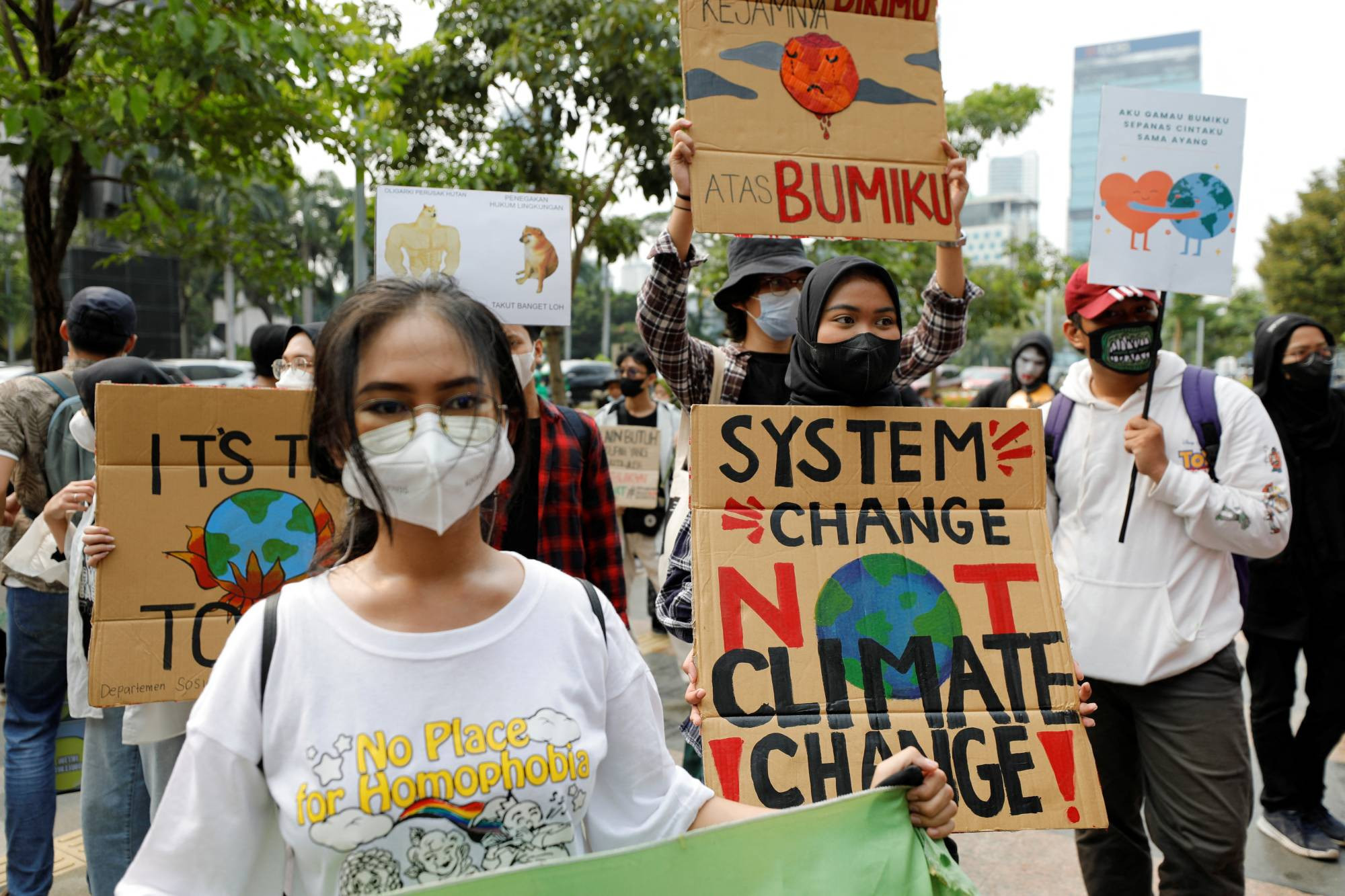
As of 2023, Indonesia holds an estimated population of 277 million, making it the country with the world’s highest concentration of Muslims, with nearly ninety percent of its populace following Islam. Spanning across both sides of the equator, the nation boasts a rich variety of plant life, including extensive rainforests that serve as habitats for a multitude of animal species. However, amidst this ecological wealth, Indonesia is significantly impacted by the overarching global environmental challenges. To address these issues, religious organizations operating nationwide are taking proactive measures to contribute to the efforts against environmental concerns.
Among the prominent Islamic establishments in the country, two noteworthy ones are Nahdlatul Ulama and Muhammadiyah. The former focuses on traditional Islam and local culture, while the latter holds a more reformist outlook, particularly concerning education and societal issues. Both of these groups actively organize initiatives to address environmental concerns through an Islamic perspective and work towards enhancing the environmental awareness of Muslims. According to the categorization by Dewayanti and Saat, Nahdlatul Ulama encompasses the Disaster Management and Climate Change Institute (LPBI-NU), the National Movement for the Environment (GNKL-NU), and the Renaissance Front for Natural Resource Sovereignty (FNKSDA). Meanwhile, Muhammadiyah comprises the Muhammadiyah Environmental Council (MLHM) and the Green Cadres (KHM) groups (Dewayanti and Saat, 2020).
In 2010, the Indonesian Ulema Council (Majelis Ulama Indonesia) issued fatwas (religious rulings) on water usage, followed by mining activities in 2011, conservation of wildlife and waste management in 2014, allocation of alms for water access in 2015, and the religious ruling on land and forest fires in 2016 (Mangunjaya and Praharawati, 2019). These fatwas have significantly supported local environmental organizations in their campaigns addressing environmental issues. As an illustration, collaborative fatwas were prepared by professors from the National University’s (Universitas Nasional-UNAS) Islamic Studies Center and environmental groups in Jakarta, focusing on endangered animals. These fatwas contributed to raising awareness about conserving the habitats of Javan rhinos in Ujung Kulon and Sumatran tigers in West Sumatra, encouraging villagers to act more responsibly. An activist emphasized the importance of this collaboration, stating, “There was no clear explanation before these fatwas about why animals should be protected and why Muslims should be encouraged to protect them” (Rochmyaningsih, 2020).
Another notable collaboration involved the restoration of peatland areas, carried out in partnership between the National University and the Peatland Restoration Agency (Badan Restorasi Gambut-BRG). Meetings were organized with villagers after evening prayers that were attended by imams and religious leaders. These gatherings emphasized the spiritual significance of refraining from setting the land on fire for personal gain, effectively raising awareness among the villagers. Previously, the villagers had chosen to burn peatlands for agricultural purposes, rather than rehabilitating them. This practice had contributed to Indonesia’s escalating annual carbon emissions, given that peatlands are recognized for their capacity to retain carbon dioxide. The imam, by stating, “When we burn the land, we are not only burning trees but also small creatures, seen and unseen… All of these creatures are Allah’s creations” (Rochmyaningsih, 2020), conveyed the importance of environmental stewardship to the congregation, urging them to honour the rights of other beings while improving the land. This exemplifies how religious references within environmental movements, as demonstrated by the imam’s message, can yield successful outcomes.
The Institute for Disaster Management and Climate Change (LPBI-NU)
Nahdlatul Ulama, a Java-based organization in Indonesia, emphasizes allegiance to the four Sunni jurisprudential schools and aims to preserve traditional religious values. Its primary objectives include disseminating religious education, nurturing traditional culture, and fostering social justice by protecting the poor and orphans. The movement is also concerned with environmental issues (Göksoy, 2006). Nahdlatul Ulama has issued “green fatwas” on various topics, including the harms of illegal hunting, the environmental impact of burning and sinking fishing vessels, the excessive destruction of nature, maintaining ecological balance in land conversions, adhering to religious rules in the import and export of animals, combating plastic waste, and promoting the production and use of renewable energy (Mufid, 2020).
In 2015, the Institute for Disaster Management and Climate Change (LPBI-NU) was established under the umbrella of Nahdlatul Ulama. The organization’s goal is to address environmental issues across Indonesia from an Islamic perspective, providing solutions and informing its members about the causes of pollution and potential remedies. To achieve this, the institute arranges seminars, panels, and public meetings to raise awareness among the public. The engagement of an organization like Nahdlatul Ulama, which places importance on traditional religious education, in addressing environmental problems and issuing fatwas that highlight the religious incorrectness of actions harming the environment, exemplifies a practical manifestation of Islamic environmentalism.
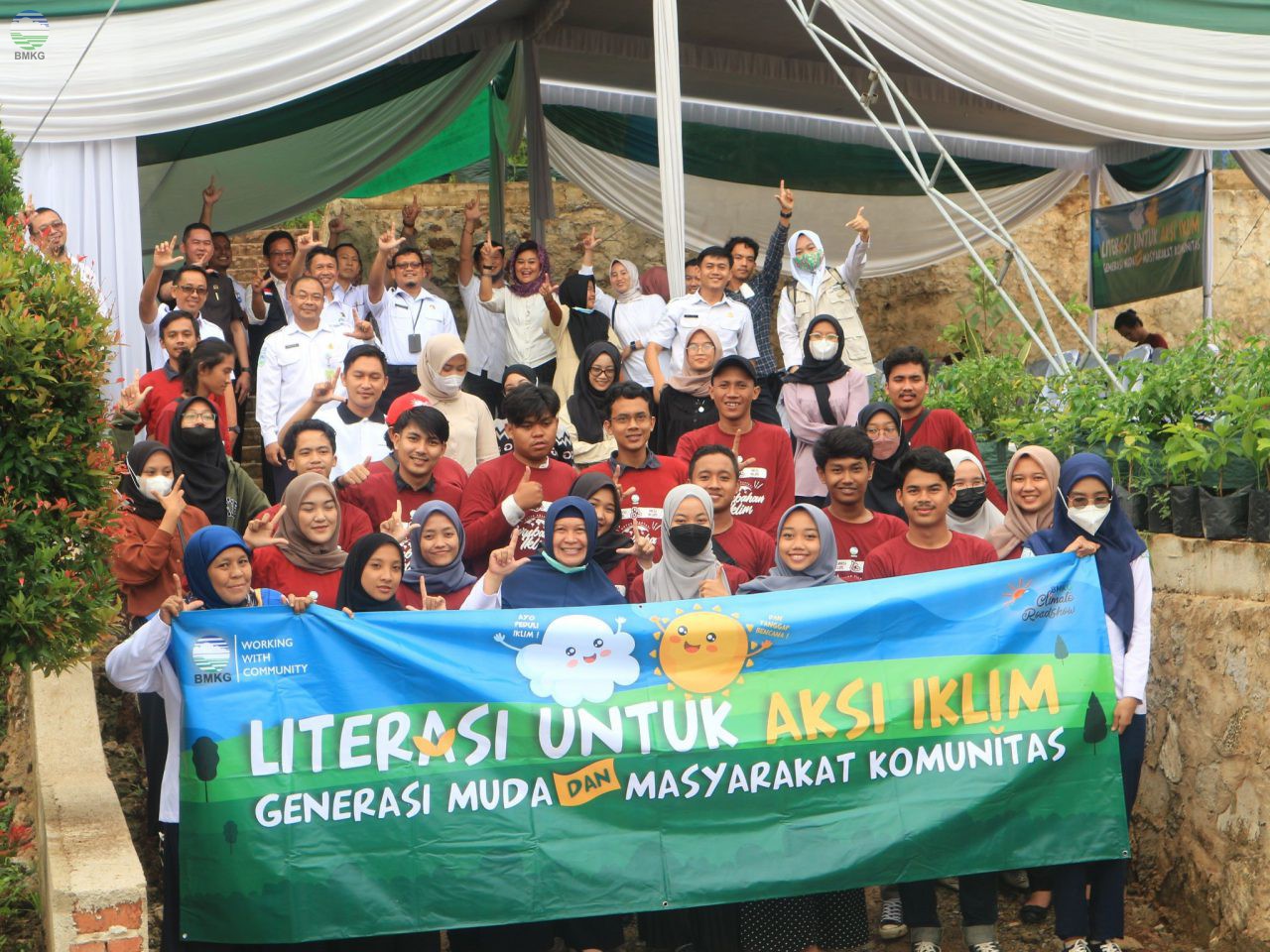
Disaster Management and Climate Change Institute Environmental Activists
On January 18, 2022, LPBI-NU convened a meeting in Tegal, where discussions revolved around increasing reforestation efforts, combating climate change, and providing urgent response to disasters (Ryan SR, 2022). Furthermore, from June 2-4, 2023, they organized a coordination meeting in Depok titled “The New Paradigm of Spiritual Ecology as a Driver for Disasters and Climate Change”. During this event, the hosting school’s students were encouraged to take responsibility in proposing solutions for environmental issues, emphasizing the significance of all Muslims viewing the protection of the universe as a religious duty (Kajis, 2023).
Conclusion
Islamic environmentalism is rooted in the core principles of religion. What sets it apart from secular environmental movements is precisely this foundation. Muslims, regardless of their social, economic, or political context, endeavour to protect the world entrusted to them by Allah with a deep sense of stewardship. However, the full potential of this perspective has not yet been comprehended by secular environmental organizations or governmental bodies engaged in this domain. By harnessing the potential of Islamic environmentalism, it becomes evident that novel and sustainable solutions can be developed for environmental challenges on both individual and global scales.
Indonesia holds great significance within the Muslim world due to its attributes like having the largest Muslim population, abundant natural resources, diverse ecosystems, and a strategically advantageous geographical position. If it can formulate an environmentally sensitive development model and heighten environmental awareness among its Muslim citizens, it has the potential to become a role model for other Muslim nations. Initiatives like Nahdlatul Ulama and its subsidiary, the Institute for Disaster Management and Climate Change (LPBI-NU), have the capacity to serve as examples for Muslim NGOs by motivating introspection, inspiring action, and advocating personal responsibility among Muslims to tackle environmental issues.
References
Dewayati, A., & Saat, N. (2020). Islamic Organizations and Environmentalism in Indonesia. ISEAS Perspective, 117(2020), 1-9. https://www.iseas.edu.sg/wp-content/ uploads/2020/09/ISEAS_Perspective_2020_117.pdf
Foltz, R. C. (2006). Islam. In R. S. Gottlieb (Ed.), The Oxford Handbook of Religion and Ecology (pp. 207-220). Oxford University Press.
Göksoy, İ. H. (2006). Nehdatü’l-Ulemâ. Türkiye Diyanet Vakfı İslam Ansiklopedisi, Vol. 32, İstanbul: Türkiye Diyanet Vakfı Yayınları.
Hamed, S. (1993). Seeing the Environment Through Islamic Eyes: Application of Shariah to Natural Resources Planning and Management. Journal of Agricultural and Environmental Ethics, 6(2), 145-164. https://link.springer. com/article/10.1007/BF01965481
Hancock, R. (2018). Islamic Environmentalism: Activism in the United States and Great Britain. Routledge.
Kajis Oleh. (2023). Gelar Rapat Koordinasi Nasional, LPBI NU, Jadikan al-Hamidiyah Sebagai Tuan Rumah. Yayasan Islam Al-Hamidiyah, 04 Juni 2023. Retrieved from https://www.al-hamidiyah.sch.id/read/news/2023/06/gelarrapat-koordinasi-nasional-lpbi-nu-jadikan-al-hamidiyahsebagai-tuan-rumah.html
Keskin, N. (2022a). Yeni Toplumsal Hareketler Bağlamında Din ve Çevrecilik: İslami Çevre Hareketleri. [Unpublished doctoral dissertation]. Marmara University.
Keskin, N. (2022b). Toplumsal Hareket Olarak İslamî Çevreciliğe Genel Bir Bakış ve “Islamic Foundation for Ecology and Environmental Sciences (IFEES)” Örneği. Müslüman Dünyadan Fikrî Birikimler, October 2022. Retrieved from https://ilke.org.tr/images/yayin/mdfb_22_yayin.pdf
Keskin, N. (2023). Temel Kavramları ve Önemli Kampanyalarıyla İslamî Çevrecilik. Sürdürülebilir Çevre Dergisi, 3(1), 13-23. https://dergipark.org.tr/tr/pub/cevder/issue/78365/1309680
Mangunjaya, F. M., & Praharawati, G. (2019). Fatwas on Boosting Environmental Conservation in Indonesia. Religions, 10(570), 1-14. https://doi.org/10.3390/rel10100570
Mufid, M. (2020). Green Fatwas in Bahtsul Masa’il: Nahdlatul Ulama’s Response to the Discourse of Environmental Crisis in Indonesia. Al-Ihkam Jurnal Hukum dan Pranata Sosial, 15(2), 173-200. https://doi.org/10.19105/al-lhkam.v15i2.3956
Rochmyaningsih, D. (2020, March 12). The Muslim Cleric Preaching for Indonesia’s Peat. Future Planet. Retrieved from https://www.bbc.com/future/article/20200311-cangreen-islams-environmental-fatwas-help-climate-change
Ryan, S. R. (2022, January 18). LPBPI Nu Kabupaten Tegal, Satuka Komitmen Untuk Pengabdian Masyarakat. Nutegal. Retrieved from https://nutegal.or.id/lpbpi-nu-kabupatentegal-satuka-komitmen-untuk-pengabdian-masyarakat/