








İLKE Vakfı
Platform
No Result
View All Result
  • PLATFORM
  • HABERLER
    İLKE Agenda: Muzzammil Ayyub Thakur ile Keşmir’in “Filistinleştirilmesi”

    İLKE Agenda: Muzzammil Ayyub Thakur ile Keşmir’in “Filistinleştirilmesi”

    İLKE Agenda: Muzzammil Ayyub Thakur ile Keşmir’in “Filistinleştirilmesi”

    The Platform Talks: Kinda Hawasli ile 8 Aralık Sonrası Suriye

    İLKE Agenda: Muzzammil Ayyub Thakur ile Keşmir’in “Filistinleştirilmesi”

    The Platform Talks: Azzam Tamimi ile 7 Ekim Sonrası Filistin

    İLKE Agenda: Muzzammil Ayyub Thakur ile Keşmir’in “Filistinleştirilmesi”

    İLKE Agenda: Gazze Soykırımı Günlerinde Aktivizm ve İslamofobi

    Filistin Sempozyumu: Filistin ve Küresel İlişkilerin Geleceği

    Filistin Sempozyumu: Filistin ve Küresel İlişkilerin Geleceği

    Filistin Sempozyumu: Filistin ve Küresel İlişkilerin Geleceği

    Müslüman Dünyada Çağdaş Düşünce Konferansı’nda buluşuyoruz!

    Filistin Sempozyumu: Filistin ve Küresel İlişkilerin Geleceği

    Müslüman Dünyada Çağdaş Düşünce Konferansı

    Filistin Sempozyumu: Filistin ve Küresel İlişkilerin Geleceği

    Dr. Jonathan Brown “İslam’ın Siyahiliğe ve Köleliğe Yaklaşımı” adlı seminer gerçekleştirdi.

  • ANALİZLER
    • All
    • Düşünce
    • Eğitim
    • Ekonomi
    • Enerji ve Çevre
    • Göç
    • Medya, Kültür ve Sanat
    • Temel Hak ve Özgürlükler
    • Toplumsal Meseleler
    The Gravity of What Took Place at Al-Aqsa Mosque During Ramadan 2026

    Ramazan 2026’da Mescid-i Aksa’da Yaşananların Ciddiyeti

    AFP/GETTY IMAGES

    FLA-JNIM İş Birliği ve Mali’de Değişen Güvenlik Dinamikleri

    Sosyal Medyada İslamcı-Muhafazakâr Kamusallığın Dönüşümü Üzerine

    Sosyal Medyada İslamcı-Muhafazakâr Kamusallığın Dönüşümü Üzerine

    Bangladeş’te 2026 Seçimleri Sonrası Siyasi Tartışmalar

    Bangladeş’te 2026 Seçimleri Sonrası Siyasi Tartışmalar

    Filistin’de Çocuk Olmak: 5 Nisan Filistinli Çocuklar Günü

    Filistin’de Çocuk Olmak: 5 Nisan Filistinli Çocuklar Günü

    Security, Fragility, and the Search for a New Equilibrium in the Gulf Following the Iranian Attacks

    İran Saldırıları Sonrası Körfez’de Güvenlik, Kırılganlık ve Yeni Denge Arayışı

  • SÖYLEŞİLER
    The Decolonization of Knowledge: Interview with Professor Souleymane Bachir Diagne

    Bilginin Dekolonizasyonu: Profesör Souleymane Bachir Diagne ile Röportaj

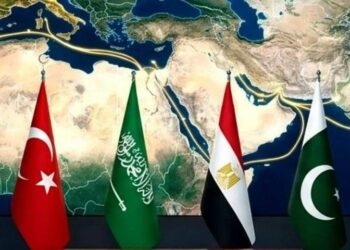
    A Possible New Breath in Regional Balances: The Alliance of Türkiye, Pakistan, Egypt, and Saudi Arabia

    Bölgesel Dengelerde Olası Yeni Bir Soluk: Türkiye, Pakistan, Mısır ve Suudi Arabistan İttifakı

    Digital Ummah and Muslim Identity: Dr. Sahar Khamis Interview

    Dijital Ümmet ve Müslüman Kimliği: Dr. Sahar Khamis ile Röportaj

    From the Ballot Box to the Street: The Rising Social Wave in Tanzania After the Election

    Sandıktan Sokağa: Tanzanya’da Seçim Sonrası Yükselen Toplumsal Dalga

    Müslüman Nüfusa Karşı Güvenlikleştirme

    Müslüman Nüfusa Karşı Güvenlikleştirme

    Gurbet Hikayeleri

    Gurbet Hikayeleri

    Göçü Yönetmek: Dr. Mehmet Köse’yle Söyleşi

    Göçü Yönetmek: Dr. Mehmet Köse’yle Söyleşi

    İstanbul’daki Uluslararası Öğrencilerle Söyleşi

    İstanbul’daki Uluslararası Öğrencilerle Söyleşi

    Zaytuna College Lisansüstü Eğitim Dekanı Maşuk Yamaç’la Söyleşi

    Zaytuna College Lisansüstü Eğitim Dekanı Maşuk Yamaç’la Söyleşi

  • DÜNYADAN SESLER
    Voices from the Muslim World | Sari Hanafi (with Turkish subtitles)

    Voices from the Muslim World | Sari Hanafi (with Turkish subtitles)

    Voices from the Muslim World | Ovamir Anjum

    Voices from the Muslim World | Ovamir Anjum

    VOICES FROM THE MUSLIM WORLD | DR. YASIR QADHI

    VOICES FROM THE MUSLIM WORLD | DR. YASIR QADHI

    VOICES FROM THE MUSLIM WORLD | DR. ADEEL MALIK

    VOICES FROM THE MUSLIM WORLD | DR. ADEEL MALIK

  • SAYILAR
  • VERİTABANI
    • All
    • Hareketler
    • Kurumlar
    • Şahsiyetler
    Pak-Türk Maarif

    Pak-Türk Maarif

    İslam Vakfı

    İslam Vakfı

    Avrupa Fetva ve Araştırma Konseyi

    Avrupa Fetva ve Araştırma Konseyi

    Tokyo Camii ve Diyanet Türk Kültür Merkezi

    Tokyo Camii ve Diyanet Türk Kültür Merkezi

  • PLATFORM
  • HABERLER
    İLKE Agenda: Muzzammil Ayyub Thakur ile Keşmir’in “Filistinleştirilmesi”

    İLKE Agenda: Muzzammil Ayyub Thakur ile Keşmir’in “Filistinleştirilmesi”

    İLKE Agenda: Muzzammil Ayyub Thakur ile Keşmir’in “Filistinleştirilmesi”

    The Platform Talks: Kinda Hawasli ile 8 Aralık Sonrası Suriye

    İLKE Agenda: Muzzammil Ayyub Thakur ile Keşmir’in “Filistinleştirilmesi”

    The Platform Talks: Azzam Tamimi ile 7 Ekim Sonrası Filistin

    İLKE Agenda: Muzzammil Ayyub Thakur ile Keşmir’in “Filistinleştirilmesi”

    İLKE Agenda: Gazze Soykırımı Günlerinde Aktivizm ve İslamofobi

    Filistin Sempozyumu: Filistin ve Küresel İlişkilerin Geleceği

    Filistin Sempozyumu: Filistin ve Küresel İlişkilerin Geleceği

    Filistin Sempozyumu: Filistin ve Küresel İlişkilerin Geleceği

    Müslüman Dünyada Çağdaş Düşünce Konferansı’nda buluşuyoruz!

    Filistin Sempozyumu: Filistin ve Küresel İlişkilerin Geleceği

    Müslüman Dünyada Çağdaş Düşünce Konferansı

    Filistin Sempozyumu: Filistin ve Küresel İlişkilerin Geleceği

    Dr. Jonathan Brown “İslam’ın Siyahiliğe ve Köleliğe Yaklaşımı” adlı seminer gerçekleştirdi.

  • ANALİZLER
    • All
    • Düşünce
    • Eğitim
    • Ekonomi
    • Enerji ve Çevre
    • Göç
    • Medya, Kültür ve Sanat
    • Temel Hak ve Özgürlükler
    • Toplumsal Meseleler
    The Gravity of What Took Place at Al-Aqsa Mosque During Ramadan 2026

    Ramazan 2026’da Mescid-i Aksa’da Yaşananların Ciddiyeti

    AFP/GETTY IMAGES

    FLA-JNIM İş Birliği ve Mali’de Değişen Güvenlik Dinamikleri

    Sosyal Medyada İslamcı-Muhafazakâr Kamusallığın Dönüşümü Üzerine

    Sosyal Medyada İslamcı-Muhafazakâr Kamusallığın Dönüşümü Üzerine

    Bangladeş’te 2026 Seçimleri Sonrası Siyasi Tartışmalar

    Bangladeş’te 2026 Seçimleri Sonrası Siyasi Tartışmalar

    Filistin’de Çocuk Olmak: 5 Nisan Filistinli Çocuklar Günü

    Filistin’de Çocuk Olmak: 5 Nisan Filistinli Çocuklar Günü

    Security, Fragility, and the Search for a New Equilibrium in the Gulf Following the Iranian Attacks

    İran Saldırıları Sonrası Körfez’de Güvenlik, Kırılganlık ve Yeni Denge Arayışı

  • SÖYLEŞİLER
    The Decolonization of Knowledge: Interview with Professor Souleymane Bachir Diagne

    Bilginin Dekolonizasyonu: Profesör Souleymane Bachir Diagne ile Röportaj

    A Possible New Breath in Regional Balances: The Alliance of Türkiye, Pakistan, Egypt, and Saudi Arabia

    Bölgesel Dengelerde Olası Yeni Bir Soluk: Türkiye, Pakistan, Mısır ve Suudi Arabistan İttifakı

    Digital Ummah and Muslim Identity: Dr. Sahar Khamis Interview

    Dijital Ümmet ve Müslüman Kimliği: Dr. Sahar Khamis ile Röportaj

    From the Ballot Box to the Street: The Rising Social Wave in Tanzania After the Election

    Sandıktan Sokağa: Tanzanya’da Seçim Sonrası Yükselen Toplumsal Dalga

    Müslüman Nüfusa Karşı Güvenlikleştirme

    Müslüman Nüfusa Karşı Güvenlikleştirme

    Gurbet Hikayeleri

    Gurbet Hikayeleri

    Göçü Yönetmek: Dr. Mehmet Köse’yle Söyleşi

    Göçü Yönetmek: Dr. Mehmet Köse’yle Söyleşi

    İstanbul’daki Uluslararası Öğrencilerle Söyleşi

    İstanbul’daki Uluslararası Öğrencilerle Söyleşi

    Zaytuna College Lisansüstü Eğitim Dekanı Maşuk Yamaç’la Söyleşi

    Zaytuna College Lisansüstü Eğitim Dekanı Maşuk Yamaç’la Söyleşi

  • DÜNYADAN SESLER
    Voices from the Muslim World | Sari Hanafi (with Turkish subtitles)

    Voices from the Muslim World | Sari Hanafi (with Turkish subtitles)

    Voices from the Muslim World | Ovamir Anjum

    Voices from the Muslim World | Ovamir Anjum

    VOICES FROM THE MUSLIM WORLD | DR. YASIR QADHI

    VOICES FROM THE MUSLIM WORLD | DR. YASIR QADHI

    VOICES FROM THE MUSLIM WORLD | DR. ADEEL MALIK

    VOICES FROM THE MUSLIM WORLD | DR. ADEEL MALIK

  • SAYILAR
  • VERİTABANI
    • All
    • Hareketler
    • Kurumlar
    • Şahsiyetler
    Pak-Türk Maarif

    Pak-Türk Maarif

    İslam Vakfı

    İslam Vakfı

    Avrupa Fetva ve Araştırma Konseyi

    Avrupa Fetva ve Araştırma Konseyi

    Tokyo Camii ve Diyanet Türk Kültür Merkezi

    Tokyo Camii ve Diyanet Türk Kültür Merkezi

No Result
View All Result
Platform
No Result
View All Result
Home Analyses

How Will Climate Change Affect the Future of Humanitarian Aid?

Talha Keskin by Talha Keskin
7 Kasım 2025
in Analyses, Energy and Environment
0
How Will Climate Change Affect the Future of Humanitarian Aid?
0
SHARES
2
VIEWS
Share on FacebookShare on Twitter

Since the Second World War, humanitarian aid organizations have been increasingly active on the international stage in responding to various crises. While these institutions continue their efforts to protect and save human lives, they are also adapting to the evolving developments of the changing world. As some trends that aid organizations need to adapt to or perhaps even shape have faded over time, others persistently endure and continue to set the agenda.

The most influential turning point that has shaped the agenda of humanitarian actors in the last decade was the World Humanitarian Summit organized in Istanbul by the UN OCHA in 2016, under the initiative of UN Secretary-General Ban Ki-moon. Following the summit, along with the released declaration, various agendas such as localization, the “nexus” between humanitarian aid, development, and peace, permanently transformed the priorities of humanitarian actors.

Although climate change and environmental issues found a place in one of the seven roundtable discussions during the summit, the prevailing focus during the time of the summit was more on conflicts. This situation impacted the agendas, goals, and core responsibilities outlined as a result of the summit. This circumstance is not unique to the 2016 UN Summit but has been an ongoing reality for a considerable time, as highlighted by Hugo Slim (Slim, 2023), who notes that conflicts have long been shaping the thought processes and operational capacities of humanitarian actors. While these conflicts persist, there are also challenges arising from the humanitarian security threats caused by the climate crisis. This situation has led actors engaged in humanitarian aid activities to not only address issues stemming from political conflicts but also to attend to regions affected by the climate crisis.

Climate Crisis: Unfolding as a Humanitarian Emergency

In our present juncture, climate change, environmental impact, and sustainability concerns are preoccupying humanitarian aid entities like never before, with this trend expected to amplify further in the future. As outlined in the Global Humanitarian Overview, climate change is provoking humanitarian crises on a global scale. In response to the climate crisis, international humanitarian interventions are already active in 12 out of the 15 most vulnerable countries. The far-reaching repercussions of climate change span from human health to ecological domains. Notably, the report anticipates that by the close of this century, deaths stemming from extreme heat could parallel those arising from all cancer and infectious diseases combined (OCHA, 2023).

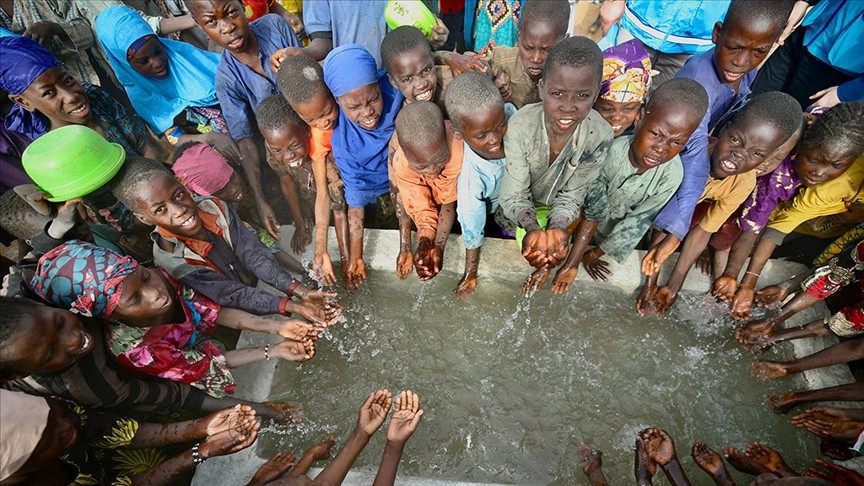
According to Save The Children, the climate crisis ranks as the leading cause of humanitarian need in the year 2023. Around 1.2 billion children are at risk of being affected by climate-related illnesses (“The Top 5 Trends Driving Humanitarian Need”, 2023). The impact of climate change, particularly rising temperatures, on children is highly perilous. Elevated temperatures signify reduced food security, increased consumption of contaminated water, lower income, and worsened health conditions for millions of families. Due to their still-developing immune systems, children are more vulnerable to pollution and diseases compared to adults. The destruction of homes, schools, and childcare centres due to crises negatively affects children’s physical and mental well-being (Climate Change Is a Grave Threat to Children’s Survival, n.d). According to the United Nations, millions of families will be forced to choose between hunger and migration (World Faces ‘Climate Apartheid’ Risk, 2019). As the devastating impacts of the climate crisis become evident, these days provide significant insights for humanitarian actors to swiftly identify areas of focus.

The disasters stemming from climate change contribute to an increase in human rights violations, disruptions to livelihoods, heightened displacement, disease spread, deterioration of global public health, and, in general, a greater risk of humanitarian crises leading to loss of life. For instance, in 2021, over sixty percent of newly recorded internal displacements (23.7 million people) were triggered by disasters. Individuals who had previously become refugees due to conflicts are now confronted with the impacts of the climate crisis upon returning to their countries and lands, compounding their existing vulnerabilities alongside the aftermath of conflicts. In the year 2021, nearly all the individuals who had returned to their lands after conflicts were citizens of countries most severely threatened by climate-induced crises. This situation significantly complicates the attainment of secure and sustainable solutions within these countries (The Climate Crisis Is a Humanitarian Crisis, 2022).

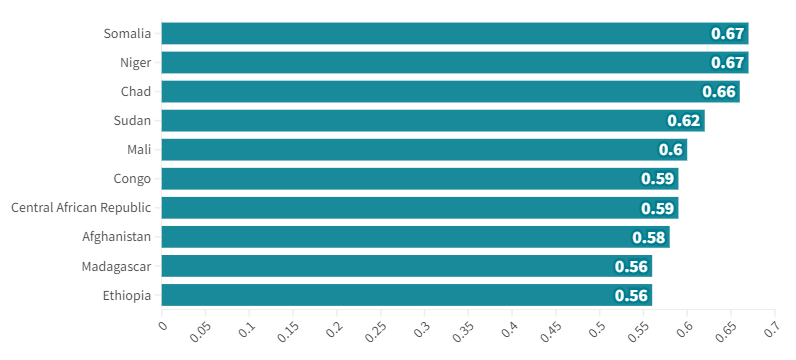
For humanitarian actors operating globally, it is crucial to understand the risks their active countries are facing. Out of the 53 countries where the Humanitarian Response Plan is in action, 30 are under significant threat due to the impacts of climate change. When evaluating the adverse effects of climate change in terms of exposure, sensitivity, and adaptive capacity, the most vulnerable countries emerge as depicted in Figure 1 below (OCHA, 2022). Humanitarian actors should prepare for the future by drawing lessons from the past and leveraging their accumulated experiences. While the knowledge gained from past experiences with disasters could prove valuable in addressing certain crises in the future, it is also important to acknowledge that when it comes to climate change, we are venturing into the unknown. ALNAP categorizes disasters into three groups in their report titled “Adapting Humanitarian Action to the Effects of Climate Change”: “knowns,” “partially understood,” and “unknowns.” While it might be reasonable to assume that past experiences could be beneficial for dealing with “known” disasters that recur, it’s not difficult to imagine that these experiences might not be as effective for “partially understood” and “unknown” disasters (Geoffroy et al., 2021). 
climate

Figure 1. Most Vulnerable Countries in Climate Change Mitigation, 2022

Source: OCHA

Humanitarian Aid Initiatives and their Environmental Implications

The relationship between humanitarian aid missions, which aim to save lives and alleviate suffering, and the environment has not received significant attention until recent times. However, in the present day, like in every other field, assessing and mitigating the negative environmental impacts of humanitarian actors is a goal. Moreover, the integration of the “environment” aspect into humanitarian intervention programs is a primary objective. Considering the environmental consequences in the initial stages of an emergency can be beneficial in understanding the causes of a crisis or disaster, reducing risks, and preventing their recurrence.

Ensuring the upfront planning of waste management following humanitarian interventions is essential to safeguarding the air, water, and soil, thereby preventing any detrimental effects on the health and hygiene conditions of communities impacted by crises. Additionally, the preservation of natural resources plays a pivotal role in maintaining the livelihoods of these communities. Employing risk-reducing and preventive interventions can effectively minimize the impact of future shocks, thereby mitigating the harm experienced by individuals (Environment and Humanitarian Action, n.d). In line with this, the semi-official “Humanitarian Aid and Environment Collaboration Network”, known as the EHA Network, has been operational since 2014, dedicated to addressing the convergence of humanitarian aid efforts and environmental considerations (About EHA, n.d).

Recommendations for Humanitarian Actors in the Context of Climate Change

Humanitarian aid actors should possess the capacity to devise and execute programs encompassing resilience enhancement, disaster risk reduction, and proactive interventions for comprehensive and effective responses. Given that climate change crises contain numerous uncertainties, flexibility at the individual, program, and organizational levels is essential for navigating the unknown. Collaborating with development organizations and governmental authorities active in conflict-affected regions, humanitarian actors can implement programs addressing both conflict and climate-related challenges. In the imminent future, discussions within humanitarian endeavours will increasingly revolve around topics such as environmental impact, sustainability, carbon emissions, recycling, plastic credits, climate change, and global warming. Organizations that equip themselves for the future will gain a competitive advantage.

References

Climate Change Is a Grave Threat to Children’s Survival. (n.d.). Retrieved from https://www.savethechildren.org/us/ what-we-do/emergency-response/climate-change.

de Geoffroy, V., Grunewald, F., Bhatt, M., & Knox Clarke, P. (2021). Adapting Humanitarian Action to the Effects of Climate Change: An ALNAP Lessons Paper. Retrieved from https://www.alnap.org/help-library/alnap-lessons-paperadaptinghumanitarian-action-to-the-effects-of-climatechange. 

Environment and Humanitarian Action. (n.d.). Retrieved from https://reliefweb.int/topics/environment-humanitarian-action. 

Hugo, A. (2023). Humanitarians and the Climate Emergency: The Ethical, Practice, and Cultural Challenges. Retrieved from https://gppi.net/2023/06/28/humanitarians-and-the-climate-emergency. 

OCHA. (2022). Global Humanitarian Overview 2023: Annual Report. Retrieved from https://reliefweb.int/report/world/global-humanitarian-overview-2023-mid-yearupdatesnapshot-18-june-2023. 

The Climate Crisis Is a Humanitarian Crisis. (2022). Retrieved from https://humanitarianaction.info/article/climate-crisis-humanitarian-crisis. 

The Top 5 Trends Driving Humanitarian Need in 2023. (n.d.). Retrieved from https://www.savethechildren.org/us/charity-stories/trends-driving-humanitarian-need. 

World Faces “Climate Apartheid” Risk. (2019). Retrieved from https://news.un.org/en/story/2019/06/1041261. 

Tags: Climate ChangeHumanitarian Aid
Previous Post

İklim Değişikliği İnsani Yardımın Geleceğini Nasıl Etkileyecek?

Next Post

İslami Çevreciliğe Endonezya’dan Bakmak

Next Post
Exploring Islamic Environmentalism and its Impact in Indonesia

İslami Çevreciliğe Endonezya’dan Bakmak

Bir yanıt yazın Yanıtı iptal et

E-posta adresiniz yayınlanmayacak. Gerekli alanlar * ile işaretlenmişlerdir

  • A Possible New Breath in Regional Balances: The Alliance of Türkiye, Pakistan, Egypt, and Saudi Arabia

    Bölgesel Dengelerde Olası Yeni Bir Soluk: Türkiye, Pakistan, Mısır ve Suudi Arabistan İttifakı

    0 shares
    Share 0 Tweet 0
  • Bilime Yön Verenler: Nobel Ödüllü Müslüman Bilim İnsanları

    0 shares
    Share 0 Tweet 0
  • Nakşibendi-Hakkani Tarikatı

    0 shares
    Share 0 Tweet 0
  • Fuad Sezgin

    0 shares
    Share 0 Tweet 0
  • Sosyal Medyada İslamcı-Muhafazakâr Kamusallığın Dönüşümü Üzerine

    0 shares
    Share 0 Tweet 0
  • The Gravity of What Took Place at Al-Aqsa Mosque During Ramadan 2026

    Ramazan 2026’da Mescid-i Aksa’da Yaşananların Ciddiyeti

    0 shares
    Share 0 Tweet 0
  • The Gravity of What Took Place at Al-Aqsa Mosque During Ramadan 2026

    0 shares
    Share 0 Tweet 0
  • FLA-JNIM Cooperation and Shifting Security Dynamics in Mali

    0 shares
    Share 0 Tweet 0
  • FLA-JNIM İş Birliği ve Mali’de Değişen Güvenlik Dinamikleri

    0 shares
    Share 0 Tweet 0
  • The Current State of Indonesia’s Luxury Industry and the Landscape of Independent Handcrafted Watchmaking

    0 shares
    Share 0 Tweet 0

Platform: Müslüman Dünyanın Gündemi, Müslüman toplumların fikrî, siyasi, sosyal, ekonomik ve kültürel gündemlerini takip ve tahlil edip Müslüman dünyaya dair güncel ve özgün perspektifler sunmayı amaçlayan bir yayın organı olarak İLKE İlim Kültür Eğitim Vakfı bünyesinde kurulmuştur.

  • SAYILAR
  • ANALİZLER
  • HABERLER
  • SÖYLEŞİLER
  • DÜNYADAN SESLER
  • platform@ilke.org.tr
  • (0216) 310 43 18
  • Aziz Mahmut Hüdayi Mah. Türbe Kapısı Sk. No: 13 Üsküdar, İstanbul

2025 @ PLATFORM bir İLKE Vakfı kuruluşudur. Tüm hakları saklıdır. 

No Result
View All Result
  • Home
  • Analizler
  • Haberler
  • Söyleşiler
  • Dünyadan Sesler