

İLKE Vakfı
Platform
No Result
View All Result
  • PLATFORM
  • HABERLER
    İLKE Agenda: Muzzammil Ayyub Thakur ile Keşmir’in “Filistinleştirilmesi”

    İLKE Agenda: Muzzammil Ayyub Thakur ile Keşmir’in “Filistinleştirilmesi”

    İLKE Agenda: Muzzammil Ayyub Thakur ile Keşmir’in “Filistinleştirilmesi”

    The Platform Talks: Kinda Hawasli ile 8 Aralık Sonrası Suriye

    İLKE Agenda: Muzzammil Ayyub Thakur ile Keşmir’in “Filistinleştirilmesi”

    The Platform Talks: Azzam Tamimi ile 7 Ekim Sonrası Filistin

    İLKE Agenda: Muzzammil Ayyub Thakur ile Keşmir’in “Filistinleştirilmesi”

    İLKE Agenda: Gazze Soykırımı Günlerinde Aktivizm ve İslamofobi

    Filistin Sempozyumu: Filistin ve Küresel İlişkilerin Geleceği

    Filistin Sempozyumu: Filistin ve Küresel İlişkilerin Geleceği

    Filistin Sempozyumu: Filistin ve Küresel İlişkilerin Geleceği

    Müslüman Dünyada Çağdaş Düşünce Konferansı’nda buluşuyoruz!

    Filistin Sempozyumu: Filistin ve Küresel İlişkilerin Geleceği

    Müslüman Dünyada Çağdaş Düşünce Konferansı

    Filistin Sempozyumu: Filistin ve Küresel İlişkilerin Geleceği

    Dr. Jonathan Brown “İslam’ın Siyahiliğe ve Köleliğe Yaklaşımı” adlı seminer gerçekleştirdi.

  • ANALİZLER
    • All
    • Düşünce
    • Eğitim
    • Ekonomi
    • Enerji ve Çevre
    • Göç
    • Medya, Kültür ve Sanat
    • Temel Hak ve Özgürlükler
    • Toplumsal Meseleler
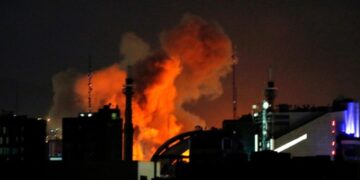
    The Gravity of What Took Place at Al-Aqsa Mosque During Ramadan 2026

    Ramazan 2026’da Mescid-i Aksa’da Yaşananların Ciddiyeti

    AFP/GETTY IMAGES

    FLA-JNIM İş Birliği ve Mali’de Değişen Güvenlik Dinamikleri

    Sosyal Medyada İslamcı-Muhafazakâr Kamusallığın Dönüşümü Üzerine

    Sosyal Medyada İslamcı-Muhafazakâr Kamusallığın Dönüşümü Üzerine

    Bangladeş’te 2026 Seçimleri Sonrası Siyasi Tartışmalar

    Bangladeş’te 2026 Seçimleri Sonrası Siyasi Tartışmalar

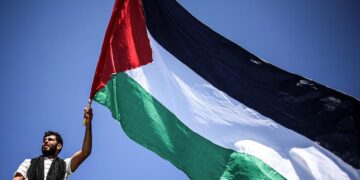
    Filistin’de Çocuk Olmak: 5 Nisan Filistinli Çocuklar Günü

    Filistin’de Çocuk Olmak: 5 Nisan Filistinli Çocuklar Günü

    Security, Fragility, and the Search for a New Equilibrium in the Gulf Following the Iranian Attacks

    İran Saldırıları Sonrası Körfez’de Güvenlik, Kırılganlık ve Yeni Denge Arayışı

  • SÖYLEŞİLER
    The Decolonization of Knowledge: Interview with Professor Souleymane Bachir Diagne

    Bilginin Dekolonizasyonu: Profesör Souleymane Bachir Diagne ile Röportaj

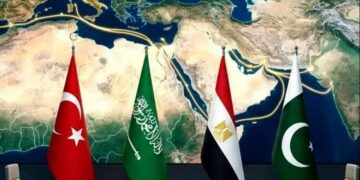
    A Possible New Breath in Regional Balances: The Alliance of Türkiye, Pakistan, Egypt, and Saudi Arabia

    Bölgesel Dengelerde Olası Yeni Bir Soluk: Türkiye, Pakistan, Mısır ve Suudi Arabistan İttifakı

    Digital Ummah and Muslim Identity: Dr. Sahar Khamis Interview

    Dijital Ümmet ve Müslüman Kimliği: Dr. Sahar Khamis ile Röportaj

    From the Ballot Box to the Street: The Rising Social Wave in Tanzania After the Election

    Sandıktan Sokağa: Tanzanya’da Seçim Sonrası Yükselen Toplumsal Dalga

    Müslüman Nüfusa Karşı Güvenlikleştirme

    Müslüman Nüfusa Karşı Güvenlikleştirme

    Gurbet Hikayeleri

    Gurbet Hikayeleri

    Göçü Yönetmek: Dr. Mehmet Köse’yle Söyleşi

    Göçü Yönetmek: Dr. Mehmet Köse’yle Söyleşi

    İstanbul’daki Uluslararası Öğrencilerle Söyleşi

    İstanbul’daki Uluslararası Öğrencilerle Söyleşi

    Zaytuna College Lisansüstü Eğitim Dekanı Maşuk Yamaç’la Söyleşi

    Zaytuna College Lisansüstü Eğitim Dekanı Maşuk Yamaç’la Söyleşi

  • DÜNYADAN SESLER
    Voices from the Muslim World | Sari Hanafi (with Turkish subtitles)

    Voices from the Muslim World | Sari Hanafi (with Turkish subtitles)

    Voices from the Muslim World | Ovamir Anjum

    Voices from the Muslim World | Ovamir Anjum

    VOICES FROM THE MUSLIM WORLD | DR. YASIR QADHI

    VOICES FROM THE MUSLIM WORLD | DR. YASIR QADHI

    VOICES FROM THE MUSLIM WORLD | DR. ADEEL MALIK

    VOICES FROM THE MUSLIM WORLD | DR. ADEEL MALIK

  • SAYILAR
  • VERİTABANI
    • All
    • Hareketler
    • Kurumlar
    • Şahsiyetler
    Pak-Türk Maarif

    Pak-Türk Maarif

    İslam Vakfı

    İslam Vakfı

    Avrupa Fetva ve Araştırma Konseyi

    Avrupa Fetva ve Araştırma Konseyi

    Tokyo Camii ve Diyanet Türk Kültür Merkezi

    Tokyo Camii ve Diyanet Türk Kültür Merkezi

  • PLATFORM
  • HABERLER
    İLKE Agenda: Muzzammil Ayyub Thakur ile Keşmir’in “Filistinleştirilmesi”

    İLKE Agenda: Muzzammil Ayyub Thakur ile Keşmir’in “Filistinleştirilmesi”

    İLKE Agenda: Muzzammil Ayyub Thakur ile Keşmir’in “Filistinleştirilmesi”

    The Platform Talks: Kinda Hawasli ile 8 Aralık Sonrası Suriye

    İLKE Agenda: Muzzammil Ayyub Thakur ile Keşmir’in “Filistinleştirilmesi”

    The Platform Talks: Azzam Tamimi ile 7 Ekim Sonrası Filistin

    İLKE Agenda: Muzzammil Ayyub Thakur ile Keşmir’in “Filistinleştirilmesi”

    İLKE Agenda: Gazze Soykırımı Günlerinde Aktivizm ve İslamofobi

    Filistin Sempozyumu: Filistin ve Küresel İlişkilerin Geleceği

    Filistin Sempozyumu: Filistin ve Küresel İlişkilerin Geleceği

    Filistin Sempozyumu: Filistin ve Küresel İlişkilerin Geleceği

    Müslüman Dünyada Çağdaş Düşünce Konferansı’nda buluşuyoruz!

    Filistin Sempozyumu: Filistin ve Küresel İlişkilerin Geleceği

    Müslüman Dünyada Çağdaş Düşünce Konferansı

    Filistin Sempozyumu: Filistin ve Küresel İlişkilerin Geleceği

    Dr. Jonathan Brown “İslam’ın Siyahiliğe ve Köleliğe Yaklaşımı” adlı seminer gerçekleştirdi.

  • ANALİZLER
    • All
    • Düşünce
    • Eğitim
    • Ekonomi
    • Enerji ve Çevre
    • Göç
    • Medya, Kültür ve Sanat
    • Temel Hak ve Özgürlükler
    • Toplumsal Meseleler
    The Gravity of What Took Place at Al-Aqsa Mosque During Ramadan 2026

    Ramazan 2026’da Mescid-i Aksa’da Yaşananların Ciddiyeti

    AFP/GETTY IMAGES

    FLA-JNIM İş Birliği ve Mali’de Değişen Güvenlik Dinamikleri

    Sosyal Medyada İslamcı-Muhafazakâr Kamusallığın Dönüşümü Üzerine

    Sosyal Medyada İslamcı-Muhafazakâr Kamusallığın Dönüşümü Üzerine

    Bangladeş’te 2026 Seçimleri Sonrası Siyasi Tartışmalar

    Bangladeş’te 2026 Seçimleri Sonrası Siyasi Tartışmalar

    Filistin’de Çocuk Olmak: 5 Nisan Filistinli Çocuklar Günü

    Filistin’de Çocuk Olmak: 5 Nisan Filistinli Çocuklar Günü

    Security, Fragility, and the Search for a New Equilibrium in the Gulf Following the Iranian Attacks

    İran Saldırıları Sonrası Körfez’de Güvenlik, Kırılganlık ve Yeni Denge Arayışı

  • SÖYLEŞİLER
    The Decolonization of Knowledge: Interview with Professor Souleymane Bachir Diagne

    Bilginin Dekolonizasyonu: Profesör Souleymane Bachir Diagne ile Röportaj

    A Possible New Breath in Regional Balances: The Alliance of Türkiye, Pakistan, Egypt, and Saudi Arabia

    Bölgesel Dengelerde Olası Yeni Bir Soluk: Türkiye, Pakistan, Mısır ve Suudi Arabistan İttifakı

    Digital Ummah and Muslim Identity: Dr. Sahar Khamis Interview

    Dijital Ümmet ve Müslüman Kimliği: Dr. Sahar Khamis ile Röportaj

    From the Ballot Box to the Street: The Rising Social Wave in Tanzania After the Election

    Sandıktan Sokağa: Tanzanya’da Seçim Sonrası Yükselen Toplumsal Dalga

    Müslüman Nüfusa Karşı Güvenlikleştirme

    Müslüman Nüfusa Karşı Güvenlikleştirme

    Gurbet Hikayeleri

    Gurbet Hikayeleri

    Göçü Yönetmek: Dr. Mehmet Köse’yle Söyleşi

    Göçü Yönetmek: Dr. Mehmet Köse’yle Söyleşi

    İstanbul’daki Uluslararası Öğrencilerle Söyleşi

    İstanbul’daki Uluslararası Öğrencilerle Söyleşi

    Zaytuna College Lisansüstü Eğitim Dekanı Maşuk Yamaç’la Söyleşi

    Zaytuna College Lisansüstü Eğitim Dekanı Maşuk Yamaç’la Söyleşi

  • DÜNYADAN SESLER
    Voices from the Muslim World | Sari Hanafi (with Turkish subtitles)

    Voices from the Muslim World | Sari Hanafi (with Turkish subtitles)

    Voices from the Muslim World | Ovamir Anjum

    Voices from the Muslim World | Ovamir Anjum

    VOICES FROM THE MUSLIM WORLD | DR. YASIR QADHI

    VOICES FROM THE MUSLIM WORLD | DR. YASIR QADHI

    VOICES FROM THE MUSLIM WORLD | DR. ADEEL MALIK

    VOICES FROM THE MUSLIM WORLD | DR. ADEEL MALIK

  • SAYILAR
  • VERİTABANI
    • All
    • Hareketler
    • Kurumlar
    • Şahsiyetler
    Pak-Türk Maarif

    Pak-Türk Maarif

    İslam Vakfı

    İslam Vakfı

    Avrupa Fetva ve Araştırma Konseyi

    Avrupa Fetva ve Araştırma Konseyi

    Tokyo Camii ve Diyanet Türk Kültür Merkezi

    Tokyo Camii ve Diyanet Türk Kültür Merkezi

No Result
View All Result
Platform
No Result
View All Result
Home Analyses

In the Shadow of Massacres: Sudan

Serhat Orakçı by Serhat Orakçı
22 Nisan 2026
in Analyses, Opinion
0
Katliamların Gölgesinde Sudan
0
SHARES
0
VIEWS
Share on FacebookShare on Twitter

This text has been translated from the original Turkish version.

Global media has finally begun to pay attention to Sudan; unfortunately, it appears that large-scale massacres had to be witnessed for this to occur. The massacre that took place in El Fasher, where more than two thousand innocent people were brutally killed in a single day, has become a turning point for Sudan. However, such massacres have been taking place in Sudan for a long time; incidents similar to those in El Fasher had already occurred in El Geneina and Al Jazirah. Sudan’s greatest misfortune is that the civil war and turmoil into which it has fallen coincided with the genocide perpetrated by Israel in Gaza.

Is there, then, any explanation for these massacres and the blood that has been shed? No, there is no reasonable explanation that can be offered. For the past 30 months in Sudan, the Sudanese Armed Forces (SAF), that is, the army, and the entity known as the Rapid Support Forces (RSF) have been engaged in open armed conflict. Both actors are struggling to establish territorial control. In parallel with this struggle, a large-scale humanitarian crisis is unfolding. The first shot was fired in April 2023, and since then, Sudan has been the stage for the confrontation between these two forces, neither of which has been able to prevail over the other. At first glance, what appears is a power struggle over who will rule Sudan, alongside external actors that seek to benefit from this struggle.

As will be recalled, the rule of Omar al-Bashir in Sudan came to an end in April 2019. While street protests driven primarily by economic hardship played the leading role in the downfall of the regime, a bloodless coup was carried out jointly by the army and the RSF. The Transitional Sovereignty Council was rapidly established, bringing together both the coup leaders and the civilian groups that had organized the protest movements in the streets; however, disagreements between these actors began to manifest themselves from the very first day. Initially, tensions between the military and civilian components came to the fore. At this point, the removal of civilian representatives did not take long, and soon thereafter, disputes among the military elements themselves surfaced openly. It was at this juncture that the position of the RSF became decisive.

Where did the entity known as the RSF, which today hangs over Sudan like a nightmare, come from, and what does it seek? Answering this question may be useful for understanding what is happening in Sudan. When we look at Mohamed Hamdan Dagalo, nicknamed “Hemedti,” who leads the RSF, we see that he emerged on the Sudanese scene in connection with the regional crisis that unfolded in Darfur in 2003. Hemedti, who began to operate in coordination with the Sudanese state’s active intelligence units in Darfur, rapidly turned, together with the men he recruited and the support he received from intelligence, into a force that suppressed several armed groups that had launched an insurrection against the state in Darfur. At the local level, this structure, referred to among the population as the “Janjaweed,” became the stuff of nightmares for the people of Darfur: using methods similar to those it employs today, it raided villages, looted, killed, and committed crimes against women. In other words, the RSF’s criminal record has been exceedingly extensive for more than the past twenty years.

The Janjaweed militias, which had become a valuable instrument for the state, were, before they could slip out of control, subjected to a strategic maneuver by the government. This structure was legalized and integrated into the state’s security apparatus. From this stage onward, the now-legalized militias began to appear on the Sudanese scene under the name Rapid Support Forces (RSF), and they turned into the regime’s guardian angels. The Bashir regime, of course, soon realized that it had created a Frankenstein’s monster with its own hands; however, for Hemedti, whose forces were growing in number, establishing external connections, and seizing control of gold fields in Darfur, the game was only just beginning.

By taking part in the process that led to the overthrow of Omar al-Bashir, the RSF rapidly became the most influential actor in the state after the army. Hemedti assumed the position of the second-ranking figure in the newly established Transitional Sovereignty Council; he undertook foreign trips, held rallies across the country, and frequently signaled that he was a candidate to govern the country. In the meantime, he was also appointing his own family members and trusted associates to strategic positions.

In 2021, Sudan entered a normalization process with the United States; however, in essence, this was primarily a normalization with Israel. The precondition set by the United States for removing Sudan from the list of state sponsors of terrorism, on which it had been placed for 20 years, was the signing of the Abraham Accords. During this process, Abdel Fattah al-Burhan, who chaired the Sovereignty Council, and Hemedti, who served as the Council’s second-ranking member, held various meetings with Israeli officials. In this way, Israel, after a long hiatus, found the opportunity to re-enter the Sudanese arena.

At the beginning of 2022, under mounting pressure, Prime Minister Abdullah Hamdok, the most prominent figure of the civilian wing, announced his resignation and relinquished his post. When clashes erupted in the country a year and a half later, one of the most important topics being discussed in Sudan was the plan to integrate the RSF into the army and thereby dissolve it within the armed forces, an initiative that Hemedti found far from appealing. Having been marketing himself to external actors as a candidate to rule Sudan, Hemedti was well aware that integrating his forces into the army would result in a significant loss of power. The disagreement that emerged between the RSF and the army soon escalated into open armed conflict. Benefiting from the financial resources gained by selling abroad the gold extracted from the mining sites under its control, the RSF had little difficulty in acquiring state-of-the-art military weapons and equipment. The inflow of weapons into the country in exchange for gold brought Hemedti and the UAE into a close embrace. At the same time, Israel also assumed its place on the scene as the invisible third actor in this relationship.

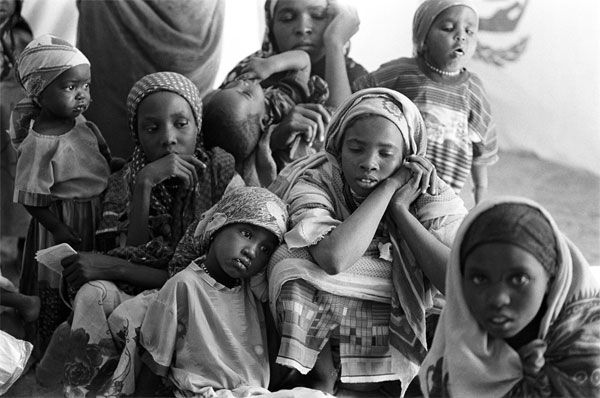
While the struggle for power in Sudan continues in the military realm, a major humanitarian crisis is also being acutely felt across the country. Economic, political, military, and humanitarian crises are intertwined. In a country with a population of 46 million, 14 million people have been displaced from their homes. According to United Nations data, 30 million people are in need of humanitarian assistance to varying degrees. As diseases such as cholera, malaria, and measles increase significantly, there is virtually no properly functioning healthcare system in the country. Ninety percent of school-age children in Sudan are deprived of schooling. This reality, in fact, demonstrates that the future of a significant territory within the Islamic world is at serious risk.

Another risk is that Sudan, which lost the South Sudan region in 2011, now stands on the verge of a new partition, since the structure known as the RSF holds significant territorial control in the Darfur and Kordofan regions. Looking at the country as a whole, roughly two-thirds of the territory is under army control, while one-third remains under RSF control. This situation, as in Libya, in effect means a de facto division of Sudan into east and west. This process implies the disintegration of Sudan, for a country that already experienced a partition in 2011 would find it extremely difficult to keep the remaining territory together if it were also to lose the Darfur region.

All eyes are currently turned toward the United States. At the request of Mohammed bin Salman, Donald Trump has announced to the public that he will take an interest in the Sudan file. However, the primary priority of U.S. foreign policy is to guarantee Israel’s security in these regions and to construct a surrounding environment made up of weak states; therefore, it would be exceedingly naïve to expect that any new process to be initiated with the United States will work to Sudan’s benefit. Sudan’s recovery can only be achieved through the activation of its own internal dynamics and the resolution of its chronic problems, such as the distribution and transfer of power.

*Opinions expressed in this article are the author’s own and do not necessarily reflect Platform: Current Muslim Affairs’ editorial policy.


Tags: Sudan
Previous Post

Katliamların Gölgesinde Sudan

Next Post

İran’ın Nükleer Müzakerelerine İlişkin Olası Senaryolar

Next Post
İran’ın Nükleer Müzakerelerine İlişkin Olası Senaryolar

İran’ın Nükleer Müzakerelerine İlişkin Olası Senaryolar

Bir yanıt yazın Yanıtı iptal et

E-posta adresiniz yayınlanmayacak. Gerekli alanlar * ile işaretlenmişlerdir

  • A Possible New Breath in Regional Balances: The Alliance of Türkiye, Pakistan, Egypt, and Saudi Arabia

    Bölgesel Dengelerde Olası Yeni Bir Soluk: Türkiye, Pakistan, Mısır ve Suudi Arabistan İttifakı

    0 shares
    Share 0 Tweet 0
  • Bilime Yön Verenler: Nobel Ödüllü Müslüman Bilim İnsanları

    0 shares
    Share 0 Tweet 0
  • Nakşibendi-Hakkani Tarikatı

    0 shares
    Share 0 Tweet 0
  • Fuad Sezgin

    0 shares
    Share 0 Tweet 0
  • Sosyal Medyada İslamcı-Muhafazakâr Kamusallığın Dönüşümü Üzerine

    0 shares
    Share 0 Tweet 0
  • The Gravity of What Took Place at Al-Aqsa Mosque During Ramadan 2026

    Ramazan 2026’da Mescid-i Aksa’da Yaşananların Ciddiyeti

    0 shares
    Share 0 Tweet 0
  • The Gravity of What Took Place at Al-Aqsa Mosque During Ramadan 2026

    0 shares
    Share 0 Tweet 0
  • FLA-JNIM Cooperation and Shifting Security Dynamics in Mali

    0 shares
    Share 0 Tweet 0
  • FLA-JNIM İş Birliği ve Mali’de Değişen Güvenlik Dinamikleri

    0 shares
    Share 0 Tweet 0
  • The Current State of Indonesia’s Luxury Industry and the Landscape of Independent Handcrafted Watchmaking

    0 shares
    Share 0 Tweet 0

Platform: Müslüman Dünyanın Gündemi, Müslüman toplumların fikrî, siyasi, sosyal, ekonomik ve kültürel gündemlerini takip ve tahlil edip Müslüman dünyaya dair güncel ve özgün perspektifler sunmayı amaçlayan bir yayın organı olarak İLKE İlim Kültür Eğitim Vakfı bünyesinde kurulmuştur.

  • SAYILAR
  • ANALİZLER
  • HABERLER
  • SÖYLEŞİLER
  • DÜNYADAN SESLER
  • platform@ilke.org.tr
  • (0216) 310 43 18
  • Aziz Mahmut Hüdayi Mah. Türbe Kapısı Sk. No: 13 Üsküdar, İstanbul

2025 @ PLATFORM bir İLKE Vakfı kuruluşudur. Tüm hakları saklıdır. 

No Result
View All Result
  • Home
  • Analizler
  • Haberler
  • Söyleşiler
  • Dünyadan Sesler