










İLKE Vakfı
Platform
No Result
View All Result
  • PLATFORM
  • HABERLER
    İLKE Agenda: Muzzammil Ayyub Thakur ile Keşmir’in “Filistinleştirilmesi”

    İLKE Agenda: Muzzammil Ayyub Thakur ile Keşmir’in “Filistinleştirilmesi”

    İLKE Agenda: Muzzammil Ayyub Thakur ile Keşmir’in “Filistinleştirilmesi”

    The Platform Talks: Kinda Hawasli ile 8 Aralık Sonrası Suriye

    İLKE Agenda: Muzzammil Ayyub Thakur ile Keşmir’in “Filistinleştirilmesi”

    The Platform Talks: Azzam Tamimi ile 7 Ekim Sonrası Filistin

    İLKE Agenda: Muzzammil Ayyub Thakur ile Keşmir’in “Filistinleştirilmesi”

    İLKE Agenda: Gazze Soykırımı Günlerinde Aktivizm ve İslamofobi

    Filistin Sempozyumu: Filistin ve Küresel İlişkilerin Geleceği

    Filistin Sempozyumu: Filistin ve Küresel İlişkilerin Geleceği

    Filistin Sempozyumu: Filistin ve Küresel İlişkilerin Geleceği

    Müslüman Dünyada Çağdaş Düşünce Konferansı’nda buluşuyoruz!

    Filistin Sempozyumu: Filistin ve Küresel İlişkilerin Geleceği

    Müslüman Dünyada Çağdaş Düşünce Konferansı

    Filistin Sempozyumu: Filistin ve Küresel İlişkilerin Geleceği

    Dr. Jonathan Brown “İslam’ın Siyahiliğe ve Köleliğe Yaklaşımı” adlı seminer gerçekleştirdi.

  • ANALİZLER
    • All
    • Düşünce
    • Eğitim
    • Ekonomi
    • Enerji ve Çevre
    • Göç
    • Medya, Kültür ve Sanat
    • Temel Hak ve Özgürlükler
    • Toplumsal Meseleler
    The Gravity of What Took Place at Al-Aqsa Mosque During Ramadan 2026

    Ramazan 2026’da Mescid-i Aksa’da Yaşananların Ciddiyeti

    AFP/GETTY IMAGES

    FLA-JNIM İş Birliği ve Mali’de Değişen Güvenlik Dinamikleri

    Sosyal Medyada İslamcı-Muhafazakâr Kamusallığın Dönüşümü Üzerine

    Sosyal Medyada İslamcı-Muhafazakâr Kamusallığın Dönüşümü Üzerine

    Bangladeş’te 2026 Seçimleri Sonrası Siyasi Tartışmalar

    Bangladeş’te 2026 Seçimleri Sonrası Siyasi Tartışmalar

    Filistin’de Çocuk Olmak: 5 Nisan Filistinli Çocuklar Günü

    Filistin’de Çocuk Olmak: 5 Nisan Filistinli Çocuklar Günü

    Security, Fragility, and the Search for a New Equilibrium in the Gulf Following the Iranian Attacks

    İran Saldırıları Sonrası Körfez’de Güvenlik, Kırılganlık ve Yeni Denge Arayışı

  • SÖYLEŞİLER
    The Decolonization of Knowledge: Interview with Professor Souleymane Bachir Diagne

    Bilginin Dekolonizasyonu: Profesör Souleymane Bachir Diagne ile Röportaj

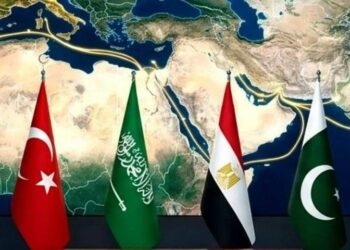
    A Possible New Breath in Regional Balances: The Alliance of Türkiye, Pakistan, Egypt, and Saudi Arabia

    Bölgesel Dengelerde Olası Yeni Bir Soluk: Türkiye, Pakistan, Mısır ve Suudi Arabistan İttifakı

    Digital Ummah and Muslim Identity: Dr. Sahar Khamis Interview

    Dijital Ümmet ve Müslüman Kimliği: Dr. Sahar Khamis ile Röportaj

    From the Ballot Box to the Street: The Rising Social Wave in Tanzania After the Election

    Sandıktan Sokağa: Tanzanya’da Seçim Sonrası Yükselen Toplumsal Dalga

    Müslüman Nüfusa Karşı Güvenlikleştirme

    Müslüman Nüfusa Karşı Güvenlikleştirme

    Gurbet Hikayeleri

    Gurbet Hikayeleri

    Göçü Yönetmek: Dr. Mehmet Köse’yle Söyleşi

    Göçü Yönetmek: Dr. Mehmet Köse’yle Söyleşi

    İstanbul’daki Uluslararası Öğrencilerle Söyleşi

    İstanbul’daki Uluslararası Öğrencilerle Söyleşi

    Zaytuna College Lisansüstü Eğitim Dekanı Maşuk Yamaç’la Söyleşi

    Zaytuna College Lisansüstü Eğitim Dekanı Maşuk Yamaç’la Söyleşi

  • DÜNYADAN SESLER
    Voices from the Muslim World | Sari Hanafi (with Turkish subtitles)

    Voices from the Muslim World | Sari Hanafi (with Turkish subtitles)

    Voices from the Muslim World | Ovamir Anjum

    Voices from the Muslim World | Ovamir Anjum

    VOICES FROM THE MUSLIM WORLD | DR. YASIR QADHI

    VOICES FROM THE MUSLIM WORLD | DR. YASIR QADHI

    VOICES FROM THE MUSLIM WORLD | DR. ADEEL MALIK

    VOICES FROM THE MUSLIM WORLD | DR. ADEEL MALIK

  • SAYILAR
  • VERİTABANI
    • All
    • Hareketler
    • Kurumlar
    • Şahsiyetler
    Pak-Türk Maarif

    Pak-Türk Maarif

    İslam Vakfı

    İslam Vakfı

    Avrupa Fetva ve Araştırma Konseyi

    Avrupa Fetva ve Araştırma Konseyi

    Tokyo Camii ve Diyanet Türk Kültür Merkezi

    Tokyo Camii ve Diyanet Türk Kültür Merkezi

  • PLATFORM
  • HABERLER
    İLKE Agenda: Muzzammil Ayyub Thakur ile Keşmir’in “Filistinleştirilmesi”

    İLKE Agenda: Muzzammil Ayyub Thakur ile Keşmir’in “Filistinleştirilmesi”

    İLKE Agenda: Muzzammil Ayyub Thakur ile Keşmir’in “Filistinleştirilmesi”

    The Platform Talks: Kinda Hawasli ile 8 Aralık Sonrası Suriye

    İLKE Agenda: Muzzammil Ayyub Thakur ile Keşmir’in “Filistinleştirilmesi”

    The Platform Talks: Azzam Tamimi ile 7 Ekim Sonrası Filistin

    İLKE Agenda: Muzzammil Ayyub Thakur ile Keşmir’in “Filistinleştirilmesi”

    İLKE Agenda: Gazze Soykırımı Günlerinde Aktivizm ve İslamofobi

    Filistin Sempozyumu: Filistin ve Küresel İlişkilerin Geleceği

    Filistin Sempozyumu: Filistin ve Küresel İlişkilerin Geleceği

    Filistin Sempozyumu: Filistin ve Küresel İlişkilerin Geleceği

    Müslüman Dünyada Çağdaş Düşünce Konferansı’nda buluşuyoruz!

    Filistin Sempozyumu: Filistin ve Küresel İlişkilerin Geleceği

    Müslüman Dünyada Çağdaş Düşünce Konferansı

    Filistin Sempozyumu: Filistin ve Küresel İlişkilerin Geleceği

    Dr. Jonathan Brown “İslam’ın Siyahiliğe ve Köleliğe Yaklaşımı” adlı seminer gerçekleştirdi.

  • ANALİZLER
    • All
    • Düşünce
    • Eğitim
    • Ekonomi
    • Enerji ve Çevre
    • Göç
    • Medya, Kültür ve Sanat
    • Temel Hak ve Özgürlükler
    • Toplumsal Meseleler
    The Gravity of What Took Place at Al-Aqsa Mosque During Ramadan 2026

    Ramazan 2026’da Mescid-i Aksa’da Yaşananların Ciddiyeti

    AFP/GETTY IMAGES

    FLA-JNIM İş Birliği ve Mali’de Değişen Güvenlik Dinamikleri

    Sosyal Medyada İslamcı-Muhafazakâr Kamusallığın Dönüşümü Üzerine

    Sosyal Medyada İslamcı-Muhafazakâr Kamusallığın Dönüşümü Üzerine

    Bangladeş’te 2026 Seçimleri Sonrası Siyasi Tartışmalar

    Bangladeş’te 2026 Seçimleri Sonrası Siyasi Tartışmalar

    Filistin’de Çocuk Olmak: 5 Nisan Filistinli Çocuklar Günü

    Filistin’de Çocuk Olmak: 5 Nisan Filistinli Çocuklar Günü

    Security, Fragility, and the Search for a New Equilibrium in the Gulf Following the Iranian Attacks

    İran Saldırıları Sonrası Körfez’de Güvenlik, Kırılganlık ve Yeni Denge Arayışı

  • SÖYLEŞİLER
    The Decolonization of Knowledge: Interview with Professor Souleymane Bachir Diagne

    Bilginin Dekolonizasyonu: Profesör Souleymane Bachir Diagne ile Röportaj

    A Possible New Breath in Regional Balances: The Alliance of Türkiye, Pakistan, Egypt, and Saudi Arabia

    Bölgesel Dengelerde Olası Yeni Bir Soluk: Türkiye, Pakistan, Mısır ve Suudi Arabistan İttifakı

    Digital Ummah and Muslim Identity: Dr. Sahar Khamis Interview

    Dijital Ümmet ve Müslüman Kimliği: Dr. Sahar Khamis ile Röportaj

    From the Ballot Box to the Street: The Rising Social Wave in Tanzania After the Election

    Sandıktan Sokağa: Tanzanya’da Seçim Sonrası Yükselen Toplumsal Dalga

    Müslüman Nüfusa Karşı Güvenlikleştirme

    Müslüman Nüfusa Karşı Güvenlikleştirme

    Gurbet Hikayeleri

    Gurbet Hikayeleri

    Göçü Yönetmek: Dr. Mehmet Köse’yle Söyleşi

    Göçü Yönetmek: Dr. Mehmet Köse’yle Söyleşi

    İstanbul’daki Uluslararası Öğrencilerle Söyleşi

    İstanbul’daki Uluslararası Öğrencilerle Söyleşi

    Zaytuna College Lisansüstü Eğitim Dekanı Maşuk Yamaç’la Söyleşi

    Zaytuna College Lisansüstü Eğitim Dekanı Maşuk Yamaç’la Söyleşi

  • DÜNYADAN SESLER
    Voices from the Muslim World | Sari Hanafi (with Turkish subtitles)

    Voices from the Muslim World | Sari Hanafi (with Turkish subtitles)

    Voices from the Muslim World | Ovamir Anjum

    Voices from the Muslim World | Ovamir Anjum

    VOICES FROM THE MUSLIM WORLD | DR. YASIR QADHI

    VOICES FROM THE MUSLIM WORLD | DR. YASIR QADHI

    VOICES FROM THE MUSLIM WORLD | DR. ADEEL MALIK

    VOICES FROM THE MUSLIM WORLD | DR. ADEEL MALIK

  • SAYILAR
  • VERİTABANI
    • All
    • Hareketler
    • Kurumlar
    • Şahsiyetler
    Pak-Türk Maarif

    Pak-Türk Maarif

    İslam Vakfı

    İslam Vakfı

    Avrupa Fetva ve Araştırma Konseyi

    Avrupa Fetva ve Araştırma Konseyi

    Tokyo Camii ve Diyanet Türk Kültür Merkezi

    Tokyo Camii ve Diyanet Türk Kültür Merkezi

No Result
View All Result
Platform
No Result
View All Result
Home Analyses

India: Targeting ‘Infiltrators’ or Only Muslims?

Afroz Alam Sahil by Afroz Alam Sahil
6 Kasım 2025
in Analyses, Social Issues
0
India: Targeting ‘Infiltrators’ or Only Muslims?
0
SHARES
5
VIEWS
Share on FacebookShare on Twitter

Under Prime Minister Narendra Modi’s leadership, Indian Muslims, especially Bengali speakers, face increasing discrimination. Cases of deportation to Bangladesh highlight this challenge, with families being labeled as “infiltrators.” Reports indicate rising hate and violence against Bengali Muslims, particularly in states governed by the BJP, sparking widespread concern and protests.

In India, under the leadership of Prime Minister Narendra Modi, conditions for sections of the Muslim community have become increasingly challenging during the tenure of the Bharatiya Janata Party (BJP) government. Since assuming power, the Modi government has been criticized by scholars and human rights organizations for adopting policies that are discriminatory toward minorities. A recent source of concern involves citizenship initiatives that have mainly targeted Bengali-speaking Indian Muslims, framing them as “infiltrators” and heightening anxieties about statelessness and deportation to Bangladesh. Some recent examples are as follows:

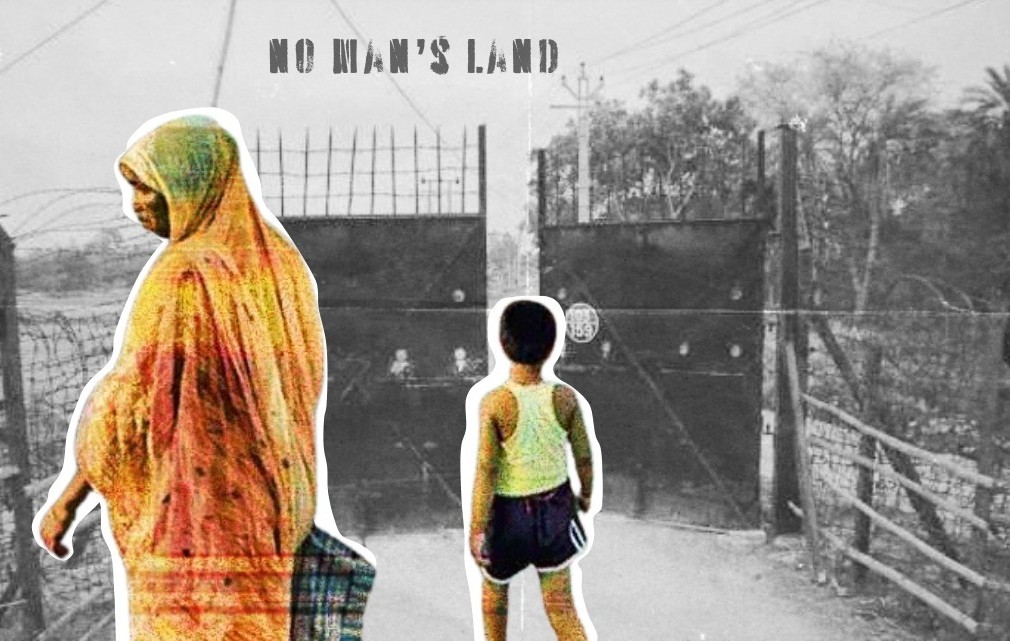
Sunali Khatoon, a 25-year-old woman from Birbhum district in India’s West Bengal state, is currently being held in Chapai Nawabganj jail in Bangladesh. She had been working as a domestic worker in New Delhi, the capital of India. On June 20, 2025, Delhi Police arrested Sunali, her husband, Danish, and their eight-year-old son, Sabir, from Rohini. When asked to provide proof of Indian citizenship, the family produced their Aadhaar and ration cards. The police, however, demanded a birth certificate. The family explained that Sabir’s birth certificate had recently been destroyed in a slum fire, but the police refused to accept this explanation.

Six days later, the Foreigners Regional Registration Office ordered the deportation of the entire family to Bangladesh. Sunali’s relatives insist they are Indian citizens and claim to have land documents proving family ownership that dates back five generations. Their claim has been supported by Rajya Sabha member Samirul Islam, who has petitioned the Supreme Court against the deportation. At the same time, Sunali’s father has filed a habeas corpus petition in the Calcutta High Court. The case has taken on an urgent human dimension: Sunali is nearly eight months pregnant. Her family is now asking, “If she gives birth in Bangladesh, what will be the legal status of her child?”

The Calcutta High Court ordered on September 27, 2025, the return of six people, including a pregnant woman, Sunali Khatun, who were deported to Bangladesh earlier this year. The court declared the deportation “illegal” and directed India’s Union Home Ministry to ensure their return to West Bengal within four weeks.

In addition to this case, on May 27, 14 people were reportedly forced into the “no man’s land” along the India-Bangladesh border by India’s Border Security Force (BSF). Among them were two Bengali Muslim women from Assam, Shona Bhanu and Rahima Begum, who later managed to return home. Rahima Begum, 50, recounted that police came to her house on the morning of May 25 and transported her nearly 425 kilometers away to the Matia Detention Center in Lower Assam. There, detainees were served Khichdi (a simple dish made with rice and lentils) and handed Bangladeshi currency notes. “They told us, ‘Go to Bangladesh—you are Bangladeshis,” she said. The next morning, the detainees were divided into groups and pushed across the border. According to Begum, once they crossed, local villagers began asking where they had come from. Soon, Bangladeshi border police arrived, interrogated them, and ordered them to return to India. “They even beat me,” she said. Begum added that she did not even know which part of Bangladesh she had been taken to.

When she tried to make her way back, she said she was caught in crossfire between Indian and Bangladeshi border forces. “We were terrified and lay in an open field all day in the scorching heat,” she recalled. By evening, BSF personnel provided them with water, called them back towards India, and offered food, while also demanding that they return the Bangladeshi money. The women were then escorted home by local police. Begum’s daughter said her mother remains deeply traumatized. “The government should do an inquiry before harassing people like this. Not a single Indian should go through this.”

This is not the first time an Indian citizen has been forcibly deported to Bangladesh after being labeled an “infiltrator” or “Bangladeshi.” Reports in credible Indian media have documented how the BSF has illegally pushed Indian nationals across the border; some have managed to return, while others remain stranded in Bangladesh or held in its jails.

The problem has intensified in recent months. Thousands of Bengali-speaking workers have been rounded up in several states governed by the Bharatiya Janata Party (BJP) and ordered to prove their Indian citizenship. In numerous cases, workers were declared “foreigners” within days and deported to Bangladesh, despite their claims and often evidence that they were Indian citizens.

A report by the Center for the Study of Organized Hate warns that “hate and violence against Muslims of Bengali origin are on the rise in Assam.” Between July 9 and July 30, the group documented 18 rallies and protests across 14 districts of the state.

According to the report, many of these events were organized or backed by leaders and supporters of the ruling BJP. They featured inflammatory speeches, public celebrations of violent evictions, and calls for further demolitions of the homes and businesses of people alleged to be “illegal Bangladeshi immigrants.”

A Human Rights Watch report states that “Since May 2025, the Hindu nationalist BJP-led government has intensified operations to expel ethnic Bengali Muslims to Bangladesh.”

While the Indian government has not released official figures, Bangladesh’s Border Guard reported that between May 7 and June 15, India deported more than 1,500 Muslim men, women, and children, including around 100 Rohingya refugees from Myanmar. The deportations are reportedly ongoing.

Meanwhile, according to media reports, “Bangladesh’s foreign ministry said it had written letters to the Indian authorities urging them to stop sending people over the border without consultation and vetting, as was the previous official procedure, but they said those letters had gone unanswered.”

Across India, Bengali-speaking Muslims are facing increasing targeting, with the situation in Assam being particularly severe. As a journalist, I had the opportunity to visit Assam, especially during the update of the National Register of Citizens (NRC), whose final list was published on August 31, 2019. While working on a documentary: State of “The Stateless”, I was able to gain a deep understanding of the issue.

I visited detention centers and saw firsthand the people who were being held there for days. I witnessed the fear in their eyes and spoke to individuals who had already been detained. Later, I reported on the plight of 426 families in Sonitpur district of Assam whose names were included in the NRC. Despite this, their homes were demolished by the local MLA, Padma Hazarika, who labeled them “Bangladeshi infiltrators.”

When I visited in January 2020, more than 2,500 people from these 426 families were living in makeshift shelters under the open sky in freezing winter conditions. Many of them owned land and possessed official documents that proved their Indian citizenship. Their names were included in the NRC, yet their houses were destroyed, allegedly because they were not registered voters in that constituency.

The story of human rights violations in Assam is long and painful—and now, similar patterns appear to be unfolding across other parts of India.

This story of oppression gained momentum when Indian Prime Minister Narendra Modi announced from the ramparts of the Red Fort that “we have decided to launch a High-Power Demography Mission.”Since then, this rhetoric has been repeated frequently. Assam is scheduled to hold elections in 2026, while Bihar is due to hold elections (on November 6, and 11) this year. During his campaign, the Prime Minister has repeatedly targeted so-called “ghuspaith” (infiltrators), claiming that “his government will free the country from them.”

Critics argue that the government’s actions largely target Muslims. Meanwhile, the same administration has allowed members of minority communities, including Hindus, Sikhs, Buddhists, Jains, Parsis, and Christians, from Afghanistan, Pakistan, and Bangladesh, who entered India by December 31, 2024, to remain in the country without valid travel documents under the Citizenship (Amendment) Act (CAA). Previously, the CAA granted Indian citizenship only to those who arrived on or before December 31, 2014.

Interestingly, India has also granted asylum to Bangladesh’s Prime Minister, Sheikh Hasina, following the events that toppled the previous government in Bangladesh. This prompted Hyderabad MP Asaduddin Owaisi to ask: “Why are we keeping that deposed leader (Sheikh Hasina) in the country? Send her back. She is also a Bangladeshi, isn’t she?”

Taken together, these incidents reveal a rapidly consolidating security-driven model of citizenship — one that disproportionately targets Bengali-speaking Indian Muslims. What began in Assam is no longer confined to its borders; the pattern is quietly expanding into other BJP-ruled states. A recent court judgment has underscored the depth of this crisis. On 27 September, Calcutta High Court noted that state authorities are failing to uphold their constitutional duties in such cases, including the mandatory 30-day verification from a detainee’s home state before deportation. The bench stated: “The right to life and personal liberty cannot be trampled upon through administrative shortcuts.” Invoking the international principle of non-refoulement, the court reaffirmed that no person may be sent back to a place where their life or dignity is at risk — regardless of citizenship status. Perhaps this is where the larger question arises: When a state begins to lose its soul in the name of securing its borders — what truly remains of citizenship, except fear?

Bibliography

See https://scroll.in/article/1086196/pregnant-woman-from-bengal-forced-into-bangladesh-family-has-land-records-from-five-generations-ago

See https://economictimes.indiatimes.com/news/india/tmc-mp-samirul-islam-moves-sc-over-alleged-harassment-of-bengali-speaking-migrant-workers-in-bjp-ruled-states/articleshow/123310729.cms?from=mdr

See https://indianexpress.com/article/cities/kolkata/calcutta-hc-asks-centre-on-two-families-pushed-into-bangladesh-10272592/

See https://scroll.in/article/1083030/two-assam-women-allegedly-pushed-out-of-india-towards-bangladesh-brought-back

See https://scroll.in/article/1083030/two-assam-women-allegedly-pushed-out-of-india-towards-bangladesh-brought-back

See https://indiahatelab.com/2025/07/31/hate-campaign-in-assam/

See https://indiahatelab.com/2025/07/31/hate-campaign-in-assam/

See https://www.hrw.org/news/2025/07/23/india-hundreds-of-muslims-unlawfully-expelled-to-bangladesh

See https://www.theguardian.com/global-development/2025/jun/19/india-deporting-indians-muslim-citizens-bangladesh-say-rights-groups-border

See https://youtu.be/ODsBEpHhdfU?si=icPRrSii_SGd34WS

See https://beyondheadlines.in/2020/01/from-home-to-homeless-how-politics-bulldozed-assams-muslim-families/

See https://www.pmindia.gov.in/en/news_updates/pms-address-from-the-ramparts-of-red-fort-on-the-occasion-of-79th-independence-day/?comment=disable&tag_term=pmspeech

See https://www.hindustantimes.com/india-news/modi-attacks-rjd-congress-for-shielding-infiltrators-in-bihar-101757960568607.html

See https://www.newindianexpress.com/nation/2025/Sep/03/mha-extends-caa-cut-off-date-to-31-december-2024-easing-citizenship-process-for-persecuted-minorities  

See https://indianexpress.com/article/political-pulse/asaduddin-owaisi-bangladeshi-deportation-sheikh-hasina-10202786/

Previous Post

Insight into Turkey’s Civil Society Ecosystem in light of the Experience of the Global Sumud Flotilla

Next Post

The Land Burns Twice: Ecocide and the Colonial War on Nature in South Lebanon and Palestine

Next Post
The Land Burns Twice: Ecocide and the Colonial War on Nature in South Lebanon and Palestine

The Land Burns Twice: Ecocide and the Colonial War on Nature in South Lebanon and Palestine

Bir yanıt yazın Yanıtı iptal et

E-posta adresiniz yayınlanmayacak. Gerekli alanlar * ile işaretlenmişlerdir

  • A Possible New Breath in Regional Balances: The Alliance of Türkiye, Pakistan, Egypt, and Saudi Arabia

    Bölgesel Dengelerde Olası Yeni Bir Soluk: Türkiye, Pakistan, Mısır ve Suudi Arabistan İttifakı

    0 shares
    Share 0 Tweet 0
  • Bilime Yön Verenler: Nobel Ödüllü Müslüman Bilim İnsanları

    0 shares
    Share 0 Tweet 0
  • Nakşibendi-Hakkani Tarikatı

    0 shares
    Share 0 Tweet 0
  • Fuad Sezgin

    0 shares
    Share 0 Tweet 0
  • Sosyal Medyada İslamcı-Muhafazakâr Kamusallığın Dönüşümü Üzerine

    0 shares
    Share 0 Tweet 0
  • The Gravity of What Took Place at Al-Aqsa Mosque During Ramadan 2026

    Ramazan 2026’da Mescid-i Aksa’da Yaşananların Ciddiyeti

    0 shares
    Share 0 Tweet 0
  • The Gravity of What Took Place at Al-Aqsa Mosque During Ramadan 2026

    0 shares
    Share 0 Tweet 0
  • FLA-JNIM Cooperation and Shifting Security Dynamics in Mali

    0 shares
    Share 0 Tweet 0
  • FLA-JNIM İş Birliği ve Mali’de Değişen Güvenlik Dinamikleri

    0 shares
    Share 0 Tweet 0
  • The Current State of Indonesia’s Luxury Industry and the Landscape of Independent Handcrafted Watchmaking

    0 shares
    Share 0 Tweet 0

Platform: Müslüman Dünyanın Gündemi, Müslüman toplumların fikrî, siyasi, sosyal, ekonomik ve kültürel gündemlerini takip ve tahlil edip Müslüman dünyaya dair güncel ve özgün perspektifler sunmayı amaçlayan bir yayın organı olarak İLKE İlim Kültür Eğitim Vakfı bünyesinde kurulmuştur.

  • SAYILAR
  • ANALİZLER
  • HABERLER
  • SÖYLEŞİLER
  • DÜNYADAN SESLER
  • platform@ilke.org.tr
  • (0216) 310 43 18
  • Aziz Mahmut Hüdayi Mah. Türbe Kapısı Sk. No: 13 Üsküdar, İstanbul

2025 @ PLATFORM bir İLKE Vakfı kuruluşudur. Tüm hakları saklıdır. 

No Result
View All Result
  • Home
  • Analizler
  • Haberler
  • Söyleşiler
  • Dünyadan Sesler