









İLKE Vakfı
Platform
No Result
View All Result
  • PLATFORM
  • HABERLER
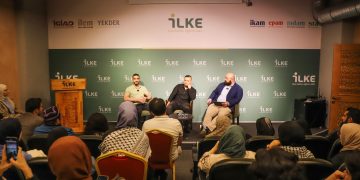
    İLKE Agenda: Muzzammil Ayyub Thakur ile Keşmir’in “Filistinleştirilmesi”

    İLKE Agenda: Muzzammil Ayyub Thakur ile Keşmir’in “Filistinleştirilmesi”

    İLKE Agenda: Muzzammil Ayyub Thakur ile Keşmir’in “Filistinleştirilmesi”

    The Platform Talks: Kinda Hawasli ile 8 Aralık Sonrası Suriye

    İLKE Agenda: Muzzammil Ayyub Thakur ile Keşmir’in “Filistinleştirilmesi”

    The Platform Talks: Azzam Tamimi ile 7 Ekim Sonrası Filistin

    İLKE Agenda: Muzzammil Ayyub Thakur ile Keşmir’in “Filistinleştirilmesi”

    İLKE Agenda: Gazze Soykırımı Günlerinde Aktivizm ve İslamofobi

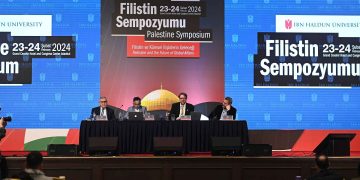
    Filistin Sempozyumu: Filistin ve Küresel İlişkilerin Geleceği

    Filistin Sempozyumu: Filistin ve Küresel İlişkilerin Geleceği

    Filistin Sempozyumu: Filistin ve Küresel İlişkilerin Geleceği

    Müslüman Dünyada Çağdaş Düşünce Konferansı’nda buluşuyoruz!

    Filistin Sempozyumu: Filistin ve Küresel İlişkilerin Geleceği

    Müslüman Dünyada Çağdaş Düşünce Konferansı

    Filistin Sempozyumu: Filistin ve Küresel İlişkilerin Geleceği

    Dr. Jonathan Brown “İslam’ın Siyahiliğe ve Köleliğe Yaklaşımı” adlı seminer gerçekleştirdi.

  • ANALİZLER
    • All
    • Düşünce
    • Eğitim
    • Ekonomi
    • Enerji ve Çevre
    • Göç
    • Medya, Kültür ve Sanat
    • Temel Hak ve Özgürlükler
    • Toplumsal Meseleler
    The Gravity of What Took Place at Al-Aqsa Mosque During Ramadan 2026

    Ramazan 2026’da Mescid-i Aksa’da Yaşananların Ciddiyeti

    AFP/GETTY IMAGES

    FLA-JNIM İş Birliği ve Mali’de Değişen Güvenlik Dinamikleri

    Sosyal Medyada İslamcı-Muhafazakâr Kamusallığın Dönüşümü Üzerine

    Sosyal Medyada İslamcı-Muhafazakâr Kamusallığın Dönüşümü Üzerine

    Bangladeş’te 2026 Seçimleri Sonrası Siyasi Tartışmalar

    Bangladeş’te 2026 Seçimleri Sonrası Siyasi Tartışmalar

    Filistin’de Çocuk Olmak: 5 Nisan Filistinli Çocuklar Günü

    Filistin’de Çocuk Olmak: 5 Nisan Filistinli Çocuklar Günü

    Security, Fragility, and the Search for a New Equilibrium in the Gulf Following the Iranian Attacks

    İran Saldırıları Sonrası Körfez’de Güvenlik, Kırılganlık ve Yeni Denge Arayışı

  • SÖYLEŞİLER
    The Decolonization of Knowledge: Interview with Professor Souleymane Bachir Diagne

    Bilginin Dekolonizasyonu: Profesör Souleymane Bachir Diagne ile Röportaj

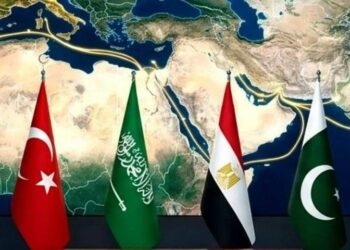
    A Possible New Breath in Regional Balances: The Alliance of Türkiye, Pakistan, Egypt, and Saudi Arabia

    Bölgesel Dengelerde Olası Yeni Bir Soluk: Türkiye, Pakistan, Mısır ve Suudi Arabistan İttifakı

    Digital Ummah and Muslim Identity: Dr. Sahar Khamis Interview

    Dijital Ümmet ve Müslüman Kimliği: Dr. Sahar Khamis ile Röportaj

    From the Ballot Box to the Street: The Rising Social Wave in Tanzania After the Election

    Sandıktan Sokağa: Tanzanya’da Seçim Sonrası Yükselen Toplumsal Dalga

    Müslüman Nüfusa Karşı Güvenlikleştirme

    Müslüman Nüfusa Karşı Güvenlikleştirme

    Gurbet Hikayeleri

    Gurbet Hikayeleri

    Göçü Yönetmek: Dr. Mehmet Köse’yle Söyleşi

    Göçü Yönetmek: Dr. Mehmet Köse’yle Söyleşi

    İstanbul’daki Uluslararası Öğrencilerle Söyleşi

    İstanbul’daki Uluslararası Öğrencilerle Söyleşi

    Zaytuna College Lisansüstü Eğitim Dekanı Maşuk Yamaç’la Söyleşi

    Zaytuna College Lisansüstü Eğitim Dekanı Maşuk Yamaç’la Söyleşi

  • DÜNYADAN SESLER
    Voices from the Muslim World | Sari Hanafi (with Turkish subtitles)

    Voices from the Muslim World | Sari Hanafi (with Turkish subtitles)

    Voices from the Muslim World | Ovamir Anjum

    Voices from the Muslim World | Ovamir Anjum

    VOICES FROM THE MUSLIM WORLD | DR. YASIR QADHI

    VOICES FROM THE MUSLIM WORLD | DR. YASIR QADHI

    VOICES FROM THE MUSLIM WORLD | DR. ADEEL MALIK

    VOICES FROM THE MUSLIM WORLD | DR. ADEEL MALIK

  • SAYILAR
  • VERİTABANI
    • All
    • Hareketler
    • Kurumlar
    • Şahsiyetler
    Pak-Türk Maarif

    Pak-Türk Maarif

    İslam Vakfı

    İslam Vakfı

    Avrupa Fetva ve Araştırma Konseyi

    Avrupa Fetva ve Araştırma Konseyi

    Tokyo Camii ve Diyanet Türk Kültür Merkezi

    Tokyo Camii ve Diyanet Türk Kültür Merkezi

  • PLATFORM
  • HABERLER
    İLKE Agenda: Muzzammil Ayyub Thakur ile Keşmir’in “Filistinleştirilmesi”

    İLKE Agenda: Muzzammil Ayyub Thakur ile Keşmir’in “Filistinleştirilmesi”

    İLKE Agenda: Muzzammil Ayyub Thakur ile Keşmir’in “Filistinleştirilmesi”

    The Platform Talks: Kinda Hawasli ile 8 Aralık Sonrası Suriye

    İLKE Agenda: Muzzammil Ayyub Thakur ile Keşmir’in “Filistinleştirilmesi”

    The Platform Talks: Azzam Tamimi ile 7 Ekim Sonrası Filistin

    İLKE Agenda: Muzzammil Ayyub Thakur ile Keşmir’in “Filistinleştirilmesi”

    İLKE Agenda: Gazze Soykırımı Günlerinde Aktivizm ve İslamofobi

    Filistin Sempozyumu: Filistin ve Küresel İlişkilerin Geleceği

    Filistin Sempozyumu: Filistin ve Küresel İlişkilerin Geleceği

    Filistin Sempozyumu: Filistin ve Küresel İlişkilerin Geleceği

    Müslüman Dünyada Çağdaş Düşünce Konferansı’nda buluşuyoruz!

    Filistin Sempozyumu: Filistin ve Küresel İlişkilerin Geleceği

    Müslüman Dünyada Çağdaş Düşünce Konferansı

    Filistin Sempozyumu: Filistin ve Küresel İlişkilerin Geleceği

    Dr. Jonathan Brown “İslam’ın Siyahiliğe ve Köleliğe Yaklaşımı” adlı seminer gerçekleştirdi.

  • ANALİZLER
    • All
    • Düşünce
    • Eğitim
    • Ekonomi
    • Enerji ve Çevre
    • Göç
    • Medya, Kültür ve Sanat
    • Temel Hak ve Özgürlükler
    • Toplumsal Meseleler
    The Gravity of What Took Place at Al-Aqsa Mosque During Ramadan 2026

    Ramazan 2026’da Mescid-i Aksa’da Yaşananların Ciddiyeti

    AFP/GETTY IMAGES

    FLA-JNIM İş Birliği ve Mali’de Değişen Güvenlik Dinamikleri

    Sosyal Medyada İslamcı-Muhafazakâr Kamusallığın Dönüşümü Üzerine

    Sosyal Medyada İslamcı-Muhafazakâr Kamusallığın Dönüşümü Üzerine

    Bangladeş’te 2026 Seçimleri Sonrası Siyasi Tartışmalar

    Bangladeş’te 2026 Seçimleri Sonrası Siyasi Tartışmalar

    Filistin’de Çocuk Olmak: 5 Nisan Filistinli Çocuklar Günü

    Filistin’de Çocuk Olmak: 5 Nisan Filistinli Çocuklar Günü

    Security, Fragility, and the Search for a New Equilibrium in the Gulf Following the Iranian Attacks

    İran Saldırıları Sonrası Körfez’de Güvenlik, Kırılganlık ve Yeni Denge Arayışı

  • SÖYLEŞİLER
    The Decolonization of Knowledge: Interview with Professor Souleymane Bachir Diagne

    Bilginin Dekolonizasyonu: Profesör Souleymane Bachir Diagne ile Röportaj

    A Possible New Breath in Regional Balances: The Alliance of Türkiye, Pakistan, Egypt, and Saudi Arabia

    Bölgesel Dengelerde Olası Yeni Bir Soluk: Türkiye, Pakistan, Mısır ve Suudi Arabistan İttifakı

    Digital Ummah and Muslim Identity: Dr. Sahar Khamis Interview

    Dijital Ümmet ve Müslüman Kimliği: Dr. Sahar Khamis ile Röportaj

    From the Ballot Box to the Street: The Rising Social Wave in Tanzania After the Election

    Sandıktan Sokağa: Tanzanya’da Seçim Sonrası Yükselen Toplumsal Dalga

    Müslüman Nüfusa Karşı Güvenlikleştirme

    Müslüman Nüfusa Karşı Güvenlikleştirme

    Gurbet Hikayeleri

    Gurbet Hikayeleri

    Göçü Yönetmek: Dr. Mehmet Köse’yle Söyleşi

    Göçü Yönetmek: Dr. Mehmet Köse’yle Söyleşi

    İstanbul’daki Uluslararası Öğrencilerle Söyleşi

    İstanbul’daki Uluslararası Öğrencilerle Söyleşi

    Zaytuna College Lisansüstü Eğitim Dekanı Maşuk Yamaç’la Söyleşi

    Zaytuna College Lisansüstü Eğitim Dekanı Maşuk Yamaç’la Söyleşi

  • DÜNYADAN SESLER
    Voices from the Muslim World | Sari Hanafi (with Turkish subtitles)

    Voices from the Muslim World | Sari Hanafi (with Turkish subtitles)

    Voices from the Muslim World | Ovamir Anjum

    Voices from the Muslim World | Ovamir Anjum

    VOICES FROM THE MUSLIM WORLD | DR. YASIR QADHI

    VOICES FROM THE MUSLIM WORLD | DR. YASIR QADHI

    VOICES FROM THE MUSLIM WORLD | DR. ADEEL MALIK

    VOICES FROM THE MUSLIM WORLD | DR. ADEEL MALIK

  • SAYILAR
  • VERİTABANI
    • All
    • Hareketler
    • Kurumlar
    • Şahsiyetler
    Pak-Türk Maarif

    Pak-Türk Maarif

    İslam Vakfı

    İslam Vakfı

    Avrupa Fetva ve Araştırma Konseyi

    Avrupa Fetva ve Araştırma Konseyi

    Tokyo Camii ve Diyanet Türk Kültür Merkezi

    Tokyo Camii ve Diyanet Türk Kültür Merkezi

No Result
View All Result
Platform
No Result
View All Result
Home Analyses

Islamic Fintech: The Intersection of Finance, Technology, and Islamic Values

Gökhan Alpen by Gökhan Alpen
6 Kasım 2025
in Analyses, Economy
0
İslami Fintek: Finans, Teknoloji ve İslami Değerlerin Kesişimi
0
SHARES
3
VIEWS
Share on FacebookShare on Twitter

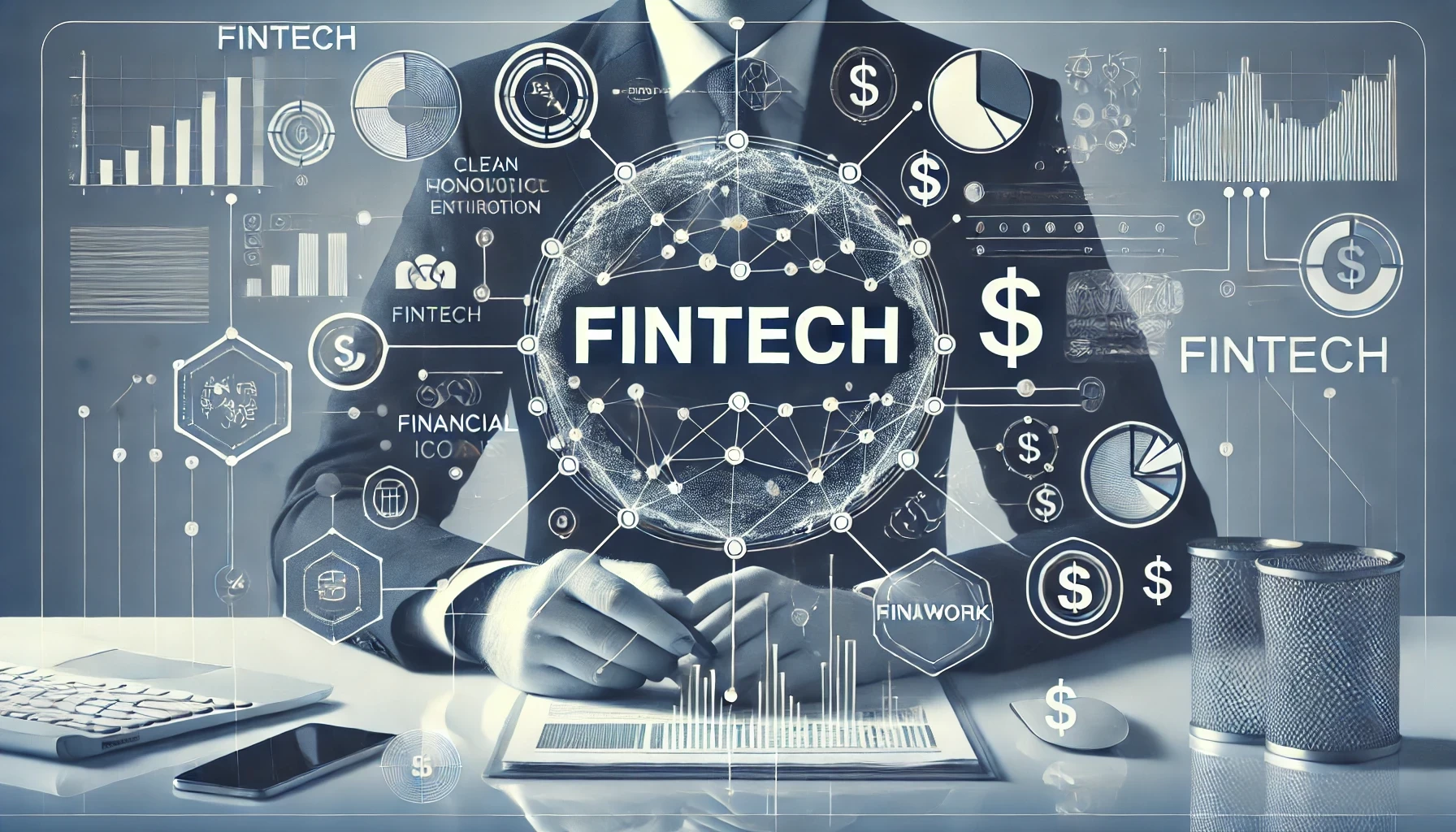
It is undeniable that the finance sector is one of the most important industries that impact many aspects of our lives. Technology and the ever-increasing digitalization have been key catalysts in the growth and acceleration of this sector, which occupies an ever-growing place in our daily lives. Products and/or services developed using technology to address consumer needs that traditional financial instruments fail to meet can be defined as fintech solutions.

Fintech is short for “financial technology,” and refers to the application of innovative technologies to improve financial services. According to the fintech glossary prepared by the Presidency of the Republic of Türkiye Finance Office (2023), the term is defined as an organization or product that delivers financial services using innovative, complementary, and accelerating business models and digital technologies. Fintech encompasses a broad range of domains, including mobile banking, online payments, peer-to-peer lending, blockchain, and open banking. Fintech solutions aim to make financial services faster, more efficient, and more accessible by leveraging advancements in areas such as artificial intelligence, machine learning, and big data. From replacing cash transactions with digital wallets to offering automated investment platforms, fintech democratizes access to financial services by transforming the financial sector by introducing new tools for individuals and businesses.

Fintech solutions aim to make financial services more accessible, cost-effective, and tailored to individual needs through reshaping everything from banking to investment and insurance. While the impact of advancements in fintech is most intensely observed in the financial sector, these developments have also brought about some demographic demands. Fintech solutions, which vary depending on factors such as gender, education, and technological adaptation, have also successfully addressed religious sensitivities.

The fintech industry has made efforts to address the demand for financial services that are aligned with the ethical and religious principles of Islam. Islamic fintech combines the technological advancements of fintech with the ethical and moral foundations of Islamic finance. As a model based on the ethical values derived from sharia (Islamic law), it appeals to a global demographic that values ethical finance and is among the fastest-growing sectors within fintech. Islamic finance’s principles, such as the prohibition of interest (riba), excessive uncertainty (gharar), and speculation or gambling (maisir), set it apart from conventional finance. Islamic fintech, which leads in metrics such as user base, transaction volume, and growth potential, possesses several defining characteristics:

  1. Compliance with Sharia Principles: Every service or product in Islamic fintech must adhere to sharia principles to ensure alignment with Islamic values. This typically involves consulting with Islamic scholars or a sharia board that reviews and approves financial practices and products.
  2. Avoidance of Interest and Speculation: Due to the prohibition of riba in Islamic finance, Islamic fintech products focus on transactions secured by tangible assets rather than interest-based financing or speculative investments.
  3. Profit and Loss Sharing Models: Conventional finance often relies on interest-based loans. However, Islamic fintech employs models such as musharakah (partnership) and mudarabah (profit-sharing). These models promote equitable risk-sharing and align with the ethical principles of Islamic finance.

Islamic Fintech Products

Islamic fintech solutions offer ethical and sharia-compliant products and services across various domains, including digital banking, insurance, crowdfunding, blockchain, and investment. These products and services are as follows: 

  • Digital Banking

Islamic banks provide digital banking services that enable users to manage accounts, make transfers, and process payments without elements that conflict with Sharia principles, such as interest. Albaraka Türk Participation Bank in Türkiye aims to deliver digital banking solutions and user-friendly banking experiences through its Insha fintech service, which was previously introduced in Germany.

  • Insurance (Takaful)

Islamic insurance, known as takaful, operates on a cooperative model where participants contribute to a shared pool rather than paying premiums to a commercial insurer. Digital platforms like Takaful Emarat and Salama Insurance have simplified access to takaful and the process of joining and managing.

  • Crowdfunding

Crowdfunding platforms, including equity and debt-based models, provide alternative investment and financing solutions focused on profit and loss sharing in compliance with Sharia principles. Platforms like Ethis in Malaysia enable peer-to-peer (P2P) lending, allowing investors to support projects through sharia-compliant investments. These platforms typically focus on tangible assets, such as real estate or SMEs, to minimize speculation and risk.

  • Blockchain and Smart Contracts

Blockchain technology offers elements that enhance transparency and democratize processes. Smart contracts, one of the technologies aligned with Islamic finance principles, can facilitate musharakah-based partnerships by automating profit and loss distribution. Given the importance of transparency in Islamic finance principles, the immutable record feature of blockchain can be said to provide trust in managing investments and transactions.

  • Wealth Management and Robo-Advisory

Robo-advisors in wealth management create diversified portfolios that avoid prohibited sectors such as alcohol, gambling, and tobacco. In this field, where technologies such as artificial intelligence and machine learning play a significant role, sharia-compliant robo-advisors like Wahed Invest offer wealth management services aligned with Islamic principles, providing access to portfolios screened according to Islamic finance criteria.

Examples of Islamic Fintech Companies

Islamic fintech companies offer a diverse range of products and services across different regions and sectors. Examples of such companies include IFIN, Hijra, LaunchGood, and Tabby:

  1. IFIN (Islamic Finance Initiation Network): A digital platform that provides infrastructure for banks to offer sharia-compliant products such as auto financing, mortgages, and personal financing. The company’s solutions, which combine digital technologies that shorten transaction times with Islamic financial instruments such as murabaha, musharakah, and sukuk, are widely used in regions like the Middle East, Southeast Asia, and Africa.
  2. Hijra: The company, which operates in various fields such as digital banking applications, peer-to-peer lending, and business development and was previously known as Alami Group before adopting the name Hijra, has experienced rapid growth in its home country of Indonesia. The company, which aimed to facilitate SMEs’ access to financing in its early stages, later expanded its activities in different business lines in accordance with Islamic criteria. 
  3. LaunchGood: This company is a donation-based crowdfunding platform established to facilitate the financing of high-impact social projects and initiatives that can drive societal change. The platform bridges those who wish to support projects in achieving their goals and project owners operating in compliance with Islamic finance principles.
  4. Tabby: The company aims to provide consumers with flexibility in their shopping experiences by implementing Buy Now Pay Later (BNPL) solutions, which have been proliferating in recent years in the Middle East region. The company, offering strong partnerships, innovative solutions, and flexible payment plans, also conducts activities to enhance users’ financial awareness. 

Developing Areas and Expectations

Islamic financial technologies offer an innovative alternative to traditional financial systems, presenting attractive opportunities, particularly for young populations and entrepreneurs. Accelerated by digitalization, developments in this field are expected to become an integral part of the global financial system. As these processes unfold, closely following emerging areas and trends in Islamic fintech is essential. While Islamic fintech inherently has the potential to influence many areas, certain aspects that are believed to attract more attention are outlined below.

  • Global Growth and Accessibility

Islamic fintech is expanding not only in Muslim-majority countries but also in nations with significant Muslim communities, such as the United Kingdom and Canada. Access to regions across the globe, referred to as a global village, is becoming increasingly easier. Islamic fintechs will also benefit from this development with the solutions they offer.

  • Blockchain and Artificial Intelligence

Islamic fintechs that integrate these two groundbreaking technologies, which are the most significant technological advancements of recent times, into their solutions will gain a competitive edge.

  • Digital Currencies and Central Bank Digital Currencies

Although efforts to establish an Islamic Central Bank have been attempted in our country, they have yet to materialize. There is a need for solutions that prioritize Islamic principles in the field of digital currencies emerging with technological advancements, as well as in both centralized and decentralized finance, which is known as DeFi. These needs also encompass significant opportunities within them. 

Conclusion

The concept of Islamic fintech bridges the principles of Islamic finance and modern financial needs. Providing fair, compliant, and innovative financial services, these solutions are becoming increasingly integral to the lives of Muslims and those who value ethical finance. Despite challenges, the future of the Islamic fintech sector holds promising opportunities in various domains. By aligning Islamic finance with technological innovations, Islamic fintechs have the potential to redefine financial inclusivity and make finance globally accessible and equitable.

***

References

Presidency of the Republic of Türkiye Finance Office. (2023). Fintech glossary. https://www.cbfo.gov.tr/en/fintech-glossary

Editor’s Note: For more information on the topic, you can review the reports, Türkiye’de İslam İktisadı ve Finansı Ekosistem Raporu 2023 andİslami Fintek: Yenilikçi Finans Çözümleri by the Islamic Economics Research Center (İKAM).

Tags: FintechTechnology
Previous Post

İslami Fintek: Finans, Teknoloji ve İslami Değerlerin Kesişimi

Next Post

Endüstri 4.0: İslam Ülkelerinde Genel Görünüm

Next Post
Endüstri 4.0: İslam Ülkelerinde Genel Görünüm

Endüstri 4.0: İslam Ülkelerinde Genel Görünüm

Bir yanıt yazın Yanıtı iptal et

E-posta adresiniz yayınlanmayacak. Gerekli alanlar * ile işaretlenmişlerdir

  • A Possible New Breath in Regional Balances: The Alliance of Türkiye, Pakistan, Egypt, and Saudi Arabia

    Bölgesel Dengelerde Olası Yeni Bir Soluk: Türkiye, Pakistan, Mısır ve Suudi Arabistan İttifakı

    0 shares
    Share 0 Tweet 0
  • Bilime Yön Verenler: Nobel Ödüllü Müslüman Bilim İnsanları

    0 shares
    Share 0 Tweet 0
  • Nakşibendi-Hakkani Tarikatı

    0 shares
    Share 0 Tweet 0
  • Fuad Sezgin

    0 shares
    Share 0 Tweet 0
  • Sosyal Medyada İslamcı-Muhafazakâr Kamusallığın Dönüşümü Üzerine

    0 shares
    Share 0 Tweet 0
  • The Gravity of What Took Place at Al-Aqsa Mosque During Ramadan 2026

    Ramazan 2026’da Mescid-i Aksa’da Yaşananların Ciddiyeti

    0 shares
    Share 0 Tweet 0
  • The Gravity of What Took Place at Al-Aqsa Mosque During Ramadan 2026

    0 shares
    Share 0 Tweet 0
  • FLA-JNIM Cooperation and Shifting Security Dynamics in Mali

    0 shares
    Share 0 Tweet 0
  • FLA-JNIM İş Birliği ve Mali’de Değişen Güvenlik Dinamikleri

    0 shares
    Share 0 Tweet 0
  • The Current State of Indonesia’s Luxury Industry and the Landscape of Independent Handcrafted Watchmaking

    0 shares
    Share 0 Tweet 0

Platform: Müslüman Dünyanın Gündemi, Müslüman toplumların fikrî, siyasi, sosyal, ekonomik ve kültürel gündemlerini takip ve tahlil edip Müslüman dünyaya dair güncel ve özgün perspektifler sunmayı amaçlayan bir yayın organı olarak İLKE İlim Kültür Eğitim Vakfı bünyesinde kurulmuştur.

  • SAYILAR
  • ANALİZLER
  • HABERLER
  • SÖYLEŞİLER
  • DÜNYADAN SESLER
  • platform@ilke.org.tr
  • (0216) 310 43 18
  • Aziz Mahmut Hüdayi Mah. Türbe Kapısı Sk. No: 13 Üsküdar, İstanbul

2025 @ PLATFORM bir İLKE Vakfı kuruluşudur. Tüm hakları saklıdır. 

No Result
View All Result
  • Home
  • Analizler
  • Haberler
  • Söyleşiler
  • Dünyadan Sesler