

İLKE Vakfı
Platform
No Result
View All Result
  • PLATFORM
  • HABERLER
    İLKE Agenda: Muzzammil Ayyub Thakur ile Keşmir’in “Filistinleştirilmesi”

    İLKE Agenda: Muzzammil Ayyub Thakur ile Keşmir’in “Filistinleştirilmesi”

    İLKE Agenda: Muzzammil Ayyub Thakur ile Keşmir’in “Filistinleştirilmesi”

    The Platform Talks: Kinda Hawasli ile 8 Aralık Sonrası Suriye

    İLKE Agenda: Muzzammil Ayyub Thakur ile Keşmir’in “Filistinleştirilmesi”

    The Platform Talks: Azzam Tamimi ile 7 Ekim Sonrası Filistin

    İLKE Agenda: Muzzammil Ayyub Thakur ile Keşmir’in “Filistinleştirilmesi”

    İLKE Agenda: Gazze Soykırımı Günlerinde Aktivizm ve İslamofobi

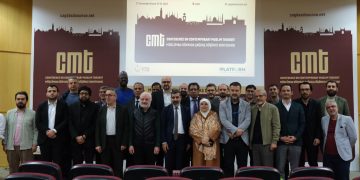
    Filistin Sempozyumu: Filistin ve Küresel İlişkilerin Geleceği

    Filistin Sempozyumu: Filistin ve Küresel İlişkilerin Geleceği

    Filistin Sempozyumu: Filistin ve Küresel İlişkilerin Geleceği

    Müslüman Dünyada Çağdaş Düşünce Konferansı’nda buluşuyoruz!

    Filistin Sempozyumu: Filistin ve Küresel İlişkilerin Geleceği

    Müslüman Dünyada Çağdaş Düşünce Konferansı

    Filistin Sempozyumu: Filistin ve Küresel İlişkilerin Geleceği

    Dr. Jonathan Brown “İslam’ın Siyahiliğe ve Köleliğe Yaklaşımı” adlı seminer gerçekleştirdi.

  • ANALİZLER
    • All
    • Düşünce
    • Eğitim
    • Ekonomi
    • Enerji ve Çevre
    • Göç
    • Medya, Kültür ve Sanat
    • Temel Hak ve Özgürlükler
    • Toplumsal Meseleler
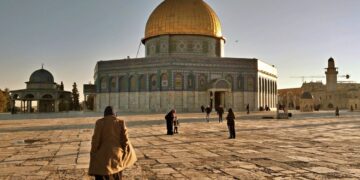
    The Gravity of What Took Place at Al-Aqsa Mosque During Ramadan 2026

    Ramazan 2026’da Mescid-i Aksa’da Yaşananların Ciddiyeti

    AFP/GETTY IMAGES

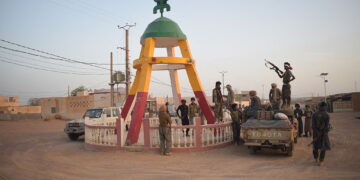
    FLA-JNIM İş Birliği ve Mali’de Değişen Güvenlik Dinamikleri

    Sosyal Medyada İslamcı-Muhafazakâr Kamusallığın Dönüşümü Üzerine

    Sosyal Medyada İslamcı-Muhafazakâr Kamusallığın Dönüşümü Üzerine

    Bangladeş’te 2026 Seçimleri Sonrası Siyasi Tartışmalar

    Bangladeş’te 2026 Seçimleri Sonrası Siyasi Tartışmalar

    Filistin’de Çocuk Olmak: 5 Nisan Filistinli Çocuklar Günü

    Filistin’de Çocuk Olmak: 5 Nisan Filistinli Çocuklar Günü

    Security, Fragility, and the Search for a New Equilibrium in the Gulf Following the Iranian Attacks

    İran Saldırıları Sonrası Körfez’de Güvenlik, Kırılganlık ve Yeni Denge Arayışı

  • SÖYLEŞİLER
    The Decolonization of Knowledge: Interview with Professor Souleymane Bachir Diagne

    Bilginin Dekolonizasyonu: Profesör Souleymane Bachir Diagne ile Röportaj

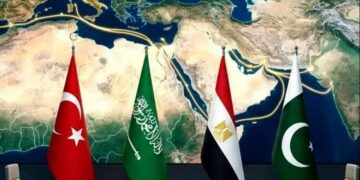
    A Possible New Breath in Regional Balances: The Alliance of Türkiye, Pakistan, Egypt, and Saudi Arabia

    Bölgesel Dengelerde Olası Yeni Bir Soluk: Türkiye, Pakistan, Mısır ve Suudi Arabistan İttifakı

    Digital Ummah and Muslim Identity: Dr. Sahar Khamis Interview

    Dijital Ümmet ve Müslüman Kimliği: Dr. Sahar Khamis ile Röportaj

    From the Ballot Box to the Street: The Rising Social Wave in Tanzania After the Election

    Sandıktan Sokağa: Tanzanya’da Seçim Sonrası Yükselen Toplumsal Dalga

    Müslüman Nüfusa Karşı Güvenlikleştirme

    Müslüman Nüfusa Karşı Güvenlikleştirme

    Gurbet Hikayeleri

    Gurbet Hikayeleri

    Göçü Yönetmek: Dr. Mehmet Köse’yle Söyleşi

    Göçü Yönetmek: Dr. Mehmet Köse’yle Söyleşi

    İstanbul’daki Uluslararası Öğrencilerle Söyleşi

    İstanbul’daki Uluslararası Öğrencilerle Söyleşi

    Zaytuna College Lisansüstü Eğitim Dekanı Maşuk Yamaç’la Söyleşi

    Zaytuna College Lisansüstü Eğitim Dekanı Maşuk Yamaç’la Söyleşi

  • DÜNYADAN SESLER
    Voices from the Muslim World | Sari Hanafi (with Turkish subtitles)

    Voices from the Muslim World | Sari Hanafi (with Turkish subtitles)

    Voices from the Muslim World | Ovamir Anjum

    Voices from the Muslim World | Ovamir Anjum

    VOICES FROM THE MUSLIM WORLD | DR. YASIR QADHI

    VOICES FROM THE MUSLIM WORLD | DR. YASIR QADHI

    VOICES FROM THE MUSLIM WORLD | DR. ADEEL MALIK

    VOICES FROM THE MUSLIM WORLD | DR. ADEEL MALIK

  • SAYILAR
  • VERİTABANI
    • All
    • Hareketler
    • Kurumlar
    • Şahsiyetler
    Pak-Türk Maarif

    Pak-Türk Maarif

    İslam Vakfı

    İslam Vakfı

    Avrupa Fetva ve Araştırma Konseyi

    Avrupa Fetva ve Araştırma Konseyi

    Tokyo Camii ve Diyanet Türk Kültür Merkezi

    Tokyo Camii ve Diyanet Türk Kültür Merkezi

  • PLATFORM
  • HABERLER
    İLKE Agenda: Muzzammil Ayyub Thakur ile Keşmir’in “Filistinleştirilmesi”

    İLKE Agenda: Muzzammil Ayyub Thakur ile Keşmir’in “Filistinleştirilmesi”

    İLKE Agenda: Muzzammil Ayyub Thakur ile Keşmir’in “Filistinleştirilmesi”

    The Platform Talks: Kinda Hawasli ile 8 Aralık Sonrası Suriye

    İLKE Agenda: Muzzammil Ayyub Thakur ile Keşmir’in “Filistinleştirilmesi”

    The Platform Talks: Azzam Tamimi ile 7 Ekim Sonrası Filistin

    İLKE Agenda: Muzzammil Ayyub Thakur ile Keşmir’in “Filistinleştirilmesi”

    İLKE Agenda: Gazze Soykırımı Günlerinde Aktivizm ve İslamofobi

    Filistin Sempozyumu: Filistin ve Küresel İlişkilerin Geleceği

    Filistin Sempozyumu: Filistin ve Küresel İlişkilerin Geleceği

    Filistin Sempozyumu: Filistin ve Küresel İlişkilerin Geleceği

    Müslüman Dünyada Çağdaş Düşünce Konferansı’nda buluşuyoruz!

    Filistin Sempozyumu: Filistin ve Küresel İlişkilerin Geleceği

    Müslüman Dünyada Çağdaş Düşünce Konferansı

    Filistin Sempozyumu: Filistin ve Küresel İlişkilerin Geleceği

    Dr. Jonathan Brown “İslam’ın Siyahiliğe ve Köleliğe Yaklaşımı” adlı seminer gerçekleştirdi.

  • ANALİZLER
    • All
    • Düşünce
    • Eğitim
    • Ekonomi
    • Enerji ve Çevre
    • Göç
    • Medya, Kültür ve Sanat
    • Temel Hak ve Özgürlükler
    • Toplumsal Meseleler
    The Gravity of What Took Place at Al-Aqsa Mosque During Ramadan 2026

    Ramazan 2026’da Mescid-i Aksa’da Yaşananların Ciddiyeti

    AFP/GETTY IMAGES

    FLA-JNIM İş Birliği ve Mali’de Değişen Güvenlik Dinamikleri

    Sosyal Medyada İslamcı-Muhafazakâr Kamusallığın Dönüşümü Üzerine

    Sosyal Medyada İslamcı-Muhafazakâr Kamusallığın Dönüşümü Üzerine

    Bangladeş’te 2026 Seçimleri Sonrası Siyasi Tartışmalar

    Bangladeş’te 2026 Seçimleri Sonrası Siyasi Tartışmalar

    Filistin’de Çocuk Olmak: 5 Nisan Filistinli Çocuklar Günü

    Filistin’de Çocuk Olmak: 5 Nisan Filistinli Çocuklar Günü

    Security, Fragility, and the Search for a New Equilibrium in the Gulf Following the Iranian Attacks

    İran Saldırıları Sonrası Körfez’de Güvenlik, Kırılganlık ve Yeni Denge Arayışı

  • SÖYLEŞİLER
    The Decolonization of Knowledge: Interview with Professor Souleymane Bachir Diagne

    Bilginin Dekolonizasyonu: Profesör Souleymane Bachir Diagne ile Röportaj

    A Possible New Breath in Regional Balances: The Alliance of Türkiye, Pakistan, Egypt, and Saudi Arabia

    Bölgesel Dengelerde Olası Yeni Bir Soluk: Türkiye, Pakistan, Mısır ve Suudi Arabistan İttifakı

    Digital Ummah and Muslim Identity: Dr. Sahar Khamis Interview

    Dijital Ümmet ve Müslüman Kimliği: Dr. Sahar Khamis ile Röportaj

    From the Ballot Box to the Street: The Rising Social Wave in Tanzania After the Election

    Sandıktan Sokağa: Tanzanya’da Seçim Sonrası Yükselen Toplumsal Dalga

    Müslüman Nüfusa Karşı Güvenlikleştirme

    Müslüman Nüfusa Karşı Güvenlikleştirme

    Gurbet Hikayeleri

    Gurbet Hikayeleri

    Göçü Yönetmek: Dr. Mehmet Köse’yle Söyleşi

    Göçü Yönetmek: Dr. Mehmet Köse’yle Söyleşi

    İstanbul’daki Uluslararası Öğrencilerle Söyleşi

    İstanbul’daki Uluslararası Öğrencilerle Söyleşi

    Zaytuna College Lisansüstü Eğitim Dekanı Maşuk Yamaç’la Söyleşi

    Zaytuna College Lisansüstü Eğitim Dekanı Maşuk Yamaç’la Söyleşi

  • DÜNYADAN SESLER
    Voices from the Muslim World | Sari Hanafi (with Turkish subtitles)

    Voices from the Muslim World | Sari Hanafi (with Turkish subtitles)

    Voices from the Muslim World | Ovamir Anjum

    Voices from the Muslim World | Ovamir Anjum

    VOICES FROM THE MUSLIM WORLD | DR. YASIR QADHI

    VOICES FROM THE MUSLIM WORLD | DR. YASIR QADHI

    VOICES FROM THE MUSLIM WORLD | DR. ADEEL MALIK

    VOICES FROM THE MUSLIM WORLD | DR. ADEEL MALIK

  • SAYILAR
  • VERİTABANI
    • All
    • Hareketler
    • Kurumlar
    • Şahsiyetler
    Pak-Türk Maarif

    Pak-Türk Maarif

    İslam Vakfı

    İslam Vakfı

    Avrupa Fetva ve Araştırma Konseyi

    Avrupa Fetva ve Araştırma Konseyi

    Tokyo Camii ve Diyanet Türk Kültür Merkezi

    Tokyo Camii ve Diyanet Türk Kültür Merkezi

No Result
View All Result
Platform
No Result
View All Result
Home Analyses

Islamic Social Finance: Foundation and Alms Institution as an Economic Empowerment Tool

Salman Ahmed Shaikh by Salman Ahmed Shaikh
1 Ekim 2025
in Analyses
0
Islamic Social Finance: Foundation and Alms Institution as an Economic Empowerment Tool
0
SHARES
11
VIEWS
Share on FacebookShare on Twitter

Due to high levels of poverty and weak governments, most of the Muslim-majority countries are lagging behind in spending on schooling and health services. Hence, the level of human capital, productivity and national income remain at low levels. Muslim-majority countries on average have lower literacy and primary school enrolment rates when we compare them with the high-income and middle-income countries. Similarly, in health infrastructure, life expectancy and basic facilities like sanitation and water, it is observed that Muslim-majority countries are far behind the high-income and middle-income countries.   

Islamic commercial finance products and services primarily cater the needs of the individuals or institutions which have the capacity of generating sufficient income to pay the market price of assets financed through Islamic modes of financing. The limited use of equity based modes of financing in Islamic commercial finance implies that poor individuals with humble and informal business setups by and large remain unserved or underserved. This creates a financing gap where the individuals and small scale microenterprises remain financially excluded in obtaining financing from the commercial banks.

On the other hand, finance is also required in society for funding public goods. In rich and developed countries, it is possible to mobilize funds from taxes to fund the provision of public goods. But, in a large part of the world, governments have less capacity to fund the provision of public goods and services from taxes alone. Due to the weak capital markets and less capacity of the governments to provide public goods and services on debt based finance, there is a crucial role for the third sector institutions to step up in scaling the provision of social safety nets, public goods and subsidised services in health and education, for instance.

By and large, Muslim countries have lower financial inclusion, especially when it comes to the access to credit. High levels of poverty, underdeveloped financial markets and lower tax collection by governments highlight the important role of social finance. Social finance primarily focuses on promoting prosperity and higher living standards of the lower income segments of the society.

Islamic social finance is a set of market and non-market based institutions. Islamic microfinance is a market based social finance institution that provides financial services including financing for buying income generating assets. On the other hand, Zakat and Waqf are social finance institutions that are non-market based.

Islamic Microfinance and its Role in Financial Inclusion

Muslim-majority countries represent a quarter of the global population, but they are generally poorer than non-Muslim countries as their share in global poverty pool is twice as much as their share in global population. These poor people need income support as well as finance to ensure that they are able to achieve socio-economic mobility.

Islamic microfinance is an alternative for people who wish to obtain relief in their income and liquidity constraints to smooth consumption of their own and their family members. There are two broad categories of Islamic microfinance models that are globally used, i.e. charity based not-for-profit models and market based commercial models. The former model uses Qard-e-Hasan, Waqf and Zakat funds for providing non-compensatory loans or non-repayable grants. Market based commercial models provide micro-credit using Murabaha and micro-leasing using Ijarah.

However, Islamic microfinance is still only 1% of the total global Islamic banking assets. This is despite the impressive growth and stable profits of Islamic commercial banks all over the world. Hence, there is need for scaling the existing Islamic microfinance institutions in order to improve financial inclusion and prospects for poverty alleviation and socio-economic mobility. 

Zakat and its Role in Redistribution

Zakat is a mandatory on Muslims to pay as part of their wealth and spend in specified charitable causes. It redistributes wealth from the haves to the have-nots through an objective filter of Nisab, i.e. a threshold value of wealth. If a person holds wealth above Nisab, then the person is obliged to pay Zakat to those whose wealth is below that threshold. 

If a person wants his wealth to grow, the Islamic economic framework does not allow Riba and Qimar. Economic teachings of Islam ensure that the surplus wealth is either i) invested in productive trade and enterprise or ii) paid as Sadqa or provided as Qard-e-Hasan if a person does not have a motive for growth in wealth. In both cases, the wealth will circulate in the economy and will result in greater spending and utilization of idle resources, such as labour and machinery. 

Redistribution from the section of the population with a lower marginal propensity to consume to the section of the population with a greater marginal propensity to consume is expected to enhance the overall consumption and hence aggregate demand. With effective targeting and ensuring asset transfer and ownership, Zakat has a notable potential to contribute in poverty alleviation. In a book chapter ‘Potential Zakat Collectible in OIC Countries and Poverty Gap’ published by IKAM in 2019, it was revealed that potential Zakat collectible at the national level can be sufficient in plugging the poverty gap in several Muslim-majority countries.

Zakat enhances the income of the poor through cash transfers, enhances asset ownership through asset transfers and improves skills by providing educational and training grants funded by Zakat funds.

However, at the level of government, much less Zakat is collected due to trust deficit. Private collection and disbursement of Zakat through NGOs lacks planning, coordination and effective targeting. There is also a need for creating awareness about Zakat rules related to contemporary forms of wealth, produce and income. Finally, it is also pertinent to carry out research on Fiqh of Zakat related to contemporary forms of wealth, production and modes of earning income. For instance, in contemporary economies, we find several asset types and varieties of production which have no precedent in the past civilizations. These include, various types of financial assets, intangible assets, industrial production in solid and liquid state, services production and new ways of earning income.

Waqf and its Role in Decentralized Provision of Public Services

Waqf is an important social institution in the Islamic framework. In the institution of Waqf, an owner donates and dedicates a movable or immovable asset for perpetual societal benefit. The beneficiaries enjoy its usufruct and/or income perpetually. Waqf can be established either by dedicating real estate, furniture or fixtures, other movable assets and liquid forms of money and wealth like cash and shares.

There are various kinds of Waqf that can be classified with respect to their purpose, time and type of assets. In terms of purpose, there are religious Waqf (including mosques and religious schools), philanthropic Waqf and family Waqf. Waqf can be permanent and some scholars also favour the idea of temporary Waqf. With respect to assets, Waqf can be property Waqf or cash Waqf. Waqf can be used in providing infrastructure and services in the area of health, education, water filtration, food, sanitation facilities and hygiene facilities like public baths. 

Waqf provides an institutional blueprint on which trust and endowments now operate in the area of education, health and other public welfare services. 

In the Ottoman empire, there were hundreds of thousands of Awqaf (plural of Waqf). Awaqf were successful in providing public welfare services in Muslim lands much before the modern welfare states which heavily depend on high levels of average per capita income and marginal rates of tax.

Waqf, unlike trust in secular law is more deeply influenced by the spirit of pure altruism and cooperation. The Waqif (endower) is moved by the spirit of altruism, cooperation and solidarity hence dedicates ones private property for the greater benefit of people at large in current and future generations.

Since Waqf is established not for the sake of earning private profits, the Waqf assets and resources can be utilized for welfare services and providing benefit to the people who are poor and who cannot fulfill their needs through their existing incomes.

The Cash Waqf is one where cash is donated for some perpetual social benefit. It can be used to pool liquid donations to build institutions, such as schools, hospitals, and orphanages. Cash Waqf can pool more resources and ensure wider participation of individual donors since virtually everybody holds some cash, but not everybody owns surplus property not in use and which can be donated as Waqf.

Waqf provides flexibility in fund utilisation as compared to Zakat since Zakat funds must be utilized for specific categories of recipients. The institution of Waqf can be used to provide a wide range of welfare services, such as educational institutions, health institutions, environmental preservation programs and financial institutions like Waqf-based microfinance and socially driven banks. Trans-national Waqf can cater the socio-economic needs of the Muslim Ummah through effective distribution. 

Along with income support and cash transfers, poor people also require skills and education to get out of poverty and achieve social mobility. Waqf can improve the chances of socio-economic mobility by providing a rather permanent, effective and efficient funding source for the health and education infrastructure. The increased and improved provision of education and health infrastructure funded through Waqf can enhance the income-earning potential of its beneficiaries. Thus, Islamic social finance has built-in redistributive institutions, such as Zakat and Waqf which perform redistribution beyond markets.


Tags: Alms InstitutionEconomic EmpowermentEconomySocial Finance
Previous Post

Interview with Abdulvahap Ekinci on Yusuf al-Qaradawi and the International Union of Muslim Scholars

Next Post

The Changing Agenda of Islamist Movements After the Arab Spring

Next Post
The Changing Agenda of Islamist Movements After the Arab Spring

The Changing Agenda of Islamist Movements After the Arab Spring

Bir yanıt yazın Yanıtı iptal et

E-posta adresiniz yayınlanmayacak. Gerekli alanlar * ile işaretlenmişlerdir

  • A Possible New Breath in Regional Balances: The Alliance of Türkiye, Pakistan, Egypt, and Saudi Arabia

    Bölgesel Dengelerde Olası Yeni Bir Soluk: Türkiye, Pakistan, Mısır ve Suudi Arabistan İttifakı

    0 shares
    Share 0 Tweet 0
  • Nakşibendi-Hakkani Tarikatı

    0 shares
    Share 0 Tweet 0
  • Bilime Yön Verenler: Nobel Ödüllü Müslüman Bilim İnsanları

    0 shares
    Share 0 Tweet 0
  • Fuad Sezgin

    0 shares
    Share 0 Tweet 0
  • Sosyal Medyada İslamcı-Muhafazakâr Kamusallığın Dönüşümü Üzerine

    0 shares
    Share 0 Tweet 0
  • The Gravity of What Took Place at Al-Aqsa Mosque During Ramadan 2026

    Ramazan 2026’da Mescid-i Aksa’da Yaşananların Ciddiyeti

    0 shares
    Share 0 Tweet 0
  • The Gravity of What Took Place at Al-Aqsa Mosque During Ramadan 2026

    0 shares
    Share 0 Tweet 0
  • FLA-JNIM Cooperation and Shifting Security Dynamics in Mali

    0 shares
    Share 0 Tweet 0
  • FLA-JNIM İş Birliği ve Mali’de Değişen Güvenlik Dinamikleri

    0 shares
    Share 0 Tweet 0
  • The Current State of Indonesia’s Luxury Industry and the Landscape of Independent Handcrafted Watchmaking

    0 shares
    Share 0 Tweet 0

Platform: Müslüman Dünyanın Gündemi, Müslüman toplumların fikrî, siyasi, sosyal, ekonomik ve kültürel gündemlerini takip ve tahlil edip Müslüman dünyaya dair güncel ve özgün perspektifler sunmayı amaçlayan bir yayın organı olarak İLKE İlim Kültür Eğitim Vakfı bünyesinde kurulmuştur.

  • SAYILAR
  • ANALİZLER
  • HABERLER
  • SÖYLEŞİLER
  • DÜNYADAN SESLER
  • platform@ilke.org.tr
  • (0216) 310 43 18
  • Aziz Mahmut Hüdayi Mah. Türbe Kapısı Sk. No: 13 Üsküdar, İstanbul

2025 @ PLATFORM bir İLKE Vakfı kuruluşudur. Tüm hakları saklıdır. 

No Result
View All Result
  • Home
  • Analizler
  • Haberler
  • Söyleşiler
  • Dünyadan Sesler