

İLKE Vakfı
Platform
No Result
View All Result
  • PLATFORM
  • HABERLER
    İLKE Agenda: Muzzammil Ayyub Thakur ile Keşmir’in “Filistinleştirilmesi”

    İLKE Agenda: Muzzammil Ayyub Thakur ile Keşmir’in “Filistinleştirilmesi”

    İLKE Agenda: Muzzammil Ayyub Thakur ile Keşmir’in “Filistinleştirilmesi”

    The Platform Talks: Kinda Hawasli ile 8 Aralık Sonrası Suriye

    İLKE Agenda: Muzzammil Ayyub Thakur ile Keşmir’in “Filistinleştirilmesi”

    The Platform Talks: Azzam Tamimi ile 7 Ekim Sonrası Filistin

    İLKE Agenda: Muzzammil Ayyub Thakur ile Keşmir’in “Filistinleştirilmesi”

    İLKE Agenda: Gazze Soykırımı Günlerinde Aktivizm ve İslamofobi

    Filistin Sempozyumu: Filistin ve Küresel İlişkilerin Geleceği

    Filistin Sempozyumu: Filistin ve Küresel İlişkilerin Geleceği

    Filistin Sempozyumu: Filistin ve Küresel İlişkilerin Geleceği

    Müslüman Dünyada Çağdaş Düşünce Konferansı’nda buluşuyoruz!

    Filistin Sempozyumu: Filistin ve Küresel İlişkilerin Geleceği

    Müslüman Dünyada Çağdaş Düşünce Konferansı

    Filistin Sempozyumu: Filistin ve Küresel İlişkilerin Geleceği

    Dr. Jonathan Brown “İslam’ın Siyahiliğe ve Köleliğe Yaklaşımı” adlı seminer gerçekleştirdi.

  • ANALİZLER
    • All
    • Düşünce
    • Eğitim
    • Ekonomi
    • Enerji ve Çevre
    • Göç
    • Medya, Kültür ve Sanat
    • Temel Hak ve Özgürlükler
    • Toplumsal Meseleler
    The Gravity of What Took Place at Al-Aqsa Mosque During Ramadan 2026

    Ramazan 2026’da Mescid-i Aksa’da Yaşananların Ciddiyeti

    AFP/GETTY IMAGES

    FLA-JNIM İş Birliği ve Mali’de Değişen Güvenlik Dinamikleri

    Sosyal Medyada İslamcı-Muhafazakâr Kamusallığın Dönüşümü Üzerine

    Sosyal Medyada İslamcı-Muhafazakâr Kamusallığın Dönüşümü Üzerine

    Bangladeş’te 2026 Seçimleri Sonrası Siyasi Tartışmalar

    Bangladeş’te 2026 Seçimleri Sonrası Siyasi Tartışmalar

    Filistin’de Çocuk Olmak: 5 Nisan Filistinli Çocuklar Günü

    Filistin’de Çocuk Olmak: 5 Nisan Filistinli Çocuklar Günü

    Security, Fragility, and the Search for a New Equilibrium in the Gulf Following the Iranian Attacks

    İran Saldırıları Sonrası Körfez’de Güvenlik, Kırılganlık ve Yeni Denge Arayışı

  • SÖYLEŞİLER
    The Decolonization of Knowledge: Interview with Professor Souleymane Bachir Diagne

    Bilginin Dekolonizasyonu: Profesör Souleymane Bachir Diagne ile Röportaj

    A Possible New Breath in Regional Balances: The Alliance of Türkiye, Pakistan, Egypt, and Saudi Arabia

    Bölgesel Dengelerde Olası Yeni Bir Soluk: Türkiye, Pakistan, Mısır ve Suudi Arabistan İttifakı

    Digital Ummah and Muslim Identity: Dr. Sahar Khamis Interview

    Dijital Ümmet ve Müslüman Kimliği: Dr. Sahar Khamis ile Röportaj

    From the Ballot Box to the Street: The Rising Social Wave in Tanzania After the Election

    Sandıktan Sokağa: Tanzanya’da Seçim Sonrası Yükselen Toplumsal Dalga

    Müslüman Nüfusa Karşı Güvenlikleştirme

    Müslüman Nüfusa Karşı Güvenlikleştirme

    Gurbet Hikayeleri

    Gurbet Hikayeleri

    Göçü Yönetmek: Dr. Mehmet Köse’yle Söyleşi

    Göçü Yönetmek: Dr. Mehmet Köse’yle Söyleşi

    İstanbul’daki Uluslararası Öğrencilerle Söyleşi

    İstanbul’daki Uluslararası Öğrencilerle Söyleşi

    Zaytuna College Lisansüstü Eğitim Dekanı Maşuk Yamaç’la Söyleşi

    Zaytuna College Lisansüstü Eğitim Dekanı Maşuk Yamaç’la Söyleşi

  • DÜNYADAN SESLER
    Voices from the Muslim World | Sari Hanafi (with Turkish subtitles)

    Voices from the Muslim World | Sari Hanafi (with Turkish subtitles)

    Voices from the Muslim World | Ovamir Anjum

    Voices from the Muslim World | Ovamir Anjum

    VOICES FROM THE MUSLIM WORLD | DR. YASIR QADHI

    VOICES FROM THE MUSLIM WORLD | DR. YASIR QADHI

    VOICES FROM THE MUSLIM WORLD | DR. ADEEL MALIK

    VOICES FROM THE MUSLIM WORLD | DR. ADEEL MALIK

  • SAYILAR
  • VERİTABANI
    • All
    • Hareketler
    • Kurumlar
    • Şahsiyetler
    Pak-Türk Maarif

    Pak-Türk Maarif

    İslam Vakfı

    İslam Vakfı

    Avrupa Fetva ve Araştırma Konseyi

    Avrupa Fetva ve Araştırma Konseyi

    Tokyo Camii ve Diyanet Türk Kültür Merkezi

    Tokyo Camii ve Diyanet Türk Kültür Merkezi

  • PLATFORM
  • HABERLER
    İLKE Agenda: Muzzammil Ayyub Thakur ile Keşmir’in “Filistinleştirilmesi”

    İLKE Agenda: Muzzammil Ayyub Thakur ile Keşmir’in “Filistinleştirilmesi”

    İLKE Agenda: Muzzammil Ayyub Thakur ile Keşmir’in “Filistinleştirilmesi”

    The Platform Talks: Kinda Hawasli ile 8 Aralık Sonrası Suriye

    İLKE Agenda: Muzzammil Ayyub Thakur ile Keşmir’in “Filistinleştirilmesi”

    The Platform Talks: Azzam Tamimi ile 7 Ekim Sonrası Filistin

    İLKE Agenda: Muzzammil Ayyub Thakur ile Keşmir’in “Filistinleştirilmesi”

    İLKE Agenda: Gazze Soykırımı Günlerinde Aktivizm ve İslamofobi

    Filistin Sempozyumu: Filistin ve Küresel İlişkilerin Geleceği

    Filistin Sempozyumu: Filistin ve Küresel İlişkilerin Geleceği

    Filistin Sempozyumu: Filistin ve Küresel İlişkilerin Geleceği

    Müslüman Dünyada Çağdaş Düşünce Konferansı’nda buluşuyoruz!

    Filistin Sempozyumu: Filistin ve Küresel İlişkilerin Geleceği

    Müslüman Dünyada Çağdaş Düşünce Konferansı

    Filistin Sempozyumu: Filistin ve Küresel İlişkilerin Geleceği

    Dr. Jonathan Brown “İslam’ın Siyahiliğe ve Köleliğe Yaklaşımı” adlı seminer gerçekleştirdi.

  • ANALİZLER
    • All
    • Düşünce
    • Eğitim
    • Ekonomi
    • Enerji ve Çevre
    • Göç
    • Medya, Kültür ve Sanat
    • Temel Hak ve Özgürlükler
    • Toplumsal Meseleler
    The Gravity of What Took Place at Al-Aqsa Mosque During Ramadan 2026

    Ramazan 2026’da Mescid-i Aksa’da Yaşananların Ciddiyeti

    AFP/GETTY IMAGES

    FLA-JNIM İş Birliği ve Mali’de Değişen Güvenlik Dinamikleri

    Sosyal Medyada İslamcı-Muhafazakâr Kamusallığın Dönüşümü Üzerine

    Sosyal Medyada İslamcı-Muhafazakâr Kamusallığın Dönüşümü Üzerine

    Bangladeş’te 2026 Seçimleri Sonrası Siyasi Tartışmalar

    Bangladeş’te 2026 Seçimleri Sonrası Siyasi Tartışmalar

    Filistin’de Çocuk Olmak: 5 Nisan Filistinli Çocuklar Günü

    Filistin’de Çocuk Olmak: 5 Nisan Filistinli Çocuklar Günü

    Security, Fragility, and the Search for a New Equilibrium in the Gulf Following the Iranian Attacks

    İran Saldırıları Sonrası Körfez’de Güvenlik, Kırılganlık ve Yeni Denge Arayışı

  • SÖYLEŞİLER
    The Decolonization of Knowledge: Interview with Professor Souleymane Bachir Diagne

    Bilginin Dekolonizasyonu: Profesör Souleymane Bachir Diagne ile Röportaj

    A Possible New Breath in Regional Balances: The Alliance of Türkiye, Pakistan, Egypt, and Saudi Arabia

    Bölgesel Dengelerde Olası Yeni Bir Soluk: Türkiye, Pakistan, Mısır ve Suudi Arabistan İttifakı

    Digital Ummah and Muslim Identity: Dr. Sahar Khamis Interview

    Dijital Ümmet ve Müslüman Kimliği: Dr. Sahar Khamis ile Röportaj

    From the Ballot Box to the Street: The Rising Social Wave in Tanzania After the Election

    Sandıktan Sokağa: Tanzanya’da Seçim Sonrası Yükselen Toplumsal Dalga

    Müslüman Nüfusa Karşı Güvenlikleştirme

    Müslüman Nüfusa Karşı Güvenlikleştirme

    Gurbet Hikayeleri

    Gurbet Hikayeleri

    Göçü Yönetmek: Dr. Mehmet Köse’yle Söyleşi

    Göçü Yönetmek: Dr. Mehmet Köse’yle Söyleşi

    İstanbul’daki Uluslararası Öğrencilerle Söyleşi

    İstanbul’daki Uluslararası Öğrencilerle Söyleşi

    Zaytuna College Lisansüstü Eğitim Dekanı Maşuk Yamaç’la Söyleşi

    Zaytuna College Lisansüstü Eğitim Dekanı Maşuk Yamaç’la Söyleşi

  • DÜNYADAN SESLER
    Voices from the Muslim World | Sari Hanafi (with Turkish subtitles)

    Voices from the Muslim World | Sari Hanafi (with Turkish subtitles)

    Voices from the Muslim World | Ovamir Anjum

    Voices from the Muslim World | Ovamir Anjum

    VOICES FROM THE MUSLIM WORLD | DR. YASIR QADHI

    VOICES FROM THE MUSLIM WORLD | DR. YASIR QADHI

    VOICES FROM THE MUSLIM WORLD | DR. ADEEL MALIK

    VOICES FROM THE MUSLIM WORLD | DR. ADEEL MALIK

  • SAYILAR
  • VERİTABANI
    • All
    • Hareketler
    • Kurumlar
    • Şahsiyetler
    Pak-Türk Maarif

    Pak-Türk Maarif

    İslam Vakfı

    İslam Vakfı

    Avrupa Fetva ve Araştırma Konseyi

    Avrupa Fetva ve Araştırma Konseyi

    Tokyo Camii ve Diyanet Türk Kültür Merkezi

    Tokyo Camii ve Diyanet Türk Kültür Merkezi

No Result
View All Result
Platform
No Result
View All Result
Home Analyses

Istanbul: The Sacred Tapestry of Migration and Faith

Usama Hazari by Usama Hazari
7 Kasım 2025
in Analyses, Migration
0
0
SHARES
1
VIEWS
Share on FacebookShare on Twitter

In the enchanting labyrinth of Istanbul, where minarets pierce the sky, and the euphonious call to prayer reverberates through the ancient streets, a silent migration unfolds—a journey of souls seeking solace, enlightenment, and the warm embrace of Islam. This essay endeavors to explore the compelling phenomenon of migration to Istanbul by non-Muslims and converts to Islam, drawn by the desire to deepen their understanding of the faith or to practice it more freely. The illustrious city of Istanbul, steeped in the grandeur of its past as the capital of the Byzantine and Ottoman Empires, casts a spell upon all who walk its cobblestone streets. Its rich cultural and religious heritage, woven into the very fabric of its being, echoes through time in the majestic mosques, venerable madrasas, and hallowed historical sites that serve as beacons of Islamic learning and practice. Situated at the crossroads of Europe and Asia, Istanbul has emerged as a melting pot of cultures and ideologies, captivating seekers of spiritual knowledge from every corner of the globe.

The decision of non-Muslims and converts to Islam to migrate to Istanbul is driven by a myriad of compelling factors. Firstly, Istanbul offers unparalleled access to esteemed Islamic scholars, venerable institutions, and invaluable resources, creating an immersive learning environment for those eager to delve deeper into the teachings of the faith. Moreover, the city’s cosmopolitan ambiance fosters an atmosphere of inclusivity and tolerance, providing a sanctuary for individuals from diverse backgrounds to explore their spiritual journey without fear of discrimination or persecution. Furthermore, Istanbul’s historical significance as a bastion of Islamic civilization exerts a magnetic pull on those enchanted by the spiritual heritage of the Muslim world. The opportunity to immerse oneself in the resplendent tapestry of Islamic art, architecture, and culture serves as a catalyst for spiritual growth and self-discovery. Additionally, the vibrant Muslim community in Istanbul offers a supportive network for newcomers, extending a hand of guidance, companionship, and solidarity on their quest for religious enlightenment. 

In the Western context, many individuals who embrace Islam find themselves navigating a cultural landscape that might be considered degenerate. In such environments, the practice of Islam can often be hindered by societal norms and influences that contradict the principles and values of the faith. Despite their sincere desire to live in accordance with Islamic teachings, these individuals may encounter challenges in maintaining their religious observance amidst a culture that glorifies excess and indulgence. As a result, they may seek refuge in places like Istanbul, where the rich Islamic heritage and supportive community provide a sanctuary for spiritual growth and fulfillment. 

Throughout history, cities like Cairo, Damascus, and Madinah have served as primary attractions for those interested in Islamic knowledge and practice. Cairo, renowned for Al-Azhar University, has long held sway as a bastion of Islamic learning. However, following the military coup in 2014 and subsequent government intervention in the institution’s affairs, Al-Azhar has witnessed a decline in its reputation and popularity among seekers of Islamic knowledge. Similarly, the University of Madinah, once esteemed for its role in higher Islamic education, has faced challenges to its credibility. The Saudi Arabian government’s crackdown on prominent scholars and efforts to stifle dissent have tarnished the university’s reputation, causing many to question its integrity and independence. With its rich historical and cultural heritage, Damascus was another hub for Islamic learning. However, the ongoing conflict in Syria has disrupted its academic institutions and diminished its appeal to aspiring students of Islam. The devastation wrought by war has rendered Damascus less accessible and conducive to learning for newcomers. In contrast, Istanbul has emerged as a favored destination in recent years, attracting a growing number of seekers of Islamic knowledge. The city’s cosmopolitan atmosphere, coupled with its historical significance as a center of Islamic civilization, appeals to individuals from diverse backgrounds. Moreover, Istanbul’s relative stability and welcoming environment have made it an attractive option for those seeking refuge from political instability and conflict in other regions. The global appeal of the Hanafi school of thought, prevalent in Turkey, further enhances Istanbul’s allure as a destination for Islamic education. The compatibility of Hanafi jurisprudence with the temperament and preferences of the average person adds to its attractiveness as a place to deepen one’s understanding of Islam. Furthermore, Istanbul has become a hub for renowned Islamic scholars from around the world, including those displaced by conflicts in their home countries, such as Syria. Their presence contributes to the city’s vibrant intellectual and spiritual landscape, providing valuable guidance and mentorship to aspiring students of Islam. Hence, while traditional centers of Islamic learning like Cairo, Damascus, and Madinah continue to hold historical significance, Istanbul has emerged as a preferred destination for seekers of Islamic knowledge who have been affected by factors such as political instability, government intervention in academic institutions in the mentioned countries and the global appeal of the Hanafi school of thought.

Istanbul has increasingly become a favored city destination in recent years, capturing the interest of a growing number of science students.
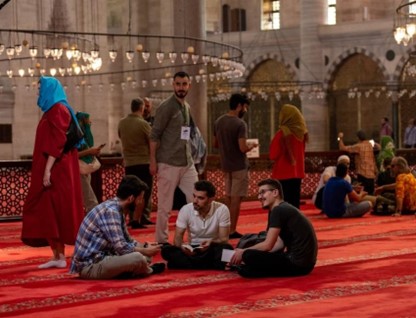
Source: Intercultural Communicatiın Center

Experiences of Migrants 

Over the last year, I have had the honor of working in the Center for Cross-Cultural Communication (KİM Vakfı) in Süleymaniye, Istanbul. During this time, I have interacted with new Muslims and individuals who have been interested in Islam for such a long time and noted the fact that the experiences of non-Muslims and converts to Islam who migrate to Istanbul are as diverse as they are profound. For many, the journey represents a profound personal and spiritual transformation as they navigate the complexities of adopting a new faith and integrating into a foreign society. Some individuals may encounter challenges such as language barriers, cultural differences, and social stigma, which can impact their sense of belonging and identity. Among the most common challenges faced by migrants are economic hardships, with some leaving countries with stronger currencies to pursue a closer connection with God, often making material sacrifices in the process. Many new Muslims have had to depart Istanbul midway through their journey due to financial constraints or a lack of stability and growth prospects. Additionally, navigating the migration system, which often involves arduous processes to obtain or renew residence permits, presents another significant hurdle for migrants. 

However, despite these obstacles, many find solace and fulfillment in their newfound faith and community. The process of learning about Islam in Istanbul enables individuals to explore the teachings of the Quran and the traditions of the Prophet Muhammad (PBUH) in depth, fostering a deeper spiritual connection and sense of purpose. Moreover, the opportunity to experience the call to prayer five times a day and participate in communal prayers, religious rituals, and charitable activities enriches their spiritual journey and strengthens their bonds with fellow believers. At the heart of this experience lies the exceptionally welcoming, hospitable, sincere, and pure-hearted Turkish citizens, whose generosity knows no bounds. The Turkish fascination with converts to Islam comes as no surprise, given the country’s own intellectual evolution in modern history. 

Implications for Individuals and Society 

The migration of non-Muslims and converts to Islam to Istanbul holds profound implications for both individuals and broader society. On an individual level, the experience offers a pathway for spiritual growth, self-discovery, and personal fulfillment. By immersing themselves in the teachings and practices of Islam, migrants are able to cultivate a deeper understanding of their faith and forge meaningful connections with the Muslim community. Moreover, the migration 

of individuals to Istanbul for religious purposes enriches the city’s cultural diversity and cosmopolitan ethos. As newcomers integrate into society, they bring with them unique perspectives, experiences, and talents that enrich the social, intellectual, and artistic landscape of Istanbul. This cultural exchange fosters dialogue, understanding, and mutual respect among people of different backgrounds, ultimately strengthening the social fabric of the city. Furthermore, the presence of non-Muslims and converts to Islam in Istanbul challenges prevailing stereotypes and misconceptions about Islam and Muslims. By engaging with the local community and participating in interfaith dialogue, migrants serve as ambassadors for their faith, promoting tolerance, coexistence, and pluralism in a globalized world. Their presence reflects the universal values of compassion, justice, and mercy espoused by Islam, transcending boundaries of nationality, ethnicity, and religion. 

Conclusion 

The migration of non-Muslims interested in Islam and new Muslims to Istanbul for the purpose of learning about Islam or practicing the faith reflects the city’s status as a global hub of Islamic learning and culture. By offering access to renowned scholars, institutions, vakıfs, and resources, Istanbul provides fertile ground for spiritual growth, self-discovery, and communal solidarity. The experiences of migrants underscore the transformative power of faith and the universal appeal of Islam as a source of guidance, inspiration, and hope. As individuals from diverse backgrounds come together in pursuit of spiritual enlightenment, they contribute to the cultural richness, social cohesion, and pluralistic ethos of Istanbul, embodying the timeless values of tolerance, understanding, and mutual respect. 

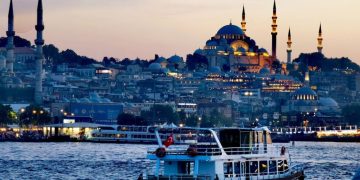
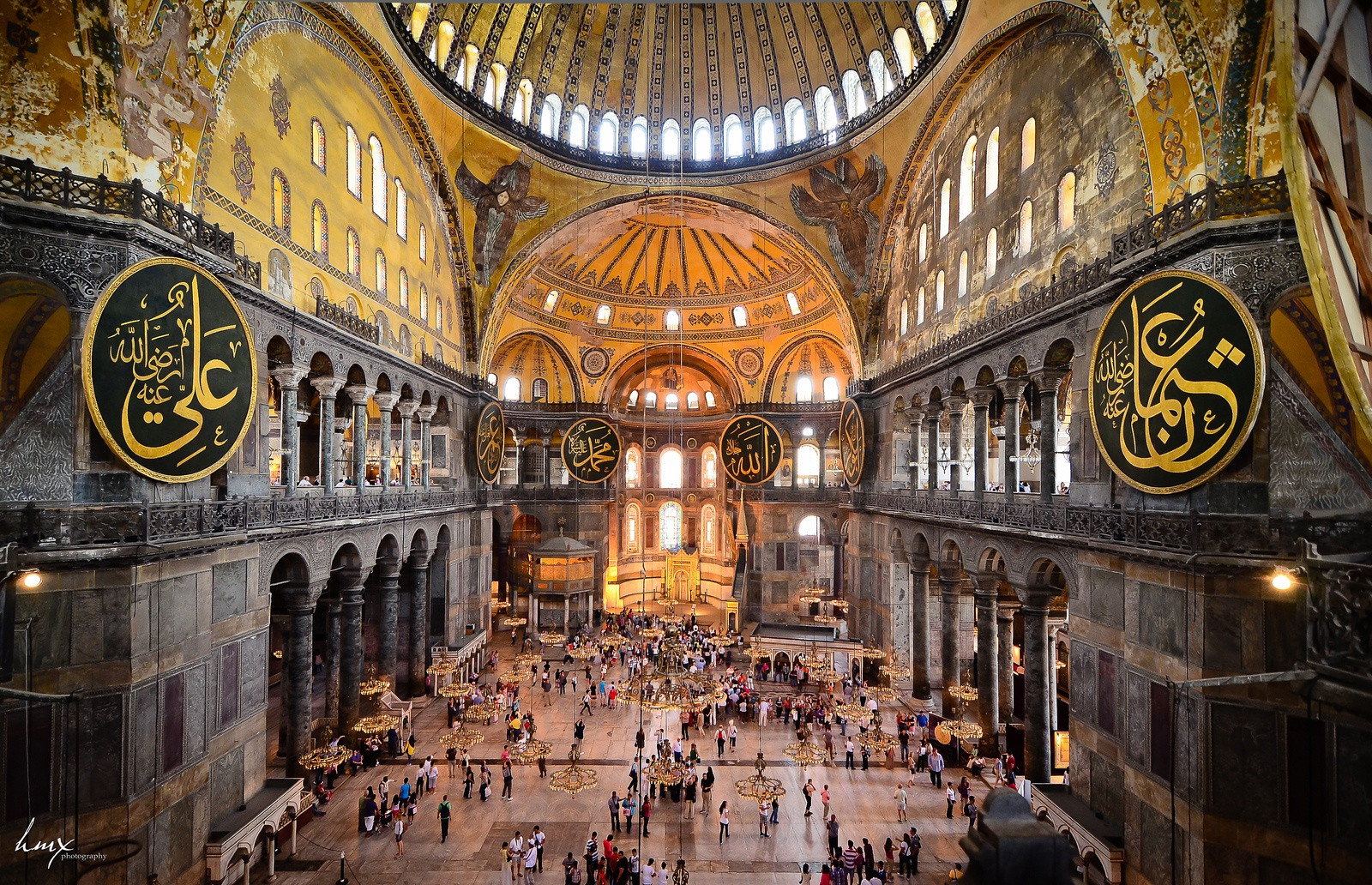
Photograph: Hagia Sophia

Tags: Hagia SophiaIstanbulKİM VakfıMigration
Previous Post

İstanbul: Göçün ve İnancın Kutsal Dokusu

Next Post

Afganistan Zaman Çizelgesi

Next Post

Afganistan Zaman Çizelgesi

Bir yanıt yazın Yanıtı iptal et

E-posta adresiniz yayınlanmayacak. Gerekli alanlar * ile işaretlenmişlerdir

  • A Possible New Breath in Regional Balances: The Alliance of Türkiye, Pakistan, Egypt, and Saudi Arabia

    Bölgesel Dengelerde Olası Yeni Bir Soluk: Türkiye, Pakistan, Mısır ve Suudi Arabistan İttifakı

    0 shares
    Share 0 Tweet 0
  • Nakşibendi-Hakkani Tarikatı

    0 shares
    Share 0 Tweet 0
  • Bilime Yön Verenler: Nobel Ödüllü Müslüman Bilim İnsanları

    0 shares
    Share 0 Tweet 0
  • Fuad Sezgin

    0 shares
    Share 0 Tweet 0
  • Sosyal Medyada İslamcı-Muhafazakâr Kamusallığın Dönüşümü Üzerine

    0 shares
    Share 0 Tweet 0
  • The Gravity of What Took Place at Al-Aqsa Mosque During Ramadan 2026

    Ramazan 2026’da Mescid-i Aksa’da Yaşananların Ciddiyeti

    0 shares
    Share 0 Tweet 0
  • The Gravity of What Took Place at Al-Aqsa Mosque During Ramadan 2026

    0 shares
    Share 0 Tweet 0
  • FLA-JNIM Cooperation and Shifting Security Dynamics in Mali

    0 shares
    Share 0 Tweet 0
  • FLA-JNIM İş Birliği ve Mali’de Değişen Güvenlik Dinamikleri

    0 shares
    Share 0 Tweet 0
  • The Current State of Indonesia’s Luxury Industry and the Landscape of Independent Handcrafted Watchmaking

    0 shares
    Share 0 Tweet 0

Platform: Müslüman Dünyanın Gündemi, Müslüman toplumların fikrî, siyasi, sosyal, ekonomik ve kültürel gündemlerini takip ve tahlil edip Müslüman dünyaya dair güncel ve özgün perspektifler sunmayı amaçlayan bir yayın organı olarak İLKE İlim Kültür Eğitim Vakfı bünyesinde kurulmuştur.

  • SAYILAR
  • ANALİZLER
  • HABERLER
  • SÖYLEŞİLER
  • DÜNYADAN SESLER
  • platform@ilke.org.tr
  • (0216) 310 43 18
  • Aziz Mahmut Hüdayi Mah. Türbe Kapısı Sk. No: 13 Üsküdar, İstanbul

2025 @ PLATFORM bir İLKE Vakfı kuruluşudur. Tüm hakları saklıdır. 

No Result
View All Result
  • Home
  • Analizler
  • Haberler
  • Söyleşiler
  • Dünyadan Sesler