







İLKE Vakfı
Platform
No Result
View All Result
  • PLATFORM
  • HABERLER
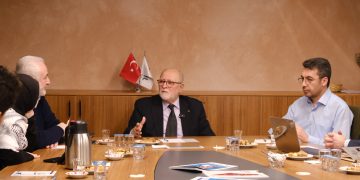
    İLKE Agenda: Muzzammil Ayyub Thakur ile Keşmir’in “Filistinleştirilmesi”

    İLKE Agenda: Muzzammil Ayyub Thakur ile Keşmir’in “Filistinleştirilmesi”

    İLKE Agenda: Muzzammil Ayyub Thakur ile Keşmir’in “Filistinleştirilmesi”

    The Platform Talks: Kinda Hawasli ile 8 Aralık Sonrası Suriye

    İLKE Agenda: Muzzammil Ayyub Thakur ile Keşmir’in “Filistinleştirilmesi”

    The Platform Talks: Azzam Tamimi ile 7 Ekim Sonrası Filistin

    İLKE Agenda: Muzzammil Ayyub Thakur ile Keşmir’in “Filistinleştirilmesi”

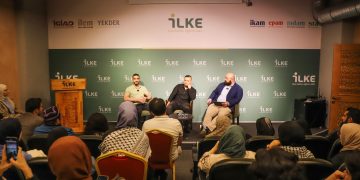
    İLKE Agenda: Gazze Soykırımı Günlerinde Aktivizm ve İslamofobi

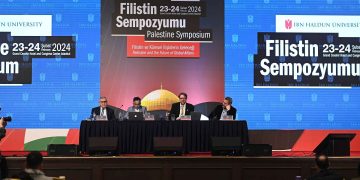
    Filistin Sempozyumu: Filistin ve Küresel İlişkilerin Geleceği

    Filistin Sempozyumu: Filistin ve Küresel İlişkilerin Geleceği

    Filistin Sempozyumu: Filistin ve Küresel İlişkilerin Geleceği

    Müslüman Dünyada Çağdaş Düşünce Konferansı’nda buluşuyoruz!

    Filistin Sempozyumu: Filistin ve Küresel İlişkilerin Geleceği

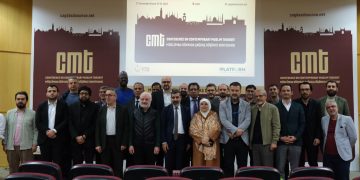
    Müslüman Dünyada Çağdaş Düşünce Konferansı

    Filistin Sempozyumu: Filistin ve Küresel İlişkilerin Geleceği

    Dr. Jonathan Brown “İslam’ın Siyahiliğe ve Köleliğe Yaklaşımı” adlı seminer gerçekleştirdi.

  • ANALİZLER
    • All
    • Düşünce
    • Eğitim
    • Ekonomi
    • Enerji ve Çevre
    • Göç
    • Medya, Kültür ve Sanat
    • Temel Hak ve Özgürlükler
    • Toplumsal Meseleler
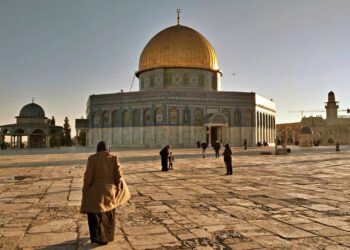
    The Gravity of What Took Place at Al-Aqsa Mosque During Ramadan 2026

    Ramazan 2026’da Mescid-i Aksa’da Yaşananların Ciddiyeti

    AFP/GETTY IMAGES

    FLA-JNIM İş Birliği ve Mali’de Değişen Güvenlik Dinamikleri

    Sosyal Medyada İslamcı-Muhafazakâr Kamusallığın Dönüşümü Üzerine

    Sosyal Medyada İslamcı-Muhafazakâr Kamusallığın Dönüşümü Üzerine

    Bangladeş’te 2026 Seçimleri Sonrası Siyasi Tartışmalar

    Bangladeş’te 2026 Seçimleri Sonrası Siyasi Tartışmalar

    Filistin’de Çocuk Olmak: 5 Nisan Filistinli Çocuklar Günü

    Filistin’de Çocuk Olmak: 5 Nisan Filistinli Çocuklar Günü

    Security, Fragility, and the Search for a New Equilibrium in the Gulf Following the Iranian Attacks

    İran Saldırıları Sonrası Körfez’de Güvenlik, Kırılganlık ve Yeni Denge Arayışı

  • SÖYLEŞİLER
    The Decolonization of Knowledge: Interview with Professor Souleymane Bachir Diagne

    Bilginin Dekolonizasyonu: Profesör Souleymane Bachir Diagne ile Röportaj

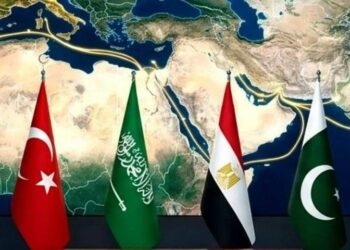
    A Possible New Breath in Regional Balances: The Alliance of Türkiye, Pakistan, Egypt, and Saudi Arabia

    Bölgesel Dengelerde Olası Yeni Bir Soluk: Türkiye, Pakistan, Mısır ve Suudi Arabistan İttifakı

    Digital Ummah and Muslim Identity: Dr. Sahar Khamis Interview

    Dijital Ümmet ve Müslüman Kimliği: Dr. Sahar Khamis ile Röportaj

    From the Ballot Box to the Street: The Rising Social Wave in Tanzania After the Election

    Sandıktan Sokağa: Tanzanya’da Seçim Sonrası Yükselen Toplumsal Dalga

    Müslüman Nüfusa Karşı Güvenlikleştirme

    Müslüman Nüfusa Karşı Güvenlikleştirme

    Gurbet Hikayeleri

    Gurbet Hikayeleri

    Göçü Yönetmek: Dr. Mehmet Köse’yle Söyleşi

    Göçü Yönetmek: Dr. Mehmet Köse’yle Söyleşi

    İstanbul’daki Uluslararası Öğrencilerle Söyleşi

    İstanbul’daki Uluslararası Öğrencilerle Söyleşi

    Zaytuna College Lisansüstü Eğitim Dekanı Maşuk Yamaç’la Söyleşi

    Zaytuna College Lisansüstü Eğitim Dekanı Maşuk Yamaç’la Söyleşi

  • DÜNYADAN SESLER
    Voices from the Muslim World | Sari Hanafi (with Turkish subtitles)

    Voices from the Muslim World | Sari Hanafi (with Turkish subtitles)

    Voices from the Muslim World | Ovamir Anjum

    Voices from the Muslim World | Ovamir Anjum

    VOICES FROM THE MUSLIM WORLD | DR. YASIR QADHI

    VOICES FROM THE MUSLIM WORLD | DR. YASIR QADHI

    VOICES FROM THE MUSLIM WORLD | DR. ADEEL MALIK

    VOICES FROM THE MUSLIM WORLD | DR. ADEEL MALIK

  • SAYILAR
  • VERİTABANI
    • All
    • Hareketler
    • Kurumlar
    • Şahsiyetler
    Pak-Türk Maarif

    Pak-Türk Maarif

    İslam Vakfı

    İslam Vakfı

    Avrupa Fetva ve Araştırma Konseyi

    Avrupa Fetva ve Araştırma Konseyi

    Tokyo Camii ve Diyanet Türk Kültür Merkezi

    Tokyo Camii ve Diyanet Türk Kültür Merkezi

  • PLATFORM
  • HABERLER
    İLKE Agenda: Muzzammil Ayyub Thakur ile Keşmir’in “Filistinleştirilmesi”

    İLKE Agenda: Muzzammil Ayyub Thakur ile Keşmir’in “Filistinleştirilmesi”

    İLKE Agenda: Muzzammil Ayyub Thakur ile Keşmir’in “Filistinleştirilmesi”

    The Platform Talks: Kinda Hawasli ile 8 Aralık Sonrası Suriye

    İLKE Agenda: Muzzammil Ayyub Thakur ile Keşmir’in “Filistinleştirilmesi”

    The Platform Talks: Azzam Tamimi ile 7 Ekim Sonrası Filistin

    İLKE Agenda: Muzzammil Ayyub Thakur ile Keşmir’in “Filistinleştirilmesi”

    İLKE Agenda: Gazze Soykırımı Günlerinde Aktivizm ve İslamofobi

    Filistin Sempozyumu: Filistin ve Küresel İlişkilerin Geleceği

    Filistin Sempozyumu: Filistin ve Küresel İlişkilerin Geleceği

    Filistin Sempozyumu: Filistin ve Küresel İlişkilerin Geleceği

    Müslüman Dünyada Çağdaş Düşünce Konferansı’nda buluşuyoruz!

    Filistin Sempozyumu: Filistin ve Küresel İlişkilerin Geleceği

    Müslüman Dünyada Çağdaş Düşünce Konferansı

    Filistin Sempozyumu: Filistin ve Küresel İlişkilerin Geleceği

    Dr. Jonathan Brown “İslam’ın Siyahiliğe ve Köleliğe Yaklaşımı” adlı seminer gerçekleştirdi.

  • ANALİZLER
    • All
    • Düşünce
    • Eğitim
    • Ekonomi
    • Enerji ve Çevre
    • Göç
    • Medya, Kültür ve Sanat
    • Temel Hak ve Özgürlükler
    • Toplumsal Meseleler
    The Gravity of What Took Place at Al-Aqsa Mosque During Ramadan 2026

    Ramazan 2026’da Mescid-i Aksa’da Yaşananların Ciddiyeti

    AFP/GETTY IMAGES

    FLA-JNIM İş Birliği ve Mali’de Değişen Güvenlik Dinamikleri

    Sosyal Medyada İslamcı-Muhafazakâr Kamusallığın Dönüşümü Üzerine

    Sosyal Medyada İslamcı-Muhafazakâr Kamusallığın Dönüşümü Üzerine

    Bangladeş’te 2026 Seçimleri Sonrası Siyasi Tartışmalar

    Bangladeş’te 2026 Seçimleri Sonrası Siyasi Tartışmalar

    Filistin’de Çocuk Olmak: 5 Nisan Filistinli Çocuklar Günü

    Filistin’de Çocuk Olmak: 5 Nisan Filistinli Çocuklar Günü

    Security, Fragility, and the Search for a New Equilibrium in the Gulf Following the Iranian Attacks

    İran Saldırıları Sonrası Körfez’de Güvenlik, Kırılganlık ve Yeni Denge Arayışı

  • SÖYLEŞİLER
    The Decolonization of Knowledge: Interview with Professor Souleymane Bachir Diagne

    Bilginin Dekolonizasyonu: Profesör Souleymane Bachir Diagne ile Röportaj

    A Possible New Breath in Regional Balances: The Alliance of Türkiye, Pakistan, Egypt, and Saudi Arabia

    Bölgesel Dengelerde Olası Yeni Bir Soluk: Türkiye, Pakistan, Mısır ve Suudi Arabistan İttifakı

    Digital Ummah and Muslim Identity: Dr. Sahar Khamis Interview

    Dijital Ümmet ve Müslüman Kimliği: Dr. Sahar Khamis ile Röportaj

    From the Ballot Box to the Street: The Rising Social Wave in Tanzania After the Election

    Sandıktan Sokağa: Tanzanya’da Seçim Sonrası Yükselen Toplumsal Dalga

    Müslüman Nüfusa Karşı Güvenlikleştirme

    Müslüman Nüfusa Karşı Güvenlikleştirme

    Gurbet Hikayeleri

    Gurbet Hikayeleri

    Göçü Yönetmek: Dr. Mehmet Köse’yle Söyleşi

    Göçü Yönetmek: Dr. Mehmet Köse’yle Söyleşi

    İstanbul’daki Uluslararası Öğrencilerle Söyleşi

    İstanbul’daki Uluslararası Öğrencilerle Söyleşi

    Zaytuna College Lisansüstü Eğitim Dekanı Maşuk Yamaç’la Söyleşi

    Zaytuna College Lisansüstü Eğitim Dekanı Maşuk Yamaç’la Söyleşi

  • DÜNYADAN SESLER
    Voices from the Muslim World | Sari Hanafi (with Turkish subtitles)

    Voices from the Muslim World | Sari Hanafi (with Turkish subtitles)

    Voices from the Muslim World | Ovamir Anjum

    Voices from the Muslim World | Ovamir Anjum

    VOICES FROM THE MUSLIM WORLD | DR. YASIR QADHI

    VOICES FROM THE MUSLIM WORLD | DR. YASIR QADHI

    VOICES FROM THE MUSLIM WORLD | DR. ADEEL MALIK

    VOICES FROM THE MUSLIM WORLD | DR. ADEEL MALIK

  • SAYILAR
  • VERİTABANI
    • All
    • Hareketler
    • Kurumlar
    • Şahsiyetler
    Pak-Türk Maarif

    Pak-Türk Maarif

    İslam Vakfı

    İslam Vakfı

    Avrupa Fetva ve Araştırma Konseyi

    Avrupa Fetva ve Araştırma Konseyi

    Tokyo Camii ve Diyanet Türk Kültür Merkezi

    Tokyo Camii ve Diyanet Türk Kültür Merkezi

No Result
View All Result
Platform
No Result
View All Result
Home Analyses

It’s All About Kashmir

Abdul Malik Mujahid by Abdul Malik Mujahid
6 Kasım 2025
in Analyses, Opinion
0
It’s All About Kashmir
0
SHARES
7
VIEWS
Share on FacebookShare on Twitter

The Pahalgam attack in Indian-occupied Kashmir led to India immediately accusing Pakistan without evidence, while Pakistan called for an impartial investigation that India refused. The article discusses India’s military presence, suppression of Kashmiri media and voices, broken promises of self-determination since 1947, and parallels the Kashmir struggle with that of Palestine, highlighting ongoing occupation and resistance.

Within minutes of the Pahalgam attack in the Indian occupied Kashmir, India accused Pakistan of this attack. It offered no evidence. Pakistan proposed a thorough investigation by impartial experts, which India declined. Then, India unilaterally suspended the Indus water treaty, contravening international law and attacked Pakistan.

Pakistan suffered some damages and in counterattack it claimed to have destroyed six Indian fighter planes. India remains silent on its losses.

Pahalgam is located close to central Kashmir, far away from the Pakistani border. How did India’s 700,000 soldiers stationed in Kashmir fail to stop Pakistanis reaching there?  Was it a military failure that Pakistanis reached 200 kilometers inside the Indian held Kashmir? Why was India blasting the homes of Kashmiri Muslims and arresting at least 2,000 Kashmiris well before attacking Pakistan in May 2025? Is it because it has evidence that Kashmiris are responsible for these attacks? Kashmiri freedom fighters have been fighting Indian army on and off for years. Or was the Pahalgam attack a false flag operation as Pakistani government claim.

The Game of Blaming Pakistan

Blaming Pakistan is everyday business in India for virtually all sort of troubles. This is especially true of Indian Prime Minister Narendra Modi. The chief minister of the Indian state of West Bengal, Mamata Banerjee, addresses the problem in the following ways:

“Whenever an issue is raised by an Indian citizen, Prime Minister advises the person to go to Pakistan… If someone says give me job as I have no work, PM [Prime Minister] says go to Pakistan. If someone says we don’t have any industries, he says go to Pakistan. Pakistan can talk about themselves as much as they want, we should talk about India, this is our motherland, all of us were born here…” [1]

Whether the Pahalgam attack was done by Pakistan, Kashmiris themselves, or a false flag operation, the fact no one disputes is that it happened in the Indian held Kashmir.

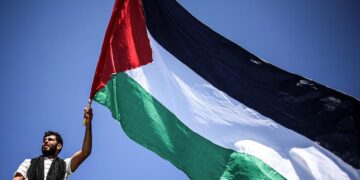
Story of Kashmir is a story of a people who refused to surrender their God-given right to freedom, just like Palestinians.

Kashmir and Palestine Both Seek Freedom

Story of Kashmir is a story of a people who refused to surrender their God-given right to freedom, just like Palestinians.

Both, Kashmir and Palestine, were occupied by the British colonial government. Both issues date back to 1948. Both issues remain unresolved due to the refusal of Israel and India to accept what International laws and the United Nations call for. As well, both Kashmiris and Palestinians refuse to surrender their freedom.

Kashmir, a Muslim-majority state, was set to choose between joining Pakistan or India. India forced the Hindu raja to sign up with India and sent its army to occupy Kashmir. Kashmiri Muslims rebelled. They were already suffering under the Hindu raja who will behead Muslims for consuming beef, among other forms of repression.

History of Palestine is  known in the world. India, however, has been much more successful in suppressing the voices of Kashmiris than its partner Israel.

Why The World Does Not Know Much About Kashmir

History of Palestine is  known in the world. India, however, has been much more successful in suppressing the voices of Kashmiris than its partner Israel.

It has shut down 70 Kashmiri media outlets. Even the most popular Kashmir Times run by Hindus has been shut down. For years, Kashmiri journalists have been jailed under unjust laws, often without a trial.

For the sixth year in a row India has led the world in internet ban. In the past five years, India has imposed internet shutdowns over 500 times.

In 2019 India shut down all communications in Kashmir, silencing some 10 million Kashmiris for over 145 days, with no phone service or internet.

In 2025, Reporters Without Borders ranked Indian media freedom at 151 out of 180 countries in its press freedom index. That is below Rwanda, Somalia and Columbia. That tells us something about the state of the self-proclaimed “largest democracy in the world”.

India Promised Kashmiris The Right To Self-Determination

Facing imminent victory of Kashmiri rebels and Pakistan, on November 2nd 1947, Indian Prime Minister Jawahir Lal Nahru went on air through Radio India promising Kashmiris the right of self-determination.

 “We have declared that the fate of Kashmir is ultimately to be decided by the people. That pledge we have given and the Maharaja has supported it, not only to the people of Kashmir but to the world. We will not and cannot back out of it. We are prepared when peace and law and order have been established to have a referendum held under international auspices like the United Nations. We want it to be a fair and just reference to the people and we shall accept their verdict. I can imagine no fairer and juster offer.”[2]

Then on January 1, 1948 India requested the United Nations for its mediation on Kashmir. It was the time when Kashmiris with the help of Pakistan had liberated already liberated half of the Kashmir, which was now called Azad Kashmir. They were closing in on SriNagar, the capital of the state of Kashmir.

Kashmir, a Muslim-majority state, was set to choose between joining Pakistan or India. India forced the Hindu raja to sign up with India and sent its army to occupy Kashmir. 

The United Nation was just 2 year old when in 1948 it passed its first resolution on Kashmir calling for a ceasefire while promising Kashmiris that they will vote to decide about their future and whether they want to join Pakistan or India.

Kashmiris and Pakistan trusted the UN and stopped their advance. That was 77 years ago. But India never allowed that vote to take place

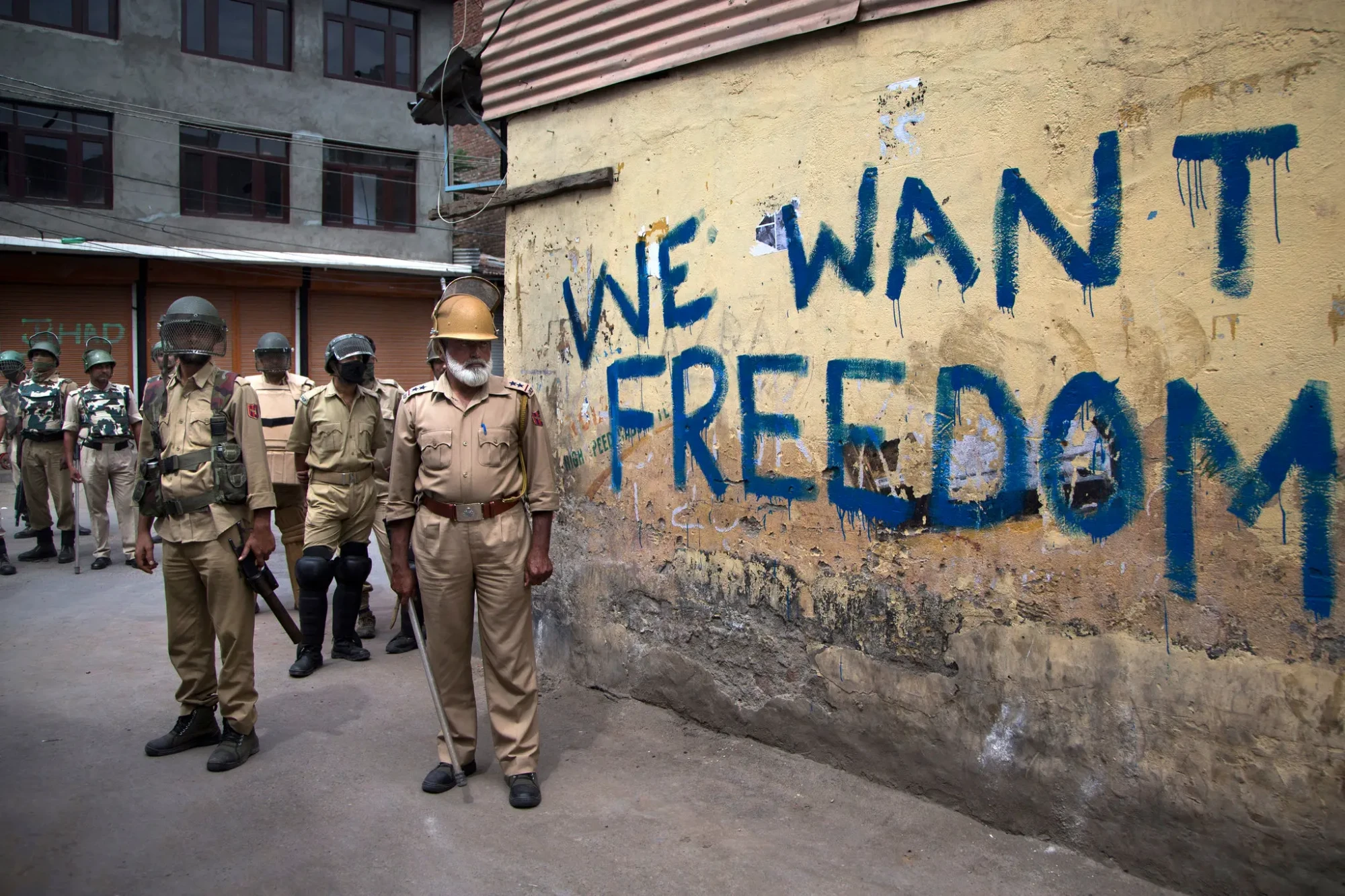
Instead of a ballot, it sent bullets. Since then, Kashmir has remained under military occupation – 700,000 Indian soldiers continue to subjugate Kashmiris – that is one heavily armed soldier for every ten Kashmiri civilians.

Most Kashmiris kept waiting – waiting for India to fulfil its promise and waiting for the UN to deliver the vote they were promised when they agreed to the ceasefire.

However, some Kashmiris could not wait much longer. In 1989 they started resisting Indian armed forces which caused India to send more soldiers. Since then 100,000 Kashmiris have been killed. Thousands of Kashmiris have disappeared. There are hundreds of half widow, waiting for their husbands to come back. Many have been tortured, blinded, or jailed for life — for simply demanding what was once promised.

Former United States President Bill Clinton wanted to mediate on Kashmir if India and Pakistan agreed for it. Pakistan agreed. India declined.Now, President Donald Trump has offered to mediate on Kashmir. Once again Pakistan welcomed the offer. India has rejected it. But no one is asking Kashmiris about it.

In August 1952, Jawaharlal Nehru, speaking on the floor of the Indian parliament, said, “Our pledge to the people of Kashmir, if you like the people of this world then this matter could be affirmed or cancelled by the people of Kashmir accordingly to their wishes. We do not wish to win people against their will with the help of armed force and if the people want to part company with us, they go their own way and we shall go ours. We want no forced marriages, no forced Unions.[3]”

Indian Prime Minister wanted no forced marriage. But this is exactly what he did: pushed a forced marriage by pointing gun at the Kashmiris. The civilized world uses another word for “forced marriage”. 

So far it was primarily Israel who is disregarding international law, Genevia conventions, and the United States among countries that call themselves a “democracy”. Today, India has joined it in doing the same. 

[1] https://www.ndtv.com/india-news/caa-protests-mamata-banerjee-attacks-pm-narendra-modi-says-are-you-india-pm-or-pakistan-ambassador-2158415

[2] https://www.foreignaffairs.com/articles/asia/1965-04-01/kashmir-india-and-pakistan#

[3] https://www.youtube.com/watch?v=eoP14D8UxAA

Tags: AsiaIndiaKashmirPahalgamPakistann
Previous Post

The Platform Talks: Azzam Tamimi ile 7 Ekim Sonrası Filistin

Next Post

The Platform Talks: Kinda Hawasli ile 8 Aralık Sonrası Suriye

Next Post
İLKE Agenda: Muzzammil Ayyub Thakur ile Keşmir’in “Filistinleştirilmesi”

The Platform Talks: Kinda Hawasli ile 8 Aralık Sonrası Suriye

Bir yanıt yazın Yanıtı iptal et

E-posta adresiniz yayınlanmayacak. Gerekli alanlar * ile işaretlenmişlerdir

  • A Possible New Breath in Regional Balances: The Alliance of Türkiye, Pakistan, Egypt, and Saudi Arabia

    Bölgesel Dengelerde Olası Yeni Bir Soluk: Türkiye, Pakistan, Mısır ve Suudi Arabistan İttifakı

    0 shares
    Share 0 Tweet 0
  • Nakşibendi-Hakkani Tarikatı

    0 shares
    Share 0 Tweet 0
  • Bilime Yön Verenler: Nobel Ödüllü Müslüman Bilim İnsanları

    0 shares
    Share 0 Tweet 0
  • Fuad Sezgin

    0 shares
    Share 0 Tweet 0
  • Sosyal Medyada İslamcı-Muhafazakâr Kamusallığın Dönüşümü Üzerine

    0 shares
    Share 0 Tweet 0
  • The Gravity of What Took Place at Al-Aqsa Mosque During Ramadan 2026

    Ramazan 2026’da Mescid-i Aksa’da Yaşananların Ciddiyeti

    0 shares
    Share 0 Tweet 0
  • The Gravity of What Took Place at Al-Aqsa Mosque During Ramadan 2026

    0 shares
    Share 0 Tweet 0
  • FLA-JNIM Cooperation and Shifting Security Dynamics in Mali

    0 shares
    Share 0 Tweet 0
  • FLA-JNIM İş Birliği ve Mali’de Değişen Güvenlik Dinamikleri

    0 shares
    Share 0 Tweet 0
  • The Current State of Indonesia’s Luxury Industry and the Landscape of Independent Handcrafted Watchmaking

    0 shares
    Share 0 Tweet 0

Platform: Müslüman Dünyanın Gündemi, Müslüman toplumların fikrî, siyasi, sosyal, ekonomik ve kültürel gündemlerini takip ve tahlil edip Müslüman dünyaya dair güncel ve özgün perspektifler sunmayı amaçlayan bir yayın organı olarak İLKE İlim Kültür Eğitim Vakfı bünyesinde kurulmuştur.

  • SAYILAR
  • ANALİZLER
  • HABERLER
  • SÖYLEŞİLER
  • DÜNYADAN SESLER
  • platform@ilke.org.tr
  • (0216) 310 43 18
  • Aziz Mahmut Hüdayi Mah. Türbe Kapısı Sk. No: 13 Üsküdar, İstanbul

2025 @ PLATFORM bir İLKE Vakfı kuruluşudur. Tüm hakları saklıdır. 

No Result
View All Result
  • Home
  • Analizler
  • Haberler
  • Söyleşiler
  • Dünyadan Sesler