



İLKE Vakfı
Platform
No Result
View All Result
  • PLATFORM
  • HABERLER
    İLKE Agenda: Muzzammil Ayyub Thakur ile Keşmir’in “Filistinleştirilmesi”

    İLKE Agenda: Muzzammil Ayyub Thakur ile Keşmir’in “Filistinleştirilmesi”

    İLKE Agenda: Muzzammil Ayyub Thakur ile Keşmir’in “Filistinleştirilmesi”

    The Platform Talks: Kinda Hawasli ile 8 Aralık Sonrası Suriye

    İLKE Agenda: Muzzammil Ayyub Thakur ile Keşmir’in “Filistinleştirilmesi”

    The Platform Talks: Azzam Tamimi ile 7 Ekim Sonrası Filistin

    İLKE Agenda: Muzzammil Ayyub Thakur ile Keşmir’in “Filistinleştirilmesi”

    İLKE Agenda: Gazze Soykırımı Günlerinde Aktivizm ve İslamofobi

    Filistin Sempozyumu: Filistin ve Küresel İlişkilerin Geleceği

    Filistin Sempozyumu: Filistin ve Küresel İlişkilerin Geleceği

    Filistin Sempozyumu: Filistin ve Küresel İlişkilerin Geleceği

    Müslüman Dünyada Çağdaş Düşünce Konferansı’nda buluşuyoruz!

    Filistin Sempozyumu: Filistin ve Küresel İlişkilerin Geleceği

    Müslüman Dünyada Çağdaş Düşünce Konferansı

    Filistin Sempozyumu: Filistin ve Küresel İlişkilerin Geleceği

    Dr. Jonathan Brown “İslam’ın Siyahiliğe ve Köleliğe Yaklaşımı” adlı seminer gerçekleştirdi.

  • ANALİZLER
    • All
    • Düşünce
    • Eğitim
    • Ekonomi
    • Enerji ve Çevre
    • Göç
    • Medya, Kültür ve Sanat
    • Temel Hak ve Özgürlükler
    • Toplumsal Meseleler
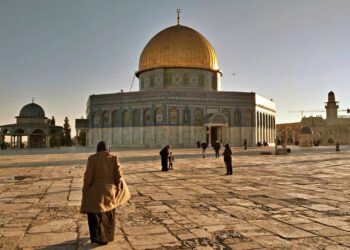
    The Gravity of What Took Place at Al-Aqsa Mosque During Ramadan 2026

    Ramazan 2026’da Mescid-i Aksa’da Yaşananların Ciddiyeti

    AFP/GETTY IMAGES

    FLA-JNIM İş Birliği ve Mali’de Değişen Güvenlik Dinamikleri

    Sosyal Medyada İslamcı-Muhafazakâr Kamusallığın Dönüşümü Üzerine

    Sosyal Medyada İslamcı-Muhafazakâr Kamusallığın Dönüşümü Üzerine

    Bangladeş’te 2026 Seçimleri Sonrası Siyasi Tartışmalar

    Bangladeş’te 2026 Seçimleri Sonrası Siyasi Tartışmalar

    Filistin’de Çocuk Olmak: 5 Nisan Filistinli Çocuklar Günü

    Filistin’de Çocuk Olmak: 5 Nisan Filistinli Çocuklar Günü

    Security, Fragility, and the Search for a New Equilibrium in the Gulf Following the Iranian Attacks

    İran Saldırıları Sonrası Körfez’de Güvenlik, Kırılganlık ve Yeni Denge Arayışı

  • SÖYLEŞİLER
    The Decolonization of Knowledge: Interview with Professor Souleymane Bachir Diagne

    Bilginin Dekolonizasyonu: Profesör Souleymane Bachir Diagne ile Röportaj

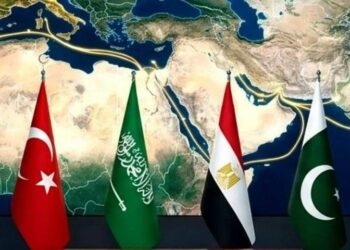
    A Possible New Breath in Regional Balances: The Alliance of Türkiye, Pakistan, Egypt, and Saudi Arabia

    Bölgesel Dengelerde Olası Yeni Bir Soluk: Türkiye, Pakistan, Mısır ve Suudi Arabistan İttifakı

    Digital Ummah and Muslim Identity: Dr. Sahar Khamis Interview

    Dijital Ümmet ve Müslüman Kimliği: Dr. Sahar Khamis ile Röportaj

    From the Ballot Box to the Street: The Rising Social Wave in Tanzania After the Election

    Sandıktan Sokağa: Tanzanya’da Seçim Sonrası Yükselen Toplumsal Dalga

    Müslüman Nüfusa Karşı Güvenlikleştirme

    Müslüman Nüfusa Karşı Güvenlikleştirme

    Gurbet Hikayeleri

    Gurbet Hikayeleri

    Göçü Yönetmek: Dr. Mehmet Köse’yle Söyleşi

    Göçü Yönetmek: Dr. Mehmet Köse’yle Söyleşi

    İstanbul’daki Uluslararası Öğrencilerle Söyleşi

    İstanbul’daki Uluslararası Öğrencilerle Söyleşi

    Zaytuna College Lisansüstü Eğitim Dekanı Maşuk Yamaç’la Söyleşi

    Zaytuna College Lisansüstü Eğitim Dekanı Maşuk Yamaç’la Söyleşi

  • DÜNYADAN SESLER
    Voices from the Muslim World | Sari Hanafi (with Turkish subtitles)

    Voices from the Muslim World | Sari Hanafi (with Turkish subtitles)

    Voices from the Muslim World | Ovamir Anjum

    Voices from the Muslim World | Ovamir Anjum

    VOICES FROM THE MUSLIM WORLD | DR. YASIR QADHI

    VOICES FROM THE MUSLIM WORLD | DR. YASIR QADHI

    VOICES FROM THE MUSLIM WORLD | DR. ADEEL MALIK

    VOICES FROM THE MUSLIM WORLD | DR. ADEEL MALIK

  • SAYILAR
  • VERİTABANI
    • All
    • Hareketler
    • Kurumlar
    • Şahsiyetler
    Pak-Türk Maarif

    Pak-Türk Maarif

    İslam Vakfı

    İslam Vakfı

    Avrupa Fetva ve Araştırma Konseyi

    Avrupa Fetva ve Araştırma Konseyi

    Tokyo Camii ve Diyanet Türk Kültür Merkezi

    Tokyo Camii ve Diyanet Türk Kültür Merkezi

  • PLATFORM
  • HABERLER
    İLKE Agenda: Muzzammil Ayyub Thakur ile Keşmir’in “Filistinleştirilmesi”

    İLKE Agenda: Muzzammil Ayyub Thakur ile Keşmir’in “Filistinleştirilmesi”

    İLKE Agenda: Muzzammil Ayyub Thakur ile Keşmir’in “Filistinleştirilmesi”

    The Platform Talks: Kinda Hawasli ile 8 Aralık Sonrası Suriye

    İLKE Agenda: Muzzammil Ayyub Thakur ile Keşmir’in “Filistinleştirilmesi”

    The Platform Talks: Azzam Tamimi ile 7 Ekim Sonrası Filistin

    İLKE Agenda: Muzzammil Ayyub Thakur ile Keşmir’in “Filistinleştirilmesi”

    İLKE Agenda: Gazze Soykırımı Günlerinde Aktivizm ve İslamofobi

    Filistin Sempozyumu: Filistin ve Küresel İlişkilerin Geleceği

    Filistin Sempozyumu: Filistin ve Küresel İlişkilerin Geleceği

    Filistin Sempozyumu: Filistin ve Küresel İlişkilerin Geleceği

    Müslüman Dünyada Çağdaş Düşünce Konferansı’nda buluşuyoruz!

    Filistin Sempozyumu: Filistin ve Küresel İlişkilerin Geleceği

    Müslüman Dünyada Çağdaş Düşünce Konferansı

    Filistin Sempozyumu: Filistin ve Küresel İlişkilerin Geleceği

    Dr. Jonathan Brown “İslam’ın Siyahiliğe ve Köleliğe Yaklaşımı” adlı seminer gerçekleştirdi.

  • ANALİZLER
    • All
    • Düşünce
    • Eğitim
    • Ekonomi
    • Enerji ve Çevre
    • Göç
    • Medya, Kültür ve Sanat
    • Temel Hak ve Özgürlükler
    • Toplumsal Meseleler
    The Gravity of What Took Place at Al-Aqsa Mosque During Ramadan 2026

    Ramazan 2026’da Mescid-i Aksa’da Yaşananların Ciddiyeti

    AFP/GETTY IMAGES

    FLA-JNIM İş Birliği ve Mali’de Değişen Güvenlik Dinamikleri

    Sosyal Medyada İslamcı-Muhafazakâr Kamusallığın Dönüşümü Üzerine

    Sosyal Medyada İslamcı-Muhafazakâr Kamusallığın Dönüşümü Üzerine

    Bangladeş’te 2026 Seçimleri Sonrası Siyasi Tartışmalar

    Bangladeş’te 2026 Seçimleri Sonrası Siyasi Tartışmalar

    Filistin’de Çocuk Olmak: 5 Nisan Filistinli Çocuklar Günü

    Filistin’de Çocuk Olmak: 5 Nisan Filistinli Çocuklar Günü

    Security, Fragility, and the Search for a New Equilibrium in the Gulf Following the Iranian Attacks

    İran Saldırıları Sonrası Körfez’de Güvenlik, Kırılganlık ve Yeni Denge Arayışı

  • SÖYLEŞİLER
    The Decolonization of Knowledge: Interview with Professor Souleymane Bachir Diagne

    Bilginin Dekolonizasyonu: Profesör Souleymane Bachir Diagne ile Röportaj

    A Possible New Breath in Regional Balances: The Alliance of Türkiye, Pakistan, Egypt, and Saudi Arabia

    Bölgesel Dengelerde Olası Yeni Bir Soluk: Türkiye, Pakistan, Mısır ve Suudi Arabistan İttifakı

    Digital Ummah and Muslim Identity: Dr. Sahar Khamis Interview

    Dijital Ümmet ve Müslüman Kimliği: Dr. Sahar Khamis ile Röportaj

    From the Ballot Box to the Street: The Rising Social Wave in Tanzania After the Election

    Sandıktan Sokağa: Tanzanya’da Seçim Sonrası Yükselen Toplumsal Dalga

    Müslüman Nüfusa Karşı Güvenlikleştirme

    Müslüman Nüfusa Karşı Güvenlikleştirme

    Gurbet Hikayeleri

    Gurbet Hikayeleri

    Göçü Yönetmek: Dr. Mehmet Köse’yle Söyleşi

    Göçü Yönetmek: Dr. Mehmet Köse’yle Söyleşi

    İstanbul’daki Uluslararası Öğrencilerle Söyleşi

    İstanbul’daki Uluslararası Öğrencilerle Söyleşi

    Zaytuna College Lisansüstü Eğitim Dekanı Maşuk Yamaç’la Söyleşi

    Zaytuna College Lisansüstü Eğitim Dekanı Maşuk Yamaç’la Söyleşi

  • DÜNYADAN SESLER
    Voices from the Muslim World | Sari Hanafi (with Turkish subtitles)

    Voices from the Muslim World | Sari Hanafi (with Turkish subtitles)

    Voices from the Muslim World | Ovamir Anjum

    Voices from the Muslim World | Ovamir Anjum

    VOICES FROM THE MUSLIM WORLD | DR. YASIR QADHI

    VOICES FROM THE MUSLIM WORLD | DR. YASIR QADHI

    VOICES FROM THE MUSLIM WORLD | DR. ADEEL MALIK

    VOICES FROM THE MUSLIM WORLD | DR. ADEEL MALIK

  • SAYILAR
  • VERİTABANI
    • All
    • Hareketler
    • Kurumlar
    • Şahsiyetler
    Pak-Türk Maarif

    Pak-Türk Maarif

    İslam Vakfı

    İslam Vakfı

    Avrupa Fetva ve Araştırma Konseyi

    Avrupa Fetva ve Araştırma Konseyi

    Tokyo Camii ve Diyanet Türk Kültür Merkezi

    Tokyo Camii ve Diyanet Türk Kültür Merkezi

No Result
View All Result
Platform
No Result
View All Result
Home Analyses

Legal Framework of International Humanitarian Aid to Gaza

Gülden Sönmez by Gülden Sönmez
7 Kasım 2025
in Analyses, Fundamental Rights and Freedoms
0
Legal Framework of International Humanitarian Aid to Gaza
0
SHARES
2
VIEWS
Share on FacebookShare on Twitter

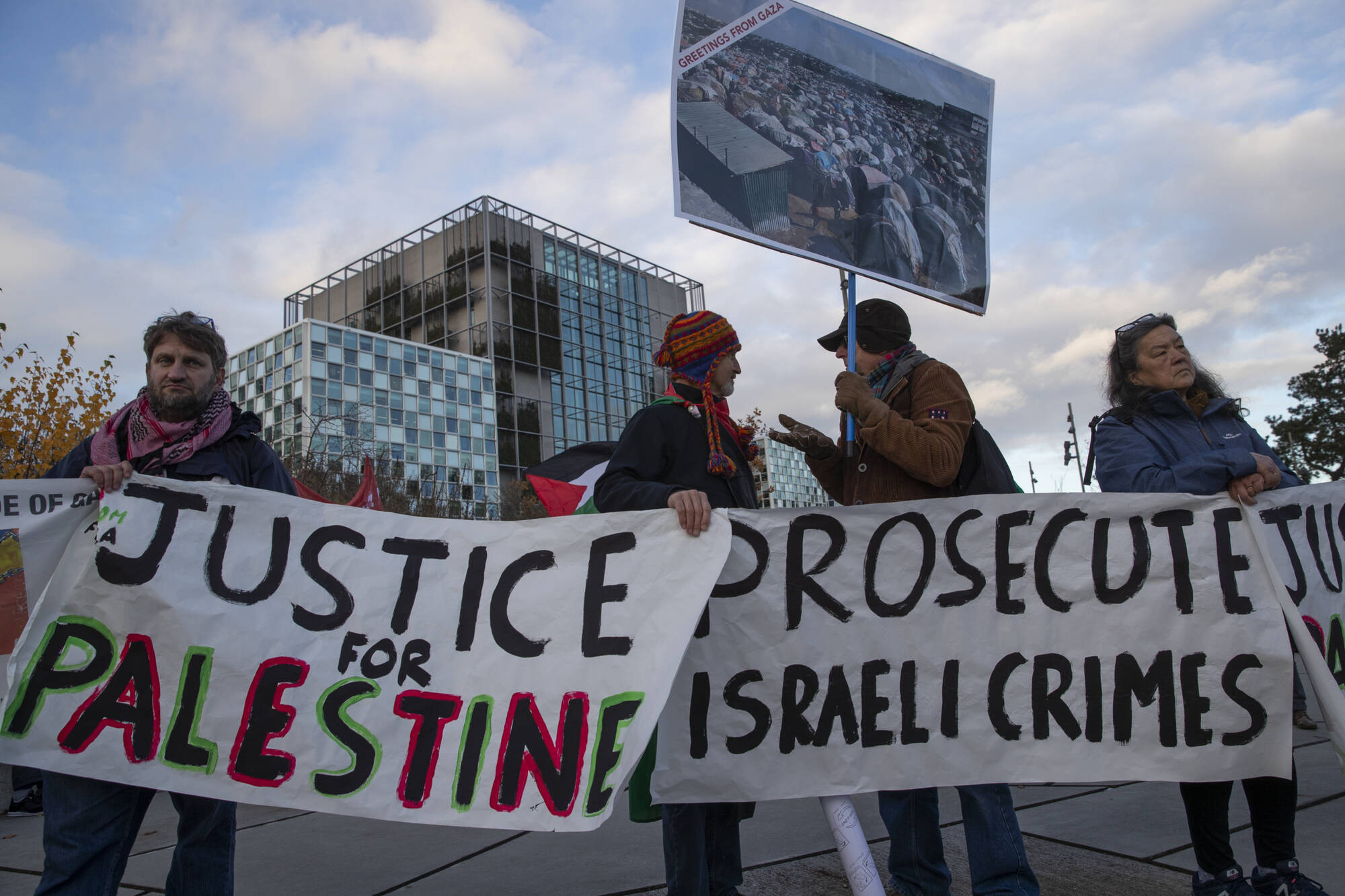
The weeks of Israeli bombardment, the massacre of civilians in Gaza, and the accompanying deadly blockade are crimes of genocide. Israel is a party to the 1948 Convention on the Prevention and Punishment of the Crime of Genocide and is bound by the provisions of the Convention. Article 1 of the Convention establishes that genocide is a crime, whether in time of war or peace: “The Contracting Parties confirm that genocide, whether committed in time of peace or in time of war, is a crime under international law which they undertake to prevent and to punish.” Article 2 of the Convention lists the acts that constitute the crime of genocide: “In the present Convention, genocide means any of the acts committed with intent to destroy, in whole or in part, a national, ethnical, racial or religious group.” The Rome Statute, which sets of war crimes, genocide, the crime of aggression, and crimes against humanity, shows that Israel’s actions clearly violate international humanitarian law and that the international judiciary and the international community have a responsibility. Almost all of the main sources of international humanitarian law are sources of international law that Israel must comply with. Humanitarian law is recognized as a legal regime that also binds Israel in its operations against Gaza.

Not only the Israeli bombardment and massacres but also the deadly blockade imposed on Gaza since 2007 is entirely unlawful. Israel aims to starve or deprive the entire civilian population of basic needs and leave them to die and has been doing so to the highest degree for the last three months. A blockade cannot be maintained if the destruction of the civilian population is disproportionate. It is evident that the naval blockade and embargo policy imposed by Israel on Gaza has caused disproportionate damage to civilians. All basic needs, such as food, clean water, medical supplies, fuel, and electricity, have been cut off for the people of Gaza. The illegal blockade is a violation of both the laws of war and peace. Article 33 of the Fourth Geneva Convention prohibits subjecting civilians to collective punishment under occupation: “No ‘protected person’ may be punished for an offense he or she has not personally committed.”

Not only the Israeli bombardment and massacres but also the deadly blockade imposed on Gaza since 2007 is entirely unlawful.

The relevant international humanitarian law standards binding Israel as “occupier” of the Occupied Palestinian Territories are set out in the Fourth Geneva Convention for the Protection of Civilian Persons in Time of War of 1949. Furthermore, Israel is bound by customary rules of international humanitarian law. As an occupying power, Israel has certain obligations under international law. The International Court of Justice has ruled that the terms of the Fourth Geneva Convention apply in the Occupied Palestinian Territories. 

Taking into account the unique geopolitical position of the Gaza Strip, Israel determines the conditions of life within the Gaza Strip through the powers it exercises at the borders, which was also an ongoing practice before October 7, 2023. Israel controls border crossings and decides who enters and leaves the Gaza Strip. It also controls the sea area, restricts the fishing zone, and, therefore, regulates economic activity in this area. Among many other things, Israel also maintains complete control of the Gaza Strip’s airspace through constant surveillance by airplanes and drones or pilotless aircraft. It regulates the commodity markets to be based on the Israeli currency and exercises control over taxes and customs duties, which has costed the lives of thousands of Palestinians over the years.

Taking into account the unique geopolitical position of the Gaza Strip, Israel determines the conditions of life within the Gaza Strip through the powers it exercises at the borders, which was also an ongoing practice before October 7, 2023.

A blockade violates international humanitarian law if it severely affects the basic life of the civilian population apart from the clashing parties and reaches the extent of collectively punishing the civilian population. Under humanitarian law, states have an obligation to provide basic humanitarian assistance that is vital for the survival of victims of armed conflict. The 1977 Additional Protocol further expanded the scope of this right. In an international armed conflict, the right to receive humanitarian assistance includes the free passage of supplies necessary for the survival of the civilian population.

According to Article 3 of the Universal Declaration of Human Rights, everyone has the right to life, liberty and security of person. According to Articles 2a and 2b of Article 7 of the Rome Statute of the International Criminal Court, for the purpose of paragraph 1, “Attack directed against any civilian population” (2a) means a course of conduct involving the multiple commission of acts referred to in paragraph 1 against any civilian population, pursuant to or in furtherance of a State or organizational policy to commit such attack; “Extermination” (2b) includes the intentional infliction of conditions of life, inter alia the deprivation of access to food and medicine, calculated to bring about the destruction of part of a population. Accordingly, Israel is exterminating the population of Gaza.

Article 23 of the Fourth Geneva Convention Relative to the Protection of Civilian Persons in Time of War explicitly states that “free passage of all consignments of medical and hospital stores and objects necessary for religious worship intended only for civilians” and “permit the free passage of all consignments of essential foodstuffs, clothing and tonics intended for children under fifteen, expectant mothers and maternity cases.” Article 70 of Additional Protocol I to the Fourth Geneva Convention Relative to the Protection of Civilians in Time of War specifies this obligation to “allow and facilitate rapid and unimpeded passage of all relief consignments, equipment and personnel even if such assistance is destined for the civilian population of the adverse Party.” Additional Protocol I states the obligation of not only the parties to the conflict but also each contracting party to allow unimpeded passage of all relief consignments. The Guiding Principles on Humanitarian Assistance adopted by the UN General Assembly refer to the responsibility of states adjacent to war and conflict zones by land and sea to provide humanitarian assistance, stating that “States in proximity to emergencies are urged to participate closely with the affected countries in international efforts, with a view to facilitating, to the extent possible, the transit of humanitarian assistance.” There are examples and possibilities for the United Nations to adopt special, temporary, and safe humanitarian relief measures through both General Assembly and Security Council resolutions. Hence, resolutions might ensure the safe access of humanitarian relief personnel to Gaza and assign responsibilities to states in this regard.

International law and universal rules of law define the delivery of humanitarian aid to Gaza as an obligation based on universal legal principles and place the responsibility on the parties to protect and facilitate civilian humanitarian activities carried out following this purpose, ensuring that they reach civilian war victims. Therefore, humanitarian aid vehicles and ships traveling to Gaza by land or on the high seas should be protected by international law and not face any obstacles or attacks. Article 8 (2) of the Rome Statute of the International Criminal Court defines war crimes as “intentionally using starvation of civilians as a method of warfare by depriving them of objects indispensable to their survival, including wilfully impeding relief supplies as provided for under the Geneva Conventions.”

Five United Nations (UN) agencies, the UN Development Programme (UNDP), the UN Population Fund (UNFPA), the UN Children’s Fund (UNICEF), the World Food Programme (WFP) and the World Health Organization (WHO) issued a joint statement: “More than 1.6 million people in Gaza are in critical need of humanitarian aid. Children, pregnant women and the elderly remain the most vulnerable. Nearly half of Gaza’s population are children. With so much civilian infrastructure in Gaza damaged or destroyed in nearly two weeks of constant bombings, including shelters, health facilities, water, sanitation, and electrical systems, time is running out before mortality rates could skyrocket due to disease outbreaks and lack of health-care capacity. Hospitals are overwhelmed with casualties. Vulnerable people are at greatest risk and children are dying at an alarming rate and being denied their right to protection, food, water and health care.” Apart from a humanitarian ceasefire, in this joint statement, UN agencies called for urgent and unrestricted humanitarian access to the entire Gaza Strip and utmost respect for international humanitarian law for relief workers to reach civilians in need, save lives, and prevent further human suffering. United Nations (UN) Secretary-General Antonio Guterres said, “In a matter of weeks, a far greater number of children have been killed by Israeli military operations in Gaza than the total number of children killed during any year, by any party to a conflict since I have been secretary-general,” and called for a humanitarian ceasefire and uninterrupted access to aid. UN Children’s Fund (UNICEF) Executive Director Catherine Russell also pointed out that humanitarian pauses are not enough in Gaza and called for an urgent humanitarian ceasefire to end the massacre.

It is urgently needed to ensure complete, secure, and unhindered access to essential humanitarian relief in Gaza, including food, water, and medical aid, and to provide humanitarian relief to the entire civilian population affected by the armed conflict, in particular, all children by the responsibility of the UN and all member states and the requirements of international agreements.

Whoever exercises cruelty and commits genocide or denies even basic humanitarian aid, this crime is against humanity and every human being on earth. Whoever saves a life, it is as if he saved the whole of humankind. The delivery of humanitarian relief, which represents the collective conscience of the human family, is a responsibility imposed on states by humanitarian law and human rights conventions, particularly the Geneva Conventions.


Tags: GazaHumanitarian AidPalestine
Previous Post

Gazze’ye Uluslararası İnsani Yardımın Hukuki Temelleri

Next Post

İşgalin Ötesi: İsrail’in Yerleşimci Sömürgeciliği

Next Post
Beyond the Occupation: Israeli Settler Colonialism

İşgalin Ötesi: İsrail’in Yerleşimci Sömürgeciliği

Bir yanıt yazın Yanıtı iptal et

E-posta adresiniz yayınlanmayacak. Gerekli alanlar * ile işaretlenmişlerdir

  • A Possible New Breath in Regional Balances: The Alliance of Türkiye, Pakistan, Egypt, and Saudi Arabia

    Bölgesel Dengelerde Olası Yeni Bir Soluk: Türkiye, Pakistan, Mısır ve Suudi Arabistan İttifakı

    0 shares
    Share 0 Tweet 0
  • Bilime Yön Verenler: Nobel Ödüllü Müslüman Bilim İnsanları

    0 shares
    Share 0 Tweet 0
  • Nakşibendi-Hakkani Tarikatı

    0 shares
    Share 0 Tweet 0
  • Fuad Sezgin

    0 shares
    Share 0 Tweet 0
  • Sosyal Medyada İslamcı-Muhafazakâr Kamusallığın Dönüşümü Üzerine

    0 shares
    Share 0 Tweet 0
  • The Gravity of What Took Place at Al-Aqsa Mosque During Ramadan 2026

    Ramazan 2026’da Mescid-i Aksa’da Yaşananların Ciddiyeti

    0 shares
    Share 0 Tweet 0
  • The Gravity of What Took Place at Al-Aqsa Mosque During Ramadan 2026

    0 shares
    Share 0 Tweet 0
  • FLA-JNIM Cooperation and Shifting Security Dynamics in Mali

    0 shares
    Share 0 Tweet 0
  • FLA-JNIM İş Birliği ve Mali’de Değişen Güvenlik Dinamikleri

    0 shares
    Share 0 Tweet 0
  • The Current State of Indonesia’s Luxury Industry and the Landscape of Independent Handcrafted Watchmaking

    0 shares
    Share 0 Tweet 0

Platform: Müslüman Dünyanın Gündemi, Müslüman toplumların fikrî, siyasi, sosyal, ekonomik ve kültürel gündemlerini takip ve tahlil edip Müslüman dünyaya dair güncel ve özgün perspektifler sunmayı amaçlayan bir yayın organı olarak İLKE İlim Kültür Eğitim Vakfı bünyesinde kurulmuştur.

  • SAYILAR
  • ANALİZLER
  • HABERLER
  • SÖYLEŞİLER
  • DÜNYADAN SESLER
  • platform@ilke.org.tr
  • (0216) 310 43 18
  • Aziz Mahmut Hüdayi Mah. Türbe Kapısı Sk. No: 13 Üsküdar, İstanbul

2025 @ PLATFORM bir İLKE Vakfı kuruluşudur. Tüm hakları saklıdır. 

No Result
View All Result
  • Home
  • Analizler
  • Haberler
  • Söyleşiler
  • Dünyadan Sesler