






İLKE Vakfı
Platform
No Result
View All Result
  • PLATFORM
  • HABERLER
    İLKE Agenda: Muzzammil Ayyub Thakur ile Keşmir’in “Filistinleştirilmesi”

    İLKE Agenda: Muzzammil Ayyub Thakur ile Keşmir’in “Filistinleştirilmesi”

    İLKE Agenda: Muzzammil Ayyub Thakur ile Keşmir’in “Filistinleştirilmesi”

    The Platform Talks: Kinda Hawasli ile 8 Aralık Sonrası Suriye

    İLKE Agenda: Muzzammil Ayyub Thakur ile Keşmir’in “Filistinleştirilmesi”

    The Platform Talks: Azzam Tamimi ile 7 Ekim Sonrası Filistin

    İLKE Agenda: Muzzammil Ayyub Thakur ile Keşmir’in “Filistinleştirilmesi”

    İLKE Agenda: Gazze Soykırımı Günlerinde Aktivizm ve İslamofobi

    Filistin Sempozyumu: Filistin ve Küresel İlişkilerin Geleceği

    Filistin Sempozyumu: Filistin ve Küresel İlişkilerin Geleceği

    Filistin Sempozyumu: Filistin ve Küresel İlişkilerin Geleceği

    Müslüman Dünyada Çağdaş Düşünce Konferansı’nda buluşuyoruz!

    Filistin Sempozyumu: Filistin ve Küresel İlişkilerin Geleceği

    Müslüman Dünyada Çağdaş Düşünce Konferansı

    Filistin Sempozyumu: Filistin ve Küresel İlişkilerin Geleceği

    Dr. Jonathan Brown “İslam’ın Siyahiliğe ve Köleliğe Yaklaşımı” adlı seminer gerçekleştirdi.

  • ANALİZLER
    • All
    • Düşünce
    • Eğitim
    • Ekonomi
    • Enerji ve Çevre
    • Göç
    • Medya, Kültür ve Sanat
    • Temel Hak ve Özgürlükler
    • Toplumsal Meseleler
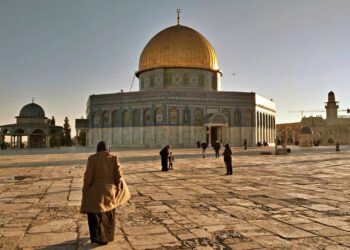
    The Gravity of What Took Place at Al-Aqsa Mosque During Ramadan 2026

    Ramazan 2026’da Mescid-i Aksa’da Yaşananların Ciddiyeti

    AFP/GETTY IMAGES

    FLA-JNIM İş Birliği ve Mali’de Değişen Güvenlik Dinamikleri

    Sosyal Medyada İslamcı-Muhafazakâr Kamusallığın Dönüşümü Üzerine

    Sosyal Medyada İslamcı-Muhafazakâr Kamusallığın Dönüşümü Üzerine

    Bangladeş’te 2026 Seçimleri Sonrası Siyasi Tartışmalar

    Bangladeş’te 2026 Seçimleri Sonrası Siyasi Tartışmalar

    Filistin’de Çocuk Olmak: 5 Nisan Filistinli Çocuklar Günü

    Filistin’de Çocuk Olmak: 5 Nisan Filistinli Çocuklar Günü

    Security, Fragility, and the Search for a New Equilibrium in the Gulf Following the Iranian Attacks

    İran Saldırıları Sonrası Körfez’de Güvenlik, Kırılganlık ve Yeni Denge Arayışı

  • SÖYLEŞİLER
    The Decolonization of Knowledge: Interview with Professor Souleymane Bachir Diagne

    Bilginin Dekolonizasyonu: Profesör Souleymane Bachir Diagne ile Röportaj

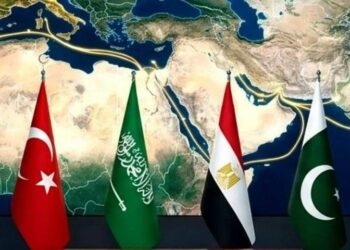
    A Possible New Breath in Regional Balances: The Alliance of Türkiye, Pakistan, Egypt, and Saudi Arabia

    Bölgesel Dengelerde Olası Yeni Bir Soluk: Türkiye, Pakistan, Mısır ve Suudi Arabistan İttifakı

    Digital Ummah and Muslim Identity: Dr. Sahar Khamis Interview

    Dijital Ümmet ve Müslüman Kimliği: Dr. Sahar Khamis ile Röportaj

    From the Ballot Box to the Street: The Rising Social Wave in Tanzania After the Election

    Sandıktan Sokağa: Tanzanya’da Seçim Sonrası Yükselen Toplumsal Dalga

    Müslüman Nüfusa Karşı Güvenlikleştirme

    Müslüman Nüfusa Karşı Güvenlikleştirme

    Gurbet Hikayeleri

    Gurbet Hikayeleri

    Göçü Yönetmek: Dr. Mehmet Köse’yle Söyleşi

    Göçü Yönetmek: Dr. Mehmet Köse’yle Söyleşi

    İstanbul’daki Uluslararası Öğrencilerle Söyleşi

    İstanbul’daki Uluslararası Öğrencilerle Söyleşi

    Zaytuna College Lisansüstü Eğitim Dekanı Maşuk Yamaç’la Söyleşi

    Zaytuna College Lisansüstü Eğitim Dekanı Maşuk Yamaç’la Söyleşi

  • DÜNYADAN SESLER
    Voices from the Muslim World | Sari Hanafi (with Turkish subtitles)

    Voices from the Muslim World | Sari Hanafi (with Turkish subtitles)

    Voices from the Muslim World | Ovamir Anjum

    Voices from the Muslim World | Ovamir Anjum

    VOICES FROM THE MUSLIM WORLD | DR. YASIR QADHI

    VOICES FROM THE MUSLIM WORLD | DR. YASIR QADHI

    VOICES FROM THE MUSLIM WORLD | DR. ADEEL MALIK

    VOICES FROM THE MUSLIM WORLD | DR. ADEEL MALIK

  • SAYILAR
  • VERİTABANI
    • All
    • Hareketler
    • Kurumlar
    • Şahsiyetler
    Pak-Türk Maarif

    Pak-Türk Maarif

    İslam Vakfı

    İslam Vakfı

    Avrupa Fetva ve Araştırma Konseyi

    Avrupa Fetva ve Araştırma Konseyi

    Tokyo Camii ve Diyanet Türk Kültür Merkezi

    Tokyo Camii ve Diyanet Türk Kültür Merkezi

  • PLATFORM
  • HABERLER
    İLKE Agenda: Muzzammil Ayyub Thakur ile Keşmir’in “Filistinleştirilmesi”

    İLKE Agenda: Muzzammil Ayyub Thakur ile Keşmir’in “Filistinleştirilmesi”

    İLKE Agenda: Muzzammil Ayyub Thakur ile Keşmir’in “Filistinleştirilmesi”

    The Platform Talks: Kinda Hawasli ile 8 Aralık Sonrası Suriye

    İLKE Agenda: Muzzammil Ayyub Thakur ile Keşmir’in “Filistinleştirilmesi”

    The Platform Talks: Azzam Tamimi ile 7 Ekim Sonrası Filistin

    İLKE Agenda: Muzzammil Ayyub Thakur ile Keşmir’in “Filistinleştirilmesi”

    İLKE Agenda: Gazze Soykırımı Günlerinde Aktivizm ve İslamofobi

    Filistin Sempozyumu: Filistin ve Küresel İlişkilerin Geleceği

    Filistin Sempozyumu: Filistin ve Küresel İlişkilerin Geleceği

    Filistin Sempozyumu: Filistin ve Küresel İlişkilerin Geleceği

    Müslüman Dünyada Çağdaş Düşünce Konferansı’nda buluşuyoruz!

    Filistin Sempozyumu: Filistin ve Küresel İlişkilerin Geleceği

    Müslüman Dünyada Çağdaş Düşünce Konferansı

    Filistin Sempozyumu: Filistin ve Küresel İlişkilerin Geleceği

    Dr. Jonathan Brown “İslam’ın Siyahiliğe ve Köleliğe Yaklaşımı” adlı seminer gerçekleştirdi.

  • ANALİZLER
    • All
    • Düşünce
    • Eğitim
    • Ekonomi
    • Enerji ve Çevre
    • Göç
    • Medya, Kültür ve Sanat
    • Temel Hak ve Özgürlükler
    • Toplumsal Meseleler
    The Gravity of What Took Place at Al-Aqsa Mosque During Ramadan 2026

    Ramazan 2026’da Mescid-i Aksa’da Yaşananların Ciddiyeti

    AFP/GETTY IMAGES

    FLA-JNIM İş Birliği ve Mali’de Değişen Güvenlik Dinamikleri

    Sosyal Medyada İslamcı-Muhafazakâr Kamusallığın Dönüşümü Üzerine

    Sosyal Medyada İslamcı-Muhafazakâr Kamusallığın Dönüşümü Üzerine

    Bangladeş’te 2026 Seçimleri Sonrası Siyasi Tartışmalar

    Bangladeş’te 2026 Seçimleri Sonrası Siyasi Tartışmalar

    Filistin’de Çocuk Olmak: 5 Nisan Filistinli Çocuklar Günü

    Filistin’de Çocuk Olmak: 5 Nisan Filistinli Çocuklar Günü

    Security, Fragility, and the Search for a New Equilibrium in the Gulf Following the Iranian Attacks

    İran Saldırıları Sonrası Körfez’de Güvenlik, Kırılganlık ve Yeni Denge Arayışı

  • SÖYLEŞİLER
    The Decolonization of Knowledge: Interview with Professor Souleymane Bachir Diagne

    Bilginin Dekolonizasyonu: Profesör Souleymane Bachir Diagne ile Röportaj

    A Possible New Breath in Regional Balances: The Alliance of Türkiye, Pakistan, Egypt, and Saudi Arabia

    Bölgesel Dengelerde Olası Yeni Bir Soluk: Türkiye, Pakistan, Mısır ve Suudi Arabistan İttifakı

    Digital Ummah and Muslim Identity: Dr. Sahar Khamis Interview

    Dijital Ümmet ve Müslüman Kimliği: Dr. Sahar Khamis ile Röportaj

    From the Ballot Box to the Street: The Rising Social Wave in Tanzania After the Election

    Sandıktan Sokağa: Tanzanya’da Seçim Sonrası Yükselen Toplumsal Dalga

    Müslüman Nüfusa Karşı Güvenlikleştirme

    Müslüman Nüfusa Karşı Güvenlikleştirme

    Gurbet Hikayeleri

    Gurbet Hikayeleri

    Göçü Yönetmek: Dr. Mehmet Köse’yle Söyleşi

    Göçü Yönetmek: Dr. Mehmet Köse’yle Söyleşi

    İstanbul’daki Uluslararası Öğrencilerle Söyleşi

    İstanbul’daki Uluslararası Öğrencilerle Söyleşi

    Zaytuna College Lisansüstü Eğitim Dekanı Maşuk Yamaç’la Söyleşi

    Zaytuna College Lisansüstü Eğitim Dekanı Maşuk Yamaç’la Söyleşi

  • DÜNYADAN SESLER
    Voices from the Muslim World | Sari Hanafi (with Turkish subtitles)

    Voices from the Muslim World | Sari Hanafi (with Turkish subtitles)

    Voices from the Muslim World | Ovamir Anjum

    Voices from the Muslim World | Ovamir Anjum

    VOICES FROM THE MUSLIM WORLD | DR. YASIR QADHI

    VOICES FROM THE MUSLIM WORLD | DR. YASIR QADHI

    VOICES FROM THE MUSLIM WORLD | DR. ADEEL MALIK

    VOICES FROM THE MUSLIM WORLD | DR. ADEEL MALIK

  • SAYILAR
  • VERİTABANI
    • All
    • Hareketler
    • Kurumlar
    • Şahsiyetler
    Pak-Türk Maarif

    Pak-Türk Maarif

    İslam Vakfı

    İslam Vakfı

    Avrupa Fetva ve Araştırma Konseyi

    Avrupa Fetva ve Araştırma Konseyi

    Tokyo Camii ve Diyanet Türk Kültür Merkezi

    Tokyo Camii ve Diyanet Türk Kültür Merkezi

No Result
View All Result
Platform
No Result
View All Result
Home Analyses

Migrants from Palestine to Palestine

Zeynep Ertekin by Zeynep Ertekin
7 Kasım 2025
in Analyses, Migration
0
0
SHARES
3
VIEWS
Share on FacebookShare on Twitter

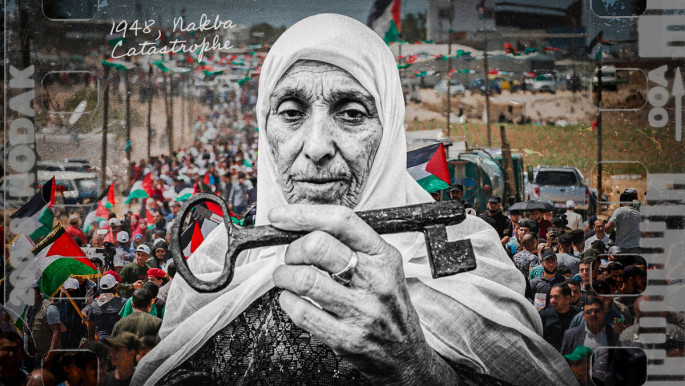
Palestine is one of the regions that experiences the most intense and prolonged migrations in the world. Even before the establishment of Israel in 1948, acts of terrorism and massacres by Jewish militias for an extended period disrupted the peace of the local population in Palestine, forcing individuals to leave their homeland. After the establishment of Israel in 1948, the migration flows began to be officially recorded. Indeed, the day following the establishment of Israel, May 15, 1948, is symbolized as Nakba Day and marked the beginning of long-standing atrocities and human suffering.

On Nakba Day, commemorations are held to remember the Palestinians who lost their lives, were forced to migrate, and were exiled since 1948, ensuring that the historical tragedies are not forgotten. Even though Israeli forces declare that participants in demonstrations will be arrested and held legally accountable, Palestinians all around the world are committed to preserving the significance of this day. While Nakba is portrayed as a day of expressing anger and standing against injustice, it is also a day to keep the dream of returning to their homeland alive for Palestinians who were forcibly displaced and exiled.  In other words, Nakba is not just a day of remembrance but an oath taken annually not to forget the historical event.

Nakba is not just a day of remembrance but an oath taken annually not to forget the historical event.

The Situation of Displaced Palestinians

The examination of all migration movements in Palestine after 1948 reveals that thousands of people have been displaced multiple times, and the migration routes extend to the United States and especially to Syria, Lebanon, and Jordan. According to recent data, the number of Palestinians forced to migrate to various parts of the world has exceeded six million. While migrants carry the hope of returning alongside them, the scenes that they will encounter when they return are daunting. According to the United Nations, the return of displaced Palestinians to Palestine and ensuring their safety in the country would entail a reconstruction process of approximately 20 years, posing a significant financial burden. Even if this happens, the question of who will bear the cost remains a major challenge.

In addition, research reveals that second and third-generations born to Palestinians, who migrated after 1948, have acquired citizenship in the countries they reside in and could not form legal ties with Palestine. Currently, there is a distinction globally between individuals of Palestinian origin and those holding Palestinian citizenship, highlighting another issue brought about by migration. The inability to transfer not only cultural heritage but also legal statuses from one generation to the next is a concerning aspect of assimilation policies that needs to be examined in itself.

Rather than focusing on Palestinians who have been uprooted from their country and forced to migrate, this article will address the individuals who remained in Palestine but were internally displaced and forced to live in other regions or camps in the country.

Migrants from Palestine to Palestine

When talking about Palestine, everyone is familiar with the famous map that illustrates the demographic structure of the territory starting from 1947 and onwards. It’s clear from this map that the Palestinian territories have been occupied, and people have been forced to live within a confined area. One of the first questions that comes to mind, even when one glances at it, is where the people living there and their descendants live today.

Despite living in different cities in Palestine and owning properties, individuals displaced from their homes after the occupation have had to migrate multiple times within Palestinian cities. Considering the shrinking borders over time because of the occupation, the settled formerly-migrated population was forced to migrate again with increasing Israeli expansion. The repeated displacement of individuals within their own homeland has no explicit definition in the literature. Indeed, the essential principle for individuals is to benefit from the protection of the country to which they are bound as citizens. If a person cannot benefit from this protection due to the conditions specified in the Convention, they can apply for international protection and acquire refugee status. In the 1951 Convention relating to the Status of Refugees, the relevant article states: “Decisions of non-eligibility taken by the International Refugee Organization during the period of its activities shall not prevent the status of refugee being accorded to persons who fulfill the conditions of paragraph 2 of this section: As a result of events occurring before 1 January 1951 and owing to well-founded fear of being persecuted for reasons of race, religion, nationality, membership of a particular social group or political opinion, is outside the country of his nationality and is unable or, owing to such fear, is unwilling to avail himself of the protection of that country; or who, not having a nationality and being outside the country of his former habitual residence as a result of such events, is unable or, owing to such fear, is unwilling to return to it.

Despite living in different cities in Palestine and owning properties, individuals displaced from their homes after the occupation have had to migrate multiple times within Palestinian cities.

In this context, it is evident that Palestinians who are forced to migrate within their own country do not fit this definition. Notably, for this population mentioned as “displaced persons” in UN resolutions, the United Nations Relief and Works Agency for Palestine Refugees in the Near East (UNRWA) was established after 1948 as a protective agency.” In this regard, it is evident that Palestinians who have been forced to migrate within their own country do not fit this definition. Notably, for this population mentioned as “displaced persons” in UN resolutions, The United Nations Relief and Works Agency for Palestine Refugees in the Near East (UNRWA) was established after 1948 as a guardian agency.

UNRWA and the Current Situation

UNRWA is one of the largest United Nations programs in scope and capacity. Although it was established in 1949 as a temporary agency, it has maintained its active presence and authority since the crisis in the region persists.

UNRWA defines individuals whose normal place of residence was in Mandate Palestine during the period from 1 June 1946 to 15 May 1948 and who migrated during that period as “Palestinian refugees.” However, in the general literature, those falling under the UNRWA definition can only find a status as “displaced persons.” Therefore, while UNRWA seeks to address the situation of Palestinian refugees, the legal status it provides both attempts to resolve their status and complicates the matter further from an international law perspective. Furthermore, UNRWA not only deals with the legal status issues of Palestinians but, unlike the United Nations High Commissioner for Refugees, also operates as a direct service provider in the region. It aims to provide comprehensive solutions for the basic needs of Palestinian refugees, such as security, shelter, and food, as well as status problems. However, the first step following the events of 1949 should have been the punishment of those responsible for the aggression. Instead, the United Nations quickly established a works agency and focused on finding solutions for displaced Palestinians.
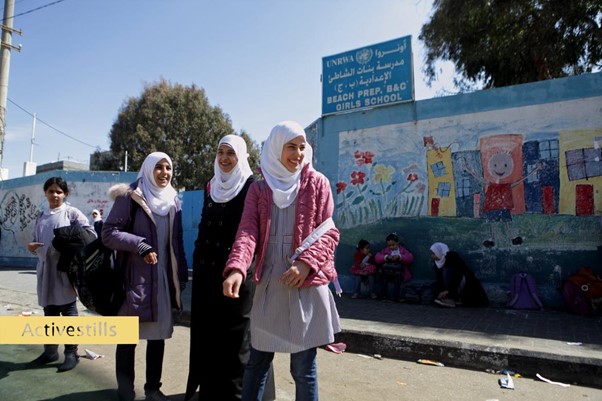
Young school girls at the UNRWA run all-girls school in Ash Shati’ refugee camp, February 25, 2012 

Source: Anne Paq / Activestills

At the current stage, interpreting this effort as a “well-intentioned humanitarian aid effort” doesn’t seem quite plausible. Considering that the systematization of the problem is one of the major obstacles to finding a solution; the effort of providing Palestinians who have been deprived of all their rights in their homeland with services such as food, shelter, education, and healthcare, ultimately reproduces them as people forced to live in camps in the long run. Unfortunately, UNRWA that provides health services in various areas, including many refugee camps in Palestine, has not been successful in protecting civilians.

Unfortunately, UNRWA that provides health services in various areas, including many refugee camps in Palestine, has not been successful in protecting civilians.

On December 8, 2023, UNRWA Commissioner Philippe Lazzarini openly stated in a letter to the UN General Assembly that the humanitarian situation in Gaza is dire and that UNRWA is barely operating. Of course, he did not shy away from mentioning that the attack carried out by Hamas on October 7 had led to all these events.

Finally, the crucial point I want to emphasize is that people in Palestine who have endured such oppression in their own homeland once had a homeland and rights and that they are the rightful owners of these lands. However, at this point, institutions that cannot even meet the basic needs of Palestinians or ensure the security of civilians only perceive them as mere statistics. What is completely ignored today is that these people, who do not even have a legal status, whose citizenship is not recognized, who cannot travel, own property, or work, and whose entire lives are at the hands of Israel, are “human beings” just like the rest of the world. What hurts me the most is that Palestinians are expressed as numbers and denied the use of anything inherited from their ancestors. Yet, I wish to proclaim to the world that they are not just numbers; they are not merely defined by legal status – they are, like everyone else, “human beings.”

[1] Latest information as of December 6, 2023, posted on UNRWA’s official website on December 8, 2023, the day of writing: https://bit.ly/3H9YMgB

Tags: MigrationNakbaPalestine
Previous Post

Filistin’den Filistin’e Göç Edenler

Next Post

Gazze Şeridi: Kentsel Planlama Işığında İşgal ve Direniş

Next Post
The Gaza Strip: Occupation and Resistance in Light of Urban Planning

Gazze Şeridi: Kentsel Planlama Işığında İşgal ve Direniş

Bir yanıt yazın Yanıtı iptal et

E-posta adresiniz yayınlanmayacak. Gerekli alanlar * ile işaretlenmişlerdir

  • A Possible New Breath in Regional Balances: The Alliance of Türkiye, Pakistan, Egypt, and Saudi Arabia

    Bölgesel Dengelerde Olası Yeni Bir Soluk: Türkiye, Pakistan, Mısır ve Suudi Arabistan İttifakı

    0 shares
    Share 0 Tweet 0
  • Bilime Yön Verenler: Nobel Ödüllü Müslüman Bilim İnsanları

    0 shares
    Share 0 Tweet 0
  • Nakşibendi-Hakkani Tarikatı

    0 shares
    Share 0 Tweet 0
  • Fuad Sezgin

    0 shares
    Share 0 Tweet 0
  • Sosyal Medyada İslamcı-Muhafazakâr Kamusallığın Dönüşümü Üzerine

    0 shares
    Share 0 Tweet 0
  • The Gravity of What Took Place at Al-Aqsa Mosque During Ramadan 2026

    Ramazan 2026’da Mescid-i Aksa’da Yaşananların Ciddiyeti

    0 shares
    Share 0 Tweet 0
  • The Gravity of What Took Place at Al-Aqsa Mosque During Ramadan 2026

    0 shares
    Share 0 Tweet 0
  • FLA-JNIM Cooperation and Shifting Security Dynamics in Mali

    0 shares
    Share 0 Tweet 0
  • FLA-JNIM İş Birliği ve Mali’de Değişen Güvenlik Dinamikleri

    0 shares
    Share 0 Tweet 0
  • The Current State of Indonesia’s Luxury Industry and the Landscape of Independent Handcrafted Watchmaking

    0 shares
    Share 0 Tweet 0

Platform: Müslüman Dünyanın Gündemi, Müslüman toplumların fikrî, siyasi, sosyal, ekonomik ve kültürel gündemlerini takip ve tahlil edip Müslüman dünyaya dair güncel ve özgün perspektifler sunmayı amaçlayan bir yayın organı olarak İLKE İlim Kültür Eğitim Vakfı bünyesinde kurulmuştur.

  • SAYILAR
  • ANALİZLER
  • HABERLER
  • SÖYLEŞİLER
  • DÜNYADAN SESLER
  • platform@ilke.org.tr
  • (0216) 310 43 18
  • Aziz Mahmut Hüdayi Mah. Türbe Kapısı Sk. No: 13 Üsküdar, İstanbul

2025 @ PLATFORM bir İLKE Vakfı kuruluşudur. Tüm hakları saklıdır. 

No Result
View All Result
  • Home
  • Analizler
  • Haberler
  • Söyleşiler
  • Dünyadan Sesler