








İLKE Vakfı
Platform
No Result
View All Result
  • PLATFORM
  • HABERLER
    İLKE Agenda: Muzzammil Ayyub Thakur ile Keşmir’in “Filistinleştirilmesi”

    İLKE Agenda: Muzzammil Ayyub Thakur ile Keşmir’in “Filistinleştirilmesi”

    İLKE Agenda: Muzzammil Ayyub Thakur ile Keşmir’in “Filistinleştirilmesi”

    The Platform Talks: Kinda Hawasli ile 8 Aralık Sonrası Suriye

    İLKE Agenda: Muzzammil Ayyub Thakur ile Keşmir’in “Filistinleştirilmesi”

    The Platform Talks: Azzam Tamimi ile 7 Ekim Sonrası Filistin

    İLKE Agenda: Muzzammil Ayyub Thakur ile Keşmir’in “Filistinleştirilmesi”

    İLKE Agenda: Gazze Soykırımı Günlerinde Aktivizm ve İslamofobi

    Filistin Sempozyumu: Filistin ve Küresel İlişkilerin Geleceği

    Filistin Sempozyumu: Filistin ve Küresel İlişkilerin Geleceği

    Filistin Sempozyumu: Filistin ve Küresel İlişkilerin Geleceği

    Müslüman Dünyada Çağdaş Düşünce Konferansı’nda buluşuyoruz!

    Filistin Sempozyumu: Filistin ve Küresel İlişkilerin Geleceği

    Müslüman Dünyada Çağdaş Düşünce Konferansı

    Filistin Sempozyumu: Filistin ve Küresel İlişkilerin Geleceği

    Dr. Jonathan Brown “İslam’ın Siyahiliğe ve Köleliğe Yaklaşımı” adlı seminer gerçekleştirdi.

  • ANALİZLER
    • All
    • Düşünce
    • Eğitim
    • Ekonomi
    • Enerji ve Çevre
    • Göç
    • Medya, Kültür ve Sanat
    • Temel Hak ve Özgürlükler
    • Toplumsal Meseleler
    The Gravity of What Took Place at Al-Aqsa Mosque During Ramadan 2026

    Ramazan 2026’da Mescid-i Aksa’da Yaşananların Ciddiyeti

    AFP/GETTY IMAGES

    FLA-JNIM İş Birliği ve Mali’de Değişen Güvenlik Dinamikleri

    Sosyal Medyada İslamcı-Muhafazakâr Kamusallığın Dönüşümü Üzerine

    Sosyal Medyada İslamcı-Muhafazakâr Kamusallığın Dönüşümü Üzerine

    Bangladeş’te 2026 Seçimleri Sonrası Siyasi Tartışmalar

    Bangladeş’te 2026 Seçimleri Sonrası Siyasi Tartışmalar

    Filistin’de Çocuk Olmak: 5 Nisan Filistinli Çocuklar Günü

    Filistin’de Çocuk Olmak: 5 Nisan Filistinli Çocuklar Günü

    Security, Fragility, and the Search for a New Equilibrium in the Gulf Following the Iranian Attacks

    İran Saldırıları Sonrası Körfez’de Güvenlik, Kırılganlık ve Yeni Denge Arayışı

  • SÖYLEŞİLER
    The Decolonization of Knowledge: Interview with Professor Souleymane Bachir Diagne

    Bilginin Dekolonizasyonu: Profesör Souleymane Bachir Diagne ile Röportaj

    A Possible New Breath in Regional Balances: The Alliance of Türkiye, Pakistan, Egypt, and Saudi Arabia

    Bölgesel Dengelerde Olası Yeni Bir Soluk: Türkiye, Pakistan, Mısır ve Suudi Arabistan İttifakı

    Digital Ummah and Muslim Identity: Dr. Sahar Khamis Interview

    Dijital Ümmet ve Müslüman Kimliği: Dr. Sahar Khamis ile Röportaj

    From the Ballot Box to the Street: The Rising Social Wave in Tanzania After the Election

    Sandıktan Sokağa: Tanzanya’da Seçim Sonrası Yükselen Toplumsal Dalga

    Müslüman Nüfusa Karşı Güvenlikleştirme

    Müslüman Nüfusa Karşı Güvenlikleştirme

    Gurbet Hikayeleri

    Gurbet Hikayeleri

    Göçü Yönetmek: Dr. Mehmet Köse’yle Söyleşi

    Göçü Yönetmek: Dr. Mehmet Köse’yle Söyleşi

    İstanbul’daki Uluslararası Öğrencilerle Söyleşi

    İstanbul’daki Uluslararası Öğrencilerle Söyleşi

    Zaytuna College Lisansüstü Eğitim Dekanı Maşuk Yamaç’la Söyleşi

    Zaytuna College Lisansüstü Eğitim Dekanı Maşuk Yamaç’la Söyleşi

  • DÜNYADAN SESLER
    Voices from the Muslim World | Sari Hanafi (with Turkish subtitles)

    Voices from the Muslim World | Sari Hanafi (with Turkish subtitles)

    Voices from the Muslim World | Ovamir Anjum

    Voices from the Muslim World | Ovamir Anjum

    VOICES FROM THE MUSLIM WORLD | DR. YASIR QADHI

    VOICES FROM THE MUSLIM WORLD | DR. YASIR QADHI

    VOICES FROM THE MUSLIM WORLD | DR. ADEEL MALIK

    VOICES FROM THE MUSLIM WORLD | DR. ADEEL MALIK

  • SAYILAR
  • VERİTABANI
    • All
    • Hareketler
    • Kurumlar
    • Şahsiyetler
    Pak-Türk Maarif

    Pak-Türk Maarif

    İslam Vakfı

    İslam Vakfı

    Avrupa Fetva ve Araştırma Konseyi

    Avrupa Fetva ve Araştırma Konseyi

    Tokyo Camii ve Diyanet Türk Kültür Merkezi

    Tokyo Camii ve Diyanet Türk Kültür Merkezi

  • PLATFORM
  • HABERLER
    İLKE Agenda: Muzzammil Ayyub Thakur ile Keşmir’in “Filistinleştirilmesi”

    İLKE Agenda: Muzzammil Ayyub Thakur ile Keşmir’in “Filistinleştirilmesi”

    İLKE Agenda: Muzzammil Ayyub Thakur ile Keşmir’in “Filistinleştirilmesi”

    The Platform Talks: Kinda Hawasli ile 8 Aralık Sonrası Suriye

    İLKE Agenda: Muzzammil Ayyub Thakur ile Keşmir’in “Filistinleştirilmesi”

    The Platform Talks: Azzam Tamimi ile 7 Ekim Sonrası Filistin

    İLKE Agenda: Muzzammil Ayyub Thakur ile Keşmir’in “Filistinleştirilmesi”

    İLKE Agenda: Gazze Soykırımı Günlerinde Aktivizm ve İslamofobi

    Filistin Sempozyumu: Filistin ve Küresel İlişkilerin Geleceği

    Filistin Sempozyumu: Filistin ve Küresel İlişkilerin Geleceği

    Filistin Sempozyumu: Filistin ve Küresel İlişkilerin Geleceği

    Müslüman Dünyada Çağdaş Düşünce Konferansı’nda buluşuyoruz!

    Filistin Sempozyumu: Filistin ve Küresel İlişkilerin Geleceği

    Müslüman Dünyada Çağdaş Düşünce Konferansı

    Filistin Sempozyumu: Filistin ve Küresel İlişkilerin Geleceği

    Dr. Jonathan Brown “İslam’ın Siyahiliğe ve Köleliğe Yaklaşımı” adlı seminer gerçekleştirdi.

  • ANALİZLER
    • All
    • Düşünce
    • Eğitim
    • Ekonomi
    • Enerji ve Çevre
    • Göç
    • Medya, Kültür ve Sanat
    • Temel Hak ve Özgürlükler
    • Toplumsal Meseleler
    The Gravity of What Took Place at Al-Aqsa Mosque During Ramadan 2026

    Ramazan 2026’da Mescid-i Aksa’da Yaşananların Ciddiyeti

    AFP/GETTY IMAGES

    FLA-JNIM İş Birliği ve Mali’de Değişen Güvenlik Dinamikleri

    Sosyal Medyada İslamcı-Muhafazakâr Kamusallığın Dönüşümü Üzerine

    Sosyal Medyada İslamcı-Muhafazakâr Kamusallığın Dönüşümü Üzerine

    Bangladeş’te 2026 Seçimleri Sonrası Siyasi Tartışmalar

    Bangladeş’te 2026 Seçimleri Sonrası Siyasi Tartışmalar

    Filistin’de Çocuk Olmak: 5 Nisan Filistinli Çocuklar Günü

    Filistin’de Çocuk Olmak: 5 Nisan Filistinli Çocuklar Günü

    Security, Fragility, and the Search for a New Equilibrium in the Gulf Following the Iranian Attacks

    İran Saldırıları Sonrası Körfez’de Güvenlik, Kırılganlık ve Yeni Denge Arayışı

  • SÖYLEŞİLER
    The Decolonization of Knowledge: Interview with Professor Souleymane Bachir Diagne

    Bilginin Dekolonizasyonu: Profesör Souleymane Bachir Diagne ile Röportaj

    A Possible New Breath in Regional Balances: The Alliance of Türkiye, Pakistan, Egypt, and Saudi Arabia

    Bölgesel Dengelerde Olası Yeni Bir Soluk: Türkiye, Pakistan, Mısır ve Suudi Arabistan İttifakı

    Digital Ummah and Muslim Identity: Dr. Sahar Khamis Interview

    Dijital Ümmet ve Müslüman Kimliği: Dr. Sahar Khamis ile Röportaj

    From the Ballot Box to the Street: The Rising Social Wave in Tanzania After the Election

    Sandıktan Sokağa: Tanzanya’da Seçim Sonrası Yükselen Toplumsal Dalga

    Müslüman Nüfusa Karşı Güvenlikleştirme

    Müslüman Nüfusa Karşı Güvenlikleştirme

    Gurbet Hikayeleri

    Gurbet Hikayeleri

    Göçü Yönetmek: Dr. Mehmet Köse’yle Söyleşi

    Göçü Yönetmek: Dr. Mehmet Köse’yle Söyleşi

    İstanbul’daki Uluslararası Öğrencilerle Söyleşi

    İstanbul’daki Uluslararası Öğrencilerle Söyleşi

    Zaytuna College Lisansüstü Eğitim Dekanı Maşuk Yamaç’la Söyleşi

    Zaytuna College Lisansüstü Eğitim Dekanı Maşuk Yamaç’la Söyleşi

  • DÜNYADAN SESLER
    Voices from the Muslim World | Sari Hanafi (with Turkish subtitles)

    Voices from the Muslim World | Sari Hanafi (with Turkish subtitles)

    Voices from the Muslim World | Ovamir Anjum

    Voices from the Muslim World | Ovamir Anjum

    VOICES FROM THE MUSLIM WORLD | DR. YASIR QADHI

    VOICES FROM THE MUSLIM WORLD | DR. YASIR QADHI

    VOICES FROM THE MUSLIM WORLD | DR. ADEEL MALIK

    VOICES FROM THE MUSLIM WORLD | DR. ADEEL MALIK

  • SAYILAR
  • VERİTABANI
    • All
    • Hareketler
    • Kurumlar
    • Şahsiyetler
    Pak-Türk Maarif

    Pak-Türk Maarif

    İslam Vakfı

    İslam Vakfı

    Avrupa Fetva ve Araştırma Konseyi

    Avrupa Fetva ve Araştırma Konseyi

    Tokyo Camii ve Diyanet Türk Kültür Merkezi

    Tokyo Camii ve Diyanet Türk Kültür Merkezi

No Result
View All Result
Platform
No Result
View All Result
Home Analyses

Muslims, Migration and Cinema

Muzaffer Musab Yılmaz by Muzaffer Musab Yılmaz
7 Kasım 2025
in Analyses
0
Muslims, Migration and Cinema
0
SHARES
1
VIEWS
Share on FacebookShare on Twitter

Invented in the late 19th century, cinema has not been accepted as simply moving photographic images with technological possibilities since the first moment it emerged. As an art form, it has its own linguistic structure. This structure is inherent to modernism and is more inclined to construct global narratives rather than national or regional ones. Hence, since its invention, cinema has traveled across the globe and quickly become an indispensable phenomenon for peoples worldwide. Originated at a time when global trade accelerated as never before, cinema is the product of an era in which not only commercial goods but also ideas and people were on the move. Therefore, regardless of the context in which we consider the concept of migration, it has an equivalent in cinema.

Egypt was the first country among Muslim populations to establish large-scale contact with cinema. The process that began with the construction of large film studios in the 1930s resulted in the establishment of one of the world’s leading film industries. Many immigrant filmmakers contributed to the emergence of Egyptian cinema, which became known as the “Hollywood of the East” (Mejri, 2014, p. 32). Among these filmmakers were Turks like Vedat Örfi Bengü. The melodramatic narrative constructed in these films would later significantly influence Turkish cinema as well.
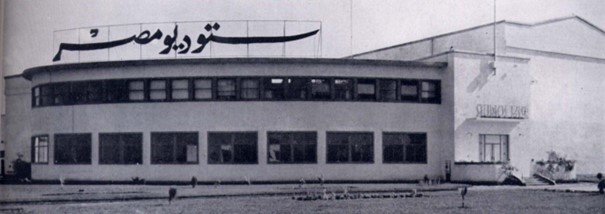
Studio Misr founded in Giza, 1935

Source: Wikipedia

After the Second World War, countries in the Global South gained political independence, and there was a significant influx of migrants from these countries to the prosperous West. These countries, which were largely no more than fronts in the world wars and were primarily governed by colonial policies rather than being policymakers, were predominantly Muslim-populated regions. There were multiple social and economic reasons for migration. Western countries benefited from this influx of migrants by replacing the workforce lost during the war and providing employment for their developing industries.

The migration flow has also had a significant impact on cinema. However, before delving into the cinematic representation of mass migrations, let us examine it on an individual level. Firstly, it should be noted that the lack of cinema education and infrastructure in Muslim countries, or their non-existence altogether, forced many individuals to migrate to Western countries, albeit mainly out of necessity. For example, many Turkish citizens received education in cinema and photography in Europe. However, they were compelled to return to their countries with the outbreak of the Second World War. After their return, their involvement in the cinema greatly influenced Turkish cinema (Onaran, 1994, pp. 41-42). In countries under Ba’athist regimes, on the other hand, sending individuals abroad for cinema education was implemented as a state policy. Thus, Syria and Iraq transferred directors from Egypt and Lebanon to make films in their countries. In some cases, filmmakers were forced to migrate to other countries, mainly to Europe, for political reasons, and they continued with their productions there.

The lack of cinema education and infrastructure in Muslim countries, or their non-existence altogether, forced many individuals to migrate to Western countries, albeit mainly out of necessity.

Diasporic Cinema

The phenomenon of diasporic cinema resulting from mass migration flow is worth examining beyond the individual level as it sheds light on the experiences and transformations of Muslim communities in Western countries over decades, as articulated by Hamid Naficy (2024). Muslim diasporic communities exist in various parts of Europe, including Pakistanis in Britain, North Africans in France, and Turks in Germany. The individuals comprising these communities do not fully belong to their homeland nor entirely to the society they currently reside in. Therefore, they construct a unique identity as diasporic communities.

The phenomenon of diasporic cinema resulting from mass migration flow is worth examining beyond the individual level as it sheds light on the experiences and transformations of Muslim communities in Western countries over decades, as articulated by Hamid Naficy.

The transformation in the way this identity is presented over time can be easily read through the films. While issues such as integration problems, exclusion, racism, and identity fragmentation are prominently featured in the first two or three generations, and diasporic solidarity is emphasized (Higbee, 2013), today, such issues have largely been overcome. Although cultural, religious, and physiological differences are not entirely ignored, the differences between minority groups and the majority have largely given way to interconnectedness. For example, Fatih Akın, born in Germany, while touching upon the sensitive issues between Turkishness and Germanness in his films, does not convey negative messages about integration. He constructs a multicultural framework and focuses on raw human stories. Similarly, director Rachid Bouchareb, of Algerian descent, may make films about Algeria and Algerians, but fundamentally, he is a French filmmaker, creating popular productions for a French audience. These and similar filmmakers have become significant parts of their national cinemas and do not see themselves as pioneers in highlighting the struggles of a diasporic community.

Understanding the two main axes of contemporary cinema is essential to comprehend migration-themed films made by Muslim communities. On one side of the coin, there is national cinema, while on the other, there is art cinema. National cinema refers to a structure where films are produced within a national context, as implied by its name. These films are often only presented to a specific audience. In these productions, the story progresses in a more linear manner, with fewer formal experiments. The meaning constructed in this context is also more suitable for national understanding. National allegories constructed throughout the film culminate in catharsis at the end; in other words, order is restored and justice prevails. On the other hand, art films are productions primarily supported by private and national funding institutions, mostly in Europe, and are presented to audiences mainly at film festivals and websites showcasing art cinema. The productions prioritize global messages over national contexts. A linear flow of content and form is not strictly followed. Art films, along with films rooted in local contexts in many national cinemas, are presented to a global audience. However, only art films might be produced in many countries due to the lack of national production, distribution, and screening networks.

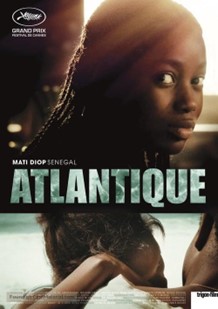
In many African countries, film production takes place within this context. Since many African filmmakers have been educated in Europe, have close ties with Europe and even live there, migration is one of the dominant themes in African cinema. Unlike national productions, achieving catharsis is not a priority in these films. Instead, they convey global messages, prioritizing the appreciation of festival audiences. Une Saison en France (A Season in France, 2017), directed by Chadian filmmaker Mahamat Saleh Haroun, provides a case in point. The film portrays a person who flees to France and emphasizes the universality of values such as fatherhood, love, and the struggle for survival. Similarly, Atlantique (2019), directed by Senegalese filmmaker Mati Diop, focuses on labor exploitation and family pressure in Senegal through the love story between a person attempting to migrate from Senegal to Spain and his lover left behind. Throughout the film, young people drowned in the Atlantic Ocean appear as zombies in the bodies of different individuals to take revenge.
Filmmakers from Muslim countries direct a notable portion of contemporary films that share the theme of migration, and the economic, social, political, and cultural issues that force Muslim populations to migrate are portrayed by directors in these films. However, the fact that these films are supported mainly by European funding organizations and integrated into the global art cinema network prevents a discussion environment among Muslims through these productions. As a result, the problems experienced and awaiting solutions cannot go beyond serving a background of the productions presented to the global audience and adorned with aesthetic concerns. Except for Turkey and Qatar, hardly any Muslim country prioritizes supporting global cinema, and cinema, in general, is not widely recognized as a platform for discussion. Therefore, this important art form is not utilized to its fullest potential. Moreover, the ongoing discussions predominantly unfold within a framework established by the West.

References

Higbee, W. (2013). Post-beur cinema: North African emigré and Maghrebi-French filmmaking in France since 2000. Edinburgh: Edinburgh University Press.

Mejri, O. (2014). The birth of North African cinema. L. Bisschoff & D. Murphy (Ed.), In Africa’s Lost Classics: New Histories of African Cinema, 24-34. New York: Legenda.

Naficy, H. (2024). Aksanlı sinema: Sürgüne ait ve siyasporal film yapımı. Istanbul: Ayrıntı Publishing.

Onaran, A. Ş. (1994). Türk sineması (I. Cilt). Istanbul: Kitle Publishing.      

Tags: CinemaDiasporic CinemaMigrationMuslims
Previous Post

Müslüman Halklar, Göç ve Sinema

Next Post

Suriyeli Göçünün Yönetiminde Sivil Toplum Kuruluşlarının Rolü: İstanbul Örneği

Next Post
The Role of Non-Governmental Organizations in the Management of Syrian Migration: The Example of Istanbul

Suriyeli Göçünün Yönetiminde Sivil Toplum Kuruluşlarının Rolü: İstanbul Örneği

Bir yanıt yazın Yanıtı iptal et

E-posta adresiniz yayınlanmayacak. Gerekli alanlar * ile işaretlenmişlerdir

  • A Possible New Breath in Regional Balances: The Alliance of Türkiye, Pakistan, Egypt, and Saudi Arabia

    Bölgesel Dengelerde Olası Yeni Bir Soluk: Türkiye, Pakistan, Mısır ve Suudi Arabistan İttifakı

    0 shares
    Share 0 Tweet 0
  • Nakşibendi-Hakkani Tarikatı

    0 shares
    Share 0 Tweet 0
  • Bilime Yön Verenler: Nobel Ödüllü Müslüman Bilim İnsanları

    0 shares
    Share 0 Tweet 0
  • Fuad Sezgin

    0 shares
    Share 0 Tweet 0
  • Sosyal Medyada İslamcı-Muhafazakâr Kamusallığın Dönüşümü Üzerine

    0 shares
    Share 0 Tweet 0
  • The Gravity of What Took Place at Al-Aqsa Mosque During Ramadan 2026

    Ramazan 2026’da Mescid-i Aksa’da Yaşananların Ciddiyeti

    0 shares
    Share 0 Tweet 0
  • The Gravity of What Took Place at Al-Aqsa Mosque During Ramadan 2026

    0 shares
    Share 0 Tweet 0
  • FLA-JNIM Cooperation and Shifting Security Dynamics in Mali

    0 shares
    Share 0 Tweet 0
  • FLA-JNIM İş Birliği ve Mali’de Değişen Güvenlik Dinamikleri

    0 shares
    Share 0 Tweet 0
  • The Current State of Indonesia’s Luxury Industry and the Landscape of Independent Handcrafted Watchmaking

    0 shares
    Share 0 Tweet 0

Platform: Müslüman Dünyanın Gündemi, Müslüman toplumların fikrî, siyasi, sosyal, ekonomik ve kültürel gündemlerini takip ve tahlil edip Müslüman dünyaya dair güncel ve özgün perspektifler sunmayı amaçlayan bir yayın organı olarak İLKE İlim Kültür Eğitim Vakfı bünyesinde kurulmuştur.

  • SAYILAR
  • ANALİZLER
  • HABERLER
  • SÖYLEŞİLER
  • DÜNYADAN SESLER
  • platform@ilke.org.tr
  • (0216) 310 43 18
  • Aziz Mahmut Hüdayi Mah. Türbe Kapısı Sk. No: 13 Üsküdar, İstanbul

2025 @ PLATFORM bir İLKE Vakfı kuruluşudur. Tüm hakları saklıdır. 

No Result
View All Result
  • Home
  • Analizler
  • Haberler
  • Söyleşiler
  • Dünyadan Sesler