



İLKE Vakfı
Platform
No Result
View All Result
  • PLATFORM
  • HABERLER
    İLKE Agenda: Muzzammil Ayyub Thakur ile Keşmir’in “Filistinleştirilmesi”

    İLKE Agenda: Muzzammil Ayyub Thakur ile Keşmir’in “Filistinleştirilmesi”

    İLKE Agenda: Muzzammil Ayyub Thakur ile Keşmir’in “Filistinleştirilmesi”

    The Platform Talks: Kinda Hawasli ile 8 Aralık Sonrası Suriye

    İLKE Agenda: Muzzammil Ayyub Thakur ile Keşmir’in “Filistinleştirilmesi”

    The Platform Talks: Azzam Tamimi ile 7 Ekim Sonrası Filistin

    İLKE Agenda: Muzzammil Ayyub Thakur ile Keşmir’in “Filistinleştirilmesi”

    İLKE Agenda: Gazze Soykırımı Günlerinde Aktivizm ve İslamofobi

    Filistin Sempozyumu: Filistin ve Küresel İlişkilerin Geleceği

    Filistin Sempozyumu: Filistin ve Küresel İlişkilerin Geleceği

    Filistin Sempozyumu: Filistin ve Küresel İlişkilerin Geleceği

    Müslüman Dünyada Çağdaş Düşünce Konferansı’nda buluşuyoruz!

    Filistin Sempozyumu: Filistin ve Küresel İlişkilerin Geleceği

    Müslüman Dünyada Çağdaş Düşünce Konferansı

    Filistin Sempozyumu: Filistin ve Küresel İlişkilerin Geleceği

    Dr. Jonathan Brown “İslam’ın Siyahiliğe ve Köleliğe Yaklaşımı” adlı seminer gerçekleştirdi.

  • ANALİZLER
    • All
    • Düşünce
    • Eğitim
    • Ekonomi
    • Enerji ve Çevre
    • Göç
    • Medya, Kültür ve Sanat
    • Temel Hak ve Özgürlükler
    • Toplumsal Meseleler
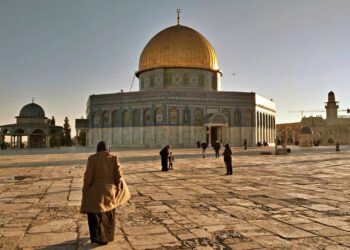
    The Gravity of What Took Place at Al-Aqsa Mosque During Ramadan 2026

    Ramazan 2026’da Mescid-i Aksa’da Yaşananların Ciddiyeti

    AFP/GETTY IMAGES

    FLA-JNIM İş Birliği ve Mali’de Değişen Güvenlik Dinamikleri

    Sosyal Medyada İslamcı-Muhafazakâr Kamusallığın Dönüşümü Üzerine

    Sosyal Medyada İslamcı-Muhafazakâr Kamusallığın Dönüşümü Üzerine

    Bangladeş’te 2026 Seçimleri Sonrası Siyasi Tartışmalar

    Bangladeş’te 2026 Seçimleri Sonrası Siyasi Tartışmalar

    Filistin’de Çocuk Olmak: 5 Nisan Filistinli Çocuklar Günü

    Filistin’de Çocuk Olmak: 5 Nisan Filistinli Çocuklar Günü

    Security, Fragility, and the Search for a New Equilibrium in the Gulf Following the Iranian Attacks

    İran Saldırıları Sonrası Körfez’de Güvenlik, Kırılganlık ve Yeni Denge Arayışı

  • SÖYLEŞİLER
    The Decolonization of Knowledge: Interview with Professor Souleymane Bachir Diagne

    Bilginin Dekolonizasyonu: Profesör Souleymane Bachir Diagne ile Röportaj

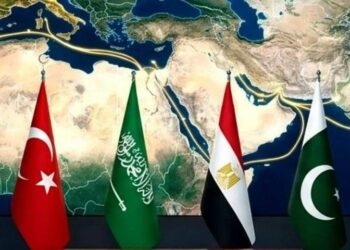
    A Possible New Breath in Regional Balances: The Alliance of Türkiye, Pakistan, Egypt, and Saudi Arabia

    Bölgesel Dengelerde Olası Yeni Bir Soluk: Türkiye, Pakistan, Mısır ve Suudi Arabistan İttifakı

    Digital Ummah and Muslim Identity: Dr. Sahar Khamis Interview

    Dijital Ümmet ve Müslüman Kimliği: Dr. Sahar Khamis ile Röportaj

    From the Ballot Box to the Street: The Rising Social Wave in Tanzania After the Election

    Sandıktan Sokağa: Tanzanya’da Seçim Sonrası Yükselen Toplumsal Dalga

    Müslüman Nüfusa Karşı Güvenlikleştirme

    Müslüman Nüfusa Karşı Güvenlikleştirme

    Gurbet Hikayeleri

    Gurbet Hikayeleri

    Göçü Yönetmek: Dr. Mehmet Köse’yle Söyleşi

    Göçü Yönetmek: Dr. Mehmet Köse’yle Söyleşi

    İstanbul’daki Uluslararası Öğrencilerle Söyleşi

    İstanbul’daki Uluslararası Öğrencilerle Söyleşi

    Zaytuna College Lisansüstü Eğitim Dekanı Maşuk Yamaç’la Söyleşi

    Zaytuna College Lisansüstü Eğitim Dekanı Maşuk Yamaç’la Söyleşi

  • DÜNYADAN SESLER
    Voices from the Muslim World | Sari Hanafi (with Turkish subtitles)

    Voices from the Muslim World | Sari Hanafi (with Turkish subtitles)

    Voices from the Muslim World | Ovamir Anjum

    Voices from the Muslim World | Ovamir Anjum

    VOICES FROM THE MUSLIM WORLD | DR. YASIR QADHI

    VOICES FROM THE MUSLIM WORLD | DR. YASIR QADHI

    VOICES FROM THE MUSLIM WORLD | DR. ADEEL MALIK

    VOICES FROM THE MUSLIM WORLD | DR. ADEEL MALIK

  • SAYILAR
  • VERİTABANI
    • All
    • Hareketler
    • Kurumlar
    • Şahsiyetler
    Pak-Türk Maarif

    Pak-Türk Maarif

    İslam Vakfı

    İslam Vakfı

    Avrupa Fetva ve Araştırma Konseyi

    Avrupa Fetva ve Araştırma Konseyi

    Tokyo Camii ve Diyanet Türk Kültür Merkezi

    Tokyo Camii ve Diyanet Türk Kültür Merkezi

  • PLATFORM
  • HABERLER
    İLKE Agenda: Muzzammil Ayyub Thakur ile Keşmir’in “Filistinleştirilmesi”

    İLKE Agenda: Muzzammil Ayyub Thakur ile Keşmir’in “Filistinleştirilmesi”

    İLKE Agenda: Muzzammil Ayyub Thakur ile Keşmir’in “Filistinleştirilmesi”

    The Platform Talks: Kinda Hawasli ile 8 Aralık Sonrası Suriye

    İLKE Agenda: Muzzammil Ayyub Thakur ile Keşmir’in “Filistinleştirilmesi”

    The Platform Talks: Azzam Tamimi ile 7 Ekim Sonrası Filistin

    İLKE Agenda: Muzzammil Ayyub Thakur ile Keşmir’in “Filistinleştirilmesi”

    İLKE Agenda: Gazze Soykırımı Günlerinde Aktivizm ve İslamofobi

    Filistin Sempozyumu: Filistin ve Küresel İlişkilerin Geleceği

    Filistin Sempozyumu: Filistin ve Küresel İlişkilerin Geleceği

    Filistin Sempozyumu: Filistin ve Küresel İlişkilerin Geleceği

    Müslüman Dünyada Çağdaş Düşünce Konferansı’nda buluşuyoruz!

    Filistin Sempozyumu: Filistin ve Küresel İlişkilerin Geleceği

    Müslüman Dünyada Çağdaş Düşünce Konferansı

    Filistin Sempozyumu: Filistin ve Küresel İlişkilerin Geleceği

    Dr. Jonathan Brown “İslam’ın Siyahiliğe ve Köleliğe Yaklaşımı” adlı seminer gerçekleştirdi.

  • ANALİZLER
    • All
    • Düşünce
    • Eğitim
    • Ekonomi
    • Enerji ve Çevre
    • Göç
    • Medya, Kültür ve Sanat
    • Temel Hak ve Özgürlükler
    • Toplumsal Meseleler
    The Gravity of What Took Place at Al-Aqsa Mosque During Ramadan 2026

    Ramazan 2026’da Mescid-i Aksa’da Yaşananların Ciddiyeti

    AFP/GETTY IMAGES

    FLA-JNIM İş Birliği ve Mali’de Değişen Güvenlik Dinamikleri

    Sosyal Medyada İslamcı-Muhafazakâr Kamusallığın Dönüşümü Üzerine

    Sosyal Medyada İslamcı-Muhafazakâr Kamusallığın Dönüşümü Üzerine

    Bangladeş’te 2026 Seçimleri Sonrası Siyasi Tartışmalar

    Bangladeş’te 2026 Seçimleri Sonrası Siyasi Tartışmalar

    Filistin’de Çocuk Olmak: 5 Nisan Filistinli Çocuklar Günü

    Filistin’de Çocuk Olmak: 5 Nisan Filistinli Çocuklar Günü

    Security, Fragility, and the Search for a New Equilibrium in the Gulf Following the Iranian Attacks

    İran Saldırıları Sonrası Körfez’de Güvenlik, Kırılganlık ve Yeni Denge Arayışı

  • SÖYLEŞİLER
    The Decolonization of Knowledge: Interview with Professor Souleymane Bachir Diagne

    Bilginin Dekolonizasyonu: Profesör Souleymane Bachir Diagne ile Röportaj

    A Possible New Breath in Regional Balances: The Alliance of Türkiye, Pakistan, Egypt, and Saudi Arabia

    Bölgesel Dengelerde Olası Yeni Bir Soluk: Türkiye, Pakistan, Mısır ve Suudi Arabistan İttifakı

    Digital Ummah and Muslim Identity: Dr. Sahar Khamis Interview

    Dijital Ümmet ve Müslüman Kimliği: Dr. Sahar Khamis ile Röportaj

    From the Ballot Box to the Street: The Rising Social Wave in Tanzania After the Election

    Sandıktan Sokağa: Tanzanya’da Seçim Sonrası Yükselen Toplumsal Dalga

    Müslüman Nüfusa Karşı Güvenlikleştirme

    Müslüman Nüfusa Karşı Güvenlikleştirme

    Gurbet Hikayeleri

    Gurbet Hikayeleri

    Göçü Yönetmek: Dr. Mehmet Köse’yle Söyleşi

    Göçü Yönetmek: Dr. Mehmet Köse’yle Söyleşi

    İstanbul’daki Uluslararası Öğrencilerle Söyleşi

    İstanbul’daki Uluslararası Öğrencilerle Söyleşi

    Zaytuna College Lisansüstü Eğitim Dekanı Maşuk Yamaç’la Söyleşi

    Zaytuna College Lisansüstü Eğitim Dekanı Maşuk Yamaç’la Söyleşi

  • DÜNYADAN SESLER
    Voices from the Muslim World | Sari Hanafi (with Turkish subtitles)

    Voices from the Muslim World | Sari Hanafi (with Turkish subtitles)

    Voices from the Muslim World | Ovamir Anjum

    Voices from the Muslim World | Ovamir Anjum

    VOICES FROM THE MUSLIM WORLD | DR. YASIR QADHI

    VOICES FROM THE MUSLIM WORLD | DR. YASIR QADHI

    VOICES FROM THE MUSLIM WORLD | DR. ADEEL MALIK

    VOICES FROM THE MUSLIM WORLD | DR. ADEEL MALIK

  • SAYILAR
  • VERİTABANI
    • All
    • Hareketler
    • Kurumlar
    • Şahsiyetler
    Pak-Türk Maarif

    Pak-Türk Maarif

    İslam Vakfı

    İslam Vakfı

    Avrupa Fetva ve Araştırma Konseyi

    Avrupa Fetva ve Araştırma Konseyi

    Tokyo Camii ve Diyanet Türk Kültür Merkezi

    Tokyo Camii ve Diyanet Türk Kültür Merkezi

No Result
View All Result
Platform
No Result
View All Result
Home Analyses

Notes on the Opportunity of Joint Cinema in Islamic Geography

Yusuf Ziya Gökçek by Yusuf Ziya Gökçek
1 Ekim 2025
in Analyses
0
Notes on the Opportunity of Joint Cinema in Islamic Geography
0
SHARES
4
VIEWS
Share on FacebookShare on Twitter

“Islamic Geography” is most commonly defined as the places where Muslims are concentrated in numbers or where Islam is in a widespread and socially decisive position, although an alliance has not been reached yet. However, due to factors such as population movements created by the colonial domination, slave trade, and migration to the “rich north” due to socioeconomic inequalities, the Muslim population is dispersed and therefore their sphere of activity is expanding. According to the projection drawn in the study titled “The Future of World Religions: Population Growth Projections, 2010-2050” published by Pew Research Center (PRC), the Muslim population, which makes up 1.6 billion of the 6.9 billion world population, will increase even more and they will form effective spheres of influence in many parts of the world. (The Future of World Religions: Population Growth Projections, 2010-2050, 2015). In today’s world, approximately 23 percent of the population consists of Muslims, and it seems that the religion which the majority of Muslims follow in their lives is an effective motivation. A significant portion of the Muslim population, indicated by significant figures, is located in Asia, Africa and the Balkans.

It has become more difficult to assign a geography to Islam particularly after the 20th century. This difficulty is itself the existence of occupation and civil wars. As a result of occupations and civil wars, many Muslims migrated to different parts of the world. With these migrations, the hinterland of the Muslim population formed by different empires of the Muslims remained the same and included a network expanding to different geographies. Cinema is a cultural pattern in which many Muslim directors are involved without consciousness, as a force that tries to create and disperse this network. The expression “Muslim director” requires a theological attitude, but a director in Islamic geography finds a place in this network regardless of whether he is actually Muslim. This expression, which develops against religion or from within religion, actually shows a fundamental attitude in geography; cinema is conceived as an effective way of revealing in geography. The history of cinema in the Islamic geography has not been a subject of study in the world cinema literature with such a name and scope. When we look at the cinema literature, while the cinemas in Muslim countries are classified under the titles of “Third Cinema”, “Third World Cinema”, “Peripheri Cinemas”, the classification of “Muslim Cinema” is not seen much. Since Third Cinema and Third World cinemas cover a certain periodical process, their historical and ideological context is limited.

This limitation includes the ease of handling the dimensions of the research object, as well as the ease of actually tacitly naming it as non-Western cinema. The main purpose of acquiring cinema under a certain title in Islamic geography is because it stands in a similar position in global situations. The regime changes, paradigmatic transformations, new ways of knowing, changing economic understanding, and forms of sociality that we see in the Islamic geography bear similarities. Namely, when the cinematograph was invented, the instrument itself was sent to various geographies of the world in a short time. This is also one of the biggest indications of cinema’s relationship with capitalism. The aspect of the subject that interests us is the reaction of the relationship with the cinematographer in the Islamic geography, which causes both excitement and hesitation.

In the Islamic geography, cinema appears as an element that the masses regard as a value and a great function, that increases the belief that some of the problems can be solved, that does not fulfill what is desired for now, but is expected to do. Cinema entered Muslim geography as a question of debate. The first discussion was related to the goal. Those who approached the issue optimistically developed an understanding that cinema, as a complement to modernity, is sometimes a radical and sometimes a naive means of supply. However, those who saw modernity as a problem of displacement thought that cinema had a corrupting effect. While Islamic geography saw non-Western geography as a collection of images it heard while constructing its own identity, the continuing modernization with the priority of preserving the national identity seen in the “development” experiences of non-Western countries created both an opportunity and a problem. Modernity was a heaven/hell of ambivalence and contradictions for the countries that followed the developments in the West from a close distance. A glance at modernity between a hope of improvement or a comment of pessimism caused the fate of cinema to be shaped in the early period.

The lack of knowledge of how to use the cinematograph in Muslim societies is also closely related to the issue of whether the intellectual ground to which they belong will allow this. Commentary on cinematography is not yet one of the main issues of the ulama, it only manifests itself as a subject adopted by a certain class or religious group. For example, the fact that the people living in the Levantine region such as Pera are composed of people who share the “average frank” taste makes this issue implexuous. Because cinema turns into a problem of resemblance. Similar to this recessive situation is seen in Iran and Egypt. The streets, where Western taste is visible and clinging, poses a strong problem among its broad masses of people and opinion leaders. This situation allows cinema in these countries to expand in the hands of non-Muslims in an unnamed way. The presence of Coptic players in Egypt and canto players in Türkiye are examples that reinforce this situation. The vein formed in places where a secular form of entertainment is seen will lead to the emergence of Muslim audiences and directors much later. At the same time, as a result of relations with the West, which had previously been disrupted at the level of political and military reform in countries, it develops either in schools with a Western understanding of education in their countries, or through elites who receive education in schools established and dominated by foreign missions, or through intellectuals who receive education directly abroad. For example, intellectuals who have been educated at the Mekteb-i Sultani (Galatasaray High School), Istanbul Boy’s (High School) and Robert College in Türkiye or the American University in Cairo in Egypt play an active role in many structures, scenarios and enactments that make up the cinema.

Elite is an important issue. Because being both an agent and a content producer of a Western invention is a matter of cultural capital. The conditions of this capital are not only created by the economy; at the same time, it is possible if the artist’s environment allows such acquaintances. The history of the spread of cinematography coincides with the most critical periods of the Islamic geography, and the era of empires taking birth in a period that gives birth to new nation states and new wars against colonialists. Cinema is here an element that is more compatible with the ideological program of the newly established state. However, cinema still continues to live as an entity that is not directed and controlled by the state. When we look at the countries that are active in geography, the state organizations of Egypt, Iran and Türkiye, which are historically pioneers in terms of production numbers and direction, award cinema and contribute to films at varying rates with the budgets allocated by their own culture ministries.

However, another important factor that makes its presence felt in this geography is the festival in the West, the aesthetes/juries active in the festival, and the production fund support. Important festivals such as Cannes, Venice and Berlin create a thematic sensitivity as well as creating a pressure for certain forms of film language in the Islamic geography. For example, sexual, religious, ethnic minority(ies) and their oppression feed the film orientation in many ways, and are important examples for festivals to support a political orientation. The most important ground that will pave the way for the discussion of the joint cinema in the Islamic geography is the festivals they have. However, with these festivals, a new aesthetic/jury, non-Western funds, unique topics and discussion opportunities will emerge. Of course, these festivals are abundant in Islamic geography. However, some of them are not globalized enough, and some of them seem to be the repetitions of important festivals such as Cannes and Venice, and they are showcased with similar movie lists. The effectiveness of digital broadcasting channels in the Islamic geography has an effect similar to that of foreign and powerful festivals. For example Netflix directs many films in different categories, such as Middle East and Africa,  to directors in the relevant countries, but leads most of the directors to produce a film in accordance with their own film language and theme, and in accordance with its expectations. In this respect, in a situation where state support is limited or tries to be effective and private entrepreneurs do not support it in many respects, the diversification of films means that the possibilities of shooting original subjects are narrowed.

Although it has been seen many times historically that films originating from the Islamic Geography have become an effective power and catching up with the social, it is necessary to have a joint strong festival and its agenda must aim to increase the state support, to reduce the cinema taxes of the private entrepreneur and to increase the co-productions in order to become an effective power again.


Tags: CinemaIslamic Geography
Previous Post

Tunus ve Kays Said: Politik Yabancıdan Bölücülüğe Uzanan Hikâye

Next Post

Alternative Perspectives on Human Development: Islamic Development Indices

Next Post
Alternative Perspectives on Human Development: Islamic Development Indices

Alternative Perspectives on Human Development: Islamic Development Indices

Bir yanıt yazın Yanıtı iptal et

E-posta adresiniz yayınlanmayacak. Gerekli alanlar * ile işaretlenmişlerdir

  • A Possible New Breath in Regional Balances: The Alliance of Türkiye, Pakistan, Egypt, and Saudi Arabia

    Bölgesel Dengelerde Olası Yeni Bir Soluk: Türkiye, Pakistan, Mısır ve Suudi Arabistan İttifakı

    0 shares
    Share 0 Tweet 0
  • Nakşibendi-Hakkani Tarikatı

    0 shares
    Share 0 Tweet 0
  • Bilime Yön Verenler: Nobel Ödüllü Müslüman Bilim İnsanları

    0 shares
    Share 0 Tweet 0
  • Fuad Sezgin

    0 shares
    Share 0 Tweet 0
  • Sosyal Medyada İslamcı-Muhafazakâr Kamusallığın Dönüşümü Üzerine

    0 shares
    Share 0 Tweet 0
  • The Gravity of What Took Place at Al-Aqsa Mosque During Ramadan 2026

    Ramazan 2026’da Mescid-i Aksa’da Yaşananların Ciddiyeti

    0 shares
    Share 0 Tweet 0
  • The Gravity of What Took Place at Al-Aqsa Mosque During Ramadan 2026

    0 shares
    Share 0 Tweet 0
  • FLA-JNIM Cooperation and Shifting Security Dynamics in Mali

    0 shares
    Share 0 Tweet 0
  • FLA-JNIM İş Birliği ve Mali’de Değişen Güvenlik Dinamikleri

    0 shares
    Share 0 Tweet 0
  • The Current State of Indonesia’s Luxury Industry and the Landscape of Independent Handcrafted Watchmaking

    0 shares
    Share 0 Tweet 0

Platform: Müslüman Dünyanın Gündemi, Müslüman toplumların fikrî, siyasi, sosyal, ekonomik ve kültürel gündemlerini takip ve tahlil edip Müslüman dünyaya dair güncel ve özgün perspektifler sunmayı amaçlayan bir yayın organı olarak İLKE İlim Kültür Eğitim Vakfı bünyesinde kurulmuştur.

  • SAYILAR
  • ANALİZLER
  • HABERLER
  • SÖYLEŞİLER
  • DÜNYADAN SESLER
  • platform@ilke.org.tr
  • (0216) 310 43 18
  • Aziz Mahmut Hüdayi Mah. Türbe Kapısı Sk. No: 13 Üsküdar, İstanbul

2025 @ PLATFORM bir İLKE Vakfı kuruluşudur. Tüm hakları saklıdır. 

No Result
View All Result
  • Home
  • Analizler
  • Haberler
  • Söyleşiler
  • Dünyadan Sesler