

İLKE Vakfı
Platform
No Result
View All Result
  • PLATFORM
  • HABERLER
    İLKE Agenda: Muzzammil Ayyub Thakur ile Keşmir’in “Filistinleştirilmesi”

    İLKE Agenda: Muzzammil Ayyub Thakur ile Keşmir’in “Filistinleştirilmesi”

    İLKE Agenda: Muzzammil Ayyub Thakur ile Keşmir’in “Filistinleştirilmesi”

    The Platform Talks: Kinda Hawasli ile 8 Aralık Sonrası Suriye

    İLKE Agenda: Muzzammil Ayyub Thakur ile Keşmir’in “Filistinleştirilmesi”

    The Platform Talks: Azzam Tamimi ile 7 Ekim Sonrası Filistin

    İLKE Agenda: Muzzammil Ayyub Thakur ile Keşmir’in “Filistinleştirilmesi”

    İLKE Agenda: Gazze Soykırımı Günlerinde Aktivizm ve İslamofobi

    Filistin Sempozyumu: Filistin ve Küresel İlişkilerin Geleceği

    Filistin Sempozyumu: Filistin ve Küresel İlişkilerin Geleceği

    Filistin Sempozyumu: Filistin ve Küresel İlişkilerin Geleceği

    Müslüman Dünyada Çağdaş Düşünce Konferansı’nda buluşuyoruz!

    Filistin Sempozyumu: Filistin ve Küresel İlişkilerin Geleceği

    Müslüman Dünyada Çağdaş Düşünce Konferansı

    Filistin Sempozyumu: Filistin ve Küresel İlişkilerin Geleceği

    Dr. Jonathan Brown “İslam’ın Siyahiliğe ve Köleliğe Yaklaşımı” adlı seminer gerçekleştirdi.

  • ANALİZLER
    • All
    • Düşünce
    • Eğitim
    • Ekonomi
    • Enerji ve Çevre
    • Göç
    • Medya, Kültür ve Sanat
    • Temel Hak ve Özgürlükler
    • Toplumsal Meseleler
    The Gravity of What Took Place at Al-Aqsa Mosque During Ramadan 2026

    Ramazan 2026’da Mescid-i Aksa’da Yaşananların Ciddiyeti

    AFP/GETTY IMAGES

    FLA-JNIM İş Birliği ve Mali’de Değişen Güvenlik Dinamikleri

    Sosyal Medyada İslamcı-Muhafazakâr Kamusallığın Dönüşümü Üzerine

    Sosyal Medyada İslamcı-Muhafazakâr Kamusallığın Dönüşümü Üzerine

    Bangladeş’te 2026 Seçimleri Sonrası Siyasi Tartışmalar

    Bangladeş’te 2026 Seçimleri Sonrası Siyasi Tartışmalar

    Filistin’de Çocuk Olmak: 5 Nisan Filistinli Çocuklar Günü

    Filistin’de Çocuk Olmak: 5 Nisan Filistinli Çocuklar Günü

    Security, Fragility, and the Search for a New Equilibrium in the Gulf Following the Iranian Attacks

    İran Saldırıları Sonrası Körfez’de Güvenlik, Kırılganlık ve Yeni Denge Arayışı

  • SÖYLEŞİLER
    The Decolonization of Knowledge: Interview with Professor Souleymane Bachir Diagne

    Bilginin Dekolonizasyonu: Profesör Souleymane Bachir Diagne ile Röportaj

    A Possible New Breath in Regional Balances: The Alliance of Türkiye, Pakistan, Egypt, and Saudi Arabia

    Bölgesel Dengelerde Olası Yeni Bir Soluk: Türkiye, Pakistan, Mısır ve Suudi Arabistan İttifakı

    Digital Ummah and Muslim Identity: Dr. Sahar Khamis Interview

    Dijital Ümmet ve Müslüman Kimliği: Dr. Sahar Khamis ile Röportaj

    From the Ballot Box to the Street: The Rising Social Wave in Tanzania After the Election

    Sandıktan Sokağa: Tanzanya’da Seçim Sonrası Yükselen Toplumsal Dalga

    Müslüman Nüfusa Karşı Güvenlikleştirme

    Müslüman Nüfusa Karşı Güvenlikleştirme

    Gurbet Hikayeleri

    Gurbet Hikayeleri

    Göçü Yönetmek: Dr. Mehmet Köse’yle Söyleşi

    Göçü Yönetmek: Dr. Mehmet Köse’yle Söyleşi

    İstanbul’daki Uluslararası Öğrencilerle Söyleşi

    İstanbul’daki Uluslararası Öğrencilerle Söyleşi

    Zaytuna College Lisansüstü Eğitim Dekanı Maşuk Yamaç’la Söyleşi

    Zaytuna College Lisansüstü Eğitim Dekanı Maşuk Yamaç’la Söyleşi

  • DÜNYADAN SESLER
    Voices from the Muslim World | Sari Hanafi (with Turkish subtitles)

    Voices from the Muslim World | Sari Hanafi (with Turkish subtitles)

    Voices from the Muslim World | Ovamir Anjum

    Voices from the Muslim World | Ovamir Anjum

    VOICES FROM THE MUSLIM WORLD | DR. YASIR QADHI

    VOICES FROM THE MUSLIM WORLD | DR. YASIR QADHI

    VOICES FROM THE MUSLIM WORLD | DR. ADEEL MALIK

    VOICES FROM THE MUSLIM WORLD | DR. ADEEL MALIK

  • SAYILAR
  • VERİTABANI
    • All
    • Hareketler
    • Kurumlar
    • Şahsiyetler
    Pak-Türk Maarif

    Pak-Türk Maarif

    İslam Vakfı

    İslam Vakfı

    Avrupa Fetva ve Araştırma Konseyi

    Avrupa Fetva ve Araştırma Konseyi

    Tokyo Camii ve Diyanet Türk Kültür Merkezi

    Tokyo Camii ve Diyanet Türk Kültür Merkezi

  • PLATFORM
  • HABERLER
    İLKE Agenda: Muzzammil Ayyub Thakur ile Keşmir’in “Filistinleştirilmesi”

    İLKE Agenda: Muzzammil Ayyub Thakur ile Keşmir’in “Filistinleştirilmesi”

    İLKE Agenda: Muzzammil Ayyub Thakur ile Keşmir’in “Filistinleştirilmesi”

    The Platform Talks: Kinda Hawasli ile 8 Aralık Sonrası Suriye

    İLKE Agenda: Muzzammil Ayyub Thakur ile Keşmir’in “Filistinleştirilmesi”

    The Platform Talks: Azzam Tamimi ile 7 Ekim Sonrası Filistin

    İLKE Agenda: Muzzammil Ayyub Thakur ile Keşmir’in “Filistinleştirilmesi”

    İLKE Agenda: Gazze Soykırımı Günlerinde Aktivizm ve İslamofobi

    Filistin Sempozyumu: Filistin ve Küresel İlişkilerin Geleceği

    Filistin Sempozyumu: Filistin ve Küresel İlişkilerin Geleceği

    Filistin Sempozyumu: Filistin ve Küresel İlişkilerin Geleceği

    Müslüman Dünyada Çağdaş Düşünce Konferansı’nda buluşuyoruz!

    Filistin Sempozyumu: Filistin ve Küresel İlişkilerin Geleceği

    Müslüman Dünyada Çağdaş Düşünce Konferansı

    Filistin Sempozyumu: Filistin ve Küresel İlişkilerin Geleceği

    Dr. Jonathan Brown “İslam’ın Siyahiliğe ve Köleliğe Yaklaşımı” adlı seminer gerçekleştirdi.

  • ANALİZLER
    • All
    • Düşünce
    • Eğitim
    • Ekonomi
    • Enerji ve Çevre
    • Göç
    • Medya, Kültür ve Sanat
    • Temel Hak ve Özgürlükler
    • Toplumsal Meseleler
    The Gravity of What Took Place at Al-Aqsa Mosque During Ramadan 2026

    Ramazan 2026’da Mescid-i Aksa’da Yaşananların Ciddiyeti

    AFP/GETTY IMAGES

    FLA-JNIM İş Birliği ve Mali’de Değişen Güvenlik Dinamikleri

    Sosyal Medyada İslamcı-Muhafazakâr Kamusallığın Dönüşümü Üzerine

    Sosyal Medyada İslamcı-Muhafazakâr Kamusallığın Dönüşümü Üzerine

    Bangladeş’te 2026 Seçimleri Sonrası Siyasi Tartışmalar

    Bangladeş’te 2026 Seçimleri Sonrası Siyasi Tartışmalar

    Filistin’de Çocuk Olmak: 5 Nisan Filistinli Çocuklar Günü

    Filistin’de Çocuk Olmak: 5 Nisan Filistinli Çocuklar Günü

    Security, Fragility, and the Search for a New Equilibrium in the Gulf Following the Iranian Attacks

    İran Saldırıları Sonrası Körfez’de Güvenlik, Kırılganlık ve Yeni Denge Arayışı

  • SÖYLEŞİLER
    The Decolonization of Knowledge: Interview with Professor Souleymane Bachir Diagne

    Bilginin Dekolonizasyonu: Profesör Souleymane Bachir Diagne ile Röportaj

    A Possible New Breath in Regional Balances: The Alliance of Türkiye, Pakistan, Egypt, and Saudi Arabia

    Bölgesel Dengelerde Olası Yeni Bir Soluk: Türkiye, Pakistan, Mısır ve Suudi Arabistan İttifakı

    Digital Ummah and Muslim Identity: Dr. Sahar Khamis Interview

    Dijital Ümmet ve Müslüman Kimliği: Dr. Sahar Khamis ile Röportaj

    From the Ballot Box to the Street: The Rising Social Wave in Tanzania After the Election

    Sandıktan Sokağa: Tanzanya’da Seçim Sonrası Yükselen Toplumsal Dalga

    Müslüman Nüfusa Karşı Güvenlikleştirme

    Müslüman Nüfusa Karşı Güvenlikleştirme

    Gurbet Hikayeleri

    Gurbet Hikayeleri

    Göçü Yönetmek: Dr. Mehmet Köse’yle Söyleşi

    Göçü Yönetmek: Dr. Mehmet Köse’yle Söyleşi

    İstanbul’daki Uluslararası Öğrencilerle Söyleşi

    İstanbul’daki Uluslararası Öğrencilerle Söyleşi

    Zaytuna College Lisansüstü Eğitim Dekanı Maşuk Yamaç’la Söyleşi

    Zaytuna College Lisansüstü Eğitim Dekanı Maşuk Yamaç’la Söyleşi

  • DÜNYADAN SESLER
    Voices from the Muslim World | Sari Hanafi (with Turkish subtitles)

    Voices from the Muslim World | Sari Hanafi (with Turkish subtitles)

    Voices from the Muslim World | Ovamir Anjum

    Voices from the Muslim World | Ovamir Anjum

    VOICES FROM THE MUSLIM WORLD | DR. YASIR QADHI

    VOICES FROM THE MUSLIM WORLD | DR. YASIR QADHI

    VOICES FROM THE MUSLIM WORLD | DR. ADEEL MALIK

    VOICES FROM THE MUSLIM WORLD | DR. ADEEL MALIK

  • SAYILAR
  • VERİTABANI
    • All
    • Hareketler
    • Kurumlar
    • Şahsiyetler
    Pak-Türk Maarif

    Pak-Türk Maarif

    İslam Vakfı

    İslam Vakfı

    Avrupa Fetva ve Araştırma Konseyi

    Avrupa Fetva ve Araştırma Konseyi

    Tokyo Camii ve Diyanet Türk Kültür Merkezi

    Tokyo Camii ve Diyanet Türk Kültür Merkezi

No Result
View All Result
Platform
No Result
View All Result
Home Analyses

Religion and Identity in the Crossfire of Sahelian Awakening

Ifeoluwa Siddiq Oyelami by Ifeoluwa Siddiq Oyelami
6 Kasım 2025
in Analyses, Social Issues
0
Religion and Identity in the Crossfire of Sahelian Awakening
0
SHARES
8
VIEWS
Share on FacebookShare on Twitter
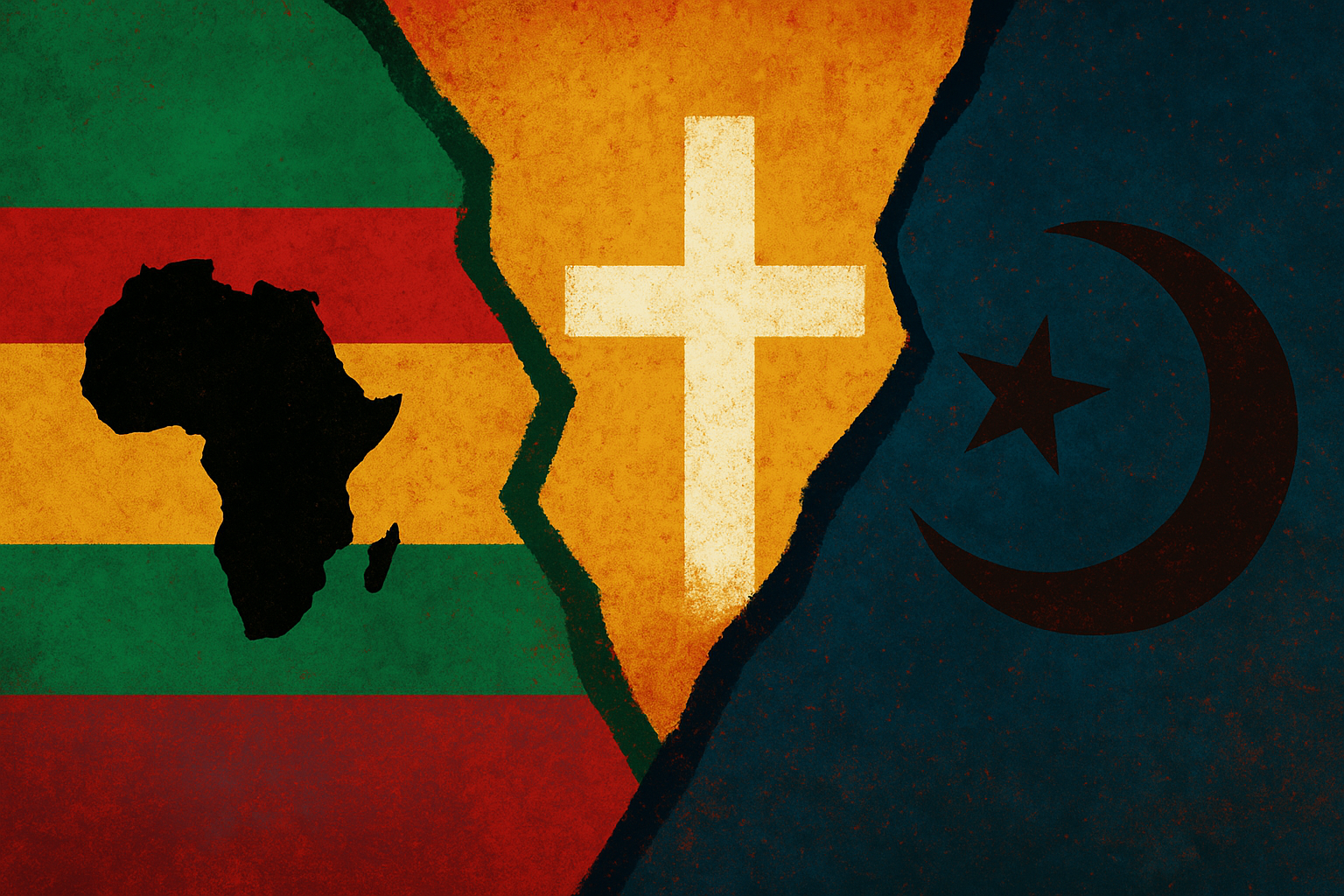
The Sahel’s anti-imperialist revival is accompanied by rising suspicion toward religion, particularly Islam, viewed as a colonial relic. Movements advocating traditional spirituality and “de-Arabised” Islam gain traction, challenging foreign influences. This complex dynamic reflects broader sentiments about cultural identity and colonial legacies in West African societies.

The recent political shifts across the Sahel, mainly driven by fatigue with French interference in regional politics, have undeniably enjoyed widespread popular support. However, along with this anti-imperialist revival is a growing suspicion toward religion by recasting it as a colonial relic. This sentiment, which now echoes beyond Francophone borders, can also be seen in Anglophone West African digital spaces where expressions such as “European and Arab colonialism” have become shorthand for rejecting both Christianity and Islam. While the former is readily associated with European imperial expansion, the inclusion of Islam, rooted in the region for more than a millennium, appears more complex. The roots and manifestations of this religious rejection, however, vary significantly across contexts, as the following examples show.

Many self-styled Africanists are not necessarily turning to atheism or deism; instead, they call for a return to traditional African spirituality. This trend is more pronounced in Mali, where tensions between religion and nationalism have been witnessed. Following the 2023 constitutional reform aimed at erasing vestiges of French identity, the Malian League of Imams and Scholars for Islamic Solidarity (LIMAMA) publicly disapproved of the draft’s principle of secularism, proposing instead that Mali be designated a “multi-faith state” (Doumbia, 2023). What brought the Malian clerics’ position into the spotlight was the concurrent rise of anti-Islamic rhetoric, especially among proponents of Kemetism—a recent neopagan movement inspired by ancient Egypt.

In November 2022, Fakoly Doumbia, a France-trained Africanist and leading Kemetist figure, was convicted for “offences of a religious nature capable of disturbing public order” after expressing support for a follower whose viral video showed him burning Qur’ans (Mali: Le Mouvement Kamite, 2023). The rise of Kemetism shows this growing current of opposition to Islam within the rhetoric of cultural revival. Although its influence remains concentrated in Mali, smaller chapters have appeared in Burkina Faso and Niger (Idrissa, 2023). In these contexts, Islam being the dominant religion has become an easy target for movements seeking visibility by associating the faith with foreign domination.

Closely linked to this development is the advocacy for a “de-Arabised” Islam. The most visible expression of this trend is the growing endorsement by Pan-Africanists of Nkoism, the nationalist Muslim Mandinka movement led by Nanfo Ismaël Diaby, who, since Ramadan 2019, has preferred to conduct prayers in local languages rather than in Arabic, as is customary among Muslims worldwide (Sidime, 2019). Although the movement originated in Guinea, its influence has expanded into Mali. According to the Nkoists, African emancipation requires ending not only French imperialism but also what they call “Islamic imperialism,” which they regard as even worse (Idrissa, 2023).

This anti-Arab disposition also shapes how some influential Sahelian figures interpret global events. For example, Ibrahima Maiga, an ally of Burkina Faso’s leader Ibrahim Traoré, recently dismissed solidarity with Palestine as an “ethnic matter,” arguing that Arab states have never supported Sahelian nations in their own struggles against insurgency (Maiga, 2025). In an earlier social media post, the exact figure even wrote “Israel Forever” in response to a message from the Israeli Defence Forces (Maiga, 2019). Such statements exemplify the growing detachment of certain Sahelian Pan-Africanists from the broader ummatic consciousness of global Islam. The suspicion that Muslims prioritise loyalty to the ummah over national identity is not novel. Kukah (1993) observed similar debates surrounding Nigeria’s entry into the Organisation of Islamic Cooperation (OIC).

Talking of Muslim international solidarity, the painful legacy of Western colonialism has cast suspicion on any form of foreign rapport in many African societies. Accordingly, some Pan-African writers have revived comparisons between Christianity and Islam as parallel instruments of cultural domination. Camara (2021), for instance, argues that Arab and Muslim countries employ Islam as a form of soft power. He claims that countries like Egypt, Algeria, Morocco, Saudi Arabia, Türkiye, and Qatar, through various religious institutions, seek to shape African public opinion, as religious leaders remain highly influential among the masses. However, arguments of this sort often resemble scapegoating more than rigorous analysis as they conflate legitimate cultural exchange and business relations with ideological manipulation for exploitation. Meanwhile, as observed in Opoku (2000), seeking to prevent the emergence of a unified pan-Islamic consciousness is itself a colonial project. Thus, it would be tragic if, in the postcolonial moment, Africans themselves completed that project.

Among other factors, anti-Muslim rhetoric in West Africa cannot be divorced from its socio-economic dimensions. In contemporary African political discourse, the question often arises as to whether religion is a curse to Africa’s development (Newuh, 2021). Muslim-dominated regions in West Africa tend to lag economically due to historical marginalisation and reduced missionary and colonial investment in education and infrastructure (Bauer et al., 2022). Over time, these disparities have fostered a form of learned helplessness among the masses. This may cause an observer to quickly conclude that Islam itself, or religiosity, is the cause of socio-economic backwardness.

It is worth noting that anti-religious debates remain confined mainly to social media and ideological circles. However, Sahelian governments’ blind eye to Muslim anti-colonial history in their decolonisation efforts may inadvertently reinforce negative perceptions of this history. As Shareef (2005) demonstrates, Islam lay at the heart of numerous early anti-colonial resistances across West Africa—from the Sokoto Caliphate to the jihads of Samori Touré and Umar al-Fūtī. These movements were grounded in religious cosmologies that defined political sovereignty long before the rise of Western-educated nationalist elites. If modern states seek to decolonise monuments and indigenise the naming of streets and airports, then preserving the legacies of those early anti-colonial leaders is equally vital.

The contemporary attempt to detach Islam from West African identity thus risks a selective reading of history. Many Africans once regarded Islam as an “indigenous faith” that was spread by Africans who had deeply integrated into local societies (Opoku, 2000). Moreover, the Sahel region’s historical prosperity is closely tied to its Islamic legacy. Building upon, rather than discarding, this heritage remains crucial for the region’s renewal. Besides, Islam and Christianity, though both initially introduced from beyond the continent, have long been indigenised and have profoundly shaped Africa’s intellectual and moral life. The challenge, therefore, is to reform distorted interpretations without dismantling the spiritual foundations that have sustained African societies for centuries. Conclusively, while Sahelian decolonial discourse seeks to reclaim African sovereignty, it may defeat its aim if it targets the very Islamic heritage that once animated the continent’s anti-imperial resistance.

References

Bauer, V., Platas, M. R., & Weinstein, J. M. (2022). Legacies of Islamic Rule in Africa: Colonial Responses and Contemporary Development. World Development, 152, 105750. https://doi.org/10.1016/j.worlddev.2021.105750

Camara, J. B. (2021). La religion, nouvel outil du néocolonialisme en Afrique ? https://doi.org/10.3406/rint.2021.3102

Doumbia, F. (2023, April 18). Towards the Fourth Republic of Mali: Analysis of the Draft Constitution. ConstitutionNet. http://constitutionnet.org/news/towards-fourth-republic-mali-analysis-draft-constitution

Idrissa, R. (2023, February 2). Rahmane Idrissa · Diary: In Bamako. London Review of Books, 45(03). https://www.lrb.co.uk/the-paper/v45/n03/rahmane-idrissa/diary

Kukah, M. H. (1993). Religion, politics and power in Northern Nigeria. Spectrum Books.

Maiga, I. (2019, August 27). Israel forever. X (formerly Twitter). https://x.com/Ibrahimamaigaa/status/1166477809742745601

Maiga, I. (2025, September 12). Le conflit israélo-palestinien n’est pas notre combat religieux. X. https://x.com/Ibrahimamaigaa/status/1966525809696395754

Mali: Le Mouvement Kamite. (2023). Division de l’information, de la documentation et des recherches – DIDR.

Newuh, M. M. (2021, June 29). Religion and development in Africa: Blessing or curse? Dw.Com. https://www.dw.com/en/religion-and-development-in-africa-blessing-or-curse/a-58075900

Opoku, K. A. (2000). La religion en Afrique pendant l’époque coloniale. In A Adu Boahen (Ed.), Histoire générale de l’Afrique. UNESCO. https://bokundoli.org/doc/histoire-generale-de-l-afrique-t7-23/

Shareef, M. (2005). Zaman ’n-Nasaara: The Hour of the Christian: African Muslim Resisteance to European Colonialism. Sankore Institute of Islamic – African Studies International.

Sidime, A. (Director). (2019, June 13). Nanfo Diaby: Pourquoi je fais ma prière en N’ko (Malinké) (Entretien exclusif) [Video recording]. https://www.youtube.com/watch?v=dFgPXPaRsKo

Previous Post

The Land Burns Twice: Ecocide and the Colonial War on Nature in South Lebanon and Palestine

Next Post

Güney Afrika’nın Temsiliyetinin Reddi Üzerinden İsrail’in Temsiliyet Reddinin Değerlendirilmesi

Next Post
Güney Afrika’nın Temsiliyetinin Reddi Üzerinden İsrail’in Temsiliyet Reddinin Değerlendirilmesi

Güney Afrika’nın Temsiliyetinin Reddi Üzerinden İsrail’in Temsiliyet Reddinin Değerlendirilmesi

Bir yanıt yazın Yanıtı iptal et

E-posta adresiniz yayınlanmayacak. Gerekli alanlar * ile işaretlenmişlerdir

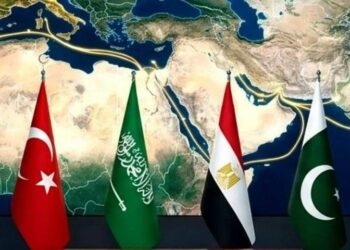
  • A Possible New Breath in Regional Balances: The Alliance of Türkiye, Pakistan, Egypt, and Saudi Arabia

    Bölgesel Dengelerde Olası Yeni Bir Soluk: Türkiye, Pakistan, Mısır ve Suudi Arabistan İttifakı

    0 shares
    Share 0 Tweet 0
  • Bilime Yön Verenler: Nobel Ödüllü Müslüman Bilim İnsanları

    0 shares
    Share 0 Tweet 0
  • Nakşibendi-Hakkani Tarikatı

    0 shares
    Share 0 Tweet 0
  • Fuad Sezgin

    0 shares
    Share 0 Tweet 0
  • Sosyal Medyada İslamcı-Muhafazakâr Kamusallığın Dönüşümü Üzerine

    0 shares
    Share 0 Tweet 0
  • The Gravity of What Took Place at Al-Aqsa Mosque During Ramadan 2026

    Ramazan 2026’da Mescid-i Aksa’da Yaşananların Ciddiyeti

    0 shares
    Share 0 Tweet 0
  • The Gravity of What Took Place at Al-Aqsa Mosque During Ramadan 2026

    0 shares
    Share 0 Tweet 0
  • FLA-JNIM Cooperation and Shifting Security Dynamics in Mali

    0 shares
    Share 0 Tweet 0
  • FLA-JNIM İş Birliği ve Mali’de Değişen Güvenlik Dinamikleri

    0 shares
    Share 0 Tweet 0
  • The Current State of Indonesia’s Luxury Industry and the Landscape of Independent Handcrafted Watchmaking

    0 shares
    Share 0 Tweet 0

Platform: Müslüman Dünyanın Gündemi, Müslüman toplumların fikrî, siyasi, sosyal, ekonomik ve kültürel gündemlerini takip ve tahlil edip Müslüman dünyaya dair güncel ve özgün perspektifler sunmayı amaçlayan bir yayın organı olarak İLKE İlim Kültür Eğitim Vakfı bünyesinde kurulmuştur.

  • SAYILAR
  • ANALİZLER
  • HABERLER
  • SÖYLEŞİLER
  • DÜNYADAN SESLER
  • platform@ilke.org.tr
  • (0216) 310 43 18
  • Aziz Mahmut Hüdayi Mah. Türbe Kapısı Sk. No: 13 Üsküdar, İstanbul

2025 @ PLATFORM bir İLKE Vakfı kuruluşudur. Tüm hakları saklıdır. 

No Result
View All Result
  • Home
  • Analizler
  • Haberler
  • Söyleşiler
  • Dünyadan Sesler