















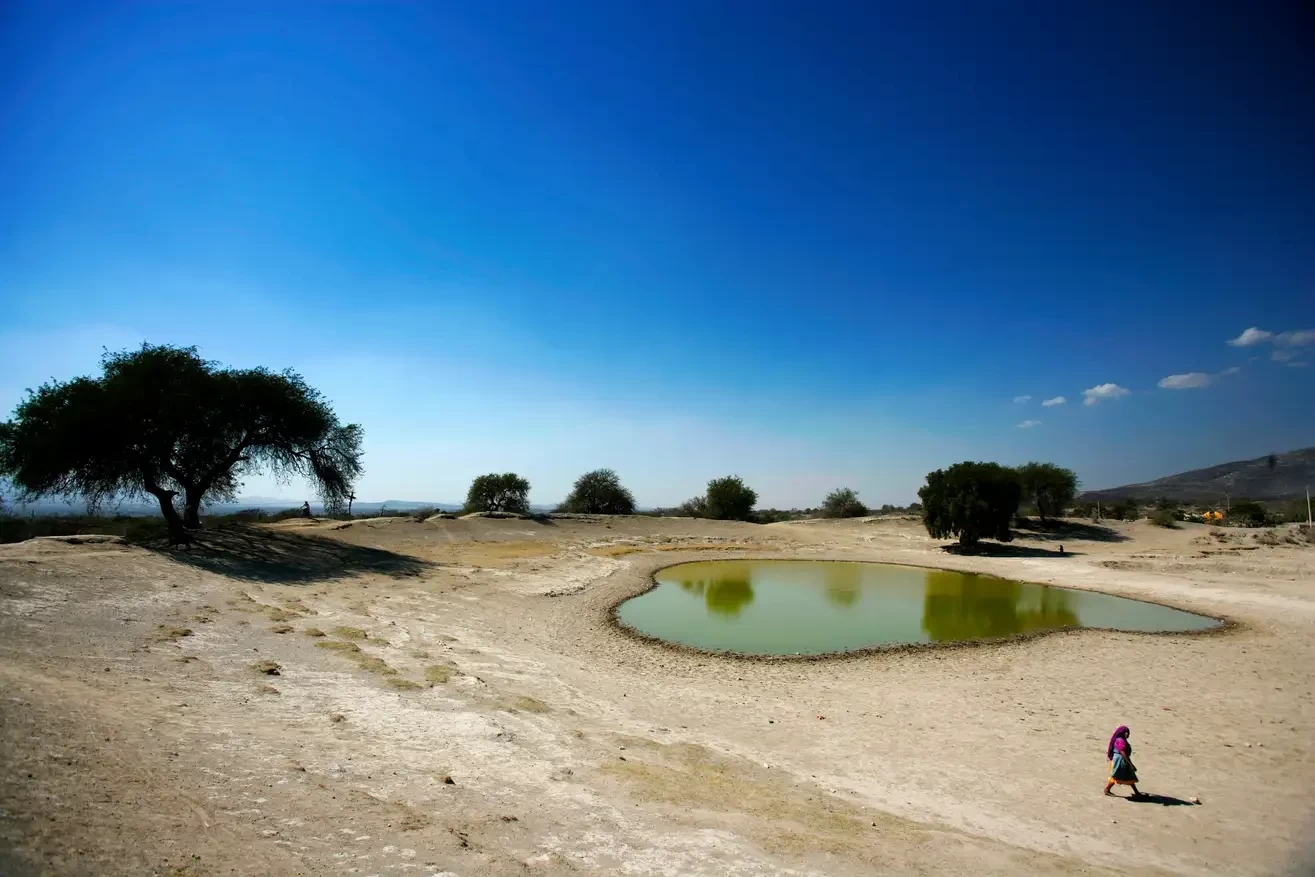
Water stands as one of the most essential components of human existence and sustainable societal progress. Despite our planet being enveloped by water bodies covering two-thirds of its surface, a mere 2.5% of these aquatic expanses comprise freshwater reserves. And out of this, a mere 1% is realistically viable for human consumption due to a significant portion being locked in ice formations. The uneven global distribution of this precious freshwater casts some regions into a disadvantageous position. This situation is further exacerbated by the swift surge in population numbers and the escalating challenges posed by climate change.
The World Health Organization estimates that 2.2 billion people lack access to clean water, while 4.2 billion people lack adequate sanitation. One-fourth of the global population resides in countries characterized by high water stress, where demand consistently exceeds supply. Climate change is causing floods and droughts to become more frequent and severe, further exacerbating existing water risks (Iceland & Black, 2023). The swift increase in the world’s population is projected to lead to a 40% negative gap between water demand and available water resources by the year 2030 (“Water Resources Management”, n.d.).
The ongoing depletion of water resources and the concerning future projections regarding this matter are raising concerns about conflict risks. Both official institutions of various countries and civil society organizations are expressing the anticipation of heightened conflicts stemming from water security issues. In this situation, we’re focusing on the Middle East and North Africa, which are facing some of the most serious water shortages globally. Out of the 17 countries in the world that are dealing with the highest water stress, 12 of them are found in the Middle East and North Africa. It is predicted that by 2030, the annual per capita water availability in this region will fall below the threshold of 500 cubic meters per person, which is considered as absolute water scarcity. The World Bank has stated that climate-related water scarcity in this region could lead to economic losses equivalent to 14% of the total GDP by 2050 (Hofste, Reig ve Schleifer, 2019).
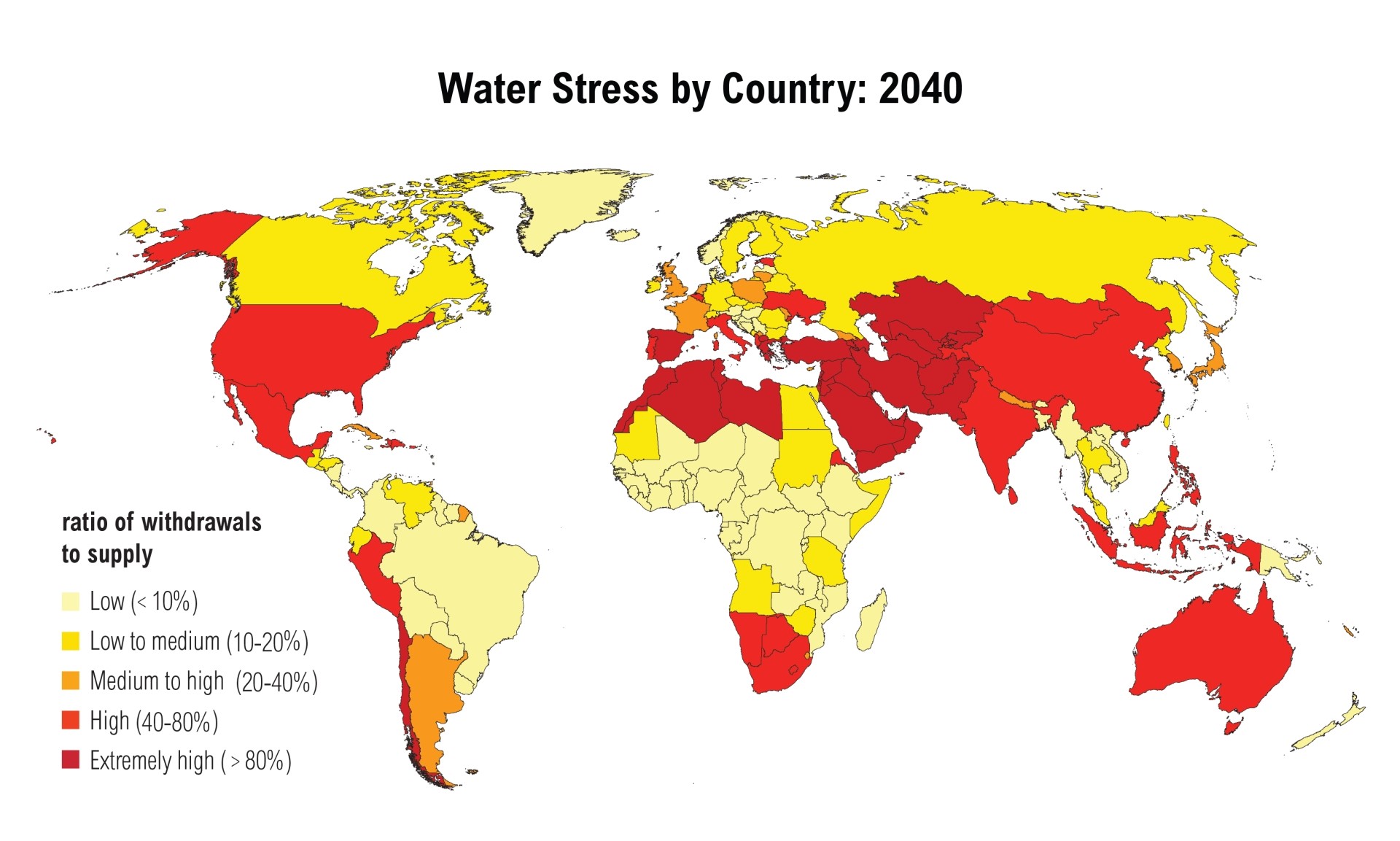
Figure 1. Expected Water Stress Levels in Countries by 2040
Source: World Resources Institute
Looking ahead to 2040, it’s notable that 14 out of the 33 countries projected to experience the most significant water shortages are situated in the Middle East. Specifically, countries like Bahrain, Kuwait, Palestine, Qatar, the United Arab Emirates, Israel, Saudi Arabia, Oman, and Lebanon are expected to face highly critical water stress. The Middle East, already the region with the weakest water security, is on course to confront even more formidable water-related challenges in the foreseeable future (Maddocks, Young and Reig, 2015). The failure to meet water supply demands and the exacerbation of water scarcity are triggering political and economic instability in the Middle East. To accurately analyze the tensions within the context of water security, it would be meaningful to take a closer look at the water resources in the region.
Water Resources in the Middle East
While accommodating around 5% of the global population, the Middle East possesses a mere 1% of renewable water resources. Precipitation, rivers, and groundwater constitute the primary water sources. In this arid region, characterized by its dry climate, a minimum of 80% of the annual total rainfall evaporates and goes to waste (Akbaş, 2015). The significant water demand in this region is predominantly supplied by four major sources: the Shatt al-Arab River, formed by the convergence of the Tigris and Euphrates rivers originating from Türkiye; the Nile River traversing through nine countries’ boundaries; the Jordan River emerging from the Golan Heights; and the Litani and Orontes Rivers.
Among the four rivers in the Middle East, the Nile River boasts the highest capacity. With an annual average water volume of 84 billion cubic meters, the Nile River’s basin spans nine countries. However, Egypt claims ownership of about 70% of the waters. While Egypt defends its historical usage rights over the river, the construction of the Grand Ethiopian Renaissance Dam, initiated by Ethiopia in 2011, has brought these two countries into conflict. With a total water volume roughly comparable to the Nile River, the Tigris and Euphrates Rivers are shared by Türkiye, Iraq, and Syria as neighbouring countries. Differences in interpretations concerning the river basins among these three nations have repeatedly heightened political tensions in the past.
The Jordan River, with a capacity approximately 1.5% of the annual water volume carried by the Nile River, is shared by Israel, Jordan, Palestine, and Syria. Disputes over the river’s resources constitute a significant topic on the agenda among these countries. Although the Orontes River, originating in the Bekaa Valley and flowing through Syria and Türkiye, and the Litani River located within Lebanese territory carry relatively small amounts of water, they still remain important resources in the region (Bilen, 2000).
Due to arid climate conditions, the Middle East and North Africa represent the world’s most water-scarce region, and this issue is exacerbated by climate change and the continual growth of the population. However, the water problem in the region is not solely a geographical matter; it’s also a matter of governance and politics. Governments are failing to put forth the necessary policies for efficient utilization of existing water resources and mitigating the impact of water scarcity.
In the realm of agriculture, substantial water wastage is occurring through the utilization of traditional irrigation methods. The scarcity of surface water has prompted the intensive use of groundwater. However, excessive withdrawal of groundwater is diminishing water quality, and regulatory shortcomings complicate oversight of this issue. The failure of the local populace to optimize water consumption exacerbates daily squandering. Additionally, a significant 82% of wastewater in the region remains unutilized. The treatment and reuse of wastewater hold paramount importance not only for efficient water utilization but also for the preservation of existing water reservoirs.
The ongoing water issue in the region is further exacerbated by conflicts and the interference of non-state entities in water resources. Water sources are becoming polluted, the use of dams is being curtailed, and the structures transporting water are sustaining damage. During the transportation of water from its origin to its destination, roughly 50% is lost due to leaks and inefficiencies. The impaired water infrastructure cannot be swiftly repaired, thus intensifying the crisis (Maden, 2021).
The Role of Water in Conflicts
Escalating water scarcity and ominous future projections have compelled nations to perceive water not merely as a technical concern, but also as a pivotal aspect of national security, and a potent political and economic tool. Similar to oil, water has evolved into an inseparable facet of politics and security, frequently pitting countries against each other (Pedraza & Heinrich, 2016).
Since the 1950s, water scarcity has repeatedly pushed the Middle East to the brink of conflict or sparked local uprisings. In 1953, Israel’s redirection of the Upper Jordan River waters from the Sea of Galilee to the Negev Desert through the National Water Carrier marked the beginning of water competition between Israel and Arab states. This situation became one of the underlying causes of the 1967 Six-Day War. Through this conflict, Israel gained control over water resources in the Golan Heights and subsequently attempted to secure a share of the Litani River by occupying Lebanon in the following years.
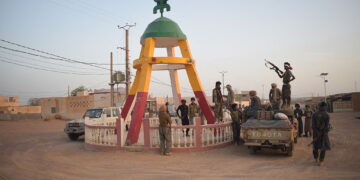
One of the regions characterized by heightened tensions is the basin of the Tigris and Euphrates Rivers. The competing claims of Syria and Iraq for a larger share of river usage, coupled with Türkiye’s role as the source country constructing dams for more efficient water utilization, have repeatedly brought these parties to the brink of conflict. The eruption of the Syrian war in 2011 introduced terrorist groups into the regional water equation. Since 2014, ISIS has seized control of cities surrounding the Tigris and Euphrates, gaining dominance over several dams. This occupation has inflicted damage on the region’s water infrastructure, polluted water sources, and weaponized dam water as a means of threat against the local populace (Sınmaz, 2017).
The swift population surge and concentrated urbanization in the Middle East are intensifying the potential for water scarcity to fuel conflicts. Within the Middle East and North Africa, population growth is markedly high, standing at approximately 2% annually outpacing other global regions. Projections anticipate nearly 400 million people to reside in urban areas within the region by 2050. The rising density of urban populations is placing a distinctive strain on water resources. Within cities, the escalating demand for water infrastructure may further erode the quality of life, consequently amplifying grievances directed towards governing authorities. This circumstance is likely to incite the younger generation to demand enhanced governance and elevated socio-economic standards, potentially leading to confrontations with existing administrations (Baconi, 2018).
War or Peace: The Dilemma Ahead
The concept of “water wars” has gained significant traction on the global stage since the 1990s. The mounting tensions associated with the allocation of water resources appear to lend credence to this notion. However, research and analyses proposing that water could serve as a catalyst for peace rather than conflict have also been actively pursued. Experts who challenge the “water wars” hypothesis contend that water scarcity rarely escalates into large-scale warfare, citing instances throughout history where cooperation prevailed. Meanwhile, the consensus remains that water can indeed play a role in fomenting internal conflicts (Wolf vd., 2006).
The utilization of water resources significantly contributes to intensifying the existing tensions and instability in the Middle East, posing risks of conflicts related to water in the years ahead. Nevertheless, the presence of rivers and underground aquifers across the borders of multiple countries in the region, coupled with the vital importance of water for all nations, underscores the imperative for cooperation. To successfully manage and cope with water scarcity, there is no doubt that collaboration yields more benefits than conflict. Water scarcity presents a major threat to the entire region, and this threat can only be addressed by all parties recognizing collaboration as the sole option. To achieve rapid and sustainable solutions, it is necessary to put aside all differences and disagreements and seek ways to enhance cooperation among the regional countries through international encouragement and sponsorship.
References
Akbaş, Z. (2015). Türkiye’nin Fırat ve Dicle Sınıraşan Sularından Kaynaklanan Güvenlik Sorunu ve Çatışma Riski. Bilig, 72, 93-116.
Baconi, T. (2018). Testing the Water: How Water Scarcity Could Destabilize the Middle East and North Africa. European Council on Foreign Relations.
Bilen, Ö. (2000). Ortadoğu Su Sorunları ve Türkiye (2. Baskı). İstanbul: Tesav Yayınları.
Hofste, R. W., Reig, P., & Schleifer, L. (2019). 17 Countries, Home to One-Quarter of the World’s Population, Face Extremely High Water Stress. World Resources Institute. Retrieved August 5, 2023, from https://www.wri.org/insights/17-countrieshome-one-quarter-worlds-population-face-extremelyhigh-water-stress
Iceland, C., & Black, C. (2023). UN Water Conference 2023: Not Enough Game-changing Commitments. World Resources Institute. Retrieved August 6, 2023, from https://www.wri.org/ insights/un-water-conference-2023-needed-outcomes
Maddocks, A., Young, R. S., & Reig, P. (2015). Ranking the World’s Most Water-Stressed Countries in 2040. World Resources Institute. Retrieved August 5, 2023, from https://www.wri.org/ insights/ranking-worlds-most-water-stressed-countries-2040
Maden, T. E. (2021). Ortadoğu’da Çok Boyutlu Su Meselesini Değerlendirme. Ortadoğu Analiz Dergisi, 12(100), 36-39.
Pedraza, L. E., & Heinrich, M. (2016). Water Scarcity: Cooperation or Conflict in the Middle East and North Africa? Foreign Policy Journal. Retrieved August 6, 2023, from https://www. foreignpolicyjournal.com/2016/09/02/water-scarcitycooperation-or-conflict-in-the-middle-east-and-northafrica/
Sınmaz, K. (2017). Ortadoğu Su Krizi ve Türkiye. IHH Research Centre, Araştırma 38, Mayıs 2017. World Resources Management. (n.d.).
World Bank. Retrieved August 4, 2023, from https://www.worldbank.org/en/topic/ waterresourcesmanagement#1
Wolf, A. T., Kramer, A., Carius, A., & Dabelko, G. D. (2006). Water can be a Pathway to Peace, not War. Woodrow Wilson International Center for Scholars. Retrieved August 6, 2023, from https://www.wilsoncenter.org/sites/default/files/ media/documents/publication/NavigatingPeaceIssue1.pdf