








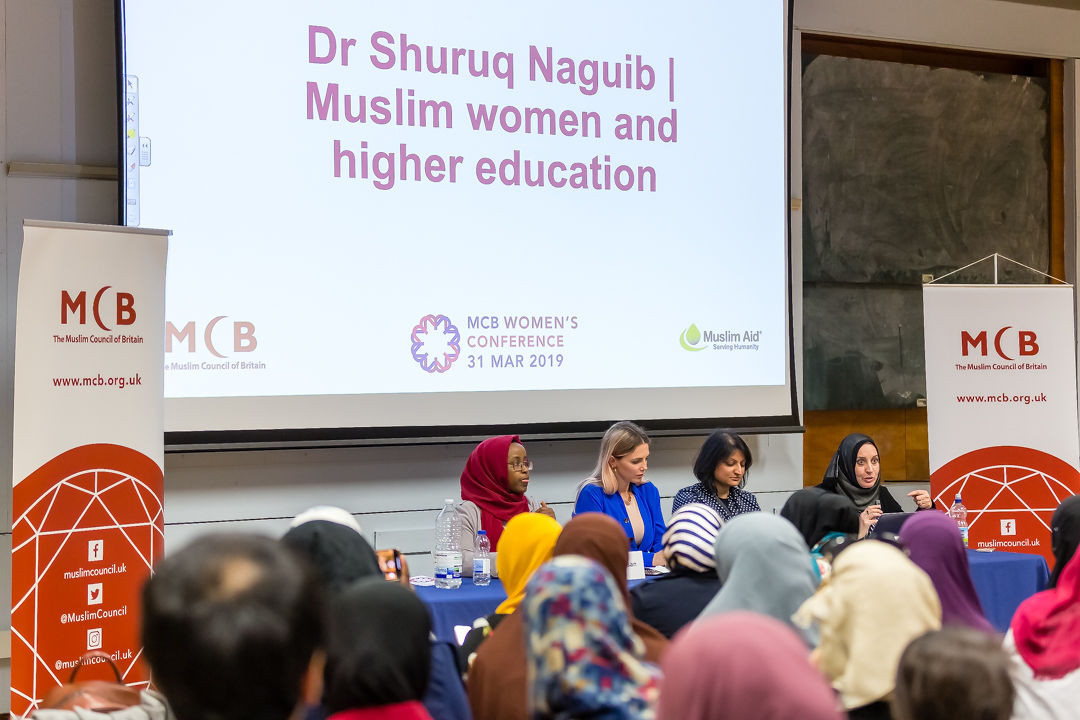
In the constantly changing terrain of higher education, the enduring challenge persists with the underrepresentation of women in leadership roles, especially within Muslim societies. This article probes deep into the complex interplay of cultural, societal, and religious factors that have historically shaped the participation of women in leadership roles. In addition, it scrutinizes contemporary initiatives dedicated to dismantling these barriers, shedding light on the ongoing efforts to address this long-standing issue and promote greater gender equality in leadership within educational contexts.
The roots of women’s education in Muslim societies can be traced back to the early Islamic period, marked by the establishment of educational institutions known as madāris, where women had the opportunity to access knowledge on par with men. Influential figures such as Aisha and Fatimah played pivotal roles in shaping the early tradition of women scholars. However, as time progressed, a myriad of factors, including the impact of colonialism and patriarchal interpretations of Islamic teachings, imposed restrictions on the educational opportunities available to women. Despite the initial strides in fostering gender equality in education, these external influences contributed to the limitations placed on women’s educational pursuits within Muslim societies (Anjum, 2006; Barlow & Akbarzadeh, 2017).
Cultural norms and societal expectations play a crucial role in shaping the extent of women’s participation in higher education leadership within Muslim societies. The influence of traditional gender roles is particularly noteworthy, as they frequently emphasize that women should prioritize familial responsibilities over their career aspirations. Consequently, women may encounter barriers to advancing within educational leadership due to these deeply ingrained cultural expectations. Moreover, the degree of conservatism prevalent in society further affects the educational opportunities available to women, with more liberal societies affording greater freedom for women to actively pursue and occupy leadership roles in higher education. In such progressive environments, women may find themselves more empowered to break free from societal constraints and contribute significantly to educational leadership. Thus, an intricate interplay between cultural norms, gender roles, and the overall societal landscape significantly shapes the trajectory of women in higher education leadership roles in Muslim societies (Alsubaie & Jones, 2017; Samier, 2016).
Religious interpretations within Islam also play an immensely significant and central role in shaping the opportunities and access that women have to leadership roles within the realm of higher education. The Quranic principle emphasizing gender equity serves as a focal point for diverse interpretations by scholars and religious authorities, thereby resulting in a spectrum of perspectives that influence the inclusivity of women in educational leadership positions. Some interpretations enthusiastically advocate for and promote women’s active academic engagement, fostering an environment that encourages their participation and contribution. On the contrary, alternative interpretations adopt a more conservative stance, imposing restrictions on women’s involvement in educational leadership roles based on stringent readings of Islamic texts. These varied perspectives within the religious framework contribute to the complex landscape that shapes the trajectory of women’s participation and influence in higher education leadership within the context of Islam (Larsen et al., 2013; Mahmood, 2005).
The varied perspectives within the religious framework contribute to the complex landscape that shapes the trajectory of women’s participation and influence in higher education leadership within the context of Islam
To tackle the prevalent issue of the underrepresentation of women in leadership roles within higher education, numerous initiatives have been strategically implemented in various Muslim societies. A prime example of such endeavors can be observed in Qatar, where the Qatar Foundation has taken significant steps to address this disparity. One particularly noteworthy case study revolves around the establishment of initiatives like the “Distinguished Arab Women Scholars.” This visionary program is specifically designed to empower and provide substantial support to women actively engaged in the academic sphere. The initiative aims to cultivate a more inclusive and diverse higher education leadership landscape by fostering an environment conducive to their growth and advancement. Furthermore, the Distinguished Arab Women Scholars program in Qatar is a commendable initiative that emphasizes identifying and championing exceptional women within academia. This noteworthy program not only serves as a conduit for women to exhibit their remarkable achievements but also actively cultivates mentorship opportunities, thereby playing a pivotal role in nurturing the next generation of female scholars. By doing so, it contributes significantly to the cultivation of a more inclusive and diverse academic environment, reinforcing the importance of recognizing and supporting the invaluable contributions of women in scholarly pursuits (Qatar Foundation, 2023; Sellami et al., 2022).
A parallel initiative that merits attention is Saudi Arabia’s committed effort through the “Women in STEM” program. This undertaking is strategically designed to tackle the underrepresentation of women in leadership roles within the realms of Science, Technology, Engineering, and Mathematics (STEM) disciplines. The core objective of this initiative is to amplify the presence of women in leadership positions within higher education, particularly focusing on STEM-related fields. By actively encouraging and promoting the participation of women in these crucial areas, Saudi Arabia aims to usher in a positive transformation, breaking down barriers and fostering gender equality in higher education leadership. Through these concerted efforts, both Qatar and Saudi Arabia demonstrate a shared commitment to creating an environment where women can thrive and contribute meaningfully to the academic landscape, thereby reshaping the future of higher education in the region. Furthermore, Saudi Arabia’s Women in STEM program is a comprehensive and well-thought-out strategic initiative that seeks to significantly amplify the involvement of women in the expansive realms of science, technology, engineering, and mathematics. This groundbreaking program goes beyond conventional measures, as it not only offers substantial scholarships but also extends valuable mentorship and a plethora of professional development opportunities. The overarching objective is to dismantle deeply entrenched gender barriers that have historically hindered women’s progress in these critical fields. Through fostering an environment of inclusivity and empowerment, the program aspires to inspire and embolden women to actively and confidently pursue leadership roles within the dynamic landscape of STEM-related disciplines, ultimately contributing to the creation of a more diverse and innovative workforce (Sellami et al., 2022).
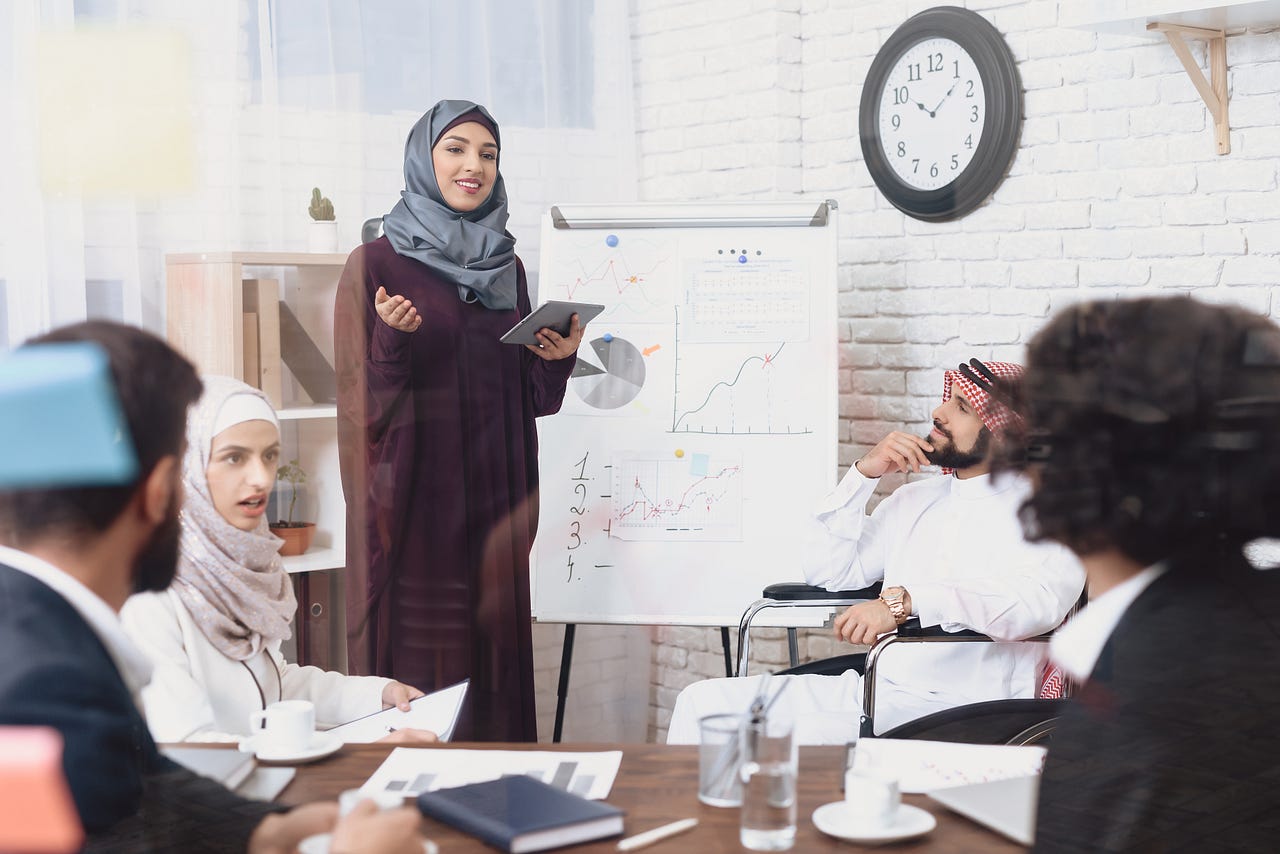
Researchers underscore the critical significance of acknowledging and effectively addressing the intricate array of challenges that women face when aspiring to assume leadership roles within the context of higher education in Muslim societies. The multifaceted nature of these challenges is rooted in cultural norms, societal expectations, and diverse interpretations of religious doctrines, which collectively present formidable barriers. Nevertheless, it is noteworthy that initiatives geared towards facilitating progress, such as mentorship programs, comprehensive leadership training initiatives, and robust support networks, have demonstrated considerable success in fostering increased participation of women in various leadership capacities within the academic sphere. These proactive measures play a pivotal role in dismantling existing barriers, enabling women to overcome hurdles and contribute meaningfully to leadership roles in higher education within Muslim societies.
The unequivocal success achieved by these initiatives vividly highlights the imperative necessity for meticulously crafted solutions that judiciously take into account the intricate nuances of regional variations. It is paramount to acknowledge that not all societies adhering to the Muslim faith encounter identical challenges, and the methodologies proving efficacious in one particular context may not possess universal applicability. Thus, it becomes indispensable to embrace a profound recognition of the diversity inherent within Muslim-majority nations, as this serves as the foundational cornerstone for the formulation of interventions that are not only effective but also imbued with inclusivity.
A Call to Action
While examining women’s scholarship and participation in higher education leadership within Muslim societies, several key observations emerge that underscore the significance of recognizing and actively dealing with cultural norms. Additionally, it emphasizes constructive engagement with religious interpretations and the implementation of initiatives geared toward fostering mentorship and support networks. These crucial insights underscore the need for a multifaceted approach that integrates cultural sensitivity, religious understanding, and supportive structures to enhance the involvement of women in leadership roles within the context of higher education in Muslim societies. Addressing these aspects comprehensively can contribute to the creation of an inclusive and empowering educational environment that facilitates the growth and success of women in leadership positions, ultimately enriching the entire academic landscape.
This article strongly advocates for proactive involvement from educators, policymakers, and civil society, urging them to carefully reflect upon the insights presented here while dedicating their endeavors to enhance the representation and participation of women in scholarly pursuits and higher education leadership within Muslim societies. Overcoming the obstacles impeding advancement necessitates a concerted and cooperative strategy that engages stakeholders across various echelons. The imperative lies in nurturing inclusivity, comprehending regional subtleties, and customizing interventions to create a conducive environment, thereby laying the groundwork for a future marked by enhanced equity in leadership roles within the sphere of higher education in Muslim societies. By joining forces, we possess the potential to dismantle these barriers and facilitate the empowerment of women, enabling them to assume leadership roles with authority and influence in the academic realm.
References
Alsubaie, A., & Jones, K. (2017). An overview of the current state of women’s leadership in higher education in Saudi Arabia and a proposal for future research directions. Administrative Sciences, 7(4), 36.
Amin, H. A. (2001). The origins of the Sunni/Shia split in Islam. Islam For Today. Retrieved from http://www.islamfortoday.com/shia.htm
Anjum, T. (2006). Women and gender in Islam: Historical roots of a modern debate. USA: Yale University Press.
Barlow, R., & Akbarzadeh, S. (2017). Women’s rights in the Muslim world: reform or reconstruction? In International Law and Islamic Law, 411–424. London: Routledge.
Larsen, L., Mir-Hosseini, Z., Moe, C., & Vogt, K. (2013). Gender and equality in Muslim family law: Justice and ethics in the Islamic legal tradition. London: Bloomsbury Publishing.
Mahmood, S. (2005). Politics of Piety: The Islamic revival and the feminist subject. USA: Princeton University Press.
Qatar Foundation. (2023). ECSS / Women Empowerment. Qatar Foundation. Retrieved from https://www.qf.org.qa/education-city-speaker-series/women-empowerment
Samier, E. (2016). Emirati women’s higher educational leadership formation under globalisation: Culture, religion, politics, and the dialectics of modernisation. In Globalised re/gendering of the academy and leadership, 51–66. London: Routledge.
Sellami, A., Arar, K., & Sawalhi, R. (2022). Higher education and scientific research in the Arabian Gulf States: Opportunities, aspirations, and challenges. London: Routledge.