








İLKE Vakfı
Platform
No Result
View All Result
  • PLATFORM
  • HABERLER
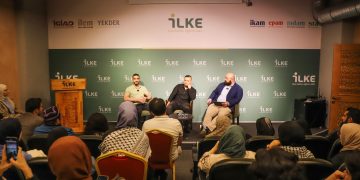
    İLKE Agenda: Muzzammil Ayyub Thakur ile Keşmir’in “Filistinleştirilmesi”

    İLKE Agenda: Muzzammil Ayyub Thakur ile Keşmir’in “Filistinleştirilmesi”

    İLKE Agenda: Muzzammil Ayyub Thakur ile Keşmir’in “Filistinleştirilmesi”

    The Platform Talks: Kinda Hawasli ile 8 Aralık Sonrası Suriye

    İLKE Agenda: Muzzammil Ayyub Thakur ile Keşmir’in “Filistinleştirilmesi”

    The Platform Talks: Azzam Tamimi ile 7 Ekim Sonrası Filistin

    İLKE Agenda: Muzzammil Ayyub Thakur ile Keşmir’in “Filistinleştirilmesi”

    İLKE Agenda: Gazze Soykırımı Günlerinde Aktivizm ve İslamofobi

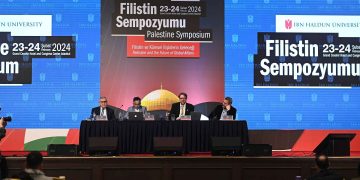
    Filistin Sempozyumu: Filistin ve Küresel İlişkilerin Geleceği

    Filistin Sempozyumu: Filistin ve Küresel İlişkilerin Geleceği

    Filistin Sempozyumu: Filistin ve Küresel İlişkilerin Geleceği

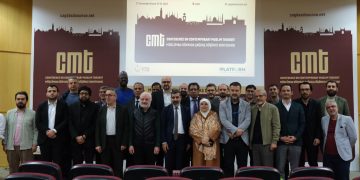
    Müslüman Dünyada Çağdaş Düşünce Konferansı’nda buluşuyoruz!

    Filistin Sempozyumu: Filistin ve Küresel İlişkilerin Geleceği

    Müslüman Dünyada Çağdaş Düşünce Konferansı

    Filistin Sempozyumu: Filistin ve Küresel İlişkilerin Geleceği

    Dr. Jonathan Brown “İslam’ın Siyahiliğe ve Köleliğe Yaklaşımı” adlı seminer gerçekleştirdi.

  • ANALİZLER
    • All
    • Düşünce
    • Eğitim
    • Ekonomi
    • Enerji ve Çevre
    • Göç
    • Medya, Kültür ve Sanat
    • Temel Hak ve Özgürlükler
    • Toplumsal Meseleler
    The Gravity of What Took Place at Al-Aqsa Mosque During Ramadan 2026

    Ramazan 2026’da Mescid-i Aksa’da Yaşananların Ciddiyeti

    AFP/GETTY IMAGES

    FLA-JNIM İş Birliği ve Mali’de Değişen Güvenlik Dinamikleri

    Sosyal Medyada İslamcı-Muhafazakâr Kamusallığın Dönüşümü Üzerine

    Sosyal Medyada İslamcı-Muhafazakâr Kamusallığın Dönüşümü Üzerine

    Bangladeş’te 2026 Seçimleri Sonrası Siyasi Tartışmalar

    Bangladeş’te 2026 Seçimleri Sonrası Siyasi Tartışmalar

    Filistin’de Çocuk Olmak: 5 Nisan Filistinli Çocuklar Günü

    Filistin’de Çocuk Olmak: 5 Nisan Filistinli Çocuklar Günü

    Security, Fragility, and the Search for a New Equilibrium in the Gulf Following the Iranian Attacks

    İran Saldırıları Sonrası Körfez’de Güvenlik, Kırılganlık ve Yeni Denge Arayışı

  • SÖYLEŞİLER
    The Decolonization of Knowledge: Interview with Professor Souleymane Bachir Diagne

    Bilginin Dekolonizasyonu: Profesör Souleymane Bachir Diagne ile Röportaj

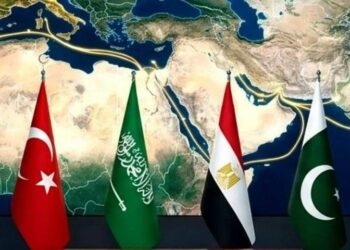
    A Possible New Breath in Regional Balances: The Alliance of Türkiye, Pakistan, Egypt, and Saudi Arabia

    Bölgesel Dengelerde Olası Yeni Bir Soluk: Türkiye, Pakistan, Mısır ve Suudi Arabistan İttifakı

    Digital Ummah and Muslim Identity: Dr. Sahar Khamis Interview

    Dijital Ümmet ve Müslüman Kimliği: Dr. Sahar Khamis ile Röportaj

    From the Ballot Box to the Street: The Rising Social Wave in Tanzania After the Election

    Sandıktan Sokağa: Tanzanya’da Seçim Sonrası Yükselen Toplumsal Dalga

    Müslüman Nüfusa Karşı Güvenlikleştirme

    Müslüman Nüfusa Karşı Güvenlikleştirme

    Gurbet Hikayeleri

    Gurbet Hikayeleri

    Göçü Yönetmek: Dr. Mehmet Köse’yle Söyleşi

    Göçü Yönetmek: Dr. Mehmet Köse’yle Söyleşi

    İstanbul’daki Uluslararası Öğrencilerle Söyleşi

    İstanbul’daki Uluslararası Öğrencilerle Söyleşi

    Zaytuna College Lisansüstü Eğitim Dekanı Maşuk Yamaç’la Söyleşi

    Zaytuna College Lisansüstü Eğitim Dekanı Maşuk Yamaç’la Söyleşi

  • DÜNYADAN SESLER
    Voices from the Muslim World | Sari Hanafi (with Turkish subtitles)

    Voices from the Muslim World | Sari Hanafi (with Turkish subtitles)

    Voices from the Muslim World | Ovamir Anjum

    Voices from the Muslim World | Ovamir Anjum

    VOICES FROM THE MUSLIM WORLD | DR. YASIR QADHI

    VOICES FROM THE MUSLIM WORLD | DR. YASIR QADHI

    VOICES FROM THE MUSLIM WORLD | DR. ADEEL MALIK

    VOICES FROM THE MUSLIM WORLD | DR. ADEEL MALIK

  • SAYILAR
  • VERİTABANI
    • All
    • Hareketler
    • Kurumlar
    • Şahsiyetler
    Pak-Türk Maarif

    Pak-Türk Maarif

    İslam Vakfı

    İslam Vakfı

    Avrupa Fetva ve Araştırma Konseyi

    Avrupa Fetva ve Araştırma Konseyi

    Tokyo Camii ve Diyanet Türk Kültür Merkezi

    Tokyo Camii ve Diyanet Türk Kültür Merkezi

  • PLATFORM
  • HABERLER
    İLKE Agenda: Muzzammil Ayyub Thakur ile Keşmir’in “Filistinleştirilmesi”

    İLKE Agenda: Muzzammil Ayyub Thakur ile Keşmir’in “Filistinleştirilmesi”

    İLKE Agenda: Muzzammil Ayyub Thakur ile Keşmir’in “Filistinleştirilmesi”

    The Platform Talks: Kinda Hawasli ile 8 Aralık Sonrası Suriye

    İLKE Agenda: Muzzammil Ayyub Thakur ile Keşmir’in “Filistinleştirilmesi”

    The Platform Talks: Azzam Tamimi ile 7 Ekim Sonrası Filistin

    İLKE Agenda: Muzzammil Ayyub Thakur ile Keşmir’in “Filistinleştirilmesi”

    İLKE Agenda: Gazze Soykırımı Günlerinde Aktivizm ve İslamofobi

    Filistin Sempozyumu: Filistin ve Küresel İlişkilerin Geleceği

    Filistin Sempozyumu: Filistin ve Küresel İlişkilerin Geleceği

    Filistin Sempozyumu: Filistin ve Küresel İlişkilerin Geleceği

    Müslüman Dünyada Çağdaş Düşünce Konferansı’nda buluşuyoruz!

    Filistin Sempozyumu: Filistin ve Küresel İlişkilerin Geleceği

    Müslüman Dünyada Çağdaş Düşünce Konferansı

    Filistin Sempozyumu: Filistin ve Küresel İlişkilerin Geleceği

    Dr. Jonathan Brown “İslam’ın Siyahiliğe ve Köleliğe Yaklaşımı” adlı seminer gerçekleştirdi.

  • ANALİZLER
    • All
    • Düşünce
    • Eğitim
    • Ekonomi
    • Enerji ve Çevre
    • Göç
    • Medya, Kültür ve Sanat
    • Temel Hak ve Özgürlükler
    • Toplumsal Meseleler
    The Gravity of What Took Place at Al-Aqsa Mosque During Ramadan 2026

    Ramazan 2026’da Mescid-i Aksa’da Yaşananların Ciddiyeti

    AFP/GETTY IMAGES

    FLA-JNIM İş Birliği ve Mali’de Değişen Güvenlik Dinamikleri

    Sosyal Medyada İslamcı-Muhafazakâr Kamusallığın Dönüşümü Üzerine

    Sosyal Medyada İslamcı-Muhafazakâr Kamusallığın Dönüşümü Üzerine

    Bangladeş’te 2026 Seçimleri Sonrası Siyasi Tartışmalar

    Bangladeş’te 2026 Seçimleri Sonrası Siyasi Tartışmalar

    Filistin’de Çocuk Olmak: 5 Nisan Filistinli Çocuklar Günü

    Filistin’de Çocuk Olmak: 5 Nisan Filistinli Çocuklar Günü

    Security, Fragility, and the Search for a New Equilibrium in the Gulf Following the Iranian Attacks

    İran Saldırıları Sonrası Körfez’de Güvenlik, Kırılganlık ve Yeni Denge Arayışı

  • SÖYLEŞİLER
    The Decolonization of Knowledge: Interview with Professor Souleymane Bachir Diagne

    Bilginin Dekolonizasyonu: Profesör Souleymane Bachir Diagne ile Röportaj

    A Possible New Breath in Regional Balances: The Alliance of Türkiye, Pakistan, Egypt, and Saudi Arabia

    Bölgesel Dengelerde Olası Yeni Bir Soluk: Türkiye, Pakistan, Mısır ve Suudi Arabistan İttifakı

    Digital Ummah and Muslim Identity: Dr. Sahar Khamis Interview

    Dijital Ümmet ve Müslüman Kimliği: Dr. Sahar Khamis ile Röportaj

    From the Ballot Box to the Street: The Rising Social Wave in Tanzania After the Election

    Sandıktan Sokağa: Tanzanya’da Seçim Sonrası Yükselen Toplumsal Dalga

    Müslüman Nüfusa Karşı Güvenlikleştirme

    Müslüman Nüfusa Karşı Güvenlikleştirme

    Gurbet Hikayeleri

    Gurbet Hikayeleri

    Göçü Yönetmek: Dr. Mehmet Köse’yle Söyleşi

    Göçü Yönetmek: Dr. Mehmet Köse’yle Söyleşi

    İstanbul’daki Uluslararası Öğrencilerle Söyleşi

    İstanbul’daki Uluslararası Öğrencilerle Söyleşi

    Zaytuna College Lisansüstü Eğitim Dekanı Maşuk Yamaç’la Söyleşi

    Zaytuna College Lisansüstü Eğitim Dekanı Maşuk Yamaç’la Söyleşi

  • DÜNYADAN SESLER
    Voices from the Muslim World | Sari Hanafi (with Turkish subtitles)

    Voices from the Muslim World | Sari Hanafi (with Turkish subtitles)

    Voices from the Muslim World | Ovamir Anjum

    Voices from the Muslim World | Ovamir Anjum

    VOICES FROM THE MUSLIM WORLD | DR. YASIR QADHI

    VOICES FROM THE MUSLIM WORLD | DR. YASIR QADHI

    VOICES FROM THE MUSLIM WORLD | DR. ADEEL MALIK

    VOICES FROM THE MUSLIM WORLD | DR. ADEEL MALIK

  • SAYILAR
  • VERİTABANI
    • All
    • Hareketler
    • Kurumlar
    • Şahsiyetler
    Pak-Türk Maarif

    Pak-Türk Maarif

    İslam Vakfı

    İslam Vakfı

    Avrupa Fetva ve Araştırma Konseyi

    Avrupa Fetva ve Araştırma Konseyi

    Tokyo Camii ve Diyanet Türk Kültür Merkezi

    Tokyo Camii ve Diyanet Türk Kültür Merkezi

No Result
View All Result
Platform
No Result
View All Result
Home Analyses

Surveillance as Erasure: How China’s Digital Infrastructure, the IJOP, Targets Uyghur Identity

Ifat Gazia by Ifat Gazia
7 Kasım 2025
in Analyses, Opinion
0
Surveillance as Erasure: How China’s Digital Infrastructure, the IJOP, Targets Uyghur Identity
0
SHARES
17
VIEWS
Share on FacebookShare on Twitter

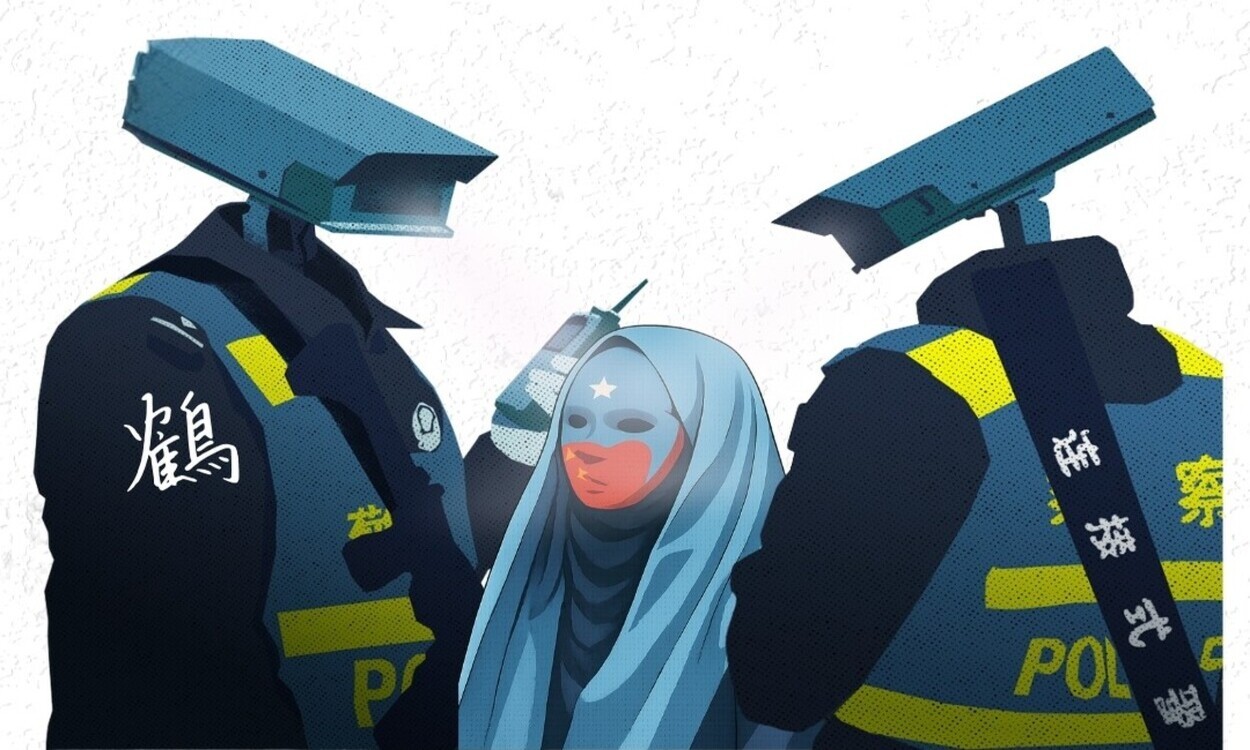
The Chinese state’s technological surveillance of Uyghurs in East Turkestan constitutes a severe form of repression through the Integrated Joint Operations Platform (IJOP). This system criminalizes cultural and religious practices, fosters arbitrary detention, and aims to erase Uyghur identity, posing global risks as similar technologies spread internationally.

The Chinese state’s technological control over Uyghurs in East Turkestan is not merely an extension of traditional authoritarian methods. It is a deeply insidious, total, and enduring form of repression. Over the past decade, the Integrated Joint Operations Platform (IJOP) has emerged as the central nervous system of a sprawling mass surveillance architecture, one that uses predictive policing, facial recognition, and biometric databases to monitor, sort, and punish Uyghurs in East Turkestan (Xinjiang). This system not only watches Uyghurs but also preemptively criminalizes them. As Human Rights Watch (2019) has documented, technologies like IJOP actively shape life in occupied regions, deciding whose presence is visible, whose identity is recognized, and whose existence is effectively disposable.

As Human Rights Watch (2019) has documented, technologies like IJOP actively shape life in occupied regions, deciding whose presence is visible, whose identity is recognized, and whose existence is effectively disposable.

Data from police checkpoints, security cameras, Wi-Fi sniffers, and smartphone scans are fused into an ever-expanding database that flags “suspicious” behavior. Suspicion is not tied to evidence of wrongdoing. Markers of cultural or religious life often trigger it. Possession of a Qur’an, use of WhatsApp, communication with relatives abroad, or attendance at a mosque can be recorded as potential threats (Australian Strategic Policy Institute [ASPI], n.d.; Human Rights Watch, 2019). Facial recognition systems deployed in public spaces feed into this database, matching Uyghur faces against watchlists in real time (Amnesty International, 2022). The result is an environment in which every gesture of faith, every act of memory, every expression of language becomes a data point in a system designed for repression.

Biometric collection deepens this control. Chinese authorities have taken DNA samples, voice recordings, iris scans, and even three-dimensional body scans from millions of Uyghurs, often under the guise of free health check-ups (Human Rights Watch, 2017). These biometric profiles are integrated into IJOP, creating a permanent record linking identity to suspicion. When surveillance becomes so granular that it can track the body itself, its movements, its voice, its biological essence, there is no refuge.Surveillance does not merely make people visible. It erases alternative ways of being. Cultural life becomes a source of risk until, eventually, it becomes safer not to live that life at all.

Surveillance does not merely make people visible. It erases alternative ways of being. Cultural life becomes a source of risk until, eventually, it becomes safer not to live that life at all.

This is not an abstract story of human rights violations. The pairing of IJOP’s predictive policing with arbitrary detention has created a direct pipeline to “re-education” camps, where Uyghurs are held indefinitely, subjected to political indoctrination, and often coerced into abandoning their religion and language (U.S. Department of Labor, 2024). During my Ph.D. fieldwork in Istanbul with Uyghur exiles, survivors described being punished for praying, for wearing traditional clothing, and for speaking Uyghur instead of Mandarin. These are not isolated abuses. They are intended outcomes of a system targeting the cultural, linguistic, and religious fabric of a people. Under the UN Convention on the Prevention and Punishment of the Crime of Genocide, the destruction of a group’s cultural and spiritual life constitutes an element of genocide (United Nations, 1948). By that measure, IJOP’s digital infrastructure is not merely an accessory to repression. It is a central tool in dismantling Uyghur identity.

What makes this infrastructure particularly dangerous is its combination of physical control with narrative manipulation. In my research on digital Potemkin villages, I documented how the erasure of Uyghur voices online is paired with state-sponsored influencer campaigns that portray East Turkestan as a peaceful and happy tourist destination. This substitution, replacing testimony with tourism, memory with myth, allows the state to deny atrocities even as they occur. In the logic of IJOP, the Uyghur who disappears from the street also disappears from the internet, replaced by an image of a compliant citizen or a sanitized cultural performance (Human Rights Watch, 2019).

The danger is not contained to East Turkestan. China’s surveillance technologies have already been sold to governments in Central Asia, Africa, and Latin America (Wall Street Journal, 2023). The combination of biometric tracking, AI-driven policing, and centralized data fusion offers authoritarian leaders an irresistible tool to criminalize dissent preemptively, strip populations of privacy, and enact cultural erasure under the guise of “stability” or “development” (Axios, 2022). If adopted elsewhere, this model could normalize automated repression globally.

There is also a feedback loop in the technology itself. The algorithms powering IJOP and its facial recognition systems are trained on biased datasets that disproportionately flag Muslim identity markers as suspicious (Amnesty International, 2022). These biases persist when the technology is exported, embedding discriminatory assumptions in AI systems. Digital erasure, as I argue in my dissertation, is not only about absence. It is about substitution, where AI extrapolates from what is visible online. When state violence has already silenced certain voices and narratives on the internet, AI-driven systems reinforce the erasures that have shaped their data.

We are entering an era in which automated moderation, predictive policing, and biometric surveillance converge into a single infrastructure of repression. For Uyghurs, that convergence has already brought devastating consequences: loss of freedom, the hollowing of cultural life, and the rewriting of history. For the rest of the world, it presents a choice. East Turkestan can be treated as a warning, a case study in how technology enables systematic genocide, or ignored, allowing the model to spread unchallenged to other authoritarian contexts.

The story of IJOP is not only about what is being done to Uyghurs; it is about the kind of future that becomes possible when such systems are normalized. If we fail to confront this reality, we risk inheriting a world in which surveillance is permanent, erasure is automated, and cultural extinction is just another application of technology (Human Rights Watch, 2019).

References

Amnesty International. (2022). China: Mass surveillance in Xinjiang and the digital erasure of Uyghurs.https://www.amnesty.org/en/latest/research/2022/03/china-uyghur-surveillance

Australian Strategic Policy Institute. (n.d.). How mass surveillance works in Xinjiang.https://xjdp.aspi.org.au/explainers/how-mass-surveillance-works-in-xinjiang/

Axios. (2022, June 14). Report: Hikvision cameras help Xinjiang police ensnare Uyghurs. https://www.axios.com/2022/06/14/report-hikvision-cameras-xinjiang-police-uyghurs

Human Rights Watch. (2017, December 13). China: Minority region collects DNA from millions.https://www.hrw.org/news/2017/12/13/china-minority-region-collects-dna-millions

Human Rights Watch. (2019, May 1). China’s algorithms of repression: Reverse-engineering a Xinjiang police mass surveillance app. https://www.hrw.org/report/2019/05/01/chinas-algorithms-repression/reverse-engineering-xinjiang-police-mass

U.S. Department of Labor. (2024, November 6). Uyghur and Turkic Muslims: Forced labour in China.https://hansard.parliament.uk/commons/2024-11-06/debates/7C4D516D-FC4F-4C8A-AC19-5BEC8D7769D8/UyghurAndTurkicMuslimsForcedLabourInChina

United Nations. (1948). Convention on the Prevention and Punishment of the Crime of Genocide. https://www.un.org/en/genocideprevention/documents/

Wall Street Journal. (2023, September 13). Canada reviewing request to sanction Hikvision, other Chinese surveillance companies. https://www.wsj.com/articles/canada-reviewing-request-to-sanction-hikvision-other-chinese-surveillance-companies-2e5d9cde


Tags: ChinaEast TurkistanUyghur
Previous Post

Suriye’nin Yeniden İnşası Bağlamında Geri Dönüş Dinamikleri

Next Post

Ben-Gvir’in Mescid-i Aksa Baskınları Neyin Habercisi?

Next Post
Ben-Gvir’s raids on Al-Aqsa Mosque: What Do They Signify?

Ben-Gvir’in Mescid-i Aksa Baskınları Neyin Habercisi?

Bir yanıt yazın Yanıtı iptal et

E-posta adresiniz yayınlanmayacak. Gerekli alanlar * ile işaretlenmişlerdir

  • A Possible New Breath in Regional Balances: The Alliance of Türkiye, Pakistan, Egypt, and Saudi Arabia

    Bölgesel Dengelerde Olası Yeni Bir Soluk: Türkiye, Pakistan, Mısır ve Suudi Arabistan İttifakı

    0 shares
    Share 0 Tweet 0
  • Nakşibendi-Hakkani Tarikatı

    0 shares
    Share 0 Tweet 0
  • Bilime Yön Verenler: Nobel Ödüllü Müslüman Bilim İnsanları

    0 shares
    Share 0 Tweet 0
  • Fuad Sezgin

    0 shares
    Share 0 Tweet 0
  • Sosyal Medyada İslamcı-Muhafazakâr Kamusallığın Dönüşümü Üzerine

    0 shares
    Share 0 Tweet 0
  • The Gravity of What Took Place at Al-Aqsa Mosque During Ramadan 2026

    Ramazan 2026’da Mescid-i Aksa’da Yaşananların Ciddiyeti

    0 shares
    Share 0 Tweet 0
  • The Gravity of What Took Place at Al-Aqsa Mosque During Ramadan 2026

    0 shares
    Share 0 Tweet 0
  • FLA-JNIM Cooperation and Shifting Security Dynamics in Mali

    0 shares
    Share 0 Tweet 0
  • FLA-JNIM İş Birliği ve Mali’de Değişen Güvenlik Dinamikleri

    0 shares
    Share 0 Tweet 0
  • The Current State of Indonesia’s Luxury Industry and the Landscape of Independent Handcrafted Watchmaking

    0 shares
    Share 0 Tweet 0

Platform: Müslüman Dünyanın Gündemi, Müslüman toplumların fikrî, siyasi, sosyal, ekonomik ve kültürel gündemlerini takip ve tahlil edip Müslüman dünyaya dair güncel ve özgün perspektifler sunmayı amaçlayan bir yayın organı olarak İLKE İlim Kültür Eğitim Vakfı bünyesinde kurulmuştur.

  • SAYILAR
  • ANALİZLER
  • HABERLER
  • SÖYLEŞİLER
  • DÜNYADAN SESLER
  • platform@ilke.org.tr
  • (0216) 310 43 18
  • Aziz Mahmut Hüdayi Mah. Türbe Kapısı Sk. No: 13 Üsküdar, İstanbul

2025 @ PLATFORM bir İLKE Vakfı kuruluşudur. Tüm hakları saklıdır. 

No Result
View All Result
  • Home
  • Analizler
  • Haberler
  • Söyleşiler
  • Dünyadan Sesler