
İLKE Vakfı
Platform
No Result
View All Result
  • PLATFORM
  • HABERLER
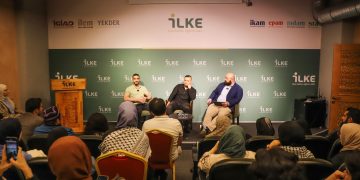
    İLKE Agenda: Muzzammil Ayyub Thakur ile Keşmir’in “Filistinleştirilmesi”

    İLKE Agenda: Muzzammil Ayyub Thakur ile Keşmir’in “Filistinleştirilmesi”

    İLKE Agenda: Muzzammil Ayyub Thakur ile Keşmir’in “Filistinleştirilmesi”

    The Platform Talks: Kinda Hawasli ile 8 Aralık Sonrası Suriye

    İLKE Agenda: Muzzammil Ayyub Thakur ile Keşmir’in “Filistinleştirilmesi”

    The Platform Talks: Azzam Tamimi ile 7 Ekim Sonrası Filistin

    İLKE Agenda: Muzzammil Ayyub Thakur ile Keşmir’in “Filistinleştirilmesi”

    İLKE Agenda: Gazze Soykırımı Günlerinde Aktivizm ve İslamofobi

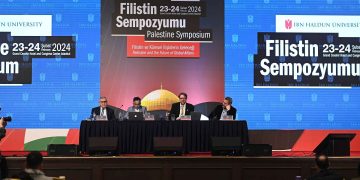
    Filistin Sempozyumu: Filistin ve Küresel İlişkilerin Geleceği

    Filistin Sempozyumu: Filistin ve Küresel İlişkilerin Geleceği

    Filistin Sempozyumu: Filistin ve Küresel İlişkilerin Geleceği

    Müslüman Dünyada Çağdaş Düşünce Konferansı’nda buluşuyoruz!

    Filistin Sempozyumu: Filistin ve Küresel İlişkilerin Geleceği

    Müslüman Dünyada Çağdaş Düşünce Konferansı

    Filistin Sempozyumu: Filistin ve Küresel İlişkilerin Geleceği

    Dr. Jonathan Brown “İslam’ın Siyahiliğe ve Köleliğe Yaklaşımı” adlı seminer gerçekleştirdi.

  • ANALİZLER
    • All
    • Düşünce
    • Eğitim
    • Ekonomi
    • Enerji ve Çevre
    • Göç
    • Medya, Kültür ve Sanat
    • Temel Hak ve Özgürlükler
    • Toplumsal Meseleler
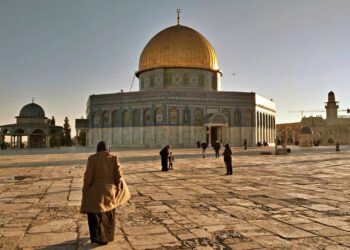
    The Gravity of What Took Place at Al-Aqsa Mosque During Ramadan 2026

    Ramazan 2026’da Mescid-i Aksa’da Yaşananların Ciddiyeti

    AFP/GETTY IMAGES

    FLA-JNIM İş Birliği ve Mali’de Değişen Güvenlik Dinamikleri

    Sosyal Medyada İslamcı-Muhafazakâr Kamusallığın Dönüşümü Üzerine

    Sosyal Medyada İslamcı-Muhafazakâr Kamusallığın Dönüşümü Üzerine

    Bangladeş’te 2026 Seçimleri Sonrası Siyasi Tartışmalar

    Bangladeş’te 2026 Seçimleri Sonrası Siyasi Tartışmalar

    Filistin’de Çocuk Olmak: 5 Nisan Filistinli Çocuklar Günü

    Filistin’de Çocuk Olmak: 5 Nisan Filistinli Çocuklar Günü

    Security, Fragility, and the Search for a New Equilibrium in the Gulf Following the Iranian Attacks

    İran Saldırıları Sonrası Körfez’de Güvenlik, Kırılganlık ve Yeni Denge Arayışı

  • SÖYLEŞİLER
    The Decolonization of Knowledge: Interview with Professor Souleymane Bachir Diagne

    Bilginin Dekolonizasyonu: Profesör Souleymane Bachir Diagne ile Röportaj

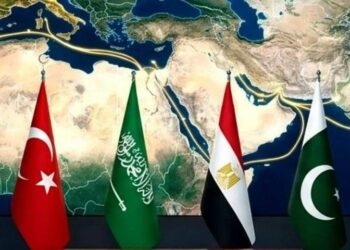
    A Possible New Breath in Regional Balances: The Alliance of Türkiye, Pakistan, Egypt, and Saudi Arabia

    Bölgesel Dengelerde Olası Yeni Bir Soluk: Türkiye, Pakistan, Mısır ve Suudi Arabistan İttifakı

    Digital Ummah and Muslim Identity: Dr. Sahar Khamis Interview

    Dijital Ümmet ve Müslüman Kimliği: Dr. Sahar Khamis ile Röportaj

    From the Ballot Box to the Street: The Rising Social Wave in Tanzania After the Election

    Sandıktan Sokağa: Tanzanya’da Seçim Sonrası Yükselen Toplumsal Dalga

    Müslüman Nüfusa Karşı Güvenlikleştirme

    Müslüman Nüfusa Karşı Güvenlikleştirme

    Gurbet Hikayeleri

    Gurbet Hikayeleri

    Göçü Yönetmek: Dr. Mehmet Köse’yle Söyleşi

    Göçü Yönetmek: Dr. Mehmet Köse’yle Söyleşi

    İstanbul’daki Uluslararası Öğrencilerle Söyleşi

    İstanbul’daki Uluslararası Öğrencilerle Söyleşi

    Zaytuna College Lisansüstü Eğitim Dekanı Maşuk Yamaç’la Söyleşi

    Zaytuna College Lisansüstü Eğitim Dekanı Maşuk Yamaç’la Söyleşi

  • DÜNYADAN SESLER
    Voices from the Muslim World | Sari Hanafi (with Turkish subtitles)

    Voices from the Muslim World | Sari Hanafi (with Turkish subtitles)

    Voices from the Muslim World | Ovamir Anjum

    Voices from the Muslim World | Ovamir Anjum

    VOICES FROM THE MUSLIM WORLD | DR. YASIR QADHI

    VOICES FROM THE MUSLIM WORLD | DR. YASIR QADHI

    VOICES FROM THE MUSLIM WORLD | DR. ADEEL MALIK

    VOICES FROM THE MUSLIM WORLD | DR. ADEEL MALIK

  • SAYILAR
  • VERİTABANI
    • All
    • Hareketler
    • Kurumlar
    • Şahsiyetler
    Pak-Türk Maarif

    Pak-Türk Maarif

    İslam Vakfı

    İslam Vakfı

    Avrupa Fetva ve Araştırma Konseyi

    Avrupa Fetva ve Araştırma Konseyi

    Tokyo Camii ve Diyanet Türk Kültür Merkezi

    Tokyo Camii ve Diyanet Türk Kültür Merkezi

  • PLATFORM
  • HABERLER
    İLKE Agenda: Muzzammil Ayyub Thakur ile Keşmir’in “Filistinleştirilmesi”

    İLKE Agenda: Muzzammil Ayyub Thakur ile Keşmir’in “Filistinleştirilmesi”

    İLKE Agenda: Muzzammil Ayyub Thakur ile Keşmir’in “Filistinleştirilmesi”

    The Platform Talks: Kinda Hawasli ile 8 Aralık Sonrası Suriye

    İLKE Agenda: Muzzammil Ayyub Thakur ile Keşmir’in “Filistinleştirilmesi”

    The Platform Talks: Azzam Tamimi ile 7 Ekim Sonrası Filistin

    İLKE Agenda: Muzzammil Ayyub Thakur ile Keşmir’in “Filistinleştirilmesi”

    İLKE Agenda: Gazze Soykırımı Günlerinde Aktivizm ve İslamofobi

    Filistin Sempozyumu: Filistin ve Küresel İlişkilerin Geleceği

    Filistin Sempozyumu: Filistin ve Küresel İlişkilerin Geleceği

    Filistin Sempozyumu: Filistin ve Küresel İlişkilerin Geleceği

    Müslüman Dünyada Çağdaş Düşünce Konferansı’nda buluşuyoruz!

    Filistin Sempozyumu: Filistin ve Küresel İlişkilerin Geleceği

    Müslüman Dünyada Çağdaş Düşünce Konferansı

    Filistin Sempozyumu: Filistin ve Küresel İlişkilerin Geleceği

    Dr. Jonathan Brown “İslam’ın Siyahiliğe ve Köleliğe Yaklaşımı” adlı seminer gerçekleştirdi.

  • ANALİZLER
    • All
    • Düşünce
    • Eğitim
    • Ekonomi
    • Enerji ve Çevre
    • Göç
    • Medya, Kültür ve Sanat
    • Temel Hak ve Özgürlükler
    • Toplumsal Meseleler
    The Gravity of What Took Place at Al-Aqsa Mosque During Ramadan 2026

    Ramazan 2026’da Mescid-i Aksa’da Yaşananların Ciddiyeti

    AFP/GETTY IMAGES

    FLA-JNIM İş Birliği ve Mali’de Değişen Güvenlik Dinamikleri

    Sosyal Medyada İslamcı-Muhafazakâr Kamusallığın Dönüşümü Üzerine

    Sosyal Medyada İslamcı-Muhafazakâr Kamusallığın Dönüşümü Üzerine

    Bangladeş’te 2026 Seçimleri Sonrası Siyasi Tartışmalar

    Bangladeş’te 2026 Seçimleri Sonrası Siyasi Tartışmalar

    Filistin’de Çocuk Olmak: 5 Nisan Filistinli Çocuklar Günü

    Filistin’de Çocuk Olmak: 5 Nisan Filistinli Çocuklar Günü

    Security, Fragility, and the Search for a New Equilibrium in the Gulf Following the Iranian Attacks

    İran Saldırıları Sonrası Körfez’de Güvenlik, Kırılganlık ve Yeni Denge Arayışı

  • SÖYLEŞİLER
    The Decolonization of Knowledge: Interview with Professor Souleymane Bachir Diagne

    Bilginin Dekolonizasyonu: Profesör Souleymane Bachir Diagne ile Röportaj

    A Possible New Breath in Regional Balances: The Alliance of Türkiye, Pakistan, Egypt, and Saudi Arabia

    Bölgesel Dengelerde Olası Yeni Bir Soluk: Türkiye, Pakistan, Mısır ve Suudi Arabistan İttifakı

    Digital Ummah and Muslim Identity: Dr. Sahar Khamis Interview

    Dijital Ümmet ve Müslüman Kimliği: Dr. Sahar Khamis ile Röportaj

    From the Ballot Box to the Street: The Rising Social Wave in Tanzania After the Election

    Sandıktan Sokağa: Tanzanya’da Seçim Sonrası Yükselen Toplumsal Dalga

    Müslüman Nüfusa Karşı Güvenlikleştirme

    Müslüman Nüfusa Karşı Güvenlikleştirme

    Gurbet Hikayeleri

    Gurbet Hikayeleri

    Göçü Yönetmek: Dr. Mehmet Köse’yle Söyleşi

    Göçü Yönetmek: Dr. Mehmet Köse’yle Söyleşi

    İstanbul’daki Uluslararası Öğrencilerle Söyleşi

    İstanbul’daki Uluslararası Öğrencilerle Söyleşi

    Zaytuna College Lisansüstü Eğitim Dekanı Maşuk Yamaç’la Söyleşi

    Zaytuna College Lisansüstü Eğitim Dekanı Maşuk Yamaç’la Söyleşi

  • DÜNYADAN SESLER
    Voices from the Muslim World | Sari Hanafi (with Turkish subtitles)

    Voices from the Muslim World | Sari Hanafi (with Turkish subtitles)

    Voices from the Muslim World | Ovamir Anjum

    Voices from the Muslim World | Ovamir Anjum

    VOICES FROM THE MUSLIM WORLD | DR. YASIR QADHI

    VOICES FROM THE MUSLIM WORLD | DR. YASIR QADHI

    VOICES FROM THE MUSLIM WORLD | DR. ADEEL MALIK

    VOICES FROM THE MUSLIM WORLD | DR. ADEEL MALIK

  • SAYILAR
  • VERİTABANI
    • All
    • Hareketler
    • Kurumlar
    • Şahsiyetler
    Pak-Türk Maarif

    Pak-Türk Maarif

    İslam Vakfı

    İslam Vakfı

    Avrupa Fetva ve Araştırma Konseyi

    Avrupa Fetva ve Araştırma Konseyi

    Tokyo Camii ve Diyanet Türk Kültür Merkezi

    Tokyo Camii ve Diyanet Türk Kültür Merkezi

No Result
View All Result
Platform
No Result
View All Result
Home Analyses

The Impact of Authoritarian Regimes on Civil Institutions in Central Asia

Murat Çemrek & Fatma Zehra Atıcı by Murat Çemrek & Fatma Zehra Atıcı
7 Kasım 2025
in Analyses, Opinion
0
The Impact of Authoritarian Regimes on Civil Institutions in Central Asia
0
SHARES
2
VIEWS
Share on FacebookShare on Twitter

In present times, Central Asia stands as a region of great significance in global politics, with its rich cultural heritage and abundant natural resources. This analysis aims to explore the impact and influence of the current domestic political dynamics on civil society in the Central Asian countries, which gained their independence following the dissolution of the USSR. To achieve this, it is important to provide a historical overview of the authoritarian inclinations in the regions.

The post-USSR era brought significant changes to the region, as Central Asian states embarked on a search for new political and economic models. Each country in Central Asia took a different path away from Soviet socialism and totalitarianism, towards a relatively capitalist economy and liberal democratic practices. The transformation, especially in terms of its political nature, varied among these countries. During the early years of the post-Soviet transition, Kyrgyzstan made relatively swift progress towards liberal democracy compared to its regional counterparts, while Tajikistan experienced a civil war. Uzbekistan and Turkmenistan, on the other hand, became emblematic examples of totalitarian state practices, with their own unique challenges. The process of becoming independent states, for which they were ill-prepared, has posed significant difficulties in terms of political structuring, nation-building, and modern nation-state formation, which continue to shape the region’s landscape to this day.

The Authoritarian Legacy of the Soviet Union

Central Asian governments, despite their individual differences, share certain formal similarities due to their common political and social conditions. One prominent similarity is the prevalence of the Presidential System in most countries of the region. Additionally, the political landscape in Central Asia is characterized by the intertwining of personalized political power and patriarchal cultural structures, which serve as the foundation of the region’s politics. The historical background of one-man rule has deeply rooted it within the social culture, making it another defining feature of Central Asian politics. The early period of independence also witnessed efforts to foster national consciousness, which further solidified the dominance of strong, one-man governments. Consequently, the current state of Central Asian governments remains highly authoritarian, and in some cases, even totalitarian, with limited signs of significant change. The current situation in Central Asian governments remains largely unchanged, characterized by a strong authoritarian or even totalitarian approach. Despite the appearance of democratic functioning in political institutions, these countries continue to uphold the Soviet legacy of authoritarian rule. This assertion is reinforced by the findings of the Freedom House 2021 report, which clearly supports this viewpoint. According to the report, Central Asian states have made minimal advancements in democracy since the 1990s. The political regimes in most countries within the region are considered consolidated or deeply entrenched authoritarian systems. All nations in the area are classified as “not free,” with Turkmenistan and Uzbekistan ranking as the least free. Although Kyrgyzstan exhibits comparatively more democratic elements, its progress has been marred by popular uprisings against Kurmanbek Bakiyev in 2010, similar to the Colour Revolutions, as well as subsequent ethnic violence in the Osh region. In this context, the transition to democracy in the post-Soviet era has not made the Central Asian states freer, more prosperous, stable, or advanced in terms of change. On the contrary, it is evident that the region’s countries have become even poorer in terms of development and liberties. Indeed, it is necessary to emphasize that factors such as media freedom, transparency in elections, judicial independence, and the presence and role of Civil Society Organizations (CSOs) that indicate a country’s adherence to democratic values are lacking in Central Asian politics. Therefore, it can be concluded that the transition to democracy has not brought about the desired improvements in the region.

One of the reasons for the persistence of authoritarian/totalitarian regimes in the region is not only the political and social history of the countries but also regional and global dynamics. The relationships between the regional countries and major global powers with authoritarian regimes such as Russia and China, as well as factors like Western fatigue with democracy and the COVID-19 pandemic, further strengthen authoritarian/totalitarian practices in the region. For instance, despite the World Health Organization declaring COVID-19 as a pandemic on March 10, 2020, and countries worldwide making efforts to find solutions such as vaccination and mandatory mask usage in public spaces, there have been reports from Turkmenistan that discussing the disease is prohibited and mask usage is banned. These reports carry a sense of dark humour within the global community.

The Permissible Boundaries of Civil Society under Authoritarian Regimes

When examining the influence of authoritarian regimes on civil society, the subject of this analysis, it becomes apparent that Central Asian countries have presented numerous challenges to civil society organizations (NGOs) since gaining independence. While the dynamics of civil society initiatives differ in each country, there is a general similarity in the development model of NGOs across the region. Initially, the pre-independence Soviet-style organizations served as the earliest examples of NGOs in these countries. These organizations aimed to adapt to the new political climate by pursuing policies aligned with the respective governments. Particularly in Turkmenistan, Uzbekistan, and Tajikistan, where repressive governments prevail, these organizations hold a more prominent role. In Uzbekistan and Turkmenistan, some NGOs were established by the government itself and referred to as “Public Associations/Enterprises/Unions.” Conversely, civil society in Kazakhstan and Kyrgyzstan exhibits a more democratic nature compared to the aforementioned countries, allowing for a wider range of roles. Despite the increase in the number of NGOs in the region, there has been limited qualitative change. In fact, the overall landscape of NGOs in Central Asia is characterized by functions that support government policies, contribute to national consciousness, and avoid challenging national policies. Therefore, it is evident that civil society in Central Asia is molded by the pressures imposed by authoritarian and/or totalitarian regimes, making it difficult to discuss a civil society based on traditional principles.

Repressive tactics employed by Central Asian governments against civil society are influenced by several factors. Firstly, the rapid development and organization of NGOs during the process of independence, supported by international actors, have been met with suspicion. Unlike in Western countries, civil society organizations in the region lack extensive experience, and their criticism of government actions has led authoritarian regimes to brand them as “enemies” or “agents of foreign powers.” This perception was further reinforced by the Color Revolutions that occurred in the early 2000s, where civil activists involved in those movements were viewed as potential threats to regime security and stability. Consequently, regional governments have adopted approaches that intimidate and marginalize civil society, including imposing restrictions on CSO activities, limiting their access to foreign funding, and even attempting to hinder their existence altogether. Undoubtedly, legislation concerning civil society organizations (CSOs) in many countries of the region has been deliberately crafted to undermine their influence. Another significant challenge faced by legally restricted civil society is the portrayal of CSOs as foreign agents, a narrative that is greatly influenced by Russian and Chinese media. The trust placed in Russian and Chinese media within the region, coupled with the strategic relations established with these countries, presents a major obstacle to the strengthening of civil society. NGOs receiving foreign funding, particularly those supported by the United States and the European Union, are often depicted as instruments of foreign powers by Russian and Chinese media. The prominence of Russian media in Central Asia remains evident, especially considering the continued prevalence of the Russian language.

It is evident that civil society organizations (CSOs) in Central Asian countries tend to collaborate with local and central government institutions, exhibiting little resistance to government policies and often working in tandem with them. CSOs critical of the government face limitations through legal barriers and practices that support government-created CSOs. In contrast to Western literature, CSOs in Central Asia have not attained the role of legitimate political actors involved in decision-making processes. The authoritarian and/or totalitarian nature of the regional governments is a primary factor contributing to this situation, along with insufficient financial resources, stringent legal regulations, and global and regional interactions. However, the current state of civil society in the region is more advanced and institutionalized compared to the past, with a crucial role to play in strengthening democracy. The excessive bureaucracy and sluggish decision-making processes of authoritarian and/or totalitarian regimes have increased the demand for problem-solving practices offered by civil society. The COVID-19 pandemic has further emphasized the importance of civil society by showcasing its power and mobilization capabilities. This has led to a growing recognition of civil society’s transformative potential within society.

Furthermore, the presence of a strong civil society discourse in government policies indicates a shift in intellectual perspectives. However, it remains uncertain whether this evolving intellectual perception of civil society in Central Asia will translate into practical applications. In conclusion, the question of whether the gradual change and development of the intellectual perception of civil society in Central Asia will lead to tangible outcomes still awaits a definitive answer.


Tags: Authoritarian RegimesCivil Institutions
Previous Post

Orta Asya’da Otoriter Rejimlerin Gölgesinde Sivil Toplum

Next Post

From Divine Authority to the Authority of the Faqih: Changing Actors in Shiite Politics

Next Post
From Divine Authority to the Authority of the Faqih: Changing Actors in Shiite Politics

From Divine Authority to the Authority of the Faqih: Changing Actors in Shiite Politics

Bir yanıt yazın Yanıtı iptal et

E-posta adresiniz yayınlanmayacak. Gerekli alanlar * ile işaretlenmişlerdir

  • A Possible New Breath in Regional Balances: The Alliance of Türkiye, Pakistan, Egypt, and Saudi Arabia

    Bölgesel Dengelerde Olası Yeni Bir Soluk: Türkiye, Pakistan, Mısır ve Suudi Arabistan İttifakı

    0 shares
    Share 0 Tweet 0
  • Nakşibendi-Hakkani Tarikatı

    0 shares
    Share 0 Tweet 0
  • Bilime Yön Verenler: Nobel Ödüllü Müslüman Bilim İnsanları

    0 shares
    Share 0 Tweet 0
  • Fuad Sezgin

    0 shares
    Share 0 Tweet 0
  • Sosyal Medyada İslamcı-Muhafazakâr Kamusallığın Dönüşümü Üzerine

    0 shares
    Share 0 Tweet 0
  • The Gravity of What Took Place at Al-Aqsa Mosque During Ramadan 2026

    Ramazan 2026’da Mescid-i Aksa’da Yaşananların Ciddiyeti

    0 shares
    Share 0 Tweet 0
  • The Gravity of What Took Place at Al-Aqsa Mosque During Ramadan 2026

    0 shares
    Share 0 Tweet 0
  • FLA-JNIM Cooperation and Shifting Security Dynamics in Mali

    0 shares
    Share 0 Tweet 0
  • FLA-JNIM İş Birliği ve Mali’de Değişen Güvenlik Dinamikleri

    0 shares
    Share 0 Tweet 0
  • The Current State of Indonesia’s Luxury Industry and the Landscape of Independent Handcrafted Watchmaking

    0 shares
    Share 0 Tweet 0

Platform: Müslüman Dünyanın Gündemi, Müslüman toplumların fikrî, siyasi, sosyal, ekonomik ve kültürel gündemlerini takip ve tahlil edip Müslüman dünyaya dair güncel ve özgün perspektifler sunmayı amaçlayan bir yayın organı olarak İLKE İlim Kültür Eğitim Vakfı bünyesinde kurulmuştur.

  • SAYILAR
  • ANALİZLER
  • HABERLER
  • SÖYLEŞİLER
  • DÜNYADAN SESLER
  • platform@ilke.org.tr
  • (0216) 310 43 18
  • Aziz Mahmut Hüdayi Mah. Türbe Kapısı Sk. No: 13 Üsküdar, İstanbul

2025 @ PLATFORM bir İLKE Vakfı kuruluşudur. Tüm hakları saklıdır. 

No Result
View All Result
  • Home
  • Analizler
  • Haberler
  • Söyleşiler
  • Dünyadan Sesler