





İLKE Vakfı
Platform
No Result
View All Result
  • PLATFORM
  • HABERLER
    İLKE Agenda: Muzzammil Ayyub Thakur ile Keşmir’in “Filistinleştirilmesi”

    İLKE Agenda: Muzzammil Ayyub Thakur ile Keşmir’in “Filistinleştirilmesi”

    İLKE Agenda: Muzzammil Ayyub Thakur ile Keşmir’in “Filistinleştirilmesi”

    The Platform Talks: Kinda Hawasli ile 8 Aralık Sonrası Suriye

    İLKE Agenda: Muzzammil Ayyub Thakur ile Keşmir’in “Filistinleştirilmesi”

    The Platform Talks: Azzam Tamimi ile 7 Ekim Sonrası Filistin

    İLKE Agenda: Muzzammil Ayyub Thakur ile Keşmir’in “Filistinleştirilmesi”

    İLKE Agenda: Gazze Soykırımı Günlerinde Aktivizm ve İslamofobi

    Filistin Sempozyumu: Filistin ve Küresel İlişkilerin Geleceği

    Filistin Sempozyumu: Filistin ve Küresel İlişkilerin Geleceği

    Filistin Sempozyumu: Filistin ve Küresel İlişkilerin Geleceği

    Müslüman Dünyada Çağdaş Düşünce Konferansı’nda buluşuyoruz!

    Filistin Sempozyumu: Filistin ve Küresel İlişkilerin Geleceği

    Müslüman Dünyada Çağdaş Düşünce Konferansı

    Filistin Sempozyumu: Filistin ve Küresel İlişkilerin Geleceği

    Dr. Jonathan Brown “İslam’ın Siyahiliğe ve Köleliğe Yaklaşımı” adlı seminer gerçekleştirdi.

  • ANALİZLER
    • All
    • Düşünce
    • Eğitim
    • Ekonomi
    • Enerji ve Çevre
    • Göç
    • Medya, Kültür ve Sanat
    • Temel Hak ve Özgürlükler
    • Toplumsal Meseleler
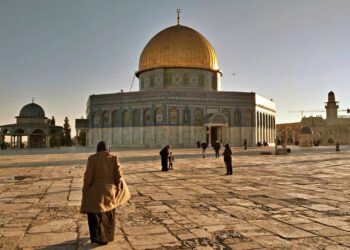
    The Gravity of What Took Place at Al-Aqsa Mosque During Ramadan 2026

    Ramazan 2026’da Mescid-i Aksa’da Yaşananların Ciddiyeti

    AFP/GETTY IMAGES

    FLA-JNIM İş Birliği ve Mali’de Değişen Güvenlik Dinamikleri

    Sosyal Medyada İslamcı-Muhafazakâr Kamusallığın Dönüşümü Üzerine

    Sosyal Medyada İslamcı-Muhafazakâr Kamusallığın Dönüşümü Üzerine

    Bangladeş’te 2026 Seçimleri Sonrası Siyasi Tartışmalar

    Bangladeş’te 2026 Seçimleri Sonrası Siyasi Tartışmalar

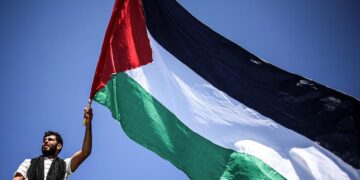
    Filistin’de Çocuk Olmak: 5 Nisan Filistinli Çocuklar Günü

    Filistin’de Çocuk Olmak: 5 Nisan Filistinli Çocuklar Günü

    Security, Fragility, and the Search for a New Equilibrium in the Gulf Following the Iranian Attacks

    İran Saldırıları Sonrası Körfez’de Güvenlik, Kırılganlık ve Yeni Denge Arayışı

  • SÖYLEŞİLER
    The Decolonization of Knowledge: Interview with Professor Souleymane Bachir Diagne

    Bilginin Dekolonizasyonu: Profesör Souleymane Bachir Diagne ile Röportaj

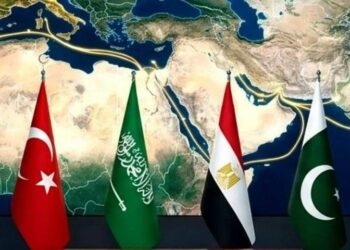
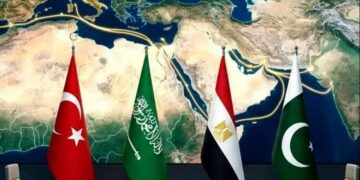
    A Possible New Breath in Regional Balances: The Alliance of Türkiye, Pakistan, Egypt, and Saudi Arabia

    Bölgesel Dengelerde Olası Yeni Bir Soluk: Türkiye, Pakistan, Mısır ve Suudi Arabistan İttifakı

    Digital Ummah and Muslim Identity: Dr. Sahar Khamis Interview

    Dijital Ümmet ve Müslüman Kimliği: Dr. Sahar Khamis ile Röportaj

    From the Ballot Box to the Street: The Rising Social Wave in Tanzania After the Election

    Sandıktan Sokağa: Tanzanya’da Seçim Sonrası Yükselen Toplumsal Dalga

    Müslüman Nüfusa Karşı Güvenlikleştirme

    Müslüman Nüfusa Karşı Güvenlikleştirme

    Gurbet Hikayeleri

    Gurbet Hikayeleri

    Göçü Yönetmek: Dr. Mehmet Köse’yle Söyleşi

    Göçü Yönetmek: Dr. Mehmet Köse’yle Söyleşi

    İstanbul’daki Uluslararası Öğrencilerle Söyleşi

    İstanbul’daki Uluslararası Öğrencilerle Söyleşi

    Zaytuna College Lisansüstü Eğitim Dekanı Maşuk Yamaç’la Söyleşi

    Zaytuna College Lisansüstü Eğitim Dekanı Maşuk Yamaç’la Söyleşi

  • DÜNYADAN SESLER
    Voices from the Muslim World | Sari Hanafi (with Turkish subtitles)

    Voices from the Muslim World | Sari Hanafi (with Turkish subtitles)

    Voices from the Muslim World | Ovamir Anjum

    Voices from the Muslim World | Ovamir Anjum

    VOICES FROM THE MUSLIM WORLD | DR. YASIR QADHI

    VOICES FROM THE MUSLIM WORLD | DR. YASIR QADHI

    VOICES FROM THE MUSLIM WORLD | DR. ADEEL MALIK

    VOICES FROM THE MUSLIM WORLD | DR. ADEEL MALIK

  • SAYILAR
  • VERİTABANI
    • All
    • Hareketler
    • Kurumlar
    • Şahsiyetler
    Pak-Türk Maarif

    Pak-Türk Maarif

    İslam Vakfı

    İslam Vakfı

    Avrupa Fetva ve Araştırma Konseyi

    Avrupa Fetva ve Araştırma Konseyi

    Tokyo Camii ve Diyanet Türk Kültür Merkezi

    Tokyo Camii ve Diyanet Türk Kültür Merkezi

  • PLATFORM
  • HABERLER
    İLKE Agenda: Muzzammil Ayyub Thakur ile Keşmir’in “Filistinleştirilmesi”

    İLKE Agenda: Muzzammil Ayyub Thakur ile Keşmir’in “Filistinleştirilmesi”

    İLKE Agenda: Muzzammil Ayyub Thakur ile Keşmir’in “Filistinleştirilmesi”

    The Platform Talks: Kinda Hawasli ile 8 Aralık Sonrası Suriye

    İLKE Agenda: Muzzammil Ayyub Thakur ile Keşmir’in “Filistinleştirilmesi”

    The Platform Talks: Azzam Tamimi ile 7 Ekim Sonrası Filistin

    İLKE Agenda: Muzzammil Ayyub Thakur ile Keşmir’in “Filistinleştirilmesi”

    İLKE Agenda: Gazze Soykırımı Günlerinde Aktivizm ve İslamofobi

    Filistin Sempozyumu: Filistin ve Küresel İlişkilerin Geleceği

    Filistin Sempozyumu: Filistin ve Küresel İlişkilerin Geleceği

    Filistin Sempozyumu: Filistin ve Küresel İlişkilerin Geleceği

    Müslüman Dünyada Çağdaş Düşünce Konferansı’nda buluşuyoruz!

    Filistin Sempozyumu: Filistin ve Küresel İlişkilerin Geleceği

    Müslüman Dünyada Çağdaş Düşünce Konferansı

    Filistin Sempozyumu: Filistin ve Küresel İlişkilerin Geleceği

    Dr. Jonathan Brown “İslam’ın Siyahiliğe ve Köleliğe Yaklaşımı” adlı seminer gerçekleştirdi.

  • ANALİZLER
    • All
    • Düşünce
    • Eğitim
    • Ekonomi
    • Enerji ve Çevre
    • Göç
    • Medya, Kültür ve Sanat
    • Temel Hak ve Özgürlükler
    • Toplumsal Meseleler
    The Gravity of What Took Place at Al-Aqsa Mosque During Ramadan 2026

    Ramazan 2026’da Mescid-i Aksa’da Yaşananların Ciddiyeti

    AFP/GETTY IMAGES

    FLA-JNIM İş Birliği ve Mali’de Değişen Güvenlik Dinamikleri

    Sosyal Medyada İslamcı-Muhafazakâr Kamusallığın Dönüşümü Üzerine

    Sosyal Medyada İslamcı-Muhafazakâr Kamusallığın Dönüşümü Üzerine

    Bangladeş’te 2026 Seçimleri Sonrası Siyasi Tartışmalar

    Bangladeş’te 2026 Seçimleri Sonrası Siyasi Tartışmalar

    Filistin’de Çocuk Olmak: 5 Nisan Filistinli Çocuklar Günü

    Filistin’de Çocuk Olmak: 5 Nisan Filistinli Çocuklar Günü

    Security, Fragility, and the Search for a New Equilibrium in the Gulf Following the Iranian Attacks

    İran Saldırıları Sonrası Körfez’de Güvenlik, Kırılganlık ve Yeni Denge Arayışı

  • SÖYLEŞİLER
    The Decolonization of Knowledge: Interview with Professor Souleymane Bachir Diagne

    Bilginin Dekolonizasyonu: Profesör Souleymane Bachir Diagne ile Röportaj

    A Possible New Breath in Regional Balances: The Alliance of Türkiye, Pakistan, Egypt, and Saudi Arabia

    Bölgesel Dengelerde Olası Yeni Bir Soluk: Türkiye, Pakistan, Mısır ve Suudi Arabistan İttifakı

    Digital Ummah and Muslim Identity: Dr. Sahar Khamis Interview

    Dijital Ümmet ve Müslüman Kimliği: Dr. Sahar Khamis ile Röportaj

    From the Ballot Box to the Street: The Rising Social Wave in Tanzania After the Election

    Sandıktan Sokağa: Tanzanya’da Seçim Sonrası Yükselen Toplumsal Dalga

    Müslüman Nüfusa Karşı Güvenlikleştirme

    Müslüman Nüfusa Karşı Güvenlikleştirme

    Gurbet Hikayeleri

    Gurbet Hikayeleri

    Göçü Yönetmek: Dr. Mehmet Köse’yle Söyleşi

    Göçü Yönetmek: Dr. Mehmet Köse’yle Söyleşi

    İstanbul’daki Uluslararası Öğrencilerle Söyleşi

    İstanbul’daki Uluslararası Öğrencilerle Söyleşi

    Zaytuna College Lisansüstü Eğitim Dekanı Maşuk Yamaç’la Söyleşi

    Zaytuna College Lisansüstü Eğitim Dekanı Maşuk Yamaç’la Söyleşi

  • DÜNYADAN SESLER
    Voices from the Muslim World | Sari Hanafi (with Turkish subtitles)

    Voices from the Muslim World | Sari Hanafi (with Turkish subtitles)

    Voices from the Muslim World | Ovamir Anjum

    Voices from the Muslim World | Ovamir Anjum

    VOICES FROM THE MUSLIM WORLD | DR. YASIR QADHI

    VOICES FROM THE MUSLIM WORLD | DR. YASIR QADHI

    VOICES FROM THE MUSLIM WORLD | DR. ADEEL MALIK

    VOICES FROM THE MUSLIM WORLD | DR. ADEEL MALIK

  • SAYILAR
  • VERİTABANI
    • All
    • Hareketler
    • Kurumlar
    • Şahsiyetler
    Pak-Türk Maarif

    Pak-Türk Maarif

    İslam Vakfı

    İslam Vakfı

    Avrupa Fetva ve Araştırma Konseyi

    Avrupa Fetva ve Araştırma Konseyi

    Tokyo Camii ve Diyanet Türk Kültür Merkezi

    Tokyo Camii ve Diyanet Türk Kültür Merkezi

No Result
View All Result
Platform
No Result
View All Result
Home Analyses

The Involvement of the Palestinian Diaspora in the Struggle for a Free Palestine

Taher Labadi by Taher Labadi
7 Kasım 2025
in Analyses, Opinion
0
The Involvement of the Palestinian Diaspora in the Struggle for a Free Palestine
0
SHARES
2
VIEWS
Share on FacebookShare on Twitter

Estimates show that nearly 50% of Palestinians live outside of Palestine. Among them, 6.4 million live in Arab countries (44.7% of the total), and about 800,000 (5.6%) live all around the world. Meanwhile, 5.4 million (37.8%) live in the West Bank and Gaza Strip, and 1.7 million (11.9%) live within the Green Line and hold Israeli citizenship.

The Hindered Connections Between the Palestinian Diaspora and the Homeland

Most Palestinians outside of Palestine are refugees exiled in the 1948 Nakba. Later waves of forced migration have taken place from both Palestine and host countries, underlining the vulnerability of Palestinian settlements outside of Palestine. Warfare and attacks on refugee camps, discriminatory policies in host countries, the rise and decline of the Palestine Liberation Organization (PLO), and other socioeconomic factors have shaped the geographic distribution of the Palestinian diaspora worldwide.

As a result, Palestinians have been exposed to varied cultural, social, and political conditions and have been granted different civil rights and legal status. This has hindered their ability to move and connect with each other and with Palestine. The context also includes restricted and often entirely prohibited access to their homeland because of Israeli policies. The creation of the Palestinian National Authority (PNA) in the wake of the Oslo Accords and the revival of a formal Palestinian nationality have not changed this reality. The colonization and dismemberment of ancestral Palestine and the growing “bantustanization” of the areas officially under PNA control further affect Palestinians’ relationships with their homeland. It is still Israel that controls the borders and restrains the right of permanent residency in the Occupied Palestinian Territories (OPTs). Although they are regularly subject to harassment and arbitrary “entry denial” because of their Palestinian origin, technically, Palestinian refugees who obtain foreign passports can enter as foreigners, requiring a three-month Israeli tourist visa.

Organizing the Struggle of Palestinians in Exile and Moving the Struggle Inwards  

As a result of their plight, Palestinians have consistently been prominent activists worldwide. During the 1950s and early 1960s, Palestinian refugees quickly became involved with Arab political parties while also engaging in cross-border guerrilla actions against Israeli targets. This period saw a growing assertion of national self-confidence. This converged with the emergence of Palestinian-led political organizations that emphasized a specific Palestinian identity. The 1967 Arab defeat further impelled Palestinian armed organizations established in Arab countries to grant effective control over the struggle to the PLO. The PLO resembled a government in exile, with a transnational elected “parliament” (the Palestine National Council) and an “executive cabinet” (the executive committee). The Palestinian national movement countered the effects of the global dispersal of the diaspora by providing a common political framework for Palestinian activism, with the intent to voice and eventually achieve Palestinian national ambitions.

The PLO’s banishment by Israel into the OPTs and its later expulsion from Jordan in 1971 and from Lebanon in 1982 resulted in the growing paralysis of Palestinians in exile. Achieving statehood and not the liberation of all Palestine became the primary national goal – to secure an autonomous territorial base where Palestinians could be free of their vulnerability to outside pressures and threats. Meanwhile, the Land Day uprising among Palestinians within Israel in 1976 and the Intifada that erupted in the OPTs in 1987 embodied the inward relocation of the focus of the Palestinian struggle.

The Political Vacuum and The Renewed Struggle among the Diaspora

The Oslo Accords in 1993 and the establishment of the PNA as a self-governing body in Palestinian-controlled areas marginalized Palestinians abroad, especially those living in refugee camps. Indeed, one key feature of the Oslo process was the lasting degeneration of PLO institutions and the concentration of political decision-making within the PNA apparatus. With the establishment of the PNA in the early 1990s, the PLO’s critical role in organizing and voicing the diaspora diminished dramatically. Meanwhile, the PNA does not have the ability or legitimacy to govern the diaspora effectively.

This political vacuum in diaspora representation brought about the growth of initiatives undertaken outside of Palestine. This renewed activism was characterized by the rise of Palestinian political involvement in Western countries and Palestinian marginalization in Arab countries. Moreover, it is representative of the heterogeneous experiences and trajectories of the second and even third generation of the Palestinian diaspora. In this regard, it is noteworthy that mass media and the internet also offered new ways of connecting between scattered Palestinian communities and redefining the importance of borders and geography. Palestinians in the diaspora, especially youth, still provide an important contingent of activists underpinning solidarity movements and campaigns worldwide. They are highly involved in organizing demonstrations and events in reaction to Israeli crimes in the OPTs, but also in voicing political claims, particularly on the right of return. They also regularly write opinion pieces, give interviews, and use social networks to make their voices heard. This goes hand in hand with annual commemorations (e.g., Nakba, Land Day), cultural education, and social work that are crucial in community-building and reviving the Palestinian legacy.

This renewed activism characterized by an increase in political participation of Palestinians in Western countries and the marginalization of Palestinians in Arab countries.
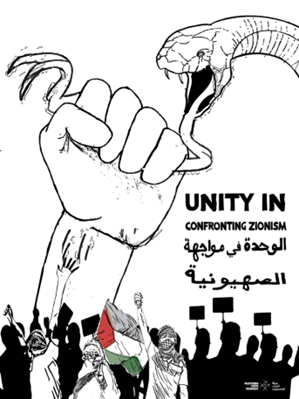
Source: Palestinian Youth Movement

Organizing Their Involvement and Voicing Palestine

There have been numerous meetings and conferences aiming at bringing Palestinians together on a transnational scale to enhance their participation in national decision-making alongside their counterparts in the OPTs. In the context of Palestinian internal division, the diaspora has also become the locus of competition between different political forces seeking legitimacy and support for their movements and policies. Examples include the annual gatherings of Palestinians in Europe or the United States, attempts to revive the Palestine National Council, or the formation of the transnational Palestinian Youth Movement (PYM). At the height of its activity in 2010-2014, the PYM created a dozen branches in Palestine, the Arab world, and Western countries and had several hundred members around the world. Even though most of these branches have now disappeared, the movement is experiencing a new revival, mainly in North America, from where it is resuming its international expansion. This experience is symptomatic of a change in the relationship of Palestinians, from the outside and inside, to Palestine in a “post-Oslo” context. What is most striking is the break made by the PYM with the Palestinian national narrative promoted by the PLO/ANP and the reconnection with the Palestinian liberation project.

Palestinian intellectual, cultural, and artistic production is also important in any discussion about the diaspora. Palestinian writers, poets, musicians, and visual artists have contributed significantly to spreading and enriching Palestinian culture, and some Palestinian academics are among the most highly regarded in their respective fields. Not only have they shaped the field of Palestine Studies, but they have also become spokespersons for the Palestinian struggle and have actively taken part in defining and expanding its scope. The same occurs in the cultural and artistic sphere, with a whole new generation of artists navigating between their homeland and the rest of the world.

Today, Palestinians in the diaspora are still at the forefront of the mobilizations taking place worldwide to denounce Israel’s genocidal war against the Gaza Strip and the increase in Israeli crimes throughout occupied Palestine. While they are the most direct relays of the voices of their people inside Palestine, they still lack the spaces in which to think collectively about the goals and strategies of their struggle.

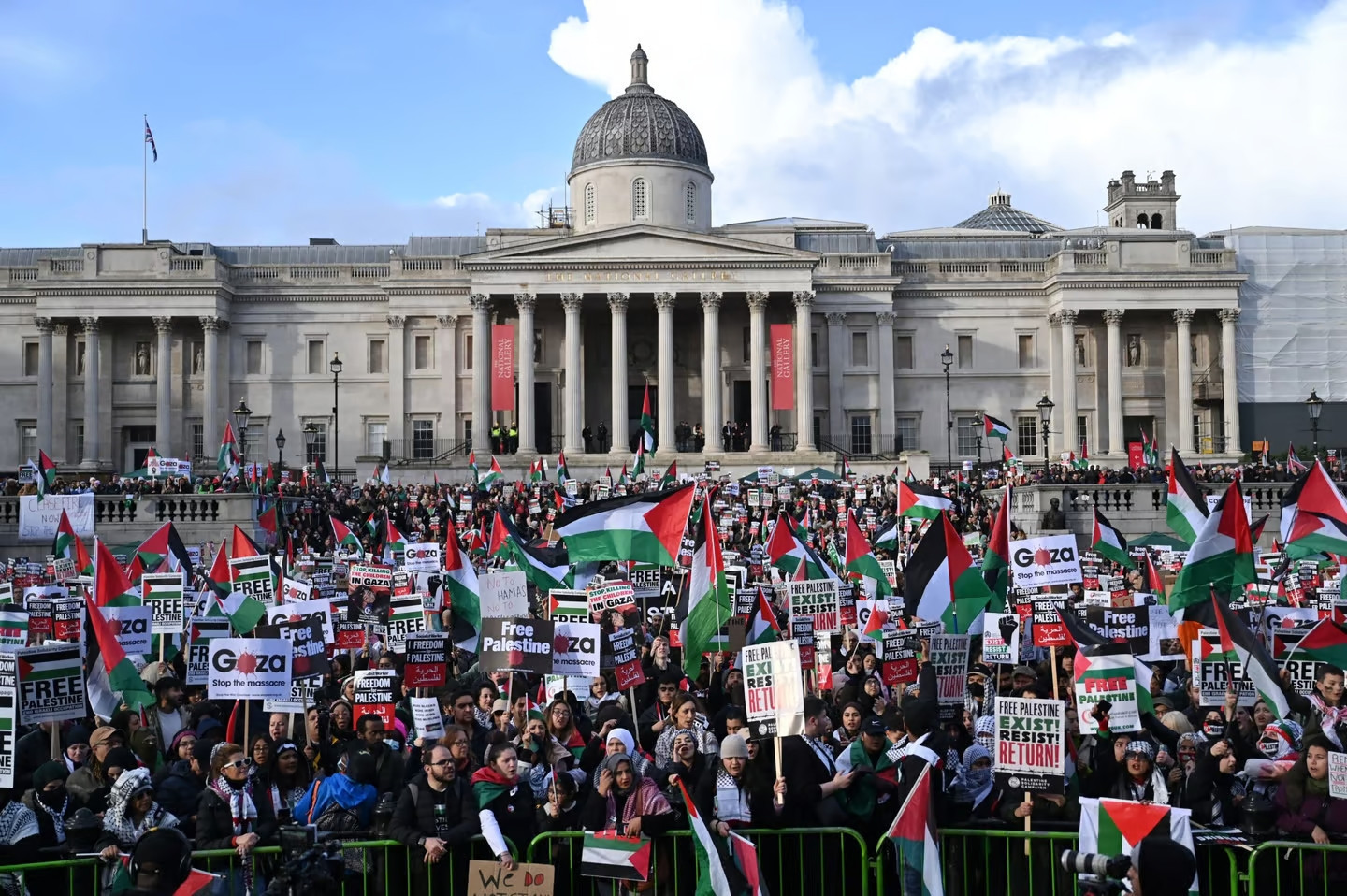
Photo: ‘London Rally for Palestine’ held in Trafalgar Square in the heart of London, by Justin Tallis/AFP.


Tags: InvolvementPalestinePalestinian Diaspora
Previous Post

Filistin Diasporasının Özgür Filistin Mücadelesine Katılımı

Next Post

Psikososyal Perspektiften Göç

Next Post
Migration from a Psychosocial Perspective

Psikososyal Perspektiften Göç

Bir yanıt yazın Yanıtı iptal et

E-posta adresiniz yayınlanmayacak. Gerekli alanlar * ile işaretlenmişlerdir

  • A Possible New Breath in Regional Balances: The Alliance of Türkiye, Pakistan, Egypt, and Saudi Arabia

    Bölgesel Dengelerde Olası Yeni Bir Soluk: Türkiye, Pakistan, Mısır ve Suudi Arabistan İttifakı

    0 shares
    Share 0 Tweet 0
  • Bilime Yön Verenler: Nobel Ödüllü Müslüman Bilim İnsanları

    0 shares
    Share 0 Tweet 0
  • Nakşibendi-Hakkani Tarikatı

    0 shares
    Share 0 Tweet 0
  • Fuad Sezgin

    0 shares
    Share 0 Tweet 0
  • Sosyal Medyada İslamcı-Muhafazakâr Kamusallığın Dönüşümü Üzerine

    0 shares
    Share 0 Tweet 0
  • The Gravity of What Took Place at Al-Aqsa Mosque During Ramadan 2026

    Ramazan 2026’da Mescid-i Aksa’da Yaşananların Ciddiyeti

    0 shares
    Share 0 Tweet 0
  • The Gravity of What Took Place at Al-Aqsa Mosque During Ramadan 2026

    0 shares
    Share 0 Tweet 0
  • FLA-JNIM Cooperation and Shifting Security Dynamics in Mali

    0 shares
    Share 0 Tweet 0
  • FLA-JNIM İş Birliği ve Mali’de Değişen Güvenlik Dinamikleri

    0 shares
    Share 0 Tweet 0
  • The Current State of Indonesia’s Luxury Industry and the Landscape of Independent Handcrafted Watchmaking

    0 shares
    Share 0 Tweet 0

Platform: Müslüman Dünyanın Gündemi, Müslüman toplumların fikrî, siyasi, sosyal, ekonomik ve kültürel gündemlerini takip ve tahlil edip Müslüman dünyaya dair güncel ve özgün perspektifler sunmayı amaçlayan bir yayın organı olarak İLKE İlim Kültür Eğitim Vakfı bünyesinde kurulmuştur.

  • SAYILAR
  • ANALİZLER
  • HABERLER
  • SÖYLEŞİLER
  • DÜNYADAN SESLER
  • platform@ilke.org.tr
  • (0216) 310 43 18
  • Aziz Mahmut Hüdayi Mah. Türbe Kapısı Sk. No: 13 Üsküdar, İstanbul

2025 @ PLATFORM bir İLKE Vakfı kuruluşudur. Tüm hakları saklıdır. 

No Result
View All Result
  • Home
  • Analizler
  • Haberler
  • Söyleşiler
  • Dünyadan Sesler