






















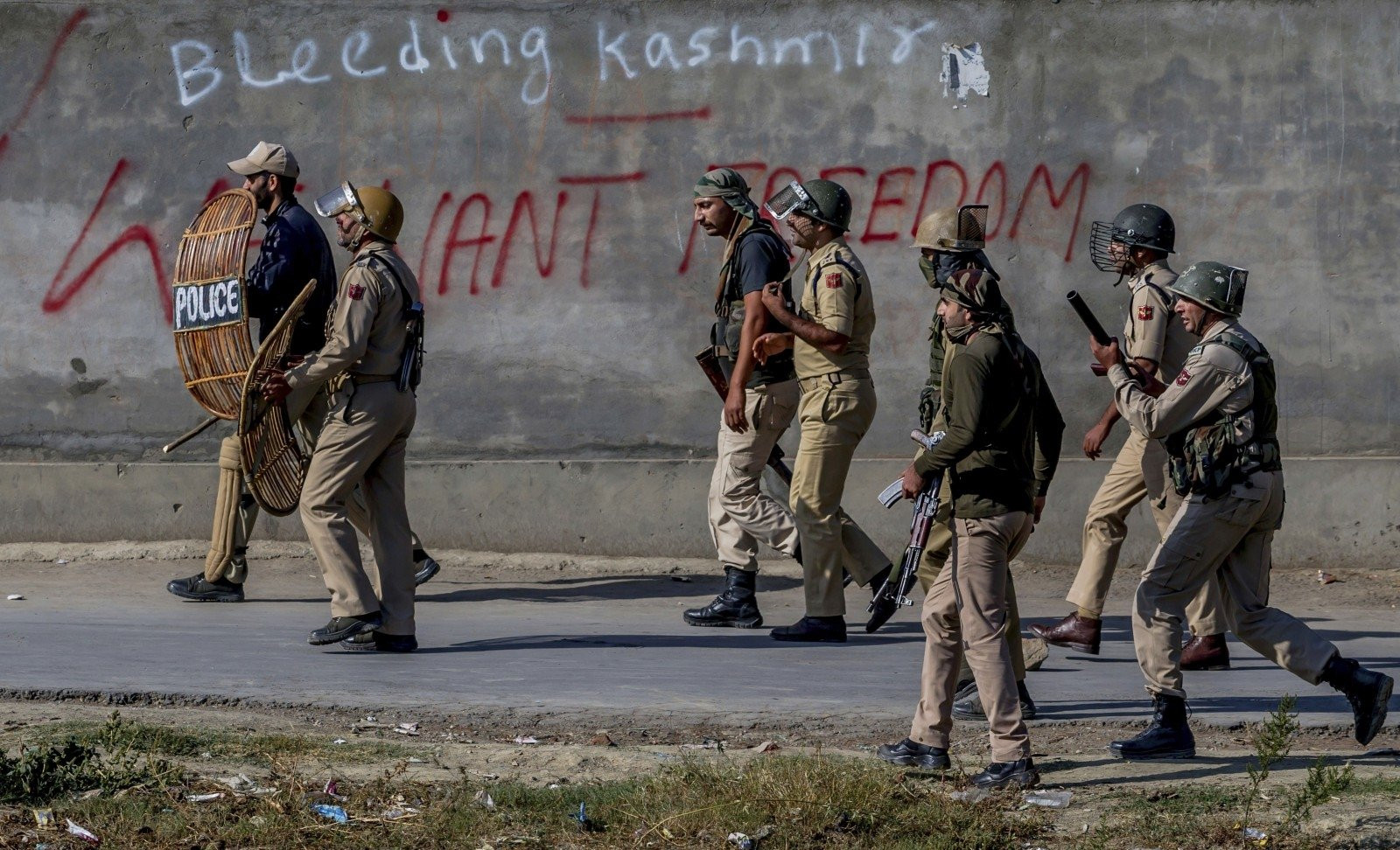
The state of Jammu and Kashmir has been a focal point of conflict since the partition of British India in 1947. With historical claims and geopolitical significance, the region has witnessed prolonged violence, oppression, and a severe deterioration of human rights conditions. The day of Youm-e-Istehsaal (Kashmir Exploitation Day), observed annually, highlights the plight of Kashmiris, particularly in the aftermath of India’s alterations to its status on August 5, 2019. This article endeavors to provide an overview of Kashmir’s historical context, the current situation regarding human rights violations, and the calls for international accountability.
Historical Context of the Dispute
Upon the division of British India, princely states were given the option to join either India or Pakistan. The Maharaja of Jammu and Kashmir initially sought to remain independent but ultimately acceded to India under duress following tribal incursions from Pakistan. This rise in tension led to the first Indo-Pakistani war, which culminated in a division of the region and the establishment of the Line of Control (LoC). The United Nations has recognized the Kashmir issue and urged resolutions through international dialogue, including Resolution 47, which called for a plebiscite to determine the region’s fate (United Nations, 1948). The failure of successive governments in India and Pakistan to resolve the issue amicably has led to a protracted conflict marked by violence and suffering for the local population.
The position of Jammu and Kashmir remains complex, with demographic changes implemented over decades further complicating the path toward resolution. Over time, various political initiatives and movements have emerged, yet the aspirations of the Kashmiri people for self-determination remain largely unfulfilled.
Alteration of Status in 2019: Implications and Human Rights Violations
The revocation of Article 370 of the Indian Constitution on August 5, 2019, altered Jammu and Kashmir’s special status, allowing the Indian government to impose its laws and alter the demographic balance in the region. The immediate consequences included a military clampdown characterized by a communications blackout, extensive curfews, and diminishing civil liberties. Human rights organizations have documented egregious violations in the aftermath of these changes, further exacerbating the humanitarian crisis.
During the military lockdown, thousands of security personnel were deployed, and civil society faced unprecedented surveillance and repression. Communication restrictions stifled international coverage of the atrocities, leaving the plight of Kashmiris largely unreported. The imposition of stringent laws, such as the Public Safety Act, allowed for arbitrary detentions without trial, further entrenching a culture of fear and oppression (Sultana, 2020).
Human Rights Violations: A Closer Examination
Evidence from various human rights organizations portrays a grim situation in the region. Reports indicate:
- Mass Graves: Over 6,000 mass graves have been found throughout Kashmir since 1989, suggesting a systematic approach to extrajudicial killings, indicating an ongoing human rights crisis (International People’s Tribunal on Human Rights and Justice in Jammu and Kashmir, 2018).
- Civilians Killed: Approximately 100,000 civilians are estimated to have been killed since the onset of the conflict, with the majority attributed to operations conducted by Indian security forces (Kashmir Conflict: A Brief History, 2020).
- Sexual Violence: Reports indicate that around 11,000 documented cases exist of gang rapes and sexual assaults involving state security personnel, utilized as tools of oppression and collective punishment against the local populace (War Crimes in Kashmir, International Human Rights Law Group).
- Pellet Gun Injuries: There have been widespread injuries and permanent disabilities caused by the use of pellet guns, particularly targeting young protesters. Incidents of mass blinding have raised alarms about the extent of violence used to quell dissent (The Kashmir Eyewitness Project, 2021).
These violations underscore a systematic pattern of abuse designed to suppress dissent and maintain control over the region, contributing to a climate of fear and hopelessness among the local population. The testimonies collected by various organizations reveal the profound psychological impact of such violence, emphasizing the urgent need for international attention and intervention.
The Role of International Law and the UN
Internationally, the Kashmir conflict has been framed within the context of self-determination and human rights. The United Nations has consistently recognized the right to self-determination as a fundamental principle embedded in international law; however, the protracted inaction regarding the Kashmir issue has been a source of frustration. The failure of the Indian state to conduct a plebiscite, as mandated by UN Security Council resolutions, signifies a broader neglect of global norms (Sengupta, 2019). The existing framework for conflict resolution has proven ineffective as the cycle of violence continues to escalate without meaningful intervention.
The United Nations High Commissioner for Human Rights has called for an independent Commission of Inquiry to investigate the situation in Jammu and Kashmir, highlighting the urgent need for accountability and adherence to international legal frameworks (UNHRC, 2021). Various reports suggest India’s response to international scrutiny often involves dismissing allegations of human rights violations as politically motivated, complicating the landscape for effective human rights advocacy (Noorani, 2018).
Impact on Regional and Global Stability
The ongoing situation in Kashmir poses risks not only to regional stability in South Asia but also to global peace efforts. The conflict has the potential to escalate into larger confrontations between nuclear-armed states, India and Pakistan, raising alarm bells for the international community. Analysts warn that the situation reflects an interwoven landscape of nationalism, militarization, and human rights violations, which could destabilize the region and provoke international crises (Schofield, 2017). Additionally, the Kashmir conflict shapes the geopolitics of South Asia, involving other regional actors and influencing global diplomatic relations. As Kashmiris endure psychosocial trauma and economic instability, the implications extend beyond local borders, contributing to a climate of unrest and undermining regional cooperation (Arif, 2020). This persistent conflict may also hinder broader initiatives aimed at combating economic, social, and environmental challenges in the region, with repercussions for poverty, education, and health in an already precarious environment. Furthermore, the historical grievances and ongoing human rights violations further complicate relationships between India, Pakistan, and international powers. The failure to address the humanitarian crisis in Kashmir might lead to heightened tensions and discord, impacting trade, security, and diplomatic relations at multiple levels.
Strategies for Resolution: The Way Forward
The international community must play a decisive role in shaping a resolution to the Kashmir conflict. This requires a multifaceted approach, prioritizing diplomatic engagement, human rights advocacy, and robust international oversight. Effective strategies could include:
- International Mediation: Involving neutral international mediators can help facilitate dialogue between India and Pakistan, providing an avenue for Kashmiri voices and grievances. Sustained engagement can stabilize relations and aid in reaching a mutually acceptable resolution.
- Strengthening Human Rights Mechanisms: Supporting independent human rights investigations, such as a Commission of Inquiry endorsed by the UN, could enhance accountability for violations occurring in Kashmir and ensure that perpetrators are held responsible for their actions (Gul, 2021).
- Advocating for Self-Determination: Upholding the right to self-determination for Kashmiris must be at the forefront of international dialogues. Empowering Kashmiris to participate meaningfully in decisions that affect their future is essential for fostering durable peace and justice.
- Building International Pressure: Global civil society and human rights organizations can collaborate to raise awareness, mobilize campaigns, and apply pressure on Indian authorities to adhere to international humanitarian principles. Public campaigns, academic discourse, and diplomatic lobbying can contribute to keeping the Kashmir issue prominent in global dialogues and policymaking.
Countries and international bodies should prioritize Kashmir in discussions on human rights and international law, setting a clear expectation that any violations will lead to concrete consequences. Enhanced diplomatic efforts and a united international front can help mitigate the ongoing crisis.
Conclusion
The plight of Kashmiris requires urgent attention and action from the international community. Their struggle for self-determination and basic human rights transcends local contexts and resonates with universal principles of justice and dignity. The narrative of suffering highlighted during Youm-e-Istehsaal (Kashmir Exploitation Day) must not be overlooked; it calls for a moral and ethical response from the global community. There is a pressing need for sustained pressure on India to adhere to its international obligations, respect human rights, and allow for independent assessments of violations. The continued silence in the face of these human rights abuses amounts to complicity, and it is imperative for global citizens to stand in solidarity with the Kashmiri people.
A commitment to action by regional players, international organizations, and civil society will not only contribute to resolving one of the most protracted conflicts in contemporary history but also uphold the sanctity of human dignity and rights globally. The mandate for justice in Kashmir is not merely a regional affair; it is a reflection of the global community’s commitment to preventing human rights violations and fostering an environment of peace, justice, and reconciliation.
References
Arif, A. (2020). Conflict, human rights, and the quest for justice: The case of Kashmir. Journal of Human Rights Practice, 12(3), 644-661. https://doi.org/10.1093/jhuman/huaa022
Gul, A. (2021). The role of international law in the Kashmir issue: A historical perspective. Kashmir Journal of International Relations, 3(1), 22-37. https://doi.org/10.1177/2319892921999211
Institute for Defence Studies and Analyses. (2020). Kashmir conflict: A brief history. http://www.idsa.in/
International People’s Tribunal on Human Rights and Justice in Jammu and Kashmir. (2018). Mass graves in Kashmir: A study of the dead and the disappeared. http://www.ipk.org/
Noorani, A. G. (2018). Constitutional questions in the Kashmir conflict: The role of Indian constitutionalism in the occupation of Jammu and Kashmir. Indian Journal of Constitutional Law, 12(1), 64-79.
Schofield, V. (2017). Kashmir: Path of peace and conflict. The Royal Institute of International Affairs.
Sengupta, A. (2019). Self-determination in Kashmir: Legal and ethical perspectives. Asian Journal of International Law, 9(2), 325-345. https://doi .org/10.1017/S2044251319000086
Sultana, N. (2020). The communication blackout in Kashmir: A human rights perspective. Journal of Asian Studies, 79(4), 789-812. https://doi.org/10.1017/S002191182000003X
The Kashmir Eyewitness Project. (2021). Testimonies of trauma: Human rights violations in Kashmir. http://www.kashmireyewitness.com/
United Nations. (1948). United Nations Security Council Resolution 47 on Jammu and Kashmir. https://undocs.org/S/RES/47(1948)
United Nations Human Rights Council. (2021). Report of the United Nations High Commissioner for Human Rights on the human rights situation in Kashmir. https://www.ohchr.org/en/hr-bodies/hrc/regular-sessions/session-46/report-kashmir