




İLKE Vakfı
Platform
No Result
View All Result
  • PLATFORM
  • HABERLER
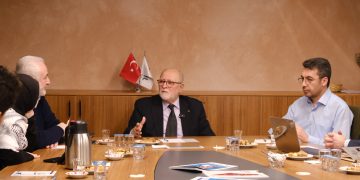
    İLKE Agenda: Muzzammil Ayyub Thakur ile Keşmir’in “Filistinleştirilmesi”

    İLKE Agenda: Muzzammil Ayyub Thakur ile Keşmir’in “Filistinleştirilmesi”

    İLKE Agenda: Muzzammil Ayyub Thakur ile Keşmir’in “Filistinleştirilmesi”

    The Platform Talks: Kinda Hawasli ile 8 Aralık Sonrası Suriye

    İLKE Agenda: Muzzammil Ayyub Thakur ile Keşmir’in “Filistinleştirilmesi”

    The Platform Talks: Azzam Tamimi ile 7 Ekim Sonrası Filistin

    İLKE Agenda: Muzzammil Ayyub Thakur ile Keşmir’in “Filistinleştirilmesi”

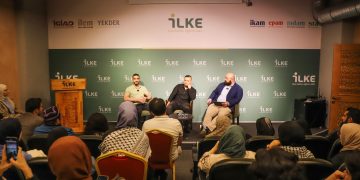
    İLKE Agenda: Gazze Soykırımı Günlerinde Aktivizm ve İslamofobi

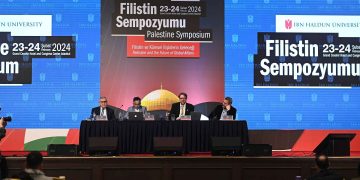
    Filistin Sempozyumu: Filistin ve Küresel İlişkilerin Geleceği

    Filistin Sempozyumu: Filistin ve Küresel İlişkilerin Geleceği

    Filistin Sempozyumu: Filistin ve Küresel İlişkilerin Geleceği

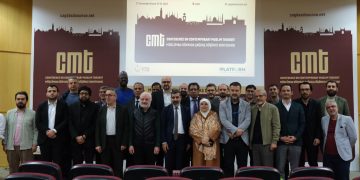
    Müslüman Dünyada Çağdaş Düşünce Konferansı’nda buluşuyoruz!

    Filistin Sempozyumu: Filistin ve Küresel İlişkilerin Geleceği

    Müslüman Dünyada Çağdaş Düşünce Konferansı

    Filistin Sempozyumu: Filistin ve Küresel İlişkilerin Geleceği

    Dr. Jonathan Brown “İslam’ın Siyahiliğe ve Köleliğe Yaklaşımı” adlı seminer gerçekleştirdi.

  • ANALİZLER
    • All
    • Düşünce
    • Eğitim
    • Ekonomi
    • Enerji ve Çevre
    • Göç
    • Medya, Kültür ve Sanat
    • Temel Hak ve Özgürlükler
    • Toplumsal Meseleler
    The Gravity of What Took Place at Al-Aqsa Mosque During Ramadan 2026

    Ramazan 2026’da Mescid-i Aksa’da Yaşananların Ciddiyeti

    AFP/GETTY IMAGES

    FLA-JNIM İş Birliği ve Mali’de Değişen Güvenlik Dinamikleri

    Sosyal Medyada İslamcı-Muhafazakâr Kamusallığın Dönüşümü Üzerine

    Sosyal Medyada İslamcı-Muhafazakâr Kamusallığın Dönüşümü Üzerine

    Bangladeş’te 2026 Seçimleri Sonrası Siyasi Tartışmalar

    Bangladeş’te 2026 Seçimleri Sonrası Siyasi Tartışmalar

    Filistin’de Çocuk Olmak: 5 Nisan Filistinli Çocuklar Günü

    Filistin’de Çocuk Olmak: 5 Nisan Filistinli Çocuklar Günü

    Security, Fragility, and the Search for a New Equilibrium in the Gulf Following the Iranian Attacks

    İran Saldırıları Sonrası Körfez’de Güvenlik, Kırılganlık ve Yeni Denge Arayışı

  • SÖYLEŞİLER
    The Decolonization of Knowledge: Interview with Professor Souleymane Bachir Diagne

    Bilginin Dekolonizasyonu: Profesör Souleymane Bachir Diagne ile Röportaj

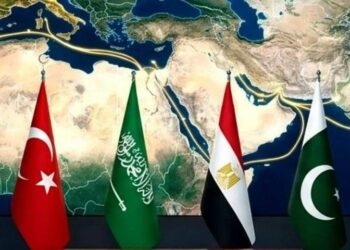
    A Possible New Breath in Regional Balances: The Alliance of Türkiye, Pakistan, Egypt, and Saudi Arabia

    Bölgesel Dengelerde Olası Yeni Bir Soluk: Türkiye, Pakistan, Mısır ve Suudi Arabistan İttifakı

    Digital Ummah and Muslim Identity: Dr. Sahar Khamis Interview

    Dijital Ümmet ve Müslüman Kimliği: Dr. Sahar Khamis ile Röportaj

    From the Ballot Box to the Street: The Rising Social Wave in Tanzania After the Election

    Sandıktan Sokağa: Tanzanya’da Seçim Sonrası Yükselen Toplumsal Dalga

    Müslüman Nüfusa Karşı Güvenlikleştirme

    Müslüman Nüfusa Karşı Güvenlikleştirme

    Gurbet Hikayeleri

    Gurbet Hikayeleri

    Göçü Yönetmek: Dr. Mehmet Köse’yle Söyleşi

    Göçü Yönetmek: Dr. Mehmet Köse’yle Söyleşi

    İstanbul’daki Uluslararası Öğrencilerle Söyleşi

    İstanbul’daki Uluslararası Öğrencilerle Söyleşi

    Zaytuna College Lisansüstü Eğitim Dekanı Maşuk Yamaç’la Söyleşi

    Zaytuna College Lisansüstü Eğitim Dekanı Maşuk Yamaç’la Söyleşi

  • DÜNYADAN SESLER
    Voices from the Muslim World | Sari Hanafi (with Turkish subtitles)

    Voices from the Muslim World | Sari Hanafi (with Turkish subtitles)

    Voices from the Muslim World | Ovamir Anjum

    Voices from the Muslim World | Ovamir Anjum

    VOICES FROM THE MUSLIM WORLD | DR. YASIR QADHI

    VOICES FROM THE MUSLIM WORLD | DR. YASIR QADHI

    VOICES FROM THE MUSLIM WORLD | DR. ADEEL MALIK

    VOICES FROM THE MUSLIM WORLD | DR. ADEEL MALIK

  • SAYILAR
  • VERİTABANI
    • All
    • Hareketler
    • Kurumlar
    • Şahsiyetler
    Pak-Türk Maarif

    Pak-Türk Maarif

    İslam Vakfı

    İslam Vakfı

    Avrupa Fetva ve Araştırma Konseyi

    Avrupa Fetva ve Araştırma Konseyi

    Tokyo Camii ve Diyanet Türk Kültür Merkezi

    Tokyo Camii ve Diyanet Türk Kültür Merkezi

  • PLATFORM
  • HABERLER
    İLKE Agenda: Muzzammil Ayyub Thakur ile Keşmir’in “Filistinleştirilmesi”

    İLKE Agenda: Muzzammil Ayyub Thakur ile Keşmir’in “Filistinleştirilmesi”

    İLKE Agenda: Muzzammil Ayyub Thakur ile Keşmir’in “Filistinleştirilmesi”

    The Platform Talks: Kinda Hawasli ile 8 Aralık Sonrası Suriye

    İLKE Agenda: Muzzammil Ayyub Thakur ile Keşmir’in “Filistinleştirilmesi”

    The Platform Talks: Azzam Tamimi ile 7 Ekim Sonrası Filistin

    İLKE Agenda: Muzzammil Ayyub Thakur ile Keşmir’in “Filistinleştirilmesi”

    İLKE Agenda: Gazze Soykırımı Günlerinde Aktivizm ve İslamofobi

    Filistin Sempozyumu: Filistin ve Küresel İlişkilerin Geleceği

    Filistin Sempozyumu: Filistin ve Küresel İlişkilerin Geleceği

    Filistin Sempozyumu: Filistin ve Küresel İlişkilerin Geleceği

    Müslüman Dünyada Çağdaş Düşünce Konferansı’nda buluşuyoruz!

    Filistin Sempozyumu: Filistin ve Küresel İlişkilerin Geleceği

    Müslüman Dünyada Çağdaş Düşünce Konferansı

    Filistin Sempozyumu: Filistin ve Küresel İlişkilerin Geleceği

    Dr. Jonathan Brown “İslam’ın Siyahiliğe ve Köleliğe Yaklaşımı” adlı seminer gerçekleştirdi.

  • ANALİZLER
    • All
    • Düşünce
    • Eğitim
    • Ekonomi
    • Enerji ve Çevre
    • Göç
    • Medya, Kültür ve Sanat
    • Temel Hak ve Özgürlükler
    • Toplumsal Meseleler
    The Gravity of What Took Place at Al-Aqsa Mosque During Ramadan 2026

    Ramazan 2026’da Mescid-i Aksa’da Yaşananların Ciddiyeti

    AFP/GETTY IMAGES

    FLA-JNIM İş Birliği ve Mali’de Değişen Güvenlik Dinamikleri

    Sosyal Medyada İslamcı-Muhafazakâr Kamusallığın Dönüşümü Üzerine

    Sosyal Medyada İslamcı-Muhafazakâr Kamusallığın Dönüşümü Üzerine

    Bangladeş’te 2026 Seçimleri Sonrası Siyasi Tartışmalar

    Bangladeş’te 2026 Seçimleri Sonrası Siyasi Tartışmalar

    Filistin’de Çocuk Olmak: 5 Nisan Filistinli Çocuklar Günü

    Filistin’de Çocuk Olmak: 5 Nisan Filistinli Çocuklar Günü

    Security, Fragility, and the Search for a New Equilibrium in the Gulf Following the Iranian Attacks

    İran Saldırıları Sonrası Körfez’de Güvenlik, Kırılganlık ve Yeni Denge Arayışı

  • SÖYLEŞİLER
    The Decolonization of Knowledge: Interview with Professor Souleymane Bachir Diagne

    Bilginin Dekolonizasyonu: Profesör Souleymane Bachir Diagne ile Röportaj

    A Possible New Breath in Regional Balances: The Alliance of Türkiye, Pakistan, Egypt, and Saudi Arabia

    Bölgesel Dengelerde Olası Yeni Bir Soluk: Türkiye, Pakistan, Mısır ve Suudi Arabistan İttifakı

    Digital Ummah and Muslim Identity: Dr. Sahar Khamis Interview

    Dijital Ümmet ve Müslüman Kimliği: Dr. Sahar Khamis ile Röportaj

    From the Ballot Box to the Street: The Rising Social Wave in Tanzania After the Election

    Sandıktan Sokağa: Tanzanya’da Seçim Sonrası Yükselen Toplumsal Dalga

    Müslüman Nüfusa Karşı Güvenlikleştirme

    Müslüman Nüfusa Karşı Güvenlikleştirme

    Gurbet Hikayeleri

    Gurbet Hikayeleri

    Göçü Yönetmek: Dr. Mehmet Köse’yle Söyleşi

    Göçü Yönetmek: Dr. Mehmet Köse’yle Söyleşi

    İstanbul’daki Uluslararası Öğrencilerle Söyleşi

    İstanbul’daki Uluslararası Öğrencilerle Söyleşi

    Zaytuna College Lisansüstü Eğitim Dekanı Maşuk Yamaç’la Söyleşi

    Zaytuna College Lisansüstü Eğitim Dekanı Maşuk Yamaç’la Söyleşi

  • DÜNYADAN SESLER
    Voices from the Muslim World | Sari Hanafi (with Turkish subtitles)

    Voices from the Muslim World | Sari Hanafi (with Turkish subtitles)

    Voices from the Muslim World | Ovamir Anjum

    Voices from the Muslim World | Ovamir Anjum

    VOICES FROM THE MUSLIM WORLD | DR. YASIR QADHI

    VOICES FROM THE MUSLIM WORLD | DR. YASIR QADHI

    VOICES FROM THE MUSLIM WORLD | DR. ADEEL MALIK

    VOICES FROM THE MUSLIM WORLD | DR. ADEEL MALIK

  • SAYILAR
  • VERİTABANI
    • All
    • Hareketler
    • Kurumlar
    • Şahsiyetler
    Pak-Türk Maarif

    Pak-Türk Maarif

    İslam Vakfı

    İslam Vakfı

    Avrupa Fetva ve Araştırma Konseyi

    Avrupa Fetva ve Araştırma Konseyi

    Tokyo Camii ve Diyanet Türk Kültür Merkezi

    Tokyo Camii ve Diyanet Türk Kültür Merkezi

No Result
View All Result
Platform
No Result
View All Result
Home Analyses

The Role of Non-Governmental Organizations in the Management of Syrian Migration: The Example of Istanbul

Enver Mengü by Enver Mengü
7 Kasım 2025
in Analyses, Migration
0
The Role of Non-Governmental Organizations in the Management of Syrian Migration: The Example of Istanbul
0
SHARES
1
VIEWS
Share on FacebookShare on Twitter

The Syrian migration directed towards neighboring countries in response to the civil war that erupted in 2011 has shown a significant quantitative increase, generally in Turkey and specifically in Istanbul. As stated in the literature, Istanbul is considered the most noteworthy sample for evaluating the contribution of nongovernmental organizations to migration management. In this context, this research conducted with a total of 75 nongovernmental organizations[1] working with Syrian migrants in Istanbul reveals the general trends in the activities of these organizations and their networks.

The first wave of Syrian migration witnessed by Türkiye in April 2011 has grown steadily, approaching nearly 4 million according to official records (Presidency of Migration Management, 2024). This migration movement, in its current form, has become the largest human mobility seen since World War II (Sezer, 2000, p. 11). Hence, this migration has become unique in its scale and nature, differentiating itself from previous migrations experienced by Turkey (Erdoğan, 2015, p. 342). During this process, civil society organizations have taken on a significant portion of the workload of AFAD (Disaster and Emergency Management Presidency) under the leadership of the Turkish Red Crescent (Erdoğan, 2018, p. 7).

The literature frequently states that the effectiveness of civil society organizations in the field of social policy has increased due to the impact of globalization. It is particularly emphasized that in the new era, there has been a transition from migration management to migration governance through state-NGO-private sector partnerships (Coşkun, 2022, p. 13; Akatay & Harman, 2017, p. 96). It is also noted that civil society organizations contribute to this partnership with their complementary welfare function (Özdemir, 2007, p. 375). In this context, the potential contributions of nongovernmental organizations to the unique migration movement of Syrians in Türkiye’s history are of significant importance.

Overview of Nongovernmental Organizations

When examining the period during which nongovernmental organizations began to play a role in the Syrian migration, it is noteworthy that 74% of these organizations initiated aid and support programs for migrants within the first five years of the migration (see Figure 1). This indicates that they have been actively involved in the process to a large extent since the early stages of the migration.
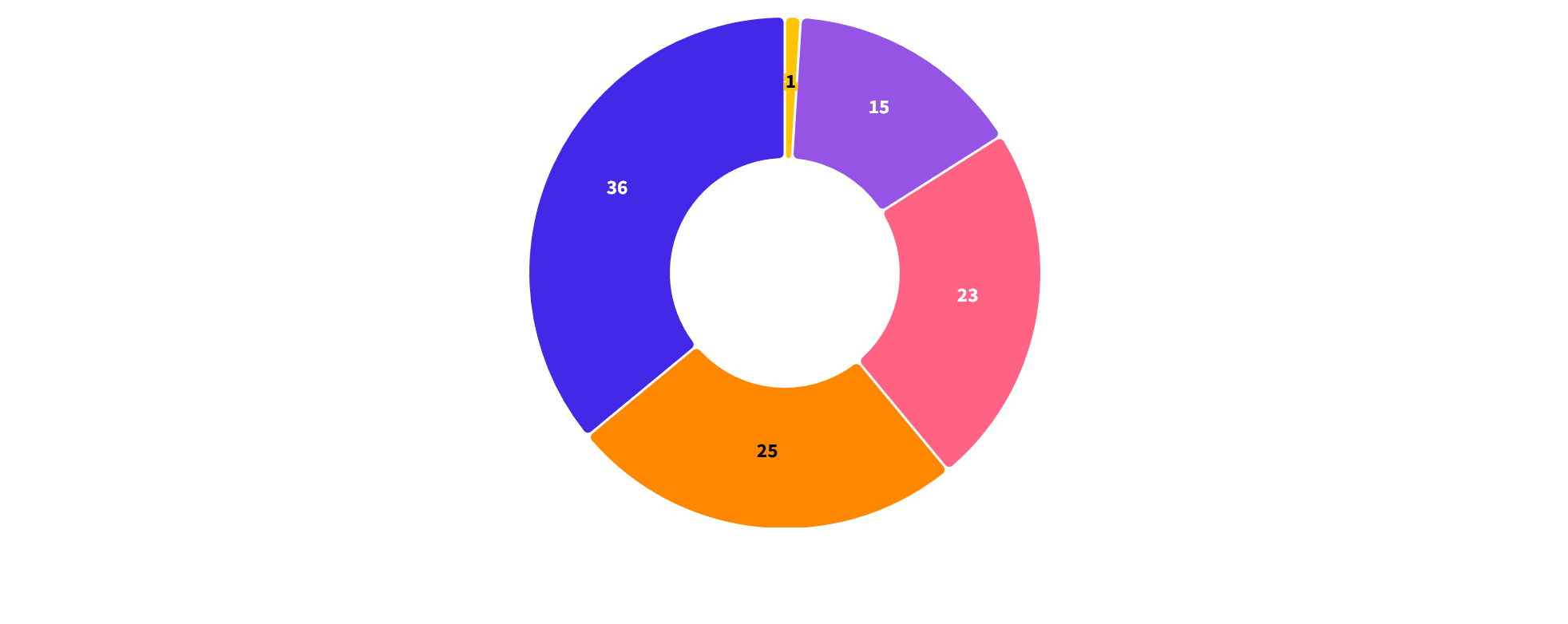
Figure 1. Distribution of the Activities by NGOs for Syrians by Years

When examining the main areas of activity in which these civil society organizations are involved in the migration process, it is seen that humanitarian aid stands out the most (Figure 2). This suggests that during the initial phase of migration, the basic needs of the Syrian migrant population attracted more civil society organizations to the field.

During the initial phase of migration, the basic needs of the Syrian migrant population attracted more civil society organizations to the field.

Figure 2. Distribution of the Activities by NGOs for Syrians by Their Fields of Activity

On the other hand, when we look at the humanitarian aid provided by civil society organizations to Syrians, it is evident that there is a high level of interest in basic needs such as food, clothing, shelter, medical and hygiene supplies.
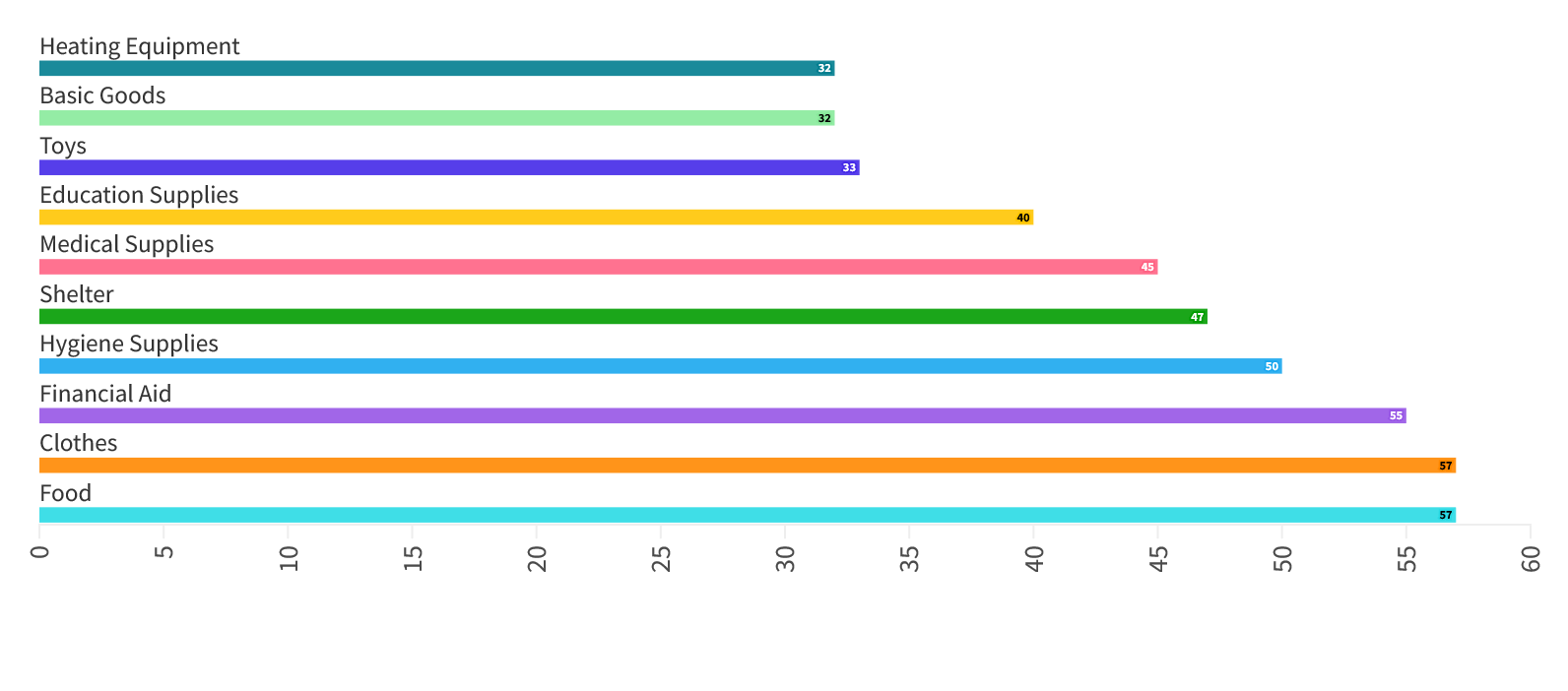
Figure 3. Distribution of the Activities by NGOs for Syrians by Types of Aid

However, when we look at the social services NGOs provide to Syrians, we see that educational support programs, medical assistance, and integration services stand out, while employment and translation support, as well as guidance and counseling, are relatively less prominent.
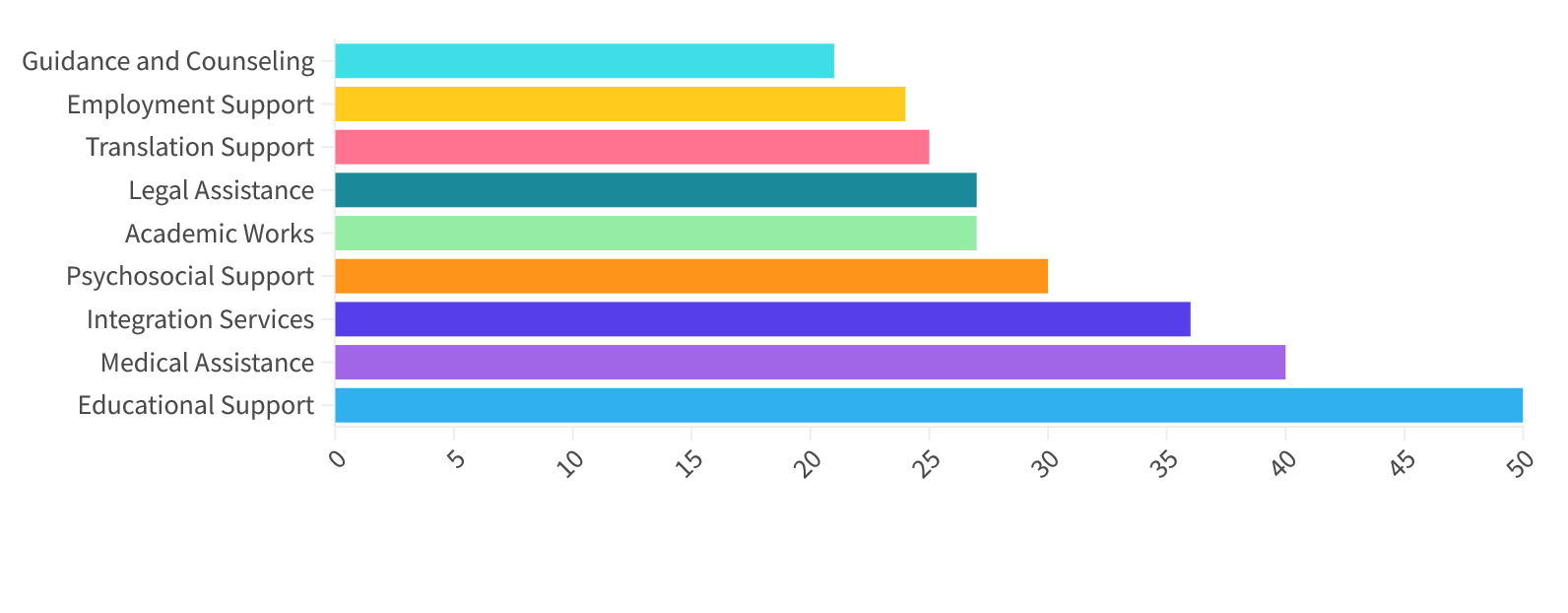
Figure 4. Distribution of the Activities by NGOs for Syrians by Types of Social Services

Additionally, while this imbalance is attributed to the existing knowledge and resources of civil society organizations (Çorabatır & Hassa, 2013, p. 19), it is also noted that the establishment of new civil society organizations in recent years has led to the development of new areas of social services (Mackreath & Sağnıç, 2017, p. 22).

Coordination among Nongovernmental Organizations

One of the critical points in migration management is the coordination and collaboration among relevant organizations. In terms of both preventing the concentration of services in certain areas and improving the impact of the services, the connections between organizations are crucial. In this context, it is observed that out of the 75 civil society organizations participating in the research, 48 have established 10 or fewer contacts. In contrast, 27 have established more than 10 (Mengü, 2022, p. 18-20), which indicates that the tendency for joint operations among civil society organizations is not widespread. We can suggest that the predominance of organizations that prefer limited contact could pose significant handicaps in organizing fieldwork.

In this regard, when we look at the networks among civil society organizations, we can see that they lack an outward policy for collaboration with other NGOs. Other studies also show that coordination among civil society organizations in Turkey, in general, is weak and fragmented (Bikmen & Meydanoğlu, 2006, p. 118-119), especially in the context of Syrian migration (Erder, 2017: 130). In this context, the two ego networks identified align with the research findings. The Turkish Red Crescent leads civil society organizations (Erdoğan, 2018, p. 7), while the IHH Humanitarian Relief Foundation (IHH) leads among organizations with Islamic principles (Deniz, Ekinci, & Hülür, 2016, p. 77).

Conclusion

The Syrian migration has been a significant test for civil society organizations working with migrants in Turkey, revealing both their limits and their impact. The findings show these organizations’ supportive role and sensitivity in addressing this issue. Notably, they were involved in the support services since the first wave of migration. However, while there was a strong mobilization to meet basic needs initially, the response has been relatively limited in addressing other needs as the migration continues, which is attributed to the predominance of humanitarian aid organizations among civil society organizations in Türkiye. Although efforts in areas other than humanitarian aid have been relatively weaker, there has been a gradual development of activities aimed at addressing new needs arising from migration. It can also be argued that civil society organizations are starting to show interest in law, education, and integration services to help migrants and refugees. However, civil society organizations must improve their existing connections to improve their efficiency and impact. Because as the research shows, nongovernmental organizations working with migrants tend to work more inwardly in terms of coordination and form limited collaborations with specific organizations. Therefore, there is an ongoing need for common platforms where civil society organizations can come together and exchange their experiences.

Kaynakça

Akatay, A. & Harman, S. (2017). Sivil toplum kuruluşları: yönetim, yönetişim ve gönüllülük. Bursa: Ekin Publishing.

Bikmen, F. & Meydanoğlu, Z. (2006). Civil Society in Turkey: At a Turning Point. Civil Society in Turkey: At a Turning Point Report. TÜSEV Publications, 51.

Coşkun, A. (2022). Göç yönetiminden göç yönetişimine: Türkiye için bir model önerisi. Policiy Brief 2022/45. Istanbul: İLKE Foundation for Science Culture and Education. DOI: http://dx.doi.org/10.26414/pn045

Çorabatır, M. & Hassa, F. (2013). Report on the activities of Non-Governmental Organisations for Syrian Refugees in Turkey. Research Centre on Asylum and Migration. Ankara: Anıl Publishing.

Deniz, A. Ç., Ekinci, Y. & Hülür, A. B. (2016). ‘Bizim müstakbel hep harap oldu’: Suriyeli sığınmacıların gündelik hayatı: Antep-Kilis çevresi. Istanbul: Istanbul Bilgi University Press.

Erder, S. (2017). Suriye göçü ve sonrası. In Sosyal hizmetlerde güncel tartışmalar: sosyal hizmet(ler)i yeniden düşünmek konferansları (pp. 125-133). Ankara: Nika Publishing.

Erdoğan, M. M. (2015). Türkiye’ye kitlesel göçlerde son ve dev dalga: Suriyeliler. M. M. Erdoğan & A. Kaya (Ed.), In Türkiye’nin göç tarihi 14. yüzyıldan 21. yüzyıla Türkiye’ye göçler (pp. 317-342). Istanbul: Bilgi University Press.

Erdoğan, M. M. (2018). Türkiye’deki Suriyeliler: toplumsal kabul ve uyum. Istanbul: İstanbul Bilgi University Press.

Presidency of Migration Management (2024). Distribution of Syrians under temporary protection. Retrieved from  https://www.goc.gov.tr/gecici-korumamiz-altindaki-suriyeliler

Kaçmazer, M. (2016). Toplumsal kabul ve yaraların sarılması için STK çalışmaları. I Y. Ayyıldız (Ed.), Göçler ve Ortak Geleceğimiz Symposium. Istanbul: Tirekitap Publishing.

Mackreath, H. & Sağnıç, Ş. (2017). Civil society and Syrian refugees in Turkey. Istanbul: Citizenship Assembly.

Mengü, E. (2022). A social network analysis on non-governmental organizations working for Syrians: The case of Istanbul. Middle East Journal of Refugee Studies, 7(2), 5-29.

Özdemir, S. (2007). Küreselleşme sürecinde refah devleti. Istanbul: İTO (Istanbul Chamber of Commerce) Publications.

Sezer, R. (2020). Mülteci: bir aktivistin mülteci kampı tanıklıkları. Istanbul: Karakarga Publishing.

[1] Editor’s Note: Although there are some differences between civil society organizations and nongovernmental organizations in terminology, both terms are translated here interchangeably.

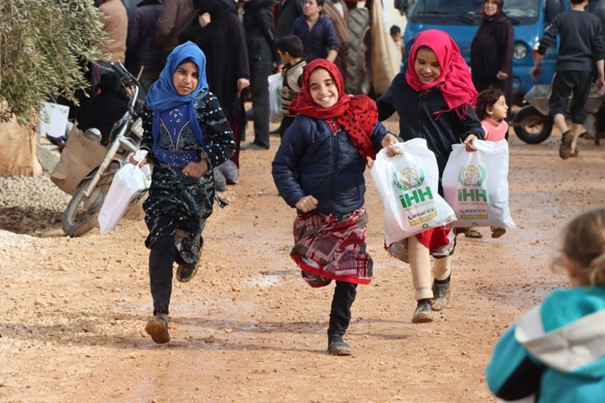
Photograph: IHH (Humanitarian Relief Foundation) delivers aid to those in need in Syrian refugee camps.

Tags: IstanbulMigrationNGOsSyrian
Previous Post

Suriyeli Göçünün Yönetiminde Sivil Toplum Kuruluşlarının Rolü: İstanbul Örneği

Next Post

Filistin Diasporasının Özgür Filistin Mücadelesine Katılımı

Next Post
The Involvement of the Palestinian Diaspora in the Struggle for a Free Palestine

Filistin Diasporasının Özgür Filistin Mücadelesine Katılımı

Bir yanıt yazın Yanıtı iptal et

E-posta adresiniz yayınlanmayacak. Gerekli alanlar * ile işaretlenmişlerdir

  • A Possible New Breath in Regional Balances: The Alliance of Türkiye, Pakistan, Egypt, and Saudi Arabia

    Bölgesel Dengelerde Olası Yeni Bir Soluk: Türkiye, Pakistan, Mısır ve Suudi Arabistan İttifakı

    0 shares
    Share 0 Tweet 0
  • Nakşibendi-Hakkani Tarikatı

    0 shares
    Share 0 Tweet 0
  • Bilime Yön Verenler: Nobel Ödüllü Müslüman Bilim İnsanları

    0 shares
    Share 0 Tweet 0
  • Fuad Sezgin

    0 shares
    Share 0 Tweet 0
  • Sosyal Medyada İslamcı-Muhafazakâr Kamusallığın Dönüşümü Üzerine

    0 shares
    Share 0 Tweet 0
  • The Gravity of What Took Place at Al-Aqsa Mosque During Ramadan 2026

    Ramazan 2026’da Mescid-i Aksa’da Yaşananların Ciddiyeti

    0 shares
    Share 0 Tweet 0
  • The Gravity of What Took Place at Al-Aqsa Mosque During Ramadan 2026

    0 shares
    Share 0 Tweet 0
  • FLA-JNIM Cooperation and Shifting Security Dynamics in Mali

    0 shares
    Share 0 Tweet 0
  • FLA-JNIM İş Birliği ve Mali’de Değişen Güvenlik Dinamikleri

    0 shares
    Share 0 Tweet 0
  • The Current State of Indonesia’s Luxury Industry and the Landscape of Independent Handcrafted Watchmaking

    0 shares
    Share 0 Tweet 0

Platform: Müslüman Dünyanın Gündemi, Müslüman toplumların fikrî, siyasi, sosyal, ekonomik ve kültürel gündemlerini takip ve tahlil edip Müslüman dünyaya dair güncel ve özgün perspektifler sunmayı amaçlayan bir yayın organı olarak İLKE İlim Kültür Eğitim Vakfı bünyesinde kurulmuştur.

  • SAYILAR
  • ANALİZLER
  • HABERLER
  • SÖYLEŞİLER
  • DÜNYADAN SESLER
  • platform@ilke.org.tr
  • (0216) 310 43 18
  • Aziz Mahmut Hüdayi Mah. Türbe Kapısı Sk. No: 13 Üsküdar, İstanbul

2025 @ PLATFORM bir İLKE Vakfı kuruluşudur. Tüm hakları saklıdır. 

No Result
View All Result
  • Home
  • Analizler
  • Haberler
  • Söyleşiler
  • Dünyadan Sesler