
İLKE Vakfı
Platform
No Result
View All Result
  • PLATFORM
  • HABERLER
    İLKE Agenda: Muzzammil Ayyub Thakur ile Keşmir’in “Filistinleştirilmesi”

    İLKE Agenda: Muzzammil Ayyub Thakur ile Keşmir’in “Filistinleştirilmesi”

    İLKE Agenda: Muzzammil Ayyub Thakur ile Keşmir’in “Filistinleştirilmesi”

    The Platform Talks: Kinda Hawasli ile 8 Aralık Sonrası Suriye

    İLKE Agenda: Muzzammil Ayyub Thakur ile Keşmir’in “Filistinleştirilmesi”

    The Platform Talks: Azzam Tamimi ile 7 Ekim Sonrası Filistin

    İLKE Agenda: Muzzammil Ayyub Thakur ile Keşmir’in “Filistinleştirilmesi”

    İLKE Agenda: Gazze Soykırımı Günlerinde Aktivizm ve İslamofobi

    Filistin Sempozyumu: Filistin ve Küresel İlişkilerin Geleceği

    Filistin Sempozyumu: Filistin ve Küresel İlişkilerin Geleceği

    Filistin Sempozyumu: Filistin ve Küresel İlişkilerin Geleceği

    Müslüman Dünyada Çağdaş Düşünce Konferansı’nda buluşuyoruz!

    Filistin Sempozyumu: Filistin ve Küresel İlişkilerin Geleceği

    Müslüman Dünyada Çağdaş Düşünce Konferansı

    Filistin Sempozyumu: Filistin ve Küresel İlişkilerin Geleceği

    Dr. Jonathan Brown “İslam’ın Siyahiliğe ve Köleliğe Yaklaşımı” adlı seminer gerçekleştirdi.

  • ANALİZLER
    • All
    • Düşünce
    • Eğitim
    • Ekonomi
    • Enerji ve Çevre
    • Göç
    • Medya, Kültür ve Sanat
    • Temel Hak ve Özgürlükler
    • Toplumsal Meseleler
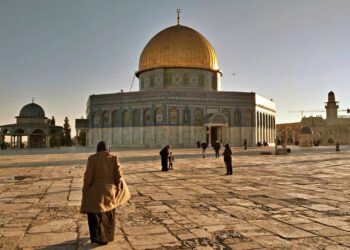
    The Gravity of What Took Place at Al-Aqsa Mosque During Ramadan 2026

    Ramazan 2026’da Mescid-i Aksa’da Yaşananların Ciddiyeti

    AFP/GETTY IMAGES

    FLA-JNIM İş Birliği ve Mali’de Değişen Güvenlik Dinamikleri

    Sosyal Medyada İslamcı-Muhafazakâr Kamusallığın Dönüşümü Üzerine

    Sosyal Medyada İslamcı-Muhafazakâr Kamusallığın Dönüşümü Üzerine

    Bangladeş’te 2026 Seçimleri Sonrası Siyasi Tartışmalar

    Bangladeş’te 2026 Seçimleri Sonrası Siyasi Tartışmalar

    Filistin’de Çocuk Olmak: 5 Nisan Filistinli Çocuklar Günü

    Filistin’de Çocuk Olmak: 5 Nisan Filistinli Çocuklar Günü

    Security, Fragility, and the Search for a New Equilibrium in the Gulf Following the Iranian Attacks

    İran Saldırıları Sonrası Körfez’de Güvenlik, Kırılganlık ve Yeni Denge Arayışı

  • SÖYLEŞİLER
    The Decolonization of Knowledge: Interview with Professor Souleymane Bachir Diagne

    Bilginin Dekolonizasyonu: Profesör Souleymane Bachir Diagne ile Röportaj

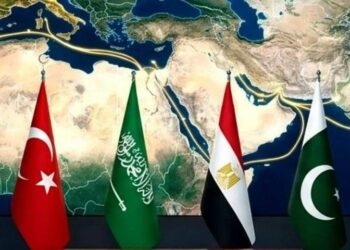
    A Possible New Breath in Regional Balances: The Alliance of Türkiye, Pakistan, Egypt, and Saudi Arabia

    Bölgesel Dengelerde Olası Yeni Bir Soluk: Türkiye, Pakistan, Mısır ve Suudi Arabistan İttifakı

    Digital Ummah and Muslim Identity: Dr. Sahar Khamis Interview

    Dijital Ümmet ve Müslüman Kimliği: Dr. Sahar Khamis ile Röportaj

    From the Ballot Box to the Street: The Rising Social Wave in Tanzania After the Election

    Sandıktan Sokağa: Tanzanya’da Seçim Sonrası Yükselen Toplumsal Dalga

    Müslüman Nüfusa Karşı Güvenlikleştirme

    Müslüman Nüfusa Karşı Güvenlikleştirme

    Gurbet Hikayeleri

    Gurbet Hikayeleri

    Göçü Yönetmek: Dr. Mehmet Köse’yle Söyleşi

    Göçü Yönetmek: Dr. Mehmet Köse’yle Söyleşi

    İstanbul’daki Uluslararası Öğrencilerle Söyleşi

    İstanbul’daki Uluslararası Öğrencilerle Söyleşi

    Zaytuna College Lisansüstü Eğitim Dekanı Maşuk Yamaç’la Söyleşi

    Zaytuna College Lisansüstü Eğitim Dekanı Maşuk Yamaç’la Söyleşi

  • DÜNYADAN SESLER
    Voices from the Muslim World | Sari Hanafi (with Turkish subtitles)

    Voices from the Muslim World | Sari Hanafi (with Turkish subtitles)

    Voices from the Muslim World | Ovamir Anjum

    Voices from the Muslim World | Ovamir Anjum

    VOICES FROM THE MUSLIM WORLD | DR. YASIR QADHI

    VOICES FROM THE MUSLIM WORLD | DR. YASIR QADHI

    VOICES FROM THE MUSLIM WORLD | DR. ADEEL MALIK

    VOICES FROM THE MUSLIM WORLD | DR. ADEEL MALIK

  • SAYILAR
  • VERİTABANI
    • All
    • Hareketler
    • Kurumlar
    • Şahsiyetler
    Pak-Türk Maarif

    Pak-Türk Maarif

    İslam Vakfı

    İslam Vakfı

    Avrupa Fetva ve Araştırma Konseyi

    Avrupa Fetva ve Araştırma Konseyi

    Tokyo Camii ve Diyanet Türk Kültür Merkezi

    Tokyo Camii ve Diyanet Türk Kültür Merkezi

  • PLATFORM
  • HABERLER
    İLKE Agenda: Muzzammil Ayyub Thakur ile Keşmir’in “Filistinleştirilmesi”

    İLKE Agenda: Muzzammil Ayyub Thakur ile Keşmir’in “Filistinleştirilmesi”

    İLKE Agenda: Muzzammil Ayyub Thakur ile Keşmir’in “Filistinleştirilmesi”

    The Platform Talks: Kinda Hawasli ile 8 Aralık Sonrası Suriye

    İLKE Agenda: Muzzammil Ayyub Thakur ile Keşmir’in “Filistinleştirilmesi”

    The Platform Talks: Azzam Tamimi ile 7 Ekim Sonrası Filistin

    İLKE Agenda: Muzzammil Ayyub Thakur ile Keşmir’in “Filistinleştirilmesi”

    İLKE Agenda: Gazze Soykırımı Günlerinde Aktivizm ve İslamofobi

    Filistin Sempozyumu: Filistin ve Küresel İlişkilerin Geleceği

    Filistin Sempozyumu: Filistin ve Küresel İlişkilerin Geleceği

    Filistin Sempozyumu: Filistin ve Küresel İlişkilerin Geleceği

    Müslüman Dünyada Çağdaş Düşünce Konferansı’nda buluşuyoruz!

    Filistin Sempozyumu: Filistin ve Küresel İlişkilerin Geleceği

    Müslüman Dünyada Çağdaş Düşünce Konferansı

    Filistin Sempozyumu: Filistin ve Küresel İlişkilerin Geleceği

    Dr. Jonathan Brown “İslam’ın Siyahiliğe ve Köleliğe Yaklaşımı” adlı seminer gerçekleştirdi.

  • ANALİZLER
    • All
    • Düşünce
    • Eğitim
    • Ekonomi
    • Enerji ve Çevre
    • Göç
    • Medya, Kültür ve Sanat
    • Temel Hak ve Özgürlükler
    • Toplumsal Meseleler
    The Gravity of What Took Place at Al-Aqsa Mosque During Ramadan 2026

    Ramazan 2026’da Mescid-i Aksa’da Yaşananların Ciddiyeti

    AFP/GETTY IMAGES

    FLA-JNIM İş Birliği ve Mali’de Değişen Güvenlik Dinamikleri

    Sosyal Medyada İslamcı-Muhafazakâr Kamusallığın Dönüşümü Üzerine

    Sosyal Medyada İslamcı-Muhafazakâr Kamusallığın Dönüşümü Üzerine

    Bangladeş’te 2026 Seçimleri Sonrası Siyasi Tartışmalar

    Bangladeş’te 2026 Seçimleri Sonrası Siyasi Tartışmalar

    Filistin’de Çocuk Olmak: 5 Nisan Filistinli Çocuklar Günü

    Filistin’de Çocuk Olmak: 5 Nisan Filistinli Çocuklar Günü

    Security, Fragility, and the Search for a New Equilibrium in the Gulf Following the Iranian Attacks

    İran Saldırıları Sonrası Körfez’de Güvenlik, Kırılganlık ve Yeni Denge Arayışı

  • SÖYLEŞİLER
    The Decolonization of Knowledge: Interview with Professor Souleymane Bachir Diagne

    Bilginin Dekolonizasyonu: Profesör Souleymane Bachir Diagne ile Röportaj

    A Possible New Breath in Regional Balances: The Alliance of Türkiye, Pakistan, Egypt, and Saudi Arabia

    Bölgesel Dengelerde Olası Yeni Bir Soluk: Türkiye, Pakistan, Mısır ve Suudi Arabistan İttifakı

    Digital Ummah and Muslim Identity: Dr. Sahar Khamis Interview

    Dijital Ümmet ve Müslüman Kimliği: Dr. Sahar Khamis ile Röportaj

    From the Ballot Box to the Street: The Rising Social Wave in Tanzania After the Election

    Sandıktan Sokağa: Tanzanya’da Seçim Sonrası Yükselen Toplumsal Dalga

    Müslüman Nüfusa Karşı Güvenlikleştirme

    Müslüman Nüfusa Karşı Güvenlikleştirme

    Gurbet Hikayeleri

    Gurbet Hikayeleri

    Göçü Yönetmek: Dr. Mehmet Köse’yle Söyleşi

    Göçü Yönetmek: Dr. Mehmet Köse’yle Söyleşi

    İstanbul’daki Uluslararası Öğrencilerle Söyleşi

    İstanbul’daki Uluslararası Öğrencilerle Söyleşi

    Zaytuna College Lisansüstü Eğitim Dekanı Maşuk Yamaç’la Söyleşi

    Zaytuna College Lisansüstü Eğitim Dekanı Maşuk Yamaç’la Söyleşi

  • DÜNYADAN SESLER
    Voices from the Muslim World | Sari Hanafi (with Turkish subtitles)

    Voices from the Muslim World | Sari Hanafi (with Turkish subtitles)

    Voices from the Muslim World | Ovamir Anjum

    Voices from the Muslim World | Ovamir Anjum

    VOICES FROM THE MUSLIM WORLD | DR. YASIR QADHI

    VOICES FROM THE MUSLIM WORLD | DR. YASIR QADHI

    VOICES FROM THE MUSLIM WORLD | DR. ADEEL MALIK

    VOICES FROM THE MUSLIM WORLD | DR. ADEEL MALIK

  • SAYILAR
  • VERİTABANI
    • All
    • Hareketler
    • Kurumlar
    • Şahsiyetler
    Pak-Türk Maarif

    Pak-Türk Maarif

    İslam Vakfı

    İslam Vakfı

    Avrupa Fetva ve Araştırma Konseyi

    Avrupa Fetva ve Araştırma Konseyi

    Tokyo Camii ve Diyanet Türk Kültür Merkezi

    Tokyo Camii ve Diyanet Türk Kültür Merkezi

No Result
View All Result
Platform
No Result
View All Result
Home Analyses

Unveiling the Potential of Energy Industry Leaders in Embracing Environmental Responsibility

Betül Doğan Akkaş by Betül Doğan Akkaş
7 Kasım 2025
in Analyses, Energy and Environment
0
Unveiling the Potential of Energy Industry Leaders in Embracing Environmental Responsibility
0
SHARES
2
VIEWS
Share on FacebookShare on Twitter

Exploring the Gulf countries’ intellectual contributions, concrete initiatives, and societal stances concerning climate and the environment within their prevailing political-economic framework unveils an intricately layered scenario. The six nations of the Gulf Cooperation Council (GCC) – Saudi Arabia, Bahrain, Qatar, United Arab Emirates (UAE), Kuwait, and Oman – possess pragmatic grounds for being addressed as a distinct sub-region when it comes to climate and environmental policies on the global stage. These countries’ political and economic structures are moulded by a rentier system, hinging on the production and distribution of energy resources. In essence, the actions they take regarding environmental and climate matters are intimately linked with the dynamics of the prevailing political landscape they find themselves in.

At this pivotal juncture, the primary factor demanding immediate attention is the region’s confronting of profoundly critical issues such as climate, environment, water security, and food security. To illustrate, due to the escalating global temperatures and recurrent heatwaves, it is projected that by the year 2070, the Gulf countries’ climate will reach a degree unsuitable for human inhabitation (Gulf will be too hot, 2015). Hence, the urgency to take measures for curtailing carbon emissions is far more pronounced for the GCC nations than for numerous other global regions. Within the ambit of the United Nations Climate Change Conference, UAE, Saudi Arabia, and Bahrain have articulated Net-Zero scenarios as part of their concerted endeavours towards decarbonization (Climate Change in the Middle East and North Africa, 2022). According to these outlined scenarios, UAE envisions achieving a carbon-free economy by 2050, while Saudi Arabia and Bahrain have expressed their aspirations to attain carbon neutrality by 2060.

But how feasible is this goal to achieve? Gulf economies stand as global energy giants, leading in the production of oil and Liquified Natural Gas (LNG). As of 2022, Saudi Arabia produces over 12 million barrels per day, and their published economic plans show no intent to decrease this production (Statistical Review of World Energy, 2023). Qatar, on the other hand, stands as a key player in LNG sales, and its shared North Field with Iran is the largest non-associated natural gas field globally. With its North Field boasting a resource exceeding 900 trillion standard cubic feet, Qatar hosts around 10% of the world’s known natural gas reserves. According to carbon emission data from the World Bank, GCC countries ranked among the top 15 globally in terms of carbon emissions in the year 2020 (World Bank, n.d.). Specifically, Qatar, Bahrain, Kuwait, UAE, Oman, and Saudi Arabia exhibit carbon footprints at least three times higher than that of the UK (CO2 emissions, n.d.). In other words, these nations not only contribute to carbon emissions by selling energy resources but also exhibit significantly high levels of local consumption.

The same trend is evident in water consumption. Looking at the daily per capita water usage figures, we see that UAE (2559 litres), Saudi Arabia (1871 litres), Oman (1488 litres), Qatar (1433 litres), Kuwait (1222 litres), and Bahrain (844 litres) all have notably higher consumption rates compared to the UK’s case (351 litres) (Worldometer, n.d.).

Considering the desert climate prevalent across the Gulf region, it’s essential to acknowledge that water is inherently scarce. This scarcity leads to a significant reliance on imported drinking water, primarily obtained through desalination – the process of removing salt from seawater. Due to the arid climate, groundwater resources are also limited, amplifying the challenge. Consequently, the water expended in agricultural activities, given the desert climate, results in the wastage of a precious and hard-to-replace resource (Zafer, 2021). Therefore, while ensuring food security through local production remains an option in the Gulf, the primary approach involves investing in efficient agricultural ventures abroad to ensure direct access to food (Doğan Akkaş, 2018).

Furthermore, desertification, loss of biodiversity, and rising sea levels are other significant environmental challenges faced by the region. Almost all the countries in the Arabian Gulf have small islands located within their maritime territories. Notably, examples like Qatar and Bahrain underscore that continental shelves can be expanded using artificial islands and land reclamation. Considering that Qatar is a peninsula and Bahrain is an island, the rising sea levels due to climate change could potentially pose problems for settlements and industrial areas in the coming years (Hausfather, 2019; Climate Change Impacts in the GCC, 2021).
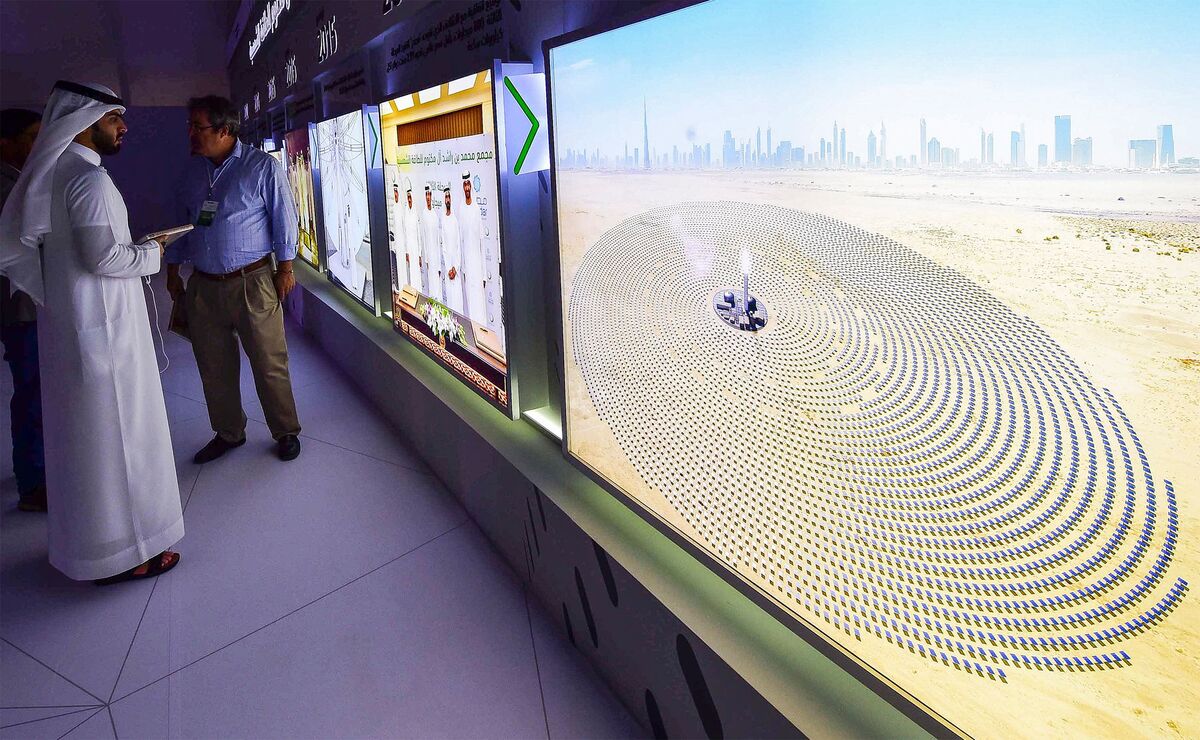
Hence, Gulf states are working towards implementing a comprehensive environmental and climate policy. However, instead of pursuing a unified policy due to their differing economic circumstances and requirements, they are taking actions that align with their individual local and global goals. Bahrain and Kuwait are devising steps for environment and climate through elevated committees, aiming to boost climate and environmental awareness and expedite decision-making. On the other hand, the UAE, Qatar, Oman, and Saudi Arabia have initiated policies at the ministerial level. Notably, the UAE has emerged as a prominent leader in renewable and clean energy, taking substantial strides in this domain in the region. For instance, this year, the UAE is set to host the 28th Conference of the Parties (COP28) to the United Nations Framework Convention on Climate Change. Additionally, they have allocated a $40 billion investment over the next 15 years to transition to clean energy (“The UAE’s response to climate change”, n.d.).

A fundamental criticism lies in the general absence of highlighting Arab culture and Islamic values in the environmental and climate strategies planned predominantly through international organizations and Western economies. The ancient agricultural and maritime traditions of the Gulf countries, along with their socio-economic structures built in harmony with geographical conditions, could foster local intellectual outputs in response to these global environmental challenges. For instance, during the 2023 United Nations Water Conference, Meryem bint Muhammed Almheiri, the Minister of Climate Change and Environment of the UAE, emphasized that her country’s founding leader defined water not as a commodity but as the lifeblood of the community. She urged for the preservation of this heritage as a societal responsibility (UN News, 2023). This signifies an effort to integrate traditional values and contemporary challenges. Particularly in societies with a strong religious inclination, it is plausible that the fatwas (Islamic legal opinions) provided by Islamic groups and leaders, grounded in hadiths (sayings of the Prophet) and verses from the Quran, could have a significant impact, especially on matters like hunting, afforestation, and water conservation (Ozdemir, 2020). In other words, alongside implementing the plans of international organizations as policies enriched by fundamental dynamics, there is a need to augment them with context-aware, Arab culture and Islam-based intellectual productions for more transformative societal effects. This approach recognizes the geography and encourages a synergy between global strategies and locally relevant ideas deeply rooted in Islamic values.

Integrating environmental and climate concerns into Friday sermons, school textbooks, and national campaigns will undoubtedly elevate societal awareness. While Gulf countries’ national vision documents touch upon environmental issues, their dissemination across society would be more impactful. Transforming wasteful behaviours into societal campaigns aligned with Islamic values can be a vital endeavour. While it might not be realistic to expect energy giants to suddenly cease petroleum and LNG production or transition entirely to eco-friendly energy sources, fostering a cultural shift where both society and industries adopt environmentally sensitive policies as intrinsic aspects of their identity can represent a significant and constructive long-term step. Integrating environmental themes into Friday sermons, school curricula, and national campaigns could be a transformative way to enhance awareness and foster sustainable practices within Gulf societies. Additionally, aligning such initiatives with Islamic values could provide a strong foundation for promoting environmental responsibility and climate action. While abrupt changes in energy production might not be feasible, fostering a cultural shift towards environmental sensitivity could lead to lasting and positive change in both societal and industrial practices.

References

Al-Olaimy, T. (2021). Climate change impacts in the GCC. Retrieved from https://bit.ly/45f8etr

Doğan Akkaş, B. (2018). Re-Approaching food security of Qatar: Challenges and possibilities. Ortadoğu Etütleri, 10, 69-90.

Hausfather, Z. (2019). Explainer: How climate change is accelerating sea level rise. Retrieved from https://bit. ly/3E89JxP

Ozdemir, İ. (2020). What does Islam say about climate change and climate action? Retrieved from https://bit.ly/3qC0d2R

The UAE’s response to climate change (n.d.). Retrieved from https://bit.ly/45DGBdm

World Bank Open Data (n.d.). Retrieved from https://data.worldbank.org/ 

Worldometer Water (n.d.). Retrieved from https://www.worldometers.info/water/ 

Zafer, S. (2021). Water Scarcity in MENA. Retrieved from https://bit.ly/3qDvFh4 

Tags: Energy IndustryEnvironmentGulf Contries
Previous Post

Enerji Devlerinin Çevre Dostu Olması Mümkün mü?

Next Post

Küresel Helal Ekosistem

Next Post

Küresel Helal Ekosistem

Bir yanıt yazın Yanıtı iptal et

E-posta adresiniz yayınlanmayacak. Gerekli alanlar * ile işaretlenmişlerdir

  • A Possible New Breath in Regional Balances: The Alliance of Türkiye, Pakistan, Egypt, and Saudi Arabia

    Bölgesel Dengelerde Olası Yeni Bir Soluk: Türkiye, Pakistan, Mısır ve Suudi Arabistan İttifakı

    0 shares
    Share 0 Tweet 0
  • Nakşibendi-Hakkani Tarikatı

    0 shares
    Share 0 Tweet 0
  • Bilime Yön Verenler: Nobel Ödüllü Müslüman Bilim İnsanları

    0 shares
    Share 0 Tweet 0
  • Fuad Sezgin

    0 shares
    Share 0 Tweet 0
  • Sosyal Medyada İslamcı-Muhafazakâr Kamusallığın Dönüşümü Üzerine

    0 shares
    Share 0 Tweet 0
  • The Gravity of What Took Place at Al-Aqsa Mosque During Ramadan 2026

    Ramazan 2026’da Mescid-i Aksa’da Yaşananların Ciddiyeti

    0 shares
    Share 0 Tweet 0
  • The Gravity of What Took Place at Al-Aqsa Mosque During Ramadan 2026

    0 shares
    Share 0 Tweet 0
  • FLA-JNIM Cooperation and Shifting Security Dynamics in Mali

    0 shares
    Share 0 Tweet 0
  • FLA-JNIM İş Birliği ve Mali’de Değişen Güvenlik Dinamikleri

    0 shares
    Share 0 Tweet 0
  • The Current State of Indonesia’s Luxury Industry and the Landscape of Independent Handcrafted Watchmaking

    0 shares
    Share 0 Tweet 0

Platform: Müslüman Dünyanın Gündemi, Müslüman toplumların fikrî, siyasi, sosyal, ekonomik ve kültürel gündemlerini takip ve tahlil edip Müslüman dünyaya dair güncel ve özgün perspektifler sunmayı amaçlayan bir yayın organı olarak İLKE İlim Kültür Eğitim Vakfı bünyesinde kurulmuştur.

  • SAYILAR
  • ANALİZLER
  • HABERLER
  • SÖYLEŞİLER
  • DÜNYADAN SESLER
  • platform@ilke.org.tr
  • (0216) 310 43 18
  • Aziz Mahmut Hüdayi Mah. Türbe Kapısı Sk. No: 13 Üsküdar, İstanbul

2025 @ PLATFORM bir İLKE Vakfı kuruluşudur. Tüm hakları saklıdır. 

No Result
View All Result
  • Home
  • Analizler
  • Haberler
  • Söyleşiler
  • Dünyadan Sesler