
İLKE Vakfı
Platform
  • Türkçe
No Result
View All Result
  • PLATFORM
  • NEWS
    Filistin Sempozyumu: Filistin ve Küresel İlişkilerin Geleceği

    Exploring Islam’s View on Slavery and Blackness: Seminar by Jonathan A.C. Brown

    The Conference on Contemporary Muslim Thought

    The Conference on Contemporary Muslim Thought

    Filistin Sempozyumu: Filistin ve Küresel İlişkilerin Geleceği

    Palestine Symposium: Palestine and the Future of Global Affairs

    İLKE Agenda: Muzzammil Ayyub Thakur ile Keşmir’in “Filistinleştirilmesi”

    The Platform Talks: Palestine after October 7 with Azzam Tamimi

    İLKE Agenda: Muzzammil Ayyub Thakur ile Keşmir’in “Filistinleştirilmesi”

    The Palestine Talks: Syria after December 8 with Kinda Hawasli

    İLKE Agenda: Muzzammil Ayyub Thakur ile Keşmir’in “Filistinleştirilmesi”

    İLKE Agenda: The “Palestinization” of Kashmir with Muzzammil Ayyub Thakur

    İLKE Agenda: Muzzammil Ayyub Thakur ile Keşmir’in “Filistinleştirilmesi”

    Khaled Beydoun: “Islamophobia is a modern manifestation of the crusades”

  • ANALYSIS
    • All
    • Culture, Arts and Media
    • Economy
    • Education
    • Energy and Environment
    • Fundamental Rights and Freedoms
    • Migration
    • Opinion
    • Social Issues
    Gazze’de Barış Planı Tartışması: Yardım, Güvenlik ve Hukuk

    Debate of Peace Plan for Gaza: Aid, Security, and Law

    Uluslararası Sistem ve Ortadoğu’nun Geleceği

    The International System and the Future of the Middle East

    Suriye’de DAEŞ ile Mücadele’de Yeni Dönemin Getirdikleri ve Olası Tehditler

    The Implications of the New Phase in the Fight Against ISIS in Syria and Possible Threats

    İç ve Dış Baskılar Altında İran İslam Cumhuriyeti’nin Zor Sınavı

    The Islamic Republic of Iran’s Tough Test Under Domestic and External Pressures

    İsrail’in Somaliland’ı Tanıması: Afrika Boynuzu’nda İstikrarsızlaştırıcı Bir Hamle

    Israel’s Recognition of Somaliland: A Destabilizing Move in the Horn of Africa

    From the Logic of Eating to the Logic of Display: The Transformation of the Table

    From the Logic of Eating to the Logic of Display: The Transformation of the Table

  • INTERVIEWS
    From the Ballot Box to the Street: The Rising Social Wave in Tanzania After the Election

    From the Ballot Box to the Street: The Rising Social Wave in Tanzania After the Election

    Kafkasya’da Müslümanlar ve İslami Eğitim: TCDİB Kuzey Kafkasya Koordinatörü Selim Akburak ile Söyleşi

    Muslims and Islamic Education in the Caucasus: An Interview with Selim Burak North Caucasus Coordinator in Directorate of Religious Affairs

    Göçü Yönetmek: Dr. Mehmet Köse’yle Söyleşi

    Interview with Mehmet Köse

    Gurbet Hikayeleri

    Interview on Gurbet Hikayeleri

    İstanbul’daki Uluslararası Öğrencilerle Söyleşi

    Interview with International Students in Istanbul

    Gazze’den Bir Ses

    A Voice from Gaza: Sarah al-Najjar

    Filistinli Kadınları Anlamak: Yıldız Ramazanoğlu

    Understanding Palestinian Women: Interview with Yıldız Ramazanoğlu

    Filistinli Yönetmen Nevres Salih’le Söyleşi

    Interview with Palestinian Director Nawras Abu Saleh

    Çin’de Bir Hattat: Haji Noor Deen

    A Calligrapher in China: Haji Noor Deen

  • VOICES
    Anas Altikriti | Voices from the Muslim World | Türkçe Altyazılı

    Anas Altikriti | Voices from the Muslim World | Türkçe Altyazılı

    Basil Mustafa (Oxford) | Voices from the Muslim World | with Turkish subtitles

    Basil Mustafa (Oxford) | Voices from the Muslim World | with Turkish subtitles

    OMAR SULEIMAN | VOICES FROM THE MUSLIM WORLD

    OMAR SULEIMAN | VOICES FROM THE MUSLIM WORLD

    Paul Williams | Voices from the Muslim World

    Paul Williams | Voices from the Muslim World

  • DATABASE
    • All
    • Institutions
    • Movements
    • People
    Afganistan Araştırma ve Değerlendirme Birimi

    Afghanistan Research and Evaluation Unit

    Afgan Stratejik Çalışmalar Merkezi

    Afghan Institute for Strategic Studies

    Abaad Araştırma Merkezi

    Abaad Studies & Research Center

    Hamid Dabashi

    Hamid Dabashi

    Fuad Sezgin

    Fuad Sezgin

    Fikret Karcic

    Fikret Karcic

    Fatıma Mernissi

    Fatıma Mernissi

    Farid Hafez

    Farid Hafez

    Enes Karic

    Enes Karic

  • PLATFORM
  • NEWS
    Filistin Sempozyumu: Filistin ve Küresel İlişkilerin Geleceği

    Exploring Islam’s View on Slavery and Blackness: Seminar by Jonathan A.C. Brown

    The Conference on Contemporary Muslim Thought

    The Conference on Contemporary Muslim Thought

    Filistin Sempozyumu: Filistin ve Küresel İlişkilerin Geleceği

    Palestine Symposium: Palestine and the Future of Global Affairs

    İLKE Agenda: Muzzammil Ayyub Thakur ile Keşmir’in “Filistinleştirilmesi”

    The Platform Talks: Palestine after October 7 with Azzam Tamimi

    İLKE Agenda: Muzzammil Ayyub Thakur ile Keşmir’in “Filistinleştirilmesi”

    The Palestine Talks: Syria after December 8 with Kinda Hawasli

    İLKE Agenda: Muzzammil Ayyub Thakur ile Keşmir’in “Filistinleştirilmesi”

    İLKE Agenda: The “Palestinization” of Kashmir with Muzzammil Ayyub Thakur

    İLKE Agenda: Muzzammil Ayyub Thakur ile Keşmir’in “Filistinleştirilmesi”

    Khaled Beydoun: “Islamophobia is a modern manifestation of the crusades”

  • ANALYSIS
    • All
    • Culture, Arts and Media
    • Economy
    • Education
    • Energy and Environment
    • Fundamental Rights and Freedoms
    • Migration
    • Opinion
    • Social Issues
    Gazze’de Barış Planı Tartışması: Yardım, Güvenlik ve Hukuk

    Debate of Peace Plan for Gaza: Aid, Security, and Law

    Uluslararası Sistem ve Ortadoğu’nun Geleceği

    The International System and the Future of the Middle East

    Suriye’de DAEŞ ile Mücadele’de Yeni Dönemin Getirdikleri ve Olası Tehditler

    The Implications of the New Phase in the Fight Against ISIS in Syria and Possible Threats

    İç ve Dış Baskılar Altında İran İslam Cumhuriyeti’nin Zor Sınavı

    The Islamic Republic of Iran’s Tough Test Under Domestic and External Pressures

    İsrail’in Somaliland’ı Tanıması: Afrika Boynuzu’nda İstikrarsızlaştırıcı Bir Hamle

    Israel’s Recognition of Somaliland: A Destabilizing Move in the Horn of Africa

    From the Logic of Eating to the Logic of Display: The Transformation of the Table

    From the Logic of Eating to the Logic of Display: The Transformation of the Table

  • INTERVIEWS
    From the Ballot Box to the Street: The Rising Social Wave in Tanzania After the Election

    From the Ballot Box to the Street: The Rising Social Wave in Tanzania After the Election

    Kafkasya’da Müslümanlar ve İslami Eğitim: TCDİB Kuzey Kafkasya Koordinatörü Selim Akburak ile Söyleşi

    Muslims and Islamic Education in the Caucasus: An Interview with Selim Burak North Caucasus Coordinator in Directorate of Religious Affairs

    Göçü Yönetmek: Dr. Mehmet Köse’yle Söyleşi

    Interview with Mehmet Köse

    Gurbet Hikayeleri

    Interview on Gurbet Hikayeleri

    İstanbul’daki Uluslararası Öğrencilerle Söyleşi

    Interview with International Students in Istanbul

    Gazze’den Bir Ses

    A Voice from Gaza: Sarah al-Najjar

    Filistinli Kadınları Anlamak: Yıldız Ramazanoğlu

    Understanding Palestinian Women: Interview with Yıldız Ramazanoğlu

    Filistinli Yönetmen Nevres Salih’le Söyleşi

    Interview with Palestinian Director Nawras Abu Saleh

    Çin’de Bir Hattat: Haji Noor Deen

    A Calligrapher in China: Haji Noor Deen

  • VOICES
    Anas Altikriti | Voices from the Muslim World | Türkçe Altyazılı

    Anas Altikriti | Voices from the Muslim World | Türkçe Altyazılı

    Basil Mustafa (Oxford) | Voices from the Muslim World | with Turkish subtitles

    Basil Mustafa (Oxford) | Voices from the Muslim World | with Turkish subtitles

    OMAR SULEIMAN | VOICES FROM THE MUSLIM WORLD

    OMAR SULEIMAN | VOICES FROM THE MUSLIM WORLD

    Paul Williams | Voices from the Muslim World

    Paul Williams | Voices from the Muslim World

  • DATABASE
    • All
    • Institutions
    • Movements
    • People
    Afganistan Araştırma ve Değerlendirme Birimi

    Afghanistan Research and Evaluation Unit

    Afgan Stratejik Çalışmalar Merkezi

    Afghan Institute for Strategic Studies

    Abaad Araştırma Merkezi

    Abaad Studies & Research Center

    Hamid Dabashi

    Hamid Dabashi

    Fuad Sezgin

    Fuad Sezgin

    Fikret Karcic

    Fikret Karcic

    Fatıma Mernissi

    Fatıma Mernissi

    Farid Hafez

    Farid Hafez

    Enes Karic

    Enes Karic

No Result
View All Result
Platform
No Result
View All Result
Home Analyses

Debate of Peace Plan for Gaza: Aid, Security, and Law

Abdulkadir Tok by Abdulkadir Tok
2 March 2026
in Analyses, Opinion
A A
0
Gazze’de Barış Planı Tartışması: Yardım, Güvenlik ve Hukuk
FacebookX/Twitter

(The original Turkish version of this article was published by the Platform: Current Muslim Affairs on March 2, 2026)

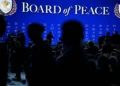
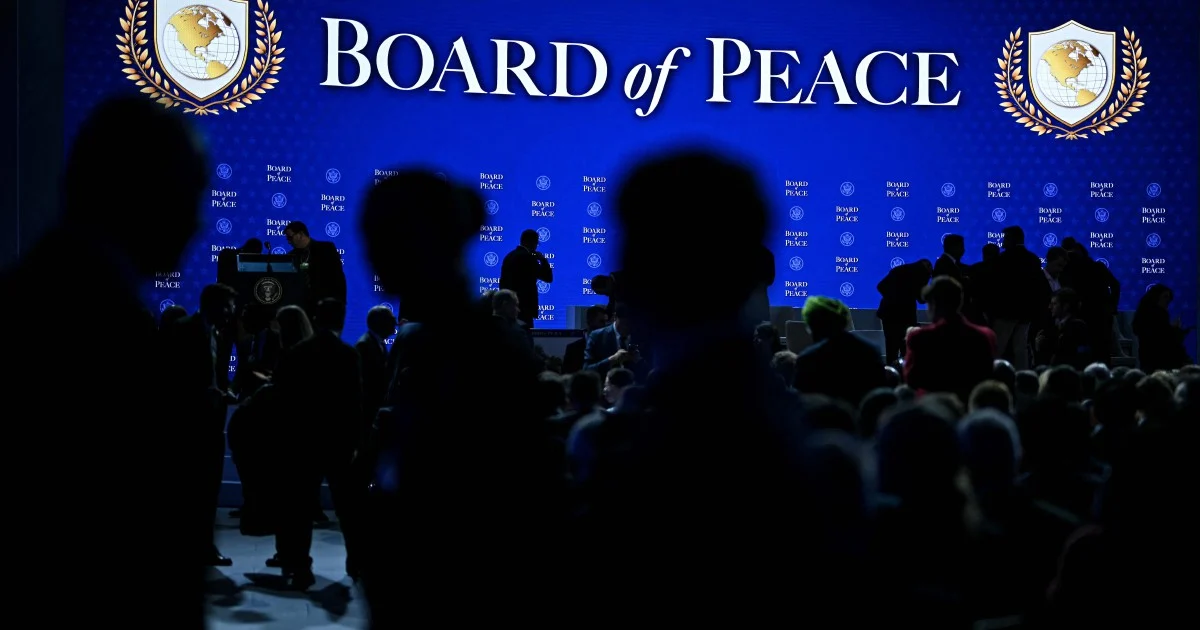
Gaza’s devastating wartime impacts continue, and civilians’ daily lives are being reshaped around the struggle to access basic necessities. While this situation persists, a peace plan for Gaza -and a governance arrangement tied to it- is being debated, with the “Board of Peace” approach, often referred to as the Gaza Peace Council, at the center of this discussion. At the same time, reconstruction is not viewed merely as a technical matter of rebuilding; it is treated as the condition for people to regain access to the most basic needs, such as shelter, healthcare, water, and electricity. Despite this, some statements suggest that the reconstruction process may be made contingent upon certain political and security conditions.

This analysis summarizes the current humanitarian picture in Gaza, examines what the idea of a Gaza Peace Council seeks to achieve and through which actors it is shaped, and then discusses what it means for civilians when reconstruction is tied to conditions such as disarmament and what legal problems this may raise under international law. The final section evaluates the minimum principles on which a civilian-centered, feasible, and legally compliant framework should rest.

The Current Situation in Gaza: Humanitarian Needs and the Urgency of Reconstruction

In Gaza, civilian life is currently defined by access to core necessities such as shelter, clean water, healthcare, and electricity. Large-scale damage to homes and infrastructure reduces people’s ability to live in safe conditions, and temporary shelter solutions become permanent. Disruptions to the health system can cause even minor illnesses to have severe consequences. Under these conditions, reconstruction does not merely mean building structures; it means restoring the minimum order of everyday life.[1]

As the urgency of reconstruction grows, the process ceases to be only a question of “when will it begin” and becomes a question of “with which priorities and under which rules will it be carried out.” The longer debris removal, repairs to water and sewage lines, the stabilization of temporary shelters, and the reopening of schools are delayed, the greater the humanitarian cost. Assessments of the scale of destruction indicate that reconstruction will be long-term and multi-phased. The debate therefore turns not only on whether resources can be secured, but also on whether those resources will be used within a framework that prioritizes civilian needs.[2]

What Is the Gaza Peace Council (Board of Peace)? Role, Actors, and the Legitimacy Debate

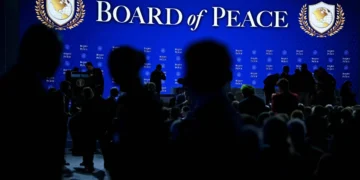
In the framework reflected in public reporting, the Gaza Peace Council is described as a structure intended to make decisions -and coordinate their implementation- across issues ranging from security to governance and reconstruction in the post-ceasefire period. Information reported in the press suggests that the Council is designed as a top-level body operating at the level of leaders, beneath which more technical and executive layers would function. In this account, the Council promises centralized direction over reconstruction and postwar order; yet for the same reason, it inevitably raises the question: who is doing this, and under what authority?[3]

When discussing the Council’s role and actors, the legitimacy debate clusters around three headings. The first is the extent to which Palestinians have representation and a voice in decisions about Gaza’s future. The second concerns how the Council relates to existing international structures such as the United Nations, and how closely it approaches legally defined spheres of authority in international law. The third concerns what balance and oversight mechanisms will govern decision-making on high-stakes issues such as financing and security. These debates deepen because the initial outline of the Council’s structure and function has largely reached the public through press coverage. At the same time, since more systematic descriptions of its aims, institutional design, and operating procedures may appear in official statements, legitimacy assessments require reading press narratives and official texts together, while also distinguishing between them. As long as these uncertainties remain, the Council’s claim to address needs on the ground and the question of “on whose behalf it acts” will continue to be debated side by side.

Conditional Reconstruction: Civilian Rights and Legal Limits

Reconstruction in Gaza is not only a matter of concrete and funding. Basic needs such as shelter, water, healthcare, and education directly shape civilian life. For this reason, an approach that says “reconstruction assistance will be provided only if certain political and security conditions are met” risks, in practice, making civilians’ most urgent needs part of a negotiation. In international law, the protection of civilians and access to essential humanitarian needs are not optional choices left to goodwill; they are addressed within a binding framework. That framework places at its center the principle that assistance should not be arbitrarily delayed and that the civilian population should not be collectively punished.[4]

Some actors nevertheless argue that tying reconstruction to conditions such as “disarmament” is necessary for security. The legal boundary here concerns how the balance between security objectives and civilian rights is established. If such conditions effectively block steps that would improve civilians’ daily lives, the approach can result in the “suspension of civilian rights” under the banner of “security.” Moreover, linking reconstruction to an external governance and oversight regime also makes contentious the question of Palestinians’ ability to have a say in their own future. For this reason, the core of the debate is not limited to whether “aid should happen,” but rather whom, how, and within what limits aid is made conditional.[5]

A Way Forward: A Civilian-Centered, Feasible, and Legally Compliant Framework

The first pillar of any way forward is not delaying steps that directly restore civilian life. A durable ceasefire, safe humanitarian access, and the functioning of basic services must advance together. When the sequence becomes “security conditions first, aid later,” civilians -not armed actors- most often pay the price. A feasible framework therefore guarantees regular, needs-based entry of assistance and takes areas such as healthcare and shelter out of political bargaining. In my view, what the international community must insist on is treating humanitarian access not as a “reward,” but as a legal obligation. This insistence becomes not only a moral stance but also a practical necessity, because without improved living conditions, security promises remain hollow.[6]

The second pillar is that the governance model for reconstruction must be transparent, auditable, and credible in the eyes of society. Tracking financial flows, registering the entry of materials, and running procurement through clear rules both reduces corruption risks and provides a concrete answer to the question “who is this process working for?” Some past mechanisms, even where they enabled oversight, slowed reconstruction due to bureaucracy and veto processes -thereby directly harming people’s lives. In my view, the right framework is the one that strengthens oversight without paralyzing life on the ground. Local needs should be heard, decision-making should be made as transparent as possible, and international oversight should ensure accountability without turning into an instrument of political pressure. In short, unless a system is built that both prevents abuse and does not force civilians to wait, “reconstruction” becomes a promise that is difficult to realize in practice.[7]

Conclusion and Assessment

The current humanitarian picture in Gaza clearly demonstrates that reconstruction is not a technical agenda that can be postponed. Access to basic needs such as shelter, clean water, healthcare, education, and electricity directly determines civilians’ daily lives, and delays in these areas increase humanitarian costs. For this reason, the debate is not limited to when reconstruction will begin, but focuses on the priorities and rules under which it will be carried out. Planning shaped around the Gaza Peace Council must be assessed in this context: alongside the promise of coordination and centralized direction, it also keeps legitimacy questions such as representation, authority, and oversightat the forefront.

This paper highlights the consequences for civilians and the legal constraints under international law that may arise when reconstruction is tied to conditions such as disarmament. The protection of civilians and continuity of access to essential needs should be treated not as a discretionary matter of goodwill, but as a responsibility that must be evaluated within binding principles. Accordingly, a feasible and legally compliant framework must rest on a basis that guarantees regular, needs-based entry of aid; moves the repair of basic services outside political bargaining; and conducts reconstruction governance through mechanisms that are transparent, auditable, and trusted by society. Otherwise, reconstruction discourse will fail to match realities on the ground, and the tension between security objectives and civilian rights will deepen.

*Opinions expressed in this article are the author’s own and do not necessarily reflect Platform: Current Muslim Affairs’ editorial policy.

References


[1] United Nations Office for the Coordination of Humanitarian Affairs (OCHA). (2024). Humanitarian Situation Update: Occupied Palestinian Territory (Gaza Strip). https://www.ochaopt.org/

[2] United Nations Environment Programme (UNEP). (2025). Gazze Şeridi’ndeki çevresel hasar insan sağlığına zarar veriyor, uzun vadeli gıda ve su güvenliğini tehdit ediyor – yeni UNEP raporu. UNEP (Basın bülteni) https://www.unep.org/news-and-stories/press-release/environmental-damage-gaza-strip-harming-human-health-threatening

[3] See The White House (2026, January 16). Statement on President Trump’s Comprehensive Plan to End the Gaza Conflict. Briefings & Statements. https://www.whitehouse.gov/briefings-statements/2026/01/statement-on-president-trumps-comprehensive-plan-to-end-the-gaza-conflict/

[4] ICSPR (2025), The reconstruction of the Gaza Strip between relief and political trusteeship: Reconstruction is a legal right, not a conditional grant (Erişim: 23.02.2026) https://en.icspr.ps/icspr-the-reconstruction-of-the-gaza-strip-between-relief-and-political-trusteeship-reconstruction-is-a-legal-right-not-a-conditional-grant/6831/

[5] New Lines Institute. (2026). The phase two dilemma: Security planning and post-conflict stability in Gaza (Erişim tarihi: 23.02.2026). New Lines Institute https://newlinesinstitute.org/middle-east-center/the-phase-two-dilemma-security-planning-and-post-conflict-stability-in-gaza/

[6]  İNSAMER (2023). Gazze’deki insani kriz ve uluslararası hukuk bağlamında bir zorunluluk olarak insani yardım koridorunun gerekliliği (Erişim tarihi: 23.02.2026). İNSAMER. https://www.insamer.com/tr/gazzedeki-insani-kriz-ve-uluslararasi-hukuk-baglaminda-bir-zorunluluk-olarak-insani-yardim-koridorunun-gerekliligi.html

[8] POMEPS (2018). Normalizing the siege: The Gaza Reconstruction Mechanism and the contradictions of humanitarianism and reconstruction (Erişim tarihi: 23.02.2026). POMEPS. https://pomeps.org/normalizing-the-siege-the-gaza-reconstruction-mechanism-and-the-contradictions-of-humanitarianism-and-reconstruction
Abdulkadir Tok

Abdulkadir Tok

Tok continues his professional work as an independent attorney in Şanlıurfa. He also conducts research on human rights, international law, and migration law within the Jerusalem Studies Group affiliated with Konya Metropolitan Municipality, the Center for Humanitarian and Social Research (İNSAMER), and various other platforms. His areas of focus include evaluating developments in conflict zones — particularly Palestine, Syria, and East Turkestan — within the framework of international law. In this context, he analyzes regional crises by concentrating on international humanitarian law, human rights law, and the role of non-state actors. He continues his academic and professional work by participating in various national and international symposiums, conferences, and workshops. He is also a founding board member of the Jerusalem and Law Association, which works to examine the legal dimensions of human rights violations in the occupied Palestinian territories — especially in Jerusalem — and to raise international awareness on these issues.

Related Articles

Uluslararası Sistem ve Ortadoğu’nun Geleceği
Analyses

The International System and the Future of the Middle East

23 February 2026
Suriye’de DAEŞ ile Mücadele’de Yeni Dönemin Getirdikleri ve Olası Tehditler
Analyses

The Implications of the New Phase in the Fight Against ISIS in Syria and Possible Threats

18 February 2026
İç ve Dış Baskılar Altında İran İslam Cumhuriyeti’nin Zor Sınavı
Analyses

The Islamic Republic of Iran’s Tough Test Under Domestic and External Pressures

11 February 2026
İsrail’in Somaliland’ı Tanıması: Afrika Boynuzu’nda İstikrarsızlaştırıcı Bir Hamle
Analyses

Israel’s Recognition of Somaliland: A Destabilizing Move in the Horn of Africa

11 February 2026
From the Logic of Eating to the Logic of Display: The Transformation of the Table
Analyses

From the Logic of Eating to the Logic of Display: The Transformation of the Table

11 February 2026
Medrese Neden Üniversite Değildir?
Analyses

Why Is the Madrasa Not a University?

30 January 2026
  • Gazze’de Barış Planı Tartışması: Yardım, Güvenlik ve Hukuk

    Debate of Peace Plan for Gaza: Aid, Security, and Law

    0 shares
    Share 0 Tweet 0
  • The International System and the Future of the Middle East

    0 shares
    Share 0 Tweet 0
  • The Implications of the New Phase in the Fight Against ISIS in Syria and Possible Threats

    0 shares
    Share 0 Tweet 0
  • The Islamic Republic of Iran’s Tough Test Under Domestic and External Pressures

    0 shares
    Share 0 Tweet 0
Gazze’de Barış Planı Tartışması: Yardım, Güvenlik ve Hukuk
Analyses

Debate of Peace Plan for Gaza: Aid, Security, and Law

by Abdulkadir Tok
2 March 2026
0

(The original Turkish version of this article was published by the Platform: Current Muslim Affairs on March 2, 2026) Gaza’s devastating wartime...

Read moreDetails
Uluslararası Sistem ve Ortadoğu’nun Geleceği

The International System and the Future of the Middle East

23 February 2026
Suriye’de DAEŞ ile Mücadele’de Yeni Dönemin Getirdikleri ve Olası Tehditler

The Implications of the New Phase in the Fight Against ISIS in Syria and Possible Threats

18 February 2026
İç ve Dış Baskılar Altında İran İslam Cumhuriyeti’nin Zor Sınavı

The Islamic Republic of Iran’s Tough Test Under Domestic and External Pressures

11 February 2026
İsrail’in Somaliland’ı Tanıması: Afrika Boynuzu’nda İstikrarsızlaştırıcı Bir Hamle

Israel’s Recognition of Somaliland: A Destabilizing Move in the Horn of Africa

11 February 2026

Platform: Agenda of the Muslim World was established within the İLKE Science Culture Education Foundation as a publication organ that aims to follow and analyze the intellectual, political, social, economic and cultural agendas of Muslim societies and to present current and original perspectives on the Muslim world.

  • ANALYSIS
  • NEWS
  • INTERVIEWS
  • VOICES
  • platform@ilke.org.tr
  • (0216) 310 43 18
  • Aziz Mahmut Hüdayi Mah. Türbe Kapısı Sk. No: 13 Üsküdar, İstanbul
Instagram X-twitter

2025 @ PLATFORM is an İLKE Foundation organization. All rights reserved.

No Result
View All Result
  • Home
  • Analyses
  • Infographic
  • Interviews
  • News
  • Database
  • Voices
İLKE Vakfı
  • Türkçe