











İLKE Vakfı
Platform
  • Türkçe
No Result
View All Result
  • PLATFORM
  • NEWS
    Filistin Sempozyumu: Filistin ve Küresel İlişkilerin Geleceği

    Exploring Islam’s View on Slavery and Blackness: Seminar by Jonathan A.C. Brown

    The Conference on Contemporary Muslim Thought

    The Conference on Contemporary Muslim Thought

    Filistin Sempozyumu: Filistin ve Küresel İlişkilerin Geleceği

    Palestine Symposium: Palestine and the Future of Global Affairs

    İLKE Agenda: Muzzammil Ayyub Thakur ile Keşmir’in “Filistinleştirilmesi”

    The Platform Talks: Palestine after October 7 with Azzam Tamimi

    İLKE Agenda: Muzzammil Ayyub Thakur ile Keşmir’in “Filistinleştirilmesi”

    The Palestine Talks: Syria after December 8 with Kinda Hawasli

    İLKE Agenda: Muzzammil Ayyub Thakur ile Keşmir’in “Filistinleştirilmesi”

    İLKE Agenda: The “Palestinization” of Kashmir with Muzzammil Ayyub Thakur

    İLKE Agenda: Muzzammil Ayyub Thakur ile Keşmir’in “Filistinleştirilmesi”

    Khaled Beydoun: “Islamophobia is a modern manifestation of the crusades”

  • ANALYSIS
    • All
    • Culture, Arts and Media
    • Economy
    • Education
    • Energy and Environment
    • Fundamental Rights and Freedoms
    • Migration
    • Opinion
    • Social Issues
    İç ve Dış Baskılar Altında İran İslam Cumhuriyeti’nin Zor Sınavı

    The Islamic Republic of Iran’s Tough Test Under Domestic and External Pressures

    İsrail’in Somaliland’ı Tanıması: Afrika Boynuzu’nda İstikrarsızlaştırıcı Bir Hamle

    Israel’s Recognition of Somaliland: A Destabilizing Move in the Horn of Africa

    From the Logic of Eating to the Logic of Display: The Transformation of the Table

    From the Logic of Eating to the Logic of Display: The Transformation of the Table

    Medrese Neden Üniversite Değildir?

    Why Is the Madrasa Not a University?

    Sharif Osman Hadi and the Politics of Insāf: Youth Mobilization and the Unfinished Revolution in Bangladesh

    Sharif Osman Hadi and the Politics of Insāf: Youth Mobilization and the Unfinished Revolution in Bangladesh

    What Does Ghannouchi’s Hunger Strike Say About Tunisian Politics?

    What Does Ghannouchi’s Hunger Strike Say About Tunisian Politics?

  • INTERVIEWS
    From the Ballot Box to the Street: The Rising Social Wave in Tanzania After the Election

    From the Ballot Box to the Street: The Rising Social Wave in Tanzania After the Election

    Kafkasya’da Müslümanlar ve İslami Eğitim: TCDİB Kuzey Kafkasya Koordinatörü Selim Akburak ile Söyleşi

    Muslims and Islamic Education in the Caucasus: An Interview with Selim Burak North Caucasus Coordinator in Directorate of Religious Affairs

    Göçü Yönetmek: Dr. Mehmet Köse’yle Söyleşi

    Interview with Mehmet Köse

    Gurbet Hikayeleri

    Interview on Gurbet Hikayeleri

    İstanbul’daki Uluslararası Öğrencilerle Söyleşi

    Interview with International Students in Istanbul

    Gazze’den Bir Ses

    A Voice from Gaza: Sarah al-Najjar

    Filistinli Kadınları Anlamak: Yıldız Ramazanoğlu

    Understanding Palestinian Women: Interview with Yıldız Ramazanoğlu

    Filistinli Yönetmen Nevres Salih’le Söyleşi

    Interview with Palestinian Director Nawras Abu Saleh

    Çin’de Bir Hattat: Haji Noor Deen

    A Calligrapher in China: Haji Noor Deen

  • VOICES
    Anas Altikriti | Voices from the Muslim World | Türkçe Altyazılı

    Anas Altikriti | Voices from the Muslim World | Türkçe Altyazılı

    Basil Mustafa (Oxford) | Voices from the Muslim World | with Turkish subtitles

    Basil Mustafa (Oxford) | Voices from the Muslim World | with Turkish subtitles

    OMAR SULEIMAN | VOICES FROM THE MUSLIM WORLD

    OMAR SULEIMAN | VOICES FROM THE MUSLIM WORLD

    Paul Williams | Voices from the Muslim World

    Paul Williams | Voices from the Muslim World

  • DATABASE
    • All
    • Institutions
    • Movements
    • People
    Afganistan Araştırma ve Değerlendirme Birimi

    Afghanistan Research and Evaluation Unit

    Afgan Stratejik Çalışmalar Merkezi

    Afghan Institute for Strategic Studies

    Abaad Araştırma Merkezi

    Abaad Studies & Research Center

    Hamid Dabashi

    Hamid Dabashi

    Fuad Sezgin

    Fuad Sezgin

    Fikret Karcic

    Fikret Karcic

    Fatıma Mernissi

    Fatıma Mernissi

    Farid Hafez

    Farid Hafez

    Enes Karic

    Enes Karic

  • PLATFORM
  • NEWS
    Filistin Sempozyumu: Filistin ve Küresel İlişkilerin Geleceği

    Exploring Islam’s View on Slavery and Blackness: Seminar by Jonathan A.C. Brown

    The Conference on Contemporary Muslim Thought

    The Conference on Contemporary Muslim Thought

    Filistin Sempozyumu: Filistin ve Küresel İlişkilerin Geleceği

    Palestine Symposium: Palestine and the Future of Global Affairs

    İLKE Agenda: Muzzammil Ayyub Thakur ile Keşmir’in “Filistinleştirilmesi”

    The Platform Talks: Palestine after October 7 with Azzam Tamimi

    İLKE Agenda: Muzzammil Ayyub Thakur ile Keşmir’in “Filistinleştirilmesi”

    The Palestine Talks: Syria after December 8 with Kinda Hawasli

    İLKE Agenda: Muzzammil Ayyub Thakur ile Keşmir’in “Filistinleştirilmesi”

    İLKE Agenda: The “Palestinization” of Kashmir with Muzzammil Ayyub Thakur

    İLKE Agenda: Muzzammil Ayyub Thakur ile Keşmir’in “Filistinleştirilmesi”

    Khaled Beydoun: “Islamophobia is a modern manifestation of the crusades”

  • ANALYSIS
    • All
    • Culture, Arts and Media
    • Economy
    • Education
    • Energy and Environment
    • Fundamental Rights and Freedoms
    • Migration
    • Opinion
    • Social Issues
    İç ve Dış Baskılar Altında İran İslam Cumhuriyeti’nin Zor Sınavı

    The Islamic Republic of Iran’s Tough Test Under Domestic and External Pressures

    İsrail’in Somaliland’ı Tanıması: Afrika Boynuzu’nda İstikrarsızlaştırıcı Bir Hamle

    Israel’s Recognition of Somaliland: A Destabilizing Move in the Horn of Africa

    From the Logic of Eating to the Logic of Display: The Transformation of the Table

    From the Logic of Eating to the Logic of Display: The Transformation of the Table

    Medrese Neden Üniversite Değildir?

    Why Is the Madrasa Not a University?

    Sharif Osman Hadi and the Politics of Insāf: Youth Mobilization and the Unfinished Revolution in Bangladesh

    Sharif Osman Hadi and the Politics of Insāf: Youth Mobilization and the Unfinished Revolution in Bangladesh

    What Does Ghannouchi’s Hunger Strike Say About Tunisian Politics?

    What Does Ghannouchi’s Hunger Strike Say About Tunisian Politics?

  • INTERVIEWS
    From the Ballot Box to the Street: The Rising Social Wave in Tanzania After the Election

    From the Ballot Box to the Street: The Rising Social Wave in Tanzania After the Election

    Kafkasya’da Müslümanlar ve İslami Eğitim: TCDİB Kuzey Kafkasya Koordinatörü Selim Akburak ile Söyleşi

    Muslims and Islamic Education in the Caucasus: An Interview with Selim Burak North Caucasus Coordinator in Directorate of Religious Affairs

    Göçü Yönetmek: Dr. Mehmet Köse’yle Söyleşi

    Interview with Mehmet Köse

    Gurbet Hikayeleri

    Interview on Gurbet Hikayeleri

    İstanbul’daki Uluslararası Öğrencilerle Söyleşi

    Interview with International Students in Istanbul

    Gazze’den Bir Ses

    A Voice from Gaza: Sarah al-Najjar

    Filistinli Kadınları Anlamak: Yıldız Ramazanoğlu

    Understanding Palestinian Women: Interview with Yıldız Ramazanoğlu

    Filistinli Yönetmen Nevres Salih’le Söyleşi

    Interview with Palestinian Director Nawras Abu Saleh

    Çin’de Bir Hattat: Haji Noor Deen

    A Calligrapher in China: Haji Noor Deen

  • VOICES
    Anas Altikriti | Voices from the Muslim World | Türkçe Altyazılı

    Anas Altikriti | Voices from the Muslim World | Türkçe Altyazılı

    Basil Mustafa (Oxford) | Voices from the Muslim World | with Turkish subtitles

    Basil Mustafa (Oxford) | Voices from the Muslim World | with Turkish subtitles

    OMAR SULEIMAN | VOICES FROM THE MUSLIM WORLD

    OMAR SULEIMAN | VOICES FROM THE MUSLIM WORLD

    Paul Williams | Voices from the Muslim World

    Paul Williams | Voices from the Muslim World

  • DATABASE
    • All
    • Institutions
    • Movements
    • People
    Afganistan Araştırma ve Değerlendirme Birimi

    Afghanistan Research and Evaluation Unit

    Afgan Stratejik Çalışmalar Merkezi

    Afghan Institute for Strategic Studies

    Abaad Araştırma Merkezi

    Abaad Studies & Research Center

    Hamid Dabashi

    Hamid Dabashi

    Fuad Sezgin

    Fuad Sezgin

    Fikret Karcic

    Fikret Karcic

    Fatıma Mernissi

    Fatıma Mernissi

    Farid Hafez

    Farid Hafez

    Enes Karic

    Enes Karic

No Result
View All Result
Platform
No Result
View All Result
Home Analyses

Israel’s Recognition of Somaliland: A Destabilizing Move in the Horn of Africa

Kaan Devecioğlu by Kaan Devecioğlu
11 February 2026
in Analyses, Opinion
A A
0
İsrail’in Somaliland’ı Tanıması: Afrika Boynuzu’nda İstikrarsızlaştırıcı Bir Hamle
FacebookX/Twitter

(The original Turkish version of this article was published by the Platform: Current Muslim Affairs on February 9, 2026)

In recent years, the Horn of Africa has become a geopolitical fault line where multidimensional crises intersect, including intra-state conflicts, fragile governance structures, great-power competition, and maritime trade route security. Within this fragile balance, every unilateral step has the potential to affect not only bilateral relations but the entire regional security architecture. Israel’s decision to recognize Somaliland, in this context, should be regarded not merely as a diplomatic preference but as a strategic intervention that deepens existing conflict dynamics in the Horn of Africa, weakens Somalia’s sovereignty, and directly threatens regional stability.

The repercussions of this move are felt across a wide spectrum, ranging from Somalia’s internal political balance and Ethiopia’s strategy for access to the sea to the dialogue processes facilitated by Türkiye (the Ankara Declaration) and the sub-conflict zones within Somaliland itself. Therefore, Israel’s move produces a divisive and destabilizing effect not only along the Somaliland–Mogadishu axis but across the entire Horn of Africa.

A Direct Intervention Against Somalia’s Territorial Integrity

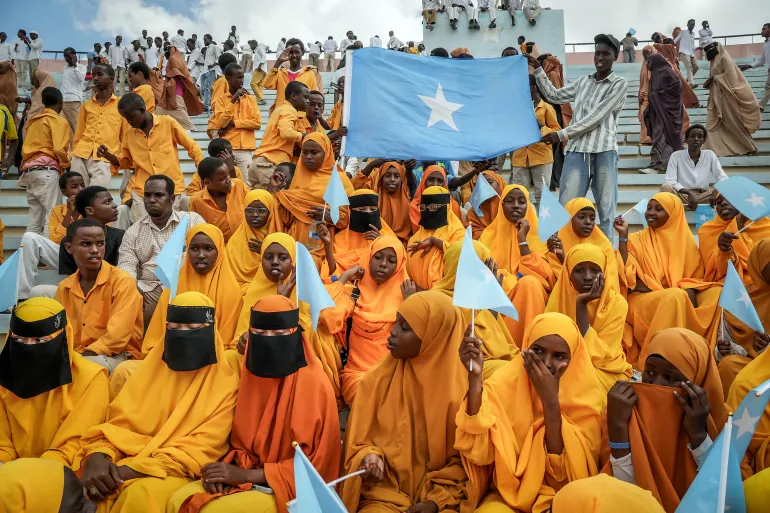
Since the state’s collapse in 1991, Somalia has been undergoing a long and painful process of reconstruction. Although the federal structure contains internal challenges, it has been shaped as a framework of consensus aimed at preserving the country’s territorial integrity. Somaliland’s unilateral declaration of independence, however, has not been recognized by the international community to date and has been rejected on the basis of Somalia’s sovereignty and territorial unity.

Israel’s recognition of Somaliland constitutes a step that breaks this international consensus and directly targets Somalia’s sovereignty claim. This recognition erodes Mogadishu’s claim of being the “sole legitimate representative” and encourages separatist tendencies by disrupting the center–periphery balance within the federal system. Moreover, this move sets a dangerous precedent that could prompt other federal entities, such as Puntland, Jubaland, and Southwest State, to question their relations with Mogadishu.

In this regard, Israel’s action weakens the already fragile federal consensus in Somalia and promotes a fragmented political structure rather than strengthening central authority. This directly undermines Somalia’s state-building process.

On the other hand, one of the most striking consequences of Israel’s recognition of Somaliland is the deepening of Somaliland’s internal legitimacy crisis. Although Somaliland is often portrayed internationally as a homogeneous and stable entity, realities on the ground suggest otherwise. Developments along the SSC Khatumo and Las Anod axis clearly demonstrate that the Somaliland administration has failed to establish full control even over the territories it claims.

The conflicts centered in Las Anod have revealed the limited authority of Somaliland over Harti/Darod communities, while SSC Khatumo’s pursuit of direct relations with Mogadishu has significantly weakened Somaliland’s claim of a “singular and unified political will.” Israel’s recognition further complicates this already fragile landscape.

While recognition emboldens the Somaliland administration, it causes structures such as SSC Khatumo to feel marginalized and threatened. This increases the potential for internal conflict within Somaliland and carries the risk of transforming local disputes into a broader regional crisis.

Israel’s Regional Strategy and Its Destabilizing Impact

Israel’s decision to recognize Somaliland should not be interpreted as an isolated or context-free diplomatic move, but rather as part of a broader regional strategy that Israel has been developing in recent years along the Red Sea–Horn of Africa corridor. This strategy revolves around objectives such as securing maritime trade routes in the Red Sea basin, gaining access to ports, acquiring military and intelligence depth, and limiting the influence of rival or alternative actors. Within this framework, the recognition of Somaliland can be seen as an attempt by Israel to establish influence through a geographically critical yet politically fragile area.

Israel’s growing interest in the Red Sea and the Horn of Africa in recent years is not limited to commercial or diplomatic dimensions. The Bab al-Mandab Strait and its surroundings hold strategic importance for Israel in terms of both the security of the Asia–Europe trade route and the continuity of the Eastern Mediterranean–Indian Ocean connection. The heightened security risks in the Red Sea following the Gaza war have accelerated Israel’s search for alternative and forward access points along this corridor. The recognition of Somaliland thus emerges as part of a strategy aimed at gaining leverage through an actor claiming de facto control, rather than engaging directly with Mogadishu.

However, this approach contains serious structural flaws, as it disregards the fragile political and social fabric of the Horn of Africa.

The destabilizing nature of Israel’s strategy is not confined to internal dynamics within Somaliland. By effectively calling Somalia’s territorial integrity into question, the recognition undermines the long-standing principle in the Horn of Africa that borders should not be redefined through unilateral secessions. This sets an extremely risky precedent not only for Somalia, but also for countries such as Ethiopia, Eritrea, and Sudan, which are marked by ethnic, regional, and political fault lines. Israel’s move may indirectly embolden other separatist or autonomy-seeking movements in the region.

More concretely, Israel’s recognition of Somaliland intersects with Ethiopia’s strategy for access to the sea, creating a new zone of geopolitical tension. While Addis Ababa’s pursuit of port access through Somaliland has already generated a serious crisis in relations with Somalia, Israel’s recognition further complicates this issue. It reinforces the perception in Ethiopia that “de facto situations can evolve into international recognition,” thereby weakening consensus-based solution efforts and pushing regional problems away from diplomatic negotiation toward geopolitical rivalry.

Another destabilizing dimension of Israel’s strategy lies in its indirect undermining of regional mediation and crisis-management initiatives. The Ankara Process, facilitated by Türkiye, has emerged as one of the few diplomatic efforts that have successfully prevented the militarization of tensions along the Somalia–Ethiopia axis. Israel’s recognition creates a de facto situation that renders this process meaningless and weakens negotiation-based solutions. In this sense, the recognition constitutes an indirect intervention not only against Somalia, but also against actors striving to produce regional stability.

New Lines of Tension in the Horn of Africa and Türkiye’s Stabilizing Role

Israel’s recognition of Somaliland is generating a new line of division among Horn of Africa countries. For Somalia, this step is perceived as a clear violation of sovereignty, while for Ethiopia, it produces different yet equally risky consequences. Addis Ababa’s quest for access to the sea has become one of the most sensitive issues in recent regional diplomacy.

Ethiopia’s pursuit of maritime access via Somaliland has produced serious tensions with Somalia, tensions that have been partially eased through the Ankara Process facilitated by Türkiye. Israel’s recognition disrupts this delicate balance by weakening the diplomatic framework that pressures Ethiopia toward reconciliation with Somalia. This move risks transforming Ethiopia’s access-to-the-sea issue from a consensus-based problem into a field of geopolitical competition, potentially triggering a new regional security spiral in the Horn of Africa.

In recent years, Türkiye has stood out as an “actor producing stability” in the Horn of Africa, playing an active role in strengthening Somalia’s state capacity, maritime jurisdiction issues, security sector reform, and regional dialogue processes. Contacts conducted between Somalia and Ethiopia under the Ankara Process have been widely regarded as an important diplomatic achievement that prevented the militarization of the crisis.

Israel’s recognition of Somaliland indirectly sabotages this process. By weakening Somalia’s negotiating position and creating a de facto situation that renders compromise efforts meaningless, the recognition also constrains Türkiye’s mediation and facilitation capacity. Thus, Israel’s move constitutes not only a challenge to Somalia, but also an indirect challenge to actors striving for regional stability.

Conclusion

Ultimately, Israel’s recognition of Somaliland is far from being a step that contributes to peace and stability in the Horn of Africa. On the contrary, it produces an effect that weakens Somalia’s sovereignty, erodes trust among federal structures, triggers internal conflicts within Somaliland, and disrupts the relative stability achieved through Türkiye’s facilitation. In this sense, Israel emerges not as a balancing force in the region, but as a “destabilizing actor.”

What the Horn of Africa needs is not unilateral recognitions but diplomatic processes that respect international law, are inclusive, and prioritize regional consensus. Otherwise, the Somaliland issue risks evolving into a chronic security crisis affecting not only Somalia but the entire Horn of Africa.

* Opinions expressed in this article are the author’s own and do not necessarily reflect Platform: Current Muslim Affairs’ editorial policy.


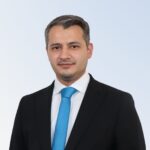
Kaan Devecioğlu

Kaan Devecioğlu

He completed his PhD in the Department of International Relations at Istanbul Medeniyet University. He currently serves as the Coordinator of North and East Africa Studies at ORSAM. He has conducted field research in countries across North and East Africa. His research interests include the role of global and regional actors in Africa, security, migration, and developments related to terrorism, with a particular focus on Africa in Turkish foreign policy, the Horn of Africa, the Red Sea, and the Sahel. His articles and book chapters have been published in peer-reviewed journals, and his analyses and opinions have appeared in the media and in numerous international publications. Devecioğlu is also the author of the book “Babülmendep Boğazı’nda ABD-Çin Rekabeti” (U.S.–China Rivalry in the Bab el-Mandeb Strait).

Related Articles

İç ve Dış Baskılar Altında İran İslam Cumhuriyeti’nin Zor Sınavı
Analyses

The Islamic Republic of Iran’s Tough Test Under Domestic and External Pressures

11 February 2026
From the Logic of Eating to the Logic of Display: The Transformation of the Table
Analyses

From the Logic of Eating to the Logic of Display: The Transformation of the Table

11 February 2026
Medrese Neden Üniversite Değildir?
Analyses

Why Is the Madrasa Not a University?

30 January 2026
Sharif Osman Hadi and the Politics of Insāf: Youth Mobilization and the Unfinished Revolution in Bangladesh
Analyses

Sharif Osman Hadi and the Politics of Insāf: Youth Mobilization and the Unfinished Revolution in Bangladesh

21 January 2026
What Does Ghannouchi’s Hunger Strike Say About Tunisian Politics?
Analyses

What Does Ghannouchi’s Hunger Strike Say About Tunisian Politics?

15 January 2026
The End of Gray Balances: Eastern Yemen, Saudi Security Imperatives, and Yemeni Unity
Analyses

The End of Gray Balances: Eastern Yemen, Saudi Security Imperatives, and Yemeni Unity

9 January 2026
  • İç ve Dış Baskılar Altında İran İslam Cumhuriyeti’nin Zor Sınavı

    The Islamic Republic of Iran’s Tough Test Under Domestic and External Pressures

    0 shares
    Share 0 Tweet 0
  • Israel’s Recognition of Somaliland: A Destabilizing Move in the Horn of Africa

    0 shares
    Share 0 Tweet 0
  • From the Logic of Eating to the Logic of Display: The Transformation of the Table

    0 shares
    Share 0 Tweet 0
  • Why Is the Madrasa Not a University?

    0 shares
    Share 0 Tweet 0
İç ve Dış Baskılar Altında İran İslam Cumhuriyeti’nin Zor Sınavı
Analyses

The Islamic Republic of Iran’s Tough Test Under Domestic and External Pressures

by Mustafa Caner
11 February 2026
0

(The original Turkish version of this article was published by the Platform: Current Muslim Affairs on February 5, 2026) In recent days,...

Read moreDetails
İsrail’in Somaliland’ı Tanıması: Afrika Boynuzu’nda İstikrarsızlaştırıcı Bir Hamle

Israel’s Recognition of Somaliland: A Destabilizing Move in the Horn of Africa

11 February 2026
From the Logic of Eating to the Logic of Display: The Transformation of the Table

From the Logic of Eating to the Logic of Display: The Transformation of the Table

11 February 2026
Medrese Neden Üniversite Değildir?

Why Is the Madrasa Not a University?

30 January 2026
Sharif Osman Hadi and the Politics of Insāf: Youth Mobilization and the Unfinished Revolution in Bangladesh

Sharif Osman Hadi and the Politics of Insāf: Youth Mobilization and the Unfinished Revolution in Bangladesh

21 January 2026

Platform: Agenda of the Muslim World was established within the İLKE Science Culture Education Foundation as a publication organ that aims to follow and analyze the intellectual, political, social, economic and cultural agendas of Muslim societies and to present current and original perspectives on the Muslim world.

  • ANALYSIS
  • NEWS
  • INTERVIEWS
  • VOICES
  • platform@ilke.org.tr
  • (0216) 310 43 18
  • Aziz Mahmut Hüdayi Mah. Türbe Kapısı Sk. No: 13 Üsküdar, İstanbul
Instagram X-twitter

2025 @ PLATFORM is an İLKE Foundation organization. All rights reserved.

No Result
View All Result
  • Home
  • Analyses
  • Infographic
  • Interviews
  • News
  • Database
  • Voices
İLKE Vakfı
  • Türkçe