İLKE Vakfı
Platform
No Result
View All Result
  • PLATFORM
  • HABERLER
    İLKE Agenda: Muzzammil Ayyub Thakur ile Keşmir’in “Filistinleştirilmesi”

    İLKE Agenda: Muzzammil Ayyub Thakur ile Keşmir’in “Filistinleştirilmesi”

    İLKE Agenda: Muzzammil Ayyub Thakur ile Keşmir’in “Filistinleştirilmesi”

    The Platform Talks: Kinda Hawasli ile 8 Aralık Sonrası Suriye

    İLKE Agenda: Muzzammil Ayyub Thakur ile Keşmir’in “Filistinleştirilmesi”

    The Platform Talks: Azzam Tamimi ile 7 Ekim Sonrası Filistin

    İLKE Agenda: Muzzammil Ayyub Thakur ile Keşmir’in “Filistinleştirilmesi”

    İLKE Agenda: Gazze Soykırımı Günlerinde Aktivizm ve İslamofobi

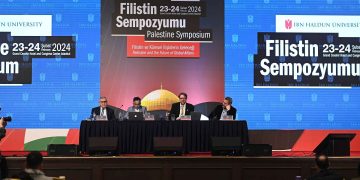
    Filistin Sempozyumu: Filistin ve Küresel İlişkilerin Geleceği

    Filistin Sempozyumu: Filistin ve Küresel İlişkilerin Geleceği

    Filistin Sempozyumu: Filistin ve Küresel İlişkilerin Geleceği

    Müslüman Dünyada Çağdaş Düşünce Konferansı’nda buluşuyoruz!

    Filistin Sempozyumu: Filistin ve Küresel İlişkilerin Geleceği

    Müslüman Dünyada Çağdaş Düşünce Konferansı

    Filistin Sempozyumu: Filistin ve Küresel İlişkilerin Geleceği

    Dr. Jonathan Brown “İslam’ın Siyahiliğe ve Köleliğe Yaklaşımı” adlı seminer gerçekleştirdi.

  • ANALİZLER
    • All
    • Düşünce
    • Eğitim
    • Ekonomi
    • Enerji ve Çevre
    • Göç
    • Medya, Kültür ve Sanat
    • Temel Hak ve Özgürlükler
    • Toplumsal Meseleler
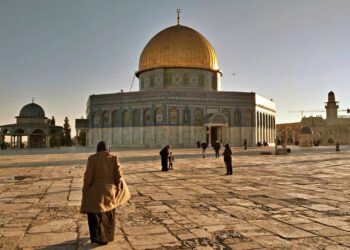
    The Gravity of What Took Place at Al-Aqsa Mosque During Ramadan 2026

    Ramazan 2026’da Mescid-i Aksa’da Yaşananların Ciddiyeti

    AFP/GETTY IMAGES

    FLA-JNIM İş Birliği ve Mali’de Değişen Güvenlik Dinamikleri

    Sosyal Medyada İslamcı-Muhafazakâr Kamusallığın Dönüşümü Üzerine

    Sosyal Medyada İslamcı-Muhafazakâr Kamusallığın Dönüşümü Üzerine

    Bangladeş’te 2026 Seçimleri Sonrası Siyasi Tartışmalar

    Bangladeş’te 2026 Seçimleri Sonrası Siyasi Tartışmalar

    Filistin’de Çocuk Olmak: 5 Nisan Filistinli Çocuklar Günü

    Filistin’de Çocuk Olmak: 5 Nisan Filistinli Çocuklar Günü

    Security, Fragility, and the Search for a New Equilibrium in the Gulf Following the Iranian Attacks

    İran Saldırıları Sonrası Körfez’de Güvenlik, Kırılganlık ve Yeni Denge Arayışı

  • SÖYLEŞİLER
    The Decolonization of Knowledge: Interview with Professor Souleymane Bachir Diagne

    Bilginin Dekolonizasyonu: Profesör Souleymane Bachir Diagne ile Röportaj

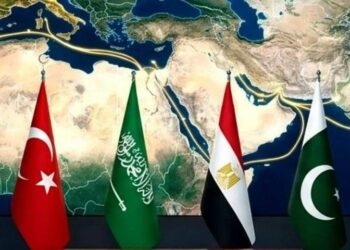
    A Possible New Breath in Regional Balances: The Alliance of Türkiye, Pakistan, Egypt, and Saudi Arabia

    Bölgesel Dengelerde Olası Yeni Bir Soluk: Türkiye, Pakistan, Mısır ve Suudi Arabistan İttifakı

    Digital Ummah and Muslim Identity: Dr. Sahar Khamis Interview

    Dijital Ümmet ve Müslüman Kimliği: Dr. Sahar Khamis ile Röportaj

    From the Ballot Box to the Street: The Rising Social Wave in Tanzania After the Election

    Sandıktan Sokağa: Tanzanya’da Seçim Sonrası Yükselen Toplumsal Dalga

    Müslüman Nüfusa Karşı Güvenlikleştirme

    Müslüman Nüfusa Karşı Güvenlikleştirme

    Gurbet Hikayeleri

    Gurbet Hikayeleri

    Göçü Yönetmek: Dr. Mehmet Köse’yle Söyleşi

    Göçü Yönetmek: Dr. Mehmet Köse’yle Söyleşi

    İstanbul’daki Uluslararası Öğrencilerle Söyleşi

    İstanbul’daki Uluslararası Öğrencilerle Söyleşi

    Zaytuna College Lisansüstü Eğitim Dekanı Maşuk Yamaç’la Söyleşi

    Zaytuna College Lisansüstü Eğitim Dekanı Maşuk Yamaç’la Söyleşi

  • DÜNYADAN SESLER
    Voices from the Muslim World | Sari Hanafi (with Turkish subtitles)

    Voices from the Muslim World | Sari Hanafi (with Turkish subtitles)

    Voices from the Muslim World | Ovamir Anjum

    Voices from the Muslim World | Ovamir Anjum

    VOICES FROM THE MUSLIM WORLD | DR. YASIR QADHI

    VOICES FROM THE MUSLIM WORLD | DR. YASIR QADHI

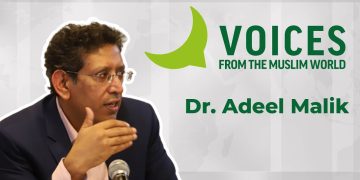
    VOICES FROM THE MUSLIM WORLD | DR. ADEEL MALIK

    VOICES FROM THE MUSLIM WORLD | DR. ADEEL MALIK

  • SAYILAR
  • VERİTABANI
    • All
    • Hareketler
    • Kurumlar
    • Şahsiyetler
    Pak-Türk Maarif

    Pak-Türk Maarif

    İslam Vakfı

    İslam Vakfı

    Avrupa Fetva ve Araştırma Konseyi

    Avrupa Fetva ve Araştırma Konseyi

    Tokyo Camii ve Diyanet Türk Kültür Merkezi

    Tokyo Camii ve Diyanet Türk Kültür Merkezi

  • PLATFORM
  • HABERLER
    İLKE Agenda: Muzzammil Ayyub Thakur ile Keşmir’in “Filistinleştirilmesi”

    İLKE Agenda: Muzzammil Ayyub Thakur ile Keşmir’in “Filistinleştirilmesi”

    İLKE Agenda: Muzzammil Ayyub Thakur ile Keşmir’in “Filistinleştirilmesi”

    The Platform Talks: Kinda Hawasli ile 8 Aralık Sonrası Suriye

    İLKE Agenda: Muzzammil Ayyub Thakur ile Keşmir’in “Filistinleştirilmesi”

    The Platform Talks: Azzam Tamimi ile 7 Ekim Sonrası Filistin

    İLKE Agenda: Muzzammil Ayyub Thakur ile Keşmir’in “Filistinleştirilmesi”

    İLKE Agenda: Gazze Soykırımı Günlerinde Aktivizm ve İslamofobi

    Filistin Sempozyumu: Filistin ve Küresel İlişkilerin Geleceği

    Filistin Sempozyumu: Filistin ve Küresel İlişkilerin Geleceği

    Filistin Sempozyumu: Filistin ve Küresel İlişkilerin Geleceği

    Müslüman Dünyada Çağdaş Düşünce Konferansı’nda buluşuyoruz!

    Filistin Sempozyumu: Filistin ve Küresel İlişkilerin Geleceği

    Müslüman Dünyada Çağdaş Düşünce Konferansı

    Filistin Sempozyumu: Filistin ve Küresel İlişkilerin Geleceği

    Dr. Jonathan Brown “İslam’ın Siyahiliğe ve Köleliğe Yaklaşımı” adlı seminer gerçekleştirdi.

  • ANALİZLER
    • All
    • Düşünce
    • Eğitim
    • Ekonomi
    • Enerji ve Çevre
    • Göç
    • Medya, Kültür ve Sanat
    • Temel Hak ve Özgürlükler
    • Toplumsal Meseleler
    The Gravity of What Took Place at Al-Aqsa Mosque During Ramadan 2026

    Ramazan 2026’da Mescid-i Aksa’da Yaşananların Ciddiyeti

    AFP/GETTY IMAGES

    FLA-JNIM İş Birliği ve Mali’de Değişen Güvenlik Dinamikleri

    Sosyal Medyada İslamcı-Muhafazakâr Kamusallığın Dönüşümü Üzerine

    Sosyal Medyada İslamcı-Muhafazakâr Kamusallığın Dönüşümü Üzerine

    Bangladeş’te 2026 Seçimleri Sonrası Siyasi Tartışmalar

    Bangladeş’te 2026 Seçimleri Sonrası Siyasi Tartışmalar

    Filistin’de Çocuk Olmak: 5 Nisan Filistinli Çocuklar Günü

    Filistin’de Çocuk Olmak: 5 Nisan Filistinli Çocuklar Günü

    Security, Fragility, and the Search for a New Equilibrium in the Gulf Following the Iranian Attacks

    İran Saldırıları Sonrası Körfez’de Güvenlik, Kırılganlık ve Yeni Denge Arayışı

  • SÖYLEŞİLER
    The Decolonization of Knowledge: Interview with Professor Souleymane Bachir Diagne

    Bilginin Dekolonizasyonu: Profesör Souleymane Bachir Diagne ile Röportaj

    A Possible New Breath in Regional Balances: The Alliance of Türkiye, Pakistan, Egypt, and Saudi Arabia

    Bölgesel Dengelerde Olası Yeni Bir Soluk: Türkiye, Pakistan, Mısır ve Suudi Arabistan İttifakı

    Digital Ummah and Muslim Identity: Dr. Sahar Khamis Interview

    Dijital Ümmet ve Müslüman Kimliği: Dr. Sahar Khamis ile Röportaj

    From the Ballot Box to the Street: The Rising Social Wave in Tanzania After the Election

    Sandıktan Sokağa: Tanzanya’da Seçim Sonrası Yükselen Toplumsal Dalga

    Müslüman Nüfusa Karşı Güvenlikleştirme

    Müslüman Nüfusa Karşı Güvenlikleştirme

    Gurbet Hikayeleri

    Gurbet Hikayeleri

    Göçü Yönetmek: Dr. Mehmet Köse’yle Söyleşi

    Göçü Yönetmek: Dr. Mehmet Köse’yle Söyleşi

    İstanbul’daki Uluslararası Öğrencilerle Söyleşi

    İstanbul’daki Uluslararası Öğrencilerle Söyleşi

    Zaytuna College Lisansüstü Eğitim Dekanı Maşuk Yamaç’la Söyleşi

    Zaytuna College Lisansüstü Eğitim Dekanı Maşuk Yamaç’la Söyleşi

  • DÜNYADAN SESLER
    Voices from the Muslim World | Sari Hanafi (with Turkish subtitles)

    Voices from the Muslim World | Sari Hanafi (with Turkish subtitles)

    Voices from the Muslim World | Ovamir Anjum

    Voices from the Muslim World | Ovamir Anjum

    VOICES FROM THE MUSLIM WORLD | DR. YASIR QADHI

    VOICES FROM THE MUSLIM WORLD | DR. YASIR QADHI

    VOICES FROM THE MUSLIM WORLD | DR. ADEEL MALIK

    VOICES FROM THE MUSLIM WORLD | DR. ADEEL MALIK

  • SAYILAR
  • VERİTABANI
    • All
    • Hareketler
    • Kurumlar
    • Şahsiyetler
    Pak-Türk Maarif

    Pak-Türk Maarif

    İslam Vakfı

    İslam Vakfı

    Avrupa Fetva ve Araştırma Konseyi

    Avrupa Fetva ve Araştırma Konseyi

    Tokyo Camii ve Diyanet Türk Kültür Merkezi

    Tokyo Camii ve Diyanet Türk Kültür Merkezi

No Result
View All Result
Platform
No Result
View All Result
Home Interviews

Earthquake Solidarity of Muslim Societies: An Interview with IHH Foundation Board Member Hüseyin Oruç

Hüseyin Oruç by Hüseyin Oruç
1 Ekim 2025
in Interviews
0
Earthquake Solidarity of Muslim Societies: An Interview with IHH Foundation Board Member Hüseyin Oruç
0
SHARES
1
VIEWS
Share on FacebookShare on Twitter

We know that the international aid provided to Türkiye for the earthquake by the Gulf countries alone was larger than the total aid provided by many EU and European countries. In addition to this, Muslim countries such as Arakan, Patani, Mauritania, Somalia, Yemen, which are experiencing economic distress, were among the first countries to provide aid to Türkiye at both state and popular levels. Should this support provided by several countries from the Muslim world, albeit at very different levels in economic terms, be evaluated only with a simple humanitarian aid understanding? How can we relate this situation to the concept of “ummah”?

When there is a crisis or a disaster, every Muslim who is aware of it asks himself the question “what can I do?” In this situation, a reaction develops especially in the field of humanitarian aid. In fact, in a way, we can understand this as a reflection of the “zakat institution”. With the active operation of the institution of zakat, an enormous fund can be created to be used in the crises. When you plan and manage this situation well, you can foresee that it will be a cure for many crises. As a result, today, every Muslim is trying to heal this wound in the best possible way using his best possible means.

In the campaigns organised in the poorest regions of the world, Arakan camps, Moro, Ethiopia, Somalia and Niger, people collected aid and sent money to Türkiye. In Moro, the government of the newly established autonomous region gave one million dollars donation. Under the organisation of young graduates from Türkiye, people collected money and sent it to Türkiye. Hopefully, they will visit the earthquake zone soon. Money was collected in the refugee camps in Patani and sent to Türkiye. For us, this effort and support is very important rather than the size and quantity of the aid. As a part of an Ummah, we have once again realised what it means to come to the help of those who are in need of it. We have again experienced how humanitarian aid increases exponentially and how it sprouts like a seed in the soil.

Even though our regions are different, our sufferings are the same. The necessity of being an Ummah is to be able to act by feeling these pains. The strengthening of humanitarian aid network will not only be a remedy for today’s crises but also for tomorrow’s problems.


Muslim countries sent search and rescue teams, cash support, tents, container houses and many other forms of assistance to the earthquake region. Were international Muslim civil society organisations able to establish an efficient coordination in the region? Do you think the speed and conditions of coordination of international Muslim civil society organisations were sufficient?

Coordination could have been better because the crisis we are going through is so immense. However, no one could have predicted that the crisis would be so destructive. The coordination of Muslim civil society organisations in times of crisis should be much faster and stronger. This is one of the things the earthquake showed us.

When a country calls for international aid, there is no one who does not know how important the first 72 hours are. From the moment the alarm is first raised, we must have a readiness and coordination in which even an NGO on the other side of the world can respond to this crisis immediately. 

While there are Islamic collaborations in many fields, we thought why not establish an international organisation for search and rescue and disaster management. A similar organisation should be established very quickly. I would like to give an example of a recent initiative in this regard. In cooperation with TIKA, we provided search and rescue training in Lebanon. The trained Lebanese teams came to our country as soon as the earthquake struck and worked in the rubble. They rescued dozens of people. Additionally, IHH was founded in Bosnia. Bosnian teams were the first to arrive in Istanbul after the earthquake. These teams played a role in the rescue of tens of people. Similar initiatives need to be increased.

Search and rescue is a field that literally impacts lives. If we coordinate quickly, it will be possible to achieve much more than the results achieved today. Why not more? It’s not something that can’t be done. 

A significant proportion of the donations from Muslim countries came from non-governmental organisations such as The International Union of Muslim Scholars, the Tawakkul Foundation in Yemen, and many others. As a board member of a foundation that provides humanitarian aid around the world, how do you think the solidarity that has emerged from this earthquake has affected the spirit of civil society in Muslim societies?

Here, we have observed a great reflection of Türkiye’s empathy that it has shown in the past years. Hearing that Türkiye was facing such a great humanitarian crisis, both the developed countries and the countries experiencing the economic crisis tried to support Türkiye with great effort. We have seen this closely in the countries we have worked in. For example, as soon as the people in Chad heard about the disaster, they organised aid campaigns at the civil society level and conveyed their support to us. Rather than the size or quantity of this support, it was a valuable work and endeavour. In a way, we have seen a picture of the Islamic world in which the seeds of goodness sown are rewarded; we have seen a picture of the Islamic world in which the borders of goodness are not separated from each other such as geographic borders.

Türkiye is indeed a hope for every Muslim. A disaster in this country came as a psychological shock to many Muslim societies. It is also very crucial that this hope is not eroded, and that Türkiye stands strong. We are currently experiencing difficult days. However, these difficult times should not make us shatter the hopes of Muslim brethren who have long put their hope and trust in Türkiye. Hopefully, we will heal the wounds together and ensure a rapid recovery.

It is seen that Muslim societies cannot reach Northern Syria, another region hit by the earthquake, as much as Türkiye. In a geography already devastated by the war, does the inadequacy of aid after the earthquake mean that Syria is abandoned to its fate? How do you evaluate the aid to Syria?

North Syria is certainly suffering the pain of what happened before. While there should be more than one humanitarian corridors to deliver aid there, the fact that only one door remains open reduces the aid.

When you are blocked in a place that you can reach in a very short time, it becomes harder for the help to reach in the right way. Just as it bothers you when the queue gets longer at a place you can reach in a short time even when you drive through your neighbourhood, imagine that you are going to intervene in a crisis, but the road gets much longer. We are also talking about a place that has been in the destruction for years. While Syria is a place where the infrastructure needs to be improved, the earthquake has worsened the current situation there. Considering the problems in receiving and delivering aid from abroad, unfortunately, it has been insufficient in combating the crisis there.

Many aid organisations tried to respond to the crisis elsewhere while their own country was hit by the crisis. Muslims are like the limbs of a body. We are in a time when the meaning of the hadith “Believers are like a body. They love each other, pity each other and protect each other” could be more deeply understood.

As you mentioned, IHH was also providing search and rescue training in countries such as Lebanon and Bosnia and Herzegovina. After the earthquake, these teams made a serious contribution to search and rescue activities in Türkiye. At this point, IHH, which was ready for search and rescue activities, managed an effective coordination with its teams abroad. How does IHH plan to improve its overseas cooperation in the post-earthquake process? What did this earthquake teach IHH?

We, as IHH, saw the results of the search and rescue trainings we gave in Bosnia and Lebanon in this earthquake. As soon as the earthquake happened, these teams from abroad participated in the operations where dozens of lives were saved. Now they will give trainings in their own countries after their return.

As IHH, we had started these activities with the provision “Whoever saves one life, it is as if he has saved all human beings.” (Holy Quran, 5:32).  Now, with this principle, we are planning to increase the trainings and coordination for search and rescue both at home and abroad. There is a lot of demand in this regard. We find the sharing and evaluation of experience very valuable in such a field where human is the centre.

Although we have been living in these lands for thousands of years and have encountered countless earthquakes and destruction, the importance of some facts that were being forgotten has been reiterated by this earthquake. The right steps to be taken today regarding awareness and action will return to us tomorrow with much greater gains.

 As IHH, we have mobilised both our own means and aid from abroad to create a corridor of goodness from the very beginning. It would not be conscientiously acceptable to ignore that region. Today is a time when the voice of conscience must override all other voices.


Tags: EarthquakeIHH FoundationInterviewMuslim Societies
Previous Post

2022’de Öne Çıkan Temalar

Next Post

Çağdaş Dönemde Müslümanca Düşünmek: Rasim Özdenören

Next Post
Çağdaş Dönemde Müslümanca Düşünmek: Rasim Özdenören

Çağdaş Dönemde Müslümanca Düşünmek: Rasim Özdenören

Bir yanıt yazın Yanıtı iptal et

E-posta adresiniz yayınlanmayacak. Gerekli alanlar * ile işaretlenmişlerdir

  • A Possible New Breath in Regional Balances: The Alliance of Türkiye, Pakistan, Egypt, and Saudi Arabia

    Bölgesel Dengelerde Olası Yeni Bir Soluk: Türkiye, Pakistan, Mısır ve Suudi Arabistan İttifakı

    0 shares
    Share 0 Tweet 0
  • Nakşibendi-Hakkani Tarikatı

    0 shares
    Share 0 Tweet 0
  • Bilime Yön Verenler: Nobel Ödüllü Müslüman Bilim İnsanları

    0 shares
    Share 0 Tweet 0
  • Fuad Sezgin

    0 shares
    Share 0 Tweet 0
  • Sosyal Medyada İslamcı-Muhafazakâr Kamusallığın Dönüşümü Üzerine

    0 shares
    Share 0 Tweet 0
  • The Gravity of What Took Place at Al-Aqsa Mosque During Ramadan 2026

    Ramazan 2026’da Mescid-i Aksa’da Yaşananların Ciddiyeti

    0 shares
    Share 0 Tweet 0
  • The Gravity of What Took Place at Al-Aqsa Mosque During Ramadan 2026

    0 shares
    Share 0 Tweet 0
  • FLA-JNIM Cooperation and Shifting Security Dynamics in Mali

    0 shares
    Share 0 Tweet 0
  • FLA-JNIM İş Birliği ve Mali’de Değişen Güvenlik Dinamikleri

    0 shares
    Share 0 Tweet 0
  • The Current State of Indonesia’s Luxury Industry and the Landscape of Independent Handcrafted Watchmaking

    0 shares
    Share 0 Tweet 0

Platform: Müslüman Dünyanın Gündemi, Müslüman toplumların fikrî, siyasi, sosyal, ekonomik ve kültürel gündemlerini takip ve tahlil edip Müslüman dünyaya dair güncel ve özgün perspektifler sunmayı amaçlayan bir yayın organı olarak İLKE İlim Kültür Eğitim Vakfı bünyesinde kurulmuştur.

  • SAYILAR
  • ANALİZLER
  • HABERLER
  • SÖYLEŞİLER
  • DÜNYADAN SESLER
  • platform@ilke.org.tr
  • (0216) 310 43 18
  • Aziz Mahmut Hüdayi Mah. Türbe Kapısı Sk. No: 13 Üsküdar, İstanbul

2025 @ PLATFORM bir İLKE Vakfı kuruluşudur. Tüm hakları saklıdır. 

No Result
View All Result
  • Home
  • Analizler
  • Haberler
  • Söyleşiler
  • Dünyadan Sesler