

İLKE Vakfı
Platform
No Result
View All Result
  • PLATFORM
  • HABERLER
    İLKE Agenda: Muzzammil Ayyub Thakur ile Keşmir’in “Filistinleştirilmesi”

    İLKE Agenda: Muzzammil Ayyub Thakur ile Keşmir’in “Filistinleştirilmesi”

    İLKE Agenda: Muzzammil Ayyub Thakur ile Keşmir’in “Filistinleştirilmesi”

    The Platform Talks: Kinda Hawasli ile 8 Aralık Sonrası Suriye

    İLKE Agenda: Muzzammil Ayyub Thakur ile Keşmir’in “Filistinleştirilmesi”

    The Platform Talks: Azzam Tamimi ile 7 Ekim Sonrası Filistin

    İLKE Agenda: Muzzammil Ayyub Thakur ile Keşmir’in “Filistinleştirilmesi”

    İLKE Agenda: Gazze Soykırımı Günlerinde Aktivizm ve İslamofobi

    Filistin Sempozyumu: Filistin ve Küresel İlişkilerin Geleceği

    Filistin Sempozyumu: Filistin ve Küresel İlişkilerin Geleceği

    Filistin Sempozyumu: Filistin ve Küresel İlişkilerin Geleceği

    Müslüman Dünyada Çağdaş Düşünce Konferansı’nda buluşuyoruz!

    Filistin Sempozyumu: Filistin ve Küresel İlişkilerin Geleceği

    Müslüman Dünyada Çağdaş Düşünce Konferansı

    Filistin Sempozyumu: Filistin ve Küresel İlişkilerin Geleceği

    Dr. Jonathan Brown “İslam’ın Siyahiliğe ve Köleliğe Yaklaşımı” adlı seminer gerçekleştirdi.

  • ANALİZLER
    • All
    • Düşünce
    • Eğitim
    • Ekonomi
    • Enerji ve Çevre
    • Göç
    • Medya, Kültür ve Sanat
    • Temel Hak ve Özgürlükler
    • Toplumsal Meseleler
    The Gravity of What Took Place at Al-Aqsa Mosque During Ramadan 2026

    Ramazan 2026’da Mescid-i Aksa’da Yaşananların Ciddiyeti

    AFP/GETTY IMAGES

    FLA-JNIM İş Birliği ve Mali’de Değişen Güvenlik Dinamikleri

    Sosyal Medyada İslamcı-Muhafazakâr Kamusallığın Dönüşümü Üzerine

    Sosyal Medyada İslamcı-Muhafazakâr Kamusallığın Dönüşümü Üzerine

    Bangladeş’te 2026 Seçimleri Sonrası Siyasi Tartışmalar

    Bangladeş’te 2026 Seçimleri Sonrası Siyasi Tartışmalar

    Filistin’de Çocuk Olmak: 5 Nisan Filistinli Çocuklar Günü

    Filistin’de Çocuk Olmak: 5 Nisan Filistinli Çocuklar Günü

    Security, Fragility, and the Search for a New Equilibrium in the Gulf Following the Iranian Attacks

    İran Saldırıları Sonrası Körfez’de Güvenlik, Kırılganlık ve Yeni Denge Arayışı

  • SÖYLEŞİLER
    The Decolonization of Knowledge: Interview with Professor Souleymane Bachir Diagne

    Bilginin Dekolonizasyonu: Profesör Souleymane Bachir Diagne ile Röportaj

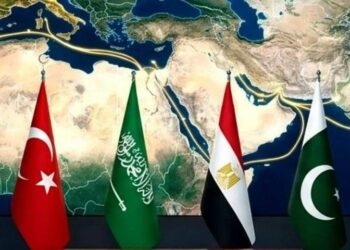
    A Possible New Breath in Regional Balances: The Alliance of Türkiye, Pakistan, Egypt, and Saudi Arabia

    Bölgesel Dengelerde Olası Yeni Bir Soluk: Türkiye, Pakistan, Mısır ve Suudi Arabistan İttifakı

    Digital Ummah and Muslim Identity: Dr. Sahar Khamis Interview

    Dijital Ümmet ve Müslüman Kimliği: Dr. Sahar Khamis ile Röportaj

    From the Ballot Box to the Street: The Rising Social Wave in Tanzania After the Election

    Sandıktan Sokağa: Tanzanya’da Seçim Sonrası Yükselen Toplumsal Dalga

    Müslüman Nüfusa Karşı Güvenlikleştirme

    Müslüman Nüfusa Karşı Güvenlikleştirme

    Gurbet Hikayeleri

    Gurbet Hikayeleri

    Göçü Yönetmek: Dr. Mehmet Köse’yle Söyleşi

    Göçü Yönetmek: Dr. Mehmet Köse’yle Söyleşi

    İstanbul’daki Uluslararası Öğrencilerle Söyleşi

    İstanbul’daki Uluslararası Öğrencilerle Söyleşi

    Zaytuna College Lisansüstü Eğitim Dekanı Maşuk Yamaç’la Söyleşi

    Zaytuna College Lisansüstü Eğitim Dekanı Maşuk Yamaç’la Söyleşi

  • DÜNYADAN SESLER
    Voices from the Muslim World | Sari Hanafi (with Turkish subtitles)

    Voices from the Muslim World | Sari Hanafi (with Turkish subtitles)

    Voices from the Muslim World | Ovamir Anjum

    Voices from the Muslim World | Ovamir Anjum

    VOICES FROM THE MUSLIM WORLD | DR. YASIR QADHI

    VOICES FROM THE MUSLIM WORLD | DR. YASIR QADHI

    VOICES FROM THE MUSLIM WORLD | DR. ADEEL MALIK

    VOICES FROM THE MUSLIM WORLD | DR. ADEEL MALIK

  • SAYILAR
  • VERİTABANI
    • All
    • Hareketler
    • Kurumlar
    • Şahsiyetler
    Pak-Türk Maarif

    Pak-Türk Maarif

    İslam Vakfı

    İslam Vakfı

    Avrupa Fetva ve Araştırma Konseyi

    Avrupa Fetva ve Araştırma Konseyi

    Tokyo Camii ve Diyanet Türk Kültür Merkezi

    Tokyo Camii ve Diyanet Türk Kültür Merkezi

  • PLATFORM
  • HABERLER
    İLKE Agenda: Muzzammil Ayyub Thakur ile Keşmir’in “Filistinleştirilmesi”

    İLKE Agenda: Muzzammil Ayyub Thakur ile Keşmir’in “Filistinleştirilmesi”

    İLKE Agenda: Muzzammil Ayyub Thakur ile Keşmir’in “Filistinleştirilmesi”

    The Platform Talks: Kinda Hawasli ile 8 Aralık Sonrası Suriye

    İLKE Agenda: Muzzammil Ayyub Thakur ile Keşmir’in “Filistinleştirilmesi”

    The Platform Talks: Azzam Tamimi ile 7 Ekim Sonrası Filistin

    İLKE Agenda: Muzzammil Ayyub Thakur ile Keşmir’in “Filistinleştirilmesi”

    İLKE Agenda: Gazze Soykırımı Günlerinde Aktivizm ve İslamofobi

    Filistin Sempozyumu: Filistin ve Küresel İlişkilerin Geleceği

    Filistin Sempozyumu: Filistin ve Küresel İlişkilerin Geleceği

    Filistin Sempozyumu: Filistin ve Küresel İlişkilerin Geleceği

    Müslüman Dünyada Çağdaş Düşünce Konferansı’nda buluşuyoruz!

    Filistin Sempozyumu: Filistin ve Küresel İlişkilerin Geleceği

    Müslüman Dünyada Çağdaş Düşünce Konferansı

    Filistin Sempozyumu: Filistin ve Küresel İlişkilerin Geleceği

    Dr. Jonathan Brown “İslam’ın Siyahiliğe ve Köleliğe Yaklaşımı” adlı seminer gerçekleştirdi.

  • ANALİZLER
    • All
    • Düşünce
    • Eğitim
    • Ekonomi
    • Enerji ve Çevre
    • Göç
    • Medya, Kültür ve Sanat
    • Temel Hak ve Özgürlükler
    • Toplumsal Meseleler
    The Gravity of What Took Place at Al-Aqsa Mosque During Ramadan 2026

    Ramazan 2026’da Mescid-i Aksa’da Yaşananların Ciddiyeti

    AFP/GETTY IMAGES

    FLA-JNIM İş Birliği ve Mali’de Değişen Güvenlik Dinamikleri

    Sosyal Medyada İslamcı-Muhafazakâr Kamusallığın Dönüşümü Üzerine

    Sosyal Medyada İslamcı-Muhafazakâr Kamusallığın Dönüşümü Üzerine

    Bangladeş’te 2026 Seçimleri Sonrası Siyasi Tartışmalar

    Bangladeş’te 2026 Seçimleri Sonrası Siyasi Tartışmalar

    Filistin’de Çocuk Olmak: 5 Nisan Filistinli Çocuklar Günü

    Filistin’de Çocuk Olmak: 5 Nisan Filistinli Çocuklar Günü

    Security, Fragility, and the Search for a New Equilibrium in the Gulf Following the Iranian Attacks

    İran Saldırıları Sonrası Körfez’de Güvenlik, Kırılganlık ve Yeni Denge Arayışı

  • SÖYLEŞİLER
    The Decolonization of Knowledge: Interview with Professor Souleymane Bachir Diagne

    Bilginin Dekolonizasyonu: Profesör Souleymane Bachir Diagne ile Röportaj

    A Possible New Breath in Regional Balances: The Alliance of Türkiye, Pakistan, Egypt, and Saudi Arabia

    Bölgesel Dengelerde Olası Yeni Bir Soluk: Türkiye, Pakistan, Mısır ve Suudi Arabistan İttifakı

    Digital Ummah and Muslim Identity: Dr. Sahar Khamis Interview

    Dijital Ümmet ve Müslüman Kimliği: Dr. Sahar Khamis ile Röportaj

    From the Ballot Box to the Street: The Rising Social Wave in Tanzania After the Election

    Sandıktan Sokağa: Tanzanya’da Seçim Sonrası Yükselen Toplumsal Dalga

    Müslüman Nüfusa Karşı Güvenlikleştirme

    Müslüman Nüfusa Karşı Güvenlikleştirme

    Gurbet Hikayeleri

    Gurbet Hikayeleri

    Göçü Yönetmek: Dr. Mehmet Köse’yle Söyleşi

    Göçü Yönetmek: Dr. Mehmet Köse’yle Söyleşi

    İstanbul’daki Uluslararası Öğrencilerle Söyleşi

    İstanbul’daki Uluslararası Öğrencilerle Söyleşi

    Zaytuna College Lisansüstü Eğitim Dekanı Maşuk Yamaç’la Söyleşi

    Zaytuna College Lisansüstü Eğitim Dekanı Maşuk Yamaç’la Söyleşi

  • DÜNYADAN SESLER
    Voices from the Muslim World | Sari Hanafi (with Turkish subtitles)

    Voices from the Muslim World | Sari Hanafi (with Turkish subtitles)

    Voices from the Muslim World | Ovamir Anjum

    Voices from the Muslim World | Ovamir Anjum

    VOICES FROM THE MUSLIM WORLD | DR. YASIR QADHI

    VOICES FROM THE MUSLIM WORLD | DR. YASIR QADHI

    VOICES FROM THE MUSLIM WORLD | DR. ADEEL MALIK

    VOICES FROM THE MUSLIM WORLD | DR. ADEEL MALIK

  • SAYILAR
  • VERİTABANI
    • All
    • Hareketler
    • Kurumlar
    • Şahsiyetler
    Pak-Türk Maarif

    Pak-Türk Maarif

    İslam Vakfı

    İslam Vakfı

    Avrupa Fetva ve Araştırma Konseyi

    Avrupa Fetva ve Araştırma Konseyi

    Tokyo Camii ve Diyanet Türk Kültür Merkezi

    Tokyo Camii ve Diyanet Türk Kültür Merkezi

No Result
View All Result
Platform
No Result
View All Result
Home Interviews

Interview with Mehdi Nüzhet Çetinbaş, Chairman of the Founding Board of the Caucasus Foundation

Mehdi Nüzhet Çetinbaş by Mehdi Nüzhet Çetinbaş
1 Ekim 2025
in Interviews
0
Interview with Mehdi Nüzhet Çetinbaş, Chairman of the Founding Board of the Caucasus Foundation
0
SHARES
5
VIEWS
Share on FacebookShare on Twitter

Caucasus Foundation is a non-profit, non-governmental organization that operates to protect and develop the socio-cultural identities of Caucasians in both Caucasus and their diaspora community. For this purpose, it publishes copyrighted and translated works, and reports that shed light on the history of the Caucasus and periodicals on the developments in the Caucasus and the social and cultural studies of Caucasians. It carries out studies such as enlightening/informative conferences and seminars on the socio-economic, geopolitical, and strategic structure of the Caucasus to the communities consisting of distinguished and interested people in different periods. In addition, the agency unit (Ajans Kafkas) was created to convey the current problems of the Caucasus and the Caucasian peoples to the international public opinion and notify them, broadcasting news on the internet every day in four languages in Turkish, English, Arabic, and Russian.

Could you provide brief information about what the North Caucasus region means for the Islamic world and Turkey?

The North Caucasus is a region with seven federal republics affiliated with the Russian Federation. This region is also a natural part of the Islamic world as it is a place with a sizeable Muslim population.

The Muslims of the North Caucasus had come under the hegemony of the new Russian administration established under the name of the Soviet Union with the October revolution that resulted in the collapse of Tsarism in 1917 and had spent more than seventy years under the Soviet administration with an atheist belief. When Soviet Russia collapsed in 1991, Islam in the North Caucasus was almost on the brink of extinction. People did not know anything other than saying, “We are Muslim.”

In the North Caucasus, there had been a powerful Sufi movement in the past, especially in the Dagestan region. Imam Shamil, the leader of the independence movement of the North Caucasus Muslims, is a representative of this tradition, known as the Muridism movement.

Furthermore, the Chechnya region is where the Qadiri sect is remarkably active. The effects of Kunta Haji Kishiyev, who brought the Qadiri sect to this region in the middle of the 19th century, are also noticed in today’s Chechnya. The martyred leader of the last Chechnya war of independence, Jahar Dudayev, was a member of the Qadiri sect.

How did the communication process begin with the North Caucasus region after the collapse of the Soviet Russian regime, and how did it develop?

After the collapse of the communist system, the Circassians living in Turkey met with their cognates, whom they had not met for more than seventy years straight away. The first journeys were made under very challenging conditions.

There were no proper border gates and crossings between Turkey and the former Soviet Union. Generally, departures were from the steep border gate to Batumi and from there to the Caucasus by train. Later on, ferries between Trabzon and Sochi were activated. Finally, flights to many different regions of the Caucasus started by air. In these meetings, first of all, the longing was relieved. Afterward, solutions were sought to annihilate the moral damage caused by the old system. The first observations were that there was significant moral destruction in the region.

We know that worship on the Eid-al-Adha (Eid of Sacrifice) has a special meaning for the region’s local people. Why do the region’s people attach great importance to Eid-al-Adha practices, and what do sacrifice traditions mean for them? How do the local people consider such practices?

At the point of eradicating the moral destruction experienced in the Caucasus, the Eid al-Adha campaigns by proxy in the region have made a very important contribution. Some Circassians who have gone to the region since 1992 determined to establish an organization to better lend a helping hand to their brothers here. First and foremost, they decided to slaughter the qurban [1] using donations they had collected from among themselves and the inner circles since 1992 in the republics in the Caucasus. The activity, which started with donations of roughly forty qurbans, turned into a non-governmental organization under the name of Caucasus Foundation in 1995 after its benefits were noticed and played a leading role in contributing to the shaping of the spiritual structures of the Muslim republics in the Caucasus.

Representatives of the Caucasus Foundation in all federal republics, such as the Republic of Adygea, Karachay-Cherkess Republic, Kabardino-Balkarian Republic, Chechnya, Ingushetia, Ossetia, Dagestan, and Abkhazia, implement campaigns of qurban by proxy, which still continues today.

Qurban campaigns have literally been very helpful. In these campaigns, going from village to village, very important data were obtained in determining their spiritual needs by establishing close ties with the people. It was very interesting that hundreds of people, including women, watched us when we slaughtered the qurbans in a village in the early days. We were also touched by the fact that while we were slaughtering the qurban by saying Takbir, some women wanted to participate in the Takbir loudly.

After a couple of Eids, the people watching us started the sacrifice for themselves in the following feasts, which showed how significant what we did was.

Qurban campaigns have indeed contributed to the creation of a very abundant environment. Thus, our teams that went to the region had the opportunity to reach even the most remote villages in every region of the Caucasus and established close relations with the people.

The Caucasus Foundation has been running the qurban campaign in the Caucasus for thirty years.

What is the relationship of Turkish NGOs with the Caucasus region? Shall you express the activities of the Caucasus Foundation in the region? Which type of activities are intensified in the region?

Thanks to the efforts to establish a dialogue with the Caucasus, which embarked on the qurban activities, other religious exercises were efficiently carried out thanks to the bridge built. Mass circumcision campaigns were held. Critical successes were achieved in distributing catechism books published in Russian and tens of thousands of Qurans obtained in cooperation with the Turkiye Diyanet Vakfi Foundation.

After gaining the people’s trust in the region, male and female boarding students were brought to the Quran courses associated with the Diyanet[2] in Turkey, and education was provided. The most vital necessity of the Caucasus was imams, who would lead the prayers in the mosques and lead the funerals.

It was about impossible to be provided by personnel from Turkey. As a matter of fact, hundreds of people were needed. It was costly to meet the sustenance and residence costs of an imam sent to Russia from abroad. Instead, middle-aged volunteers from different republics returned to their countries after training on leading prayers and burials in various education Centres, particularly in Manisa.

Particularly in the Republic of Adygea, the activities of the Caucasus Foundation have been very efficacious. According to the protocol between the Religious Administration of Adygea and the Caucasus Foundation, the exigence that religious officials going to the region to take reference from the Caucasus Foundation had very significant consequences. In this way, people who do not have adequate spiritual knowledge were prevented from going to the region and telling about Islam with imprecise and inaccurate information.

Likewise, the Caucasus Foundation filled the void left by a Saudi Arabian-based institution that opened a madrasah in the Kabardino-Balkarian Republic in the early days after the collapse of the Soviet Union and dropped out of education after a disagreement with the people of the region. The Caucasus Foundation financed the Kabardino-Balkarian Islamic Institute, enhance helped in keep it afloat.

The Caucasus Foundation has also provided guidance services to all voluntary organizations from the Black Sea to the Caspian region. In addition, it has helped Europe-based and Islamic organizations from different parts of the world, particularly the IHH, Milli Gorus, and Diyanet Foundation, to contact the region’s people.

What are the responsibilities of non-governmental organizations to perpetuate and enhance associations between the Caucasus region and Muslim geographies? In this sense, what way should be followed and what should be done?

The people of the North Caucasus are the autochthonous people of the region. In other words, they have lived in these lands since the earliest period of known history. They were defeated and expelled from their country in their fight for independence against the Russians for more than three hundred years. In particular, ninety percent of the Adyghe (Circassian) population lives outside the country in the diaspora. Recently, close relations have been developed between the Circassians living in the Caucasus and the diaspora Circassians.

It is essential to be as sensitive as possible in Islamic studies to be implemented in the Caucasus. Partners who know the area well should be sought when contacting this region. We witnessed various Islamic institutions, mainly Arabs, who entered the region for aid during the Chechen war of independence, stigmatized and excluded under multiple names.

As Russia is still very predominant in the region, it would be advantageous for Islamic NGOs to operate in the Caucasus to perform with partners of Caucasian origin.

To sum up, religious affairs are conducted by non-governmental organizations as associations or foundations in Russia. On a project basis, Qur’an courses, research institutes, and imam-hatip schools should be established within the region’s mufti offices.Although mosques are built near all the villages of the Caucasus, there are not sufficient mosques in the city centres or towns. Regardless of the number of congregations, Centres where Muslims can come together, should be established.

[1] Qurban: synonym in meaning ‘sacrifice’, ‘offering’ or ‘oblation.’

See also: https://yaqeeninstitute.org/omar-suleiman/episode-7-the-sacrifice-virtues-of-dhul-hijjah

[2] Directorate of Religious Affairs in Turkey

Tags: CaucasusCaucasus FoundationInterviewMehdi Nüzhet Çetinbaş
Previous Post

Islamophobia and its Production

Next Post

Seyyid Muhammed Nakib el-Attas’ın Fikir Dünyası

Next Post
Seyyid Muhammed Nakib el-Attas’ın Fikir Dünyası

Seyyid Muhammed Nakib el-Attas’ın Fikir Dünyası

Bir yanıt yazın Yanıtı iptal et

E-posta adresiniz yayınlanmayacak. Gerekli alanlar * ile işaretlenmişlerdir

  • A Possible New Breath in Regional Balances: The Alliance of Türkiye, Pakistan, Egypt, and Saudi Arabia

    Bölgesel Dengelerde Olası Yeni Bir Soluk: Türkiye, Pakistan, Mısır ve Suudi Arabistan İttifakı

    0 shares
    Share 0 Tweet 0
  • Nakşibendi-Hakkani Tarikatı

    0 shares
    Share 0 Tweet 0
  • Bilime Yön Verenler: Nobel Ödüllü Müslüman Bilim İnsanları

    0 shares
    Share 0 Tweet 0
  • Fuad Sezgin

    0 shares
    Share 0 Tweet 0
  • Sosyal Medyada İslamcı-Muhafazakâr Kamusallığın Dönüşümü Üzerine

    0 shares
    Share 0 Tweet 0
  • The Gravity of What Took Place at Al-Aqsa Mosque During Ramadan 2026

    Ramazan 2026’da Mescid-i Aksa’da Yaşananların Ciddiyeti

    0 shares
    Share 0 Tweet 0
  • The Gravity of What Took Place at Al-Aqsa Mosque During Ramadan 2026

    0 shares
    Share 0 Tweet 0
  • FLA-JNIM Cooperation and Shifting Security Dynamics in Mali

    0 shares
    Share 0 Tweet 0
  • FLA-JNIM İş Birliği ve Mali’de Değişen Güvenlik Dinamikleri

    0 shares
    Share 0 Tweet 0
  • The Current State of Indonesia’s Luxury Industry and the Landscape of Independent Handcrafted Watchmaking

    0 shares
    Share 0 Tweet 0

Platform: Müslüman Dünyanın Gündemi, Müslüman toplumların fikrî, siyasi, sosyal, ekonomik ve kültürel gündemlerini takip ve tahlil edip Müslüman dünyaya dair güncel ve özgün perspektifler sunmayı amaçlayan bir yayın organı olarak İLKE İlim Kültür Eğitim Vakfı bünyesinde kurulmuştur.

  • SAYILAR
  • ANALİZLER
  • HABERLER
  • SÖYLEŞİLER
  • DÜNYADAN SESLER
  • platform@ilke.org.tr
  • (0216) 310 43 18
  • Aziz Mahmut Hüdayi Mah. Türbe Kapısı Sk. No: 13 Üsküdar, İstanbul

2025 @ PLATFORM bir İLKE Vakfı kuruluşudur. Tüm hakları saklıdır. 

No Result
View All Result
  • Home
  • Analizler
  • Haberler
  • Söyleşiler
  • Dünyadan Sesler