

İLKE Vakfı
Platform
No Result
View All Result
  • PLATFORM
  • HABERLER
    İLKE Agenda: Muzzammil Ayyub Thakur ile Keşmir’in “Filistinleştirilmesi”

    İLKE Agenda: Muzzammil Ayyub Thakur ile Keşmir’in “Filistinleştirilmesi”

    İLKE Agenda: Muzzammil Ayyub Thakur ile Keşmir’in “Filistinleştirilmesi”

    The Platform Talks: Kinda Hawasli ile 8 Aralık Sonrası Suriye

    İLKE Agenda: Muzzammil Ayyub Thakur ile Keşmir’in “Filistinleştirilmesi”

    The Platform Talks: Azzam Tamimi ile 7 Ekim Sonrası Filistin

    İLKE Agenda: Muzzammil Ayyub Thakur ile Keşmir’in “Filistinleştirilmesi”

    İLKE Agenda: Gazze Soykırımı Günlerinde Aktivizm ve İslamofobi

    Filistin Sempozyumu: Filistin ve Küresel İlişkilerin Geleceği

    Filistin Sempozyumu: Filistin ve Küresel İlişkilerin Geleceği

    Filistin Sempozyumu: Filistin ve Küresel İlişkilerin Geleceği

    Müslüman Dünyada Çağdaş Düşünce Konferansı’nda buluşuyoruz!

    Filistin Sempozyumu: Filistin ve Küresel İlişkilerin Geleceği

    Müslüman Dünyada Çağdaş Düşünce Konferansı

    Filistin Sempozyumu: Filistin ve Küresel İlişkilerin Geleceği

    Dr. Jonathan Brown “İslam’ın Siyahiliğe ve Köleliğe Yaklaşımı” adlı seminer gerçekleştirdi.

  • ANALİZLER
    • All
    • Düşünce
    • Eğitim
    • Ekonomi
    • Enerji ve Çevre
    • Göç
    • Medya, Kültür ve Sanat
    • Temel Hak ve Özgürlükler
    • Toplumsal Meseleler
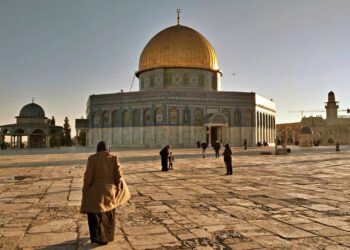
    The Gravity of What Took Place at Al-Aqsa Mosque During Ramadan 2026

    Ramazan 2026’da Mescid-i Aksa’da Yaşananların Ciddiyeti

    AFP/GETTY IMAGES

    FLA-JNIM İş Birliği ve Mali’de Değişen Güvenlik Dinamikleri

    Sosyal Medyada İslamcı-Muhafazakâr Kamusallığın Dönüşümü Üzerine

    Sosyal Medyada İslamcı-Muhafazakâr Kamusallığın Dönüşümü Üzerine

    Bangladeş’te 2026 Seçimleri Sonrası Siyasi Tartışmalar

    Bangladeş’te 2026 Seçimleri Sonrası Siyasi Tartışmalar

    Filistin’de Çocuk Olmak: 5 Nisan Filistinli Çocuklar Günü

    Filistin’de Çocuk Olmak: 5 Nisan Filistinli Çocuklar Günü

    Security, Fragility, and the Search for a New Equilibrium in the Gulf Following the Iranian Attacks

    İran Saldırıları Sonrası Körfez’de Güvenlik, Kırılganlık ve Yeni Denge Arayışı

  • SÖYLEŞİLER
    The Decolonization of Knowledge: Interview with Professor Souleymane Bachir Diagne

    Bilginin Dekolonizasyonu: Profesör Souleymane Bachir Diagne ile Röportaj

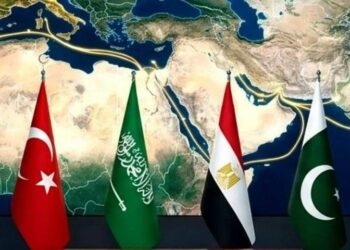
    A Possible New Breath in Regional Balances: The Alliance of Türkiye, Pakistan, Egypt, and Saudi Arabia

    Bölgesel Dengelerde Olası Yeni Bir Soluk: Türkiye, Pakistan, Mısır ve Suudi Arabistan İttifakı

    Digital Ummah and Muslim Identity: Dr. Sahar Khamis Interview

    Dijital Ümmet ve Müslüman Kimliği: Dr. Sahar Khamis ile Röportaj

    From the Ballot Box to the Street: The Rising Social Wave in Tanzania After the Election

    Sandıktan Sokağa: Tanzanya’da Seçim Sonrası Yükselen Toplumsal Dalga

    Müslüman Nüfusa Karşı Güvenlikleştirme

    Müslüman Nüfusa Karşı Güvenlikleştirme

    Gurbet Hikayeleri

    Gurbet Hikayeleri

    Göçü Yönetmek: Dr. Mehmet Köse’yle Söyleşi

    Göçü Yönetmek: Dr. Mehmet Köse’yle Söyleşi

    İstanbul’daki Uluslararası Öğrencilerle Söyleşi

    İstanbul’daki Uluslararası Öğrencilerle Söyleşi

    Zaytuna College Lisansüstü Eğitim Dekanı Maşuk Yamaç’la Söyleşi

    Zaytuna College Lisansüstü Eğitim Dekanı Maşuk Yamaç’la Söyleşi

  • DÜNYADAN SESLER
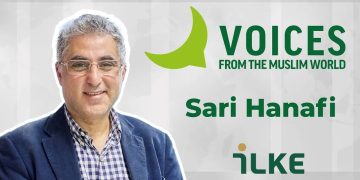
    Voices from the Muslim World | Sari Hanafi (with Turkish subtitles)

    Voices from the Muslim World | Sari Hanafi (with Turkish subtitles)

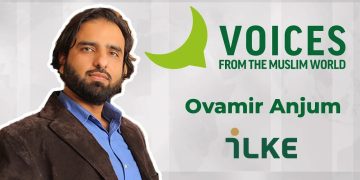
    Voices from the Muslim World | Ovamir Anjum

    Voices from the Muslim World | Ovamir Anjum

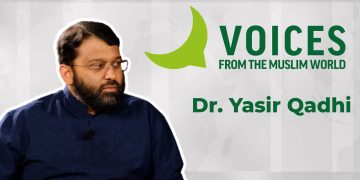
    VOICES FROM THE MUSLIM WORLD | DR. YASIR QADHI

    VOICES FROM THE MUSLIM WORLD | DR. YASIR QADHI

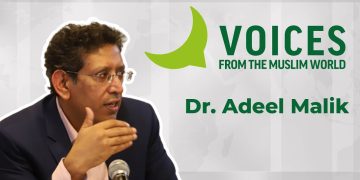
    VOICES FROM THE MUSLIM WORLD | DR. ADEEL MALIK

    VOICES FROM THE MUSLIM WORLD | DR. ADEEL MALIK

  • SAYILAR
  • VERİTABANI
    • All
    • Hareketler
    • Kurumlar
    • Şahsiyetler
    Pak-Türk Maarif

    Pak-Türk Maarif

    İslam Vakfı

    İslam Vakfı

    Avrupa Fetva ve Araştırma Konseyi

    Avrupa Fetva ve Araştırma Konseyi

    Tokyo Camii ve Diyanet Türk Kültür Merkezi

    Tokyo Camii ve Diyanet Türk Kültür Merkezi

  • PLATFORM
  • HABERLER
    İLKE Agenda: Muzzammil Ayyub Thakur ile Keşmir’in “Filistinleştirilmesi”

    İLKE Agenda: Muzzammil Ayyub Thakur ile Keşmir’in “Filistinleştirilmesi”

    İLKE Agenda: Muzzammil Ayyub Thakur ile Keşmir’in “Filistinleştirilmesi”

    The Platform Talks: Kinda Hawasli ile 8 Aralık Sonrası Suriye

    İLKE Agenda: Muzzammil Ayyub Thakur ile Keşmir’in “Filistinleştirilmesi”

    The Platform Talks: Azzam Tamimi ile 7 Ekim Sonrası Filistin

    İLKE Agenda: Muzzammil Ayyub Thakur ile Keşmir’in “Filistinleştirilmesi”

    İLKE Agenda: Gazze Soykırımı Günlerinde Aktivizm ve İslamofobi

    Filistin Sempozyumu: Filistin ve Küresel İlişkilerin Geleceği

    Filistin Sempozyumu: Filistin ve Küresel İlişkilerin Geleceği

    Filistin Sempozyumu: Filistin ve Küresel İlişkilerin Geleceği

    Müslüman Dünyada Çağdaş Düşünce Konferansı’nda buluşuyoruz!

    Filistin Sempozyumu: Filistin ve Küresel İlişkilerin Geleceği

    Müslüman Dünyada Çağdaş Düşünce Konferansı

    Filistin Sempozyumu: Filistin ve Küresel İlişkilerin Geleceği

    Dr. Jonathan Brown “İslam’ın Siyahiliğe ve Köleliğe Yaklaşımı” adlı seminer gerçekleştirdi.

  • ANALİZLER
    • All
    • Düşünce
    • Eğitim
    • Ekonomi
    • Enerji ve Çevre
    • Göç
    • Medya, Kültür ve Sanat
    • Temel Hak ve Özgürlükler
    • Toplumsal Meseleler
    The Gravity of What Took Place at Al-Aqsa Mosque During Ramadan 2026

    Ramazan 2026’da Mescid-i Aksa’da Yaşananların Ciddiyeti

    AFP/GETTY IMAGES

    FLA-JNIM İş Birliği ve Mali’de Değişen Güvenlik Dinamikleri

    Sosyal Medyada İslamcı-Muhafazakâr Kamusallığın Dönüşümü Üzerine

    Sosyal Medyada İslamcı-Muhafazakâr Kamusallığın Dönüşümü Üzerine

    Bangladeş’te 2026 Seçimleri Sonrası Siyasi Tartışmalar

    Bangladeş’te 2026 Seçimleri Sonrası Siyasi Tartışmalar

    Filistin’de Çocuk Olmak: 5 Nisan Filistinli Çocuklar Günü

    Filistin’de Çocuk Olmak: 5 Nisan Filistinli Çocuklar Günü

    Security, Fragility, and the Search for a New Equilibrium in the Gulf Following the Iranian Attacks

    İran Saldırıları Sonrası Körfez’de Güvenlik, Kırılganlık ve Yeni Denge Arayışı

  • SÖYLEŞİLER
    The Decolonization of Knowledge: Interview with Professor Souleymane Bachir Diagne

    Bilginin Dekolonizasyonu: Profesör Souleymane Bachir Diagne ile Röportaj

    A Possible New Breath in Regional Balances: The Alliance of Türkiye, Pakistan, Egypt, and Saudi Arabia

    Bölgesel Dengelerde Olası Yeni Bir Soluk: Türkiye, Pakistan, Mısır ve Suudi Arabistan İttifakı

    Digital Ummah and Muslim Identity: Dr. Sahar Khamis Interview

    Dijital Ümmet ve Müslüman Kimliği: Dr. Sahar Khamis ile Röportaj

    From the Ballot Box to the Street: The Rising Social Wave in Tanzania After the Election

    Sandıktan Sokağa: Tanzanya’da Seçim Sonrası Yükselen Toplumsal Dalga

    Müslüman Nüfusa Karşı Güvenlikleştirme

    Müslüman Nüfusa Karşı Güvenlikleştirme

    Gurbet Hikayeleri

    Gurbet Hikayeleri

    Göçü Yönetmek: Dr. Mehmet Köse’yle Söyleşi

    Göçü Yönetmek: Dr. Mehmet Köse’yle Söyleşi

    İstanbul’daki Uluslararası Öğrencilerle Söyleşi

    İstanbul’daki Uluslararası Öğrencilerle Söyleşi

    Zaytuna College Lisansüstü Eğitim Dekanı Maşuk Yamaç’la Söyleşi

    Zaytuna College Lisansüstü Eğitim Dekanı Maşuk Yamaç’la Söyleşi

  • DÜNYADAN SESLER
    Voices from the Muslim World | Sari Hanafi (with Turkish subtitles)

    Voices from the Muslim World | Sari Hanafi (with Turkish subtitles)

    Voices from the Muslim World | Ovamir Anjum

    Voices from the Muslim World | Ovamir Anjum

    VOICES FROM THE MUSLIM WORLD | DR. YASIR QADHI

    VOICES FROM THE MUSLIM WORLD | DR. YASIR QADHI

    VOICES FROM THE MUSLIM WORLD | DR. ADEEL MALIK

    VOICES FROM THE MUSLIM WORLD | DR. ADEEL MALIK

  • SAYILAR
  • VERİTABANI
    • All
    • Hareketler
    • Kurumlar
    • Şahsiyetler
    Pak-Türk Maarif

    Pak-Türk Maarif

    İslam Vakfı

    İslam Vakfı

    Avrupa Fetva ve Araştırma Konseyi

    Avrupa Fetva ve Araştırma Konseyi

    Tokyo Camii ve Diyanet Türk Kültür Merkezi

    Tokyo Camii ve Diyanet Türk Kültür Merkezi

No Result
View All Result
Platform
No Result
View All Result
Home News

Palestine Symposium: Palestine and the Future of Global Affairs

Self-belief and hard work will always earn you success.

Platform Editör by Platform Editör
14 Ağustos 2025
in News
0
Filistin Sempozyumu: Filistin ve Küresel İlişkilerin Geleceği
0
SHARES
0
VIEWS
Share on FacebookShare on Twitter

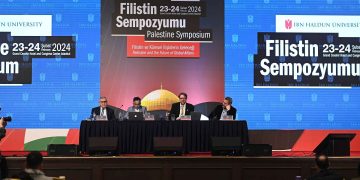
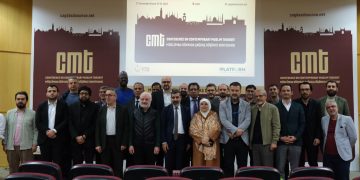
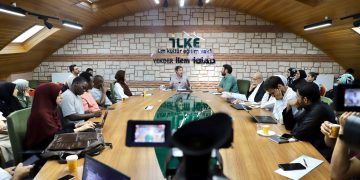
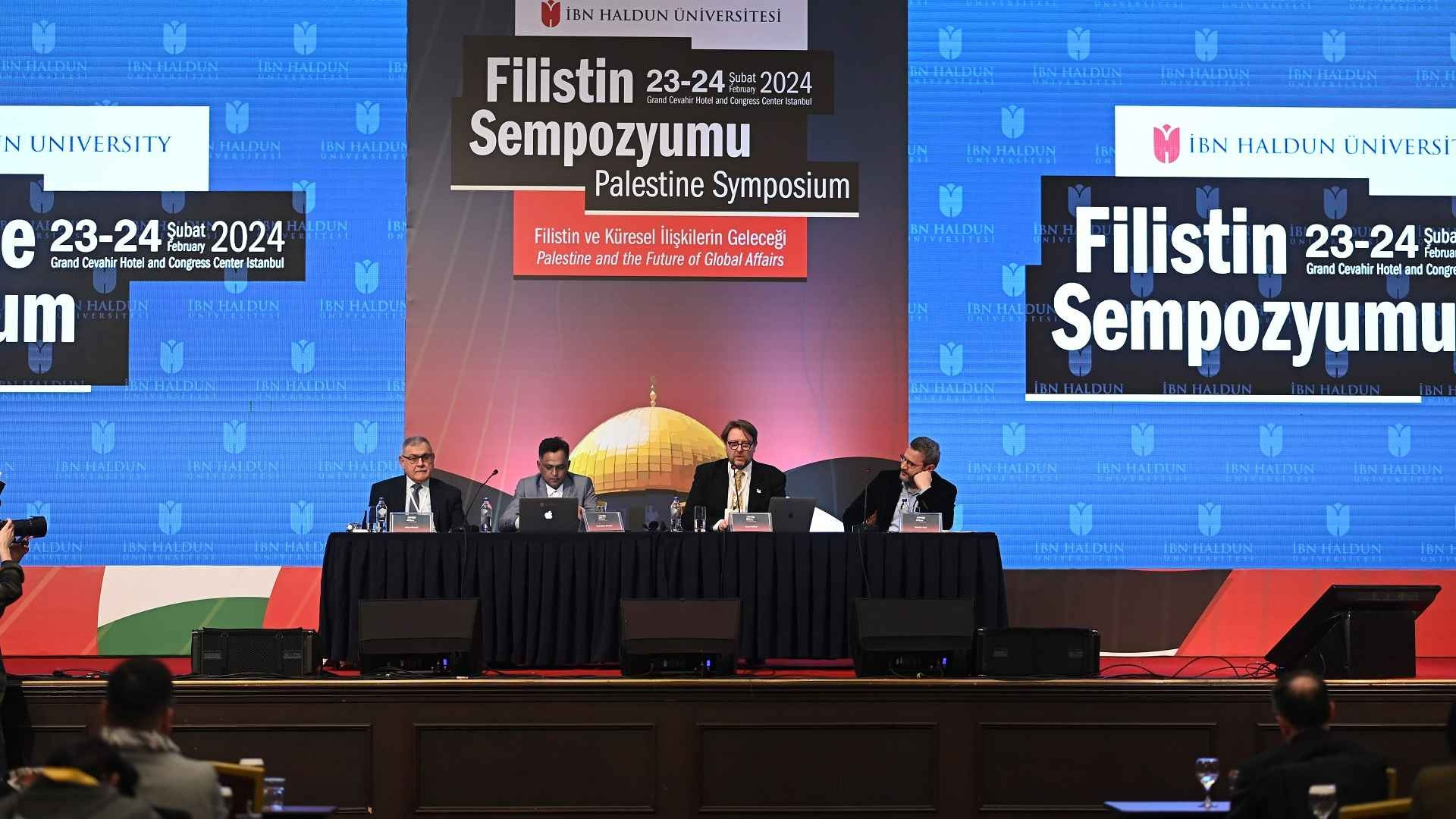
Ibn Haldun University organized the Palestine Symposium, themed Palestine and the Future of Global Affairs, on 23-24 February 2024 in Istanbul. Researchers, academics, journalists, and activists from all over the world came together at the symposium and raised their voices against the systematic genocide of Palestinians by the occupation forces for years. As can be understood from the theme of the symposium, the future of Palestine was evaluated in the context of global relations, and the participants sought answers to the long-term and forward-looking question of what should be done. In particular, they emphasized that the events in Gaza did not start on October 7 and that Israel has subjected Palestine to occupation for years through settler colonialism, ethnic cleansing, and violence. They also focused on the issue that Palestinians, deprived of the simplest humanitarian needs, have been living in an open-air prison and highlighted that October was a turning point in this struggle.

Norwegian doctor and activist Mads Gilbert, who has been working in Gaza since 2006, delivered a remarkable keynote speech. Gilberts, who worked for 16 years as a doctor at Shifa Hospital and knows personally what Israeli violence means for Gazans, emphasized that the occupation forces are directly targeting the Palestinian health system with their attacks and that Israel is committing severe humanitarian and moral crimes. He said that these attacks and genocide are openly supported by the US and some European states and that a “politics of elimination” is being pursued. Perhaps one of his most important points was the strict restrictions imposed by Israel on Palestinian access to health care. Gilberts defined this situation as “medical apartheid” and pointed out that there are serious differences between Palestine and Israel in terms of health. For example, the fact that the average life expectancy in Palestine is 9 years less than in Israel, the infant mortality rate is 4 times higher, the under-5 mortality rate is 3.5 times higher, and the maternal mortality rate is 9 times higher as a result of Israel’s conscious occupation policies. In this regard, emphasizing the importance of “medical solidarity,” Gilbert stressed that following a path of evidence-based practices and choosing the right side to fight shoulder to shoulder is the most effective way to defeat Israeli occupation in the Palestinian healthcare system.

After Mads Gilbert’s opening remarks, in the first panel titled “Safeguarding Academic Freedom and the Role of Public Intellectuals on Palestine,” Sociology Professor at Ibn Khaldun University, Irfan Ahmad, highlighted the academic isolation imposed on Palestine and argued that the Palestinian issue has been stripped not only of freedom of expression but also of discourse. Kamalain Shaath, who served as the rector of the Islamic University of Gaza between 2005 and 2015, highlighted what the Israeli occupation means in the field of academia and education itself and stated that academic freedom should be evaluated from both intellectual and physical perspectives. As an academic, Shaath argued that in order to talk about academic freedom, there should be free spaces where ideas can be discussed, and there should be no fear of punishment for expressing ideas. In addition, Shaath addressed the daily difficulties faced by students and academics in carrying out academic activities, as the Israeli occupation restricts access to higher education institutions in the Gaza territory. Finally, Shaath also emphasized the importance of academic boycotts, calling for a boycott of Israeli universities that support the occupation and of Israeli and pro-Israeli academics. On the other hand, Professor David, who was dismissed from his job at the University of Bristol for his anti-Zionist rhetoric, stated that Zionism is against academic freedom because any discussion or criticism related to Palestine is seen as a critique of the Zionist project. Miller also said that after October 7, the Israeli occupation forces deliberately destroyed the Islamic University of Gaza and targeted academics, just as they targeted doctors, teachers, and rescue workers.

Alongside academics, there was also significant participation from pro-Palestinian activists at the symposium. Shamim Hargovan, a human rights and social justice activist from South Africa, described Israel’s aggression as “the most barbaric, inhuman genocide and ethnic cleansing” and noted that the displacement of Gazans and the violence they have suffered was similar to what was happening in South Africa in the past. Shamim emphasized that it is very important that South Africa, which fought against the apartheid regime in the past, is now suing Israel, another apartheid regime. Another important activist was Jeff Halper, Director of the Israeli Committee Against Housing Demolitions. As an Israeli citizen, Halper has been advocating alongside Palestinians against the colonial settler colonialism of the occupying forces for years. Halper highlighted that the settlement of the Palestinian issue requires a political program and that the settler occupation is a colonial plan aimed at the destruction of the Palestinians. Additionally, Halper noted the significant Jewish population already present in Palestinian territories, suggesting that political solutions must take this reality into account.

The closing speeches of the symposium were delivered by Talal Asad and Mahmoud Mamdani, two distinguished professors of Sociology and Anthropology. Emphasizing that language is not merely a tool for simple description but rather a complex method of action, Asad stated that language not only defines but also motivates and shapes experiences. He noted that the phrase “from the river to the sea,” used by Palestinians today, has been criminalized in America, yet it is part of the discourse advocating for the establishment of a “democratic” and “ethnic” Jewish state in Palestinian territories, regardless of the Palestinian population. Asad remarked that Israel’s state-building process is neither about exile nor related to the Torah but rather is a secular European action. Mamdani, on the other hand, noted the strong relationship between colonialism and nationalism, asserting that the establishment of nation-states often involves ethnic cleansing and extreme violence. In this context, Mamdani argued that Israel is the most extreme contemporary example of nation-state logic and stated that Israel, initially founded on liberal tendencies, has evolved towards an illiberal form of nationalism.

In the two-day Palestine Symposium organized by Ibn Haldun University, researchers, academics, journalists, and activists with different backgrounds from all over the world discussed the future of Palestine, especially the Israeli occupation, academic freedom, apartheid and Zionist occupation, settler-colonialist violence, the legal perspective of the Gaza genocide, global solidarity with Palestine and the role of media in the portrayal of Palestine. The ongoing Israeli occupation, which has resulted in the loss of thousands of civilian lives and the displacement of many from their homes, was particularly crucial to discuss in academic circles. The participants of the symposium, who shed light on how the Israeli occupation spreads to every aspect of human life, emphasized the urgent need for an immediate ceasefire, articulating this demand with resounding clarity.


Previous Post

The Platform Talks: Palestine after October 7 with Azzam Tamimi

Next Post

The Conference on Contemporary Muslim Thought

Next Post
The Conference on Contemporary Muslim Thought

The Conference on Contemporary Muslim Thought

Bir yanıt yazın Yanıtı iptal et

E-posta adresiniz yayınlanmayacak. Gerekli alanlar * ile işaretlenmişlerdir

  • A Possible New Breath in Regional Balances: The Alliance of Türkiye, Pakistan, Egypt, and Saudi Arabia

    Bölgesel Dengelerde Olası Yeni Bir Soluk: Türkiye, Pakistan, Mısır ve Suudi Arabistan İttifakı

    0 shares
    Share 0 Tweet 0
  • Nakşibendi-Hakkani Tarikatı

    0 shares
    Share 0 Tweet 0
  • Bilime Yön Verenler: Nobel Ödüllü Müslüman Bilim İnsanları

    0 shares
    Share 0 Tweet 0
  • Fuad Sezgin

    0 shares
    Share 0 Tweet 0
  • Sosyal Medyada İslamcı-Muhafazakâr Kamusallığın Dönüşümü Üzerine

    0 shares
    Share 0 Tweet 0
  • The Gravity of What Took Place at Al-Aqsa Mosque During Ramadan 2026

    Ramazan 2026’da Mescid-i Aksa’da Yaşananların Ciddiyeti

    0 shares
    Share 0 Tweet 0
  • The Gravity of What Took Place at Al-Aqsa Mosque During Ramadan 2026

    0 shares
    Share 0 Tweet 0
  • FLA-JNIM Cooperation and Shifting Security Dynamics in Mali

    0 shares
    Share 0 Tweet 0
  • FLA-JNIM İş Birliği ve Mali’de Değişen Güvenlik Dinamikleri

    0 shares
    Share 0 Tweet 0
  • The Current State of Indonesia’s Luxury Industry and the Landscape of Independent Handcrafted Watchmaking

    0 shares
    Share 0 Tweet 0

Platform: Müslüman Dünyanın Gündemi, Müslüman toplumların fikrî, siyasi, sosyal, ekonomik ve kültürel gündemlerini takip ve tahlil edip Müslüman dünyaya dair güncel ve özgün perspektifler sunmayı amaçlayan bir yayın organı olarak İLKE İlim Kültür Eğitim Vakfı bünyesinde kurulmuştur.

  • SAYILAR
  • ANALİZLER
  • HABERLER
  • SÖYLEŞİLER
  • DÜNYADAN SESLER
  • platform@ilke.org.tr
  • (0216) 310 43 18
  • Aziz Mahmut Hüdayi Mah. Türbe Kapısı Sk. No: 13 Üsküdar, İstanbul

2025 @ PLATFORM bir İLKE Vakfı kuruluşudur. Tüm hakları saklıdır. 

No Result
View All Result
  • Home
  • Analizler
  • Haberler
  • Söyleşiler
  • Dünyadan Sesler