




İLKE Vakfı
Platform
No Result
View All Result
  • PLATFORM
  • HABERLER
    İLKE Agenda: Muzzammil Ayyub Thakur ile Keşmir’in “Filistinleştirilmesi”

    İLKE Agenda: Muzzammil Ayyub Thakur ile Keşmir’in “Filistinleştirilmesi”

    İLKE Agenda: Muzzammil Ayyub Thakur ile Keşmir’in “Filistinleştirilmesi”

    The Platform Talks: Kinda Hawasli ile 8 Aralık Sonrası Suriye

    İLKE Agenda: Muzzammil Ayyub Thakur ile Keşmir’in “Filistinleştirilmesi”

    The Platform Talks: Azzam Tamimi ile 7 Ekim Sonrası Filistin

    İLKE Agenda: Muzzammil Ayyub Thakur ile Keşmir’in “Filistinleştirilmesi”

    İLKE Agenda: Gazze Soykırımı Günlerinde Aktivizm ve İslamofobi

    Filistin Sempozyumu: Filistin ve Küresel İlişkilerin Geleceği

    Filistin Sempozyumu: Filistin ve Küresel İlişkilerin Geleceği

    Filistin Sempozyumu: Filistin ve Küresel İlişkilerin Geleceği

    Müslüman Dünyada Çağdaş Düşünce Konferansı’nda buluşuyoruz!

    Filistin Sempozyumu: Filistin ve Küresel İlişkilerin Geleceği

    Müslüman Dünyada Çağdaş Düşünce Konferansı

    Filistin Sempozyumu: Filistin ve Küresel İlişkilerin Geleceği

    Dr. Jonathan Brown “İslam’ın Siyahiliğe ve Köleliğe Yaklaşımı” adlı seminer gerçekleştirdi.

  • ANALİZLER
    • All
    • Düşünce
    • Eğitim
    • Ekonomi
    • Enerji ve Çevre
    • Göç
    • Medya, Kültür ve Sanat
    • Temel Hak ve Özgürlükler
    • Toplumsal Meseleler
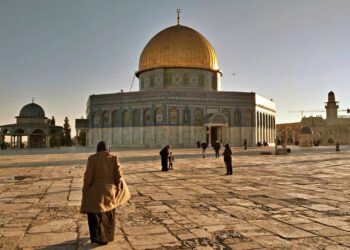
    The Gravity of What Took Place at Al-Aqsa Mosque During Ramadan 2026

    Ramazan 2026’da Mescid-i Aksa’da Yaşananların Ciddiyeti

    AFP/GETTY IMAGES

    FLA-JNIM İş Birliği ve Mali’de Değişen Güvenlik Dinamikleri

    Sosyal Medyada İslamcı-Muhafazakâr Kamusallığın Dönüşümü Üzerine

    Sosyal Medyada İslamcı-Muhafazakâr Kamusallığın Dönüşümü Üzerine

    Bangladeş’te 2026 Seçimleri Sonrası Siyasi Tartışmalar

    Bangladeş’te 2026 Seçimleri Sonrası Siyasi Tartışmalar

    Filistin’de Çocuk Olmak: 5 Nisan Filistinli Çocuklar Günü

    Filistin’de Çocuk Olmak: 5 Nisan Filistinli Çocuklar Günü

    Security, Fragility, and the Search for a New Equilibrium in the Gulf Following the Iranian Attacks

    İran Saldırıları Sonrası Körfez’de Güvenlik, Kırılganlık ve Yeni Denge Arayışı

  • SÖYLEŞİLER
    The Decolonization of Knowledge: Interview with Professor Souleymane Bachir Diagne

    Bilginin Dekolonizasyonu: Profesör Souleymane Bachir Diagne ile Röportaj

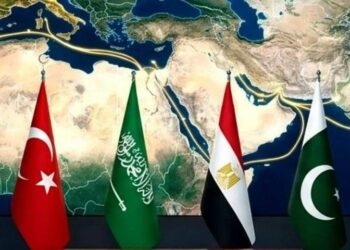
    A Possible New Breath in Regional Balances: The Alliance of Türkiye, Pakistan, Egypt, and Saudi Arabia

    Bölgesel Dengelerde Olası Yeni Bir Soluk: Türkiye, Pakistan, Mısır ve Suudi Arabistan İttifakı

    Digital Ummah and Muslim Identity: Dr. Sahar Khamis Interview

    Dijital Ümmet ve Müslüman Kimliği: Dr. Sahar Khamis ile Röportaj

    From the Ballot Box to the Street: The Rising Social Wave in Tanzania After the Election

    Sandıktan Sokağa: Tanzanya’da Seçim Sonrası Yükselen Toplumsal Dalga

    Müslüman Nüfusa Karşı Güvenlikleştirme

    Müslüman Nüfusa Karşı Güvenlikleştirme

    Gurbet Hikayeleri

    Gurbet Hikayeleri

    Göçü Yönetmek: Dr. Mehmet Köse’yle Söyleşi

    Göçü Yönetmek: Dr. Mehmet Köse’yle Söyleşi

    İstanbul’daki Uluslararası Öğrencilerle Söyleşi

    İstanbul’daki Uluslararası Öğrencilerle Söyleşi

    Zaytuna College Lisansüstü Eğitim Dekanı Maşuk Yamaç’la Söyleşi

    Zaytuna College Lisansüstü Eğitim Dekanı Maşuk Yamaç’la Söyleşi

  • DÜNYADAN SESLER
    Voices from the Muslim World | Sari Hanafi (with Turkish subtitles)

    Voices from the Muslim World | Sari Hanafi (with Turkish subtitles)

    Voices from the Muslim World | Ovamir Anjum

    Voices from the Muslim World | Ovamir Anjum

    VOICES FROM THE MUSLIM WORLD | DR. YASIR QADHI

    VOICES FROM THE MUSLIM WORLD | DR. YASIR QADHI

    VOICES FROM THE MUSLIM WORLD | DR. ADEEL MALIK

    VOICES FROM THE MUSLIM WORLD | DR. ADEEL MALIK

  • SAYILAR
  • VERİTABANI
    • All
    • Hareketler
    • Kurumlar
    • Şahsiyetler
    Pak-Türk Maarif

    Pak-Türk Maarif

    İslam Vakfı

    İslam Vakfı

    Avrupa Fetva ve Araştırma Konseyi

    Avrupa Fetva ve Araştırma Konseyi

    Tokyo Camii ve Diyanet Türk Kültür Merkezi

    Tokyo Camii ve Diyanet Türk Kültür Merkezi

  • PLATFORM
  • HABERLER
    İLKE Agenda: Muzzammil Ayyub Thakur ile Keşmir’in “Filistinleştirilmesi”

    İLKE Agenda: Muzzammil Ayyub Thakur ile Keşmir’in “Filistinleştirilmesi”

    İLKE Agenda: Muzzammil Ayyub Thakur ile Keşmir’in “Filistinleştirilmesi”

    The Platform Talks: Kinda Hawasli ile 8 Aralık Sonrası Suriye

    İLKE Agenda: Muzzammil Ayyub Thakur ile Keşmir’in “Filistinleştirilmesi”

    The Platform Talks: Azzam Tamimi ile 7 Ekim Sonrası Filistin

    İLKE Agenda: Muzzammil Ayyub Thakur ile Keşmir’in “Filistinleştirilmesi”

    İLKE Agenda: Gazze Soykırımı Günlerinde Aktivizm ve İslamofobi

    Filistin Sempozyumu: Filistin ve Küresel İlişkilerin Geleceği

    Filistin Sempozyumu: Filistin ve Küresel İlişkilerin Geleceği

    Filistin Sempozyumu: Filistin ve Küresel İlişkilerin Geleceği

    Müslüman Dünyada Çağdaş Düşünce Konferansı’nda buluşuyoruz!

    Filistin Sempozyumu: Filistin ve Küresel İlişkilerin Geleceği

    Müslüman Dünyada Çağdaş Düşünce Konferansı

    Filistin Sempozyumu: Filistin ve Küresel İlişkilerin Geleceği

    Dr. Jonathan Brown “İslam’ın Siyahiliğe ve Köleliğe Yaklaşımı” adlı seminer gerçekleştirdi.

  • ANALİZLER
    • All
    • Düşünce
    • Eğitim
    • Ekonomi
    • Enerji ve Çevre
    • Göç
    • Medya, Kültür ve Sanat
    • Temel Hak ve Özgürlükler
    • Toplumsal Meseleler
    The Gravity of What Took Place at Al-Aqsa Mosque During Ramadan 2026

    Ramazan 2026’da Mescid-i Aksa’da Yaşananların Ciddiyeti

    AFP/GETTY IMAGES

    FLA-JNIM İş Birliği ve Mali’de Değişen Güvenlik Dinamikleri

    Sosyal Medyada İslamcı-Muhafazakâr Kamusallığın Dönüşümü Üzerine

    Sosyal Medyada İslamcı-Muhafazakâr Kamusallığın Dönüşümü Üzerine

    Bangladeş’te 2026 Seçimleri Sonrası Siyasi Tartışmalar

    Bangladeş’te 2026 Seçimleri Sonrası Siyasi Tartışmalar

    Filistin’de Çocuk Olmak: 5 Nisan Filistinli Çocuklar Günü

    Filistin’de Çocuk Olmak: 5 Nisan Filistinli Çocuklar Günü

    Security, Fragility, and the Search for a New Equilibrium in the Gulf Following the Iranian Attacks

    İran Saldırıları Sonrası Körfez’de Güvenlik, Kırılganlık ve Yeni Denge Arayışı

  • SÖYLEŞİLER
    The Decolonization of Knowledge: Interview with Professor Souleymane Bachir Diagne

    Bilginin Dekolonizasyonu: Profesör Souleymane Bachir Diagne ile Röportaj

    A Possible New Breath in Regional Balances: The Alliance of Türkiye, Pakistan, Egypt, and Saudi Arabia

    Bölgesel Dengelerde Olası Yeni Bir Soluk: Türkiye, Pakistan, Mısır ve Suudi Arabistan İttifakı

    Digital Ummah and Muslim Identity: Dr. Sahar Khamis Interview

    Dijital Ümmet ve Müslüman Kimliği: Dr. Sahar Khamis ile Röportaj

    From the Ballot Box to the Street: The Rising Social Wave in Tanzania After the Election

    Sandıktan Sokağa: Tanzanya’da Seçim Sonrası Yükselen Toplumsal Dalga

    Müslüman Nüfusa Karşı Güvenlikleştirme

    Müslüman Nüfusa Karşı Güvenlikleştirme

    Gurbet Hikayeleri

    Gurbet Hikayeleri

    Göçü Yönetmek: Dr. Mehmet Köse’yle Söyleşi

    Göçü Yönetmek: Dr. Mehmet Köse’yle Söyleşi

    İstanbul’daki Uluslararası Öğrencilerle Söyleşi

    İstanbul’daki Uluslararası Öğrencilerle Söyleşi

    Zaytuna College Lisansüstü Eğitim Dekanı Maşuk Yamaç’la Söyleşi

    Zaytuna College Lisansüstü Eğitim Dekanı Maşuk Yamaç’la Söyleşi

  • DÜNYADAN SESLER
    Voices from the Muslim World | Sari Hanafi (with Turkish subtitles)

    Voices from the Muslim World | Sari Hanafi (with Turkish subtitles)

    Voices from the Muslim World | Ovamir Anjum

    Voices from the Muslim World | Ovamir Anjum

    VOICES FROM THE MUSLIM WORLD | DR. YASIR QADHI

    VOICES FROM THE MUSLIM WORLD | DR. YASIR QADHI

    VOICES FROM THE MUSLIM WORLD | DR. ADEEL MALIK

    VOICES FROM THE MUSLIM WORLD | DR. ADEEL MALIK

  • SAYILAR
  • VERİTABANI
    • All
    • Hareketler
    • Kurumlar
    • Şahsiyetler
    Pak-Türk Maarif

    Pak-Türk Maarif

    İslam Vakfı

    İslam Vakfı

    Avrupa Fetva ve Araştırma Konseyi

    Avrupa Fetva ve Araştırma Konseyi

    Tokyo Camii ve Diyanet Türk Kültür Merkezi

    Tokyo Camii ve Diyanet Türk Kültür Merkezi

No Result
View All Result
Platform
No Result
View All Result
Home Analyses

A Woman in the Director’s Chair: Aida Begic

Remziye Betül Ellialtıoğlu by Remziye Betül Ellialtıoğlu
7 Kasım 2025
in Analyses, Social Issues
0
A Woman in the Director’s Chair: Aida Begic
0
SHARES
1
VIEWS
Share on FacebookShare on Twitter

Unfortunately, there are very few women film directors today. In order to become a female film director and make your own film, you need to find someone who believes in your project and then you have to work hard to make it the way you want it to be, and here you can be sure that unimaginably difficult paths await you to prove yourself as a woman. In an interview with Aida Begic, she says the following about this subject:

It’s not easy being a woman director. You have to be twice as good as your male colleagues to get equal treatment. Being a covered Muslim filmmaker is even more complicated. But we should not give up.[1]

Aida Begic is actually a very special example for all Muslim women who have career ambitions in the cinema industry. In addition, as a woman with gloomy memories of the Bosnian War who tried to heal her wounds through art, Begiç is a personality that many people get inspiration from.

Aida Begic is a Bosnian woman director. She has a total of 6 feature films, including two award-winning films from Cannes. She has also contributed to other films as a writer and director. Begiç graduated from the Academy of Performing Arts at the University of Sarajevo and made two short films before her feature films. Her films are dominated by the traces of the geography she lives in and the texture of the culture she grew up in. Begiç is one of the people who witnessed the Bosnian War and tried to overcome the trauma of the war through art. As a victim of the Bosnian War herself, Begiç witnessed how war can cause great suffering, and with the effect of this, she built her artistic codes more on war. Her first feature film Snijeg (Snow), followed by Djeca (Children) and Don’t Leave Me are stories about the lives of people left behind after the war. Snijeg tells the story of women trying to make a living as a result of the massacre of the men in their families. Djeca, on the other hand, tells the story of a sister and her brother, orphaned in the war, and their struggle to hold on to life and the difficulties they face. The film Don’t Leave Me is a project film that aims to raise awareness about understanding refugees. This film also tells the story of children who have suffered losses after the incidents in Syria.

Aida Begic broke her story structure, which was greatly affected by the war and always built on the war, with the film A Ballad. A Ballad tells the life story of Meri, who returns to her family home with her child after a 10-year marriage. However, all her films except A Ballad are intertwined with the theme of war. In general, the main reason why Aida Begic builds her story codes on the war can be seen as the long-lasting effects of the war. For this reason, the traces of the war have lasted for a long time in Begic’s art. Begic even says the following words about this:

During the siege of Sarajevo, I learnt how important art is. I learnt that you need art even when you have no food, electricity, water, or clothes. Because art makes you feel like a human being under all circumstances and gives you back your respectability. [2]

Of course, what makes Begic different is not only the fact that she is a victim of war. In fact, she also stands out as a rare Muslim woman director who has established a unique cinematic language of her own. Her cinema language is not shaped by a political approach, but by common human experiences. Of course, the viewer can see the political side of the work as she reads the details about the traces of the wars Begic narrates, but Aida Begic instead of narrating in a plane manner brings all dimensions into discussion. Perhaps it can be said that there is a hidden politicization in her films, which sits on a rational ground. This is quite valuable because the director does not convey what she wants to say in an unprocessed, primitive emotional form. Instead, she has trained herself enough to be able to tell the emotion and reality through the layered structure of the story by having a good story-building skill.

Being a woman director means looking at the story from a woman’s point of view. Aida Begic is a director who does this especially by constructing female characters and including their stories. In Aida Begic’s films, we see that women as the main characters are in a constant struggle to survive. Anyone who watches the films has the opportunity to look at the experiences of women through the eyes of women. It should also be pointed out that the female characters in Begiç’s films deal with the difficulties they experience as a woman and not as masculine reflections of  females as shown in many films.

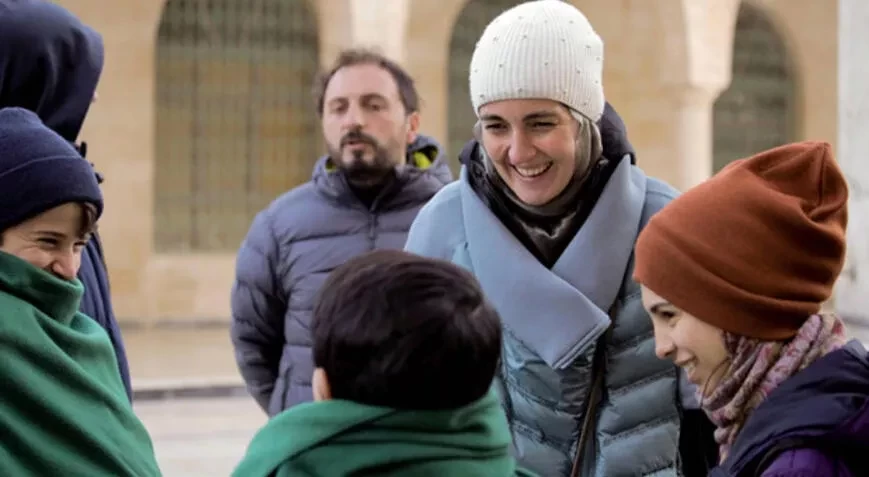
A frame from the film Snijeg (Snow).

In this respect, it can be said that the characters written by Begic are very well constructed in terms of not giving up being a woman both in appearance and behaviour. Although women sometimes take on a harsh profile, they always remain as a female character. They may turn into angry women, but this does not bring them to the same point as a male character’s anger. Begiç’s stories generally consist of stories in which characters who try to ensure constructiveness and make the story sustainable try to solve problems by repairing things without destroying them.

The fact that the main character in a film is a woman does not always mean that the story is dominated by the female point of view. If a story is to be told from a woman’s point of view in a film, the relationship in which the viewer is a man and the viewed is a woman should be put aside. Only then can the woman become a subject in her own right and construct her own story instead of being an auxiliary object in the man’s story that helps him realize something. Women’s point of view does not only mean telling the story of women. A woman’s point of view means approaching the story from a place that allows us to look at events from a woman’s point of view and to capture emotions from a woman’s perspective. For example, a detail that is not noteworthy for a man can be a detail that a woman can build her story around. The fact that Aida Begic manages to escape from this male gaze and captures the female gaze while telling a story is very valuable in this respect. In Begic’s films, female characters exist on their own and become the subjects of events.

It should also be noted that Aida Begiç’s cinema language is shaped not only from the perspective of common women but rather a woman who is Muslim in her belief. The fact that Begic tells the story of orphans based on the issue of protecting orphans’ rights in Islam can also be considered as an important point. In addition, in terms of the aesthetics of the language she uses, the fact that the scenes that can be called the climax of Begic are composed of religious motifs is also very valuable in this respect. For example, the scene where Alma performs ablution and the parts where they stand in prayer with the congregation are one of the aesthetic climaxes in the film Snijeg. In other words, Aida Begic not only tells stories in which the viewer is a woman, but also creates a narrative through the aesthetic perspective of a Muslim woman. Begic also includes metaphysical details in her films. For example, in the film Snijeg, Ali’s hair grow in a terrifying way every time he is scared. In this part of the story, there is an immaterial state that cannot be explained by the material dimension. Aida Begic does not attempt to explain or conclude the events only in the material dimension and mostly leaves the interpretation to the audience. This actually means that the audience is given the opportunity to think about the story and it is also very important for the connection between the story and the audience.

As we mentioned at the beginning of the article, unfortunately, the number of female directors is quite less, and even lesser is the number of Muslim female directors. In the world of cinema, where there are few Muslim women directors, Aida Begic is a valuable name who stands out with the recognition she deserves and her aesthetically elegant approach to storytelling. As a woman and a female Muslim filmmaker, she says that we need to work harder than others to get somewhere. Nowadays, Begiç and many other determined women filmmakers like her are giving hope to many young women filmmakers and showing us that it is possible for Muslim women filmmakers to get recognised by telling real stories from a woman’s point of view without resorting to propaganda. Aida Begic is a valuable name that everyone, young and old, can be inspired by.

[1] Appointment | Aida Begic, TRT 2, 2019, https://bit.ly/41uDe6K

[2] Appointment | Aida Begic.

Tags: Aida BegicCinemaDirectors
Previous Post

Being a Muslim Woman in Academia

Next Post

Müslüman Toplumlarda Kadın Hareketleri

Next Post
Müslüman Toplumlarda Kadın Hareketleri

Müslüman Toplumlarda Kadın Hareketleri

Bir yanıt yazın Yanıtı iptal et

E-posta adresiniz yayınlanmayacak. Gerekli alanlar * ile işaretlenmişlerdir

  • A Possible New Breath in Regional Balances: The Alliance of Türkiye, Pakistan, Egypt, and Saudi Arabia

    Bölgesel Dengelerde Olası Yeni Bir Soluk: Türkiye, Pakistan, Mısır ve Suudi Arabistan İttifakı

    0 shares
    Share 0 Tweet 0
  • Nakşibendi-Hakkani Tarikatı

    0 shares
    Share 0 Tweet 0
  • Bilime Yön Verenler: Nobel Ödüllü Müslüman Bilim İnsanları

    0 shares
    Share 0 Tweet 0
  • Fuad Sezgin

    0 shares
    Share 0 Tweet 0
  • Sosyal Medyada İslamcı-Muhafazakâr Kamusallığın Dönüşümü Üzerine

    0 shares
    Share 0 Tweet 0
  • The Gravity of What Took Place at Al-Aqsa Mosque During Ramadan 2026

    Ramazan 2026’da Mescid-i Aksa’da Yaşananların Ciddiyeti

    0 shares
    Share 0 Tweet 0
  • The Gravity of What Took Place at Al-Aqsa Mosque During Ramadan 2026

    0 shares
    Share 0 Tweet 0
  • FLA-JNIM Cooperation and Shifting Security Dynamics in Mali

    0 shares
    Share 0 Tweet 0
  • FLA-JNIM İş Birliği ve Mali’de Değişen Güvenlik Dinamikleri

    0 shares
    Share 0 Tweet 0
  • The Current State of Indonesia’s Luxury Industry and the Landscape of Independent Handcrafted Watchmaking

    0 shares
    Share 0 Tweet 0

Platform: Müslüman Dünyanın Gündemi, Müslüman toplumların fikrî, siyasi, sosyal, ekonomik ve kültürel gündemlerini takip ve tahlil edip Müslüman dünyaya dair güncel ve özgün perspektifler sunmayı amaçlayan bir yayın organı olarak İLKE İlim Kültür Eğitim Vakfı bünyesinde kurulmuştur.

  • SAYILAR
  • ANALİZLER
  • HABERLER
  • SÖYLEŞİLER
  • DÜNYADAN SESLER
  • platform@ilke.org.tr
  • (0216) 310 43 18
  • Aziz Mahmut Hüdayi Mah. Türbe Kapısı Sk. No: 13 Üsküdar, İstanbul

2025 @ PLATFORM bir İLKE Vakfı kuruluşudur. Tüm hakları saklıdır. 

No Result
View All Result
  • Home
  • Analizler
  • Haberler
  • Söyleşiler
  • Dünyadan Sesler