



İLKE Vakfı
Platform
No Result
View All Result
  • PLATFORM
  • HABERLER
    İLKE Agenda: Muzzammil Ayyub Thakur ile Keşmir’in “Filistinleştirilmesi”

    İLKE Agenda: Muzzammil Ayyub Thakur ile Keşmir’in “Filistinleştirilmesi”

    İLKE Agenda: Muzzammil Ayyub Thakur ile Keşmir’in “Filistinleştirilmesi”

    The Platform Talks: Kinda Hawasli ile 8 Aralık Sonrası Suriye

    İLKE Agenda: Muzzammil Ayyub Thakur ile Keşmir’in “Filistinleştirilmesi”

    The Platform Talks: Azzam Tamimi ile 7 Ekim Sonrası Filistin

    İLKE Agenda: Muzzammil Ayyub Thakur ile Keşmir’in “Filistinleştirilmesi”

    İLKE Agenda: Gazze Soykırımı Günlerinde Aktivizm ve İslamofobi

    Filistin Sempozyumu: Filistin ve Küresel İlişkilerin Geleceği

    Filistin Sempozyumu: Filistin ve Küresel İlişkilerin Geleceği

    Filistin Sempozyumu: Filistin ve Küresel İlişkilerin Geleceği

    Müslüman Dünyada Çağdaş Düşünce Konferansı’nda buluşuyoruz!

    Filistin Sempozyumu: Filistin ve Küresel İlişkilerin Geleceği

    Müslüman Dünyada Çağdaş Düşünce Konferansı

    Filistin Sempozyumu: Filistin ve Küresel İlişkilerin Geleceği

    Dr. Jonathan Brown “İslam’ın Siyahiliğe ve Köleliğe Yaklaşımı” adlı seminer gerçekleştirdi.

  • ANALİZLER
    • All
    • Düşünce
    • Eğitim
    • Ekonomi
    • Enerji ve Çevre
    • Göç
    • Medya, Kültür ve Sanat
    • Temel Hak ve Özgürlükler
    • Toplumsal Meseleler
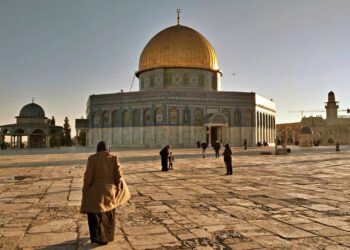
    The Gravity of What Took Place at Al-Aqsa Mosque During Ramadan 2026

    Ramazan 2026’da Mescid-i Aksa’da Yaşananların Ciddiyeti

    AFP/GETTY IMAGES

    FLA-JNIM İş Birliği ve Mali’de Değişen Güvenlik Dinamikleri

    Sosyal Medyada İslamcı-Muhafazakâr Kamusallığın Dönüşümü Üzerine

    Sosyal Medyada İslamcı-Muhafazakâr Kamusallığın Dönüşümü Üzerine

    Bangladeş’te 2026 Seçimleri Sonrası Siyasi Tartışmalar

    Bangladeş’te 2026 Seçimleri Sonrası Siyasi Tartışmalar

    Filistin’de Çocuk Olmak: 5 Nisan Filistinli Çocuklar Günü

    Filistin’de Çocuk Olmak: 5 Nisan Filistinli Çocuklar Günü

    Security, Fragility, and the Search for a New Equilibrium in the Gulf Following the Iranian Attacks

    İran Saldırıları Sonrası Körfez’de Güvenlik, Kırılganlık ve Yeni Denge Arayışı

  • SÖYLEŞİLER
    The Decolonization of Knowledge: Interview with Professor Souleymane Bachir Diagne

    Bilginin Dekolonizasyonu: Profesör Souleymane Bachir Diagne ile Röportaj

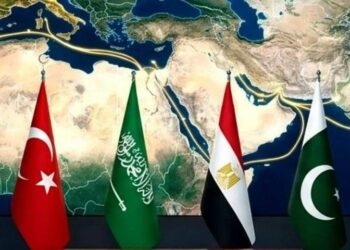
    A Possible New Breath in Regional Balances: The Alliance of Türkiye, Pakistan, Egypt, and Saudi Arabia

    Bölgesel Dengelerde Olası Yeni Bir Soluk: Türkiye, Pakistan, Mısır ve Suudi Arabistan İttifakı

    Digital Ummah and Muslim Identity: Dr. Sahar Khamis Interview

    Dijital Ümmet ve Müslüman Kimliği: Dr. Sahar Khamis ile Röportaj

    From the Ballot Box to the Street: The Rising Social Wave in Tanzania After the Election

    Sandıktan Sokağa: Tanzanya’da Seçim Sonrası Yükselen Toplumsal Dalga

    Müslüman Nüfusa Karşı Güvenlikleştirme

    Müslüman Nüfusa Karşı Güvenlikleştirme

    Gurbet Hikayeleri

    Gurbet Hikayeleri

    Göçü Yönetmek: Dr. Mehmet Köse’yle Söyleşi

    Göçü Yönetmek: Dr. Mehmet Köse’yle Söyleşi

    İstanbul’daki Uluslararası Öğrencilerle Söyleşi

    İstanbul’daki Uluslararası Öğrencilerle Söyleşi

    Zaytuna College Lisansüstü Eğitim Dekanı Maşuk Yamaç’la Söyleşi

    Zaytuna College Lisansüstü Eğitim Dekanı Maşuk Yamaç’la Söyleşi

  • DÜNYADAN SESLER
    Voices from the Muslim World | Sari Hanafi (with Turkish subtitles)

    Voices from the Muslim World | Sari Hanafi (with Turkish subtitles)

    Voices from the Muslim World | Ovamir Anjum

    Voices from the Muslim World | Ovamir Anjum

    VOICES FROM THE MUSLIM WORLD | DR. YASIR QADHI

    VOICES FROM THE MUSLIM WORLD | DR. YASIR QADHI

    VOICES FROM THE MUSLIM WORLD | DR. ADEEL MALIK

    VOICES FROM THE MUSLIM WORLD | DR. ADEEL MALIK

  • SAYILAR
  • VERİTABANI
    • All
    • Hareketler
    • Kurumlar
    • Şahsiyetler
    Pak-Türk Maarif

    Pak-Türk Maarif

    İslam Vakfı

    İslam Vakfı

    Avrupa Fetva ve Araştırma Konseyi

    Avrupa Fetva ve Araştırma Konseyi

    Tokyo Camii ve Diyanet Türk Kültür Merkezi

    Tokyo Camii ve Diyanet Türk Kültür Merkezi

  • PLATFORM
  • HABERLER
    İLKE Agenda: Muzzammil Ayyub Thakur ile Keşmir’in “Filistinleştirilmesi”

    İLKE Agenda: Muzzammil Ayyub Thakur ile Keşmir’in “Filistinleştirilmesi”

    İLKE Agenda: Muzzammil Ayyub Thakur ile Keşmir’in “Filistinleştirilmesi”

    The Platform Talks: Kinda Hawasli ile 8 Aralık Sonrası Suriye

    İLKE Agenda: Muzzammil Ayyub Thakur ile Keşmir’in “Filistinleştirilmesi”

    The Platform Talks: Azzam Tamimi ile 7 Ekim Sonrası Filistin

    İLKE Agenda: Muzzammil Ayyub Thakur ile Keşmir’in “Filistinleştirilmesi”

    İLKE Agenda: Gazze Soykırımı Günlerinde Aktivizm ve İslamofobi

    Filistin Sempozyumu: Filistin ve Küresel İlişkilerin Geleceği

    Filistin Sempozyumu: Filistin ve Küresel İlişkilerin Geleceği

    Filistin Sempozyumu: Filistin ve Küresel İlişkilerin Geleceği

    Müslüman Dünyada Çağdaş Düşünce Konferansı’nda buluşuyoruz!

    Filistin Sempozyumu: Filistin ve Küresel İlişkilerin Geleceği

    Müslüman Dünyada Çağdaş Düşünce Konferansı

    Filistin Sempozyumu: Filistin ve Küresel İlişkilerin Geleceği

    Dr. Jonathan Brown “İslam’ın Siyahiliğe ve Köleliğe Yaklaşımı” adlı seminer gerçekleştirdi.

  • ANALİZLER
    • All
    • Düşünce
    • Eğitim
    • Ekonomi
    • Enerji ve Çevre
    • Göç
    • Medya, Kültür ve Sanat
    • Temel Hak ve Özgürlükler
    • Toplumsal Meseleler
    The Gravity of What Took Place at Al-Aqsa Mosque During Ramadan 2026

    Ramazan 2026’da Mescid-i Aksa’da Yaşananların Ciddiyeti

    AFP/GETTY IMAGES

    FLA-JNIM İş Birliği ve Mali’de Değişen Güvenlik Dinamikleri

    Sosyal Medyada İslamcı-Muhafazakâr Kamusallığın Dönüşümü Üzerine

    Sosyal Medyada İslamcı-Muhafazakâr Kamusallığın Dönüşümü Üzerine

    Bangladeş’te 2026 Seçimleri Sonrası Siyasi Tartışmalar

    Bangladeş’te 2026 Seçimleri Sonrası Siyasi Tartışmalar

    Filistin’de Çocuk Olmak: 5 Nisan Filistinli Çocuklar Günü

    Filistin’de Çocuk Olmak: 5 Nisan Filistinli Çocuklar Günü

    Security, Fragility, and the Search for a New Equilibrium in the Gulf Following the Iranian Attacks

    İran Saldırıları Sonrası Körfez’de Güvenlik, Kırılganlık ve Yeni Denge Arayışı

  • SÖYLEŞİLER
    The Decolonization of Knowledge: Interview with Professor Souleymane Bachir Diagne

    Bilginin Dekolonizasyonu: Profesör Souleymane Bachir Diagne ile Röportaj

    A Possible New Breath in Regional Balances: The Alliance of Türkiye, Pakistan, Egypt, and Saudi Arabia

    Bölgesel Dengelerde Olası Yeni Bir Soluk: Türkiye, Pakistan, Mısır ve Suudi Arabistan İttifakı

    Digital Ummah and Muslim Identity: Dr. Sahar Khamis Interview

    Dijital Ümmet ve Müslüman Kimliği: Dr. Sahar Khamis ile Röportaj

    From the Ballot Box to the Street: The Rising Social Wave in Tanzania After the Election

    Sandıktan Sokağa: Tanzanya’da Seçim Sonrası Yükselen Toplumsal Dalga

    Müslüman Nüfusa Karşı Güvenlikleştirme

    Müslüman Nüfusa Karşı Güvenlikleştirme

    Gurbet Hikayeleri

    Gurbet Hikayeleri

    Göçü Yönetmek: Dr. Mehmet Köse’yle Söyleşi

    Göçü Yönetmek: Dr. Mehmet Köse’yle Söyleşi

    İstanbul’daki Uluslararası Öğrencilerle Söyleşi

    İstanbul’daki Uluslararası Öğrencilerle Söyleşi

    Zaytuna College Lisansüstü Eğitim Dekanı Maşuk Yamaç’la Söyleşi

    Zaytuna College Lisansüstü Eğitim Dekanı Maşuk Yamaç’la Söyleşi

  • DÜNYADAN SESLER
    Voices from the Muslim World | Sari Hanafi (with Turkish subtitles)

    Voices from the Muslim World | Sari Hanafi (with Turkish subtitles)

    Voices from the Muslim World | Ovamir Anjum

    Voices from the Muslim World | Ovamir Anjum

    VOICES FROM THE MUSLIM WORLD | DR. YASIR QADHI

    VOICES FROM THE MUSLIM WORLD | DR. YASIR QADHI

    VOICES FROM THE MUSLIM WORLD | DR. ADEEL MALIK

    VOICES FROM THE MUSLIM WORLD | DR. ADEEL MALIK

  • SAYILAR
  • VERİTABANI
    • All
    • Hareketler
    • Kurumlar
    • Şahsiyetler
    Pak-Türk Maarif

    Pak-Türk Maarif

    İslam Vakfı

    İslam Vakfı

    Avrupa Fetva ve Araştırma Konseyi

    Avrupa Fetva ve Araştırma Konseyi

    Tokyo Camii ve Diyanet Türk Kültür Merkezi

    Tokyo Camii ve Diyanet Türk Kültür Merkezi

No Result
View All Result
Platform
No Result
View All Result
Home Analyses

Being a Muslim Woman in Academia

Zeyneb Hafsa Orhan by Zeyneb Hafsa Orhan
7 Kasım 2025
in Analyses, Social Issues
0
Being a Muslim Woman in Academia
0
SHARES
11
VIEWS
Share on FacebookShare on Twitter

Depending on what people define themselves as, what they place where in their lives should also be revealed to some extent. For example, I define myself as a human being first and foremost, because the Creator created me that way. Since He created me with a Muslim nature and desires us to preserve that nature, I see this as my second basic identity. My gender comes next. My gender that the Creator has wisely decided for me. Therefore, if we go from top to bottom, I can define myself as a human being, but a Muslim human being and finally a Muslim woman. In this article, I will talk about being a Muslim woman in academia and especially in the field of Islamic economics in light of the latter two identities.

Basic Problems

First of all, due to well-known socio-political reasons, for a long time in this country, it was not possible to appear on the academic scene with the identity of a Muslim woman, especially if the related symbols were present in the person. This situation was generally valid for both those who received education and those who imparted education. In general terms, it can be said that the ability to work as an academician in Türkiye with an identity of a Muslim woman is still a fairly new phenomenon. As can be understood from the above introduction, one of the main problems of being a woman in academia was to have a visible Muslim identity. I do not have any clear information about whether this has already improved to the same extent everywhere. However, at least in terms of my own personal experience, I can say that, thankfully, this problem has been overcome.

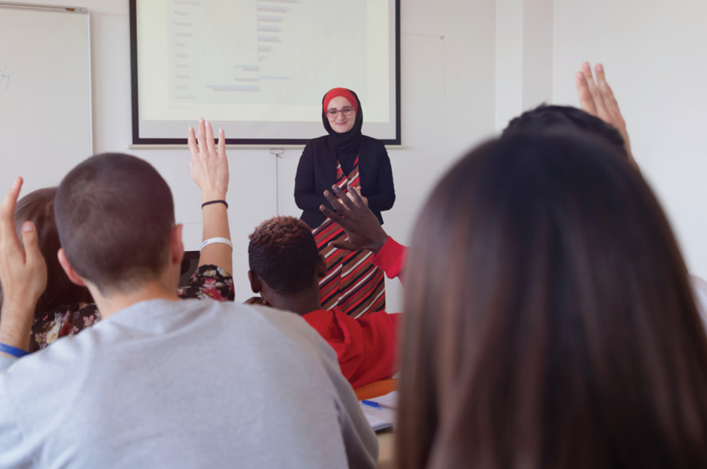
(https://www.shutterstock.com/tr/image-photo/female-muslim-professor-explain-lesson-students-1405995245)

In academia, as I think is the case in other fields of work, having a Muslim woman identity can not only be be a problem for those who take a stance against that identity but also for those who do not have a direct problem with that identity. Of course, the nature of the problem changes across the two groups. The main focus of the problem here is, in general, the issue of whether women should work or not. Since the article is not about this, I will not go into the details of this subject here. At this point, as a woman, it may be of particular importance to show that you are much better than all your male competitors who are likely to apply for the same academic position as you. Opening an additional parenthesis here, I do not find it appropriate for a woman to be preferred over a man for the same position, even though he is better than her, just because she is a woman, and vice versa. I believe that the reason for preference should be merit, not gender. Unless there is a gender that is particularly preferred due to the nature of the job and/or working conditions and environment. I would like to point out an important point that should not be forgotten; sometimes, for various reasons, women may need to support a household and take care of their relatives alone, and in this case, making recruitment difficult or preventing it altogether can cause serious problems. I think it should be important for recruiters to examine whether such situation exists.

Female Identity in Academia

What kind of difficulties can women, especially women who work with a Muslim identity, experience after entering academia? The answer to this question will again be related to the two paragraphs above. As a continuation of the problem mentioned in the first paragraph, Muslim women may be more prone to mobbing due to carrying their particular identity in academia. The academic environment may exacerbate this to some extent because both the mobbing perpetrators consider themselves “more educated” and the mobbed person thinks that she is subjected to this despite being educated. Related to the problem in the second paragraph, the fact that female academics, especially if they are relatively young, give lectures, seminars, etc. to classes or groups where older, “more senior” men are in the majority – and this is mostly the case for those at master’s and PhD levels – can be a task difficult for them to handle from the very beginning. Based on my personal experience here, I can say that as long as you maintain a certain level of general behaviour, the higher your level of knowledge and the more you can reflect it, the easier it is to overcome this seemingly heavy burden. After all, goodwill, sincerity and appreciation of knowledge is a much more dominant factor than prejudices.

Another problem that may arise in connection with the previous issue is that the focus on constantly becoming better and more knowledgeable may be overdone, leading to a perception of both the female academic and those who come into contact with her as: at best a sexless, at worst a masculine female figure. Of these, desexualisation can take place in different forms. For example, through the meanings that culture attributes to terms such as “sister, elder, mother”. Thus, the female academic, whether she is of the right age or not, can easily be forgotten as a woman and instead regarded and addressed in respect by everyone as an older sister or motherly figure. This is not necessarily problematic for everyone and in every environment, but there are many situations where it is generally inappropriate. The main reasons for this inappropriateness are, in my opinion, the inability to reflect, evaluate, understand or appreciate the characteristics that Allah has given to the female nature. The second problem is the emergence of a masculine female academic profile, although an extreme example, can lead to strange situations such as one mentioned in Adalet Ağaoğlu’s novel Ölmeye Yatmak.

At this point, the possibility of overemphasising femininity can be mentioned as another extreme, just like in other fields of work. However, I can say that the phenomenon of religion guides or should guide a female academic who wants to have a Muslim identity, especially in terms of rights, limits and obligations.

One of the difficulties that I think women experience especially in academia, more than in other fields of work – at least in my view – is that they are directly considered “superior” due to their title and position. Considering gender-based relationship dynamics, this can be problematic. In any case, the fact that people build the course of their behaviour towards each other on elements such as worldliness, temporary title, authority, position and fame creates a wide variety of problems.

Finally, as I will mention in the next section, although I think that academia is a very suitable profession for women to carry out together with their home life, there still may be women who have difficulties in carrying academia and home life together for various reasons. Education institution -without worsening other conditions- should  make improvements in issues such as women’s maternity, nursery facilities.

Advantages of Academics for Women

First of all, I think it would be useful to state that I do not consider it very appropriate for either men or women to choose the jobs to be done only and even basically on the basis of advantages, that is, a pragmatic perspective on the subject. I think that making a pragmatic choice by focusing on advantageous situations such as flexible working hours and title both ignores the possible disadvantages and difficulties of the academia, and basically leads to a tendency towards a job that is independent of one’s skills and interests. This ultimately leads to inefficiency as it disrupts the appropriate job-suitable employee equation. With this note, I can focus on the advantageous points of academia, especially for women.

One of the advantages is definitely flexible working hours. Flexible working is a phenomenon that has been brought up more frequently especially in the post-Covid pandemic period. The opportunity to work flexibly is important for academic women in terms of being able to adjust their class schedules according to themselves. This allows them to spend more time with their families. In addition, flexible working hours offer academics the opportunity to be less stressed and more productive.

I think the most important advantage of academia for a woman is that it is a perfect fit for those who love activities such as reading, writing, narrating and researching. I think that academia offers a more stable working atmosphere where you can keep it to yourself rather than the more predatory, turbulent, stressful, mobile, changing work environments of the private sector.

Being a Female Academic in the Field of Islamic Economics

There are quite a lot of Malaysian and Indonesian women Islamic economists or graduate students in the field of Islamic economics. However, the situation changes when it comes to Türkiye. Of course, there are various reasons for this. First of all, the field of Islamic economics is an area from which not only women, but male academics have also abstained for a long time due to the political and social conjuncture. Secondly, the additional political conjuncture effect I mentioned at the beginning of the article on female academics is another reality. Thirdly, due to the relatively late spread and late graduation of postgraduate candidates in the field, the new generation increasingly sees academy as a heavy job, and female students growing up in the field find it difficult to continue as academicians for various reasons. As a result of these reasons, the number of women who work as academicians in the field of Islamic economics, that is, give lectures and carry out academic studies within a university, is almost non-existent in Türkiye.

I would like to reiterate the note I made at the beginning of this article and say that the main goal should not be to concentrate on people of a certain gender in academia hence recruitment should be based on merit. However, the scarcity of female academics, especially in the field of Islamic economics, may lead to the problem of not reaching the predominantly female student population in undergraduate departments.


Tags: AcademiaMuslim women
Previous Post

Islamic Education in Central Asian Countries

Next Post

A Woman in the Director’s Chair: Aida Begic

Next Post
A Woman in the Director’s Chair: Aida Begic

A Woman in the Director's Chair: Aida Begic

Bir yanıt yazın Yanıtı iptal et

E-posta adresiniz yayınlanmayacak. Gerekli alanlar * ile işaretlenmişlerdir

  • A Possible New Breath in Regional Balances: The Alliance of Türkiye, Pakistan, Egypt, and Saudi Arabia

    Bölgesel Dengelerde Olası Yeni Bir Soluk: Türkiye, Pakistan, Mısır ve Suudi Arabistan İttifakı

    0 shares
    Share 0 Tweet 0
  • Nakşibendi-Hakkani Tarikatı

    0 shares
    Share 0 Tweet 0
  • Bilime Yön Verenler: Nobel Ödüllü Müslüman Bilim İnsanları

    0 shares
    Share 0 Tweet 0
  • Fuad Sezgin

    0 shares
    Share 0 Tweet 0
  • Sosyal Medyada İslamcı-Muhafazakâr Kamusallığın Dönüşümü Üzerine

    0 shares
    Share 0 Tweet 0
  • The Gravity of What Took Place at Al-Aqsa Mosque During Ramadan 2026

    Ramazan 2026’da Mescid-i Aksa’da Yaşananların Ciddiyeti

    0 shares
    Share 0 Tweet 0
  • The Gravity of What Took Place at Al-Aqsa Mosque During Ramadan 2026

    0 shares
    Share 0 Tweet 0
  • FLA-JNIM Cooperation and Shifting Security Dynamics in Mali

    0 shares
    Share 0 Tweet 0
  • FLA-JNIM İş Birliği ve Mali’de Değişen Güvenlik Dinamikleri

    0 shares
    Share 0 Tweet 0
  • The Current State of Indonesia’s Luxury Industry and the Landscape of Independent Handcrafted Watchmaking

    0 shares
    Share 0 Tweet 0

Platform: Müslüman Dünyanın Gündemi, Müslüman toplumların fikrî, siyasi, sosyal, ekonomik ve kültürel gündemlerini takip ve tahlil edip Müslüman dünyaya dair güncel ve özgün perspektifler sunmayı amaçlayan bir yayın organı olarak İLKE İlim Kültür Eğitim Vakfı bünyesinde kurulmuştur.

  • SAYILAR
  • ANALİZLER
  • HABERLER
  • SÖYLEŞİLER
  • DÜNYADAN SESLER
  • platform@ilke.org.tr
  • (0216) 310 43 18
  • Aziz Mahmut Hüdayi Mah. Türbe Kapısı Sk. No: 13 Üsküdar, İstanbul

2025 @ PLATFORM bir İLKE Vakfı kuruluşudur. Tüm hakları saklıdır. 

No Result
View All Result
  • Home
  • Analizler
  • Haberler
  • Söyleşiler
  • Dünyadan Sesler