

İLKE Vakfı
Platform
No Result
View All Result
  • PLATFORM
  • HABERLER
    İLKE Agenda: Muzzammil Ayyub Thakur ile Keşmir’in “Filistinleştirilmesi”

    İLKE Agenda: Muzzammil Ayyub Thakur ile Keşmir’in “Filistinleştirilmesi”

    İLKE Agenda: Muzzammil Ayyub Thakur ile Keşmir’in “Filistinleştirilmesi”

    The Platform Talks: Kinda Hawasli ile 8 Aralık Sonrası Suriye

    İLKE Agenda: Muzzammil Ayyub Thakur ile Keşmir’in “Filistinleştirilmesi”

    The Platform Talks: Azzam Tamimi ile 7 Ekim Sonrası Filistin

    İLKE Agenda: Muzzammil Ayyub Thakur ile Keşmir’in “Filistinleştirilmesi”

    İLKE Agenda: Gazze Soykırımı Günlerinde Aktivizm ve İslamofobi

    Filistin Sempozyumu: Filistin ve Küresel İlişkilerin Geleceği

    Filistin Sempozyumu: Filistin ve Küresel İlişkilerin Geleceği

    Filistin Sempozyumu: Filistin ve Küresel İlişkilerin Geleceği

    Müslüman Dünyada Çağdaş Düşünce Konferansı’nda buluşuyoruz!

    Filistin Sempozyumu: Filistin ve Küresel İlişkilerin Geleceği

    Müslüman Dünyada Çağdaş Düşünce Konferansı

    Filistin Sempozyumu: Filistin ve Küresel İlişkilerin Geleceği

    Dr. Jonathan Brown “İslam’ın Siyahiliğe ve Köleliğe Yaklaşımı” adlı seminer gerçekleştirdi.

  • ANALİZLER
    • All
    • Düşünce
    • Eğitim
    • Ekonomi
    • Enerji ve Çevre
    • Göç
    • Medya, Kültür ve Sanat
    • Temel Hak ve Özgürlükler
    • Toplumsal Meseleler
    The Gravity of What Took Place at Al-Aqsa Mosque During Ramadan 2026

    Ramazan 2026’da Mescid-i Aksa’da Yaşananların Ciddiyeti

    AFP/GETTY IMAGES

    FLA-JNIM İş Birliği ve Mali’de Değişen Güvenlik Dinamikleri

    Sosyal Medyada İslamcı-Muhafazakâr Kamusallığın Dönüşümü Üzerine

    Sosyal Medyada İslamcı-Muhafazakâr Kamusallığın Dönüşümü Üzerine

    Bangladeş’te 2026 Seçimleri Sonrası Siyasi Tartışmalar

    Bangladeş’te 2026 Seçimleri Sonrası Siyasi Tartışmalar

    Filistin’de Çocuk Olmak: 5 Nisan Filistinli Çocuklar Günü

    Filistin’de Çocuk Olmak: 5 Nisan Filistinli Çocuklar Günü

    Security, Fragility, and the Search for a New Equilibrium in the Gulf Following the Iranian Attacks

    İran Saldırıları Sonrası Körfez’de Güvenlik, Kırılganlık ve Yeni Denge Arayışı

  • SÖYLEŞİLER
    The Decolonization of Knowledge: Interview with Professor Souleymane Bachir Diagne

    Bilginin Dekolonizasyonu: Profesör Souleymane Bachir Diagne ile Röportaj

    A Possible New Breath in Regional Balances: The Alliance of Türkiye, Pakistan, Egypt, and Saudi Arabia

    Bölgesel Dengelerde Olası Yeni Bir Soluk: Türkiye, Pakistan, Mısır ve Suudi Arabistan İttifakı

    Digital Ummah and Muslim Identity: Dr. Sahar Khamis Interview

    Dijital Ümmet ve Müslüman Kimliği: Dr. Sahar Khamis ile Röportaj

    From the Ballot Box to the Street: The Rising Social Wave in Tanzania After the Election

    Sandıktan Sokağa: Tanzanya’da Seçim Sonrası Yükselen Toplumsal Dalga

    Müslüman Nüfusa Karşı Güvenlikleştirme

    Müslüman Nüfusa Karşı Güvenlikleştirme

    Gurbet Hikayeleri

    Gurbet Hikayeleri

    Göçü Yönetmek: Dr. Mehmet Köse’yle Söyleşi

    Göçü Yönetmek: Dr. Mehmet Köse’yle Söyleşi

    İstanbul’daki Uluslararası Öğrencilerle Söyleşi

    İstanbul’daki Uluslararası Öğrencilerle Söyleşi

    Zaytuna College Lisansüstü Eğitim Dekanı Maşuk Yamaç’la Söyleşi

    Zaytuna College Lisansüstü Eğitim Dekanı Maşuk Yamaç’la Söyleşi

  • DÜNYADAN SESLER
    Voices from the Muslim World | Sari Hanafi (with Turkish subtitles)

    Voices from the Muslim World | Sari Hanafi (with Turkish subtitles)

    Voices from the Muslim World | Ovamir Anjum

    Voices from the Muslim World | Ovamir Anjum

    VOICES FROM THE MUSLIM WORLD | DR. YASIR QADHI

    VOICES FROM THE MUSLIM WORLD | DR. YASIR QADHI

    VOICES FROM THE MUSLIM WORLD | DR. ADEEL MALIK

    VOICES FROM THE MUSLIM WORLD | DR. ADEEL MALIK

  • SAYILAR
  • VERİTABANI
    • All
    • Hareketler
    • Kurumlar
    • Şahsiyetler
    Pak-Türk Maarif

    Pak-Türk Maarif

    İslam Vakfı

    İslam Vakfı

    Avrupa Fetva ve Araştırma Konseyi

    Avrupa Fetva ve Araştırma Konseyi

    Tokyo Camii ve Diyanet Türk Kültür Merkezi

    Tokyo Camii ve Diyanet Türk Kültür Merkezi

  • PLATFORM
  • HABERLER
    İLKE Agenda: Muzzammil Ayyub Thakur ile Keşmir’in “Filistinleştirilmesi”

    İLKE Agenda: Muzzammil Ayyub Thakur ile Keşmir’in “Filistinleştirilmesi”

    İLKE Agenda: Muzzammil Ayyub Thakur ile Keşmir’in “Filistinleştirilmesi”

    The Platform Talks: Kinda Hawasli ile 8 Aralık Sonrası Suriye

    İLKE Agenda: Muzzammil Ayyub Thakur ile Keşmir’in “Filistinleştirilmesi”

    The Platform Talks: Azzam Tamimi ile 7 Ekim Sonrası Filistin

    İLKE Agenda: Muzzammil Ayyub Thakur ile Keşmir’in “Filistinleştirilmesi”

    İLKE Agenda: Gazze Soykırımı Günlerinde Aktivizm ve İslamofobi

    Filistin Sempozyumu: Filistin ve Küresel İlişkilerin Geleceği

    Filistin Sempozyumu: Filistin ve Küresel İlişkilerin Geleceği

    Filistin Sempozyumu: Filistin ve Küresel İlişkilerin Geleceği

    Müslüman Dünyada Çağdaş Düşünce Konferansı’nda buluşuyoruz!

    Filistin Sempozyumu: Filistin ve Küresel İlişkilerin Geleceği

    Müslüman Dünyada Çağdaş Düşünce Konferansı

    Filistin Sempozyumu: Filistin ve Küresel İlişkilerin Geleceği

    Dr. Jonathan Brown “İslam’ın Siyahiliğe ve Köleliğe Yaklaşımı” adlı seminer gerçekleştirdi.

  • ANALİZLER
    • All
    • Düşünce
    • Eğitim
    • Ekonomi
    • Enerji ve Çevre
    • Göç
    • Medya, Kültür ve Sanat
    • Temel Hak ve Özgürlükler
    • Toplumsal Meseleler
    The Gravity of What Took Place at Al-Aqsa Mosque During Ramadan 2026

    Ramazan 2026’da Mescid-i Aksa’da Yaşananların Ciddiyeti

    AFP/GETTY IMAGES

    FLA-JNIM İş Birliği ve Mali’de Değişen Güvenlik Dinamikleri

    Sosyal Medyada İslamcı-Muhafazakâr Kamusallığın Dönüşümü Üzerine

    Sosyal Medyada İslamcı-Muhafazakâr Kamusallığın Dönüşümü Üzerine

    Bangladeş’te 2026 Seçimleri Sonrası Siyasi Tartışmalar

    Bangladeş’te 2026 Seçimleri Sonrası Siyasi Tartışmalar

    Filistin’de Çocuk Olmak: 5 Nisan Filistinli Çocuklar Günü

    Filistin’de Çocuk Olmak: 5 Nisan Filistinli Çocuklar Günü

    Security, Fragility, and the Search for a New Equilibrium in the Gulf Following the Iranian Attacks

    İran Saldırıları Sonrası Körfez’de Güvenlik, Kırılganlık ve Yeni Denge Arayışı

  • SÖYLEŞİLER
    The Decolonization of Knowledge: Interview with Professor Souleymane Bachir Diagne

    Bilginin Dekolonizasyonu: Profesör Souleymane Bachir Diagne ile Röportaj

    A Possible New Breath in Regional Balances: The Alliance of Türkiye, Pakistan, Egypt, and Saudi Arabia

    Bölgesel Dengelerde Olası Yeni Bir Soluk: Türkiye, Pakistan, Mısır ve Suudi Arabistan İttifakı

    Digital Ummah and Muslim Identity: Dr. Sahar Khamis Interview

    Dijital Ümmet ve Müslüman Kimliği: Dr. Sahar Khamis ile Röportaj

    From the Ballot Box to the Street: The Rising Social Wave in Tanzania After the Election

    Sandıktan Sokağa: Tanzanya’da Seçim Sonrası Yükselen Toplumsal Dalga

    Müslüman Nüfusa Karşı Güvenlikleştirme

    Müslüman Nüfusa Karşı Güvenlikleştirme

    Gurbet Hikayeleri

    Gurbet Hikayeleri

    Göçü Yönetmek: Dr. Mehmet Köse’yle Söyleşi

    Göçü Yönetmek: Dr. Mehmet Köse’yle Söyleşi

    İstanbul’daki Uluslararası Öğrencilerle Söyleşi

    İstanbul’daki Uluslararası Öğrencilerle Söyleşi

    Zaytuna College Lisansüstü Eğitim Dekanı Maşuk Yamaç’la Söyleşi

    Zaytuna College Lisansüstü Eğitim Dekanı Maşuk Yamaç’la Söyleşi

  • DÜNYADAN SESLER
    Voices from the Muslim World | Sari Hanafi (with Turkish subtitles)

    Voices from the Muslim World | Sari Hanafi (with Turkish subtitles)

    Voices from the Muslim World | Ovamir Anjum

    Voices from the Muslim World | Ovamir Anjum

    VOICES FROM THE MUSLIM WORLD | DR. YASIR QADHI

    VOICES FROM THE MUSLIM WORLD | DR. YASIR QADHI

    VOICES FROM THE MUSLIM WORLD | DR. ADEEL MALIK

    VOICES FROM THE MUSLIM WORLD | DR. ADEEL MALIK

  • SAYILAR
  • VERİTABANI
    • All
    • Hareketler
    • Kurumlar
    • Şahsiyetler
    Pak-Türk Maarif

    Pak-Türk Maarif

    İslam Vakfı

    İslam Vakfı

    Avrupa Fetva ve Araştırma Konseyi

    Avrupa Fetva ve Araştırma Konseyi

    Tokyo Camii ve Diyanet Türk Kültür Merkezi

    Tokyo Camii ve Diyanet Türk Kültür Merkezi

No Result
View All Result
Platform
No Result
View All Result
Home Analyses

Hezbollah’s Disarmament and the Crisis of Legitimacy in Lebanon

Mohamad Fawaz by Mohamad Fawaz
27 Nisan 2026
in Analyses, Opinion
0
Hezbollah’s Disarmament and the Crisis of Legitimacy in Lebanon
0
SHARES
2
VIEWS
Share on FacebookShare on Twitter

Lebanon was expected to enter a new and more stable phase that could open the way for change and recovery after the ceasefire of November 27, 2024, and with the restoration of institutional regularity following the election of General Joseph Aoun as President and the formation of a new government by Judge Nawaf Salam after a vacancy of more than two years.

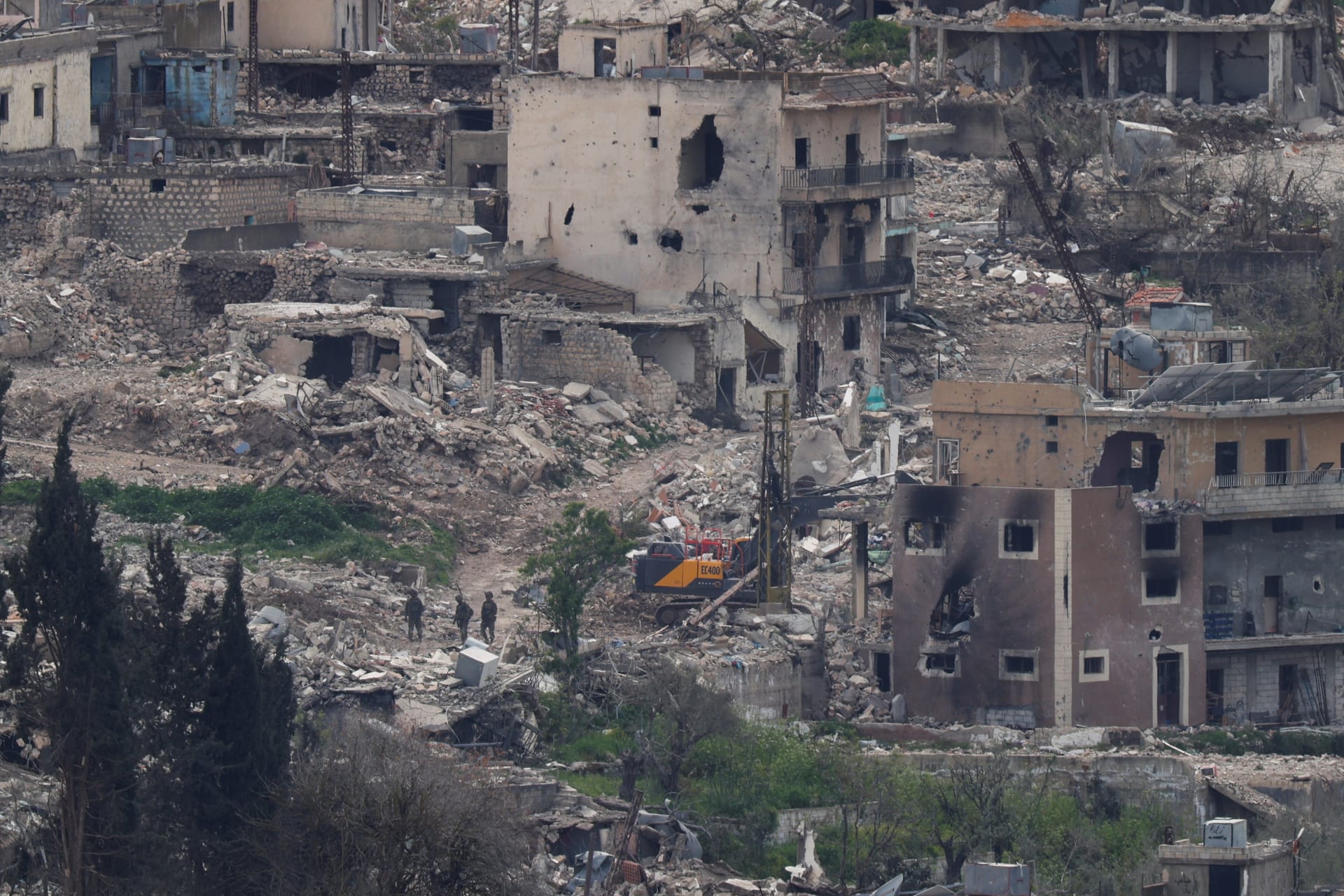
However, reality did not match these expectations. The ceasefire did not become a real turning point; rather, it appeared as one stage in Israel’s broader campaign against Hezbollah, Lebanon, Iran, and its regional axis. Israel set clear initial conditions in Lebanon, foremost among them the complete disarmament of Hezbollah before any serious reciprocal steps. At the same time, Israel continues to hold Lebanese detainees, maintain positions and control over parts of Lebanese territory, obstruct reconstruction, and prevent the full restoration of Lebanese sovereignty, while keeping Lebanese airspace and territory open to military operations it deems necessary. Its approach also appears broadly aligned with that of key international actors, especially the United States.

Hezbollah, meanwhile, has suffered severe and historic blows affecting its leadership, base, capabilities, and geography. Amid these setbacks and wider regional shifts involving Iran, Syria, and Palestine, the party has adopted a strategy of patience and reconstruction while insisting on retaining its weapons north of the Litani River. Yet it has not shown how it intends to protect these weapons in light of continued Lebanese Army confiscations and sustained, even intensified, Israeli strikes.

The third actor in this equation is the Lebanese state, represented by the President and the Prime Minister. Although Hezbollah and its ally Speaker Nabih Berri remain part of the political system, they no longer carry the central weight they held over the past one or two decades. This leadership emerged from a broader arrangement in which Hezbollah was not absent. The President’s inaugural speech reflected this new phase: broad in scope, somewhat idealistic in tone, yet clearly reaffirming the principle of the state’s monopoly over arms.

In practice, just as Hezbollah is under intense pressure, so too is the Lebanese state. Economically, the state has not taken a major step toward resolving the long-standing crisis, though it has at least presented a budget and a financial draft law- moves that drew criticism but were still seen by some as progress after years of institutional paralysis. The government has not introduced innovative solutions to social pressures, instead turning to easier short-term measures, such as raising salaries and compensation for public sector employees and military personnel through higher gasoline fees, without enacting structural reforms to address waste and corruption. Prime Minister Nawaf Salam himself acknowledged the limits of immediate revenue collection from politically sensitive files such as quarries and public maritime/riverfront properties, especially given judicial disputes and entrenched influence networks. These files are closely watched domestically and internationally as indicators of whether Lebanon can restore fiscal order, reduce corruption, and curb the cash economy that facilitates illicit activity, including weapons and drug smuggling.

The most difficult file remains security and disarmament, which has become the central issue overshadowing all others. Israel is pressuring the Lebanese state to ensure full disarmament outside state institutions, while threatening to intensify and expand its strikes otherwise. This places the state before a dangerous dilemma: expanding internal operations under Hezbollah’s veto could risk confrontation between the Lebanese Army and Hezbollah and destabilize society, while inaction may invite broader Israeli escalation.

Against this backdrop, the state appeared to be trying to preserve civil peace through postponement, buying time, and waiting for a major external shift-especially on the Iranian file-that could reshape Hezbollah’s role and connections in Lebanon.

In this context, parliamentary elections are seen as a practical test of post-war shifts in the balance of power and whether these shifts are reflected in public sentiment. This has become an added source of domestic tension. However, since the most influential external power in Lebanon does not appear to expect a major electoral transformation, there is a growing push toward postponement in order to further consolidate changes in internal power balances. This has become the more likely scenario pending formal approval.

This situation has produced layered legitimacy crises. Historically, the Lebanese state rarely possessed absolute legitimacy; authority was distributed among actors through sectarian power-sharing, and even core state functions-such as the monopoly over violence and national defense-were shaped by political compromise. The state is being tested in balancing two tasks: restoring its legitimacy internally vis-à-vis Hezbollah, and protecting Lebanon from Israeli attacks. Economically, the new leadership has raised broad reform slogans that could help rebuild legitimacy, but it has not yet laid the necessary foundations. Hezbollah’s own legitimacy, once rooted in its role as protector of the country, the South, and especially its constituency, has also been deeply shaken by the war. The party has not yet offered a new framework to rebuild that legitimacy, and instead seeks to redefine it through popular and religious representation, social and economic services, and the resistance ethos tied to its weapons.

There are signs of attempts to restore legitimacy through renewed implementation of the Taif Agreement and a recalibration of Lebanon’s sectarian balance in ways that reassure the wounded Shiite community and reduce reliance on arms, while allowing the state to gradually restore authority and institutional control. But this remains largely theoretical. There is no guarantee of Israeli withdrawal, no guarantee that Hezbollah would accept such arrangements, and no guarantee that the state, under any new balance, could establish effective economic control and use it to serve citizens and reduce corruption. Thus, despite the rise in state legitimacy at the start of the Aoun-Salam leadership, the current deadlock and accumulated setbacks are steadily eroding this newly formed legitimacy.

Among the Lebanese public, there is broad dissatisfaction and pessimism regarding the economy, while the military-security issue remains the major dividing line. Hezbollah’s constituency is experiencing shock, fear, and a sense of paralysis, with limited confidence in the state’s ability to provide protection or replace Hezbollah’s previous security role. In contrast, constituencies opposed to Hezbollah see the current moment as an opportunity to rebuild the foundations of the state, while hoping this process remains peaceful and swift. 

This fragile structure collapsed after the latest escalation, amid the international war waged by Israel and the United States against Iran, the repercussions of which spilled into Lebanon a few days later, unleashing there all the aforementioned threats.

Everything accelerated under fire. The state quickly took a decisive decision to ban any military or security activity by Hezbollah on Lebanese territory and to restrict arms to its own authority, though it remains unclear how this decision can actually be enforced. At the same time, the threat to domestic civil peace is growing rapidly, while Lebanon’s ability to protect its sovereignty and its citizens is steadily weakening. This is happening in the face of a major imbalance of power with Israel, which is openly eyeing Lebanese territory, as Hezbollah refuses to step back and Israel remains determined to destroy it. In the middle of all this, a state with very limited capacity has fallen into a serious trap, placing Lebanon’s geography, demography, security, borders, and civil peace at risk in a moment that may be unlike anything in its modern history.

*Makalelerdeki fikirler yazarına aittir ve Platform: Müslüman Dünyanın Gündeminin editoryal politikasını yansıtmayabilir.

The views expressed in the articles belong to the authors and may not reflect the editorial policy of the Platform: Current Muslim Affairs.


Tags: Lebanon
Previous Post

Debate of Peace Plan for Gaza: Aid, Security, and Law

Next Post

Hizbullah’ın Silahsızlandırılması ve Lübnan’daki Meşruiyet Krizi

Next Post
Rethinking Urban Space: Spacio-Cide, Collective Memory, and Resistance

Rethinking Urban Space: Spacio-Cide, Collective Memory, and Resistance

Bir yanıt yazın Yanıtı iptal et

E-posta adresiniz yayınlanmayacak. Gerekli alanlar * ile işaretlenmişlerdir

  • A Possible New Breath in Regional Balances: The Alliance of Türkiye, Pakistan, Egypt, and Saudi Arabia

    Bölgesel Dengelerde Olası Yeni Bir Soluk: Türkiye, Pakistan, Mısır ve Suudi Arabistan İttifakı

    0 shares
    Share 0 Tweet 0
  • Bilime Yön Verenler: Nobel Ödüllü Müslüman Bilim İnsanları

    0 shares
    Share 0 Tweet 0
  • Nakşibendi-Hakkani Tarikatı

    0 shares
    Share 0 Tweet 0
  • Fuad Sezgin

    0 shares
    Share 0 Tweet 0
  • Sosyal Medyada İslamcı-Muhafazakâr Kamusallığın Dönüşümü Üzerine

    0 shares
    Share 0 Tweet 0
  • The Gravity of What Took Place at Al-Aqsa Mosque During Ramadan 2026

    Ramazan 2026’da Mescid-i Aksa’da Yaşananların Ciddiyeti

    0 shares
    Share 0 Tweet 0
  • The Gravity of What Took Place at Al-Aqsa Mosque During Ramadan 2026

    0 shares
    Share 0 Tweet 0
  • FLA-JNIM Cooperation and Shifting Security Dynamics in Mali

    0 shares
    Share 0 Tweet 0
  • FLA-JNIM İş Birliği ve Mali’de Değişen Güvenlik Dinamikleri

    0 shares
    Share 0 Tweet 0
  • The Current State of Indonesia’s Luxury Industry and the Landscape of Independent Handcrafted Watchmaking

    0 shares
    Share 0 Tweet 0

Platform: Müslüman Dünyanın Gündemi, Müslüman toplumların fikrî, siyasi, sosyal, ekonomik ve kültürel gündemlerini takip ve tahlil edip Müslüman dünyaya dair güncel ve özgün perspektifler sunmayı amaçlayan bir yayın organı olarak İLKE İlim Kültür Eğitim Vakfı bünyesinde kurulmuştur.

  • SAYILAR
  • ANALİZLER
  • HABERLER
  • SÖYLEŞİLER
  • DÜNYADAN SESLER
  • platform@ilke.org.tr
  • (0216) 310 43 18
  • Aziz Mahmut Hüdayi Mah. Türbe Kapısı Sk. No: 13 Üsküdar, İstanbul

2025 @ PLATFORM bir İLKE Vakfı kuruluşudur. Tüm hakları saklıdır. 

No Result
View All Result
  • Home
  • Analizler
  • Haberler
  • Söyleşiler
  • Dünyadan Sesler