










İLKE Vakfı
Platform
No Result
View All Result
  • PLATFORM
  • HABERLER
    İLKE Agenda: Muzzammil Ayyub Thakur ile Keşmir’in “Filistinleştirilmesi”

    İLKE Agenda: Muzzammil Ayyub Thakur ile Keşmir’in “Filistinleştirilmesi”

    İLKE Agenda: Muzzammil Ayyub Thakur ile Keşmir’in “Filistinleştirilmesi”

    The Platform Talks: Kinda Hawasli ile 8 Aralık Sonrası Suriye

    İLKE Agenda: Muzzammil Ayyub Thakur ile Keşmir’in “Filistinleştirilmesi”

    The Platform Talks: Azzam Tamimi ile 7 Ekim Sonrası Filistin

    İLKE Agenda: Muzzammil Ayyub Thakur ile Keşmir’in “Filistinleştirilmesi”

    İLKE Agenda: Gazze Soykırımı Günlerinde Aktivizm ve İslamofobi

    Filistin Sempozyumu: Filistin ve Küresel İlişkilerin Geleceği

    Filistin Sempozyumu: Filistin ve Küresel İlişkilerin Geleceği

    Filistin Sempozyumu: Filistin ve Küresel İlişkilerin Geleceği

    Müslüman Dünyada Çağdaş Düşünce Konferansı’nda buluşuyoruz!

    Filistin Sempozyumu: Filistin ve Küresel İlişkilerin Geleceği

    Müslüman Dünyada Çağdaş Düşünce Konferansı

    Filistin Sempozyumu: Filistin ve Küresel İlişkilerin Geleceği

    Dr. Jonathan Brown “İslam’ın Siyahiliğe ve Köleliğe Yaklaşımı” adlı seminer gerçekleştirdi.

  • ANALİZLER
    • All
    • Düşünce
    • Eğitim
    • Ekonomi
    • Enerji ve Çevre
    • Göç
    • Medya, Kültür ve Sanat
    • Temel Hak ve Özgürlükler
    • Toplumsal Meseleler
    The Gravity of What Took Place at Al-Aqsa Mosque During Ramadan 2026

    Ramazan 2026’da Mescid-i Aksa’da Yaşananların Ciddiyeti

    AFP/GETTY IMAGES

    FLA-JNIM İş Birliği ve Mali’de Değişen Güvenlik Dinamikleri

    Sosyal Medyada İslamcı-Muhafazakâr Kamusallığın Dönüşümü Üzerine

    Sosyal Medyada İslamcı-Muhafazakâr Kamusallığın Dönüşümü Üzerine

    Bangladeş’te 2026 Seçimleri Sonrası Siyasi Tartışmalar

    Bangladeş’te 2026 Seçimleri Sonrası Siyasi Tartışmalar

    Filistin’de Çocuk Olmak: 5 Nisan Filistinli Çocuklar Günü

    Filistin’de Çocuk Olmak: 5 Nisan Filistinli Çocuklar Günü

    Security, Fragility, and the Search for a New Equilibrium in the Gulf Following the Iranian Attacks

    İran Saldırıları Sonrası Körfez’de Güvenlik, Kırılganlık ve Yeni Denge Arayışı

  • SÖYLEŞİLER
    The Decolonization of Knowledge: Interview with Professor Souleymane Bachir Diagne

    Bilginin Dekolonizasyonu: Profesör Souleymane Bachir Diagne ile Röportaj

    A Possible New Breath in Regional Balances: The Alliance of Türkiye, Pakistan, Egypt, and Saudi Arabia

    Bölgesel Dengelerde Olası Yeni Bir Soluk: Türkiye, Pakistan, Mısır ve Suudi Arabistan İttifakı

    Digital Ummah and Muslim Identity: Dr. Sahar Khamis Interview

    Dijital Ümmet ve Müslüman Kimliği: Dr. Sahar Khamis ile Röportaj

    From the Ballot Box to the Street: The Rising Social Wave in Tanzania After the Election

    Sandıktan Sokağa: Tanzanya’da Seçim Sonrası Yükselen Toplumsal Dalga

    Müslüman Nüfusa Karşı Güvenlikleştirme

    Müslüman Nüfusa Karşı Güvenlikleştirme

    Gurbet Hikayeleri

    Gurbet Hikayeleri

    Göçü Yönetmek: Dr. Mehmet Köse’yle Söyleşi

    Göçü Yönetmek: Dr. Mehmet Köse’yle Söyleşi

    İstanbul’daki Uluslararası Öğrencilerle Söyleşi

    İstanbul’daki Uluslararası Öğrencilerle Söyleşi

    Zaytuna College Lisansüstü Eğitim Dekanı Maşuk Yamaç’la Söyleşi

    Zaytuna College Lisansüstü Eğitim Dekanı Maşuk Yamaç’la Söyleşi

  • DÜNYADAN SESLER
    Voices from the Muslim World | Sari Hanafi (with Turkish subtitles)

    Voices from the Muslim World | Sari Hanafi (with Turkish subtitles)

    Voices from the Muslim World | Ovamir Anjum

    Voices from the Muslim World | Ovamir Anjum

    VOICES FROM THE MUSLIM WORLD | DR. YASIR QADHI

    VOICES FROM THE MUSLIM WORLD | DR. YASIR QADHI

    VOICES FROM THE MUSLIM WORLD | DR. ADEEL MALIK

    VOICES FROM THE MUSLIM WORLD | DR. ADEEL MALIK

  • SAYILAR
  • VERİTABANI
    • All
    • Hareketler
    • Kurumlar
    • Şahsiyetler
    Pak-Türk Maarif

    Pak-Türk Maarif

    İslam Vakfı

    İslam Vakfı

    Avrupa Fetva ve Araştırma Konseyi

    Avrupa Fetva ve Araştırma Konseyi

    Tokyo Camii ve Diyanet Türk Kültür Merkezi

    Tokyo Camii ve Diyanet Türk Kültür Merkezi

  • PLATFORM
  • HABERLER
    İLKE Agenda: Muzzammil Ayyub Thakur ile Keşmir’in “Filistinleştirilmesi”

    İLKE Agenda: Muzzammil Ayyub Thakur ile Keşmir’in “Filistinleştirilmesi”

    İLKE Agenda: Muzzammil Ayyub Thakur ile Keşmir’in “Filistinleştirilmesi”

    The Platform Talks: Kinda Hawasli ile 8 Aralık Sonrası Suriye

    İLKE Agenda: Muzzammil Ayyub Thakur ile Keşmir’in “Filistinleştirilmesi”

    The Platform Talks: Azzam Tamimi ile 7 Ekim Sonrası Filistin

    İLKE Agenda: Muzzammil Ayyub Thakur ile Keşmir’in “Filistinleştirilmesi”

    İLKE Agenda: Gazze Soykırımı Günlerinde Aktivizm ve İslamofobi

    Filistin Sempozyumu: Filistin ve Küresel İlişkilerin Geleceği

    Filistin Sempozyumu: Filistin ve Küresel İlişkilerin Geleceği

    Filistin Sempozyumu: Filistin ve Küresel İlişkilerin Geleceği

    Müslüman Dünyada Çağdaş Düşünce Konferansı’nda buluşuyoruz!

    Filistin Sempozyumu: Filistin ve Küresel İlişkilerin Geleceği

    Müslüman Dünyada Çağdaş Düşünce Konferansı

    Filistin Sempozyumu: Filistin ve Küresel İlişkilerin Geleceği

    Dr. Jonathan Brown “İslam’ın Siyahiliğe ve Köleliğe Yaklaşımı” adlı seminer gerçekleştirdi.

  • ANALİZLER
    • All
    • Düşünce
    • Eğitim
    • Ekonomi
    • Enerji ve Çevre
    • Göç
    • Medya, Kültür ve Sanat
    • Temel Hak ve Özgürlükler
    • Toplumsal Meseleler
    The Gravity of What Took Place at Al-Aqsa Mosque During Ramadan 2026

    Ramazan 2026’da Mescid-i Aksa’da Yaşananların Ciddiyeti

    AFP/GETTY IMAGES

    FLA-JNIM İş Birliği ve Mali’de Değişen Güvenlik Dinamikleri

    Sosyal Medyada İslamcı-Muhafazakâr Kamusallığın Dönüşümü Üzerine

    Sosyal Medyada İslamcı-Muhafazakâr Kamusallığın Dönüşümü Üzerine

    Bangladeş’te 2026 Seçimleri Sonrası Siyasi Tartışmalar

    Bangladeş’te 2026 Seçimleri Sonrası Siyasi Tartışmalar

    Filistin’de Çocuk Olmak: 5 Nisan Filistinli Çocuklar Günü

    Filistin’de Çocuk Olmak: 5 Nisan Filistinli Çocuklar Günü

    Security, Fragility, and the Search for a New Equilibrium in the Gulf Following the Iranian Attacks

    İran Saldırıları Sonrası Körfez’de Güvenlik, Kırılganlık ve Yeni Denge Arayışı

  • SÖYLEŞİLER
    The Decolonization of Knowledge: Interview with Professor Souleymane Bachir Diagne

    Bilginin Dekolonizasyonu: Profesör Souleymane Bachir Diagne ile Röportaj

    A Possible New Breath in Regional Balances: The Alliance of Türkiye, Pakistan, Egypt, and Saudi Arabia

    Bölgesel Dengelerde Olası Yeni Bir Soluk: Türkiye, Pakistan, Mısır ve Suudi Arabistan İttifakı

    Digital Ummah and Muslim Identity: Dr. Sahar Khamis Interview

    Dijital Ümmet ve Müslüman Kimliği: Dr. Sahar Khamis ile Röportaj

    From the Ballot Box to the Street: The Rising Social Wave in Tanzania After the Election

    Sandıktan Sokağa: Tanzanya’da Seçim Sonrası Yükselen Toplumsal Dalga

    Müslüman Nüfusa Karşı Güvenlikleştirme

    Müslüman Nüfusa Karşı Güvenlikleştirme

    Gurbet Hikayeleri

    Gurbet Hikayeleri

    Göçü Yönetmek: Dr. Mehmet Köse’yle Söyleşi

    Göçü Yönetmek: Dr. Mehmet Köse’yle Söyleşi

    İstanbul’daki Uluslararası Öğrencilerle Söyleşi

    İstanbul’daki Uluslararası Öğrencilerle Söyleşi

    Zaytuna College Lisansüstü Eğitim Dekanı Maşuk Yamaç’la Söyleşi

    Zaytuna College Lisansüstü Eğitim Dekanı Maşuk Yamaç’la Söyleşi

  • DÜNYADAN SESLER
    Voices from the Muslim World | Sari Hanafi (with Turkish subtitles)

    Voices from the Muslim World | Sari Hanafi (with Turkish subtitles)

    Voices from the Muslim World | Ovamir Anjum

    Voices from the Muslim World | Ovamir Anjum

    VOICES FROM THE MUSLIM WORLD | DR. YASIR QADHI

    VOICES FROM THE MUSLIM WORLD | DR. YASIR QADHI

    VOICES FROM THE MUSLIM WORLD | DR. ADEEL MALIK

    VOICES FROM THE MUSLIM WORLD | DR. ADEEL MALIK

  • SAYILAR
  • VERİTABANI
    • All
    • Hareketler
    • Kurumlar
    • Şahsiyetler
    Pak-Türk Maarif

    Pak-Türk Maarif

    İslam Vakfı

    İslam Vakfı

    Avrupa Fetva ve Araştırma Konseyi

    Avrupa Fetva ve Araştırma Konseyi

    Tokyo Camii ve Diyanet Türk Kültür Merkezi

    Tokyo Camii ve Diyanet Türk Kültür Merkezi

No Result
View All Result
Platform
No Result
View All Result
Home Analyses

Migration from Afghanistan to Türkiye: Field Notes

Hakan Ünay by Hakan Ünay
7 Kasım 2025
in Analyses, Migration
0
Migration from Afghanistan to Türkiye: Field Notes
0
SHARES
1
VIEWS
Share on FacebookShare on Twitter

Turkey has a significant migration history, as it has served as both a destination and a transit country. Being located in a central position in the world where migration has become a global issue, Türkiye has been receiving migration from different countries such as Syria, Afghanistan, Pakistan, Iraq, and Iran for years, each with varying degrees of intensity and at different times. At this point, Afghanistan stands out with its half-century-long migration history and the increasing migration intensity in recent years.

Afghanistan is one of the leading countries of origin for migrants in the world because of the invasions, wars, civil unrest, economic crises, and poverty ongoing for years. As of 2022, there are 26.4 million refugees globally. While five countries account for 68% of refugees, Afghanistan ranks third with 2.6 million refugees (McAuliffe & Triandafyllidou, 2021, p. 46). However, it should be kept in mind that Afghanistan was the world’s largest country of origin for refugees until the Syrian Civil War. While these statistics indicate the scale of migration from Afghanistan, it would be misleading to look at the situation solely from a present-day perspective.

While migration from Afghanistan to Türkiye has a history of around 40 years, there has been a significant increase in the number of migrants coming through the Afghanistan-Pakistan-Iran corridor, especially in recent years. However, it is not possible to clearly indicate this increase with figures. The public data on irregular migration to Turkey by the Republic of Türkiye Ministry of Interior Presidency of Migration Management (GİB), the primary official institution in Turkey on migration, is limited. On the other hand, the GİB regularly shares other indirect data that help to reveal the intensity of migration. The number of Afghan migrants caught in just 2018 and 2019 exceeded 300,000, accounting for almost half of the total irregular migrants caught during those two years combined. Moreover, when examining the distribution of nationalities among irregular migrants caught from 2018 to the present, it’s observed that Afghan nationals are the most frequently caught irregular migrants every year (Republic of Türkiye Ministry of Interior Presidency of Migration Management, 2024).

While migration from Afghanistan to Türkiye has a history of around 40 years, there has been a significant increase in the number of migrants coming through the Afghanistan-Pakistan-Iran corridor
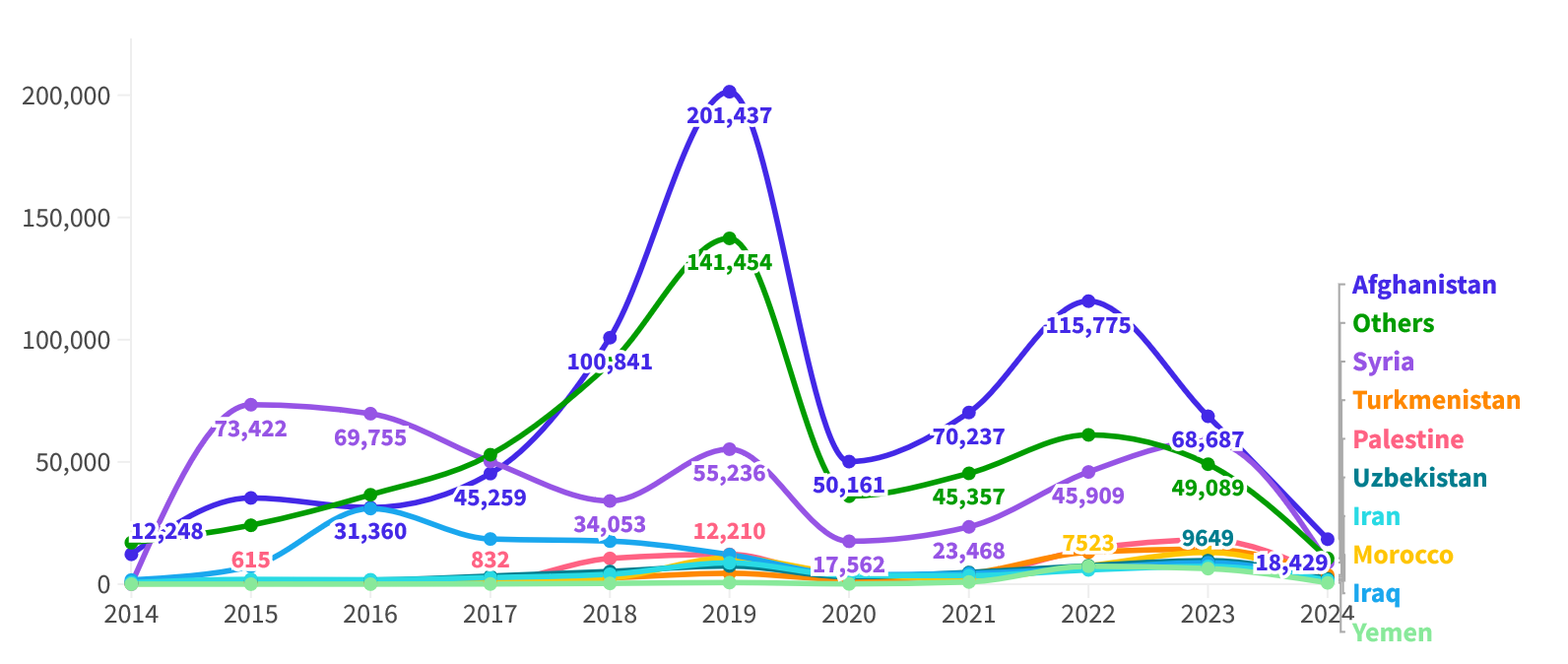
Figure 1. Distribution of Irregular Migrants by Citizenship by Year (By 21.03.2024)

Source: Republic of Türkiye Ministry of Interior Presidency of Migration Management

An Unavoidable Stopover for Migrants from Afghanistan: Van

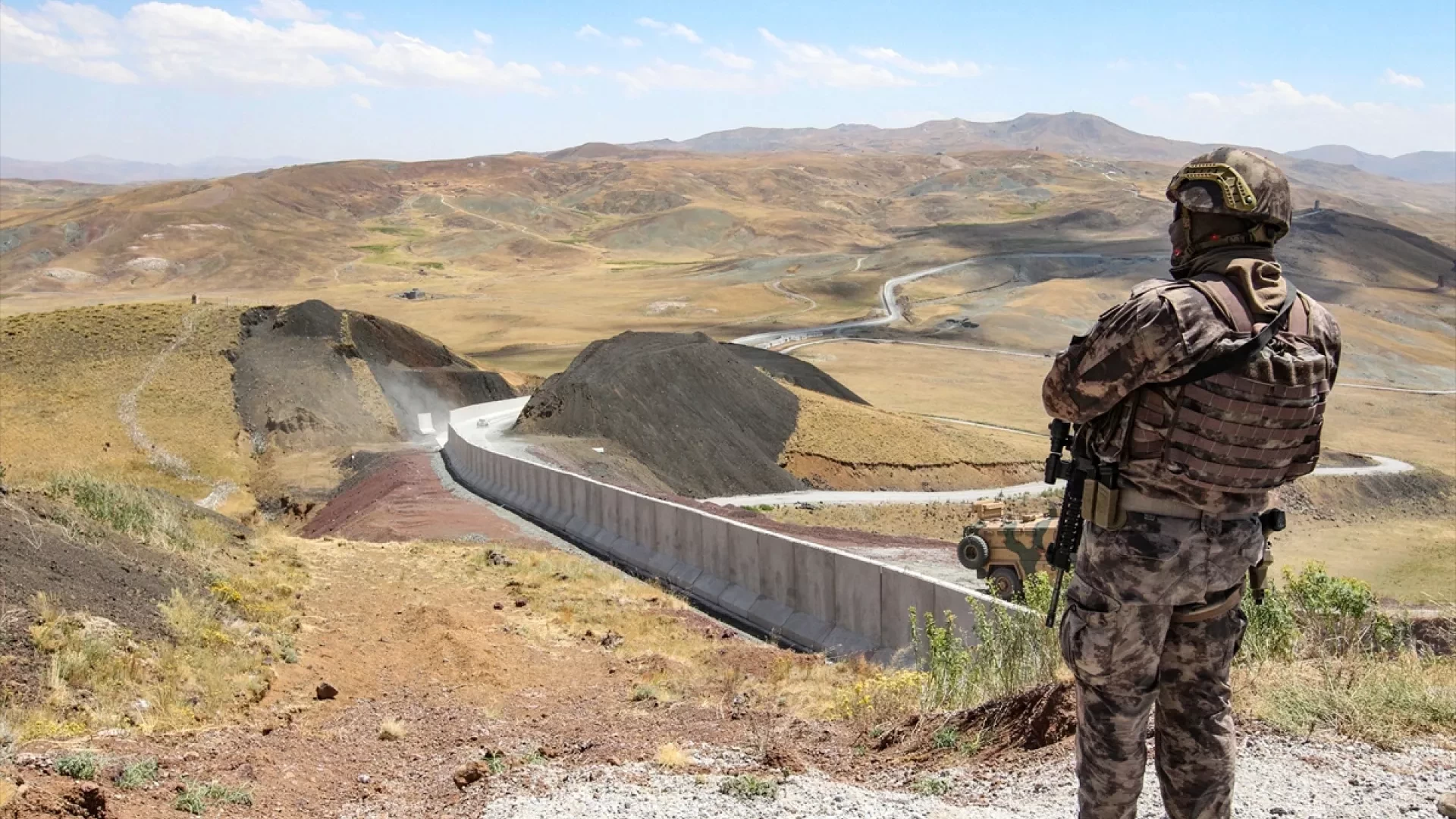
The Turkey-Iran border spans 534 kilometers, with 295 kilometers located in Van. Therefore, Van has been an unavoidable stopover for migrants from Afghanistan who aim to cross into Turkey or European countries via Turkey for decades. For this reason, I have conducted field research regularly in the city center, districts, and border villages of Van since 2021. The memory of half of a century of migration in the city has become prominent when we examine the migration process from the perspective of local actors (Ünay, 2022). Also, especially in recent years, the increasing intensity has led Türkiye to structure its migration policies in a security-centered form. Policies have been implemented to prevent migrants from entering the country through the Iran border, similar to those at the Syria and Iraq borders along the migration route. Hence, Türkiye’s wall policy, which aligns with global trends, has also been implemented along the Iranian border. Türkiye is building a 295-kilometer wall along its border with Iran that passes through Van. While strengthening the wall with technological equipment, Turkey has also significantly integrated law enforcement into the wall, particularly after 2021. 

From the Field: Current Developments

During the summer of 2021, images circulating on social media and various media outlets, often depicted as a “flood of migrants coming to Türkiye,” were in the spotlight for a long time. In the field research I conducted during this period, especially in interviews with villagers, although some stated that there were predominantly young male migrants, there were also women and children migrants. In this regard, the methods of smugglers for smuggling migrants across borders are important as the images shared with the public are closely related to this. Smugglers separate young men, women, and children into separate groups during border crossings to speed up the process for each group and reduce the risk of being captured by authorities. That’s why there were more young male migrants compared to other groups reflected in those images. Hence, while it is true that young men are predominant among Afghan migrants, it would be a misconception to say that only young men are crossing the border. Another misconception is that the migrant density increased radically in the summer of 2021. In fact, there has been a similar density of migrants crossing the border for nearly 40 years, and if there is an increase, it has been observed as of 2018.
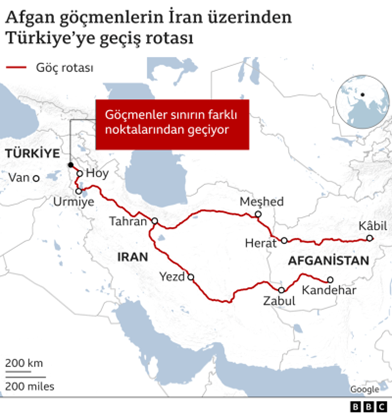
Source: BBC News

During my interviews in Van, I learned that around 1200-1500 migrants cross the border daily, and it can be argued that migrants cross the border, particularly at high rates in July and August. According to the information I got from villagers, the number of migrants has reached twice the population of the villages. Although there was a decrease after the publicity of migration, daily migrant crossings were around 800-900, even in October. On the other hand, although the number of crossings decreased even further due to the harsh winter conditions, around 300-500 migrants crossed into Türkiye daily, according to my interviews in January. Migrants from Afghanistan generally leave their country due to the danger posed by the Taliban and the poor economic conditions in Afghanistan. While the smugglers determine the routes of the migrants, according to my interviews, a migrant from Afghanistan is on the road for 18-20 days on average, and this period can be shorter or longer depending on the conditions. While much attention has been given to the number of migrants arriving from Afghanistan to Türkiye, it is known that dozens of migrants have lost their lives due to freezing in harsh winter conditions (Ünay, 2022).

A migrant from Afghanistan is on the road for 18-20 days on average, and this period can be shorter or longer depending on the conditions.

All these challenging processes stem from the nature of migration and the migration route in question. In addition, the implementation of increased security measures at the Iran and Turkey borders, the routine use of pushback practices that violate human rights, the harsh treatment of migrants by border officials, and the growth of bandits and kidnappers in recent years have all worsened the process for migrants. On the other hand, the cost of the Afghanistan-Türkiye (Van) route, which was around $1500-$2000 in 2020, has now reached up to $5000[1]. In exchange for this fee, migrant smugglers usually allow migrants to cross the border up to three times. However, the recent radical increase in pushback and deportation practices results in far more pushback than this number, making border crossings significantly more difficult for migrants and often causing the money they paid to smugglers to go to waste.

Suggestions for the Future of Migration to Türkiye from Afghanistan

Despite all these difficulties and the increase in security measures, it would be quite wrong to assume that migration from Afghanistan to Türkiye will decrease, pause, or end, and this misconception stems from the lack of sufficient knowledge and understanding of migration and migrants. Aside from a 40-year-long migration history, there is a similar continuity in all migration processes around the world, regardless of the obstacles. Indeed, the cliché that migration dates back as far as human history itself, which has become a cliché subject to criticism, embodies this misconception. From this point of view, it has become an obligation to make some humble suggestions regarding migration from Afghanistan to Türkiye:

  1. Türkiye should aim to handle migration not only from a security standpoint but also from a broader perspective.
  2. While ensuring border security, these security policies should not lead to practices that violate the human rights of migrants.
  3. The idea of building walls at borders to prevent migrants is an absurd practice that should be abandoned immediately. In the field, it has been observed firsthand that walls can be easily overcome with a ladder higher than the wall, a tunnel that can be dug, or a blanket thrown over barbed wires. Border walls could only contribute to changes in migration routes and lead migrants to longer and more dangerous paths, which increases the risk of life-threatening situations for migrants.
  4. The recent radical increase in pushback and deportation practices at the borders should be abandoned. The legal process of deporting migrants should not be disregarded, and efforts should be made to prevent human rights violations and not normalize such violations.
  5. Humanitarian diplomacy should be reconsidered as the primary focus of migration policies. And these migration policies should prioritize addressing the root causes of migration in countries of origin.
  6. Migrants should not be used as a tool of domestic or foreign policies.

References

Republic of Türkiye Ministry of Interior Presidency of Migration Management. (March, 2024). Distribution of Irregular Migrants by Citizenship by Year. Retrieved from https://www.goc.gov.tr/duzensiz-goc-istatistikler

McAuliffe, M., & Triandafyllidou, A. (2021). World migration report 2022. International Organization for Migration. Retrieved from https://www.un-ilibrary.org/content/books/9789292680763

Qurbani, S. (2023). Afghan migrants kidnapped and tortured on Iran-Turkey border. BBC. Retrieved from https://www.bbc.com/news/world-asia-65749889

Ünay, H. (2022). Türkiye’ye yönelik Afganistan göçüne yerelden bakmak: Van saha araştırması çalışma raporu. Göç Araştırmaları Vakfı. Retrieved from https://gocvakfi.org/calisma-raporlari/

[1] The data is based on the author’s field research called “Decentring the Study of Migrant Returns and Readmission Policies in Europe and Beyond (GAPs)” for the Horizon project in Van in January 2024. For the further information, see https://www.returnmigration.eu/

Tags: AfghanistanAsiaMigrationRefugee
Previous Post

Türkiye’ye Yönelik Afganistan Kaynaklı Göçe İlişkin Sahadan Notlar

Next Post

Batı’daki Müslüman Diasporaların Tersine Göç Örüntüleri: Fransız Müslümanlar Örneği

Next Post
Remigration Patterns of Muslim Diasporas in the West: The Case of French Muslims

Batı'daki Müslüman Diasporaların Tersine Göç Örüntüleri: Fransız Müslümanlar Örneği

Bir yanıt yazın Yanıtı iptal et

E-posta adresiniz yayınlanmayacak. Gerekli alanlar * ile işaretlenmişlerdir

  • A Possible New Breath in Regional Balances: The Alliance of Türkiye, Pakistan, Egypt, and Saudi Arabia

    Bölgesel Dengelerde Olası Yeni Bir Soluk: Türkiye, Pakistan, Mısır ve Suudi Arabistan İttifakı

    0 shares
    Share 0 Tweet 0
  • Nakşibendi-Hakkani Tarikatı

    0 shares
    Share 0 Tweet 0
  • Bilime Yön Verenler: Nobel Ödüllü Müslüman Bilim İnsanları

    0 shares
    Share 0 Tweet 0
  • Fuad Sezgin

    0 shares
    Share 0 Tweet 0
  • Sosyal Medyada İslamcı-Muhafazakâr Kamusallığın Dönüşümü Üzerine

    0 shares
    Share 0 Tweet 0
  • The Gravity of What Took Place at Al-Aqsa Mosque During Ramadan 2026

    Ramazan 2026’da Mescid-i Aksa’da Yaşananların Ciddiyeti

    0 shares
    Share 0 Tweet 0
  • The Gravity of What Took Place at Al-Aqsa Mosque During Ramadan 2026

    0 shares
    Share 0 Tweet 0
  • FLA-JNIM Cooperation and Shifting Security Dynamics in Mali

    0 shares
    Share 0 Tweet 0
  • FLA-JNIM İş Birliği ve Mali’de Değişen Güvenlik Dinamikleri

    0 shares
    Share 0 Tweet 0
  • The Current State of Indonesia’s Luxury Industry and the Landscape of Independent Handcrafted Watchmaking

    0 shares
    Share 0 Tweet 0

Platform: Müslüman Dünyanın Gündemi, Müslüman toplumların fikrî, siyasi, sosyal, ekonomik ve kültürel gündemlerini takip ve tahlil edip Müslüman dünyaya dair güncel ve özgün perspektifler sunmayı amaçlayan bir yayın organı olarak İLKE İlim Kültür Eğitim Vakfı bünyesinde kurulmuştur.

  • SAYILAR
  • ANALİZLER
  • HABERLER
  • SÖYLEŞİLER
  • DÜNYADAN SESLER
  • platform@ilke.org.tr
  • (0216) 310 43 18
  • Aziz Mahmut Hüdayi Mah. Türbe Kapısı Sk. No: 13 Üsküdar, İstanbul

2025 @ PLATFORM bir İLKE Vakfı kuruluşudur. Tüm hakları saklıdır. 

No Result
View All Result
  • Home
  • Analizler
  • Haberler
  • Söyleşiler
  • Dünyadan Sesler