




İLKE Vakfı
Platform
No Result
View All Result
  • PLATFORM
  • HABERLER
    İLKE Agenda: Muzzammil Ayyub Thakur ile Keşmir’in “Filistinleştirilmesi”

    İLKE Agenda: Muzzammil Ayyub Thakur ile Keşmir’in “Filistinleştirilmesi”

    İLKE Agenda: Muzzammil Ayyub Thakur ile Keşmir’in “Filistinleştirilmesi”

    The Platform Talks: Kinda Hawasli ile 8 Aralık Sonrası Suriye

    İLKE Agenda: Muzzammil Ayyub Thakur ile Keşmir’in “Filistinleştirilmesi”

    The Platform Talks: Azzam Tamimi ile 7 Ekim Sonrası Filistin

    İLKE Agenda: Muzzammil Ayyub Thakur ile Keşmir’in “Filistinleştirilmesi”

    İLKE Agenda: Gazze Soykırımı Günlerinde Aktivizm ve İslamofobi

    Filistin Sempozyumu: Filistin ve Küresel İlişkilerin Geleceği

    Filistin Sempozyumu: Filistin ve Küresel İlişkilerin Geleceği

    Filistin Sempozyumu: Filistin ve Küresel İlişkilerin Geleceği

    Müslüman Dünyada Çağdaş Düşünce Konferansı’nda buluşuyoruz!

    Filistin Sempozyumu: Filistin ve Küresel İlişkilerin Geleceği

    Müslüman Dünyada Çağdaş Düşünce Konferansı

    Filistin Sempozyumu: Filistin ve Küresel İlişkilerin Geleceği

    Dr. Jonathan Brown “İslam’ın Siyahiliğe ve Köleliğe Yaklaşımı” adlı seminer gerçekleştirdi.

  • ANALİZLER
    • All
    • Düşünce
    • Eğitim
    • Ekonomi
    • Enerji ve Çevre
    • Göç
    • Medya, Kültür ve Sanat
    • Temel Hak ve Özgürlükler
    • Toplumsal Meseleler
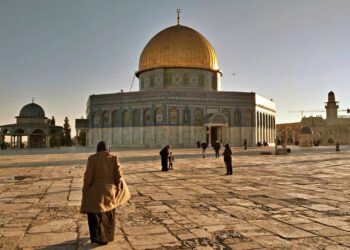
    The Gravity of What Took Place at Al-Aqsa Mosque During Ramadan 2026

    Ramazan 2026’da Mescid-i Aksa’da Yaşananların Ciddiyeti

    AFP/GETTY IMAGES

    FLA-JNIM İş Birliği ve Mali’de Değişen Güvenlik Dinamikleri

    Sosyal Medyada İslamcı-Muhafazakâr Kamusallığın Dönüşümü Üzerine

    Sosyal Medyada İslamcı-Muhafazakâr Kamusallığın Dönüşümü Üzerine

    Bangladeş’te 2026 Seçimleri Sonrası Siyasi Tartışmalar

    Bangladeş’te 2026 Seçimleri Sonrası Siyasi Tartışmalar

    Filistin’de Çocuk Olmak: 5 Nisan Filistinli Çocuklar Günü

    Filistin’de Çocuk Olmak: 5 Nisan Filistinli Çocuklar Günü

    Security, Fragility, and the Search for a New Equilibrium in the Gulf Following the Iranian Attacks

    İran Saldırıları Sonrası Körfez’de Güvenlik, Kırılganlık ve Yeni Denge Arayışı

  • SÖYLEŞİLER
    The Decolonization of Knowledge: Interview with Professor Souleymane Bachir Diagne

    Bilginin Dekolonizasyonu: Profesör Souleymane Bachir Diagne ile Röportaj

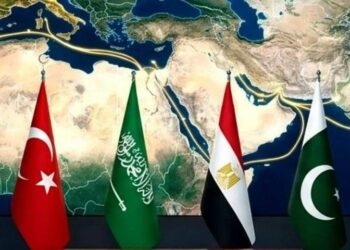
    A Possible New Breath in Regional Balances: The Alliance of Türkiye, Pakistan, Egypt, and Saudi Arabia

    Bölgesel Dengelerde Olası Yeni Bir Soluk: Türkiye, Pakistan, Mısır ve Suudi Arabistan İttifakı

    Digital Ummah and Muslim Identity: Dr. Sahar Khamis Interview

    Dijital Ümmet ve Müslüman Kimliği: Dr. Sahar Khamis ile Röportaj

    From the Ballot Box to the Street: The Rising Social Wave in Tanzania After the Election

    Sandıktan Sokağa: Tanzanya’da Seçim Sonrası Yükselen Toplumsal Dalga

    Müslüman Nüfusa Karşı Güvenlikleştirme

    Müslüman Nüfusa Karşı Güvenlikleştirme

    Gurbet Hikayeleri

    Gurbet Hikayeleri

    Göçü Yönetmek: Dr. Mehmet Köse’yle Söyleşi

    Göçü Yönetmek: Dr. Mehmet Köse’yle Söyleşi

    İstanbul’daki Uluslararası Öğrencilerle Söyleşi

    İstanbul’daki Uluslararası Öğrencilerle Söyleşi

    Zaytuna College Lisansüstü Eğitim Dekanı Maşuk Yamaç’la Söyleşi

    Zaytuna College Lisansüstü Eğitim Dekanı Maşuk Yamaç’la Söyleşi

  • DÜNYADAN SESLER
    Voices from the Muslim World | Sari Hanafi (with Turkish subtitles)

    Voices from the Muslim World | Sari Hanafi (with Turkish subtitles)

    Voices from the Muslim World | Ovamir Anjum

    Voices from the Muslim World | Ovamir Anjum

    VOICES FROM THE MUSLIM WORLD | DR. YASIR QADHI

    VOICES FROM THE MUSLIM WORLD | DR. YASIR QADHI

    VOICES FROM THE MUSLIM WORLD | DR. ADEEL MALIK

    VOICES FROM THE MUSLIM WORLD | DR. ADEEL MALIK

  • SAYILAR
  • VERİTABANI
    • All
    • Hareketler
    • Kurumlar
    • Şahsiyetler
    Pak-Türk Maarif

    Pak-Türk Maarif

    İslam Vakfı

    İslam Vakfı

    Avrupa Fetva ve Araştırma Konseyi

    Avrupa Fetva ve Araştırma Konseyi

    Tokyo Camii ve Diyanet Türk Kültür Merkezi

    Tokyo Camii ve Diyanet Türk Kültür Merkezi

  • PLATFORM
  • HABERLER
    İLKE Agenda: Muzzammil Ayyub Thakur ile Keşmir’in “Filistinleştirilmesi”

    İLKE Agenda: Muzzammil Ayyub Thakur ile Keşmir’in “Filistinleştirilmesi”

    İLKE Agenda: Muzzammil Ayyub Thakur ile Keşmir’in “Filistinleştirilmesi”

    The Platform Talks: Kinda Hawasli ile 8 Aralık Sonrası Suriye

    İLKE Agenda: Muzzammil Ayyub Thakur ile Keşmir’in “Filistinleştirilmesi”

    The Platform Talks: Azzam Tamimi ile 7 Ekim Sonrası Filistin

    İLKE Agenda: Muzzammil Ayyub Thakur ile Keşmir’in “Filistinleştirilmesi”

    İLKE Agenda: Gazze Soykırımı Günlerinde Aktivizm ve İslamofobi

    Filistin Sempozyumu: Filistin ve Küresel İlişkilerin Geleceği

    Filistin Sempozyumu: Filistin ve Küresel İlişkilerin Geleceği

    Filistin Sempozyumu: Filistin ve Küresel İlişkilerin Geleceği

    Müslüman Dünyada Çağdaş Düşünce Konferansı’nda buluşuyoruz!

    Filistin Sempozyumu: Filistin ve Küresel İlişkilerin Geleceği

    Müslüman Dünyada Çağdaş Düşünce Konferansı

    Filistin Sempozyumu: Filistin ve Küresel İlişkilerin Geleceği

    Dr. Jonathan Brown “İslam’ın Siyahiliğe ve Köleliğe Yaklaşımı” adlı seminer gerçekleştirdi.

  • ANALİZLER
    • All
    • Düşünce
    • Eğitim
    • Ekonomi
    • Enerji ve Çevre
    • Göç
    • Medya, Kültür ve Sanat
    • Temel Hak ve Özgürlükler
    • Toplumsal Meseleler
    The Gravity of What Took Place at Al-Aqsa Mosque During Ramadan 2026

    Ramazan 2026’da Mescid-i Aksa’da Yaşananların Ciddiyeti

    AFP/GETTY IMAGES

    FLA-JNIM İş Birliği ve Mali’de Değişen Güvenlik Dinamikleri

    Sosyal Medyada İslamcı-Muhafazakâr Kamusallığın Dönüşümü Üzerine

    Sosyal Medyada İslamcı-Muhafazakâr Kamusallığın Dönüşümü Üzerine

    Bangladeş’te 2026 Seçimleri Sonrası Siyasi Tartışmalar

    Bangladeş’te 2026 Seçimleri Sonrası Siyasi Tartışmalar

    Filistin’de Çocuk Olmak: 5 Nisan Filistinli Çocuklar Günü

    Filistin’de Çocuk Olmak: 5 Nisan Filistinli Çocuklar Günü

    Security, Fragility, and the Search for a New Equilibrium in the Gulf Following the Iranian Attacks

    İran Saldırıları Sonrası Körfez’de Güvenlik, Kırılganlık ve Yeni Denge Arayışı

  • SÖYLEŞİLER
    The Decolonization of Knowledge: Interview with Professor Souleymane Bachir Diagne

    Bilginin Dekolonizasyonu: Profesör Souleymane Bachir Diagne ile Röportaj

    A Possible New Breath in Regional Balances: The Alliance of Türkiye, Pakistan, Egypt, and Saudi Arabia

    Bölgesel Dengelerde Olası Yeni Bir Soluk: Türkiye, Pakistan, Mısır ve Suudi Arabistan İttifakı

    Digital Ummah and Muslim Identity: Dr. Sahar Khamis Interview

    Dijital Ümmet ve Müslüman Kimliği: Dr. Sahar Khamis ile Röportaj

    From the Ballot Box to the Street: The Rising Social Wave in Tanzania After the Election

    Sandıktan Sokağa: Tanzanya’da Seçim Sonrası Yükselen Toplumsal Dalga

    Müslüman Nüfusa Karşı Güvenlikleştirme

    Müslüman Nüfusa Karşı Güvenlikleştirme

    Gurbet Hikayeleri

    Gurbet Hikayeleri

    Göçü Yönetmek: Dr. Mehmet Köse’yle Söyleşi

    Göçü Yönetmek: Dr. Mehmet Köse’yle Söyleşi

    İstanbul’daki Uluslararası Öğrencilerle Söyleşi

    İstanbul’daki Uluslararası Öğrencilerle Söyleşi

    Zaytuna College Lisansüstü Eğitim Dekanı Maşuk Yamaç’la Söyleşi

    Zaytuna College Lisansüstü Eğitim Dekanı Maşuk Yamaç’la Söyleşi

  • DÜNYADAN SESLER
    Voices from the Muslim World | Sari Hanafi (with Turkish subtitles)

    Voices from the Muslim World | Sari Hanafi (with Turkish subtitles)

    Voices from the Muslim World | Ovamir Anjum

    Voices from the Muslim World | Ovamir Anjum

    VOICES FROM THE MUSLIM WORLD | DR. YASIR QADHI

    VOICES FROM THE MUSLIM WORLD | DR. YASIR QADHI

    VOICES FROM THE MUSLIM WORLD | DR. ADEEL MALIK

    VOICES FROM THE MUSLIM WORLD | DR. ADEEL MALIK

  • SAYILAR
  • VERİTABANI
    • All
    • Hareketler
    • Kurumlar
    • Şahsiyetler
    Pak-Türk Maarif

    Pak-Türk Maarif

    İslam Vakfı

    İslam Vakfı

    Avrupa Fetva ve Araştırma Konseyi

    Avrupa Fetva ve Araştırma Konseyi

    Tokyo Camii ve Diyanet Türk Kültür Merkezi

    Tokyo Camii ve Diyanet Türk Kültür Merkezi

No Result
View All Result
Platform
No Result
View All Result
Home Analyses

The Beginning of a New Era in Malaysia: Anwar Ibrahim as Prime Minister

Metin Zengin by Metin Zengin
1 Ekim 2025
in Analyses
0
The Beginning of a New Era in Malaysia: Anwar Ibrahim as Prime Minister
0
SHARES
5
VIEWS
Share on FacebookShare on Twitter

On 19 November 2022, the Pakatan Harapan (Alliance of Hope-PH) coalition led by Anwar Ibrahim, which received the majority of votes in the early election held on 19 November 2022, won the election and Anwar Ibrahim took office as the new prime minister of Malaysia. After the 2018 general elections, the political instability in Malaysia, which changed three prime ministers, ended with Anwar Ibrahim’s vote of confidence from the parliament.

Malaysia was unable to establish political stability after the general elections held in 2018. As a matter of fact, while it was certain that the United Malaysian Party (UMNO) led by Najib Rezak would win the elections, Pakatan Harapan led by Mahathir Mohamad unexpectedly triumphed in the elections. In the 2018 general elections, Mahathir Mohamad’s election victory was an important turning point in Malaysia’s political history. Firstly, for the first time, a party other than UMNO had won the elections. Moreover, the candidate of this party was Mahathir Mohamad, who had spent his entire political life in UMNO and had been prime minister for twenty-two years (1981-2003). Mahathir Mohamad had announced his retirement from politics in 2003. However, the corruption during Najib Rezak’s term as prime minister between 2008 and 2018 and the involvement of Najib Rezak and his wife in these corruption scandals constituted the biggest reason for Mahathir Mohamad’s return to politics.

After winning the 2018 elections, PH formed a government led by Mahathir Mohamad. However, this government did not last long. A few months after the elections, some parties in the PH left the coalition. After the dissolution of the coalition, Mahathir Mohamad, the prime ministerial candidate of PH, who lost the majority in the parliament, resigned. Mahathir’s resignation caused long-lasting debates within the country. After Mahathir, Muhyiddin Yasin, who received the support of UMNO, took the prime minister’s seat with the approval of the Sultan. However, Muhyiddin Yasin declared a state of emergency in the country within the scope of Covid-19 measures and indefinitely suspended the parliament. Muhyiddin Yasin’s decision to suspend the parliament was due to his fear of not being able to obtain a vote of confidence. As a matter of fact, due to increasing criticism, Muhyiddin Yasin resigned on 16 August 2021 and Ismail Sabri, UMNO’s candidate, took over as prime minister. The support of Sultan Abdullah, rather than the parliament, was effective in Ismail Sabri becoming prime minister. Sultan also stated that a vote of confidence was not mandatory for the country during the troubled period it was going through. This situation caused further political instability. In addition, the failure to manage the Covid-19 process well led to a serious economic bottleneck in the country and millions of people lost their jobs. Economic problems on the one hand and political instability on the other were the main reasons for Malaysia to go to early elections. The general elections, which were planned to be held in September 2023, were held earlier after Prime Minister Ismail Sabri dissolved the parliament. The elections held on 19 November were won by the coalition namely PH led by Anwar Ibrahim, ushering in a new era for Malaysia.

Anwar Ibrahim and His Political Struggle

Malaysia has become one of the most important countries in Southeast Asia and among the Muslim countries. This political and economic progress of Malaysia is undoubtedly owed to the talented politicians. Among them, Dr Muhammad Mahathir, who served as prime minister for twenty-two years without interruption, and Anwar Ibrahim, who continued his struggle in the political life of Malaysia for half a century, have an important place. 

Anwar Ibrahim is one of the important statesmen of Malaysia and has been involved in political activities since his youth. He came to the forefront with the Islamic Youth Organisation of Malaysia (ABIM), which he founded and headed in the early 1970s, while joined UMNO later in 1981. Anwar joined UMNO on the advice of Mahathir Mohamad. Anwar Ibrahim, who held important positions such as the ministries of culture, agriculture, education and finance during his time in UMNO, became one of Mahathir Mohamad’s close colleagues during his prime ministership. He had a father-son relationship with Mahathir during this period, and also served as deputy prime minister and party chairman. Anwar Ibrahim served as deputy prime minister, minister of education, economy, culture, agriculture, youth and sports from 1982 to 1998. In 1997, during the “Asian Economic Crisis”, he followed a successful policy as deputy prime minister and economy minister and was named economy minister of the year by Asia money. However, in 1999, Anwar Ibrahim was arrested on charges of harassment and corruption and sentenced to nine years in prison. Anwar Ibrahim’s imprisonment has been one of the most controversial issues in Malaysia’s domestic politics for many years. However, this event was mostly perceived as a political move by Mahathir Mohamad for the reason that Anwar Ibrahim’s influence was gradually increasing both within the party and among the public.

Released from prison in 2004, Anwar Ibrahim became the most important figure in Malaysian politics after Mahathir Mohamad withdrew from the office in 2003. From 2008 until 2015, Anwar Ibrahim continued his political struggle as the head of the main opposition party, but in 2015 he was arrested again on a harassment charge and sentenced to five years in prison. While in prison, Anwar joined the PH Coalition led by Mahathir Mohamad and competed in the 2018 elections as part of this coalition. While Anwar Ibrahim was in prison, his wife Dr. Wan Azizah and daughter Nurul Izzah continued his political struggle. As a matter of fact, his wife Dr. Wan Azizah assumed the post of deputy prime minister after the 2018 elections.

In the 2018 election campaign, one of the promises of Mahathir Mohamad, the prime ministerial candidate of the PH Coalition, was to release Anwar Ibrahim from prison and hand over the premiership to him after two years. Indeed, Mahathir fulfilled his promise and ended Anwar Ibrahim’s imprisonment a few months after the elections. However, two years after the election, the withdrawal of support by some parties in the PH Coalition and the subsequent resignation interrupted Anwar Ibrahim’s dreams of becoming prime minister. After Mahathir’s resignation, Anwar Ibrahim made some attempts for the prime ministership, but could not get enough support.

Anwar Ibrahim is one of the most important Islamist politicians in the world. As a matter of fact, Anwar Ibrahim has made significant contributions to the Islamisation policies implemented in Malaysia, from education to law, from economy to halal food, that have been implemented in different countries today. However, Anwar stands on a liberal democratic line rather than a conservative one in domestic politics. More importantly, Anwar Ibrahim has significant disagreements with the PAS Islamic Party and the conservative nationalist Unity (BERSATU) Party, which are the critical conservative political movements in Malaysia. The basis of this disagreement is the status of non-Muslims in Malaysia. The Islamic PAS Islam Party and the conservative nationalist BERSATU Party are not supportive of an equal access of opportunities to the non-Muslim Chinese and Indians, who make up 30 per cent of the country’s population with the local Malay Muslims. According to conservative nationalists, Malay Muslims are the original owners of Malaysia, and the Chinese and Indians were brought to Malaysia during the British colonial period hence pose a threat to Malay culture and Islam. Politicians like Anwar Ibrahim and Mahathir Mohamad, on the other hand, argue that Chinese and Indians, who constitute the backbone of the country’s economy, should have similar opportunities that Malay Muslims have and that the country can only develop in this way. For this reason, the majority of those who do not support Anwar Ibrahim and criticise his policies are Islamists or conservative nationalists. From this point of view, Anwar Ibrahim cannot be termed as a conservative or Islamist leader.

How to Read the Elections?

In the elections held on 19 November, the PH Coalition received 37% of the votes, while the Perikatan Nasional (National Unity-PN) Coalition formed by the PAS Islamic Party and the nationalist conservative BERSATU Party came second with 30% of the votes. In addition, PAS Islamic Party received the highest number of votes on a party basis. This situation is important in terms of showing that especially the conservative Malays supported the PN Coalition against Anwar Ibrahim.

In the election held on 19 November 2022, Anwar Ibrahim, who contested as the premiership candidate from the PH Coalition and won, received the biggest criticism from Malay Muslims. As a matter of fact, the Democratic Action Party (DAP) within the PH Coalition is one of the important parties founded and supported by the Chinese. The Chinese support for Anwar Ibrahim is criticised by the conservative Malays.

The Barisan Nasional Coalition (National Front-BN) led by UMNO, which follows a Liberal Democrat line, had the lowest vote share in its history. The loss of votes in UMNO was caused by corruption within the party. In particular, the smuggling of 1 billion dollars abroad belonging to the public during the prime ministership of Najib Rezak caused great controversy. Najib Rezak, who was accused of corruption, was arrested, and sentenced to twelve years in prison. The decline in public confidence in UMNO favoured the PH Coalition led by Anwar Ibrahim.

The fact that Anwar Ibrahim received a vote of confidence from the parliament and was supported by UMNO in the parliament are vital developments in terms of establishing political stability in Malaysia. The election of Anwar Ibrahim is promising, especially in terms of repairing Malaysia’s shaken economy during the Covid-19 pandemic. As a result, Anwar Ibrahim, who took the prime minister’s seat at the age of 74 after fifty years of political struggle, has a lot to do for Malaysia.


Tags: Anwar IbrahimMalaysiaPrime Minister
Previous Post

A Contemporary Contribution to Islamic Political Theory: Abdulwahhab al-Afandi

Next Post

Russian Muslims and Their Identity Challenge

Next Post
Russian Muslims and Their Identity Challenge

Russian Muslims and Their Identity Challenge

Bir yanıt yazın Yanıtı iptal et

E-posta adresiniz yayınlanmayacak. Gerekli alanlar * ile işaretlenmişlerdir

  • A Possible New Breath in Regional Balances: The Alliance of Türkiye, Pakistan, Egypt, and Saudi Arabia

    Bölgesel Dengelerde Olası Yeni Bir Soluk: Türkiye, Pakistan, Mısır ve Suudi Arabistan İttifakı

    0 shares
    Share 0 Tweet 0
  • Nakşibendi-Hakkani Tarikatı

    0 shares
    Share 0 Tweet 0
  • Bilime Yön Verenler: Nobel Ödüllü Müslüman Bilim İnsanları

    0 shares
    Share 0 Tweet 0
  • Fuad Sezgin

    0 shares
    Share 0 Tweet 0
  • Sosyal Medyada İslamcı-Muhafazakâr Kamusallığın Dönüşümü Üzerine

    0 shares
    Share 0 Tweet 0
  • The Gravity of What Took Place at Al-Aqsa Mosque During Ramadan 2026

    Ramazan 2026’da Mescid-i Aksa’da Yaşananların Ciddiyeti

    0 shares
    Share 0 Tweet 0
  • The Gravity of What Took Place at Al-Aqsa Mosque During Ramadan 2026

    0 shares
    Share 0 Tweet 0
  • FLA-JNIM Cooperation and Shifting Security Dynamics in Mali

    0 shares
    Share 0 Tweet 0
  • FLA-JNIM İş Birliği ve Mali’de Değişen Güvenlik Dinamikleri

    0 shares
    Share 0 Tweet 0
  • The Current State of Indonesia’s Luxury Industry and the Landscape of Independent Handcrafted Watchmaking

    0 shares
    Share 0 Tweet 0

Platform: Müslüman Dünyanın Gündemi, Müslüman toplumların fikrî, siyasi, sosyal, ekonomik ve kültürel gündemlerini takip ve tahlil edip Müslüman dünyaya dair güncel ve özgün perspektifler sunmayı amaçlayan bir yayın organı olarak İLKE İlim Kültür Eğitim Vakfı bünyesinde kurulmuştur.

  • SAYILAR
  • ANALİZLER
  • HABERLER
  • SÖYLEŞİLER
  • DÜNYADAN SESLER
  • platform@ilke.org.tr
  • (0216) 310 43 18
  • Aziz Mahmut Hüdayi Mah. Türbe Kapısı Sk. No: 13 Üsküdar, İstanbul

2025 @ PLATFORM bir İLKE Vakfı kuruluşudur. Tüm hakları saklıdır. 

No Result
View All Result
  • Home
  • Analizler
  • Haberler
  • Söyleşiler
  • Dünyadan Sesler