

İLKE Vakfı
Platform
No Result
View All Result
  • PLATFORM
  • HABERLER
    İLKE Agenda: Muzzammil Ayyub Thakur ile Keşmir’in “Filistinleştirilmesi”

    İLKE Agenda: Muzzammil Ayyub Thakur ile Keşmir’in “Filistinleştirilmesi”

    İLKE Agenda: Muzzammil Ayyub Thakur ile Keşmir’in “Filistinleştirilmesi”

    The Platform Talks: Kinda Hawasli ile 8 Aralık Sonrası Suriye

    İLKE Agenda: Muzzammil Ayyub Thakur ile Keşmir’in “Filistinleştirilmesi”

    The Platform Talks: Azzam Tamimi ile 7 Ekim Sonrası Filistin

    İLKE Agenda: Muzzammil Ayyub Thakur ile Keşmir’in “Filistinleştirilmesi”

    İLKE Agenda: Gazze Soykırımı Günlerinde Aktivizm ve İslamofobi

    Filistin Sempozyumu: Filistin ve Küresel İlişkilerin Geleceği

    Filistin Sempozyumu: Filistin ve Küresel İlişkilerin Geleceği

    Filistin Sempozyumu: Filistin ve Küresel İlişkilerin Geleceği

    Müslüman Dünyada Çağdaş Düşünce Konferansı’nda buluşuyoruz!

    Filistin Sempozyumu: Filistin ve Küresel İlişkilerin Geleceği

    Müslüman Dünyada Çağdaş Düşünce Konferansı

    Filistin Sempozyumu: Filistin ve Küresel İlişkilerin Geleceği

    Dr. Jonathan Brown “İslam’ın Siyahiliğe ve Köleliğe Yaklaşımı” adlı seminer gerçekleştirdi.

  • ANALİZLER
    • All
    • Düşünce
    • Eğitim
    • Ekonomi
    • Enerji ve Çevre
    • Göç
    • Medya, Kültür ve Sanat
    • Temel Hak ve Özgürlükler
    • Toplumsal Meseleler
    The Gravity of What Took Place at Al-Aqsa Mosque During Ramadan 2026

    Ramazan 2026’da Mescid-i Aksa’da Yaşananların Ciddiyeti

    AFP/GETTY IMAGES

    FLA-JNIM İş Birliği ve Mali’de Değişen Güvenlik Dinamikleri

    Sosyal Medyada İslamcı-Muhafazakâr Kamusallığın Dönüşümü Üzerine

    Sosyal Medyada İslamcı-Muhafazakâr Kamusallığın Dönüşümü Üzerine

    Bangladeş’te 2026 Seçimleri Sonrası Siyasi Tartışmalar

    Bangladeş’te 2026 Seçimleri Sonrası Siyasi Tartışmalar

    Filistin’de Çocuk Olmak: 5 Nisan Filistinli Çocuklar Günü

    Filistin’de Çocuk Olmak: 5 Nisan Filistinli Çocuklar Günü

    Security, Fragility, and the Search for a New Equilibrium in the Gulf Following the Iranian Attacks

    İran Saldırıları Sonrası Körfez’de Güvenlik, Kırılganlık ve Yeni Denge Arayışı

  • SÖYLEŞİLER
    The Decolonization of Knowledge: Interview with Professor Souleymane Bachir Diagne

    Bilginin Dekolonizasyonu: Profesör Souleymane Bachir Diagne ile Röportaj

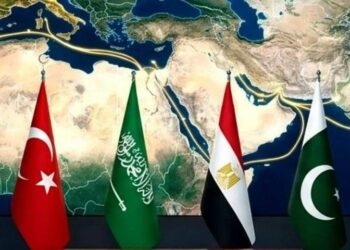
    A Possible New Breath in Regional Balances: The Alliance of Türkiye, Pakistan, Egypt, and Saudi Arabia

    Bölgesel Dengelerde Olası Yeni Bir Soluk: Türkiye, Pakistan, Mısır ve Suudi Arabistan İttifakı

    Digital Ummah and Muslim Identity: Dr. Sahar Khamis Interview

    Dijital Ümmet ve Müslüman Kimliği: Dr. Sahar Khamis ile Röportaj

    From the Ballot Box to the Street: The Rising Social Wave in Tanzania After the Election

    Sandıktan Sokağa: Tanzanya’da Seçim Sonrası Yükselen Toplumsal Dalga

    Müslüman Nüfusa Karşı Güvenlikleştirme

    Müslüman Nüfusa Karşı Güvenlikleştirme

    Gurbet Hikayeleri

    Gurbet Hikayeleri

    Göçü Yönetmek: Dr. Mehmet Köse’yle Söyleşi

    Göçü Yönetmek: Dr. Mehmet Köse’yle Söyleşi

    İstanbul’daki Uluslararası Öğrencilerle Söyleşi

    İstanbul’daki Uluslararası Öğrencilerle Söyleşi

    Zaytuna College Lisansüstü Eğitim Dekanı Maşuk Yamaç’la Söyleşi

    Zaytuna College Lisansüstü Eğitim Dekanı Maşuk Yamaç’la Söyleşi

  • DÜNYADAN SESLER
    Voices from the Muslim World | Sari Hanafi (with Turkish subtitles)

    Voices from the Muslim World | Sari Hanafi (with Turkish subtitles)

    Voices from the Muslim World | Ovamir Anjum

    Voices from the Muslim World | Ovamir Anjum

    VOICES FROM THE MUSLIM WORLD | DR. YASIR QADHI

    VOICES FROM THE MUSLIM WORLD | DR. YASIR QADHI

    VOICES FROM THE MUSLIM WORLD | DR. ADEEL MALIK

    VOICES FROM THE MUSLIM WORLD | DR. ADEEL MALIK

  • SAYILAR
  • VERİTABANI
    • All
    • Hareketler
    • Kurumlar
    • Şahsiyetler
    Pak-Türk Maarif

    Pak-Türk Maarif

    İslam Vakfı

    İslam Vakfı

    Avrupa Fetva ve Araştırma Konseyi

    Avrupa Fetva ve Araştırma Konseyi

    Tokyo Camii ve Diyanet Türk Kültür Merkezi

    Tokyo Camii ve Diyanet Türk Kültür Merkezi

  • PLATFORM
  • HABERLER
    İLKE Agenda: Muzzammil Ayyub Thakur ile Keşmir’in “Filistinleştirilmesi”

    İLKE Agenda: Muzzammil Ayyub Thakur ile Keşmir’in “Filistinleştirilmesi”

    İLKE Agenda: Muzzammil Ayyub Thakur ile Keşmir’in “Filistinleştirilmesi”

    The Platform Talks: Kinda Hawasli ile 8 Aralık Sonrası Suriye

    İLKE Agenda: Muzzammil Ayyub Thakur ile Keşmir’in “Filistinleştirilmesi”

    The Platform Talks: Azzam Tamimi ile 7 Ekim Sonrası Filistin

    İLKE Agenda: Muzzammil Ayyub Thakur ile Keşmir’in “Filistinleştirilmesi”

    İLKE Agenda: Gazze Soykırımı Günlerinde Aktivizm ve İslamofobi

    Filistin Sempozyumu: Filistin ve Küresel İlişkilerin Geleceği

    Filistin Sempozyumu: Filistin ve Küresel İlişkilerin Geleceği

    Filistin Sempozyumu: Filistin ve Küresel İlişkilerin Geleceği

    Müslüman Dünyada Çağdaş Düşünce Konferansı’nda buluşuyoruz!

    Filistin Sempozyumu: Filistin ve Küresel İlişkilerin Geleceği

    Müslüman Dünyada Çağdaş Düşünce Konferansı

    Filistin Sempozyumu: Filistin ve Küresel İlişkilerin Geleceği

    Dr. Jonathan Brown “İslam’ın Siyahiliğe ve Köleliğe Yaklaşımı” adlı seminer gerçekleştirdi.

  • ANALİZLER
    • All
    • Düşünce
    • Eğitim
    • Ekonomi
    • Enerji ve Çevre
    • Göç
    • Medya, Kültür ve Sanat
    • Temel Hak ve Özgürlükler
    • Toplumsal Meseleler
    The Gravity of What Took Place at Al-Aqsa Mosque During Ramadan 2026

    Ramazan 2026’da Mescid-i Aksa’da Yaşananların Ciddiyeti

    AFP/GETTY IMAGES

    FLA-JNIM İş Birliği ve Mali’de Değişen Güvenlik Dinamikleri

    Sosyal Medyada İslamcı-Muhafazakâr Kamusallığın Dönüşümü Üzerine

    Sosyal Medyada İslamcı-Muhafazakâr Kamusallığın Dönüşümü Üzerine

    Bangladeş’te 2026 Seçimleri Sonrası Siyasi Tartışmalar

    Bangladeş’te 2026 Seçimleri Sonrası Siyasi Tartışmalar

    Filistin’de Çocuk Olmak: 5 Nisan Filistinli Çocuklar Günü

    Filistin’de Çocuk Olmak: 5 Nisan Filistinli Çocuklar Günü

    Security, Fragility, and the Search for a New Equilibrium in the Gulf Following the Iranian Attacks

    İran Saldırıları Sonrası Körfez’de Güvenlik, Kırılganlık ve Yeni Denge Arayışı

  • SÖYLEŞİLER
    The Decolonization of Knowledge: Interview with Professor Souleymane Bachir Diagne

    Bilginin Dekolonizasyonu: Profesör Souleymane Bachir Diagne ile Röportaj

    A Possible New Breath in Regional Balances: The Alliance of Türkiye, Pakistan, Egypt, and Saudi Arabia

    Bölgesel Dengelerde Olası Yeni Bir Soluk: Türkiye, Pakistan, Mısır ve Suudi Arabistan İttifakı

    Digital Ummah and Muslim Identity: Dr. Sahar Khamis Interview

    Dijital Ümmet ve Müslüman Kimliği: Dr. Sahar Khamis ile Röportaj

    From the Ballot Box to the Street: The Rising Social Wave in Tanzania After the Election

    Sandıktan Sokağa: Tanzanya’da Seçim Sonrası Yükselen Toplumsal Dalga

    Müslüman Nüfusa Karşı Güvenlikleştirme

    Müslüman Nüfusa Karşı Güvenlikleştirme

    Gurbet Hikayeleri

    Gurbet Hikayeleri

    Göçü Yönetmek: Dr. Mehmet Köse’yle Söyleşi

    Göçü Yönetmek: Dr. Mehmet Köse’yle Söyleşi

    İstanbul’daki Uluslararası Öğrencilerle Söyleşi

    İstanbul’daki Uluslararası Öğrencilerle Söyleşi

    Zaytuna College Lisansüstü Eğitim Dekanı Maşuk Yamaç’la Söyleşi

    Zaytuna College Lisansüstü Eğitim Dekanı Maşuk Yamaç’la Söyleşi

  • DÜNYADAN SESLER
    Voices from the Muslim World | Sari Hanafi (with Turkish subtitles)

    Voices from the Muslim World | Sari Hanafi (with Turkish subtitles)

    Voices from the Muslim World | Ovamir Anjum

    Voices from the Muslim World | Ovamir Anjum

    VOICES FROM THE MUSLIM WORLD | DR. YASIR QADHI

    VOICES FROM THE MUSLIM WORLD | DR. YASIR QADHI

    VOICES FROM THE MUSLIM WORLD | DR. ADEEL MALIK

    VOICES FROM THE MUSLIM WORLD | DR. ADEEL MALIK

  • SAYILAR
  • VERİTABANI
    • All
    • Hareketler
    • Kurumlar
    • Şahsiyetler
    Pak-Türk Maarif

    Pak-Türk Maarif

    İslam Vakfı

    İslam Vakfı

    Avrupa Fetva ve Araştırma Konseyi

    Avrupa Fetva ve Araştırma Konseyi

    Tokyo Camii ve Diyanet Türk Kültür Merkezi

    Tokyo Camii ve Diyanet Türk Kültür Merkezi

No Result
View All Result
Platform
No Result
View All Result
Home Interviews

Interview with Mahsuk Yamac, Dean of Graduate Studies at Zaytuna College

Platform Editör by Platform Editör
15 Ağustos 2025
in Interviews
0
Zaytuna College Lisansüstü Eğitim Dekanı Maşuk Yamaç’la Söyleşi
0
SHARES
0
VIEWS
Share on FacebookShare on Twitter

Could you please introduce yourself and Zaytuna College to our audience?

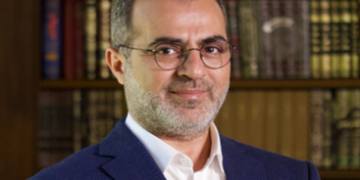
Thank you very much for inviting me. I appreciate the opportunity to participate in this interview. My name is Mahsuk Yamac, and I’m the Dean of Graduate Studies as well as a full-time faculty member at Zaytuna College. I first joined Zaytuna College in 2017, and at that time, we began to develop the curriculum for the MA program in Islamic Texts. My scholarly training dates back to when I was a child in my homeland of Türkiye. I grew up studying and teaching in the classical Kurdish madrasa for over eight years, where I particularly focused on the rational and linguistic sciences. I also pursued higher education abroad in Syria and the United States. Over the course of my academic career, I’ve taught across all the rational and traditional sciences, including Islamic philosophy and the liberal arts, such as Arabic grammar, rhetoric, morphology, logic, dialectics, disputation (which is a unique Islamic science), and Arabic semantics. At Zaytuna, my courses are in the areas of Islamic philosophy and the Arabic liberal arts. I have extensive experience in curriculum design and pedagogy.

My interest in Zaytuna College is largely due to my conviction in the power of the liberal arts to train human beings not only to think correctly but to behave ethically. In the modern context, where Muslims have a growing presence in non-Muslim societies, it is more important now than ever for us to be grounded in both Western and classical Islamic traditions. My own worldview is that the truth is not confined to the East or West, so we should benefit from all civilizations for the sake of all humanity.  Each civilization has its own virtues and worth. I believe that blessings and virtues are distributed amongst people and do not belong to anyone alone. At Zaytuna College, this understanding is one of the central aims that we have for the students.

In the modern context, where Muslims have a growing presence in non-Muslim societies, it is more important now than ever for us to be grounded in both Western and classical Islamic traditions.

How and why was the College founded? Do you have a target audience of prospective students?

Zaytuna College was founded in 2009 in Berkeley, California, with the mission to provide a traditional liberal arts education that combines the pedagogical approach as well as the curriculum of such a program from both the Islamic and the Western perspectives. The College has two programs, and the target audience of each is unique. For the BA-level program in liberal and Islamic studies, our aim is to train students in the Islamic sciences, the liberal arts, and the Western canon more generally. The result is a graduate who is conversant in two traditions and equipped to contribute critically to any field, whether academically or professionally. Our BA graduates go into higher education, medicine, law, philanthropy, and other important fields that positively impact society.

The MA Program in Islamic Texts specifically was founded to address a gap in higher education in Western academia. Namely, it is not normally possible for students pursuing an MA or PhD to study the Islamic tradition from within the tradition. Zaytuna’s MA program fills this gap, offering students the opportunity to delve into textual studies at a relatively advanced level while also studying and researching in the Islamic and Western academic traditions. Notably, students complete a publishable research thesis, which serves as a formidable training for PhD studies. Our MA alumni often go on to pursue PhD studies and other academic professions, such as research and teaching, at other higher education institutions.

It is stated on the official website that the institution aims to educate intellectuals “who are grounded in the Islamic scholarly tradition.” How do you integrate traditional Islamic knowledge into the mainstream education curriculum in the USA?

Technically speaking, Zaytuna College is accredited by WASC (Western Association of Schools and Colleges), which means that there are objective and consistent criteria that our college has to meet in order to issue recognized degrees at the BA and MA level, including requirements in our assessment of students and how they align with program learning outcomes. WASC is the accrediting body for other well-known universities, such as Stanford and UC Berkeley. It is a very thorough and difficult process to gain accreditation, and Zaytuna is the first and only Muslim liberal arts college that has done so in the USA. This naturally places our curriculum into the mainstream educational system.

At the same time, colleges in the USA have the ability to design their own curriculum independently. So beyond meeting the technical requirements for colleges, the pedagogical approach, as well as the courses that are taught, reflect the Islamic scholarly tradition.

In your opinion, what role do Muslim colleges play in the overall education system in the USA? And in this sense, what challenges and opportunities do they face in the USA?

Currently, Zaytuna is the only liberal arts college founded by Muslims, which means the role of such institutions is limited in the overall education system in the USA. As a liberal arts college, we are part of an academic circle that is reviving a lost tradition. Through the efforts of our college president, Hamza Yusuf, and many of our faculty members, we engage in academic discourse with other institutions in the form of conferences, publications, and other avenues.

We also know that globally, Zaytuna College is looked upon as a standard of what an integrated Islamic and Western liberal arts education should be, and I believe we can hold the same position in the American context.

How do you think that the College addresses the challenges of balancing Muslim identity in a Muslim-minority country, affects the subject formation of Muslim identity, and shapes the worldviews of Muslim students?

The liberal arts are powerful in training and broadening the human mind. In addition, our college is not just an academic institution. The student experience is integrative and holistic, combining an academically rigorous program with lived reality.  So, the study of Islamic law, ethics, and philosophy–all of these are pursued at a deep level and also practiced in their own lives. They are witnessing how Islamic values can transform and benefit their own character, as well as how those values uphold human dignity and justice for everyone.
Our goal is to produce well-rounded individuals who are conversant in two traditions and comfortable in their own skin. Because of their nuanced worldview, which is grounded both in Islamic and Western scholarship, our students are able to make meaningful contributions to the world.


Finally, how do you envision the future role of Muslim colleges in Muslim-minority countries in shaping the education and subject formation of the Muslim community?

Institution building is a hallmark for the successful integration of minorities of every kind. Without our own institutions of higher learning, it will be impossible for Muslim communities to train academics and scholars who are competent and well-versed in the educational standards of their societies while also being grounded and educated in the Islamic tradition. The problem is also cyclical: If we do not train academics at places like Zaytuna, then the professors of Islamic studies departments at all major universities and Western institutions will not accurately represent our values and worldview. So, I envision and hope for colleges like ours to produce scholars, academics, and professionals in every field because they will meet the challenges of every sphere in which they are present. For example, the students who graduated to go into medicine and law have excelled both academically and at their work, and this becomes a kind of validation for others who might want to apply to Zaytuna College. We have students who are studying to become professors as well, so we hope they will be influential and excellent scholars who can have a lasting imprint in their respective fields. All of this is only possible if we produce students who are truly grounded in the Islamic and Western liberal arts.


Previous Post

A Voice from Gaza: Sarah al-Najjar

Next Post

Interview with International Students in Istanbul

Next Post
İstanbul’daki Uluslararası Öğrencilerle Söyleşi

Interview with International Students in Istanbul

Bir yanıt yazın Yanıtı iptal et

E-posta adresiniz yayınlanmayacak. Gerekli alanlar * ile işaretlenmişlerdir

  • A Possible New Breath in Regional Balances: The Alliance of Türkiye, Pakistan, Egypt, and Saudi Arabia

    Bölgesel Dengelerde Olası Yeni Bir Soluk: Türkiye, Pakistan, Mısır ve Suudi Arabistan İttifakı

    0 shares
    Share 0 Tweet 0
  • Nakşibendi-Hakkani Tarikatı

    0 shares
    Share 0 Tweet 0
  • Bilime Yön Verenler: Nobel Ödüllü Müslüman Bilim İnsanları

    0 shares
    Share 0 Tweet 0
  • Fuad Sezgin

    0 shares
    Share 0 Tweet 0
  • Sosyal Medyada İslamcı-Muhafazakâr Kamusallığın Dönüşümü Üzerine

    0 shares
    Share 0 Tweet 0
  • The Gravity of What Took Place at Al-Aqsa Mosque During Ramadan 2026

    Ramazan 2026’da Mescid-i Aksa’da Yaşananların Ciddiyeti

    0 shares
    Share 0 Tweet 0
  • The Gravity of What Took Place at Al-Aqsa Mosque During Ramadan 2026

    0 shares
    Share 0 Tweet 0
  • FLA-JNIM Cooperation and Shifting Security Dynamics in Mali

    0 shares
    Share 0 Tweet 0
  • FLA-JNIM İş Birliği ve Mali’de Değişen Güvenlik Dinamikleri

    0 shares
    Share 0 Tweet 0
  • The Current State of Indonesia’s Luxury Industry and the Landscape of Independent Handcrafted Watchmaking

    0 shares
    Share 0 Tweet 0

Platform: Müslüman Dünyanın Gündemi, Müslüman toplumların fikrî, siyasi, sosyal, ekonomik ve kültürel gündemlerini takip ve tahlil edip Müslüman dünyaya dair güncel ve özgün perspektifler sunmayı amaçlayan bir yayın organı olarak İLKE İlim Kültür Eğitim Vakfı bünyesinde kurulmuştur.

  • SAYILAR
  • ANALİZLER
  • HABERLER
  • SÖYLEŞİLER
  • DÜNYADAN SESLER
  • platform@ilke.org.tr
  • (0216) 310 43 18
  • Aziz Mahmut Hüdayi Mah. Türbe Kapısı Sk. No: 13 Üsküdar, İstanbul

2025 @ PLATFORM bir İLKE Vakfı kuruluşudur. Tüm hakları saklıdır. 

No Result
View All Result
  • Home
  • Analizler
  • Haberler
  • Söyleşiler
  • Dünyadan Sesler